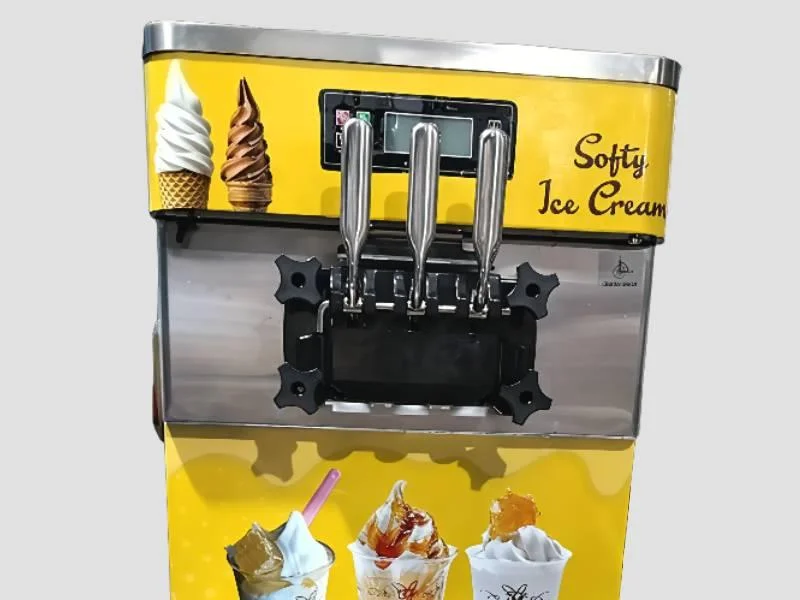
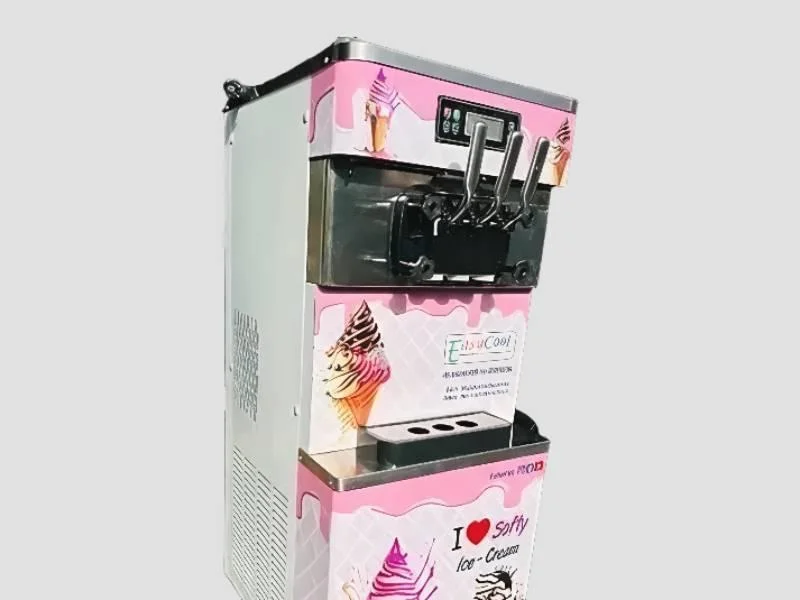
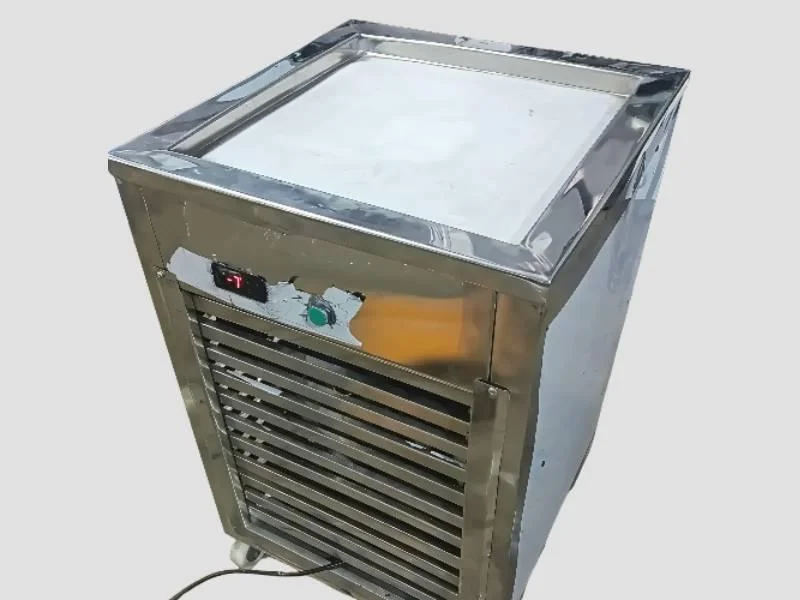
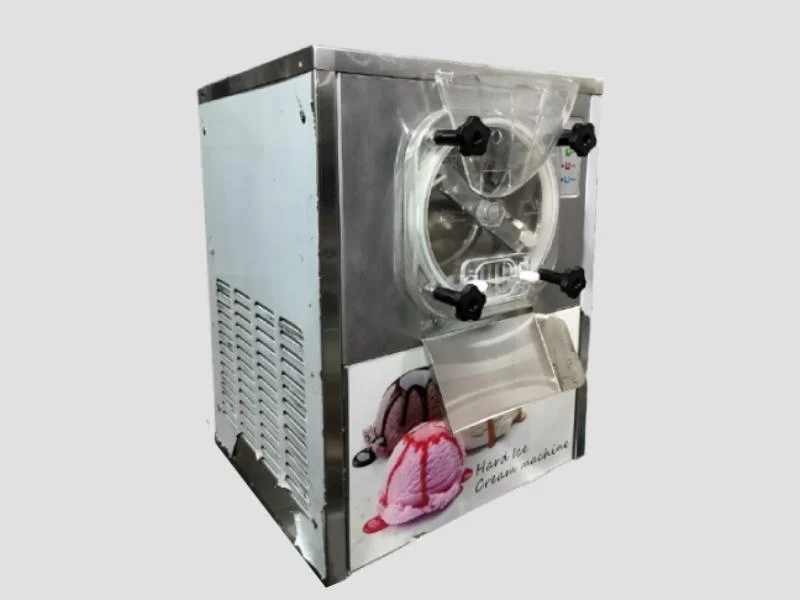
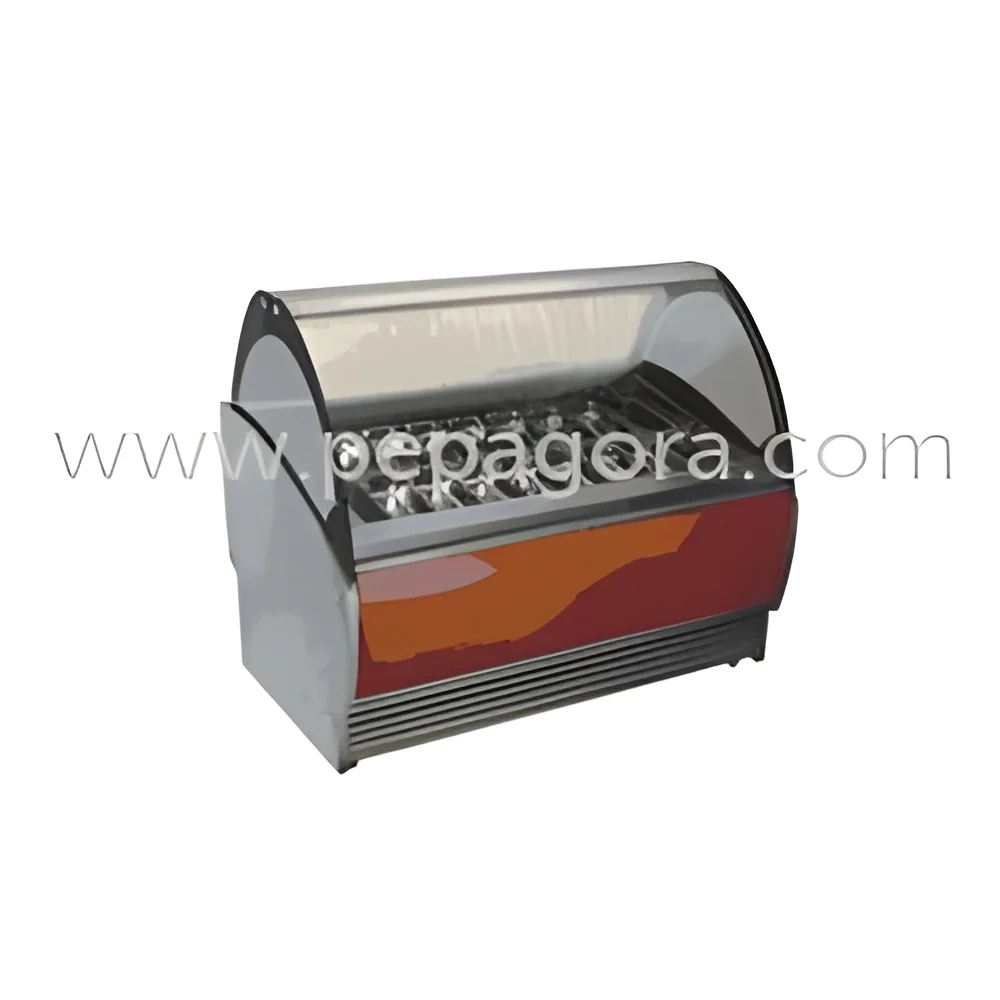
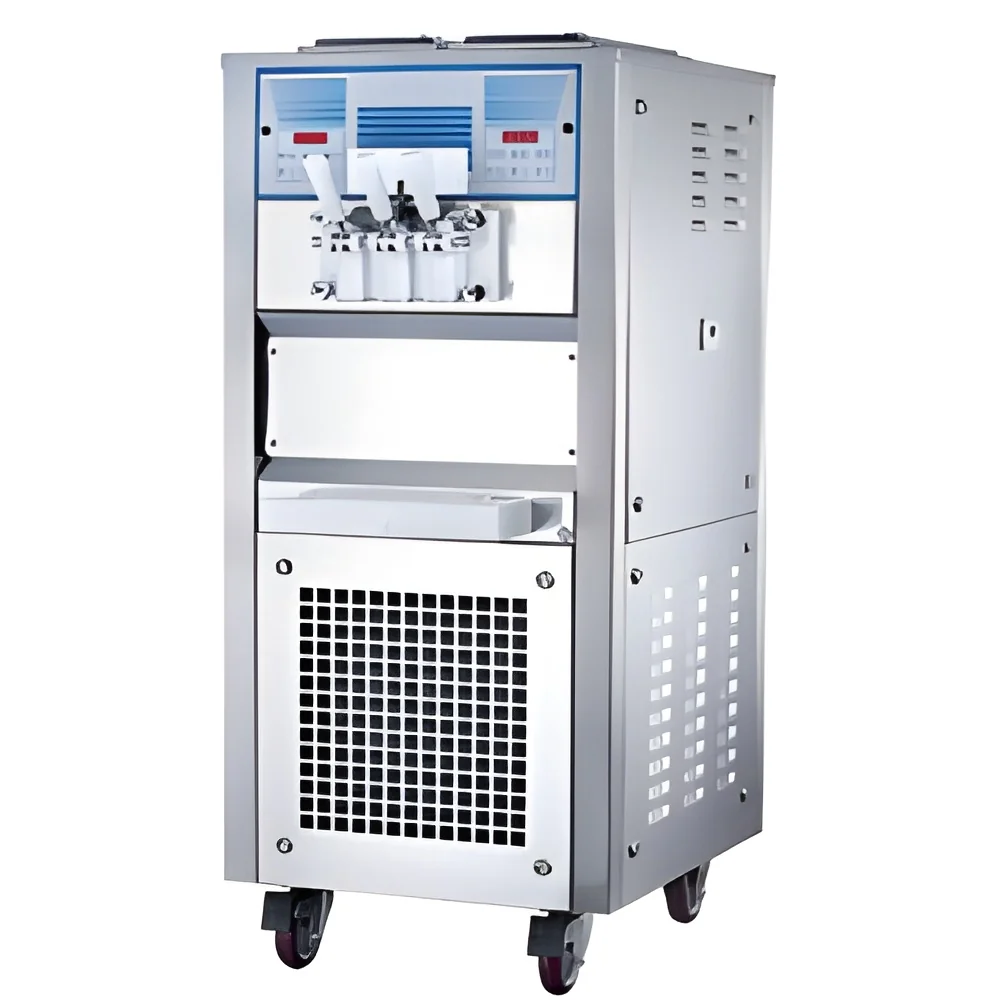
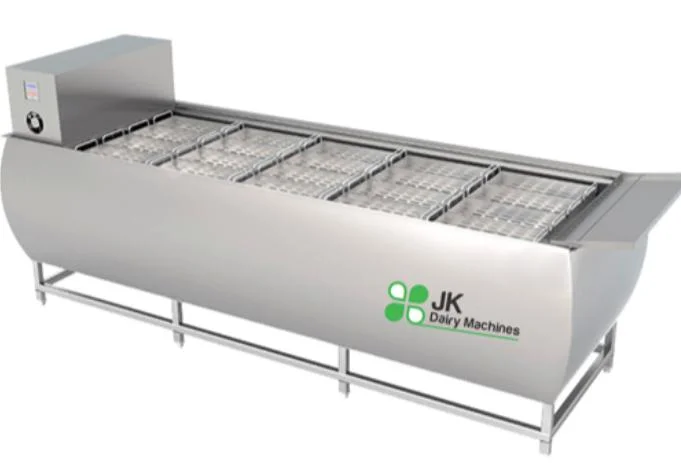
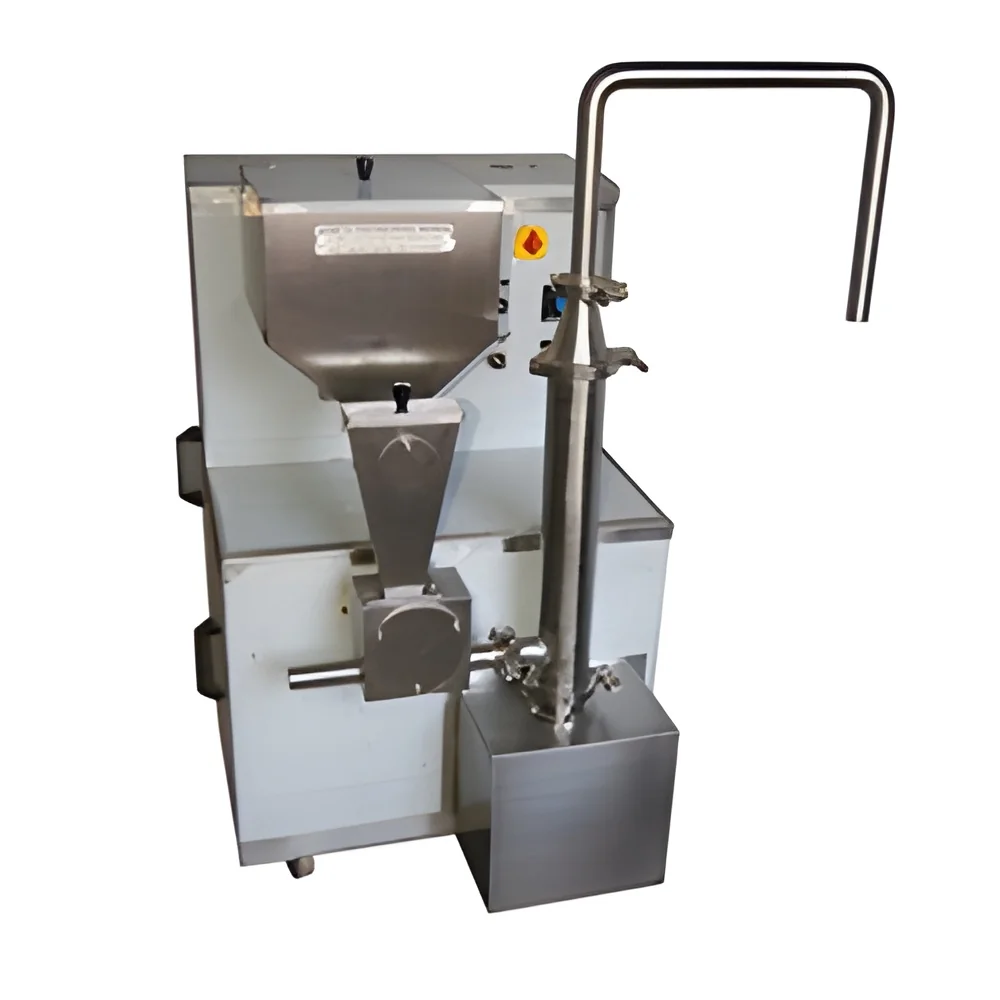
What are Frozen Food Processing Lines?
Frozen food processing lines are specialized manufacturing systems designed to handle the production and processing of frozen food products. These lines encompass a series of interconnected equipment and processes that enable the efficient freezing, packaging, and storage of various food items. The primary goal is to preserve the quality, flavor, and nutritional value of the food while extending its shelf life for distribution and consumption.
Frozen food processing lines are widely used in various business applications, including food manufacturing, restaurant supply, and retail distribution. These systems allow companies to efficiently process large volumes of food, ensuring that products remain safe and high-quality throughout the freezing and packaging stages. The relevance of frozen food processing lines in the food industry cannot be understated, as they play a crucial role in meeting consumer demand for convenient and long-lasting meal options. With the growing popularity of frozen foods, the market for processing lines continues to expand, driven by innovations in technology and changing consumer preferences.
Key Features and Specifications
Frozen food processing lines come equipped with various advanced features that enhance operational efficiency and product quality. Understanding these features is essential for businesses looking to invest in such systems.
Key specifications include:
1. Freezing Technology
- Utilizes methods such as blast freezing or plate freezing.
- Ensures rapid freezing to maintain food texture and nutrients.
2. Temperature Control
- Capable of maintaining precise temperature ranges during processing.
- Critical for preserving the quality of frozen products.
3. Production Capacity
- Designed to handle variable production volumes.
- Can range from small-scale to large-scale processing.
4. Automation Level
- Options for fully automated or semi-automated systems.
- Improves efficiency and reduces labor costs.
5. Packaging Options
- Supports various packaging formats, including vacuum sealing and tray sealing.
- Enhances product shelf life and market appeal.
6. Hygiene Standards
- Built to comply with food safety regulations.
- Facilitates easy cleaning and maintenance.
7. Energy Efficiency
- Designed to minimize energy consumption.
- Reduces operational costs and environmental impact.
8. Monitoring Systems
- Features integrated monitoring systems to track temperature and process conditions.
- Essential for quality control and regulatory compliance.
In summary, the specifications of frozen food processing lines ensure that businesses can effectively produce high-quality frozen products while adhering to safety standards and operational efficiencies.
Common Applications and Use Cases
Frozen food processing lines serve a variety of industries by catering to their specific needs.
1. Food Manufacturing: These lines are essential for producing frozen vegetables, fruits, and ready-to-eat meals, allowing manufacturers to meet market demand for convenient food options.
2. Retail Distribution: Grocery stores and supermarkets rely on frozen food processing lines to supply frozen meals, snacks, and desserts, ensuring a steady inventory of popular products.
3. Restaurant Supply: Food service companies utilize these lines to prepare and package frozen items for restaurants, providing chefs with ready-to-use ingredients that save time.
4. Meal Kit Services: Businesses offering meal kits incorporate frozen processing lines for pre-prepared ingredients, ensuring freshness and quality upon delivery.
5. Seafood Processing: Many seafood processors use these lines to freeze fish and shellfish quickly after catch, preserving flavor and texture for consumers.
6. Bakery Products: Frozen food processing lines are also used in the production of frozen dough and baked goods, allowing for extended shelf life and convenience.
7. Convenience Foods: These lines support the production of frozen snacks and appetizers, catering to the growing demand for quick and easy meal solutions.
Product Variants and Subcategories
The diversity of frozen food processing lines allows businesses to select systems that best fit their specific requirements.
Standard Frozen Food Processing Line
This variant is designed for general processing needs, suitable for a wide range of frozen foods. It often includes features for both batch and continuous processing, making it versatile for different production volumes.
High-Capacity Frozen Food Processing Line
Engineered for large-scale operations, this variant offers enhanced automation and higher throughput. It is ideal for businesses looking to maximize output while maintaining product quality.
Compact Frozen Food Processing Line
This variant is tailored for small to medium-sized enterprises with limited space. It provides essential processing capabilities without requiring a large footprint.
Benefits and Advantages
Investing in frozen food processing lines offers numerous advantages for businesses in the food industry.
Key benefits include:
1. Enhanced Product Quality: Rapid freezing techniques preserve the texture and nutrients of food products, resulting in higher quality offerings.
2. Increased Efficiency: Automated processes reduce labor costs and processing times, allowing for higher output and profitability.
3. Extended Shelf Life: Proper freezing techniques prolong the freshness of food products, reducing waste and enhancing inventory management.
4. Versatility: These lines can be tailored to process a wide variety of food types, accommodating diverse product lines.
5. Compliance with Safety Standards: Frozen food processing lines are designed to meet stringent food safety regulations, ensuring consumer protection.
6. Cost-Effectiveness: Energy-efficient designs help lower operational costs, improving overall profitability for businesses.
Buying Guide for B2B Buyers
When sourcing frozen food processing lines, several factors should be considered to ensure a successful investment.
1. Quality Assessment: Evaluate the quality of materials and construction used in the processing line. Look for equipment that meets industry standards and offers durability.
2. Supplier Verification: Vet potential suppliers by checking their reputation and past performance. Request references and reviews to gauge reliability.
3. Pricing and MOQ: Understand the pricing structure and minimum order quantities required by suppliers. This helps in budgeting and planning your purchase.
4. Delivery and Lead Times: Consider the logistics involved in receiving the equipment. Ensure that the supplier can meet your required timelines for delivery.
5. Compliance Requirements: Be aware of regulatory and compliance needs for food processing in your region. Confirm that the equipment meets these standards before purchase.
Compliance and Certifications
Frozen food processing lines must adhere to various quality standards and certifications to ensure safety and reliability.
Industry standards such as ISO 9001 guide manufacturers in maintaining quality management systems. Compliance with HACCP (Hazard Analysis Critical Control Point) principles is crucial for identifying and controlling food safety hazards.
Additionally, CE certification indicates that the equipment meets European safety and environmental requirements, making it suitable for the European market.
Safety and testing requirements are essential to ensure that the equipment operates effectively while maintaining hygiene throughout the processing stages.
Regional compliance considerations may vary, so it is important to research and understand the specific regulations applicable in your geographic area.
Why Source Frozen Food Processing Lines from Pepagora?
Pepagora provides a trusted platform for sourcing frozen food processing lines, offering several key advantages for B2B buyers.
Verified Supplier Network: Pepagora has a robust network of verified suppliers, ensuring that buyers can connect with reputable manufacturers that meet quality standards.
Streamlined RFQ Process: The platform simplifies the request for quotation process, allowing buyers to easily compare options and make informed decisions based on their specific needs.
Trade Assurance and Support: Pepagora offers trade assurance and support services, providing buyers with protection throughout the procurement process. This ensures a secure transaction and peace of mind.
Regional Coverage: With a presence in India, the GCC, and Southeast Asia, Pepagora offers extensive regional coverage, facilitating connections between buyers and suppliers across these key markets. This broad reach enhances the chances of finding the right processing line for any business.

 IN
IN