
 IN
INJuice Processing & Bottling Lines
12 products available
What are Juice Processing & Bottling Lines?
Key Features and Specifications
Common Applications and Use Cases
Product Variants and Subcategories
Benefits and Advantages
Buying Guide for B2B Buyers
Compliance and Certifications
Why Source Juice Processing & Bottling Lines from Pepagora?


Frequently Asked Questions
What are Juice Processing & Bottling Lines?
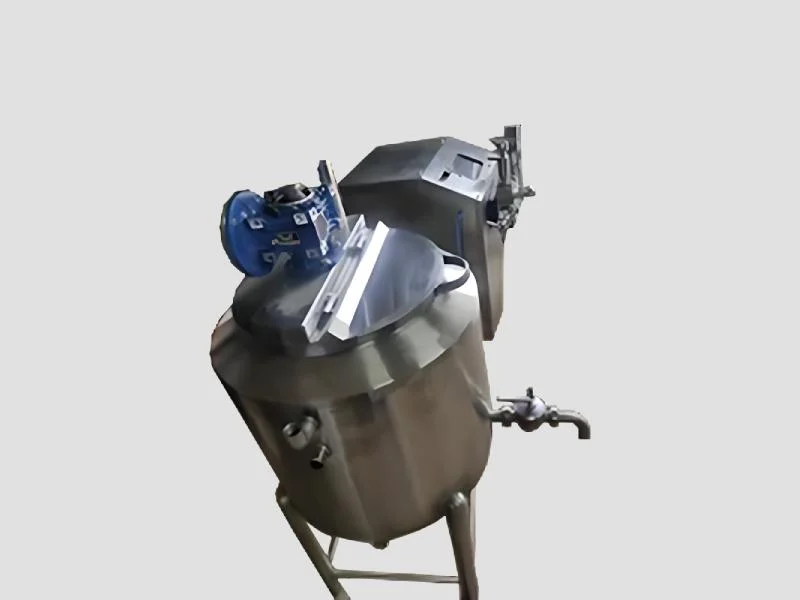
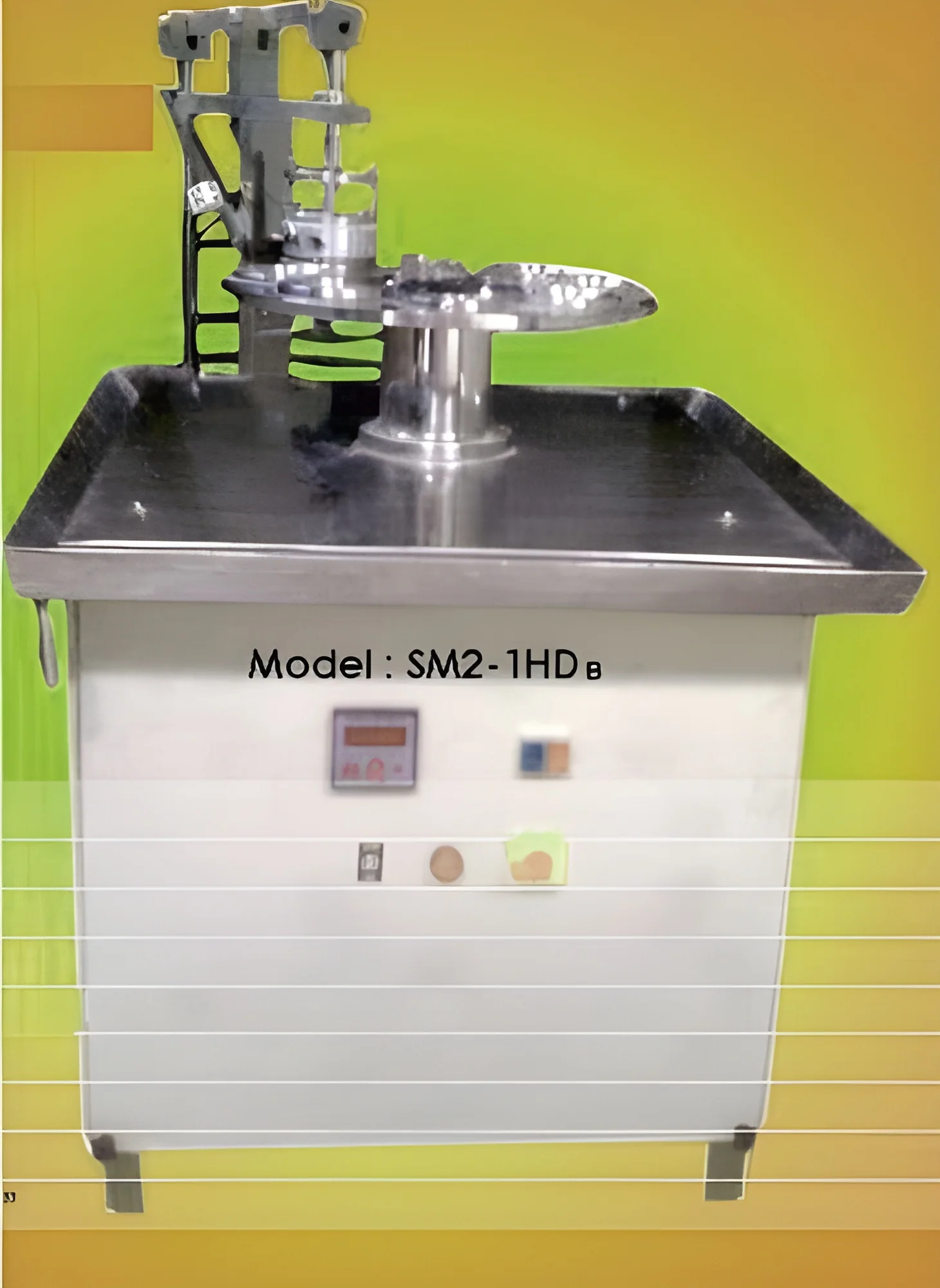
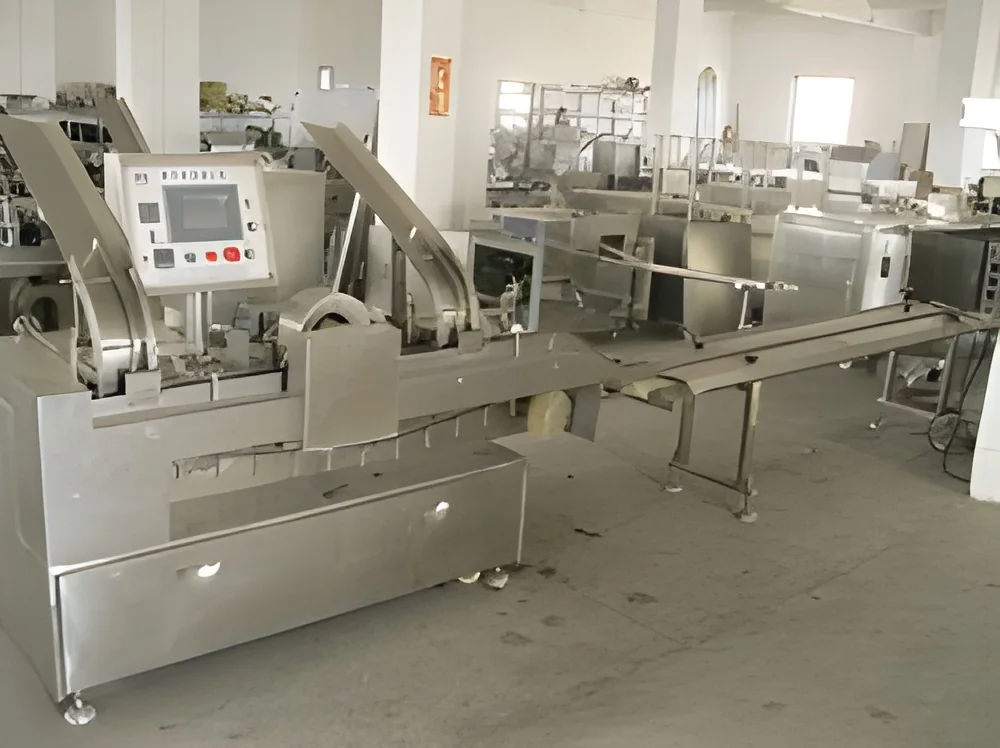
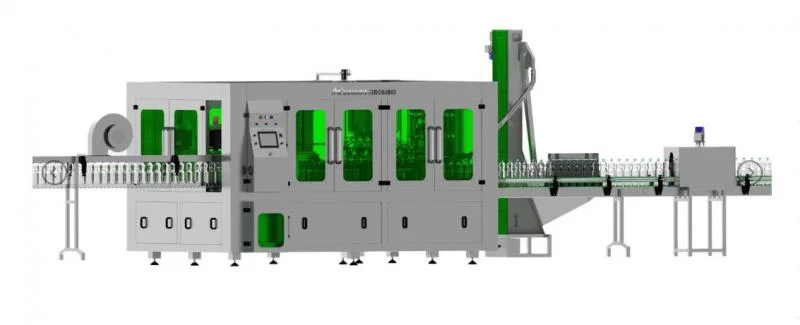
Juice Processing & Bottling Lines are systems designed for the efficient extraction, processing, and packaging of juice from fruits and vegetables. These lines encompass various stages, including washing, crushing, filtering, pasteurizing, and bottling, ensuring that the final product is safe for consumption and retains its nutritional value.
What are the different types of Juice Processing & Bottling Lines?
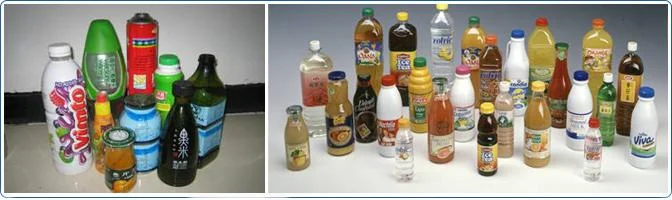
There are several types of Juice Processing & Bottling Lines, including continuous and batch processing lines. Additionally, they can vary based on the type of juice being processed, such as single-strength juice lines or concentrate lines, and may include additional features like carbonating systems or aseptic filling capabilities.
How do I choose the right Juice Processing & Bottling Lines?
Choosing the right Juice Processing & Bottling Lines involves evaluating your production capacity, the type of juice being processed, and your budget. It's essential to consider the technology that best suits your needs, such as automation levels and the flexibility to handle different bottle sizes and types.
What are the standard specifications for Juice Processing & Bottling Lines?
Standard specifications for Juice Processing & Bottling Lines typically include production capacity (measured in liters per hour), energy consumption, and the materials used in construction (often stainless steel for hygiene). Additionally, specifications may address the line's ability to handle different types of juice and the required certifications for food safety.
What is the price range for Juice Processing & Bottling Lines?
The price range for Juice Processing & Bottling Lines can vary significantly based on capacity, technology, and features. Generally, small-scale systems can start from a few lakhs, while larger, fully automated lines can cost several crores.
What quality standards apply to Juice Processing & Bottling Lines?
Quality standards for Juice Processing & Bottling Lines often include compliance with food safety regulations such as FSSAI in India and international certifications like ISO and HACCP. These standards ensure that the equipment is safe, hygienic, and suitable for food processing.
Where can I find Juice Processing & Bottling Lines suppliers in India?
You can find Juice Processing & Bottling Lines suppliers in India through various online B2B marketplaces like Pepagora.com, industry trade shows, and local directories. It's advisable to compare multiple suppliers based on their product offerings, customer reviews, and after-sales support.
Can Juice Processing & Bottling Lines be customized?
Yes, Juice Processing & Bottling Lines can often be customized to meet specific production needs and preferences. Manufacturers may offer options for adjusting the capacity, adding specific features, or tailoring the design to fit unique operational requirements.
What is the typical minimum order quantity for Juice Processing & Bottling Lines?
The typical minimum order quantity (MOQ) for Juice Processing & Bottling Lines can vary by supplier and the scale of the equipment. Generally, MOQs may range from one complete line for larger manufacturers to smaller quantities for modular or single units.
What is the typical lead time for Juice Processing & Bottling Lines?
The typical lead time for Juice Processing & Bottling Lines can vary based on the complexity of the order and the manufacturer's production schedule. Generally, lead times can range from a few weeks to several months, depending on customization and availability.
Why Businesses Trust Pepagora
Thousands of companies trust Pepagora to source smarter and sell faster
Expand Your Sales Globally

Source Smarter,Grow Faster
