What are Beverage Processing Units?
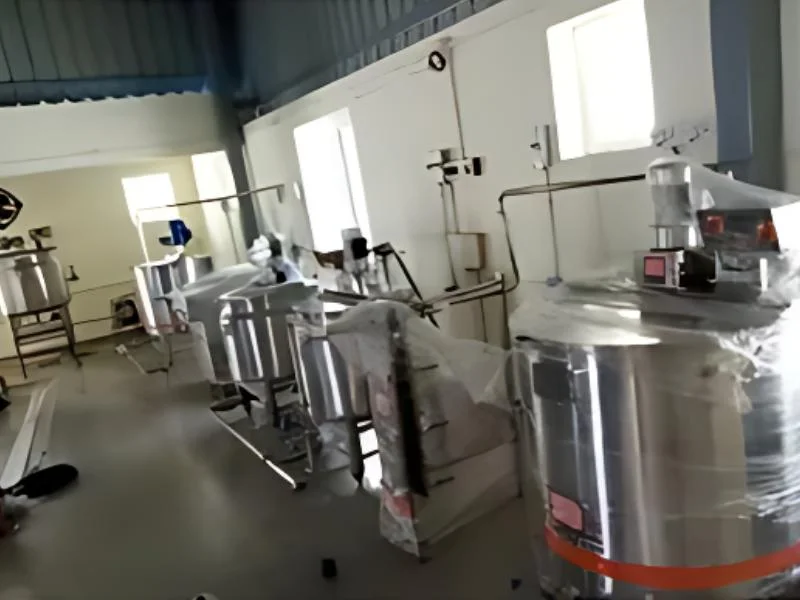
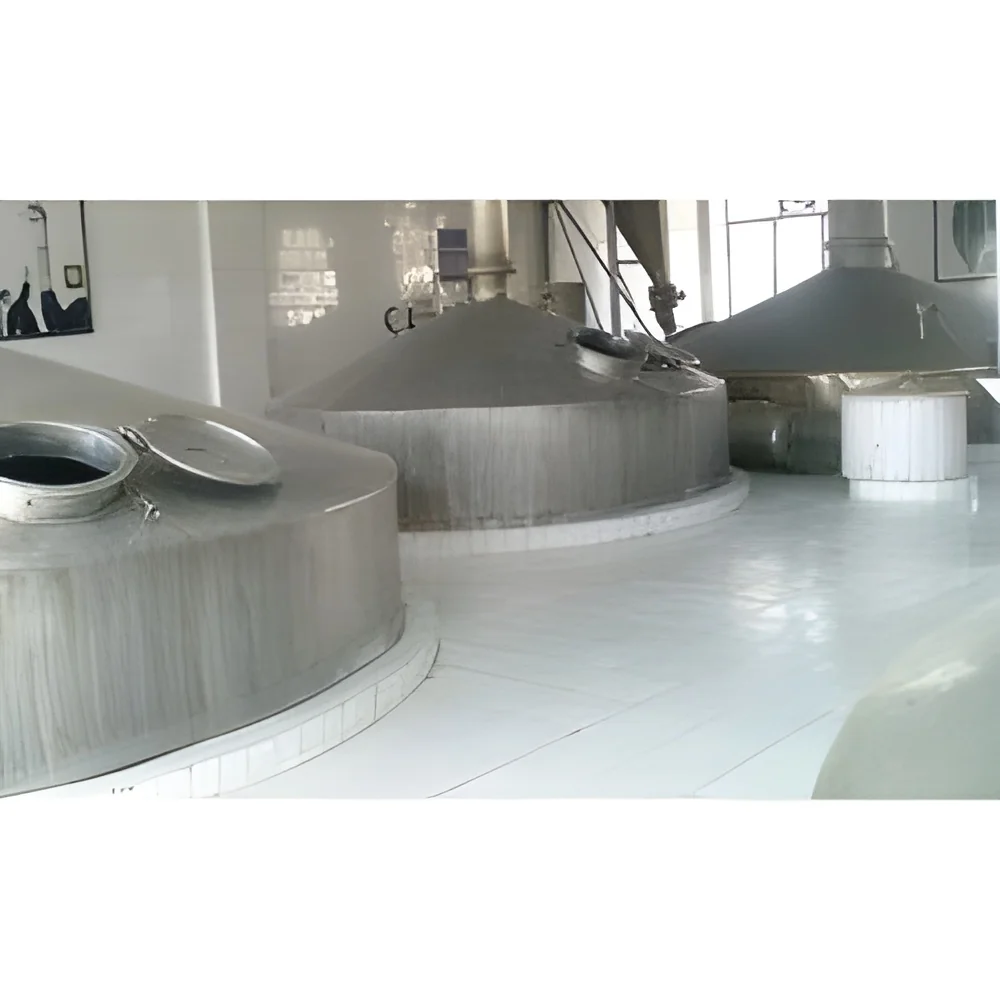
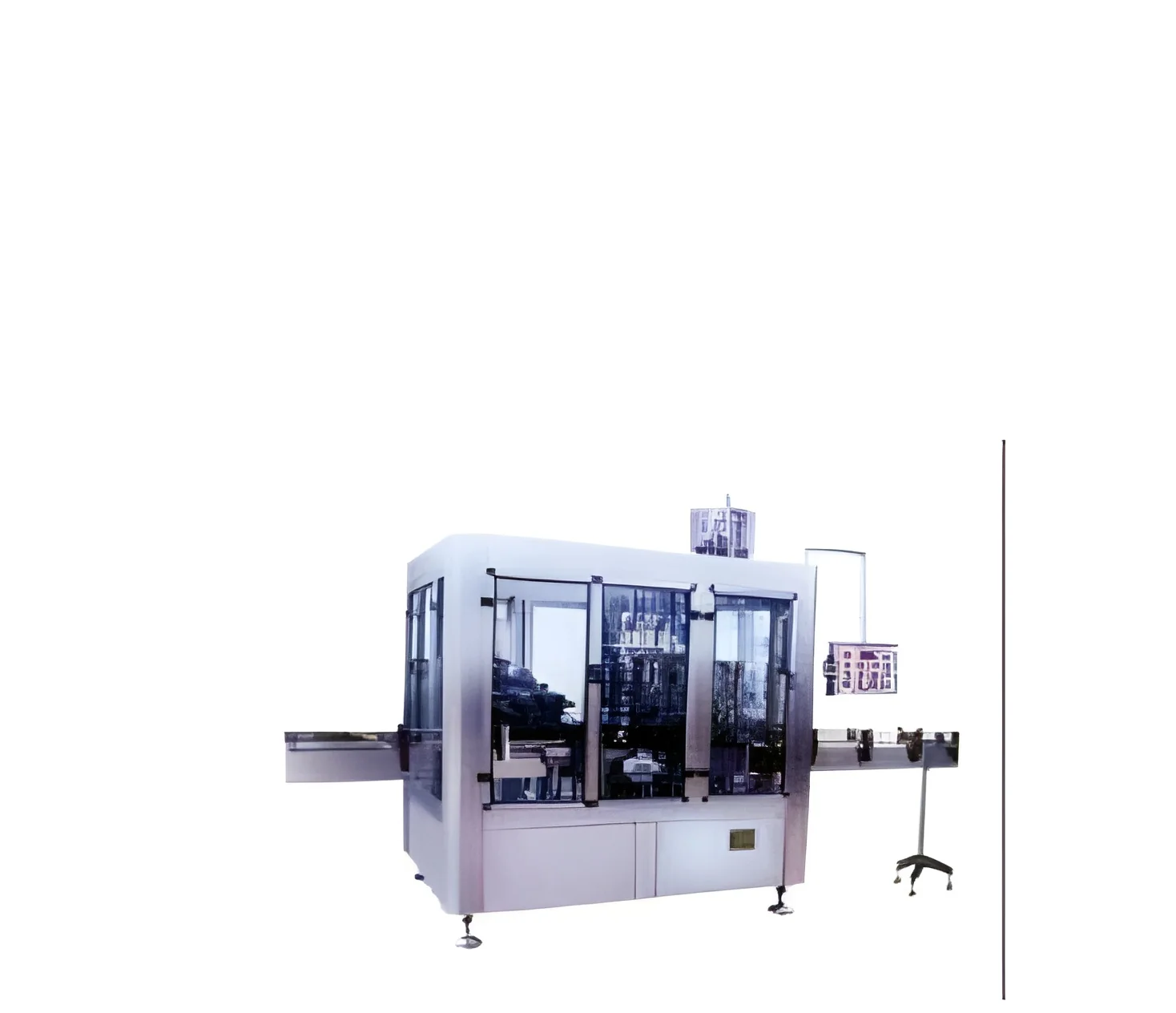
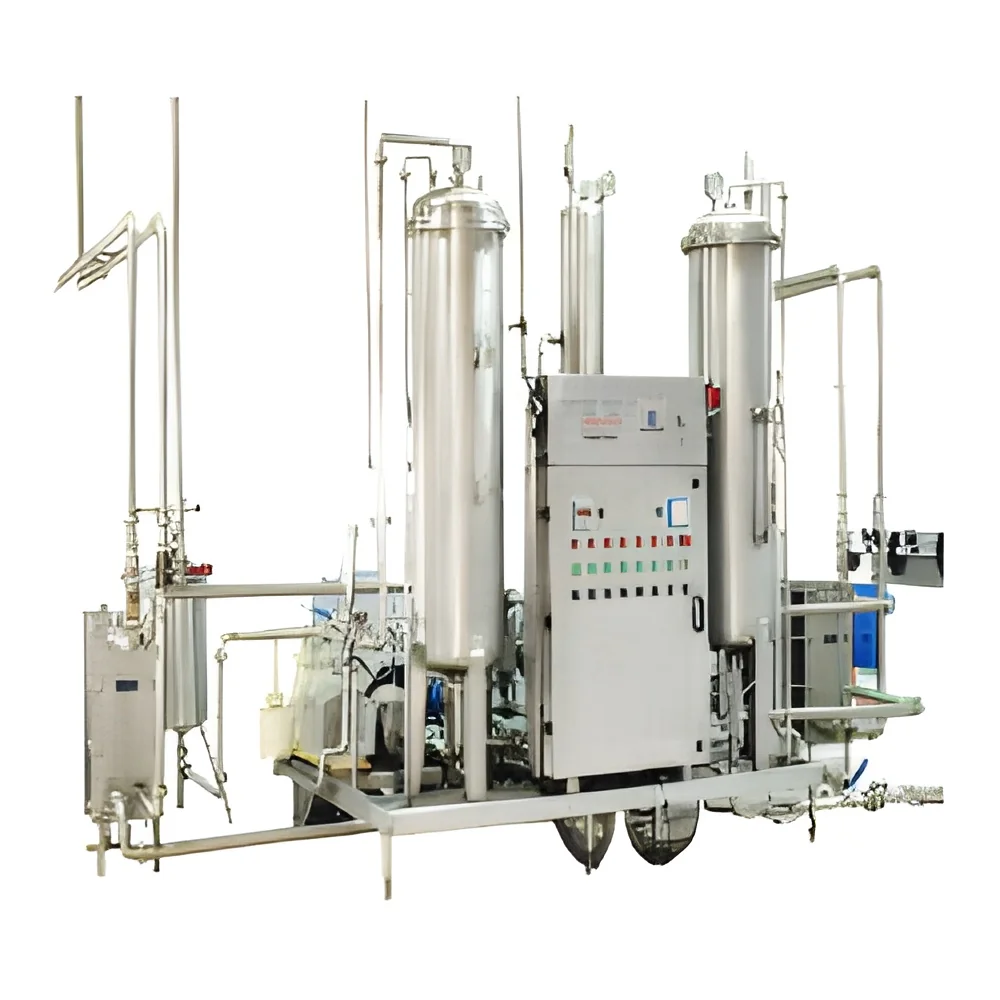
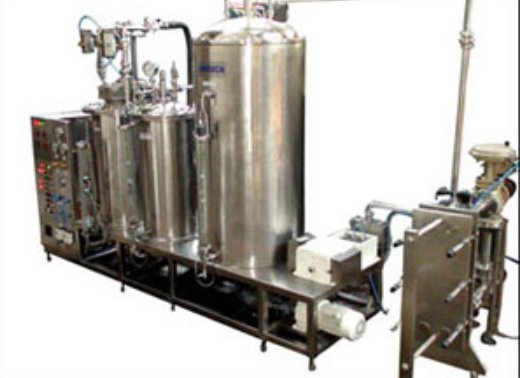
Beverage Processing Units are specialized systems designed for the production, treatment, and packaging of various beverages. These units encompass a range of processes, including filtration, pasteurization, carbonation, and blending, ensuring that beverages meet quality and safety standards before reaching consumers. They are integral to the beverage manufacturing sector, providing essential capabilities that enhance product quality and operational efficiency.
These units find primary application in industries such as soft drinks, juices, dairy, and alcoholic beverages. Companies utilize Beverage Processing Units to streamline their production processes, improve product consistency, and ensure compliance with food safety regulations. As consumer demand for diverse and high-quality beverages continues to rise, these units play a crucial role in maintaining competitive advantage in the market.
In the broader context, the beverage processing industry is evolving rapidly, driven by technological advancements and changing consumer preferences. The global market for Beverage Processing Units is witnessing steady growth as manufacturers seek innovative solutions to optimize their production lines and meet stringent regulatory requirements. This increasing relevance underscores the importance of investing in efficient and reliable processing units.
Key Features and Specifications
Beverage Processing Units come equipped with various features designed to enhance production efficiency and product quality. Understanding these specifications is essential for manufacturers looking to invest in these systems.
Key specifications include:
1. Capacity
- The production capacity of the unit, typically measured in liters per hour.
- Ranges can vary from small-scale units (100-500 L/h) to large systems (over 10,000 L/h).
2. Energy Efficiency
- The energy consumption of the unit during operation.
- A typical range allows for optimization, often expressed in kWh per liter produced.
3. Automation Level
- The degree of automation in the unit, ranging from manual to fully automated systems.
- Automated units often feature advanced control systems for monitoring and adjustments.
4. Material Construction
- The materials used in construction, commonly stainless steel for hygiene and durability.
- Compliance with food safety standards is a critical factor.
5. Temperature Control
- Systems for maintaining optimal processing temperatures.
- Typical ranges depend on the beverage type; data not available for specific parameters.
6. Cleaning Systems
- Integrated cleaning mechanisms, such as CIP (Clean-In-Place) systems.
- Essential for maintaining hygiene and reducing downtime.
7. Monitoring Features
- Features that allow real-time monitoring of various parameters.
- Data not available for specific monitoring capabilities.
8. Safety Standards
- Compliance with industry safety regulations, such as CE certification.
- Ensures safe operation and product quality.
In summary, Beverage Processing Units are equipped with advanced features and specifications that cater to the diverse needs of the beverage industry. Understanding these elements is vital for making informed purchasing decisions.
Common Applications and Use Cases
Beverage Processing Units serve a multitude of industries, each with specific applications that leverage these systems for enhanced production capabilities.
1. Soft Drinks: Beverage Processing Units are used to carbonate and blend ingredients for soft drink production, ensuring consistent flavor profiles and quality.
2. Juices: These units help in the extraction, filtration, and pasteurization of fruit juices, preserving flavor and nutrients while ensuring safety.
3. Dairy Products: In the dairy sector, Beverage Processing Units are essential for pasteurizing milk and producing various dairy beverages, maintaining hygiene and quality.
4. Alcoholic Beverages: Breweries and distilleries utilize these units for fermentation, filtration, and packaging of beer and spirits, ensuring compliance with strict regulations.
5. Health Drinks: Manufacturers of health-oriented beverages employ processing units to mix and flavor functional drinks, catering to health-conscious consumers.
6. Bottled Water: Beverage Processing Units are crucial for purifying and bottling water, ensuring it meets health standards and customer expectations.
7. Ready-to-Drink Beverages: These units facilitate the production of pre-packaged drinks, allowing for efficient bottling and distribution.
Product Variants and Subcategories
Beverage Processing Units come in various configurations and designs to suit different production requirements. While specific subcategories are not available, the diversity within the product line allows for tailored solutions.
Compact Units: Ideal for small to medium-scale operations, compact Beverage Processing Units offer flexibility and ease of use for smaller manufacturers. They often come with essential features without the complexities of larger systems.
Modular Systems: These units allow manufacturers to customize their processing lines by adding or removing modules. This adaptability makes them suitable for businesses that anticipate growth or changes in production needs.
High-Capacity Units: Designed for large-scale production, these units can handle substantial volumes while maintaining quality and efficiency. They often feature advanced automation for streamlined operations.
Benefits and Advantages
Investing in Beverage Processing Units provides numerous benefits that drive efficiency and product quality.
1. Enhanced Efficiency: These units streamline production processes, allowing for faster output and reduced waste.
2. Improved Quality Control: Advanced features ensure consistent quality across batches, meeting consumer expectations and regulatory standards.
3. Cost Savings: Energy-efficient designs and automation can lead to significant cost savings in operations over time.
4. Flexibility: With various configurations available, manufacturers can easily adapt the units to changing production needs.
5. Compliance Assurance: Beverage Processing Units are designed to meet industry standards, ensuring products are safe and compliant.
6. Increased Market Competitiveness: By utilizing advanced processing technologies, manufacturers can stay ahead in a competitive market.
Buying Guide for B2B Buyers
When sourcing Beverage Processing Units, it is essential to consider various factors to ensure a successful investment.
1. Quality Assessment: Evaluate the quality of the units by reviewing specifications, supplier history, and user feedback. Ensure they meet industry standards.
2. Supplier Verification: Conduct thorough vetting of suppliers to ensure they have a reliable track record and can provide the necessary support and service.
3. Pricing and MOQ: Consider the cost of the units and any minimum order quantities. Understanding the total cost of ownership, including maintenance and operational costs, is crucial.
4. Delivery and Lead Times: Discuss logistics with suppliers to understand delivery timelines and ensure they align with your production schedules.
5. Compliance Requirements: Verify that the units comply with regulatory standards applicable to your region and industry. This ensures product safety and market access.
Compliance and Certifications
Beverage Processing Units must adhere to several quality standards and certifications to ensure safety and operational efficiency.
ISO 9001 is a widely recognized quality management standard that ensures manufacturers maintain consistent quality in their processes. This certification is crucial for suppliers aiming to demonstrate their commitment to quality.
HACCP (Hazard Analysis Critical Control Point) is essential in the food and beverage industry. It identifies potential hazards and establishes critical control points in the production process, ensuring safe consumption.
CE certification indicates that the products meet the European Union's safety and environmental protection requirements. This certification is vital for units sold in or exported to European markets.
Safety and testing requirements include rigorous assessments to ensure that the units operate safely under various conditions. These tests ensure reliability and product integrity.
Regional compliance considerations may vary based on local regulations. It is critical for manufacturers to be aware of these requirements to avoid potential legal issues.
Why Source Beverage Processing Units from Pepagora?
Pepagora offers a trusted platform for sourcing Beverage Processing Units, providing several key advantages that benefit B2B buyers.
Verified Supplier Network: Our platform connects buyers with a network of verified suppliers, ensuring quality and reliability. Each supplier undergoes a thorough verification process to build trust.
Streamlined RFQ Process: Buyers can easily request quotations through our user-friendly system. This streamlines the sourcing process, enabling quick comparisons and informed decision-making.
Trade Assurance and Support: Pepagora provides trade assurance, protecting buyers throughout the transaction process. Our support team is available to assist with any inquiries or issues that may arise.
Regional Coverage: With a strong presence in India, the GCC, and Southeast Asia, Pepagora ensures that buyers can access Beverage Processing Units tailored to their local market needs. This geographic reach enhances the sourcing experience and facilitates smooth transactions.

 IN
IN