What are Other Machinery Parts?
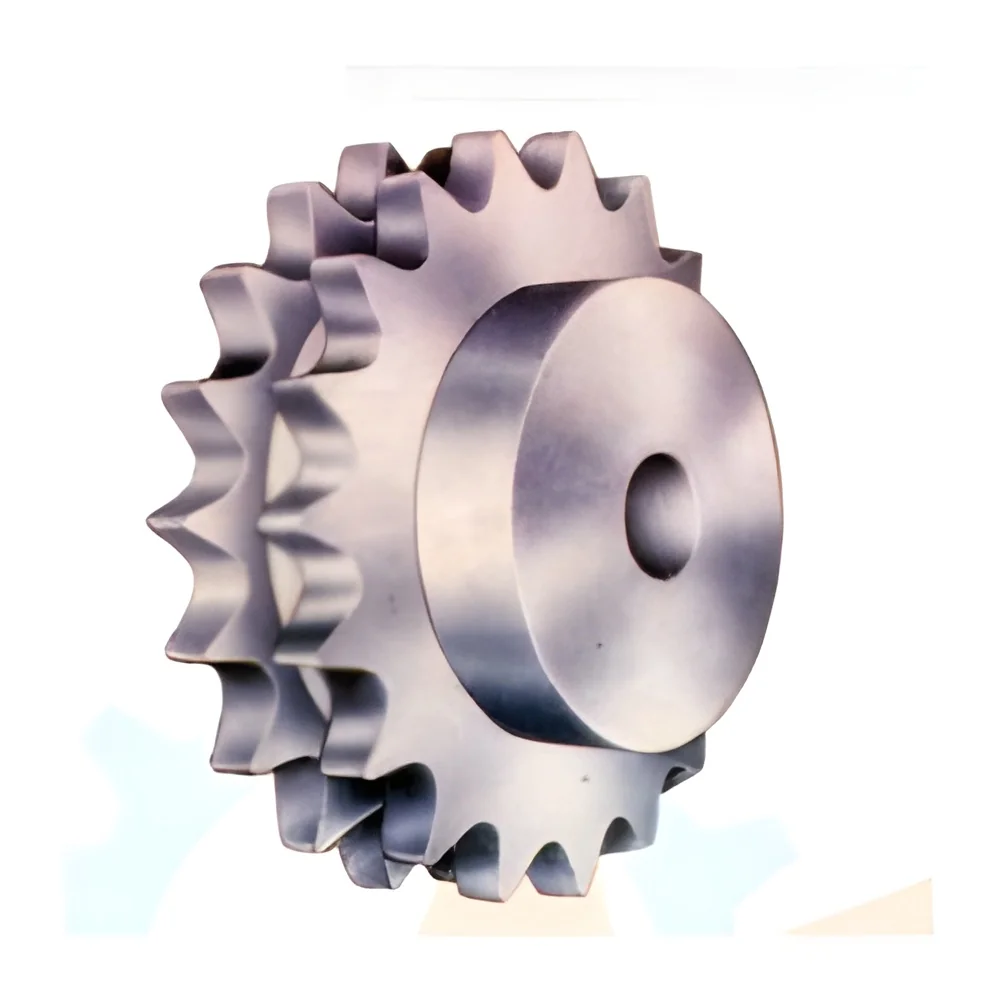
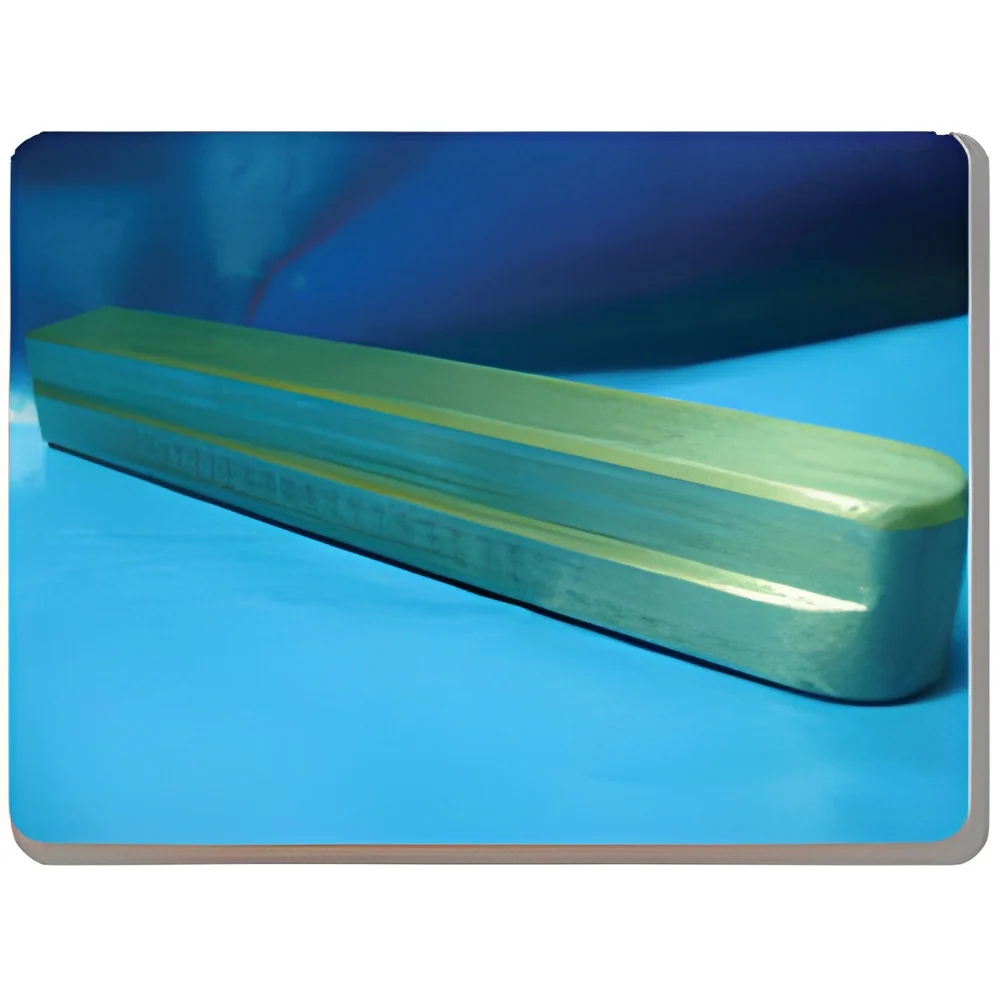
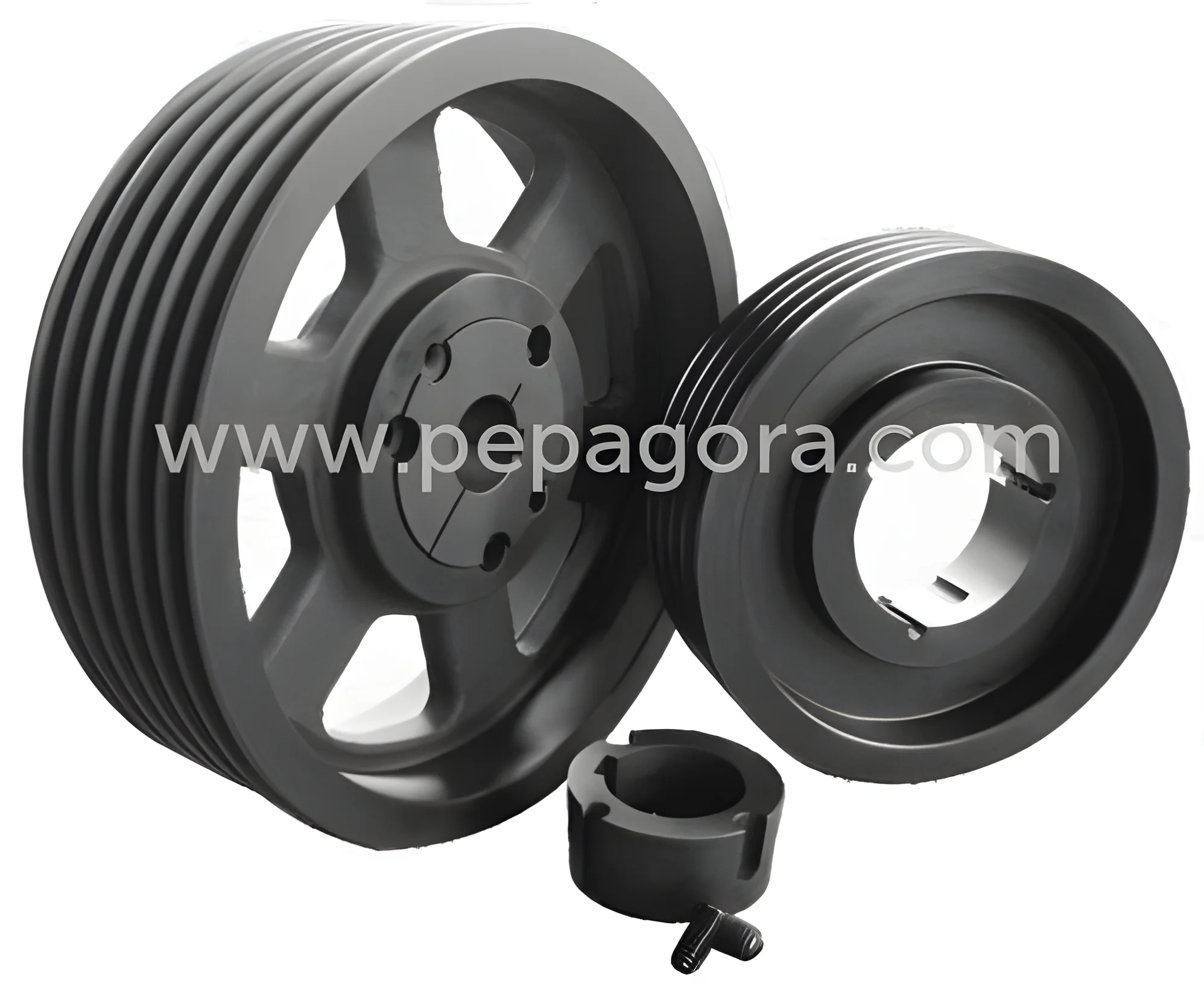
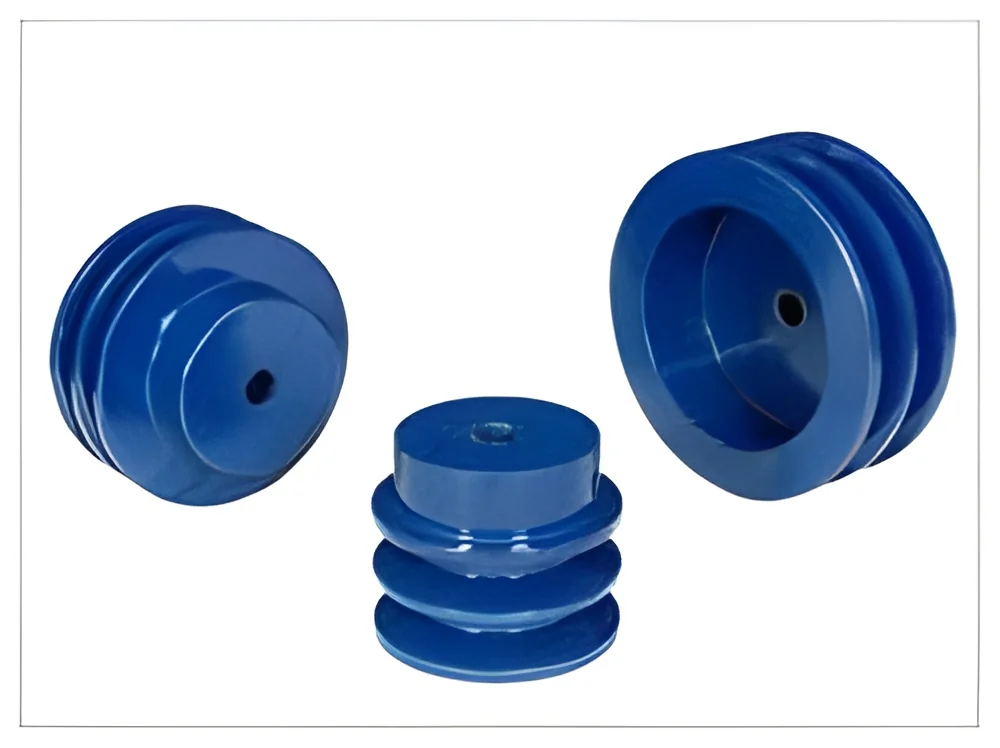
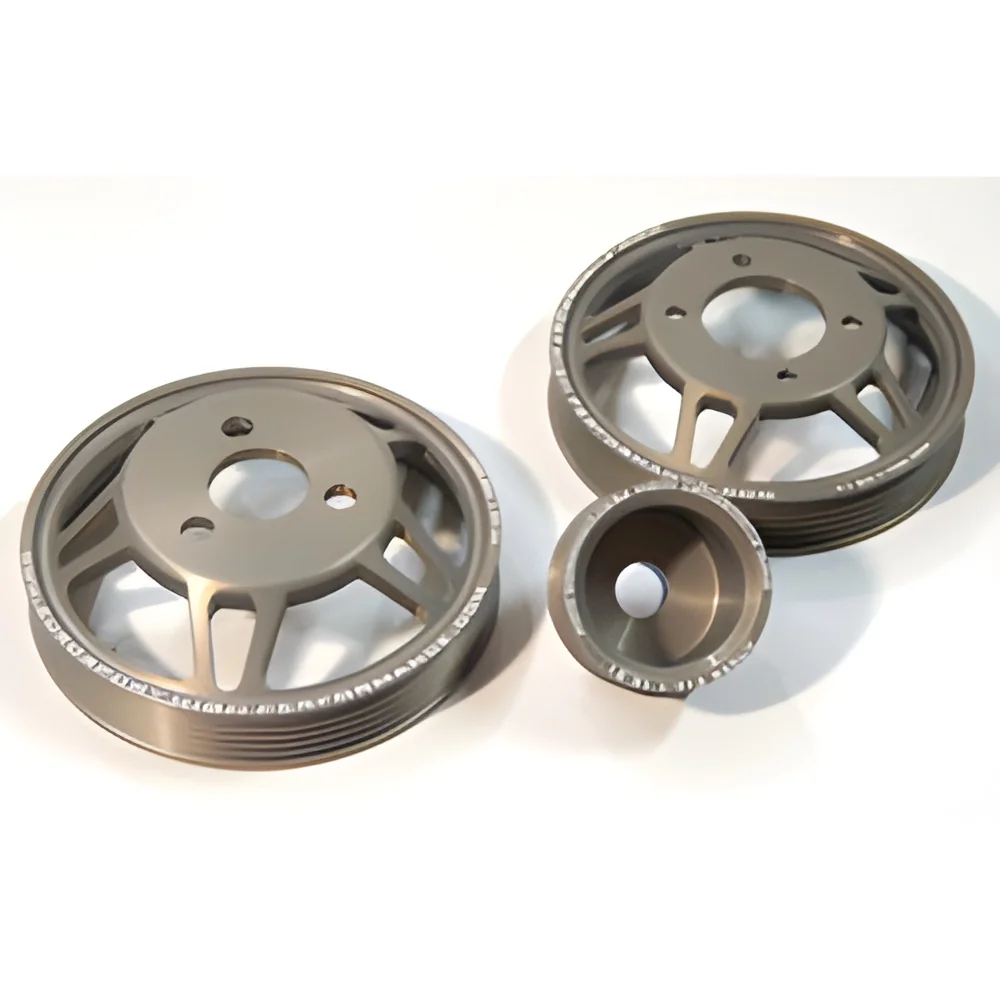
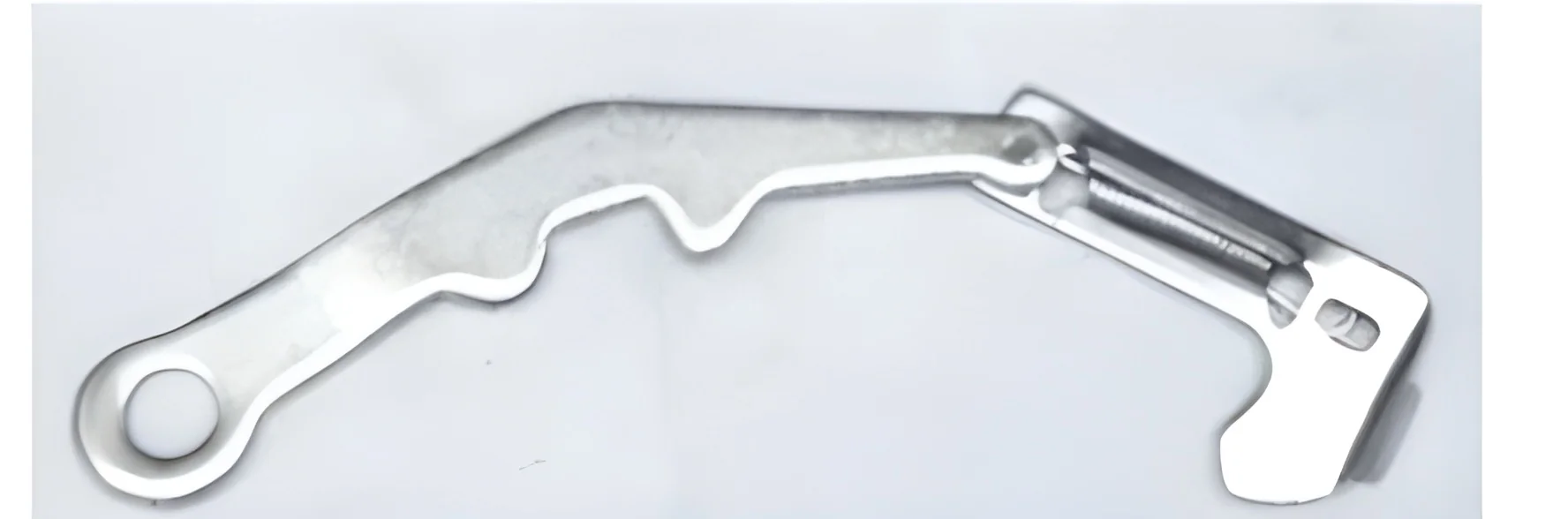
Other Machinery Parts refer to a diverse range of components used in the operation and maintenance of various industrial machinery. These parts are crucial in ensuring that machinery operates efficiently and effectively. They can include items such as gears, bearings, seals, and specialized fittings, among others. Each part serves a specific function and contributes to the overall performance of machinery in different applications.
These parts are primarily used across manufacturing, construction, and agricultural sectors. Businesses rely on Other Machinery Parts to keep their equipment running smoothly, reduce downtime, and maintain productivity. As industries evolve and demand for advanced machinery increases, the need for high-quality components becomes essential. This not only enhances operational efficiency but also ensures compliance with safety and industry standards.
In today’s competitive market, the relevance of Other Machinery Parts spans numerous industries and applications. Companies are constantly seeking reliable suppliers to provide them with quality parts that meet their specific needs. The growing demand for customized solutions further emphasizes the importance of understanding the various types of machinery parts available, as well as the suppliers that can deliver these products effectively.
Key Features and Specifications
Other Machinery Parts are characterized by their functionality and durability. They are designed to withstand the rigors of industrial use while providing optimal performance. Understanding key specifications is essential for selecting the right parts for specific machinery applications.
Key specifications include:
1. Material Composition
- Typically made from metals, plastics, or composites
- Varies based on application requirements
2. Dimensions and Tolerances
- Specific measurements for compatibility with machinery
- Tolerances defined to ensure proper fit and function
3. Load Capacity
- Maximum load these parts can handle
- Important for ensuring safety and operational efficiency
4. Temperature Resistance
- Ability to perform under varying temperature conditions
- Critical for specific applications that experience extreme heat or cold
5. Corrosion Resistance
- Treatment or material choice that prevents rust and degradation
- Essential for parts used in harsh environments
6. Wear Resistance
- Durability against friction and wear over time
- Affects the longevity and reliability of machinery
7. Compliance Standards
- Adherence to industry-specific standards and regulations
- Ensures safety and quality assurance
8. Customization Options
- Availability of tailored solutions based on specific requirements
- Involves modifying dimensions, materials, or designs
Selecting the right specifications is crucial for ensuring that Other Machinery Parts meet operational demands and contribute to the overall efficiency of industrial processes.
Common Applications and Use Cases
Other Machinery Parts find applications in a wide range of industries, each with unique requirements.
1. Manufacturing: These parts are essential in machinery used for production lines, assembly processes, and material handling. They contribute to the efficiency and reliability of manufacturing operations.
2. Construction: Heavy machinery such as cranes, excavators, and bulldozers require specialized parts to function correctly. These components ensure safety and durability in demanding environments.
3. Agriculture: Equipment like tractors and harvesters rely on quality machinery parts for optimal performance. Durable components help maintain productivity during critical farming operations.
4. Mining: Mining machinery operates in harsh conditions and requires robust parts to withstand extreme wear and tear. Properly sourced machinery parts are crucial for safety and efficiency.
5. Automotive: In the automotive sector, precision components are vital for vehicle assembly and maintenance. Other Machinery Parts play a significant role in ensuring vehicle safety and performance.
6. Energy: Wind turbines and other energy-generating equipment depend on reliable machinery parts for effective operation. Specialized components are designed to handle specific energy sector requirements.
7. Food Processing: Equipment used in food manufacturing must adhere to strict hygiene standards. Other Machinery Parts are vital in maintaining food safety and operational efficiency.
Understanding the various applications of Other Machinery Parts can aid in making informed purchasing decisions that align with industry needs.
Product Variants and Subcategories
The diversity of Other Machinery Parts allows for a range of variants to suit different industrial applications.
Standard Components
These are the most common types of machinery parts, including gears, bearings, and seals. They are designed for general use and are often interchangeable across various machinery types.
Custom Components
Tailored solutions that meet specific requirements for unique machinery applications. They often involve modifications in design, material, or size to ensure compatibility and performance.
Specialized Components
Parts designed for specific industries or equipment types. These may include hydraulic fittings, pneumatic components, or parts designed for high-temperature applications.
Replacement Parts
These are designed to replace worn or damaged components in existing machinery. They are essential for maintaining the functionality and safety of equipment.
Benefits and Advantages
Sourcing Other Machinery Parts offers several advantages for businesses looking to enhance their operations.
1. Improved Efficiency: High-quality parts ensure machinery runs smoothly, reducing downtime and increasing productivity.
2. Cost Savings: Reliable components minimize the need for frequent replacements and repairs, leading to lower long-term costs.
3. Enhanced Safety: Using compliant and durable parts reduces the risk of malfunction, ensuring a safer working environment.
4. Custom Solutions: The ability to source tailored components allows businesses to meet specific operational needs effectively.
5. Supplier Reliability: Partnering with verified suppliers ensures consistent quality and reliability in the parts provided.
6. Market Competitiveness: Investing in quality machinery parts enhances overall operational capabilities, giving businesses a competitive edge.
Buying Guide for B2B Buyers
When sourcing Other Machinery Parts, it is essential to consider several key factors to make informed purchasing decisions.
1. Quality Assessment: Evaluate parts based on material quality, durability, and performance standards. Ensure that they meet industry requirements to avoid operational issues.
2. Supplier Verification: Vet suppliers thoroughly to ensure they have a proven track record of providing reliable and high-quality components. Check for certifications and customer reviews.
3. Pricing and MOQ: Understand the pricing structure and minimum order quantities. This helps in budget planning and ensures that the purchases align with operational needs.
4. Delivery and Lead Times: Discuss logistics and expected delivery times with suppliers. Timely delivery is crucial for maintaining production schedules.
5. Compliance Requirements: Ensure that the components meet all relevant safety and regulatory standards. This not only protects your business but also ensures compliance with industry regulations.
Compliance and Certifications
Compliance is a critical aspect of sourcing Other Machinery Parts. Adhering to relevant quality standards ensures that parts meet industry expectations for safety and performance.
ISO 9001 certification is an important quality management standard that indicates a supplier’s commitment to quality and continuous improvement. Companies that meet this standard demonstrate their ability to consistently provide products that meet customer and regulatory requirements.
CE certification is also significant, especially for machinery parts used in the European market. This certification indicates that products meet health, safety, and environmental protection standards.
It is essential to consider safety and testing requirements when sourcing machinery parts. Regular testing and adherence to safety protocols help prevent malfunctions and ensure the safe operation of machinery.
Regional compliance considerations must also be taken into account. Different regions may have varying standards and regulations that must be met to ensure smooth operations and market access.
Why Source Other Machinery Parts from Pepagora?
Pepagora provides a trusted platform for sourcing Other Machinery Parts, offering several key advantages to B2B buyers.
Verified Supplier Network: Pepagora connects businesses with a network of verified suppliers who are committed to quality and reliability. This ensures that buyers can source parts with confidence.
Streamlined RFQ Process: The platform simplifies the request for quotation process, allowing buyers to receive competitive quotes quickly. This efficiency helps businesses make timely purchasing decisions.
Trade Assurance and Support: Pepagora offers buyer protection through trade assurance, ensuring that transactions are secure. Support services are also available to assist buyers throughout the sourcing process.
Regional Coverage: With a strong presence in India, the GCC, and Southeast Asia, Pepagora enables businesses to access a wide range of suppliers across diverse regions. This geographic reach enhances sourcing flexibility and options for buyers.

 IN
IN