
 IN
Meat Processing Machines
10 products available
What are Meat Processing Machines?
Meat processing machines are specialized equipment designed to handle various tasks involved in the preparation and processing of meat products. These machines can perform functions such as grinding, mixing, slicing, and packaging meat to create finished products that meet industry standards. By automating these processes, meat processing machines enhance efficiency, improve safety, and ensure consistent product quality.
The primary uses of meat processing machines span across the meat industry, including slaughterhouses, butcher shops, and large-scale food manufacturing facilities. These machines are essential for transforming raw meat into value-added products such as sausages, deli meats, and pre-packaged cuts. As consumer demand for processed meat products continues to grow, the relevance of meat processing machines in the industry becomes increasingly significant, highlighting the need for advanced technology to maintain productivity and meet regulatory requirements.
In the current market context, the meat processing equipment sector is witnessing rapid advancements driven by technology, sustainability initiatives, and changing consumer preferences. The integration of smart technology and automation into meat processing machines is reshaping the landscape, leading to improved operational efficiencies and compliance with stringent food safety standards.
Key Features and Specifications
Meat processing machines come equipped with a variety of features designed to enhance performance, safety, and user-friendliness. Understanding the key specifications is vital for selecting the right equipment for your business.
Key specifications include:
1. Capacity
- Refers to the volume of meat the machine can process within a specific time frame.
- Typically ranges from 100 kg to several tons per hour.
2. Power Consumption
- Indicates the energy requirements for optimal operation.
- Varies based on machine size and function, usually between 1 kW to 15 kW.
3. Material Construction
- The machines are typically constructed from stainless steel for durability and hygiene.
- Compliant with food-grade standards for safety.
4. Automation Level
- Machines may feature manual, semi-automatic, or fully automatic operations.
- Fully automatic machines offer enhanced productivity and reduce labor costs.
5. Safety Features
- Includes guards, emergency stop buttons, and automatic shut-off systems.
- Ensures compliance with safety regulations.
6. Maintenance Requirements
- Some machines have easy-to-clean designs that facilitate regular maintenance.
- Maintenance intervals may vary based on usage.
7. Size and Footprint
- Machines come in various sizes to fit different facility layouts.
- Compact models are available for smaller operations.
8. Certifications
- Compliance with industry standards such as CE for safety and performance.
- May include additional certifications based on regional regulations.
In summary, selecting the right meat processing machine involves understanding these specifications to ensure optimal performance and compliance with industry standards.
Common Applications and Use Cases
Meat processing machines serve diverse industries, each with specific applications that benefit from these technologies.
1. Food Manufacturing: Large-scale food manufacturers use meat processing machines for bulk production of sausages, patties, and other processed meat products.
2. Retail Butcher Shops: Local butcher shops utilize meat processing machines for cutting, grinding, and packaging meat to meet customer demand for fresh products.
3. Catering Services: Catering companies employ these machines to prepare large quantities of meat dishes for events and functions efficiently.
4. Institutional Kitchens: Hospitals, schools, and other institutions use meat processing machines for meal preparation, ensuring consistent quality and safety.
5. Export Markets: Businesses involved in the export of meat products rely on these machines to ensure compliance with international food safety standards.
Product Variants and Subcategories
The diversity of meat processing machines allows businesses to choose equipment tailored to their specific needs.
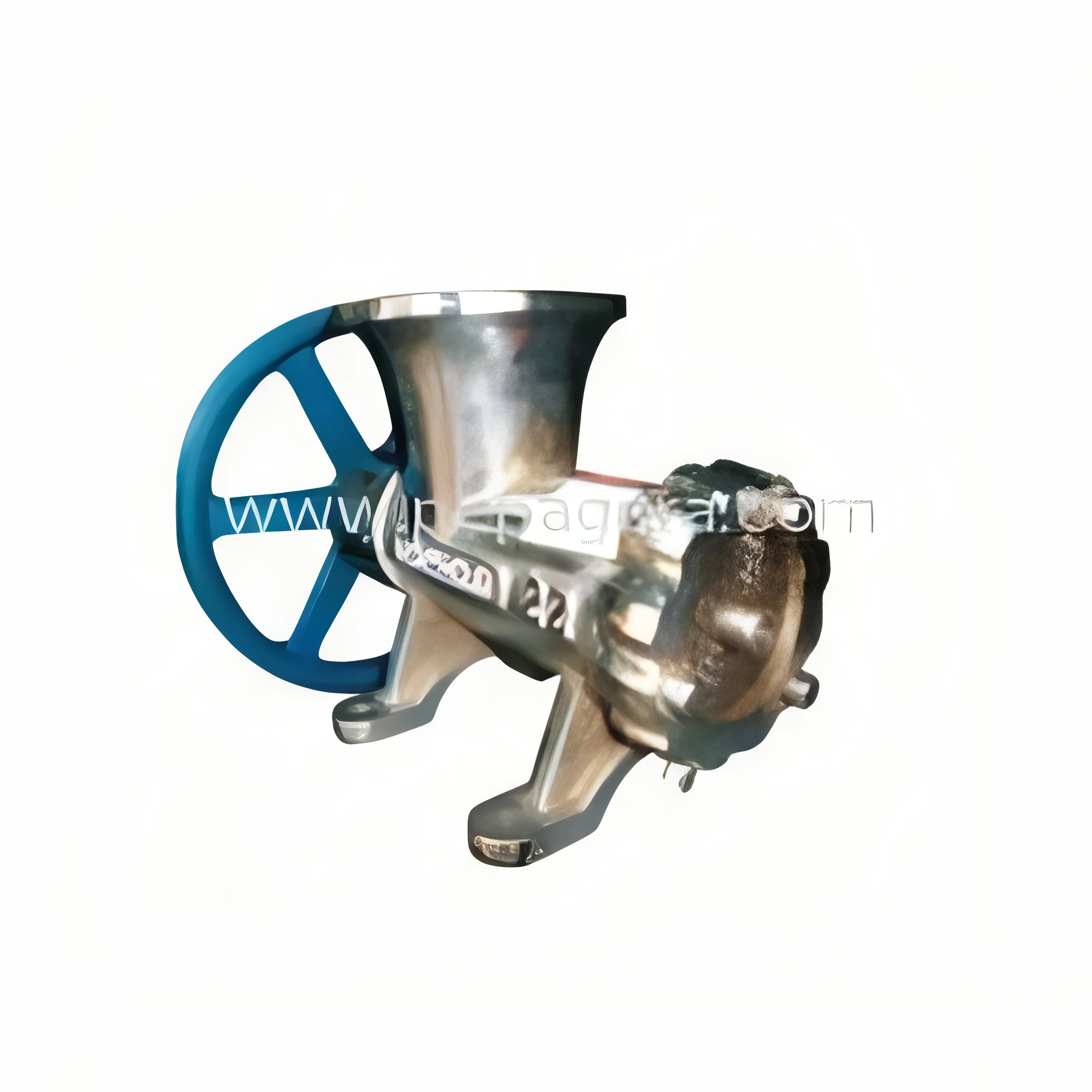
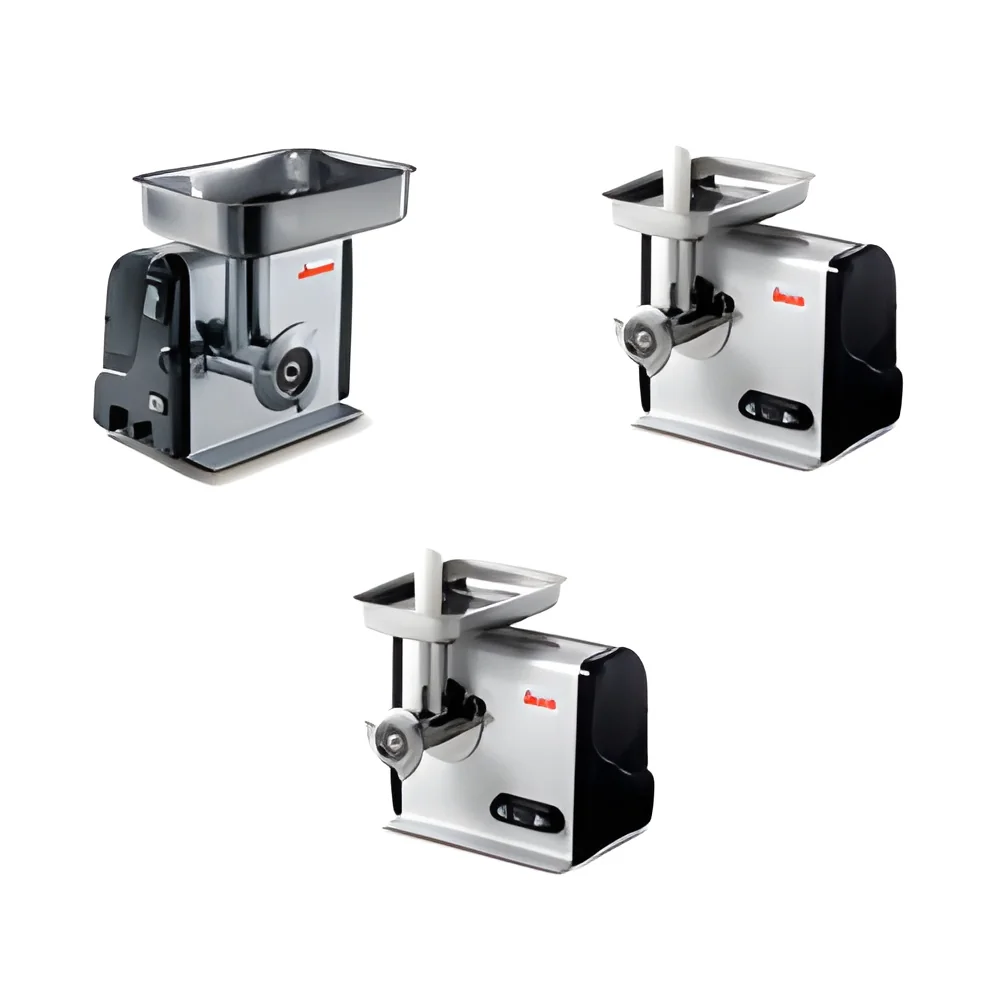
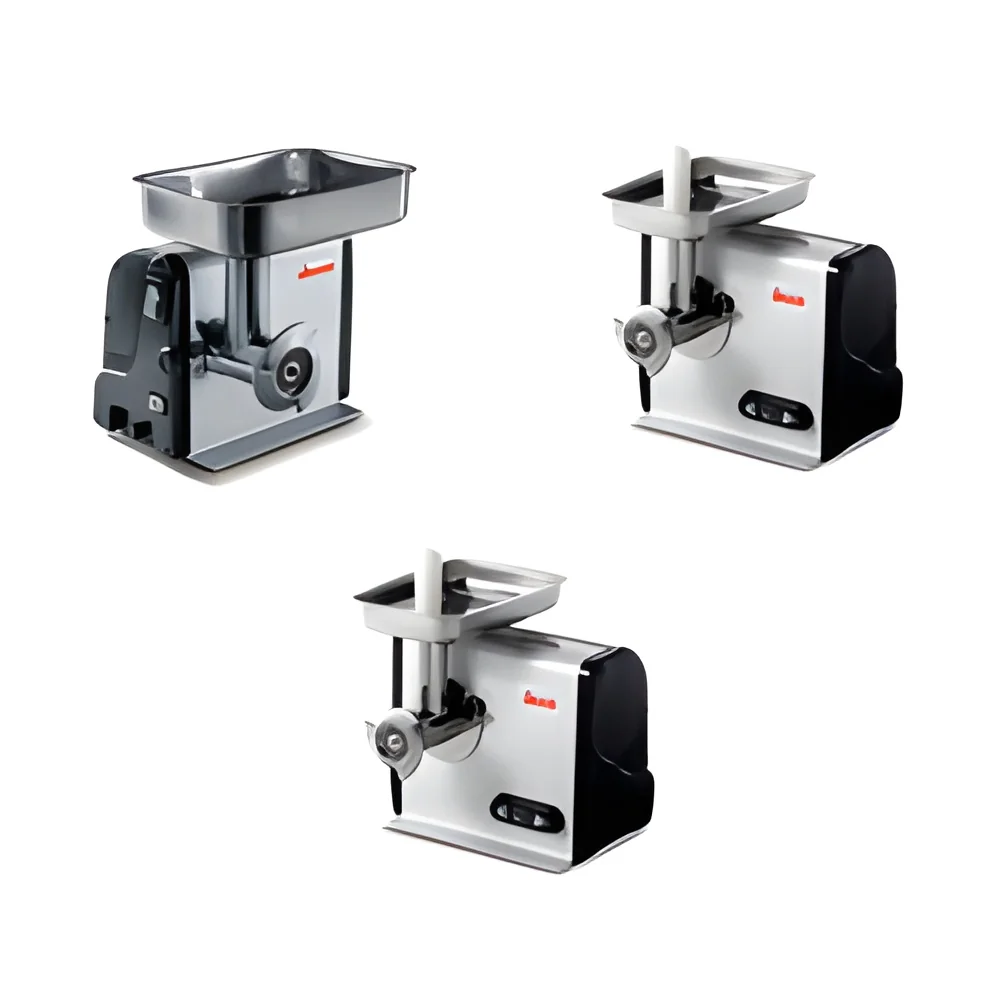
Minced Meat Machines: These machines are designed for grinding and mixing meats, ideal for producing minced meat used in burgers and sausages. They often come with adjustable settings to achieve the desired texture.
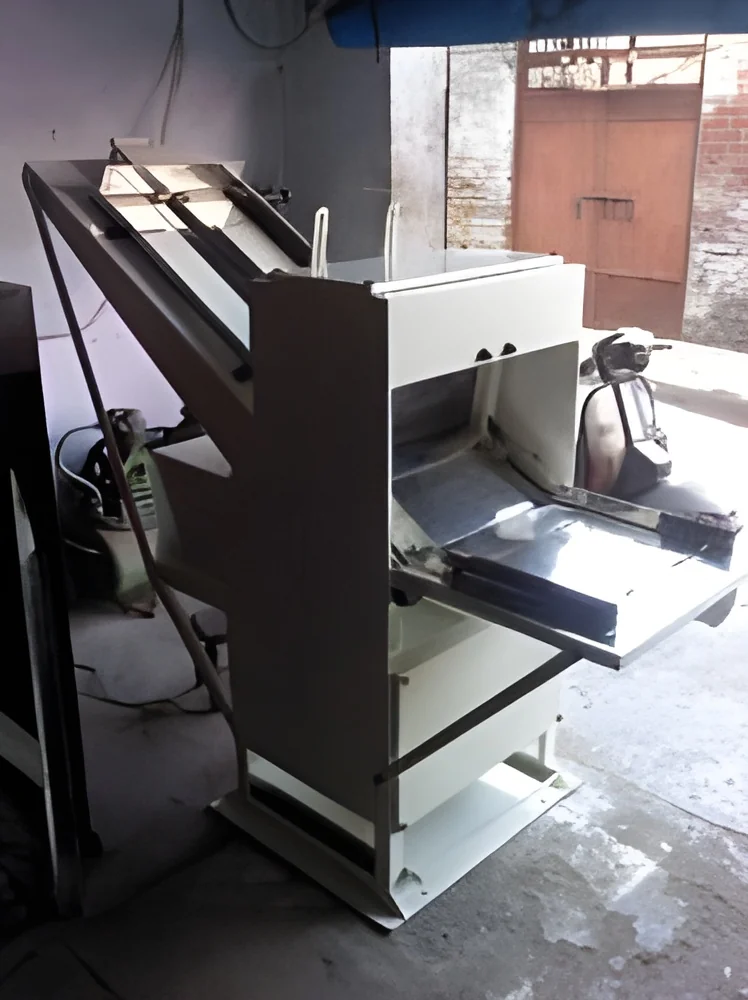
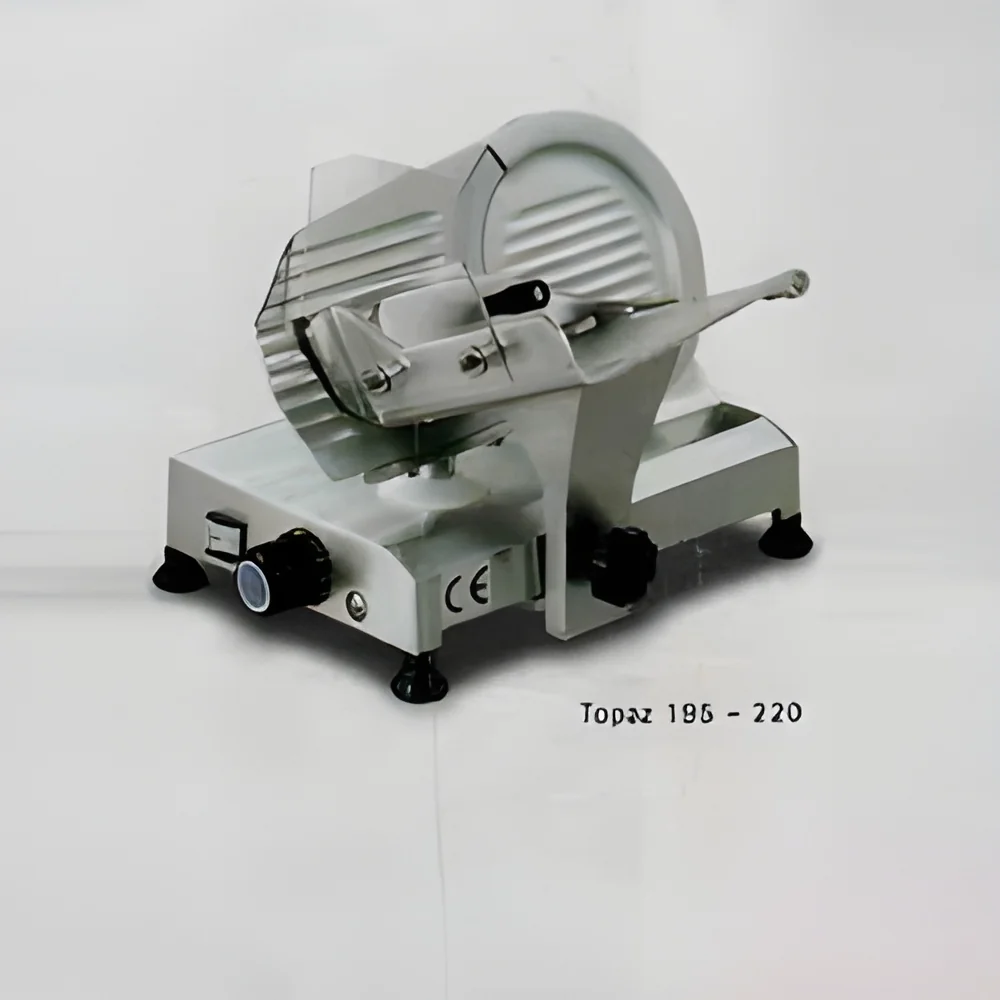
Slicing Machines: Slicing machines are perfect for cutting deli meats and other products into uniform slices. They enhance presentation and ensure portion control, which is essential for retail and food service applications.
Mixing Machines: These machines blend meat with spices and other ingredients to ensure even distribution, crucial for flavor consistency in processed meat products.
Stuffing Machines: Designed for filling casings with mixtures of meat and other ingredients, stuffing machines are essential for producing sausages and similar products.
Benefits and Advantages
Investing in meat processing machines offers numerous advantages for businesses in the meat industry.
Key benefits include:
1. Increased Efficiency: Meat processing machines automate repetitive tasks, significantly speeding up production processes and reducing labor costs.
2. Enhanced Consistency: These machines ensure uniformity in product quality, which is vital for maintaining brand reputation and customer satisfaction.
3. Improved Safety: Advanced machines come equipped with safety features that minimize the risk of accidents during operation.
4. Compliance with Standards: Meat processing machines are designed to meet industry regulations, ensuring that products are safe for consumption.
5. Cost Savings: By streamlining production and reducing waste, businesses can lower operational costs and improve profitability.
6. Flexibility: Many machines can be adjusted or customized to accommodate different products and production volumes, making them versatile for various business needs.
Buying Guide for B2B Buyers
When sourcing meat processing machines, several factors should be taken into account to ensure a successful purchase.
1. Quality Assessment: Evaluate the quality of materials and construction of the machines. Look for machines that meet established food safety standards and have a reputation for durability.
2. Supplier Verification: Conduct thorough background checks on potential suppliers. Consider their track record, customer reviews, and certifications to ensure reliability.
3. Pricing and MOQ: Understand the pricing structure and minimum order quantities (MOQ) required by suppliers. This helps in budgeting and negotiating terms.
4. Delivery and Lead Times: Inquire about delivery schedules and lead times. Timely delivery is crucial for maintaining production schedules.
5. Compliance Requirements: Ensure that the machines meet all relevant compliance and regulatory requirements for your region. This is essential for avoiding legal issues and ensuring product safety.
Compliance and Certifications
Compliance and certifications play a critical role in the meat processing industry, ensuring that machines meet quality and safety standards.
Relevant quality standards include ISO 9001, which outlines requirements for a quality management system, ensuring consistent quality and customer satisfaction. Additionally, HACCP (Hazard Analysis Critical Control Point) principles are crucial for food safety, helping businesses identify and control potential hazards in meat processing.
Industry certifications such as CE indicate compliance with European health, safety, and environmental protection standards. These certifications provide assurance that the machines have been tested and meet rigorous safety criteria.
Safety and testing requirements are essential to ensure that machines operate safely and do not pose risks to operators or consumers. Regular testing and maintenance help identify any potential issues early.
Regional compliance considerations vary by location, making it important for businesses to understand the specific regulations that apply to their operations. This knowledge ensures compliance and promotes consumer trust in meat products.
Why Source Meat Processing Machines from Pepagora?
Pepagora offers a reliable platform for sourcing meat processing machines, providing several key advantages that benefit B2B buyers.
Verified Supplier Network: Pepagora has established a network of verified suppliers, ensuring that buyers can access high-quality machines from reputable manufacturers. This reduces the risk of fraudulent transactions and ensures product quality.
Streamlined RFQ Process: The Request for Quotation (RFQ) process on Pepagora is designed to be straightforward, allowing buyers to receive multiple quotes from suppliers quickly. This saves time and helps in comparing options effectively.
Trade Assurance and Support: Pepagora provides trade assurance, offering buyer protection that enhances confidence in transactions. Additionally, customer support is available to assist with any inquiries or issues that may arise during the purchasing process.
Regional Coverage: With a strong presence in India, the GCC, and Southeast Asia, Pepagora connects buyers with suppliers across these regions. This geographic reach ensures that businesses can find the right partners for their meat processing needs, regardless of location.

Frequently Asked Questions
What are Meat Processing Machines?
Meat Processing Machines are specialized equipment used in the processing of meat, including cutting, grinding, and packaging. These machines enhance efficiency and ensure a consistent quality of meat products, catering to various industry needs.
What are the different types of Meat Processing Machines?
The different types of Meat Processing Machines include meat grinders, slicers, tenderizers, mixers, and vacuum packers. Each type serves a specific function and is designed to meet various processing requirements in the meat industry.
How do I choose the right Meat Processing Machines?
Choosing the right Meat Processing Machines involves assessing your production needs, the type of meat being processed, and the desired output. It's also essential to consider factors such as machine capacity, energy efficiency, and ease of cleaning.
What are the standard specifications for Meat Processing Machines?
Standard specifications for Meat Processing Machines typically include power consumption, production capacity, dimensions, and materials used in construction. Additionally, safety features and compliance with health regulations are crucial specifications to consider.
What is the price range for Meat Processing Machines?
The price range for Meat Processing Machines can vary significantly based on the type and specifications of the machine. Generally, prices can start from a few thousand rupees for basic models and go up to several lakhs for advanced industrial machines.
What quality standards apply to Meat Processing Machines?
Meat Processing Machines must comply with various quality standards, including safety regulations and hygiene protocols. Certifications like ISO and CE are commonly required to ensure that the machines meet industry benchmarks for quality and safety.
Where can I find Meat Processing Machines suppliers in India?
You can find Meat Processing Machines suppliers in India through online B2B marketplaces like Pepagora, trade shows, and industry-specific directories. It's advisable to check for reviews and compare multiple suppliers for the best options.
Can Meat Processing Machines be customized?
Yes, many manufacturers offer customization options for Meat Processing Machines to meet specific operational needs. Customizations may include adjustments in size, features, or additional attachments based on the requirements of the processing facility.
What is the typical minimum order quantity for Meat Processing Machines?
The typical minimum order quantity (MOQ) for Meat Processing Machines varies by supplier and machine type. Generally, MOQs can range from one unit for standard machines to larger quantities for bulk orders or customized units.
What is the typical lead time for Meat Processing Machines?
The typical lead time for Meat Processing Machines can range from a few weeks to several months, depending on the manufacturer and the complexity of the order. Factors such as customization requests and current production schedules can also influence lead times.
Why Businesses Trust Pepagora
Thousands of companies trust Pepagora to source smarter and sell faster
Expand Your Sales Globally

Source Smarter,Grow Faster
