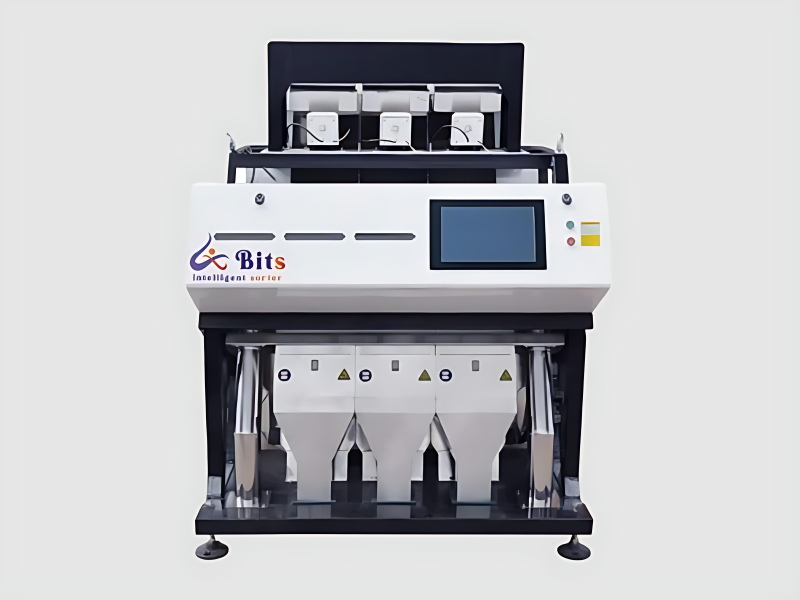
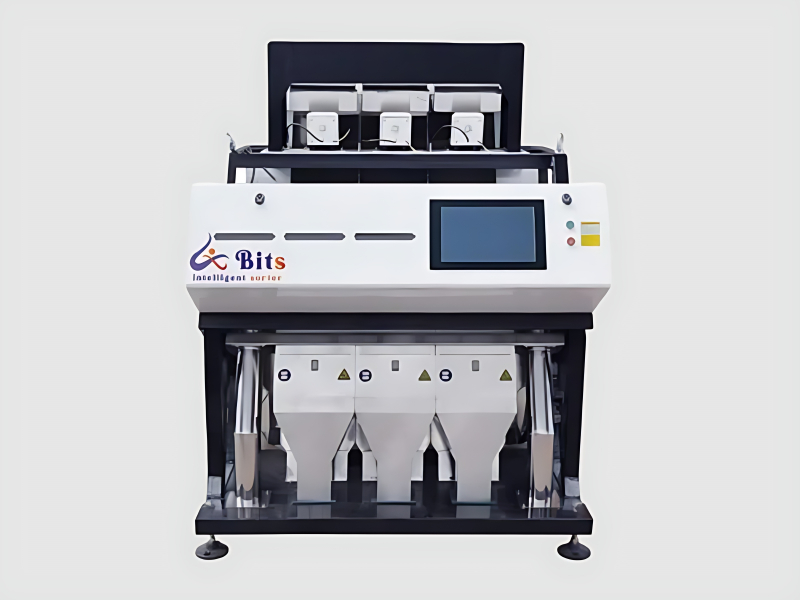
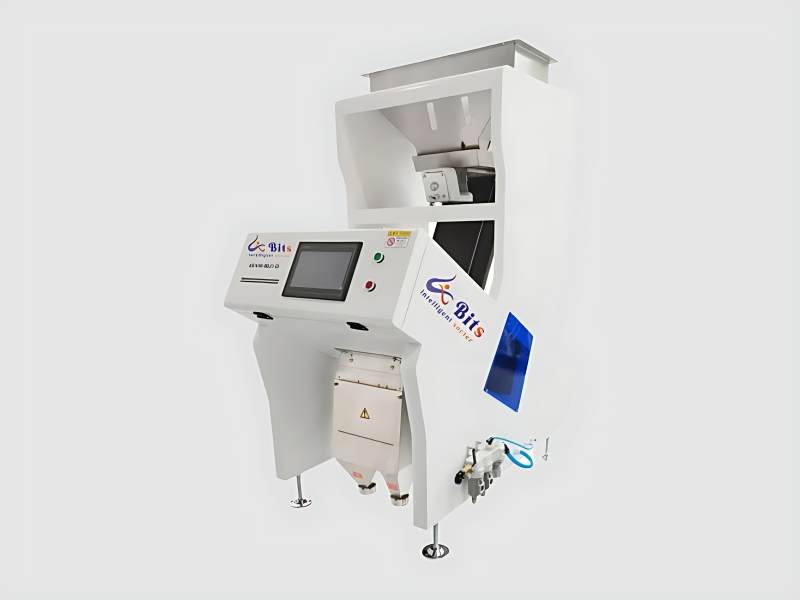
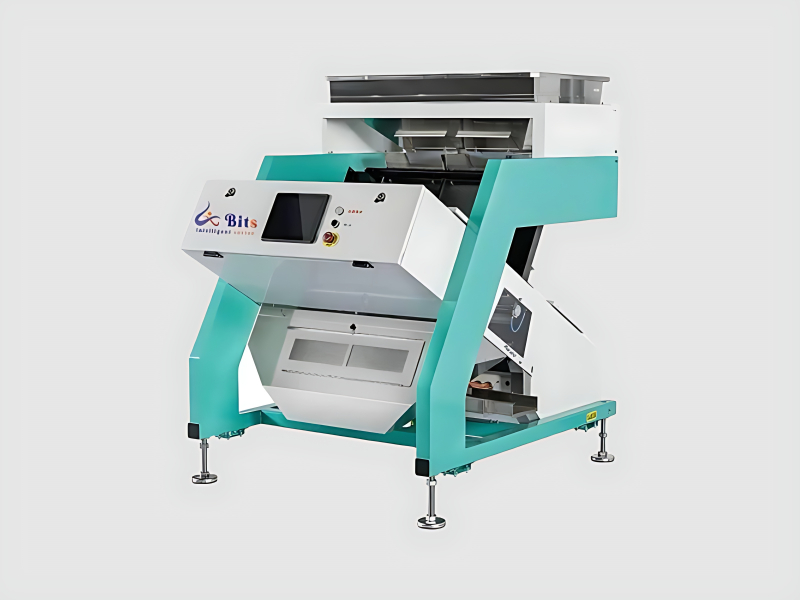
What are Cereal & Pulse Processing Plants?
Cereal and pulse processing plants are industrial facilities designed to transform raw grains and legumes into edible products. These plants employ various processes such as cleaning, milling, and packaging to enhance the quality, shelf life, and usability of cereals and pulses. The machinery involved typically includes grinders, separators, and packaging systems that work together to produce flour, pulses, and other value-added products.
These processing plants are essential in the food supply chain, serving a range of businesses from large manufacturers to small-scale producers. Their primary applications include the production of flour, snacks, ready-to-eat meals, and ingredients for other food products. As the demand for healthy and convenient food options grows, the importance of efficient processing plants becomes increasingly evident, driving innovation and investments in this sector.
The cereal and pulse processing industry is highly relevant in today’s market context, given the rising global population and changing dietary preferences. With a focus on sustainability and food safety, these plants are adapting to meet regulatory standards and consumer demands, making them a critical component of the agricultural and food industries.
Key Features and Specifications
Cereal and pulse processing plants come equipped with advanced technology to ensure efficiency and quality. These features are vital for meeting industry standards and customer expectations. The specifications can vary widely based on the scale and purpose of the plant.
Key specifications include:
1. Processing Capacity
- Typical range from 1 ton to several tons per hour, depending on the model and design.
2. Automation Level
- Options for fully automated systems or semi-automated processes to enhance operational efficiency.
3. Energy Efficiency
- Designed to minimize energy consumption while maximizing output, often featuring energy-saving modes.
4. Cleaning Systems
- Integrated cleaning mechanisms to remove impurities and ensure high-quality end products.
5. Milling Technology
- Advanced milling techniques to produce a variety of flour textures and grades.
6. Packaging Solutions
- Versatile packaging options for bulk or retail markets, including vacuum sealing and automated bagging.
7. Safety Features
- Compliance with safety standards, including emergency stop buttons and machine guards.
8. Maintenance Support
- Options for preventive maintenance services to ensure uninterrupted operations.
These specifications play a crucial role in determining the effectiveness and reliability of cereal and pulse processing plants.
Common Applications and Use Cases
Cereal and pulse processing plants are utilized across various industries, each leveraging the benefits of processed grains and legumes.
1. Food Manufacturing: These plants produce flour and other ingredients for baked goods, snacks, and cereals, ensuring consistency and quality.
2. Animal Feed: Processed cereals and pulses are often used in animal feed formulations, providing essential nutrients for livestock.
3. Health Food Production: Companies focusing on health foods utilize processed pulses and grains for high-protein snacks and gluten-free products.
4. Export and Trade: Processing plants prepare grains and pulses for international markets, adhering to export standards and quality control.
5. Ready-to-Eat Meals: Many food brands incorporate processed cereals and pulses into convenient meal solutions, catering to busy consumers.
6. Organic Products: The rise in demand for organic food has led to specialized processing plants that focus exclusively on organic grains and pulses.
7. Ethnic Foods: Processing plants also cater to specific cultural cuisines, producing traditional products that meet diverse market needs.
Product Variants and Subcategories
Cereal and pulse processing plants come in a variety of configurations to suit different production needs. This diversity allows businesses to select the best option for their operations.
Compact Processing Plants
These plants are designed for small to medium-scale operations, offering flexibility and efficiency. They are ideal for businesses looking to enter the market without significant investment.
Large-Scale Industrial Plants
These facilities are built for high-capacity production, suitable for large manufacturers. They incorporate advanced technology for automation and efficiency, producing bulk quantities.
Mobile Processing Units
These units provide flexibility for producers who require on-site processing capabilities. They are particularly useful in remote areas or for seasonal operations.
Batch Processing Systems
These systems allow for the production of various products in smaller quantities, accommodating diverse customer demands and reducing waste.
Continuous Processing Lines
Designed for uninterrupted production, these lines are optimized for high-volume output of specific products, ensuring consistency and efficiency.
Benefits and Advantages
Investing in cereal and pulse processing plants offers numerous advantages for businesses in the food industry.
1. Increased Efficiency: These plants streamline production processes, reducing labor costs and increasing output.
2. Enhanced Product Quality: Advanced technology ensures high-quality processing, resulting in better end products and customer satisfaction.
3. Cost-Effective Operations: Automation and energy-efficient designs lead to lower operational costs over time.
4. Versatility: Processing plants can be adapted to produce a wide range of products, catering to different market demands.
5. Compliance with Standards: Modern plants are built to meet stringent food safety and quality regulations, ensuring trust and reliability.
6. Market Competitiveness: By providing high-quality processed products, businesses can enhance their market position and attract new customers.
Buying Guide for B2B Buyers
When sourcing cereal and pulse processing plants, several key factors should be considered to ensure a successful purchase.
1. Quality Assessment: Evaluate the quality of materials and construction of the plants. Look for certifications and industry standards that validate the equipment's reliability.
2. Supplier Verification: Vet suppliers by reviewing their reputation, customer feedback, and after-sales support. A verified supplier network ensures trust and accountability.
3. Pricing and MOQ: Analyze pricing structures and minimum order quantities to find options that fit your budget and production needs.
4. Delivery and Lead Times: Consider the logistics involved, including estimated delivery times. Ensure that the supplier can meet your project timelines.
5. Compliance Requirements: Familiarize yourself with local regulations and compliance standards relevant to food processing to avoid legal issues.
Compliance and Certifications
Cereal and pulse processing plants must adhere to various quality standards and certifications to ensure safety and reliability.
ISO 9001 is a widely recognized quality management standard that ensures consistent quality in manufacturing processes. It focuses on meeting customer expectations and regulatory requirements.
HACCP (Hazard Analysis Critical Control Point) is essential for food safety management, emphasizing the identification and control of food safety hazards.
CE and UL certifications indicate that equipment meets European and North American safety standards, respectively. These certifications provide assurance of the plant's safety and reliability in operation.
Safety and testing requirements are critical for ensuring that equipment operates without risk to personnel or product integrity. Regular audits and compliance checks help maintain these standards.
Regional compliance considerations vary by market, impacting design and operational requirements. Understanding these differences is crucial for businesses looking to operate in multiple regions.
Why Source Cereal & Pulse Processing Plants from Pepagora?
Pepagora offers a trusted platform for sourcing cereal and pulse processing plants with several key advantages that enhance the buyer’s experience.
Verified Supplier Network ensures that all suppliers listed on Pepagora meet stringent quality and reliability standards. This network provides buyers with confidence in their purchasing decisions.
Streamlined RFQ Process allows businesses to easily request quotes from multiple suppliers, facilitating comparison and helping buyers secure the best deal for their needs.
Trade Assurance and Support offer buyers protection throughout the purchasing process. Pepagora assists in resolving disputes and ensures that agreements are honored, providing peace of mind.
Regional Coverage spans across India, the GCC, and Southeast Asia, ensuring that businesses have access to local suppliers and tailored solutions that meet regional demands. This broad geographic reach facilitates efficient sourcing and logistics for all buyers.

 IN
IN