What are Peeling & Cutting Machines?
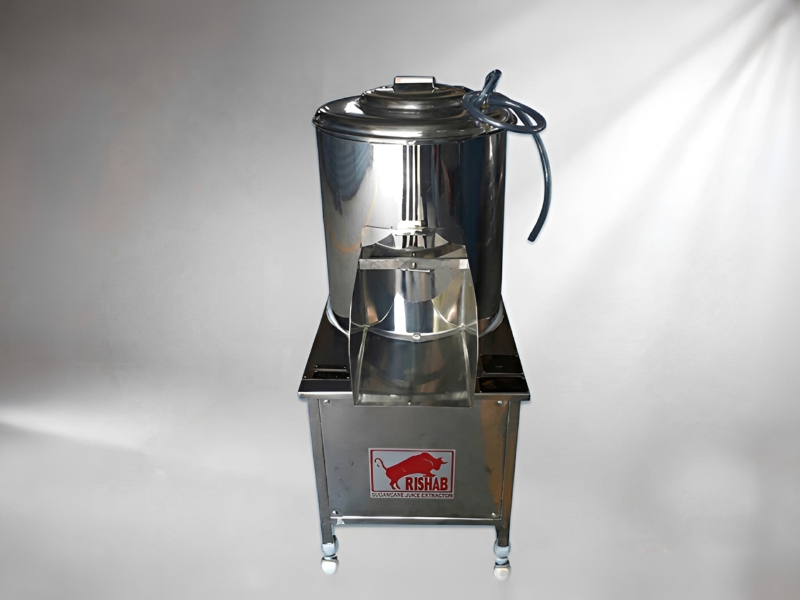
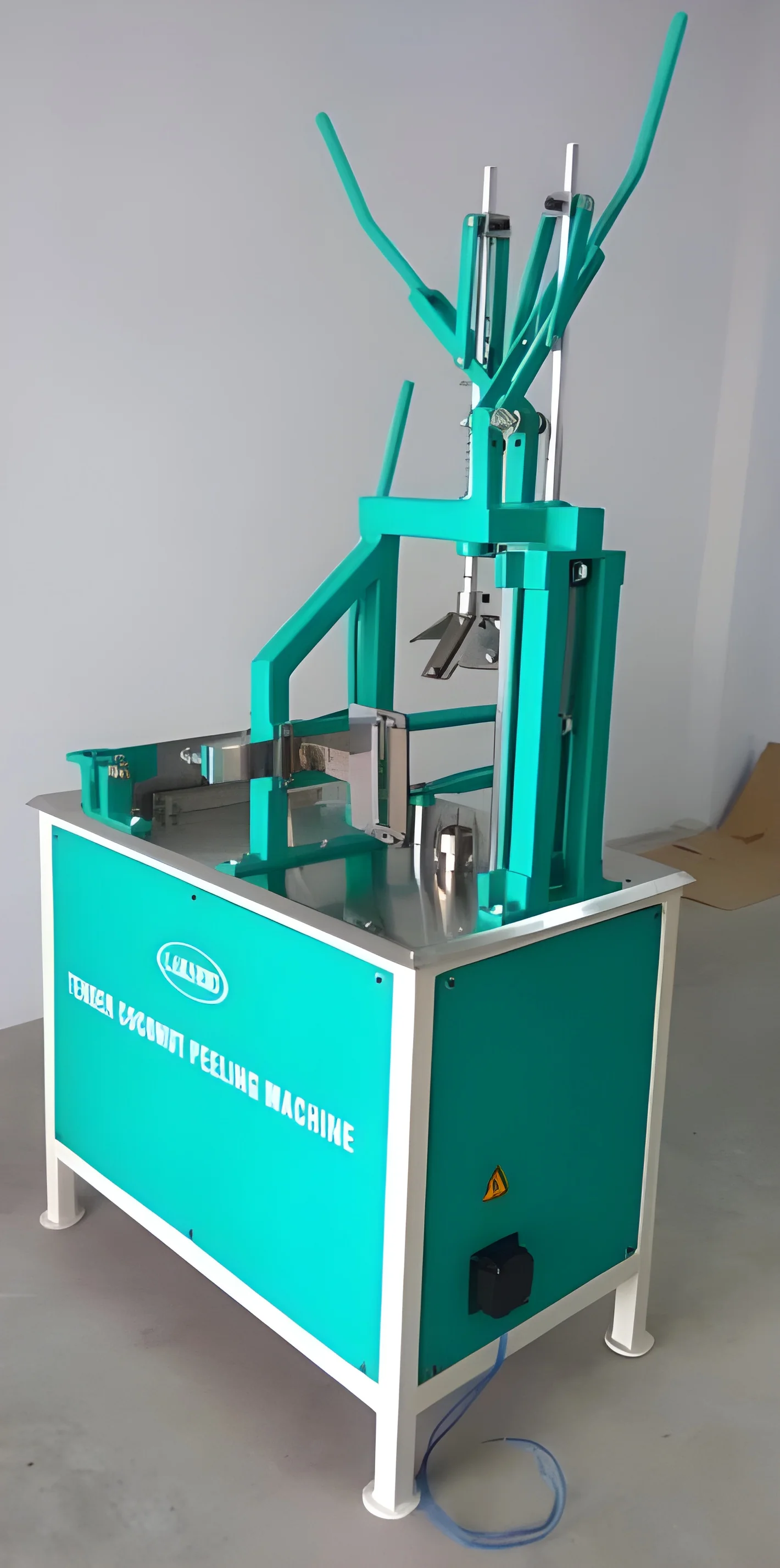
Peeling and cutting machines are specialized industrial equipment used to process a variety of materials, particularly fruits and vegetables. These machines are designed to efficiently remove the outer skin or peel of produce, as well as to cut them into specific shapes and sizes for further processing or packaging. By automating these tasks, peeling and cutting machines help improve production efficiency, reduce labor costs, and enhance product consistency.
These machines find applications across various sectors, including food processing, catering, and hospitality. They are essential in commercial kitchens, industrial food manufacturing plants, and even in agricultural settings where large volumes of produce need to be processed quickly. The relevance of peeling and cutting machines in today's market is significant, as the demand for processed foods continues to rise, driven by consumer preferences for convenience and ready-to-eat options.
Key Features and Specifications
Peeling and cutting machines come with a range of features and specifications that cater to different industrial needs. These machines are typically characterized by their efficiency, precision, and ease of use. They may include various cutting mechanisms and settings that allow for customization based on the type of produce being processed.
Key specifications include:
1. Capacity
- Measured in kilograms per hour, indicating the volume of produce the machine can handle.
- Typical ranges may vary based on the machine design.
2. Power Consumption
- Rated in watts, this indicates the electrical power needed to operate the machine.
- Important for assessing operational costs.
3. Blade Material
- Commonly made from stainless steel for durability and hygiene.
- Blade types may vary for different peeling and cutting needs.
4. Speed Settings
- Machines may offer variable speed control for different processing requirements.
- Allows for adjustments based on the texture of the produce.
5. Dimensions
- Size specifications, including length, width, and height, which affect the machine's footprint in a facility.
- Compact models are available for smaller operations.
6. Safety Features
- Includes emergency stop buttons and protective covers to ensure operator safety.
- Compliance with industry safety standards is essential.
7. Cleaning Mechanism
- Easy disassembly for thorough cleaning is a common feature.
- Some models may include self-cleaning options.
8. Warranty Period
- Typically offered by manufacturers, indicating the duration the machine is covered for repairs or replacements.
- Standard warranty periods can vary.
In summary, the key features and specifications of peeling and cutting machines are designed to enhance efficiency and safety in food processing. Understanding these specifications helps businesses choose the right equipment for their operational needs.
Common Applications and Use Cases
Peeling and cutting machines are versatile tools used in various industries. Their ability to process different types of produce makes them invaluable in numerous applications.
1. Food Processing: In large food processing plants, these machines are crucial for preparing raw materials for production. They help in peeling and cutting fruits and vegetables efficiently, ensuring consistent quality.
2. Catering Services: Catering businesses utilize peeling and cutting machines to speed up food preparation. They can quickly process large quantities of produce, allowing chefs to focus on cooking and presentation.
3. Supermarkets: Many supermarkets use these machines in their deli and fresh produce sections. They prepare ready-to-eat items, attracting customers looking for convenience.
4. Juice and Smoothie Bars: These establishments rely on peeling and cutting machines to prepare fresh ingredients quickly, ensuring that drinks are made from fresh and perfectly cut fruits and vegetables.
5. Frozen Food Production: In the frozen food industry, these machines help prepare produce for freezing. Efficient peeling and cutting are essential for maintaining quality during storage and transport.
6. Snack Food Manufacturing: Companies producing chips and other snacks use peeling and cutting machines to prepare raw materials, ensuring uniformity in size and shape for cooking.
7. School and Hospital Kitchens: Institutions with large-scale meal prep needs benefit from the efficiency of peeling and cutting machines, helping to streamline food preparation processes.
Product Variants and Subcategories
Peeling and cutting machines come in various models and configurations to meet specific industrial needs. The diversity in product design allows businesses to select machines that fit their operational scale and requirements.
High-Speed Peeling Machines
These machines are designed for large-scale operations, capable of peeling high volumes of produce quickly. They often feature advanced technology for precision cutting and minimal waste.
Manual Peeling and Cutting Machines
Ideal for smaller operations or specialized tasks, these machines require manual operation. They are often more affordable and suitable for businesses with lower production demands.
Automated Cutting Systems
These systems provide automated solutions for cutting and processing produce. They are equipped with advanced controls and can be integrated into larger production lines for seamless operation.
Multi-Functional Machines
Some machines combine peeling and cutting functions in one unit. This versatility allows businesses to save space and resources while increasing efficiency.
Benefits and Advantages
Investing in peeling and cutting machines offers numerous benefits for businesses in the food processing sector. These advantages contribute to improved productivity and operational efficiency.
1. Increased Efficiency: Automation of peeling and cutting processes significantly reduces manual labor, allowing businesses to process more produce in less time.
2. Consistency in Product Quality: Machines ensure uniformity in the size and shape of cut produce, leading to a more professional appearance and better customer satisfaction.
3. Reduced Labor Costs: By minimizing the need for manual labor, businesses can lower labor costs and reallocate staff to other critical areas.
4. Enhanced Safety: Modern machines are equipped with safety features that protect operators and reduce the risk of workplace accidents.
5. Improved Hygiene Standards: Machines designed for easy cleaning help maintain hygiene, which is crucial in the food industry.
6. Increased Production Capacity: With the ability to handle larger volumes of produce, businesses can expand their operations without significant additional investment.
Buying Guide for B2B Buyers
When sourcing peeling and cutting machines, it is essential for buyers to consider several key factors to ensure they make informed decisions.
1. Quality Assessment: Buyers should evaluate the build quality and materials used in the machines. High-quality machines often come with certifications that assure reliability and performance.
2. Supplier Verification: It’s important to vet suppliers for their reputation, experience, and customer reviews. Reliable suppliers often provide warranties and support.
3. Pricing and MOQ: Understanding the price range of peeling and cutting machines is crucial. Buyers should also inquire about minimum order quantities to align with their budget and operational needs.
4. Delivery and Lead Times: Assessing delivery schedules and lead times is important for planning. Buyers should ensure that suppliers can meet their timelines.
5. Compliance Requirements: Familiarity with industry regulations and safety standards is essential. Buyers should confirm that machines comply with relevant certifications.
Compliance and Certifications
Compliance and certifications play a vital role in the manufacturing and operation of peeling and cutting machines. These standards ensure that machines meet safety and quality benchmarks.
Many peeling and cutting machines adhere to quality management standards like ISO 9001, which ensures consistent quality in manufacturing processes. Compliance with food safety standards, such as HACCP, is crucial for machines used in food processing to minimize risks related to foodborne illnesses.
Additionally, industry certifications like CE indicate that machines meet safety, health, and environmental protection standards required in the European market. Understanding these certifications helps buyers assess the reliability and safety of the machines they intend to purchase.
Regional compliance considerations may vary based on local regulations, making it important for buyers to be aware of the specific requirements in their operational regions.
Why Source Peeling & Cutting Machines from Pepagora?
Pepagora provides a trusted platform for sourcing peeling and cutting machines, offering several key advantages that benefit B2B buyers.
Verified Supplier Network: Pepagora connects buyers with a network of verified suppliers who have undergone rigorous vetting processes. This ensures that buyers can source high-quality machines from reputable manufacturers.
Streamlined RFQ Process: The request for quotation (RFQ) process is designed to be straightforward and efficient, allowing buyers to receive multiple quotes from suppliers quickly. This helps in comparing options and making informed purchasing decisions.
Trade Assurance and Support: Pepagora offers trade assurance, protecting buyers throughout the purchasing process. With dedicated support, buyers can resolve any issues that may arise, ensuring a smooth transaction.
Regional Coverage: With a strong presence in markets such as India, the GCC, and Southeast Asia, Pepagora provides extensive geographic reach. This allows buyers to access a diverse range of peeling and cutting machines tailored to their local markets.
In conclusion, Pepagora stands out as a reliable source for peeling and cutting machines, making it easier for businesses to find the right equipment to meet their needs.

 IN
IN