
 IN
Mixing & Blending Machines
6 products available
What are Mixing & Blending Machines?
Mixing and blending machines are essential industrial equipment used to combine various materials into a homogeneous mixture. They play a crucial role in many manufacturing processes by ensuring consistency in product quality. These machines can handle both solid and liquid materials, making them versatile for a range of applications. By employing various mixing techniques, they help in achieving the desired texture and uniformity required for specific products.
These machines are widely used in industries such as food and beverage, pharmaceuticals, chemicals, and cosmetics. In the food industry, for example, they are utilized to mix ingredients in the production of sauces, dressings, and baked goods. In pharmaceuticals, they help in the preparation of powders and creams. The demand for efficient mixing and blending solutions is growing in the market, driven by the need for higher production rates and consistent quality in products.
Key Features and Specifications
Mixing and blending machines come with a variety of features designed to enhance performance and reliability. Understanding these specifications is crucial for selecting the right machine for your needs.
Key specifications include:
1. Mixing Capacity
- This indicates the volume of material the machine can handle in one cycle.
- Typical capacities range from small batch sizes of a few liters to large industrial scales of thousands of liters.
2. Mixing Speed
- Refers to the RPM (revolutions per minute) at which the machine operates.
- Speed adjustments may be available to accommodate different materials and desired outcomes.
3. Power Consumption
- This indicates the electrical power needed to operate the machine.
- Machines may vary from low-power units suitable for small operations to high-power machines for large-scale production.
4. Material Construction
- Machines are commonly made from stainless steel for durability and hygiene.
- Some may have specialized coatings for specific applications.
5. Control Systems
- Many machines come with automated controls for precise operation.
- Features may include digital displays, programmable settings, and monitoring capabilities.
6. Safety Features
- Essential for protecting operators and equipment.
- May include emergency stop buttons, safety guards, and overload protection.
7. Maintenance Requirements
- Machines vary in terms of ease of maintenance.
- Consider options that offer quick access to components for cleaning and servicing.
8. Certifications
- Machines may carry certifications such as CE, ensuring compliance with safety and quality standards.
In summary, understanding these features and specifications will aid buyers in selecting the most suitable mixing and blending machines for their specific applications.
Common Applications and Use Cases
Mixing and blending machines are utilized across various industries, each having specific requirements and applications.
1. Food and Beverage Industry: These machines are essential for mixing ingredients in products such as sauces, soups, and batters. Consistent mixing ensures uniform flavor and texture.
2. Pharmaceutical Industry: In this sector, they are used for blending powders and liquids, ensuring proper dosage and formulation of medications.
3. Chemical Industry: Mixing and blending machines help in creating homogenous mixtures of chemicals for production processes, including paints, adhesives, and coatings.
4. Cosmetics Industry: They are used to blend various cosmetic ingredients, ensuring even distribution of colors and active components in creams and lotions.
5. Plastics and Polymers: In this industry, these machines facilitate the mixing of plastic resins and additives for consistent product quality.
6. Agriculture: Mixing and blending machines are employed to combine fertilizers and other agricultural chemicals to ensure even application in the fields.
7. Construction: They are used to mix various construction materials such as cement, sand, and additives for concrete production.
Product Variants and Subcategories
Mixing and blending machines come in various forms tailored to specific applications and material types.
Batch Mixers: These machines are designed for smaller production runs and are ideal for industries that require frequent changes in product types. They offer flexibility in mixing different batches.
Continuous Mixers: Suitable for large-scale production, these machines provide a continuous flow of material, ensuring high efficiency and consistent quality for high-volume operations.
High-Shear Mixers: These are specialized for applications requiring intense mixing and emulsification. They are used in industries such as cosmetics and pharmaceuticals to create fine emulsions.
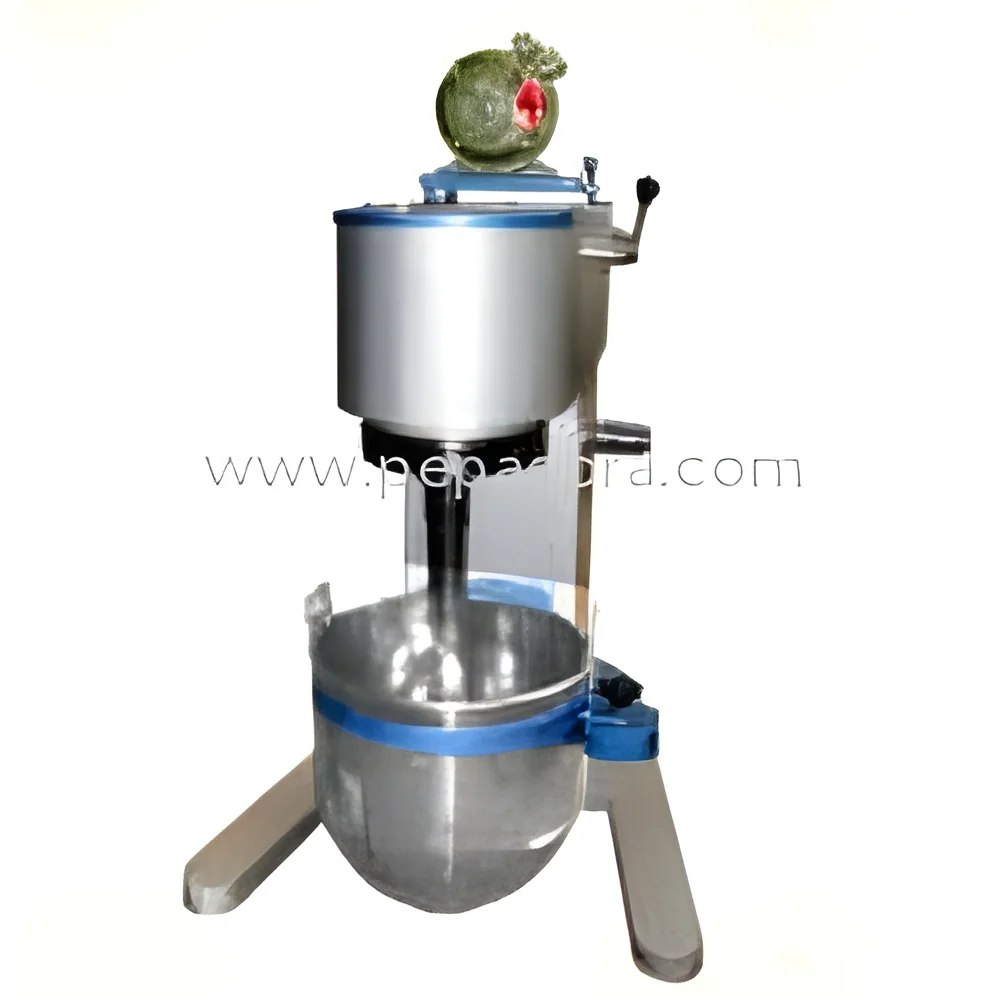
Planetary Mixers: Known for their unique mixing action, these machines are particularly effective for thick pastes and heavy materials, commonly used in the food industry.
Benefits and Advantages
Mixing and blending machines offer numerous advantages that enhance production processes and product quality.
1. Improved Consistency: These machines ensure uniform mixing, leading to consistent product quality across batches.
2. Increased Efficiency: Automated controls and optimized mixing techniques speed up production, reducing overall cycle time.
3. Versatility: They can handle a wide range of materials, making them suitable for various applications and industries.
4. Enhanced Safety: Modern machines come with advanced safety features, minimizing risks to operators and reducing workplace accidents.
5. Cost-Effectiveness: By improving production efficiency and reducing waste, these machines can lead to significant cost savings in manufacturing.
6. Easy Maintenance: Many machines are designed for quick cleaning and servicing, ensuring minimal downtime and prolonged lifespan.
Buying Guide for B2B Buyers
When sourcing mixing and blending machines, businesses should consider several key factors to ensure they make informed decisions.
1. Quality Assessment: Evaluate the machine's materials, build quality, and compliance with industry standards. High-quality machines lead to better performance and durability.
2. Supplier Verification: Vet potential suppliers by checking their reputation, customer reviews, and certifications. A reliable supplier ensures product quality and dependable support.
3. Pricing and MOQ: Understand the pricing structure and minimum order quantities. Compare quotes from different suppliers to find the best value for your investment.
4. Delivery and Lead Times: Consider logistics and delivery timelines to ensure that the machines arrive when needed for production schedules.
5. Compliance Requirements: Ensure that the machines meet all regulatory and safety requirements specific to your industry. This is crucial for maintaining operational integrity and avoiding legal issues.
Compliance and Certifications
Mixing and blending machines must adhere to various compliance and certification standards to ensure safety, quality, and operational efficiency.
Relevant quality standards, such as ISO 9001, ensure that manufacturers maintain consistent quality management systems. This is essential for companies looking to improve efficiency and customer satisfaction.
Industry certifications, like CE marking, indicate compliance with European safety and health standards. This certification is crucial for machines sold in European markets, ensuring they meet strict regulatory requirements.
Safety and testing requirements also play a vital role. Machines should undergo rigorous testing to ensure they can handle the intended workload while minimizing risks to operators.
Regional compliance considerations may vary. Businesses should be aware of local regulations and standards that apply to their specific industry and region, ensuring that all machines meet necessary legal requirements.
Why Source Mixing & Blending Machines from Pepagora?
Pepagora provides a trusted platform for sourcing mixing and blending machines, offering buyers several key advantages.
Verified Supplier Network: Pepagora connects buyers with a network of verified suppliers. This ensures that you are dealing with reputable manufacturers who meet industry standards.
Streamlined RFQ Process: The platform simplifies the request for quotation process, allowing buyers to receive multiple quotes efficiently. This saves time and helps in making cost-effective decisions.
Trade Assurance and Support: Pepagora offers buyer protection through its trade assurance program. This ensures that your investment is secure, and you receive the products as promised.
Regional Coverage: With a strong presence in India, the GCC, and Southeast Asia, Pepagora facilitates sourcing across a wide geographic area, making it easier for businesses to find suitable machines tailored to their specific needs.



Frequently Asked Questions
What are Mixing & Blending Machines?
Mixing & Blending Machines are industrial equipment designed to combine various materials uniformly. These machines are commonly used in industries such as food processing, pharmaceuticals, and chemicals to ensure consistent product quality.
What are the different types of Mixing & Blending Machines?
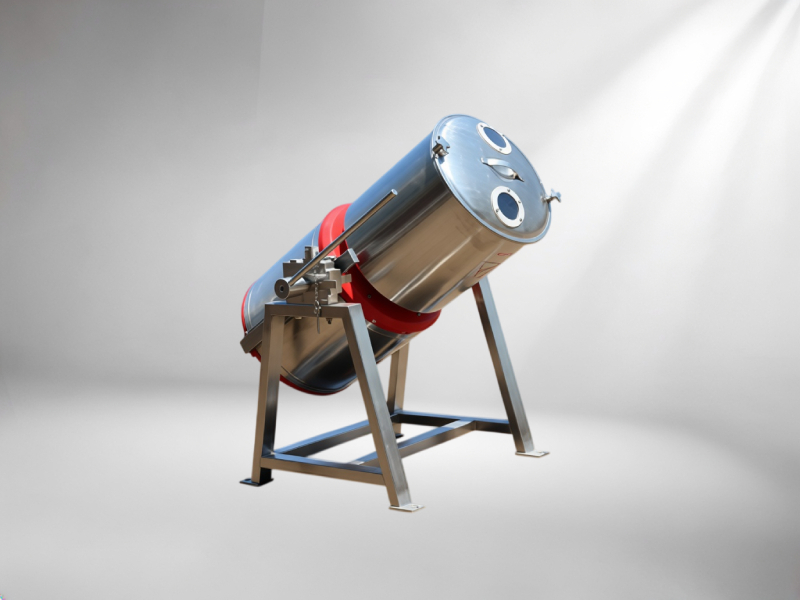
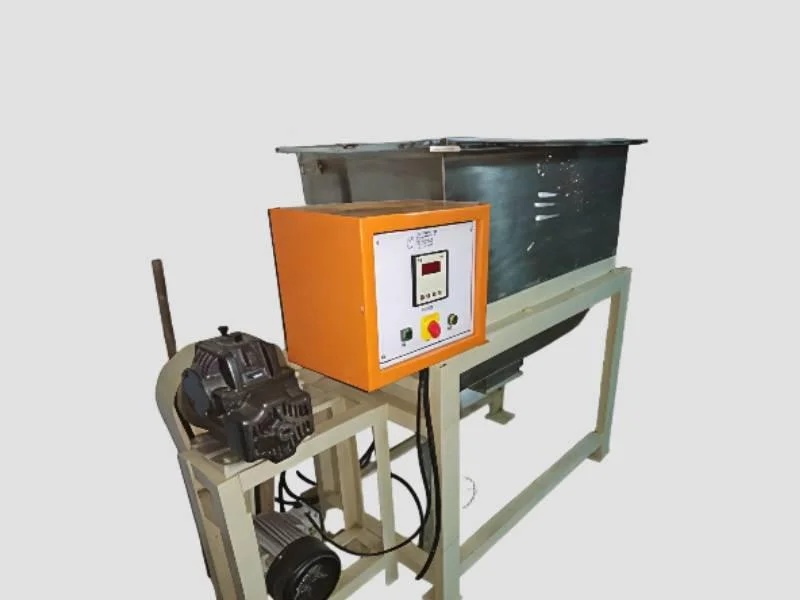
There are several types of Mixing & Blending Machines, including ribbon blenders, paddle mixers, and drum mixers. Each type is suited for specific applications based on the materials being mixed and the desired consistency.
How do I choose the right Mixing & Blending Machines?
To choose the right Mixing & Blending Machines, consider factors such as the type of material, the required mixing capacity, and the desired output consistency. Evaluate the specific needs of your production process to select the most suitable machine.
What are the standard specifications for Mixing & Blending Machines?
Standard specifications for Mixing & Blending Machines typically include mixing capacity, power requirements, dimensions, and material construction. It's important to review these specifications in relation to your operational needs.
What is the price range for Mixing & Blending Machines?
The price range for Mixing & Blending Machines can vary widely based on the type, capacity, and features. Generally, prices can start from a few thousand INR and go up to several lakhs INR for advanced models.
What quality standards apply to Mixing & Blending Machines?
Mixing & Blending Machines must adhere to various quality standards, including ISO certifications and industry-specific regulations. Compliance with these standards ensures safety, reliability, and efficiency in operation.
Where can I find Mixing & Blending Machines suppliers in India?
You can find Mixing & Blending Machines suppliers in India through online B2B marketplaces, industrial trade shows, and manufacturer directories. Platforms like Pepagora.com can connect you with reputable suppliers.
Can Mixing & Blending Machines be customized?
Yes, many manufacturers offer customization options for Mixing & Blending Machines to meet specific client requirements. Customizations can include adjustments to capacity, features, and materials used in construction.
What is the typical minimum order quantity for Mixing & Blending Machines?
The typical minimum order quantity (MOQ) for Mixing & Blending Machines varies by supplier, but it generally starts from one unit. Always confirm the MOQ with the supplier before placing an order.
What is the typical lead time for Mixing & Blending Machines?
The typical lead time for Mixing & Blending Machines can range from a few weeks to several months, depending on the customization and production capacity of the manufacturer. It's advisable to check with the supplier for specific timelines.
Why Businesses Trust Pepagora
Thousands of companies trust Pepagora to source smarter and sell faster
Expand Your Sales Globally

Source Smarter,Grow Faster
