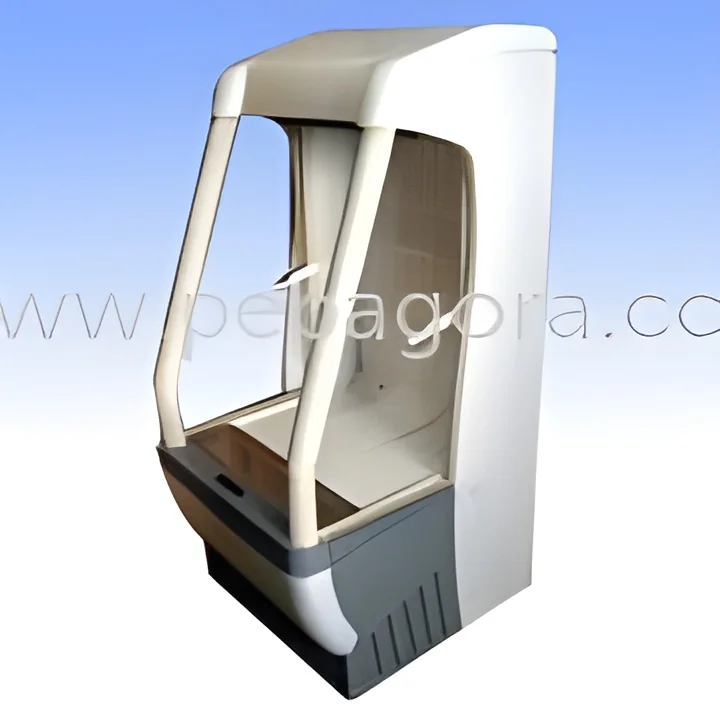
What are Vacuum Packaging Machines?
Vacuum packaging machines are specialized devices designed to remove air from packaging before sealing it. This process helps to prolong the shelf life of various products by minimizing the presence of oxygen, which can lead to spoilage and degradation. The machines work by placing the product in a plastic bag or container, extracting the air, and then sealing the packaging to create a vacuum environment.
These machines are primarily used in food processing, pharmaceuticals, and manufacturing industries. In food applications, they help in preserving meat, cheese, and vegetables, while in pharmaceuticals, they maintain the integrity of drugs and medical supplies. Their ability to extend product shelf life and reduce waste makes them highly valuable in today's market, where freshness and quality are paramount.
In recent years, the demand for vacuum packaging machines has surged, driven by the growth of the food and beverage sector, increased consumer awareness about food safety, and the expansion of e-commerce. As businesses seek to enhance their packaging processes, vacuum packaging machines have become an essential investment for improving product preservation and reducing costs associated with spoilage.
Key Features and Specifications
Vacuum packaging machines offer various features and specifications that cater to different industry needs. Understanding these specifications is crucial for selecting the right machine for your business.
Key specifications include:
1. Sealing Method
- Heat sealing is the most common method.
- It uses heat to melt the edges of the packaging material together.
2. Chamber Size
- The size of the chamber determines the volume of products that can be processed at once.
- Typical sizes range from small, tabletop models to large industrial units.
3. Vacuum Level
- High vacuum levels ensure maximum air removal.
- Levels can vary depending on the machine, typically measured in millibar.
4. Control System
- Digital controls allow for precise settings and programming.
- Some machines feature programmable cycles for efficiency.
5. Construction Material
- Machines are often made from stainless steel for durability and hygiene.
- Corrosion resistance is essential, especially in food applications.
6. Speed of Operation
- Machines may vary in speed, affecting throughput.
- Typical speeds can range from 1 to 10 cycles per minute.
7. Energy Consumption
- Efficiency in energy use is an important factor.
- Machines are designed to minimize power consumption.
8. Portability
- Some models are designed to be compact and portable for ease of movement.
- This is particularly beneficial for small operations.
In summary, the choice of a vacuum packaging machine should consider these specifications to ensure it meets the operational needs of your business.
Common Applications and Use Cases
Vacuum packaging machines are versatile tools that serve a variety of industries.
1. Food Industry: These machines are extensively used for packaging meats, cheeses, and prepared meals. They help in preserving freshness and extending shelf life.
2. Pharmaceutical Industry: Vacuum packaging is crucial for maintaining the integrity of medicines and medical supplies, protecting them from contamination and degradation.
3. Electronics: In the electronics sector, vacuum packaging protects sensitive components from moisture and dust, ensuring they remain in optimal condition.
4. Manufacturing: Various manufactured goods that require protection from environmental factors utilize vacuum packaging to maintain quality during storage and transport.
5. Retail: Retailers use vacuum packaging for ready-to-eat meals and snacks, enhancing product presentation while prolonging shelf life.
6. Agriculture: Fresh produce can be vacuum sealed to reduce spoilage during transportation and storage.
7. Logistics: Companies in logistics rely on vacuum packaging to ensure that products arrive in perfect condition, reducing returns and complaints.
Product Variants and Subcategories
Vacuum packaging machines come in various types to suit different business requirements.
Chamber Vacuum Sealers
These machines have a chamber that allows for the complete removal of air from the packaging before sealing. They are ideal for high-volume operations and can handle liquids and powders with ease.
External Vacuum Sealers
These are more compact and suitable for smaller operations. They work by placing the bag in the machine, which removes air and seals the bag without requiring a full chamber.
Benefits and Advantages
Investing in vacuum packaging machines offers numerous advantages for businesses.
1. Enhanced Shelf Life: Vacuum packaging significantly extends the shelf life of products, reducing spoilage and waste.
2. Cost Efficiency: By preserving products longer, businesses can minimize losses and improve profitability.
3. Improved Quality: Products maintain their freshness, flavor, and nutritional value over time, leading to higher customer satisfaction.
4. Space Saving: Vacuum-sealed packages often take up less space, optimizing storage and transport logistics.
5. Versatility: These machines can handle a wide range of products, from food to pharmaceuticals, making them suitable for various industries.
6. Reduced Contamination: Vacuum packaging minimizes exposure to pathogens and contaminants, enhancing product safety.
Buying Guide for B2B Buyers
When sourcing vacuum packaging machines, it is essential to consider several key factors to ensure you make an informed decision.
1. Quality Assessment: Evaluate the materials used in the construction of the machines. Look for stainless steel components and robust design to ensure longevity and reliability.
2. Supplier Verification: Conduct thorough research on potential suppliers. Check their reputation, customer reviews, and industry certifications to ensure they are trustworthy.
3. Pricing and MOQ: Understand the price range for different models and inquire about minimum order quantities. This will help you budget effectively and avoid unexpected costs.
4. Delivery and Lead Times: Clarify the expected delivery times and logistics involved in shipping the machines. This is crucial for planning your operations.
5. Compliance Requirements: Ensure that the machines meet relevant industry standards and regulations. This may include certifications such as CE and compliance with safety standards.
Compliance and Certifications
Vacuum packaging machines must adhere to various quality standards to ensure safety and effectiveness in their intended applications. Key standards include ISO 9001, which focuses on quality management systems, and HACCP, which outlines food safety protocols.
Certification such as CE indicates that the machines meet European health, safety, and environmental protection standards.
Additionally, manufacturers should ensure that their machines comply with safety and testing requirements specific to the regions they operate in. This includes understanding regional compliance needs to avoid legal issues and ensure market readiness.
Why Source Vacuum Packaging Machines from Pepagora?
Pepagora offers a reliable platform for sourcing vacuum packaging machines with several key advantages that benefit B2B buyers.
Verified Supplier Network: Pepagora connects buyers with a network of verified suppliers, ensuring that you can source quality machines from reputable manufacturers.
Streamlined RFQ Process: The platform features a user-friendly Request for Quotation (RFQ) process, allowing you to easily compare options and receive tailored quotes based on your specific requirements.
Trade Assurance and Support: Buyers can rely on trade assurance features that protect their investments, providing added confidence during the purchasing process.
Regional Coverage: Pepagora has a significant geographic reach, serving markets in India, the GCC, and Southeast Asia, making it an ideal choice for businesses looking to source vacuum packaging machines across diverse regions.

 IN
IN