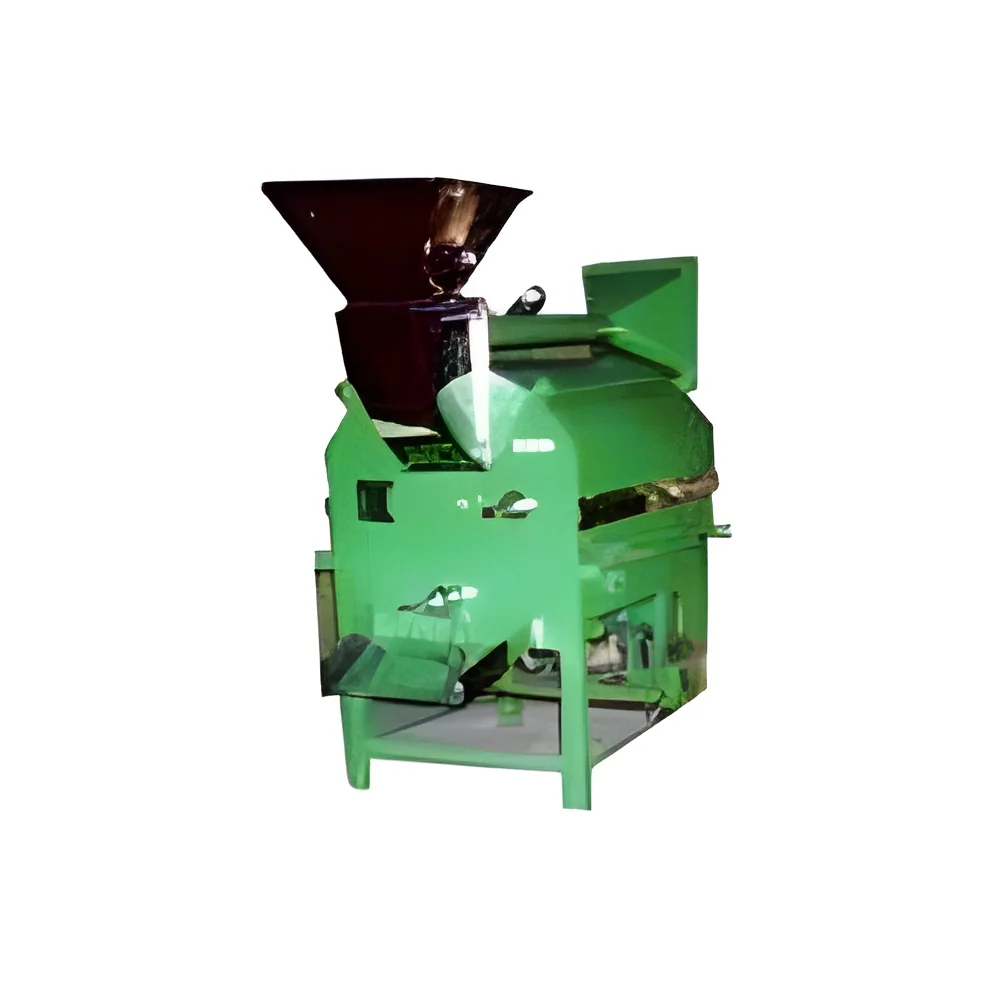
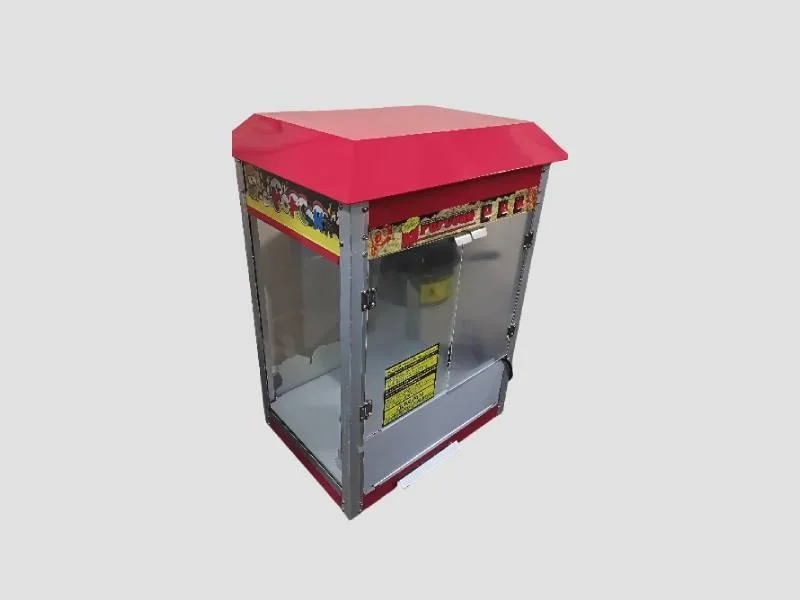
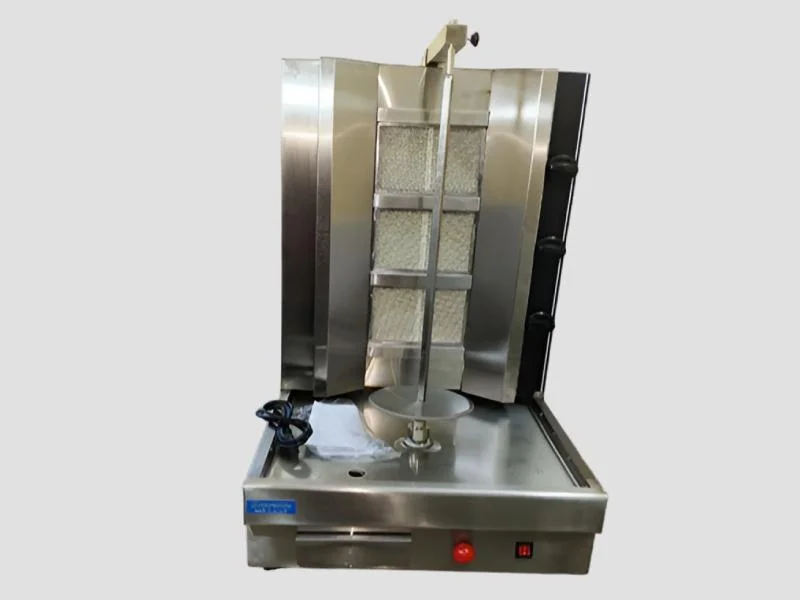
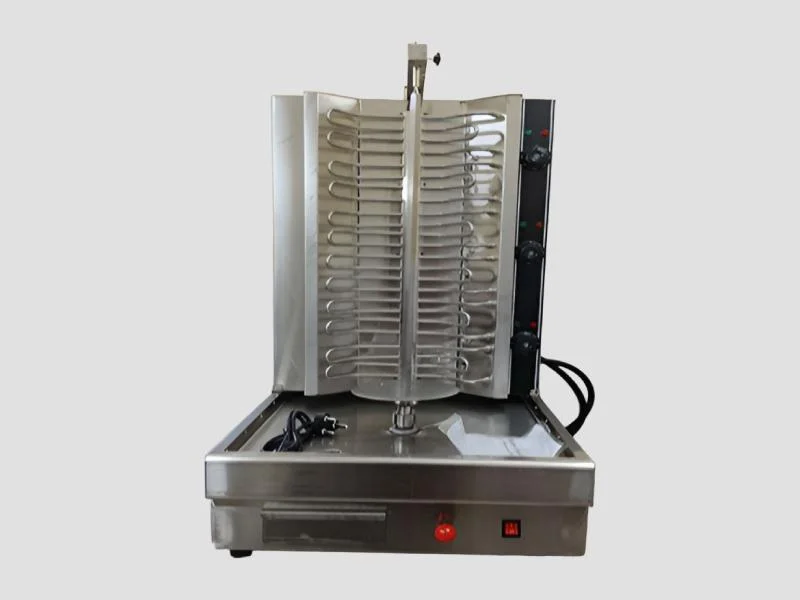
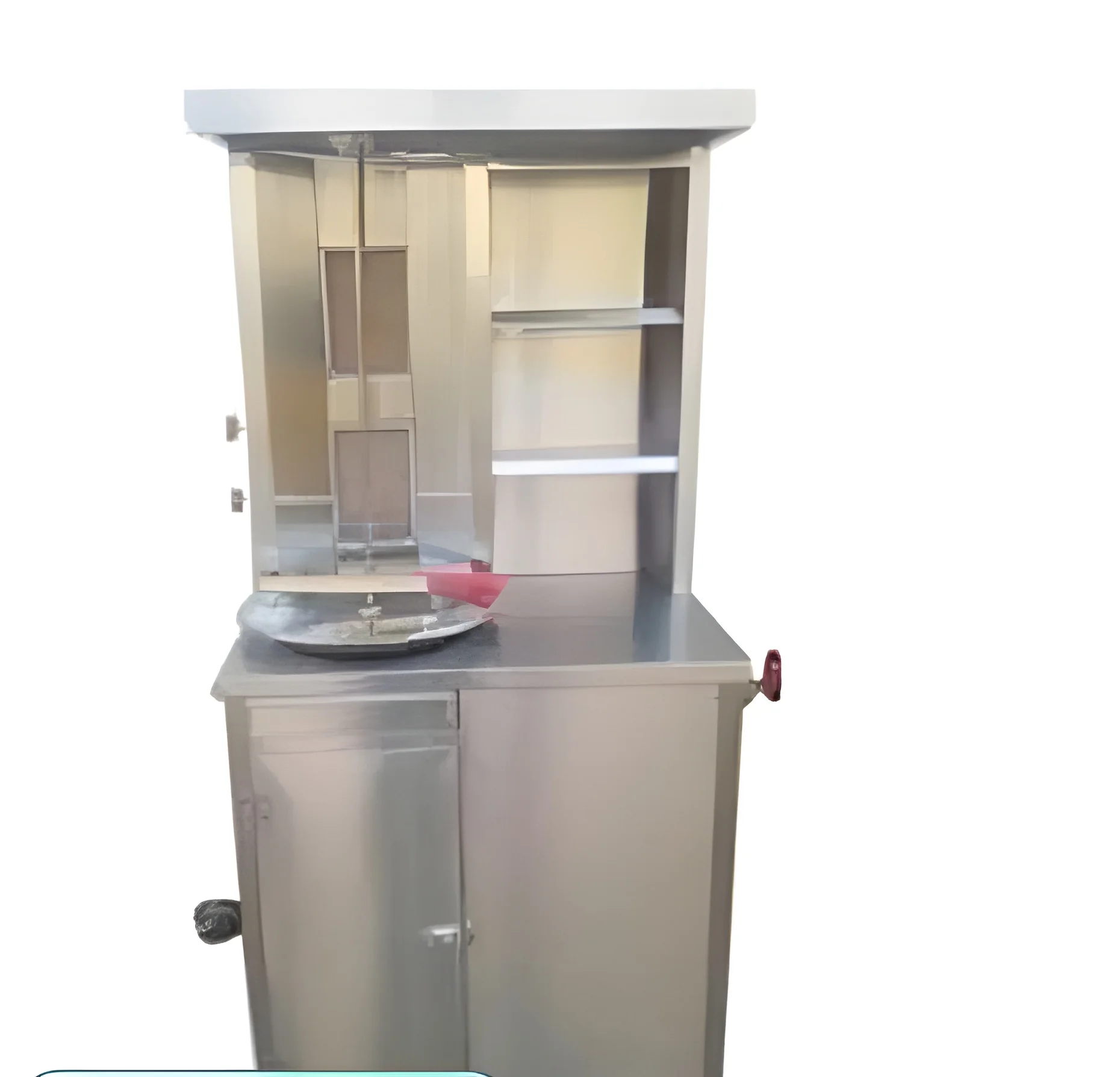
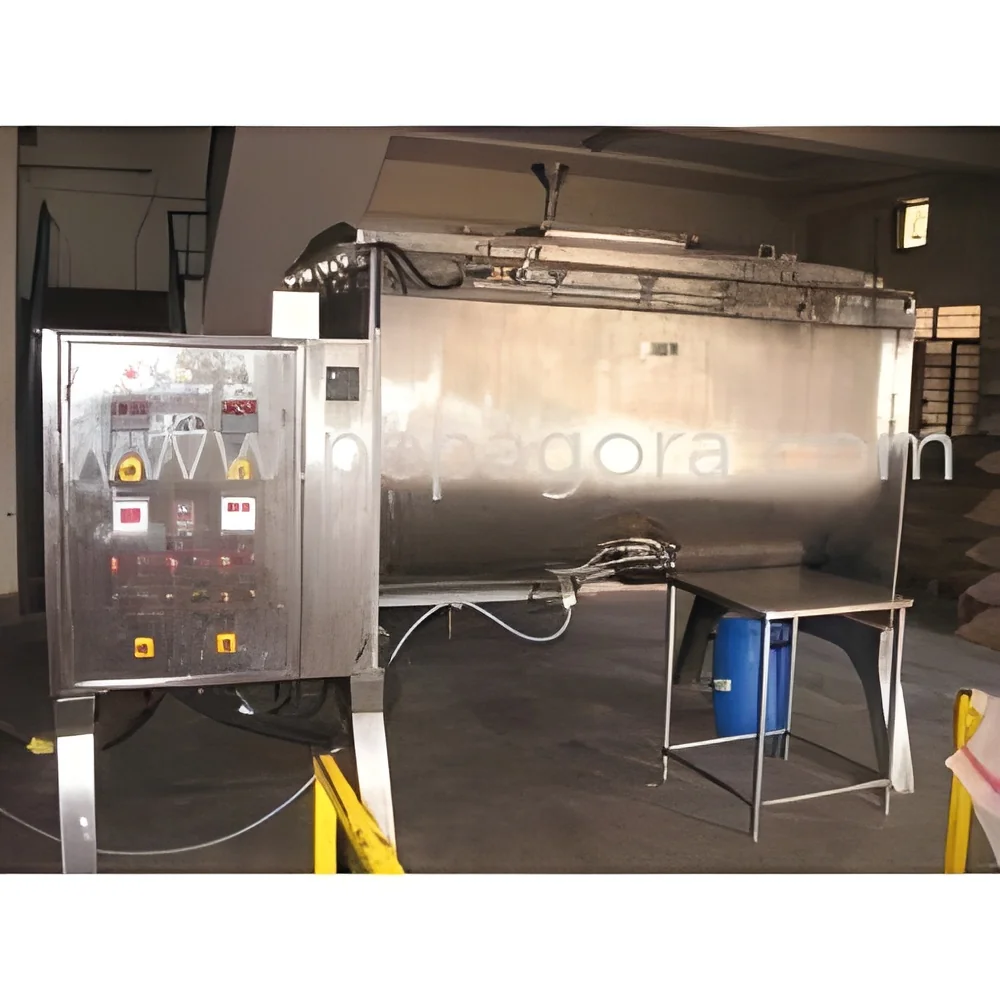
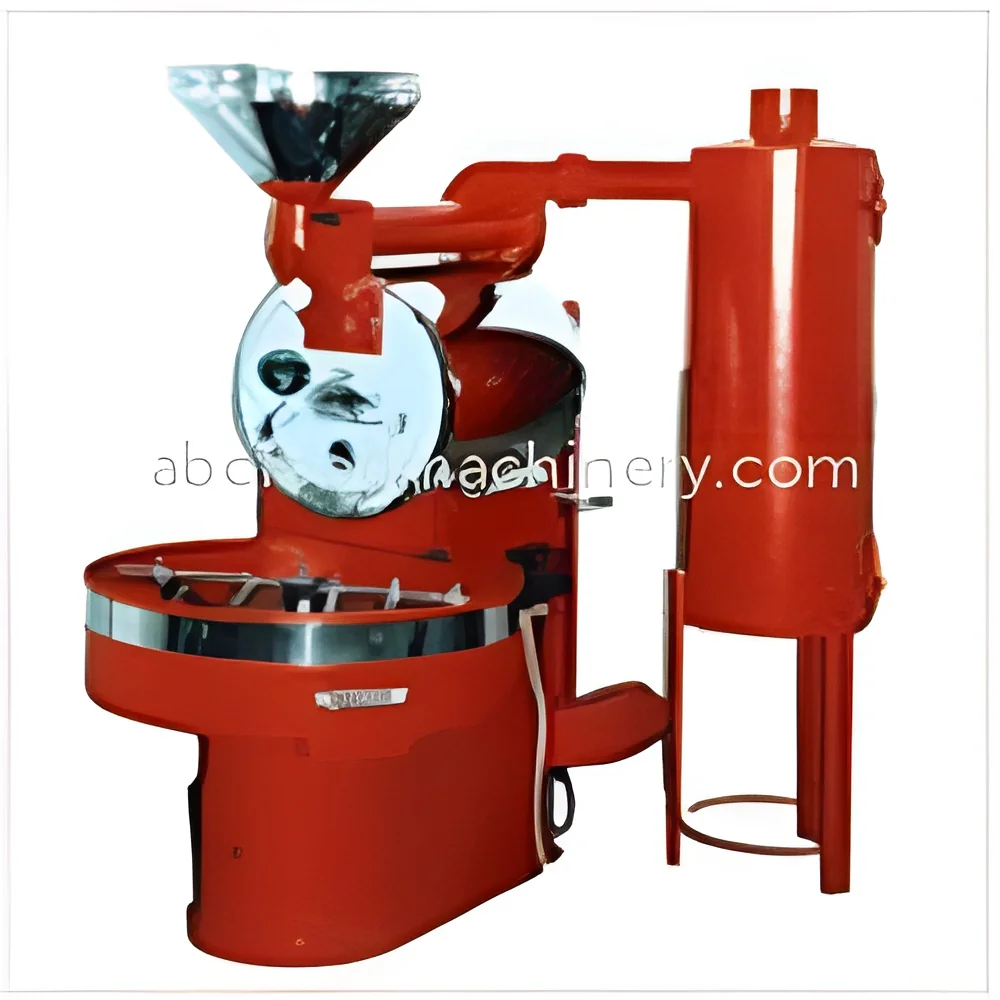
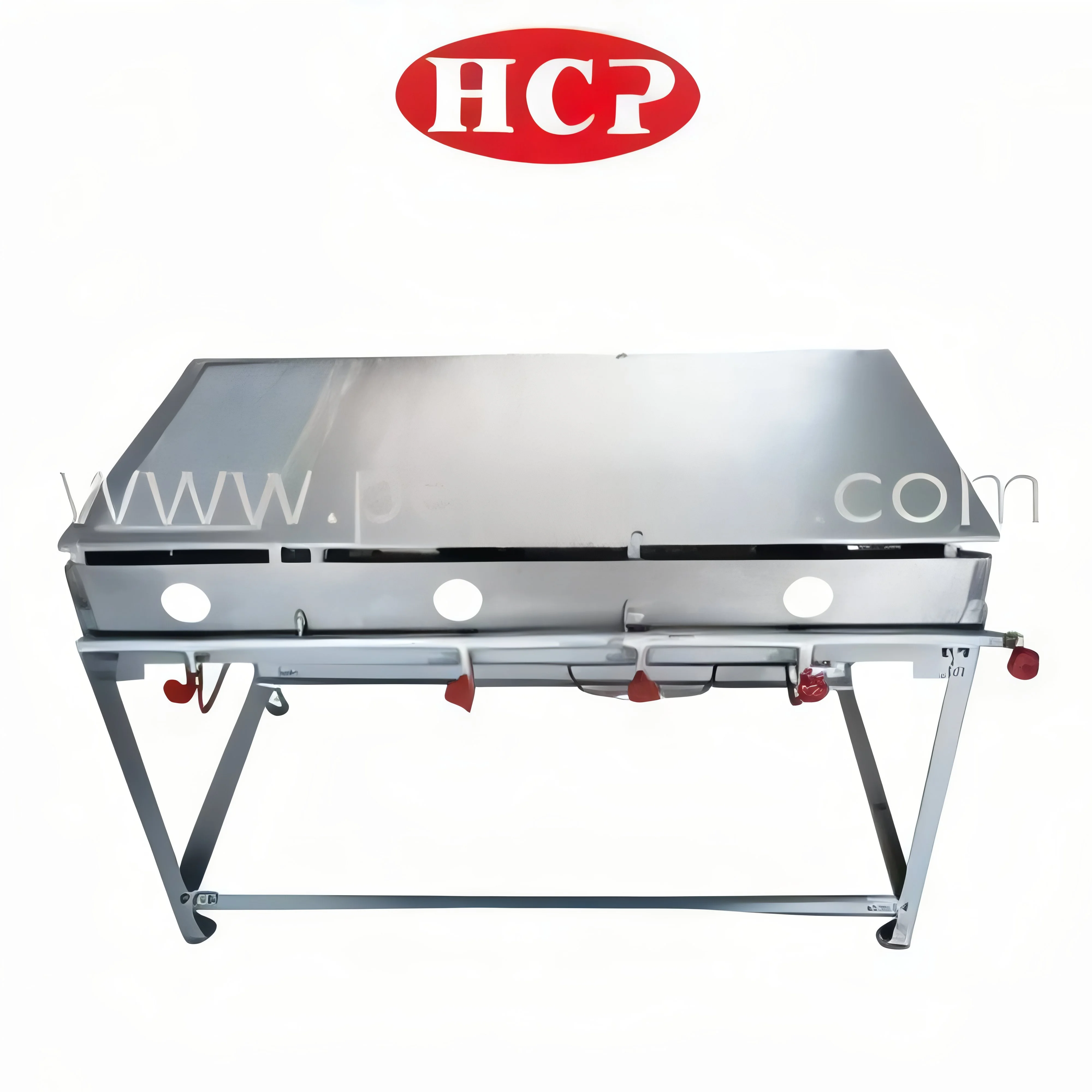
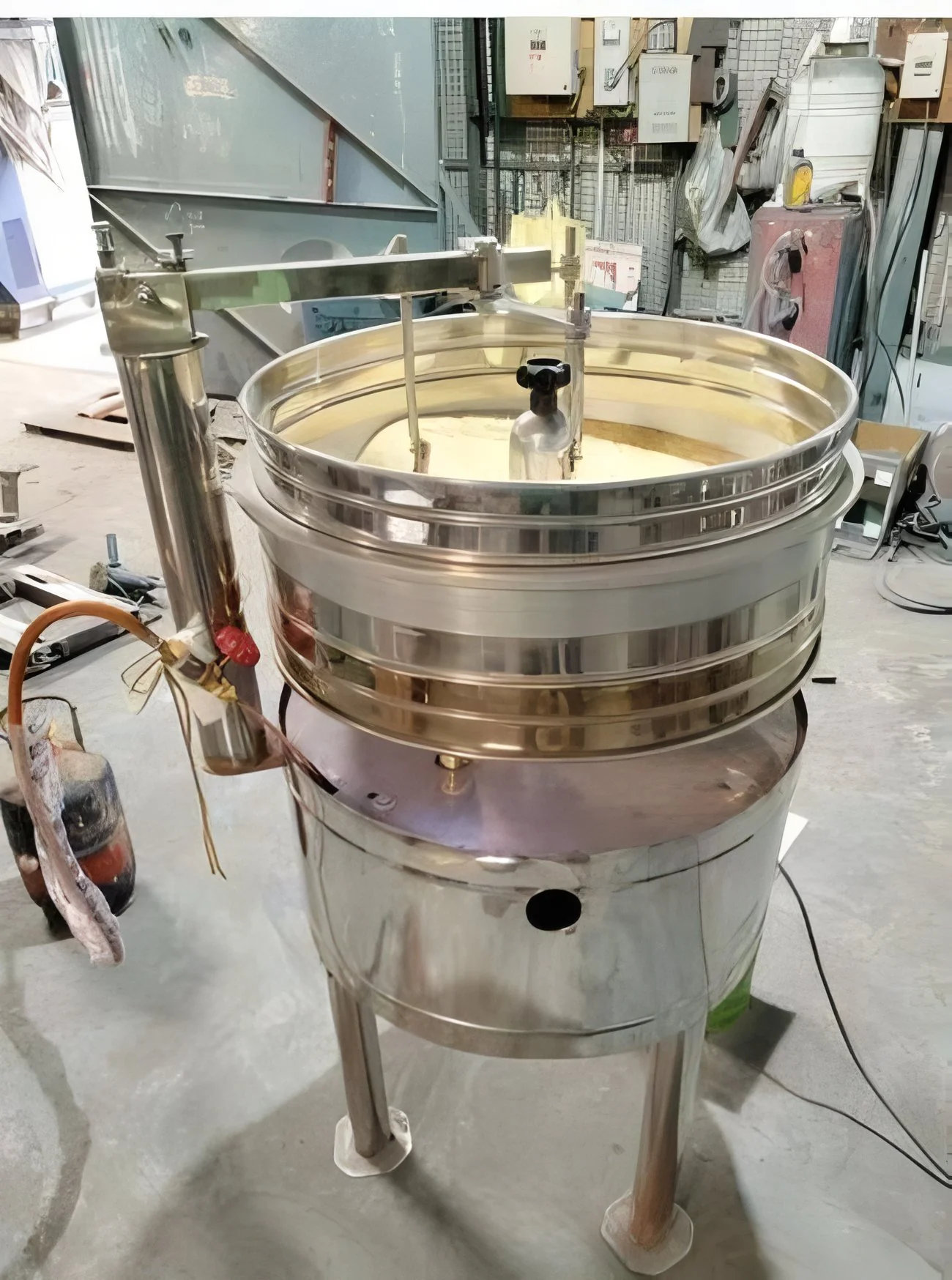
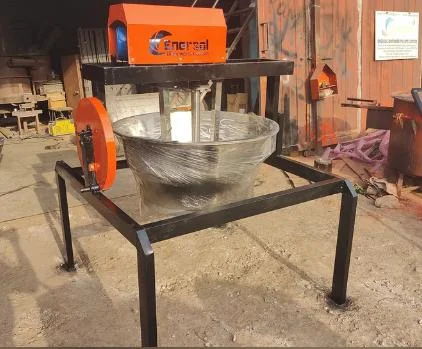
What are Roasting & Puffing Machines?
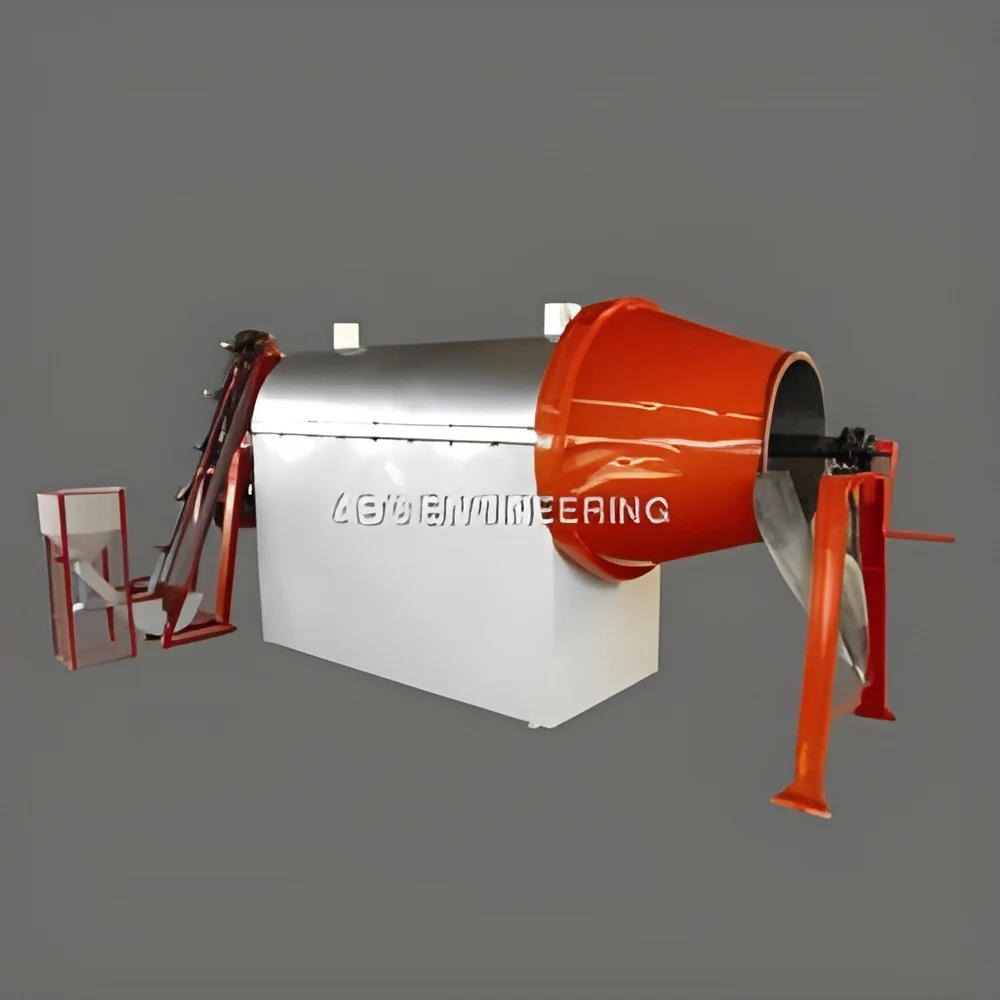
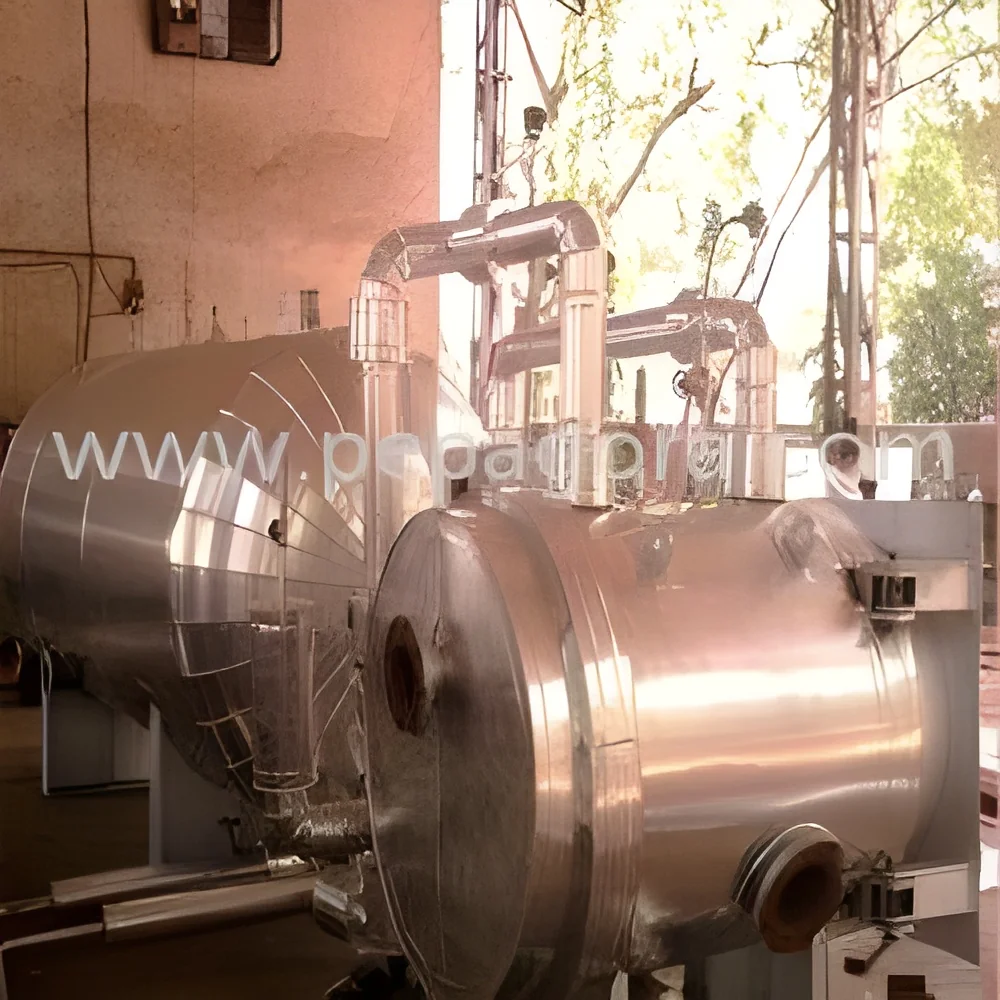
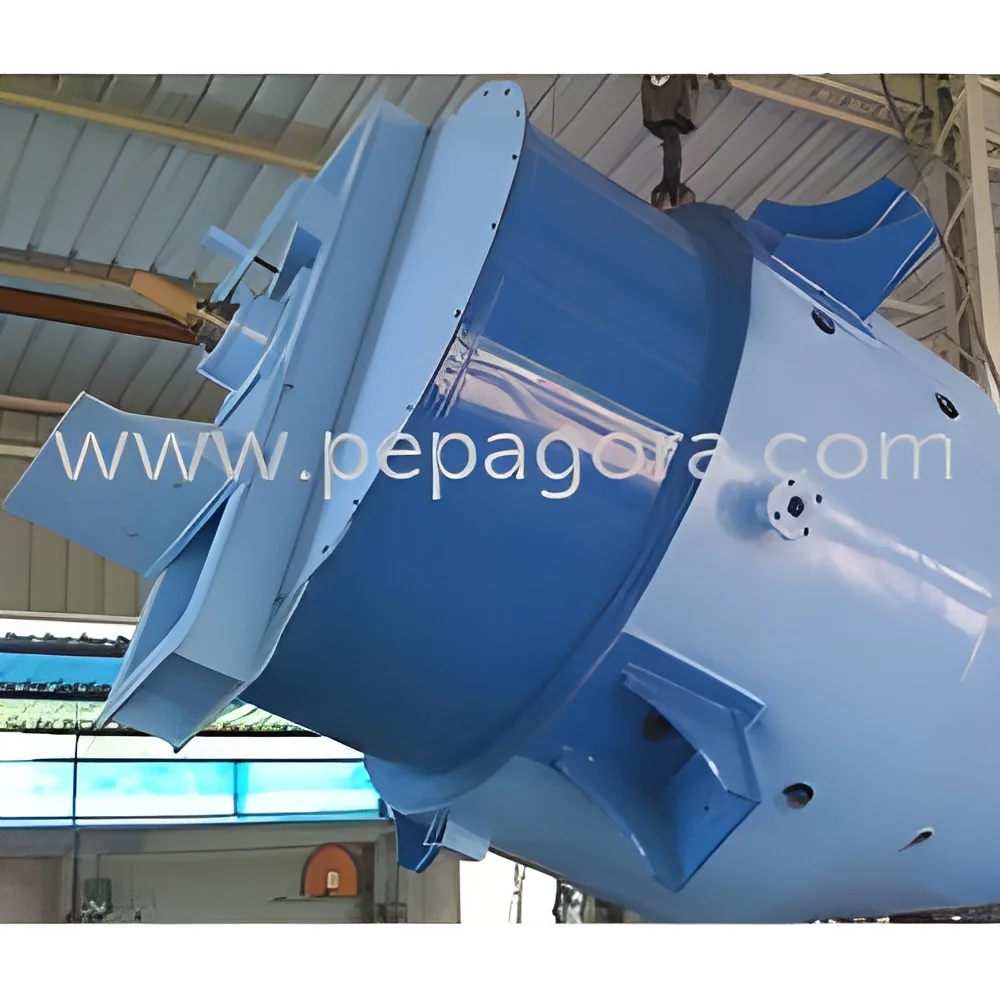
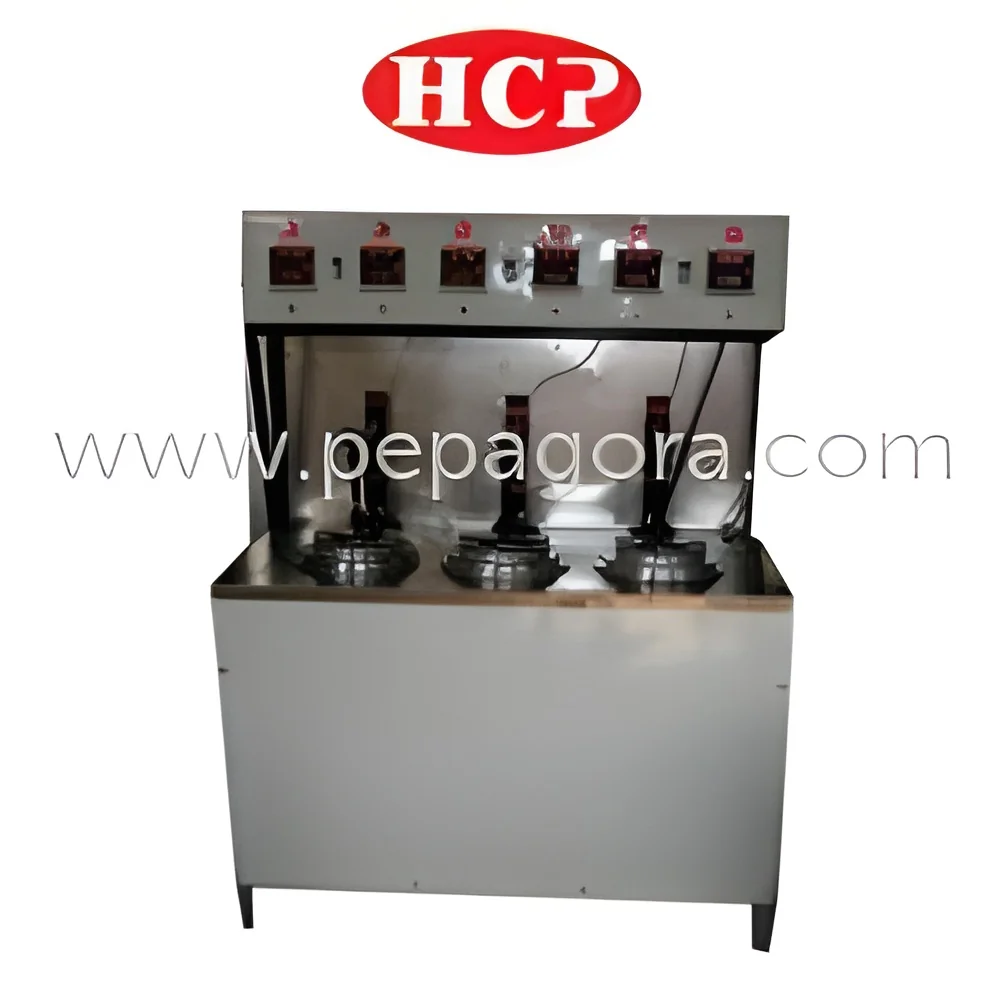
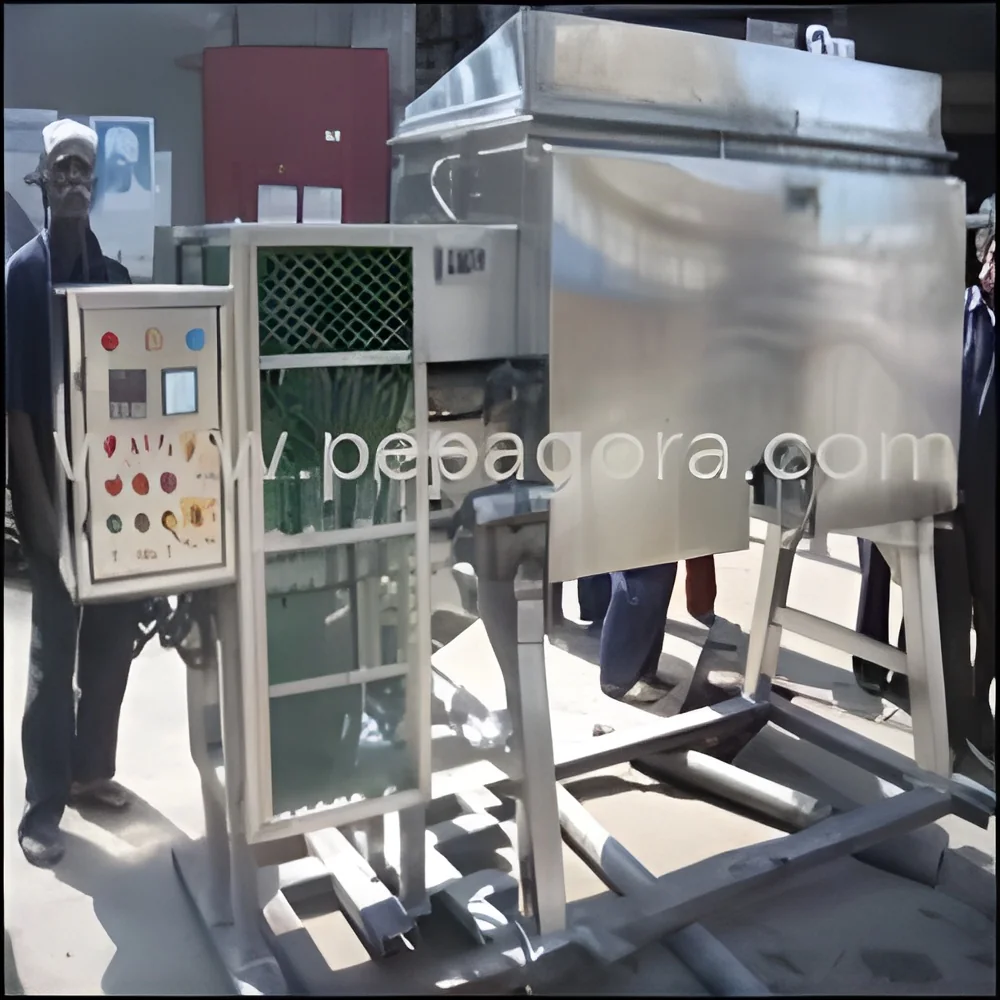
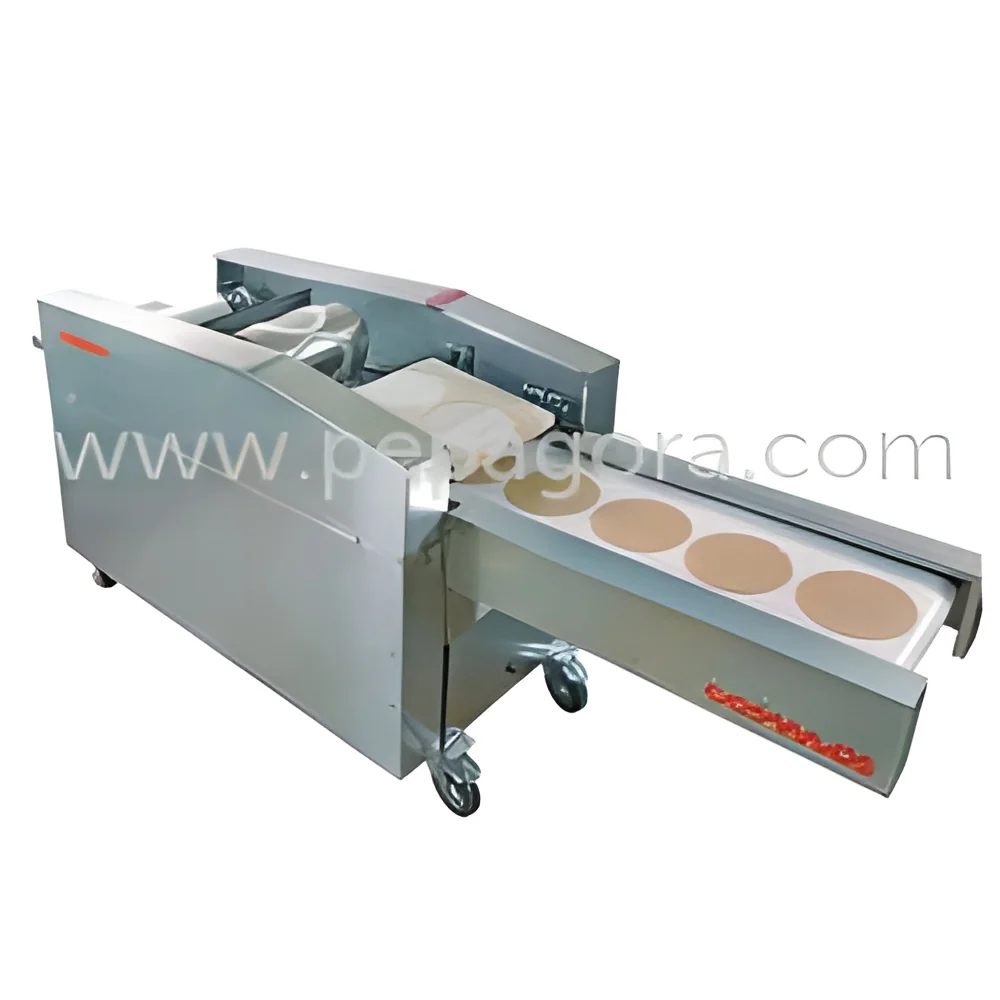
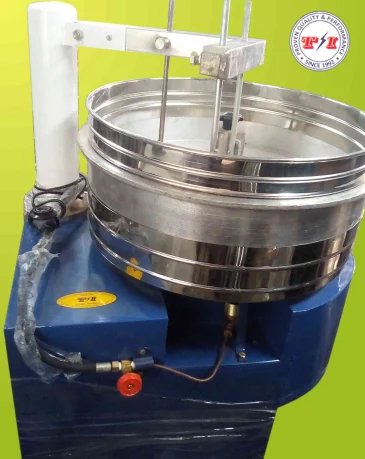
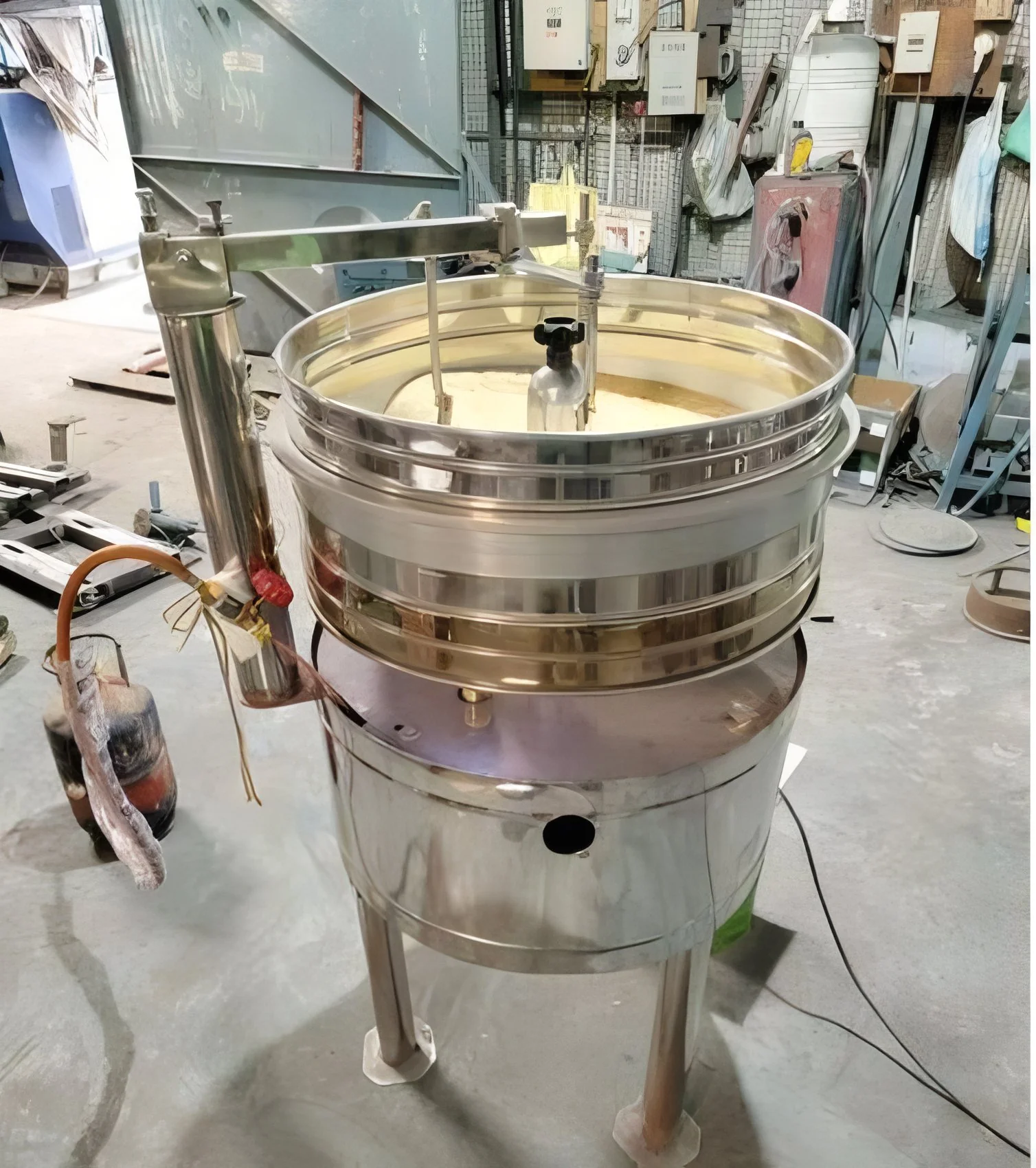
Roasting and puffing machines are specialized equipment designed for processing various seeds, grains, and legumes. These machines utilize heat and pressure to create puffed snacks and roasted products. The roasting process enhances flavor, while puffing increases texture and volume, making them popular in snack food production.
These machines are primarily used in food manufacturing, particularly in the snack industry. They serve to produce a wide range of products, including puffed rice, corn snacks, and roasted nuts. The versatility of roasting and puffing machines allows businesses to innovate and expand their product lines, catering to changing consumer preferences.
In today's market, the demand for healthy snacks is rising, and roasting and puffing machines play a crucial role in meeting this need. The food industry continuously seeks efficient and reliable machines that enhance product quality while maintaining cost-effectiveness. As a result, these machines are vital in the production process, contributing to the overall success of food manufacturers.
Key Features and Specifications
Roasting and puffing machines are equipped with several key features that enhance their performance and efficiency. Understanding these specifications is crucial for businesses looking to invest in this equipment.
Key specifications include:
1. Heating Method
- Machines may utilize electric, gas, or infrared heating.
- This affects the energy consumption and efficiency of the roasting process.
2. Temperature Control
- Machines offer precise temperature settings for optimal roasting.
- Typical temperature ranges are not specified but should be adjustable.
3. Production Capacity
- Machines vary in output, catering to small or large-scale production.
- Capacity can range from a few kilograms to several tons per hour.
4. Material Composition
- Machines are typically made from stainless steel for durability and hygiene.
- Some models may include non-stick surfaces to ease cleaning.
5. Automation Level
- Options range from manual to fully automated systems.
- Automation can enhance consistency and reduce labor costs.
6. Puffing Mechanism
- Machines may use air pressure or steam to achieve puffing.
- The mechanism influences the texture and mouthfeel of the final product.
7. Cooling System
- Some machines include integrated cooling features to stabilize products post-processing.
- This helps in preserving freshness and quality.
8. Safety Features
- Machines are equipped with safety guards and emergency shut-off systems.
- Compliance with safety regulations is crucial for operational standards.
These specifications help businesses make informed decisions when selecting the right roasting and puffing machines for their operations.
Common Applications and Use Cases
Roasting and puffing machines find applications in a variety of industries, each benefiting from their unique processing capabilities.
1. Snack Food Industry: These machines are widely used to produce puffed snacks, such as popcorn and puffed rice. The roasting process enhances flavor and texture, making these products appealing to consumers.
2. Nut Processing: Roasting machines are essential for roasting almonds, peanuts, and other nuts. The process improves taste and aroma, which is crucial for market competitiveness.
3. Breakfast Cereals: In the production of cereals, puffing machines create light, crispy textures that are popular among consumers. This application helps in developing innovative breakfast options.
4. Health Food Products: Many health-focused brands utilize roasting and puffing machines to create nutritious snacks from whole grains and seeds. This aligns with growing consumer preferences for healthy eating.
5. Animal Feed Production: Certain roasting processes are used to enhance the digestibility of grains used in animal feed. This application supports livestock health and productivity.
6. Confectionery: The machines can also be used to create puffed sugar and other confections, diversifying product offerings in the sweets market.
7. Specialty Foods: Artisanal food producers may use these machines to create unique, small-batch products that emphasize quality and craftsmanship.
Product Variants and Subcategories
Roasting and puffing machines come in various configurations to meet different production needs. Each variant offers unique features tailored for specific applications.
Continuous Roasting Machines: These machines are designed for high-volume production and can operate continuously. They provide consistent results and are ideal for large manufacturers.
Batch Roasting Machines: Suitable for smaller operations, these machines allow for flexibility in production. They are often used by artisanal producers who require precise control over the roasting process.
Puffing Machines: Specifically designed for puffing grains and snacks, these machines utilize steam or high-pressure air. They focus on achieving a light and airy texture in the final product.
Hybrid Machines: Combining both roasting and puffing capabilities, these machines offer versatility for manufacturers looking to produce a variety of products from one piece of equipment.
Benefits and Advantages
Investing in roasting and puffing machines offers numerous advantages for businesses in the food industry.
1. Enhanced Flavor: Roasting improves the taste of grains and snacks, making products more appealing to consumers.
2. Increased Texture: Puffing creates a light and crispy texture that enhances the eating experience.
3. Versatile Production: These machines can process various raw materials, allowing manufacturers to diversify their product lines.
4. Efficiency: Modern machines are designed for high output with minimal energy consumption, improving overall productivity.
5. Consistent Quality: Advanced controls ensure uniform roasting and puffing, leading to consistent product quality.
6. Cost-Effective: By automating processes, businesses can reduce labor costs while increasing production capacity.
Buying Guide for B2B Buyers
When sourcing roasting and puffing machines, several key factors should be considered to ensure a successful investment.
1. Quality Assessment: It is crucial to evaluate the machine's build quality, materials used, and overall design. Look for machines that meet industry standards.
2. Supplier Verification: Vet potential suppliers by checking their reputation, customer reviews, and history. A reliable supplier will provide support and service for your equipment.
3. Pricing and MOQ: Understand the cost structure and minimum order quantities (MOQ) required by suppliers. This helps in budgeting and ensures you are making a worthwhile investment.
4. Delivery and Lead Times: Inquire about logistics, including shipping times and delivery schedules. Reliable delivery is essential for maintaining production timelines.
5. Compliance Requirements: Ensure that the machines meet relevant regulatory standards and certifications. Familiarize yourself with any local compliance needs.
Compliance and Certifications
Roasting and puffing machines must adhere to various quality standards and regulations to ensure safety and efficiency in production.
ISO 9001 is a widely recognized quality management standard that emphasizes consistent quality in manufacturing processes. Compliance with this standard can enhance a company's credibility.
HACCP (Hazard Analysis and Critical Control Points) is critical in food safety, ensuring that machines are designed to prevent contamination during processing. This is essential for companies focused on producing safe food products.
CE certification indicates that the equipment meets EU safety, health, and environmental protection standards. This certification is important for companies looking to sell in European markets.
Safety and testing requirements are vital in the design and operation of roasting and puffing machines. Manufacturers must ensure that their equipment includes safety features to protect operators.
Regional compliance considerations may vary, and businesses should be aware of local regulations affecting equipment operation and safety standards.
Why Source Roasting & Puffing Machines from Pepagora?
Pepagora offers a trusted platform for sourcing roasting and puffing machines, providing several key advantages for buyers.
Verified Supplier Network: Pepagora connects buyers with a network of verified suppliers, ensuring that all listed manufacturers meet high standards of quality and service. This reduces the risk associated with sourcing equipment.
Streamlined RFQ Process: The request for quotation (RFQ) system simplifies the procurement process. Buyers can quickly compare offers and select the best option that meets their needs.
Trade Assurance and Support: Pepagora provides trade assurance, protecting buyers from potential losses due to supplier issues. This added layer of security fosters confidence in every transaction.
Regional Coverage: With a focus on markets in India, the GCC, and Southeast Asia, Pepagora ensures that buyers have access to a wide range of products and suppliers tailored to their regional needs. This geographic reach enhances sourcing opportunities.

 IN
IN