What are Biscuit Making Lines?
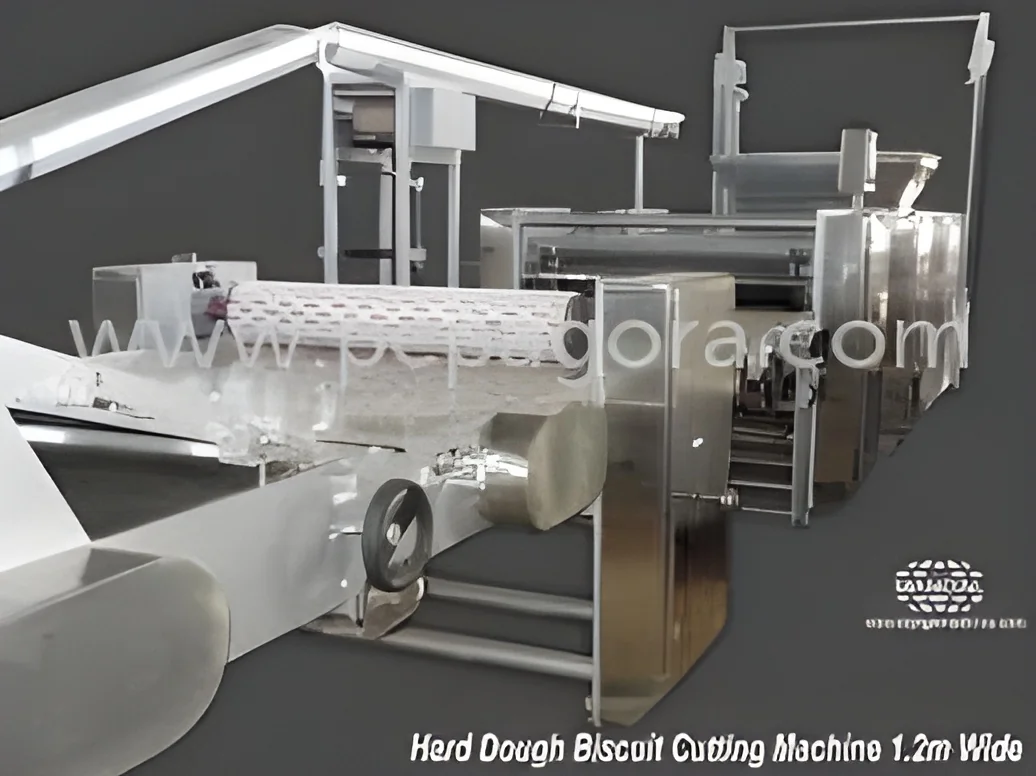
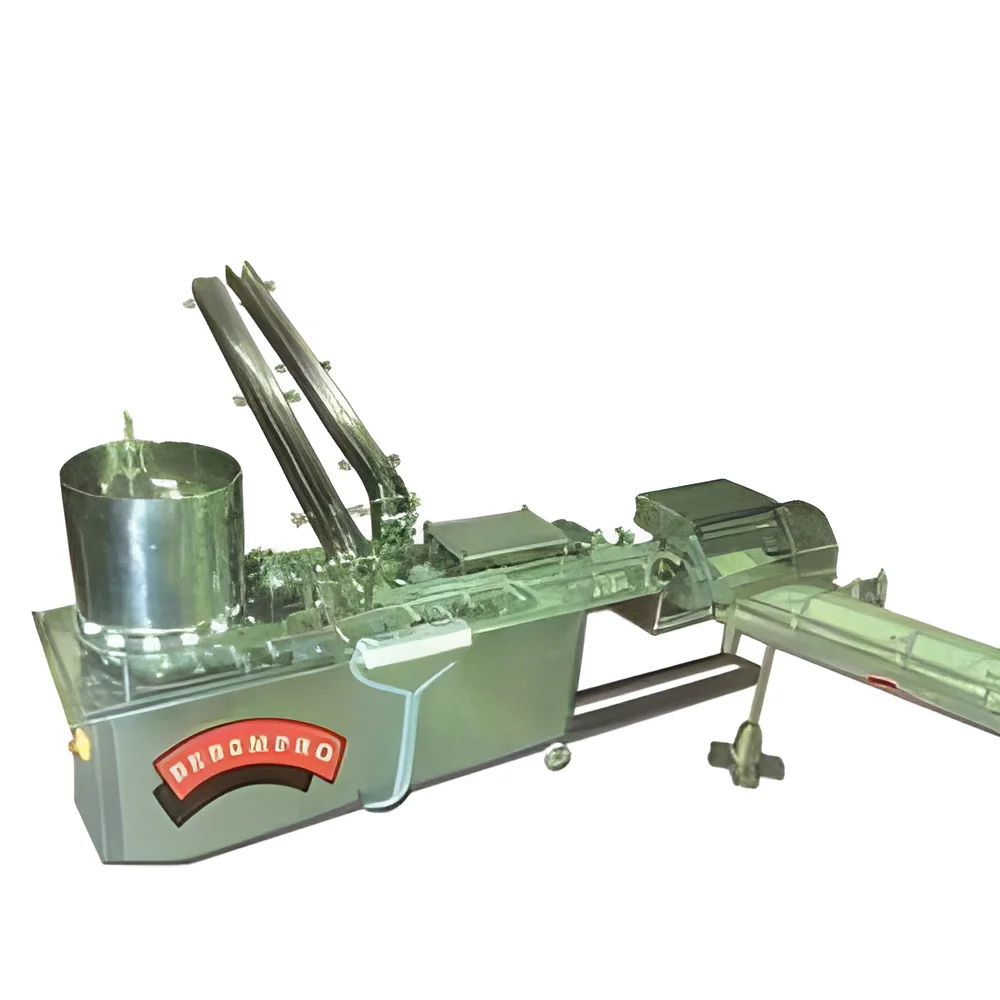
Biscuit making lines are automated production systems designed to efficiently manufacture various types of biscuits. These lines integrate several processes, including mixing, shaping, baking, and packaging, to streamline biscuit production. The machinery involved can vary significantly, depending on the desired biscuit type and production scale. A typical biscuit making line may include mixers, extruders, ovens, and cooling systems, all working in harmony to optimize output and maintain quality.
These lines are primarily used by bakeries and food manufacturers aiming to produce large volumes of biscuits while ensuring consistent quality and flavor. They cater to a range of biscuit varieties, including sweet, savory, and filled biscuits, serving both the retail and wholesale markets. The growing demand for convenience foods has led to increased investments in biscuit making lines, highlighting their importance in the food processing industry. With advancements in technology, modern biscuit making lines offer improved efficiency, flexibility, and control, making them essential for businesses looking to scale their production.
Key Features and Specifications
Biscuit making lines come equipped with various features that enhance their functionality and performance. These features are essential for meeting production demands and ensuring product quality. Understanding the specifications of these machines can help businesses select the right equipment for their needs.
Key specifications include:
1. Production Capacity
- Defines the maximum output per hour or day.
- Common ranges can vary from 100 kg to several tons depending on the line configuration.
2. Automation Level
- Indicates the extent of automation in the production process.
- Can range from semi-automated lines requiring manual intervention to fully automated systems.
3. Energy Efficiency
- Refers to the energy consumption of the machines.
- Many modern lines are designed to minimize energy use while maximizing output.
4. Space Requirements
- Specifies the footprint needed for installation.
- Varies based on the complexity of the line and can influence facility planning.
5. Maintenance Requirements
- Details the upkeep needed to keep the lines operational.
- Regular maintenance schedules are crucial for minimizing downtime.
6. Temperature Control
- Indicates the ability to maintain specific temperatures during baking.
- Ensures even cooking and quality control.
7. Customization Options
- Highlights the ability to modify the line for specific biscuit types.
- Many manufacturers offer tailored solutions based on client requirements.
8. Safety Features
- Encompasses built-in safety mechanisms to protect operators.
- Includes emergency stops, guards, and safety interlocks.
In summary, understanding the features and specifications of biscuit making lines is crucial for businesses to make informed purchasing decisions. These specifications can directly impact production efficiency and product quality.
Common Applications and Use Cases
Biscuit making lines are versatile and serve a range of industries, each with unique applications.
1. Food Manufacturing: These lines are integral in large-scale biscuit production for commercial distribution, ensuring consistent quality and high output.
2. Bakery Shops: Smaller bakeries utilize biscuit making lines for efficient production of a variety of baked goods, allowing them to meet customer demand without compromising quality.
3. Snack Food Industry: Companies in this sector use biscuit making lines to produce snack biscuits, often targeting specific dietary needs or flavor profiles.
4. Catering Services: Biscuit making lines help caterers prepare large quantities of biscuits for events and functions, ensuring freshness and variety.
5. Private Label Manufacturers: Businesses looking to create their own biscuit brands rely on these lines to produce customized products tailored to market preferences.
6. Organic and Health Food Brands: These lines accommodate the production of health-oriented biscuits, allowing for the integration of natural ingredients and specific dietary requirements.
7. Exporters: Companies engaged in exporting biscuits utilize these lines to meet international standards and large order quantities.
Product Variants and Subcategories
Biscuit making lines come in various configurations to cater to different production needs. Each variant offers unique features and capabilities.
Automated Biscuit Making Lines
These lines are designed for high-volume production with minimal manual intervention. They include advanced technology for mixing, shaping, and baking, ensuring efficiency and consistency across batches.
Semi-Automated Biscuit Making Lines
Ideal for medium-scale operations, these lines allow for some manual processes while automating key stages of production. They are suited for businesses looking to balance production efficiency with flexibility.
Modular Biscuit Making Lines
These lines offer customizable components that can be added or removed based on production needs. This flexibility is beneficial for manufacturers that produce a variety of biscuit types.
Benefits and Advantages
Investing in biscuit making lines provides numerous benefits that can enhance production capabilities and profitability.
1. Increased Efficiency: Automated processes reduce production time and labor costs, allowing for higher output.
2. Consistent Quality: Advanced technology ensures uniformity in biscuit size, shape, and texture, which is crucial for brand reputation.
3. Flexibility: Many lines can be easily adjusted to produce different biscuit types, catering to market demands.
4. Reduced Waste: Precise control over ingredients and processes leads to lower waste and better resource utilization.
5. Enhanced Safety: Modern lines come equipped with safety features that protect operators and reduce the risk of workplace accidents.
6. Improved Profit Margins: By optimizing production and reducing costs, businesses can increase their profit margins on biscuit sales.
Buying Guide for B2B Buyers
When sourcing biscuit making lines, it is essential to consider several key factors to ensure a suitable purchase.
1. Quality Assessment: Evaluate the quality of the machines by reviewing specifications, customer feedback, and manufacturer reputation. Quality assurance processes are vital for ensuring long-term reliability.
2. Supplier Verification: Ensure that suppliers are vetted and have a proven track record in the industry. Checking references and certifications can help in this assessment.
3. Pricing and MOQ: Understand the pricing structure and minimum order quantities required by suppliers. This information is crucial for budgeting and planning production capacity.
4. Delivery and Lead Times: Inquire about delivery schedules and lead times to ensure timely installation and production commencement. Logistics can significantly impact operational efficiency.
5. Compliance Requirements: Familiarize yourself with regulatory standards applicable to biscuit production in your region. Compliance with these regulations is crucial for market access and product safety.
Compliance and Certifications
Biscuit making lines must adhere to various compliance standards to ensure safety and quality in production.
Relevant quality standards include ISO 9001, which focuses on quality management systems, ensuring that manufacturers consistently meet customer and regulatory requirements. HACCP (Hazard Analysis and Critical Control Points) is vital for identifying and managing food safety risks, particularly in food processing environments.
Industry certifications such as CE indicate that the equipment meets European safety, health, and environmental protection standards. Compliance with these certifications is essential for manufacturers exporting products to international markets.
Safety and testing requirements are critical in the biscuit production process. Manufacturers must ensure that their equipment undergoes regular testing and maintenance to meet safety standards.
Regional compliance considerations vary by location, and it is essential for businesses to understand these requirements to avoid legal issues and ensure product acceptance in different markets.
Why Source Biscuit Making Lines from Pepagora?
Pepagora provides a trusted platform for sourcing biscuit making lines, offering several key advantages to B2B buyers.
Verified Supplier Network: Pepagora ensures that all suppliers in the network are thoroughly vetted for quality and reliability. This process provides buyers with peace of mind when selecting suppliers for their production needs.
Streamlined RFQ Process: The request for quotation process on Pepagora is designed to be efficient and user-friendly. Buyers can easily compare offers from multiple suppliers, saving time and effort in sourcing decisions.
Trade Assurance and Support: Pepagora offers trade assurance features that protect buyers throughout the purchasing process. This support includes assistance with negotiations and resolving any disputes that may arise.
Regional Coverage: Pepagora's extensive network spans across India, the GCC, and Southeast Asia, making it a valuable resource for businesses looking to source biscuit making lines in these regions. This broad coverage ensures that buyers can find suitable suppliers regardless of their location.

 IN
IN