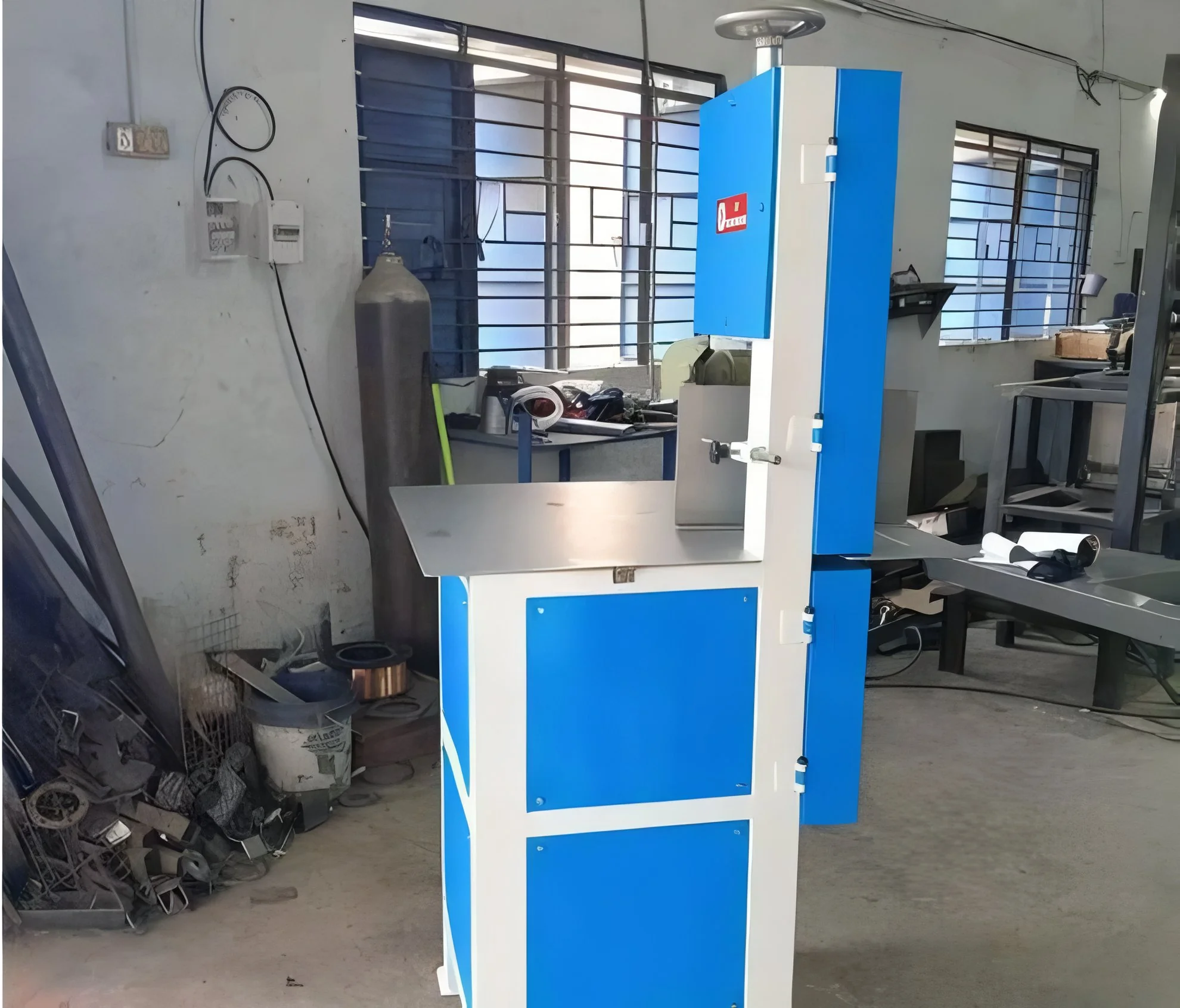
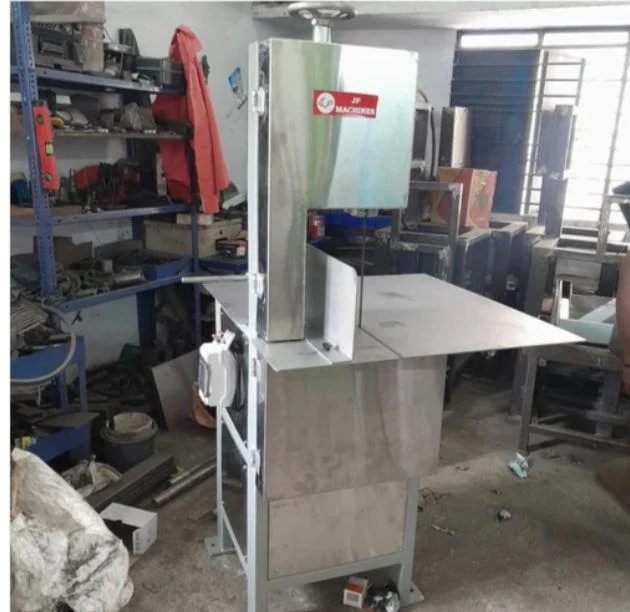
What are Fish Cutting & Descaling Machines?
Fish cutting and descaling machines are specialized equipment designed to automate the process of preparing fish for consumption or further processing. These machines streamline tasks such as cutting, filleting, and removing scales, significantly enhancing efficiency in seafood processing operations. By utilizing advanced technology, these machines can handle a variety of fish species, ensuring uniformity and precision in the final product.
The primary applications of fish cutting and descaling machines are found in commercial fish processing plants, restaurants, and catering services. These machines are essential for businesses that require a high volume of fish preparation, as they reduce labor costs and improve product consistency. Moreover, their integration into production lines can lead to increased throughput, making them valuable assets for businesses in the seafood industry.
In the current market context, the demand for fish cutting and descaling machines is influenced by the growing global seafood consumption and the need for efficient processing solutions. With advancements in technology and a focus on sustainability, these machines are becoming increasingly relevant as businesses seek to optimize their operations while adhering to quality and safety standards.
Key Features and Specifications
Fish cutting and descaling machines come equipped with a range of features designed to enhance their functionality and efficiency. These machines are engineered for durability and ease of use, making them suitable for various industrial settings.
Key specifications include:
1. Cutting Capacity
- This specification indicates the volume of fish that can be processed within a given timeframe.
- Typical capacities range from 200 to 2000 kg per hour, depending on the machine model.
2. Power Consumption
- Power requirements vary based on machine size and type.
- Most machines operate on standard voltages of 220V to 400V with power ratings between 1.5 kW and 5 kW.
3. Material Construction
- Machines are often made from stainless steel to ensure durability and hygiene.
- Components are designed for easy cleaning and maintenance.
4. Dimensions
- Machine sizes can vary significantly, with lengths ranging from 1.5 to 3 meters and widths of 0.5 to 1.5 meters.
- Height specifications typically range from 1 to 1.5 meters.
5. Operational Features
- Many machines include adjustable speed settings and programmable controls for various cutting techniques.
- Safety features such as automatic shut-off and emergency stops are standard.
6. Scalability
- Machines are designed to be scalable, allowing for integration into existing production lines.
- Options for modular upgrades are available for future expansion.
In summary, fish cutting and descaling machines provide critical operational capabilities that enhance productivity and ensure quality in fish processing.
Common Applications and Use Cases
Fish cutting and descaling machines serve a variety of industries, reflecting their versatility and essential role in seafood processing.
1. Commercial Fishing Industry: These machines are commonly used in processing plants to prepare fish for distribution, ensuring quick and efficient scaling and cutting.
2. Food Service Industry: Restaurants and catering businesses utilize these machines to provide freshly prepared fish dishes, improving service speed and meal consistency.
3. Retail Seafood Markets: Fishmongers leverage these machines to offer ready-to-cook fish products, enhancing customer satisfaction through convenient options.
4. Aquaculture Operations: Fish farms may use cutting and descaling machines for processing their harvest, allowing for efficient handling of large volumes.
5. Frozen Food Manufacturers: Companies in this sector rely on these machines for preparing fish before freezing, maintaining product quality and safety.
6. Exporters: Businesses focused on exporting seafood often use these machines to prepare fish for international markets, adhering to quality and hygiene standards.
7. Canning and Preservation: These machines are essential in facilities that can or preserve fish, ensuring proper preparation for further processing.
Product Variants and Subcategories
Fish cutting and descaling machines come in various configurations to meet specific operational needs.
Automatic Fish Cutting Machine: This variant is designed for high-volume operations, featuring automated processes that reduce labor and enhance precision. It is ideal for large-scale fish processing plants.
Manual Fish Descaling Machine: This machine provides a more hands-on approach, suitable for smaller operations or businesses focusing on artisanal fish preparation.
Batch Processing Machines: These units are designed for processing fish in batches, making them suitable for companies that require versatility in their operations.
Benefits and Advantages
Investing in fish cutting and descaling machines offers numerous benefits to businesses in the seafood industry.
1. Increased Efficiency: These machines allow for faster processing times, enabling businesses to meet higher demand without compromising quality.
2. Labor Cost Reduction: By automating labor-intensive tasks, companies can reduce staffing needs and associated costs while reallocating human resources to other critical areas.
3. Consistent Quality: Machines deliver uniform cuts and scaling, ensuring product consistency and enhancing customer satisfaction.
4. Improved Hygiene: With stainless steel construction and automated processes, these machines promote better hygiene standards in food preparation.
5. Enhanced Safety: Advanced safety features help protect operators and reduce the risk of accidents during operation.
6. Customization Options: Many manufacturers offer customizable machines to meet specific processing requirements, allowing businesses to tailor solutions to their needs.
Buying Guide for B2B Buyers
When sourcing fish cutting and descaling machines, it is essential for B2B buyers to consider several critical factors.
1. Quality Assessment: Evaluate machines based on materials, build quality, and performance reviews. Look for certifications that indicate compliance with industry standards.
2. Supplier Verification: Vet suppliers by checking their reputation, customer feedback, and history in the industry. Ensure they have the necessary certifications and experience in manufacturing seafood processing equipment.
3. Pricing and MOQ: Understand the price range for the machines and inquire about minimum order quantities. Compare quotes from multiple suppliers to find the best value.
4. Delivery and Lead Times: Discuss logistics, including delivery options and expected lead times. Ensure the supplier can meet your timeline requirements.
5. Compliance Requirements: Familiarize yourself with any regulatory standards that apply to your industry and ensure that the machines comply with these requirements.
Compliance and Certifications
Fish cutting and descaling machines must adhere to various compliance and certification standards to ensure safety and quality.
ISO 9001 is a widely recognized quality management standard that ensures manufacturers maintain quality throughout their production processes. Compliance with this standard indicates a commitment to continuous improvement and customer satisfaction.
HACCP (Hazard Analysis Critical Control Point) is essential for food safety management in the seafood industry. Machines that meet HACCP standards demonstrate that they are designed to prevent hazards associated with food processing.
CE certification indicates that a product meets European safety, health, and environmental requirements. This certification is crucial for machines sold in European markets.
Additionally, manufacturers should ensure that their machines meet safety and testing requirements specific to the regions in which they operate. It is also advisable to consider any regional compliance regulations that may apply, particularly in areas with strict food safety laws.
Why Source Fish Cutting & Descaling Machines from Pepagora?
Pepagora provides a trusted platform for sourcing fish cutting and descaling machines, offering several key advantages for businesses looking to enhance their seafood processing capabilities.
Verified Supplier Network: Pepagora ensures that all suppliers in its network undergo thorough verification processes. This gives buyers confidence in the quality and reliability of the machines they purchase.
Streamlined RFQ Process: The request for quotation (RFQ) process on Pepagora is designed to be efficient and user-friendly. Buyers can easily compare offers from multiple suppliers, simplifying the decision-making process.
Trade Assurance and Support: Pepagora offers trade assurance features that protect buyers during transactions. This support helps mitigate risks and provides peace of mind when making significant purchases.
Regional Coverage: With a strong presence in India, the GCC, and Southeast Asia, Pepagora connects buyers with local suppliers, ensuring accessible support and logistics tailored to regional needs.

 IN
IN