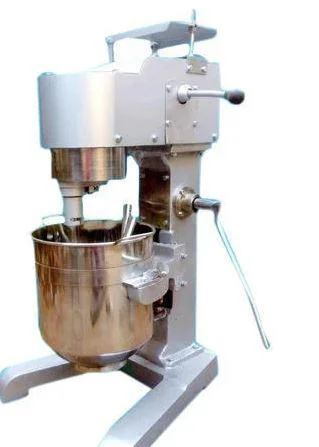
What are Blenders & Mixers (Ribbon, Paddle, Dough)?
Blenders and mixers, specifically ribbon, paddle, and dough varieties, are essential equipment in various industrial applications. These machines are designed to combine, blend, and mix materials efficiently, ensuring uniformity in the final product. Ribbon blenders utilize a helical ribbon to move materials, while paddle mixers use flat blades for effective mixing. Dough mixers are tailored specifically for blending dough and similar viscous materials.
These devices find primary applications in industries such as food processing, pharmaceuticals, cosmetics, and chemicals. Businesses use these mixers to create everything from batters and pastes to powders and granules. The versatility of blenders and mixers makes them a crucial part of production lines, enabling companies to maintain quality and consistency on a large scale.
In an industry context, the demand for efficient blending and mixing solutions is growing. As businesses seek to optimize their production processes, the relevance of high-performance blenders and mixers becomes increasingly significant. This equipment not only enhances operational efficiency but also supports compliance with quality standards, making them integral to many manufacturing operations.
๐๐ฒ๐ ๐๐ฒ๐ฎ๐๐๐ฟ๐ฒ๐ ๐ฎ๐ป๐ฑ ๐ฆ๐ฝ๐ฒ๐ฐ๐ถ๐ณ๐ถ๐ฐ๐ฎ๐๐ถ๐ผ๐ป๐
Blenders and mixers come with a variety of features tailored to meet diverse industrial needs. Understanding these specifications is crucial for selecting the right equipment.
Key specifications include:
1. Mixing Capacity
- Refers to the volume of material the mixer can handle at one time.
- Capacities can range from small units for batch production to large-scale mixers for continuous operations.
2. Motor Power
- Indicates the power of the motor driving the mixing mechanism.
- Typically measured in horsepower (HP) or kilowatts (KW) to accommodate different material viscosities.
3. Speed Settings
- Many mixers offer variable speed settings to allow for precise control over mixing intensity.
- Speed ranges can vary from low RPM for gentle mixing to high RPM for thorough blending.
4. Material of Construction
- Common materials include stainless steel, carbon steel, and various alloys.
- Selection depends on the type of materials being processed and the required durability.
5. Design Type
- Each mixer type has a unique design suited for specific applications.
- Ribbon, paddle, and dough mixers each have distinct mixing mechanisms, affecting efficiency and outcome.
6. Safety Features
- Includes emergency stop buttons, guardrails, and overload protection.
- Essential for ensuring safe operation in industrial environments.
7. Compliance Standards
- Many mixers adhere to industry regulations such as CE certification.
- Compliance ensures that equipment meets safety and quality benchmarks.
8. Maintenance Requirements
- Varies by model and design, affecting long-term operational costs.
- Regular maintenance schedules help ensure optimal performance and longevity.
These specifications are vital for buyers to understand in order to make informed decisions.
๐๐ผ๐บ๐บ๐ผ๐ป ๐๐ฝ๐ฝ๐น๐ถ๐ฐ๐ฎ๐๐ถ๐ผ๐ป๐ ๐ฎ๐ป๐ฑ ๐จ๐๐ฒ ๐๐ฎ๐๐ฒ๐
Blenders and mixers serve a range of industries, each with unique applications.
1. Food Industry: These mixers are used for blending batters, dough, and sauces, ensuring uniform texture and flavor. They are essential for large-scale food production.
2. Pharmaceutical Industry: Mixers are used to create uniform blends of powders and granules for tablets and capsules, maintaining product consistency and quality.
3. Chemical Industry: In this sector, mixers blend raw materials for paints, adhesives, and coatings, ensuring even distribution of components.
4. Cosmetics Industry: Mixers are essential for creating creams, lotions, and other products, where consistency and texture are critical to performance.
5. Construction Industry: Used for mixing materials such as cement and mortar, these mixers ensure proper consistency for construction applications.
6. Agriculture: Blenders help in creating animal feed by mixing various ingredients to ensure nutritional balance.
7. Plastics and Polymers: Mixers assist in blending resins, additives, and colorants, crucial for producing quality plastic products.
๐ฃ๐ฟ๐ผ๐ฑ๐๐ฐ๐ ๐ฉ๐ฎ๐ฟ๐ถ๐ฎ๐ป๐๐ ๐ฎ๐ป๐ฑ ๐ฆ๐๐ฏ๐ฐ๐ฎ๐๐ฒ๐ด๐ผ๐ฟ๐ถ๐ฒ๐
Blenders and mixers come in various designs, each tailored for specific applications.
Ribbon Mixer: This type features a helical ribbon that moves materials along a trough. It is ideal for mixing dry powders and granules, providing a thorough blend without damaging the materials.
Paddle Mixer: Paddle mixers utilize flat blades to mix a variety of materials, including pastes and slurries. They are efficient for applications requiring gentle yet effective mixing.
Dough Mixer: Specifically designed for dough and heavy mixtures, dough mixers incorporate specialized features to handle the unique properties of dough, allowing for consistent results in baking processes.
๐๐ฒ๐ป๐ฒ๐ณ๐ถ๐๐ ๐ฎ๐ป๐ฑ ๐๐ฑ๐๐ฎ๐ป๐๐ฎ๐ด๐ฒ๐
Investing in blenders and mixers offers numerous advantages for businesses.
1. Efficiency: These machines significantly reduce mixing time compared to manual methods, enhancing productivity.
2. Consistency: They ensure uniformity in the final product, which is crucial for quality control across all industries.
3. Versatility: Blenders and mixers can handle a wide range of materials, making them suitable for various applications and industries.
4. Scalability: These machines can accommodate different batch sizes, allowing businesses to scale operations easily.
5. Ease of Use: Modern mixers often come with user-friendly controls and automation options, simplifying operation and reducing training time.
6. Cost Savings: By improving efficiency and reducing waste, these mixers can lead to lower operational costs in the long run.
๐๐๐๐ถ๐ป๐ด ๐๐๐ถ๐ฑ๐ฒ ๐ณ๐ผ๐ฟ ๐๐ฎ๐ ๐๐๐๐ฒ๐ฟ๐
When sourcing blenders and mixers, buyers should consider several key factors.
1. Quality Assessment: Evaluate the quality of materials and construction. Look for equipment that meets industry standards to ensure reliability and durability.
2. Supplier Verification: Vet suppliers by checking their credentials and customer reviews. A reputable supplier will provide transparent information and support.
3. Pricing and MOQ: Understand the price range and minimum order quantities (MOQ) to ensure the investment aligns with budget constraints.
4. Delivery and Lead Times: Consider logistics and delivery schedules. Timely delivery is essential for maintaining production timelines.
5. Compliance Requirements: Ensure that the mixers meet all relevant regulatory compliance and certifications for your industry, such as CE certification.
๐๐ผ๐บ๐ฝ๐น๐ถ๐ฎ๐ป๐ฐ๐ฒ ๐ฎ๐ป๐ฑ ๐๐ฒ๐ฟ๐๐ถ๐ณ๐ถ๐ฐ๐ฎ๐๐ถ๐ผ๐ป๐
Blenders and mixers must adhere to various quality standards and certifications to ensure safety and efficacy.
ISO 9001 is a widely recognized quality management standard that provides a framework for consistent product delivery.
HACCP (Hazard Analysis Critical Control Point) is crucial in the food industry, helping manufacturers identify and control hazards that could compromise product safety.
CE certification indicates that the equipment meets European safety and environmental protection requirements, which is essential for market access in Europe.
Safety and testing requirements are critical, requiring manufacturers to conduct rigorous testing to ensure their products are safe for industrial use.
Regional compliance considerations may vary, so it is important for buyers to be aware of local regulations that may impact equipment standards.
Why Source Blenders & Mixers (Ribbon, Paddle, Dough) from Pepagora?
Pepagora provides a trusted platform for sourcing blenders and mixers, offering numerous advantages to buyers.
Verified Supplier Network: Pepagora features a network of verified suppliers, ensuring that buyers can access high-quality products from reputable manufacturers. This verification process builds trust and confidence in the purchasing process.
Streamlined RFQ Process: The request for quotation (RFQ) process on Pepagora is designed for efficiency, allowing buyers to easily compare offers and select the best option for their needs. This system simplifies decision-making and can save time.
Trade Assurance and Support: Buyers benefit from trade assurance, which protects their investments. Pepagora offers support throughout the purchasing process, ensuring that buyers have access to assistance when needed.
Regional Coverage: Pepagora reaches a broad geographic area, including India, the GCC, and Southeast Asia. This regional coverage facilitates sourcing for businesses across various locations, ensuring that buyers can find suitable products and suppliers close to their operations.