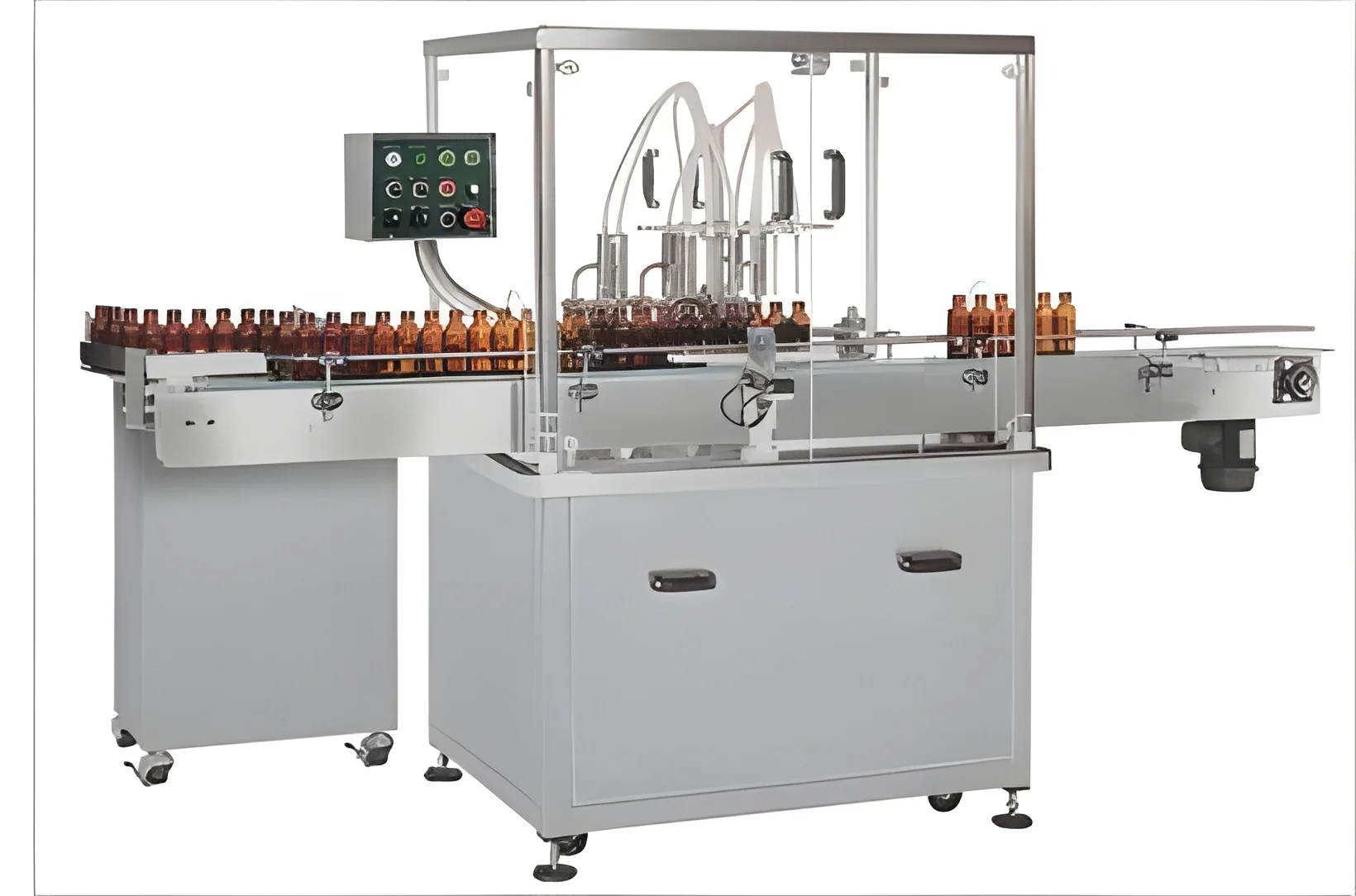
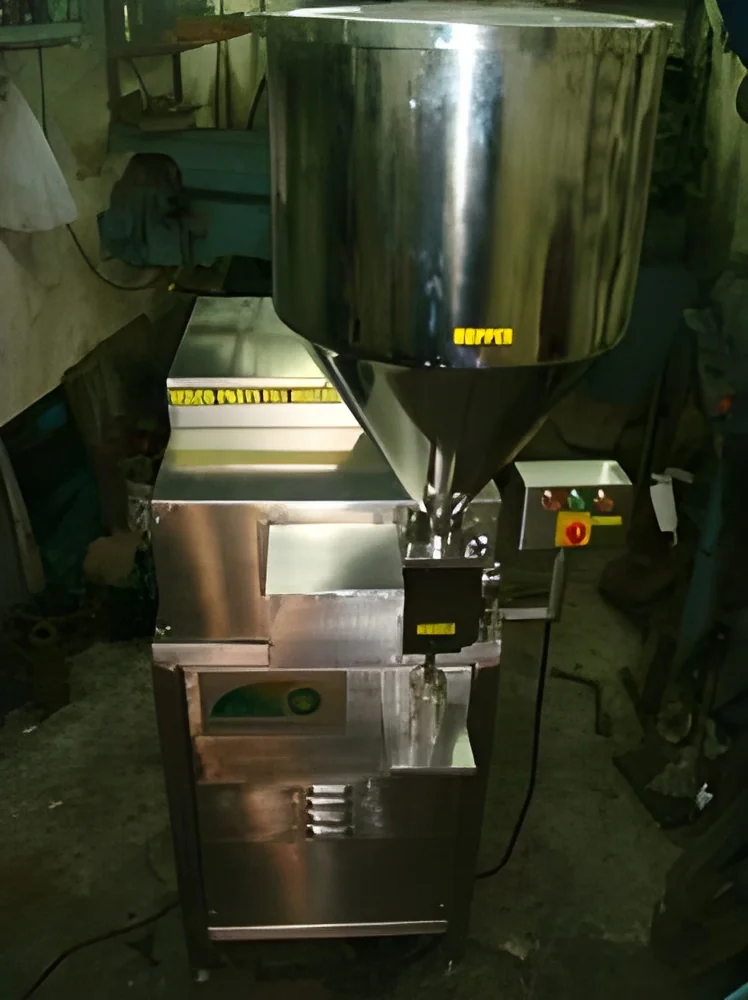
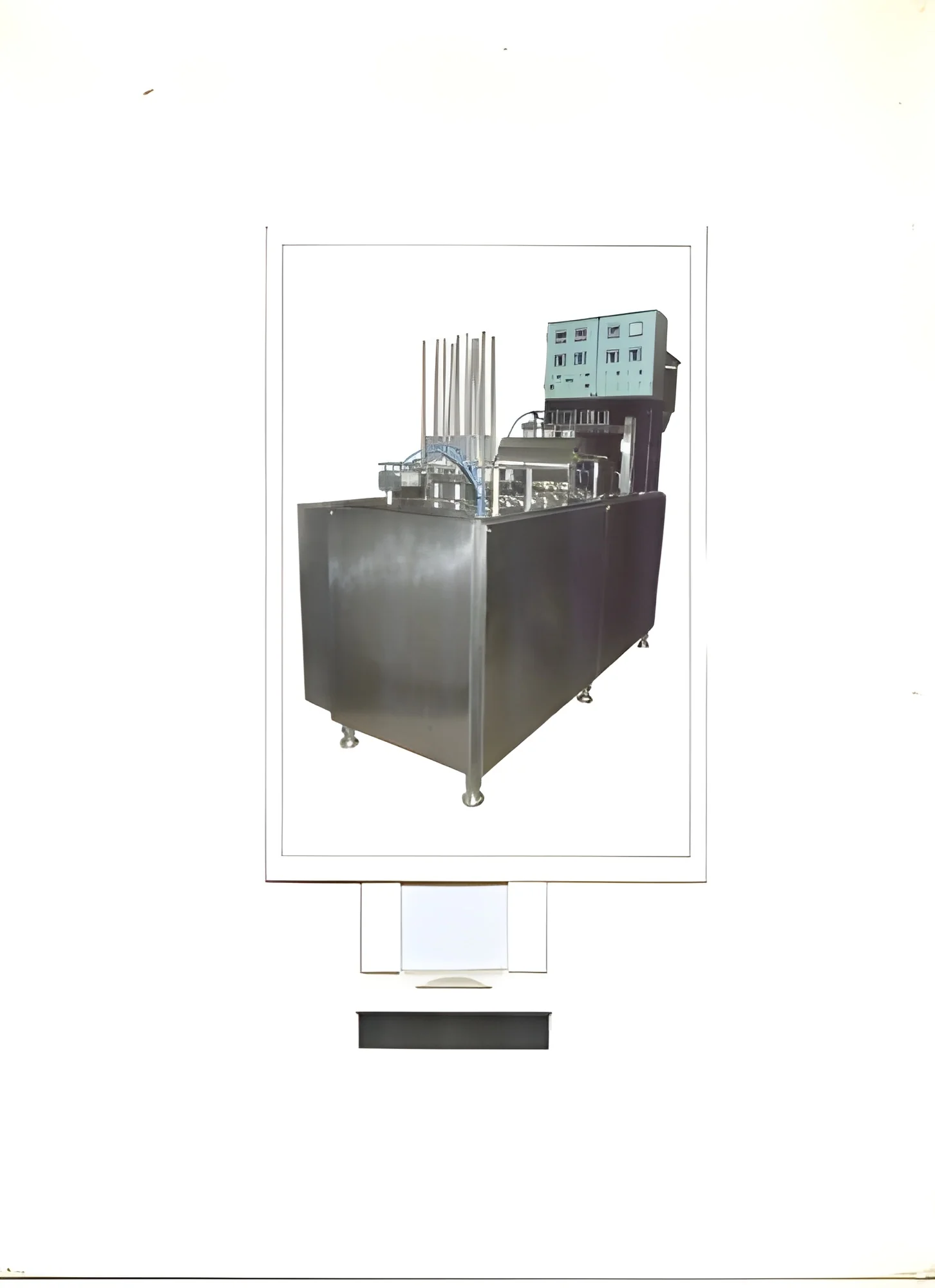
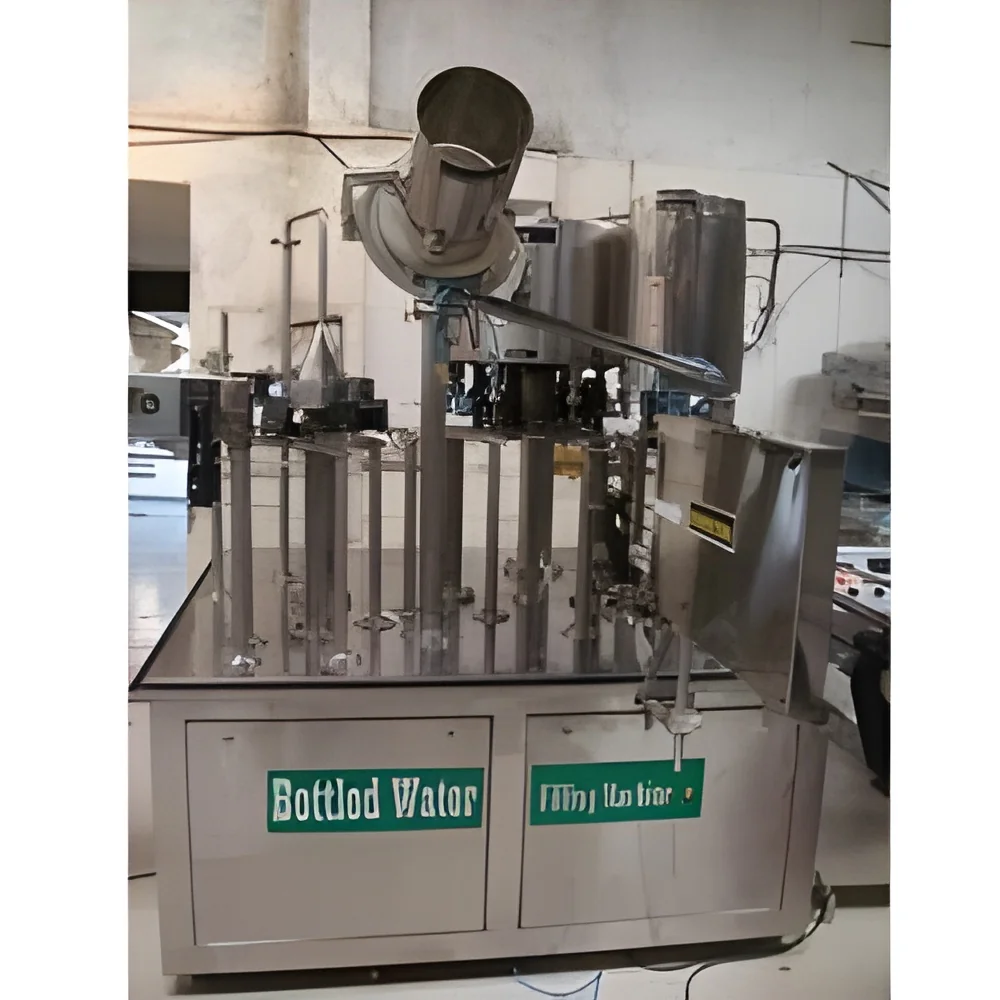
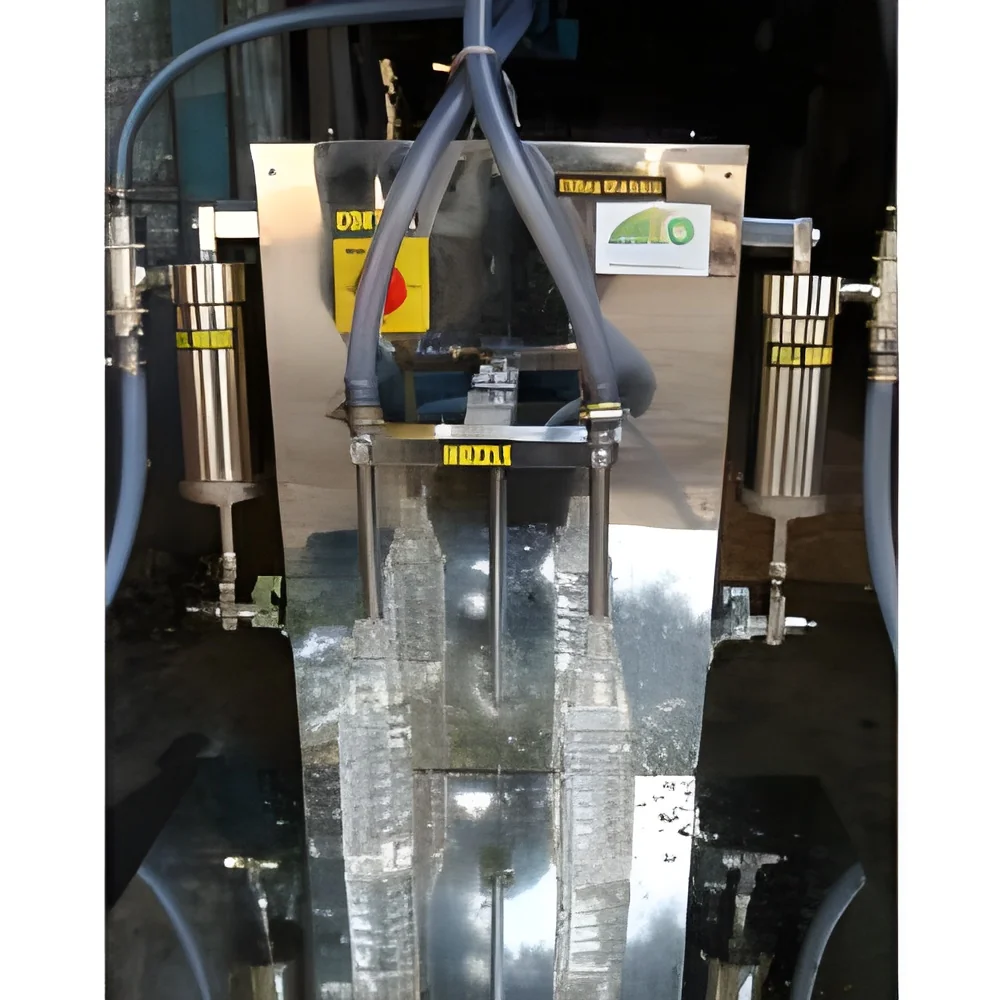
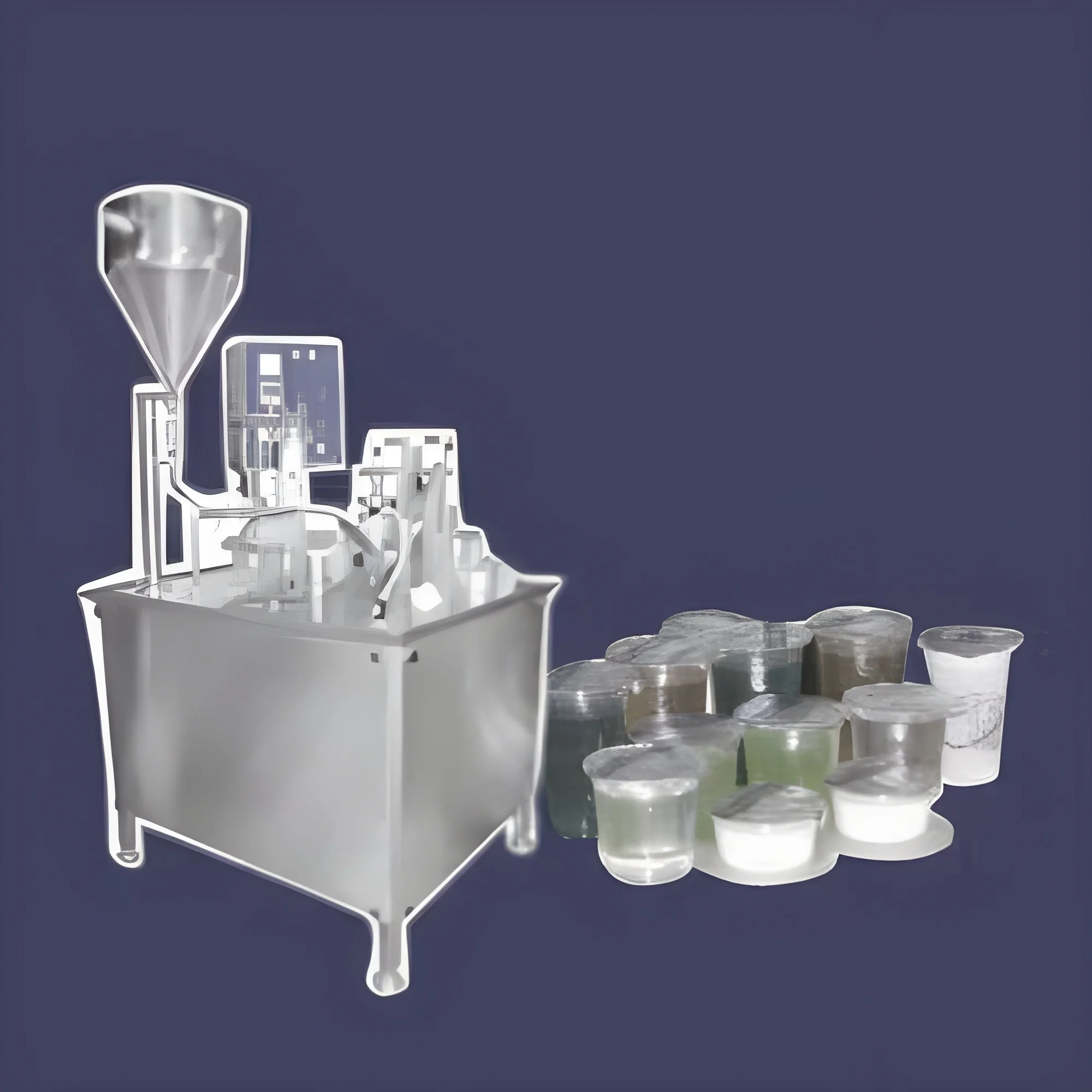
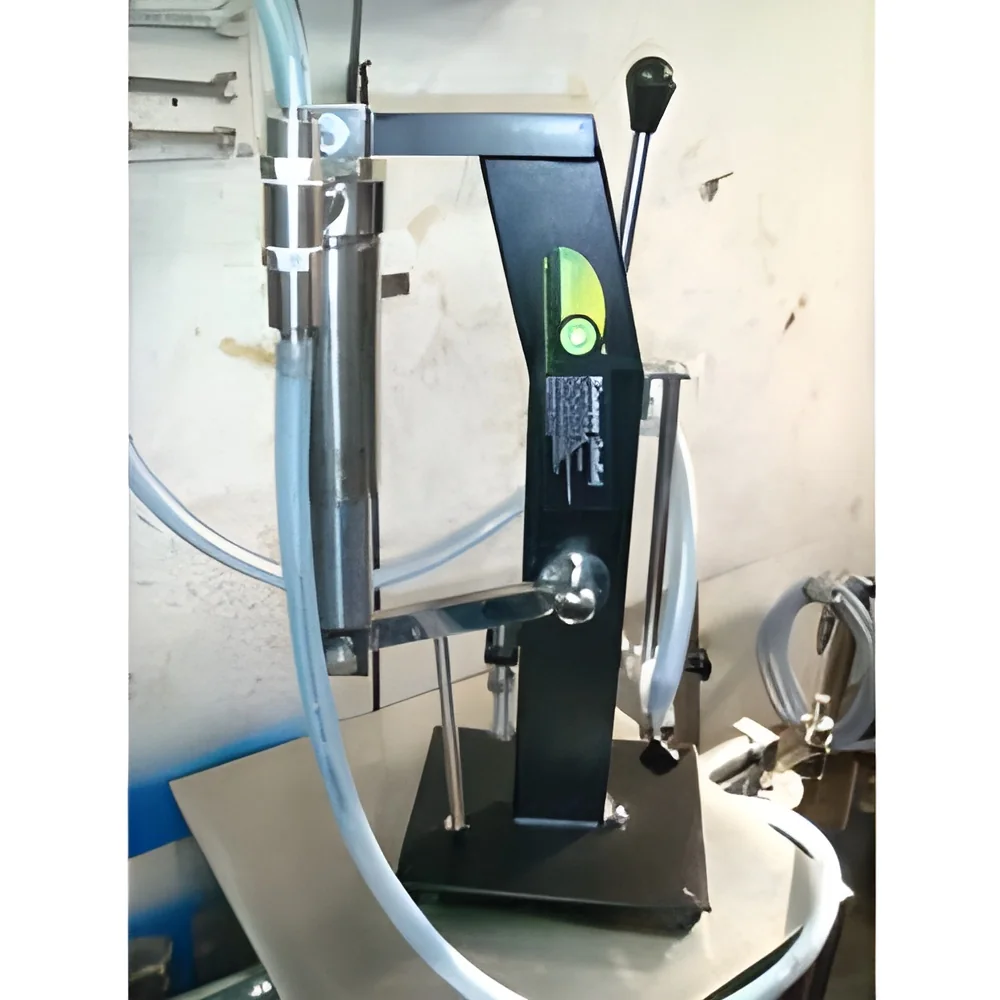
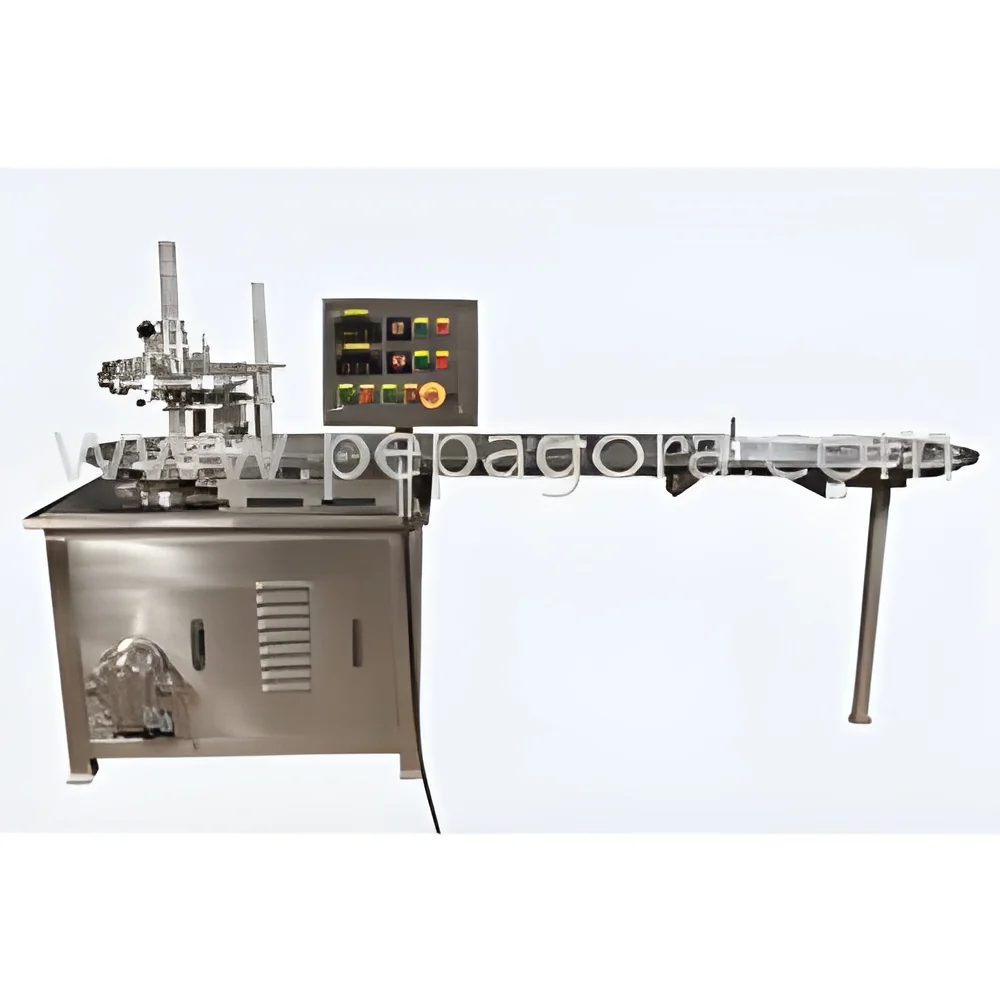
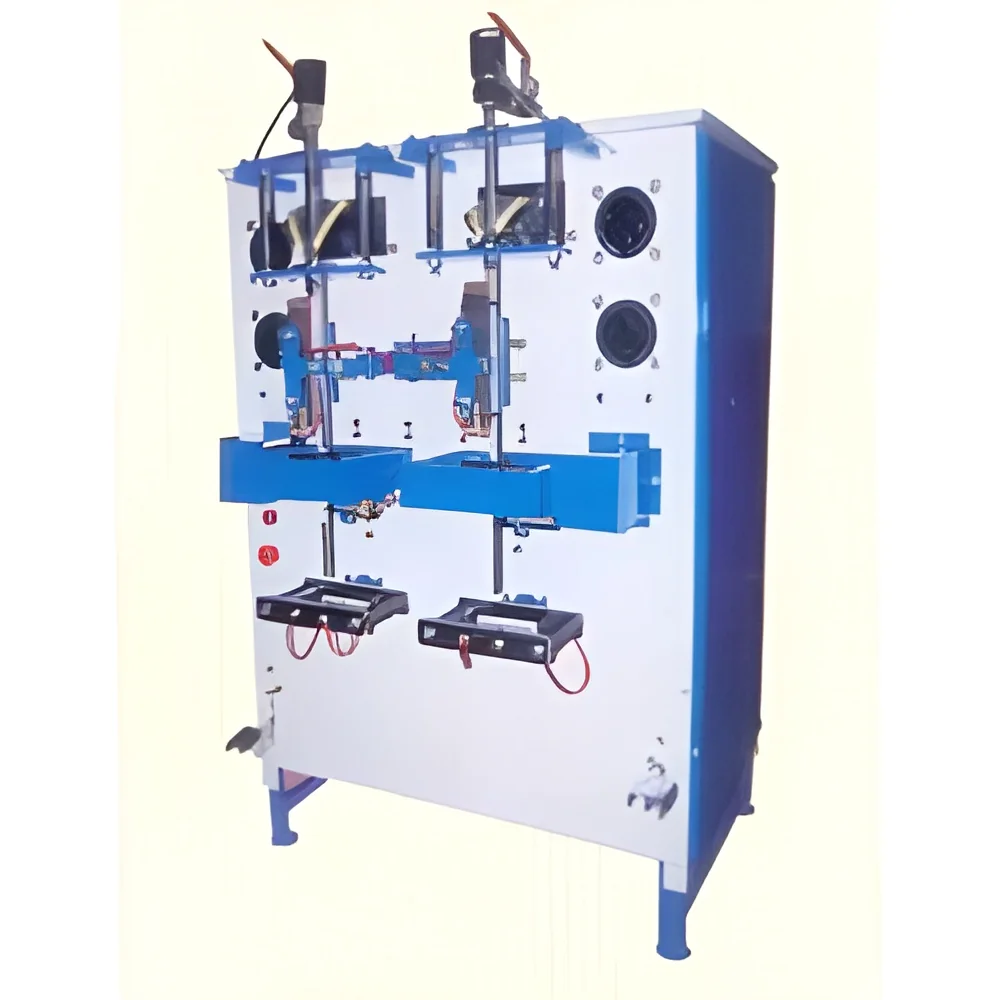
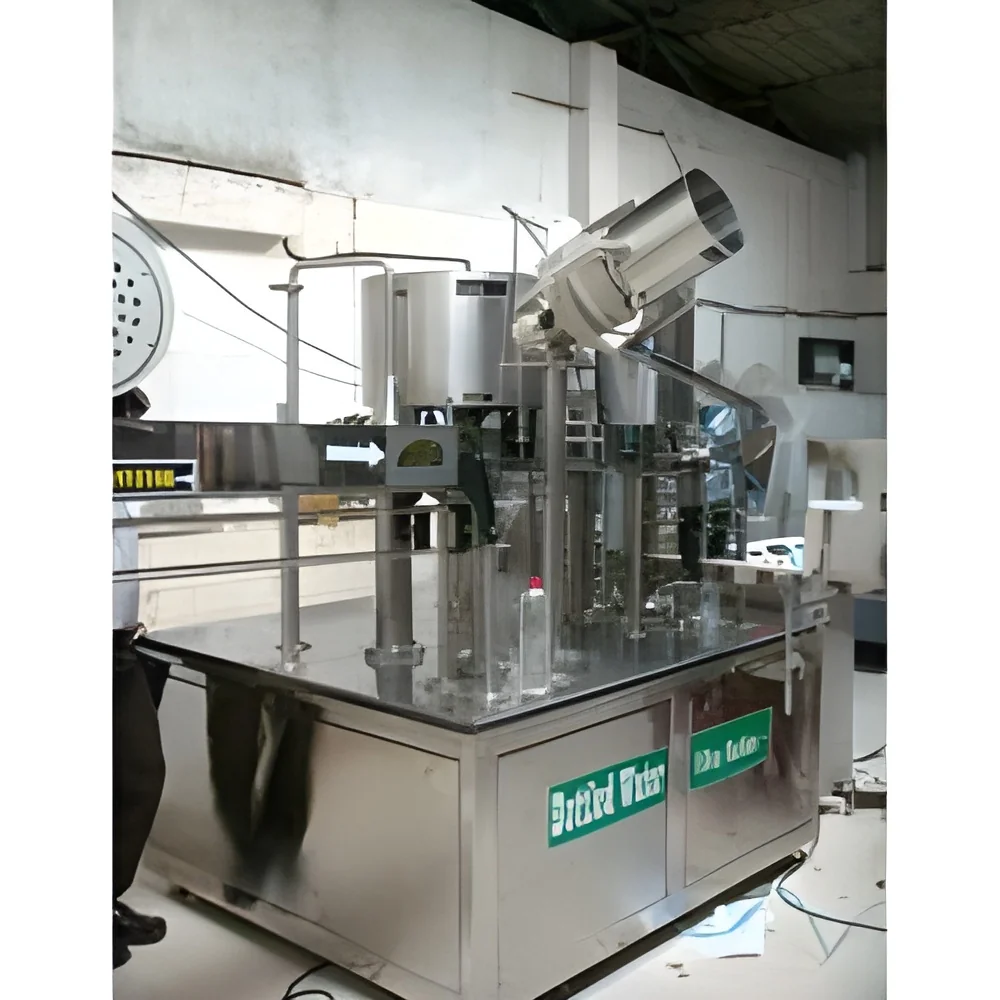
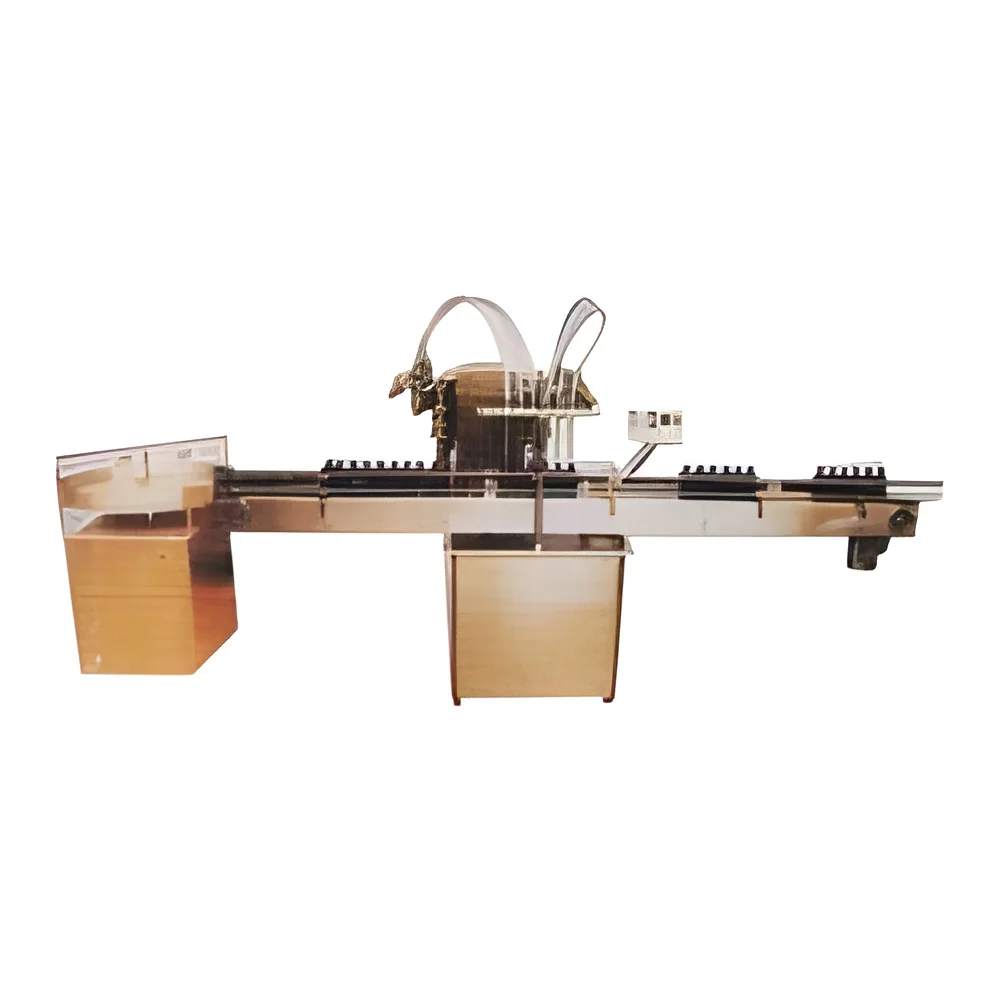
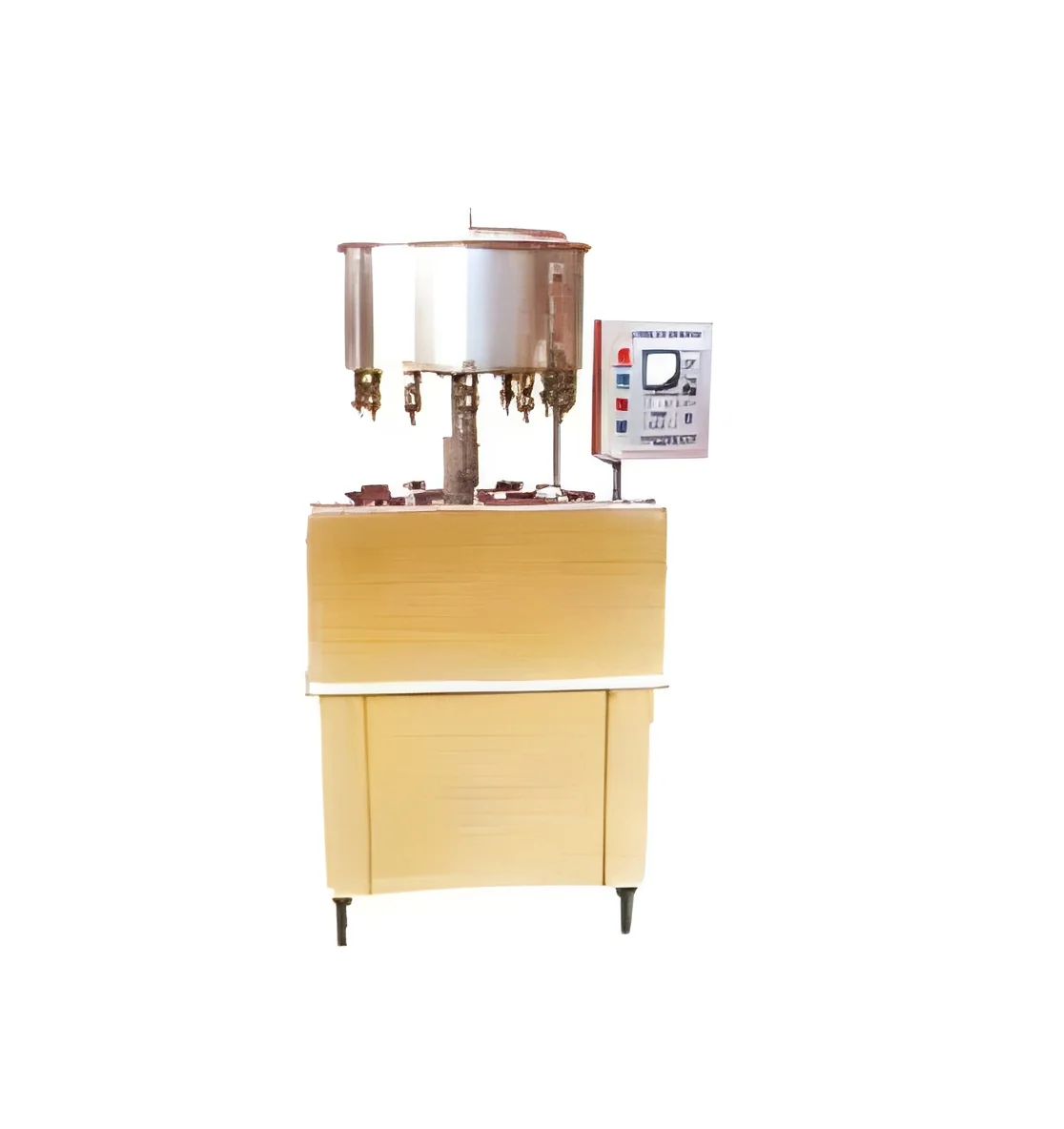
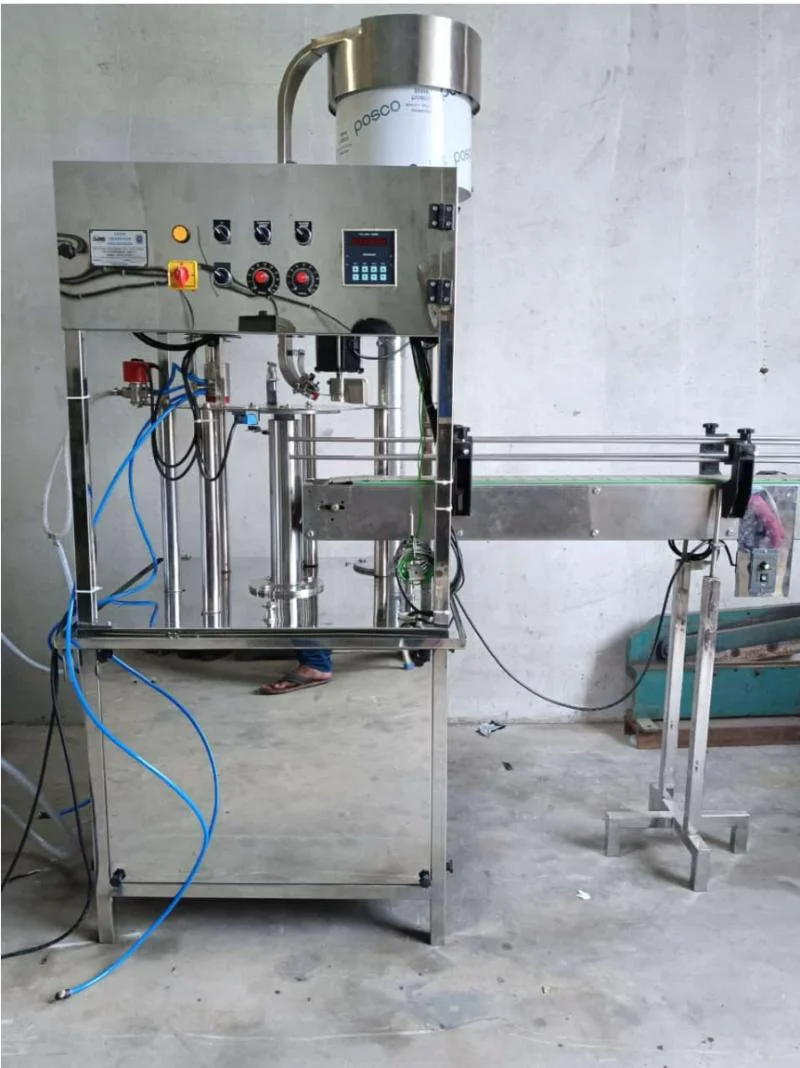
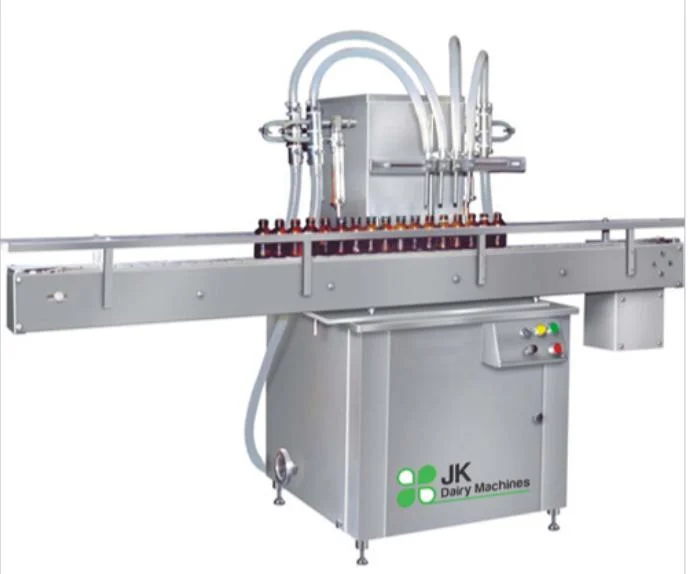
What are Liquid Filling Machines?
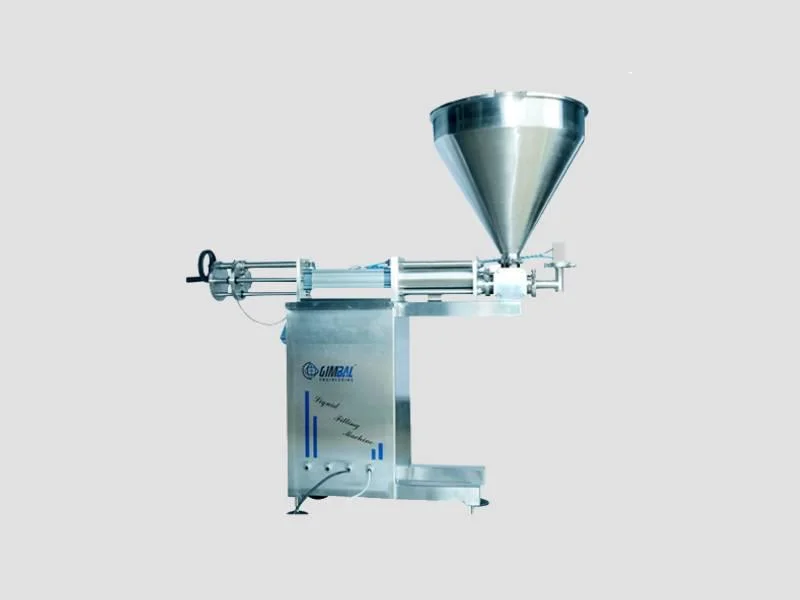
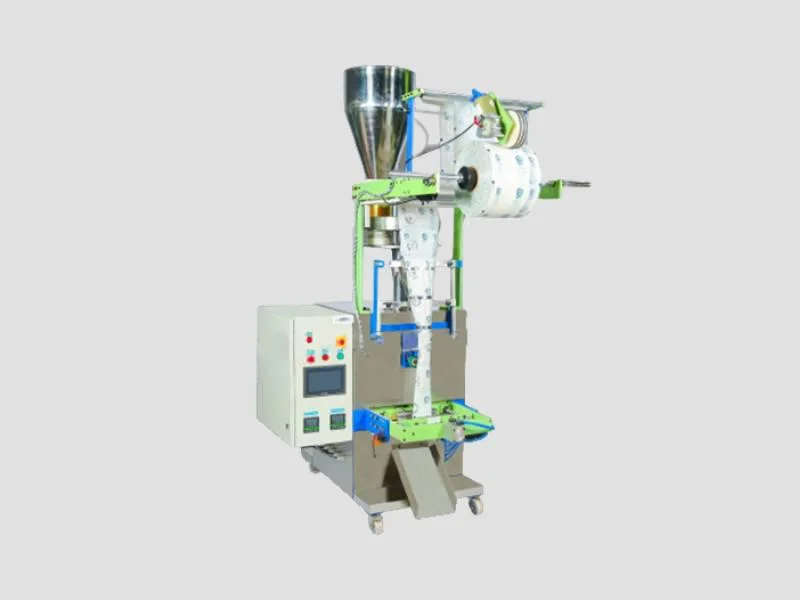
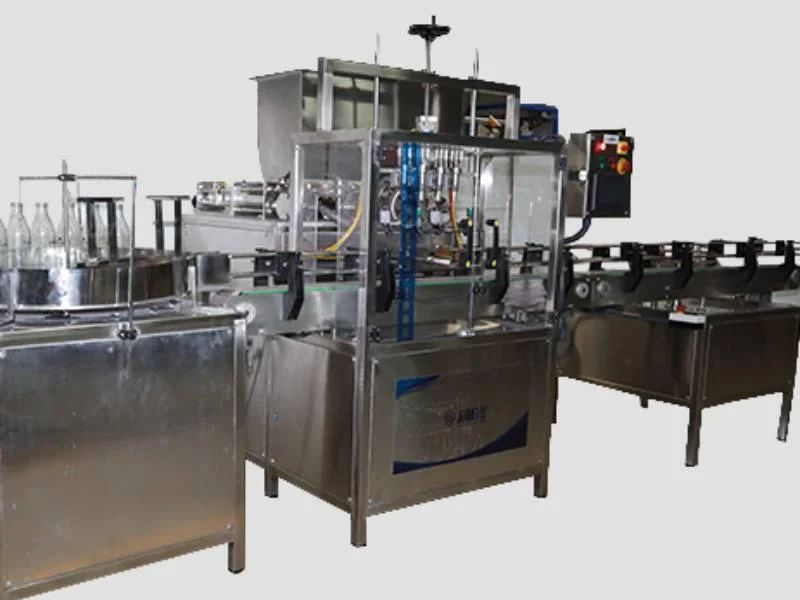
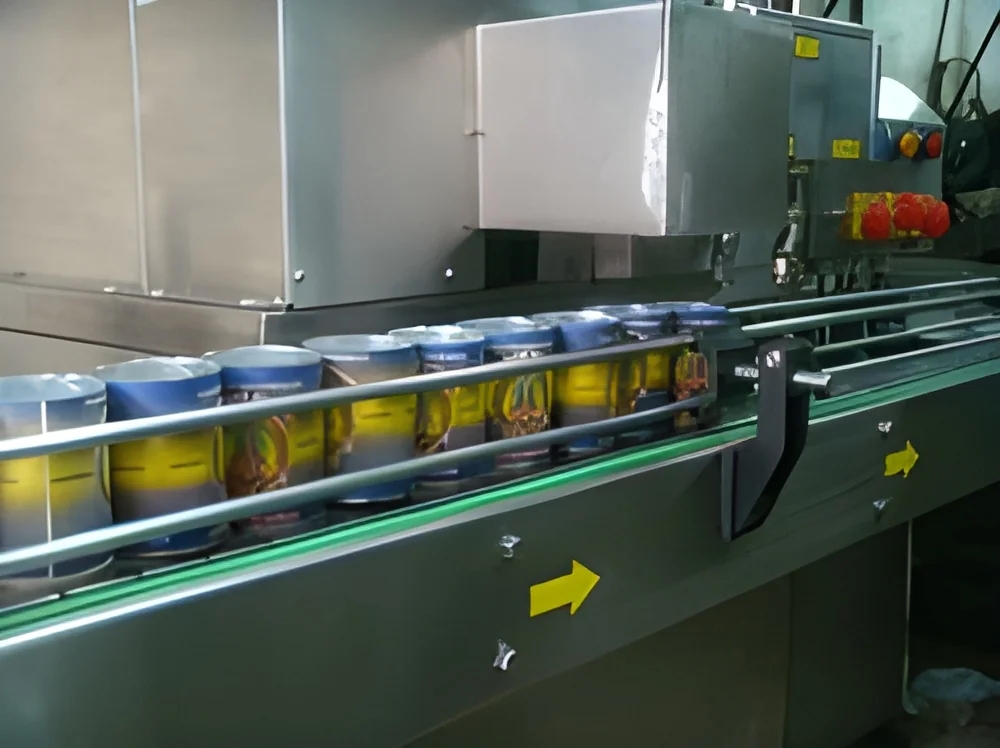
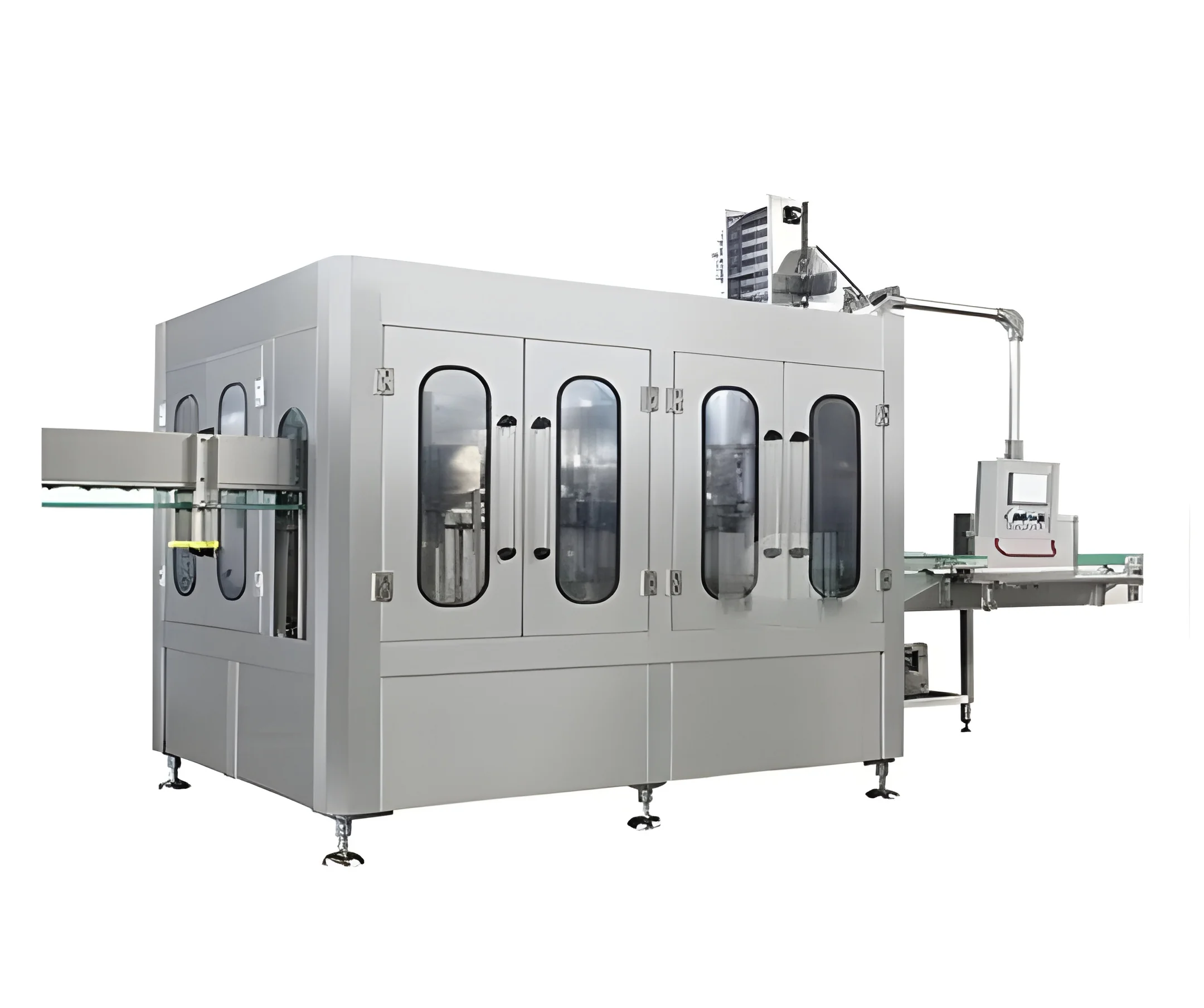
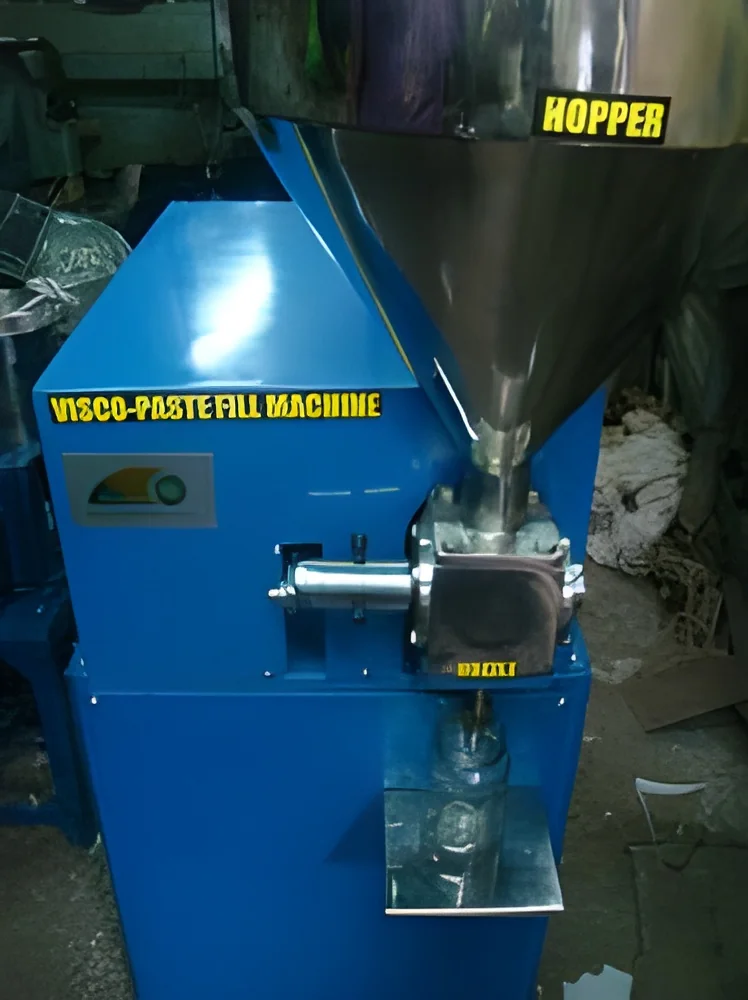
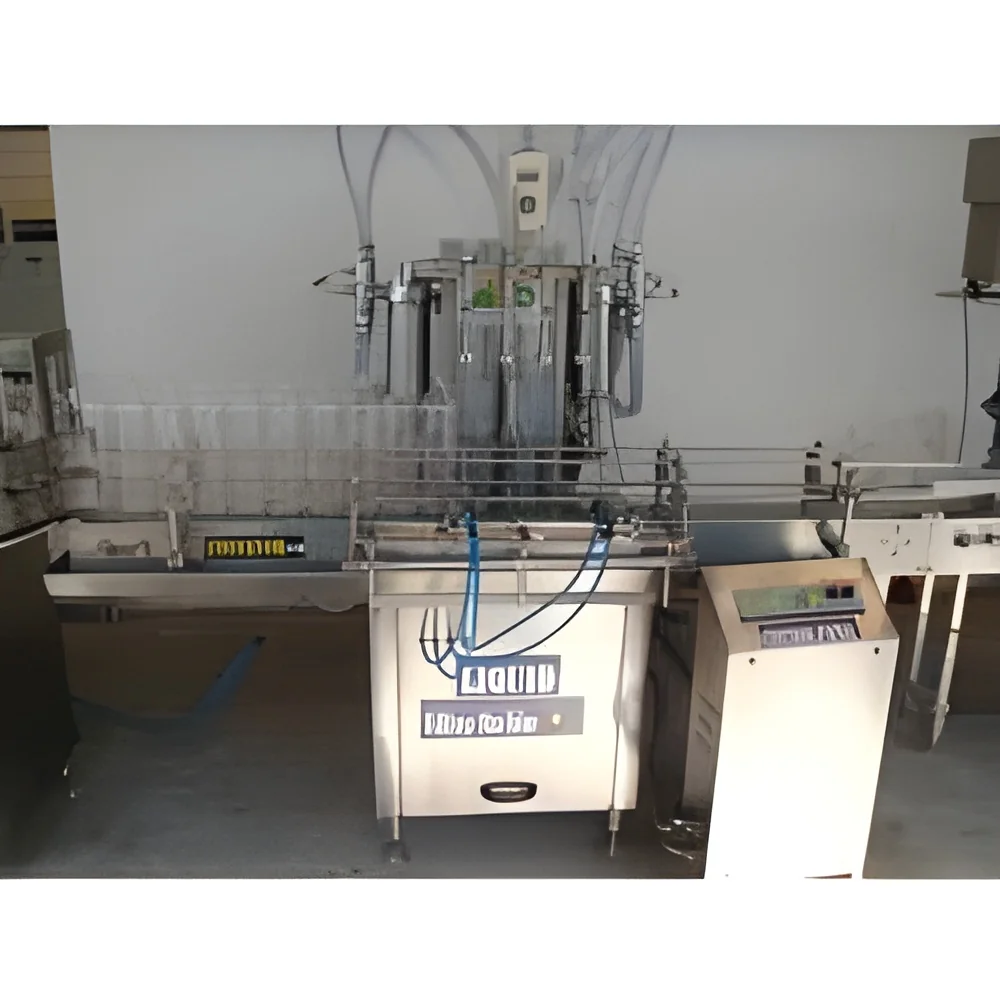
Liquid filling machines are specialized equipment designed to dispense and package liquids into containers with precision and efficiency. These machines are crucial in ensuring that products are filled to the correct volume, minimizing waste and maintaining consistency across batches. They can handle various liquid types, including water, oils, chemicals, and food products, making them versatile in manufacturing settings.
In business applications, liquid filling machines are commonly used in industries such as food and beverage, pharmaceuticals, and chemicals. They streamline the packaging process, allowing companies to increase production rates while ensuring compliance with safety and quality standards. The relevance of these machines in the market is underscored by the growing demand for automated solutions in production lines, driven by the need for efficiency and reduced labor costs.
Key Features and Specifications
Liquid filling machines come with a range of features designed to enhance their functionality and usability. Understanding these specifications is essential for making informed purchasing decisions.
Key specifications include:
1. Filling Accuracy
- Ensures precise volume dispensation
- Typically ranges from ±0.5% to ±1%
2. Filling Speed
- Determines the rate of production
- Can range from 20 to 120 bottles per minute, depending on the model
3. Container Compatibility
- Ability to fill various container types
- Suitable for bottles, jars, pouches, and more
4. Operation Type
- Can be manual, semi-automatic, or fully automatic
- Fully automatic models offer the highest efficiency
5. Material Construction
- Often made from stainless steel for durability
- Must comply with food and pharmaceutical safety standards
6. Control System
- Digital control panels for easy operation
- May include touch screens for user-friendly interfaces
7. Cleaning Mechanism
- Features for easy cleaning and maintenance
- Some models offer automatic cleaning cycles
8. Safety Features
- Emergency stop buttons and safety guards
- Compliance with relevant safety regulations
In summary, these specifications are vital for ensuring that liquid filling machines meet the operational needs of various businesses, contributing to efficient production processes.
Common Applications and Use Cases
Liquid filling machines are utilized across a wide range of industries, adapting to specific needs and regulations.
1. Food and Beverage: These machines are crucial for filling products like juices, sauces, and oils, ensuring proper hygiene and compliance with food safety standards.
2. Pharmaceuticals: In this sector, liquid filling machines are used for precise filling of syrups, vaccines, and other liquid medications, where accuracy is critical.
3. Chemicals: These machines handle a variety of chemical liquids, including industrial solvents and detergents, ensuring safe and efficient packaging.
4. Cosmetics: Liquid filling machines are employed to package lotions, perfumes, and other beauty products, requiring attention to detail and cleanliness.
5. Household Products: These are utilized for filling cleaners, lubricants, and other household liquids, emphasizing speed and accuracy in production.
Product Variants and Subcategories
Liquid filling machines come in various types, each designed to cater to specific needs and industry requirements.
Pneumatic Filling Machines
These machines use compressed air to fill containers, making them ideal for handling foamy or viscous liquids. They provide high accuracy and speed, suitable for both small and large production runs.
Electronic Filling Machines
These machines feature advanced digital controls, allowing for precise adjustments and monitoring. They are ideal for industries requiring high levels of automation and efficiency.
Gravity Filling Machines
Gravity filling machines dispense liquids based on gravity flow. They are commonly used for non-viscous liquids and are known for their simplicity and cost-effectiveness.
Vacuum Filling Machines
Designed for filling bottles without air bubbles, vacuum filling machines are essential for products that require a high level of quality and presentation, such as fine wines and spirits.
Benefits and Advantages
Investing in liquid filling machines offers several distinct advantages for businesses.
1. Increased Efficiency: Automating the filling process can significantly boost production rates, allowing for faster turnaround times.
2. Enhanced Accuracy: These machines ensure that each container is filled to the exact volume, reducing product waste and ensuring consistency.
3. Labor Cost Reduction: By minimizing manual labor, businesses can lower operational costs while reallocating resources to other critical areas.
4. Improved Quality Control: Automated systems provide better quality control, ensuring that products meet required standards and specifications.
5. Versatility: Liquid filling machines can handle a wide variety of liquid types and container sizes, making them suitable for diverse applications.
6. Compliance Assurance: Many machines are engineered to meet industry standards, ensuring compliance with safety and quality regulations.
Buying Guide for B2B Buyers
When sourcing liquid filling machines, it is essential to consider several critical factors to ensure a successful purchase.
1. Quality Assessment: Evaluate machines based on build quality and the reputation of manufacturers. Look for machines that adhere to industry standards to ensure reliability and durability.
2. Supplier Verification: Conduct thorough vetting of suppliers to ensure they have a proven track record. Request references and check for industry certifications to verify credibility.
3. Pricing and MOQ: Understand the pricing structure and minimum order quantities (MOQ) offered by suppliers. This will help in budgeting and ensuring that you get the best value for your investment.
4. Delivery and Lead Times: Inquire about the availability of machines and expected lead times for delivery. This will help you plan your production schedules accordingly.
5. Compliance Requirements: Ensure that the machines comply with relevant regulatory requirements for your industry. This is crucial for maintaining product quality and safety.
Compliance and Certifications
Liquid filling machines must adhere to several quality standards to ensure safety and efficiency in operations. One of the most recognized standards is ISO 9001, which outlines the criteria for a quality management system. Compliance with this standard signifies that a manufacturer consistently provides products that meet customer and regulatory requirements.
Additionally, HACCP (Hazard Analysis and Critical Control Points) is essential in the food and beverage industry, focusing on food safety through risk management. Machines that meet these standards help ensure that manufacturers maintain high levels of hygiene and safety.
CE certification is also crucial, particularly in Europe, as it indicates compliance with health, safety, and environmental protection standards. Manufacturers must ensure their machines are tested and certified to meet these requirements, providing buyers with confidence in their safety and performance.
Regional compliance considerations may vary, so it is important to understand the specific regulations that apply in your area. This will ensure that the machines you purchase are suitable for your market and industry.
Why Source Liquid Filling Machines from Pepagora?
Pepagora offers a reliable platform for sourcing liquid filling machines, providing several key advantages to B2B buyers.
Verified Supplier Network: Pepagora has established a network of verified suppliers, ensuring that buyers have access to reputable manufacturers. This reduces the risk associated with sourcing and provides peace of mind.
Streamlined RFQ Process: The platform features a streamlined Request for Quotation (RFQ) process, enabling buyers to quickly receive quotes from multiple suppliers. This enhances competitive pricing and simplifies the decision-making process.
Trade Assurance and Support: Pepagora provides trade assurance to protect buyers from potential risks associated with transactions. Comprehensive support is available throughout the purchasing process, ensuring that buyers have guidance whenever needed.
Regional Coverage: With a strong presence in India, the GCC, and Southeast Asia, Pepagora caters to a wide geographic area. This regional reach allows buyers to access liquid filling machines that meet local market demands and compliance requirements.

 IN
IN