
 IN
Fish Processing Equipment
8 products available
What are Fish Processing Equipment?
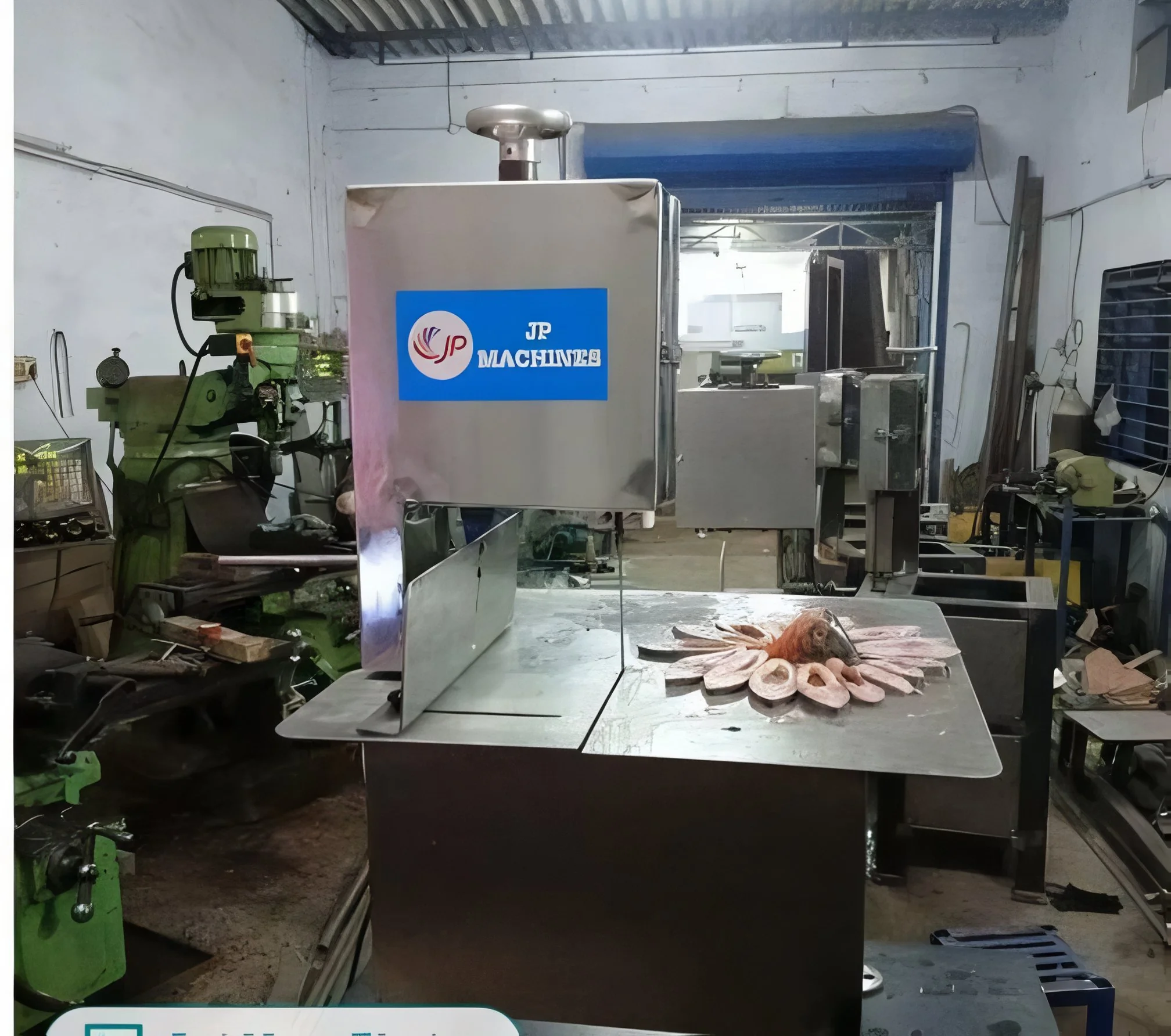
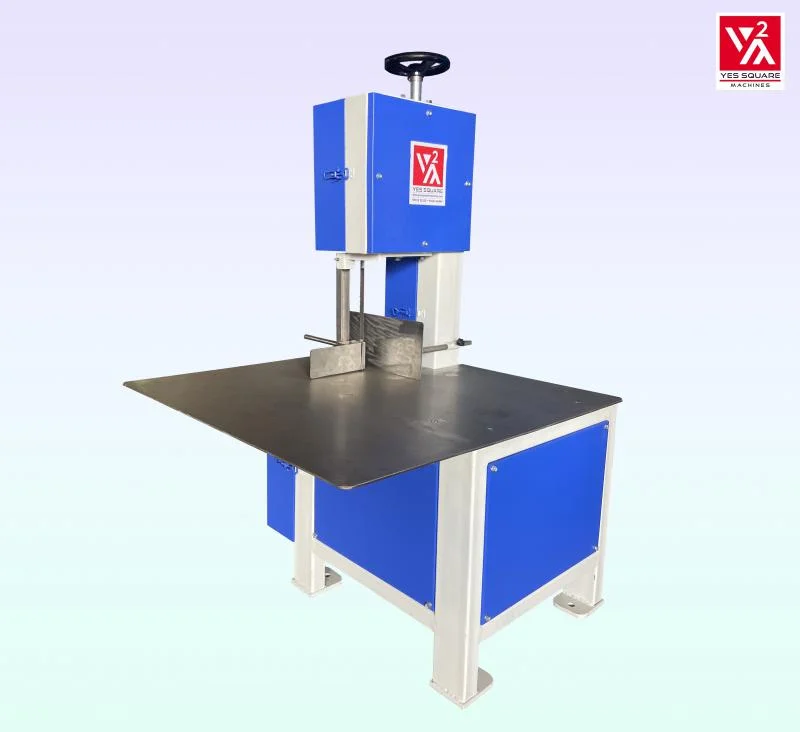
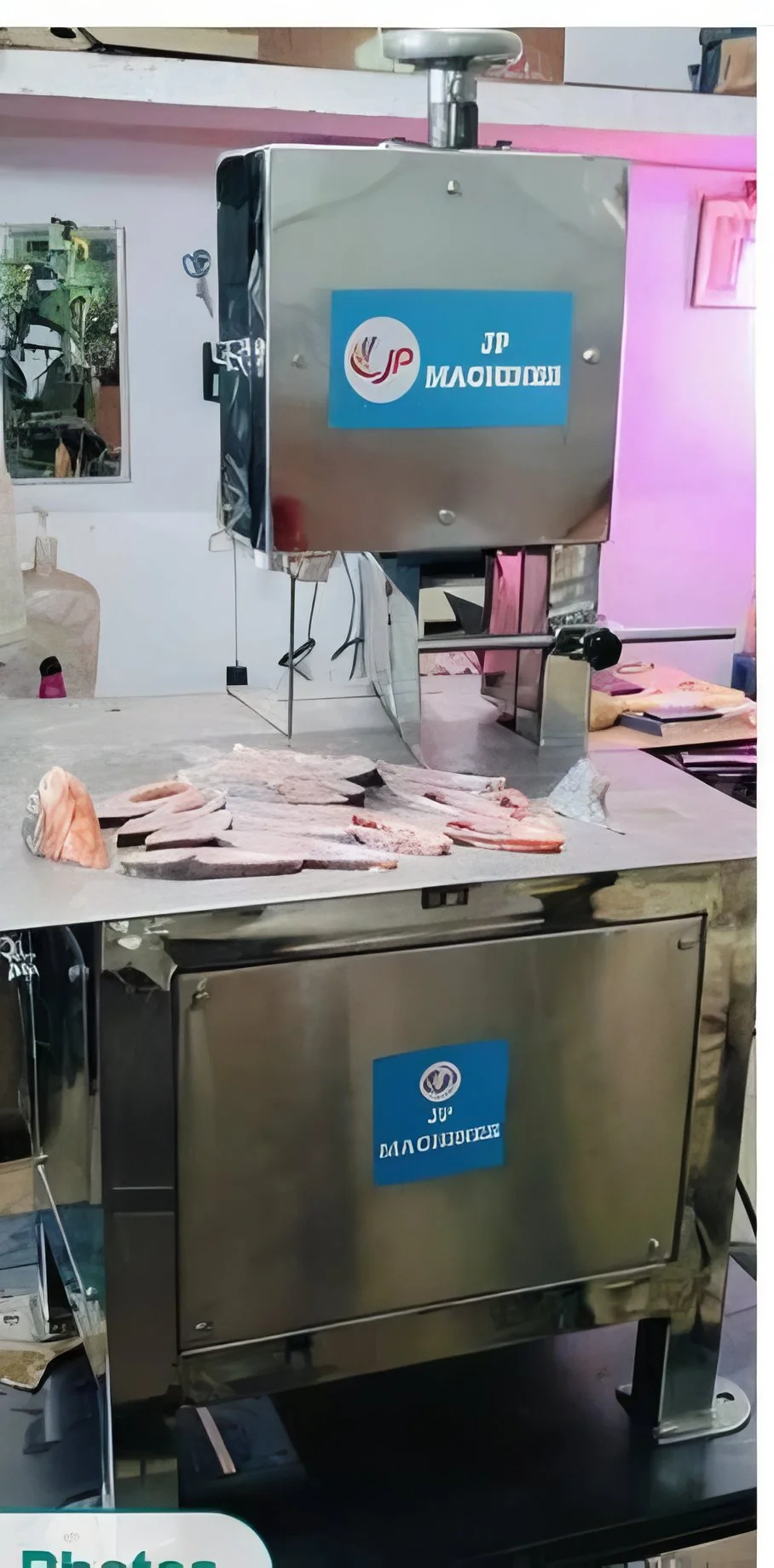
Fish processing equipment encompasses a variety of machinery and tools designed to handle, prepare, and package fish products for consumption. These machines can perform multiple functions, including cleaning, filleting, freezing, and packaging, ensuring that fish is processed efficiently and safely. The equipment used in fish processing varies widely depending on the scale of operation, from small artisanal setups to large industrial processing plants.
The primary uses of fish processing equipment include cleaning fish, removing inedible parts, filleting, and packaging for distribution. Businesses in the seafood industry rely on this equipment to maintain high standards of quality and hygiene while maximizing production efficiency. This equipment plays a crucial role in meeting the growing global demand for seafood and ensuring that products adhere to safety and quality regulations.
In the context of the fish processing industry, this equipment is particularly relevant due to rising consumer awareness regarding food safety and sustainability. As the seafood market expands, businesses are increasingly investing in advanced processing technologies to enhance productivity and reduce waste. The global market for fish processing equipment is projected to grow as companies seek to innovate and improve processing capabilities.
Key Features and Specifications
Fish processing equipment is designed with several key features that enhance its efficiency and usability. Understanding these specifications is essential for businesses looking to invest in the right equipment.
Key specifications include:
1. Capacity
- The volume of fish processed per hour or shift
- Often ranges from small-scale units handling a few kilograms to large-scale systems processing tons
2. Energy Efficiency
- Ratings that indicate power consumption
- Equipment designed to minimize energy use while maximizing output
3. Hygiene Standards
- Compliance with safety and sanitation regulations
- Features like stainless steel construction to prevent contamination
4. Automation Level
- Degree of automation in the processing line
- Options range from manual to fully automated systems
5. Maintenance Requirements
- Frequency and ease of maintenance tasks
- Equipment designed for easy cleaning and servicing
6. Versatility
- Ability to handle different types of fish and processing functions
- Features that allow for quick adjustments between processes
7. Control Systems
- Monitoring and control features for temperature, humidity, and processing times
- Digital interfaces for precise operation management
8. Size and Footprint
- Dimensions of the equipment
- Considerations for space availability in processing facilities
In summary, these specifications play a vital role in determining the right fish processing equipment for various business needs. Understanding these features allows buyers to make informed decisions that align with their operational goals.
Common Applications and Use Cases
Fish processing equipment finds applications across various industries, serving specific needs based on the nature of the fish products being processed.
1. Seafood Processing: This industry utilizes equipment for cleaning, filleting, and packaging fish for fresh or frozen distribution.
2. Aquaculture: Equipment is employed to process fish harvested from aquaculture farms, ensuring quality and traceability from farm to table.
3. Retail: Supermarkets and fish markets use fish processing equipment to prepare products for sale, ensuring freshness and appealing presentation.
4. Food Service: Restaurants and catering services use specialized equipment to efficiently process fish dishes, maintaining high standards of quality.
5. Export: Companies involved in exporting seafood rely on advanced processing equipment to meet international quality standards.
6. Research and Development: Testing new fish products or processing techniques often involves specialized equipment to ensure consistency and quality.
7. Value-Added Processing: Businesses looking to create products such as fish fillets or ready-to-cook meals utilize processing equipment to enhance product offerings.
Product Variants and Subcategories
Fish processing equipment includes various variants to cater to different processing needs and capacities. Each variant offers unique features tailored to specific applications.
Fish Filleting Machines: These machines are designed for precise filleting, ensuring minimal waste and consistent product quality. They are suitable for both small and large-scale operations.
Freezing Equipment: Specialized machinery for quick freezing of fish to preserve freshness and quality. Ideal for businesses that require long-term storage solutions.
Packaging Machines: Equipment designed for efficient packaging of fish products, ensuring they are sealed for freshness and ready for distribution.
Cleaning Equipment: Machines that automate the cleaning process, improving hygiene and reducing labor costs. Essential for maintaining quality standards in processing facilities.
Benefits and Advantages
Investing in fish processing equipment offers numerous benefits that can significantly enhance operational efficiency and product quality.
Key benefits include:
1. Increased Efficiency: Automation reduces manual labor and speeds up the processing time, allowing businesses to handle larger volumes.
2. Improved Quality: Advanced processing techniques ensure that fish products meet strict quality standards, enhancing customer satisfaction.
3. Cost Savings: Efficient equipment reduces waste and energy consumption, leading to lower operational costs over time.
4. Enhanced Safety: Equipment designed to meet hygiene regulations minimizes the risk of contamination, ensuring food safety.
5. Greater Flexibility: Versatile machines can adapt to various types of fish and processing methods, providing businesses with more options.
6. Consistent Output: Reliable machinery ensures uniformity in product quality, which is crucial for brand reputation and customer loyalty.
Buying Guide for B2B Buyers
When sourcing fish processing equipment, several factors should be considered to ensure a successful purchase.
1. Quality Assessment: Evaluate the quality of materials and construction to ensure durability and compliance with industry standards. Look for certifications that validate the equipment's reliability.
2. Supplier Verification: Research potential suppliers to ensure they have a proven track record in the industry. Check references and seek reviews from other buyers to gauge reliability.
3. Pricing and MOQ: Understand the pricing structure and minimum order quantity (MOQ) requirements. Compare quotes from multiple suppliers to ensure competitive pricing.
4. Delivery and Lead Times: Discuss logistics and delivery timelines with suppliers to ensure timely receipt of equipment. Consider factors such as shipping methods and potential delays.
5. Compliance Requirements: Ensure that the equipment meets all relevant regulatory and safety standards in your region. This includes understanding local health and safety regulations that apply to fish processing.
Compliance and Certifications
Fish processing equipment must adhere to various compliance standards and certifications to ensure safety and quality in production.
Relevant quality standards include ISO 9001, which focuses on quality management systems to enhance customer satisfaction through effective process management. HACCP (Hazard Analysis and Critical Control Points) is crucial in ensuring food safety by identifying and managing potential hazards during processing.
Industry certifications like CE mark confirm that products meet European safety, health, and environmental protection standards. Manufacturers must ensure their equipment passes rigorous testing to achieve this certification.
Safety and testing requirements are critical in the fish processing industry, where hygiene and product quality are paramount. Manufacturers must implement strict testing protocols to ensure compliance with these standards.
Finally, regional compliance considerations may vary, requiring businesses to stay informed about local regulations that govern fish processing in their areas.
Why Source Fish Processing Equipment from Pepagora?
Pepagora provides a trusted platform for sourcing fish processing equipment with several key advantages that benefit B2B buyers.
Verified Supplier Network: Pepagora connects buyers with a network of verified suppliers, ensuring that you can source quality equipment from reputable manufacturers. This reduces the risk associated with purchasing from unknown sources.
Streamlined RFQ Process: The request for quotation (RFQ) process is designed to be efficient and straightforward. Buyers can easily submit their requirements and receive competitive quotes, enabling informed decision-making.
Trade Assurance and Support: Pepagora offers trade assurance to protect buyers throughout the purchasing process. This includes support for any issues that may arise, ensuring a smooth transaction.
Regional Coverage: With a strong presence in India, the GCC, and Southeast Asia, Pepagora facilitates connections across a broad geographic area. This extensive coverage allows buyers to access a range of suppliers and equipment options tailored to their specific needs.

Frequently Asked Questions
What are Fish Processing Equipment?
Fish Processing Equipment includes various machines and tools used to process fish for consumption. This equipment aids in tasks such as cleaning, filleting, freezing, and packaging, ensuring that the fish is safe, fresh, and ready for market.
What are the different types of Fish Processing Equipment?
There are several types of Fish Processing Equipment, including fish cleaning machines, filleting machines, freezing equipment, and packing machines. Each type serves a specific function in the processing chain to enhance efficiency and quality.
How do I choose the right Fish Processing Equipment?
Choosing the right Fish Processing Equipment involves considering the type of fish you will process, the volume of production, and the specific processing needs. It's also important to evaluate the equipment's efficiency, maintenance requirements, and compatibility with existing operations.
What are the standard specifications for Fish Processing Equipment?
Standard specifications for Fish Processing Equipment often include capacity, power requirements, material construction, and safety features. Equipment may also comply with specific industry standards related to hygiene and food safety.
What is the price range for Fish Processing Equipment?
The price range for Fish Processing Equipment can vary widely depending on the type, brand, and specifications. Generally, prices may start from a few thousand rupees for basic equipment and can go up to several lakhs for advanced machinery.
What quality standards apply to Fish Processing Equipment?
Fish Processing Equipment must adhere to quality standards set by various regulatory bodies, which may include ISO certification and food safety regulations. Compliance ensures that the equipment is safe for use and meets the necessary hygiene requirements.
Where can I find Fish Processing Equipment suppliers in India?
You can find Fish Processing Equipment suppliers in India through various online marketplaces like Pepagora, industry trade shows, and local manufacturing directories. It's advisable to compare suppliers based on their reputation, product offerings, and customer reviews.
Can Fish Processing Equipment be customized?
Yes, many manufacturers offer customization options for Fish Processing Equipment to meet specific processing requirements. Customization may include altering dimensions, features, or integrating additional technology to enhance performance.
What is the typical minimum order quantity for Fish Processing Equipment?
The typical minimum order quantity (MOQ) for Fish Processing Equipment can vary based on the manufacturer and the specific equipment type. Generally, MOQs can range from a single unit for smaller equipment to larger quantities for bulk orders.
What is the typical lead time for Fish Processing Equipment?
The typical lead time for Fish Processing Equipment can vary depending on the complexity of the order and the manufacturer's production capacity. Generally, lead times can range from a few weeks to several months for custom or large orders.
Why Businesses Trust Pepagora
Thousands of companies trust Pepagora to source smarter and sell faster
Expand Your Sales Globally

Source Smarter,Grow Faster
