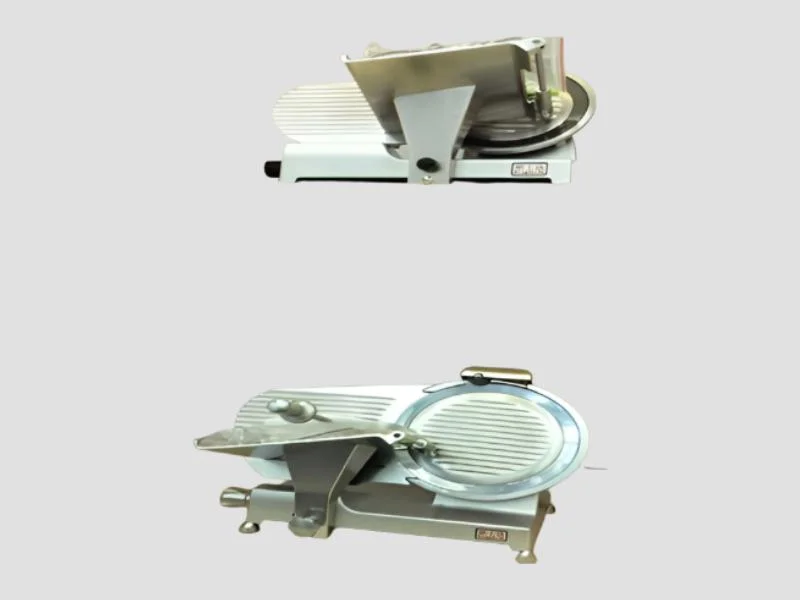
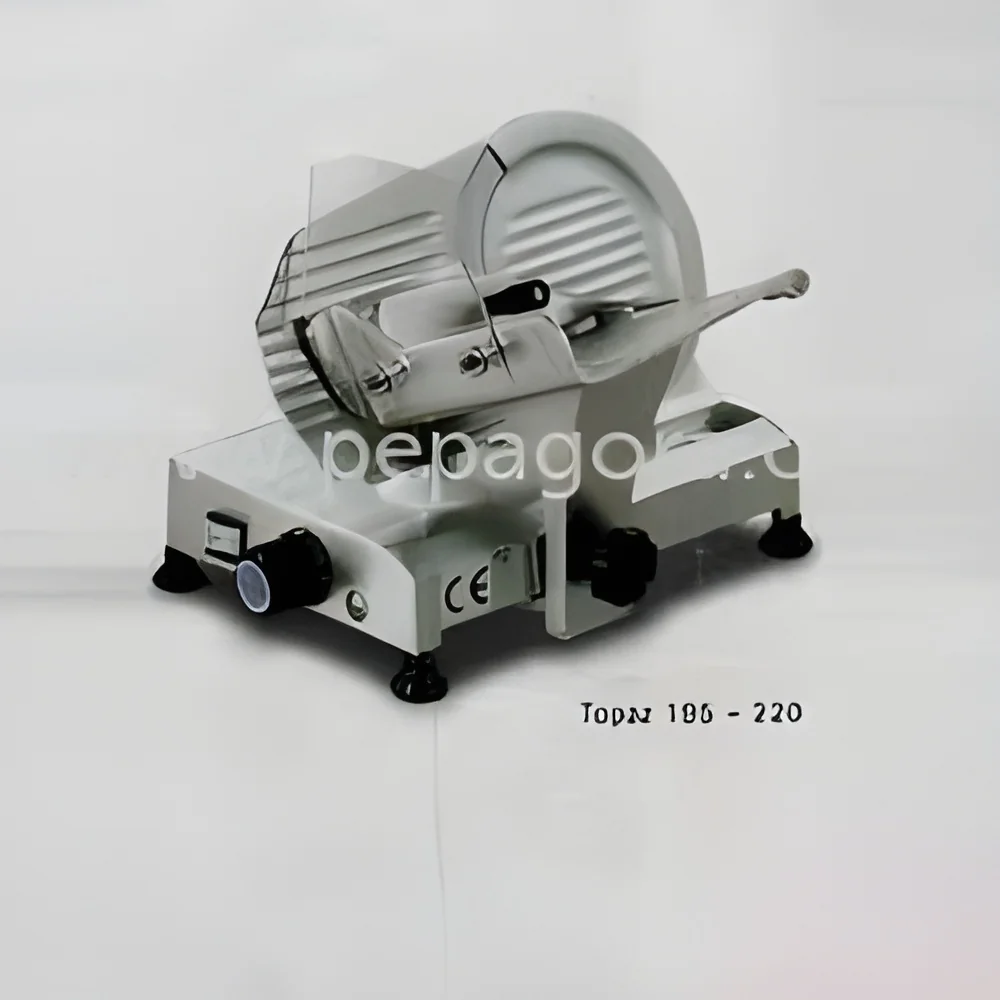
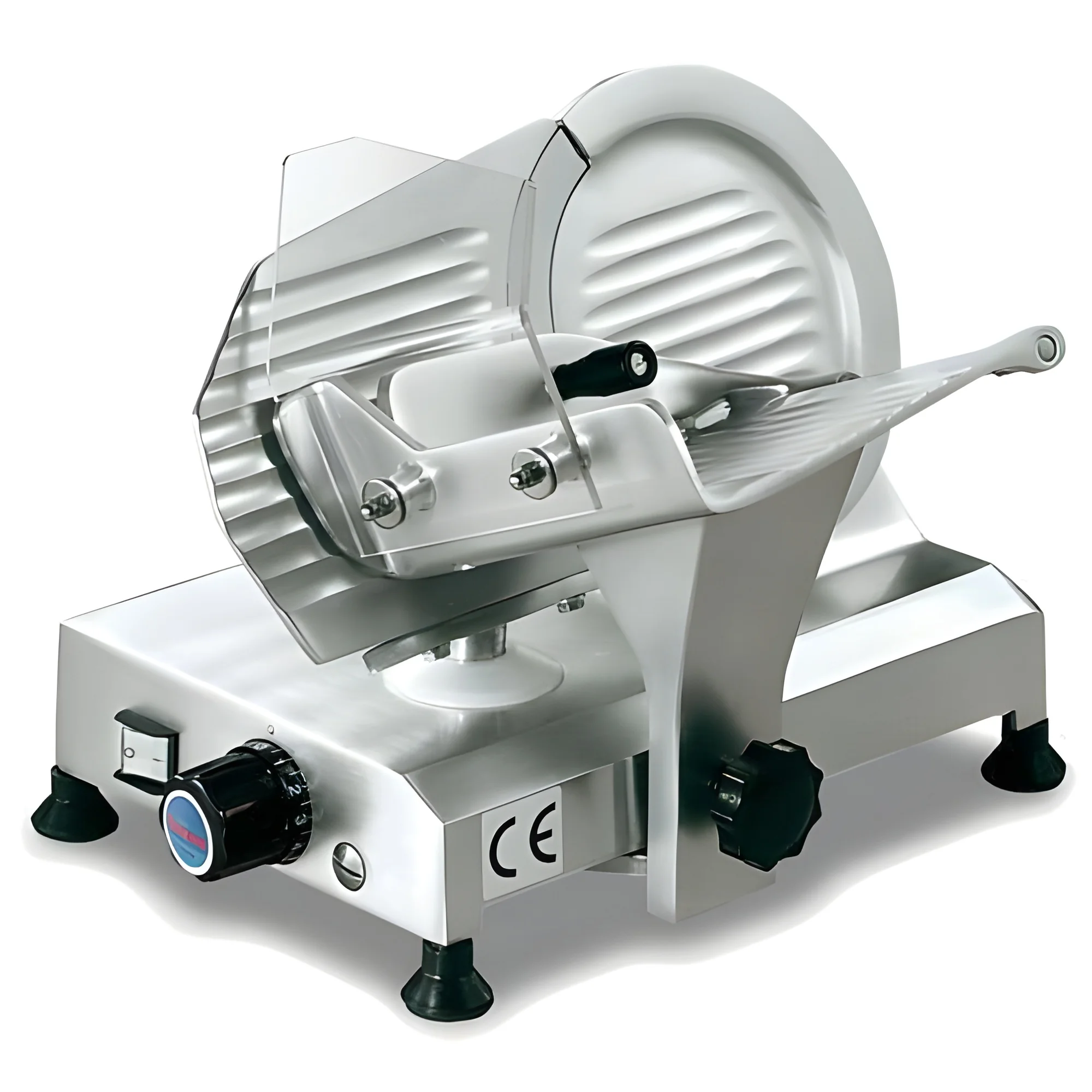
What are Meat Slicers?
Meat slicers are essential machines used in food processing and preparation that efficiently cut meat into uniform slices. They can handle various types of meat, including ham, turkey, beef, and more. These machines are designed to provide precise cuts while ensuring consistent thickness, which is crucial for both presentation and cooking purposes. Meat slicers come in various sizes and configurations, catering to different business needs, from small delis to large-scale meat processing facilities.
The primary uses of meat slicers include slicing cold cuts for sandwiches, preparing meat for cooking, and portioning raw meat for packaging. In commercial environments, meat slicers enhance productivity and speed, allowing businesses to serve customers quickly and efficiently. They are widely used in restaurants, butcher shops, supermarkets, and catering services. The relevance of meat slicers in the food service industry is significant, as they help maintain food quality and reduce waste, contributing to overall profitability.
As the demand for processed and ready-to-eat foods increases, the market for meat slicers continues to expand. Innovations in technology have led to the introduction of advanced slicers with enhanced safety features and improved efficiency. This makes meat slicers a vital investment for businesses looking to streamline their operations and meet consumer expectations for quality and convenience.
Key Features and Specifications
When considering meat slicers, it is important to understand their key features and specifications. These machines are designed with various functionalities that cater to the needs of different users. Factors such as blade size, material, and motor power play a significant role in their performance.
Key specifications include:
1. Blade Diameter
- Common sizes range from 10 inches to 14 inches.
- Larger blades allow for thicker and wider slices.
2. Motor Power
- Typically ranges from 0.5 HP to 1.5 HP.
- Higher power motors provide better efficiency and durability.
3. Cutting Thickness
- Adjustable settings typically range from 0 to 12 mm.
- Allows for customization based on specific slicing requirements.
4. Construction Material
- Usually made from stainless steel for durability and hygiene.
- Some models feature aluminum parts for lightweight applications.
5. Safety Features
- Includes blade guards and automatic shut-off systems.
- Designed to minimize the risk of accidents during operation.
6. Weight
- Varies from 30 to 100 pounds depending on size and model.
- Heavier models offer stability, while lighter ones are more portable.
7. Cleaning Ease
- Many come with removable parts for easier cleaning.
- Hygienic design reduces the risk of cross-contamination.
8. Warranty
- Warranty periods typically range from 1 to 3 years.
- Reflects the manufacturer's confidence in product quality.
Understanding these specifications helps buyers select the right meat slicer for their specific applications and requirements.
Common Applications and Use Cases
Meat slicers are versatile machines used across various industries, providing efficient solutions for slicing meat products.
1. Food Service Industry: Restaurants and cafes utilize meat slicers for preparing sandwiches and deli platters, ensuring consistent portion sizes and presentation.
2. Butcher Shops: These establishments rely on meat slicers to cut various meats for retail sale, enabling faster service and enhancing product display.
3. Catering Services: Catering companies use meat slicers for bulk preparation of meats, allowing them to serve large groups efficiently while maintaining quality.
4. Supermarkets: Grocery stores employ meat slicers in their deli sections for slicing cold cuts and cheeses, catering to customer preferences for fresh, ready-to-eat options.
5. Food Manufacturing: Meat processing facilities utilize industrial-grade slicers for efficient production and packaging of meat products, ensuring compliance with safety standards.
6. Convenience Stores: Smaller retail outlets use meat slicers to offer sliced meats for quick grab-and-go meals, enhancing customer convenience.
7. Institutional Food Services: Schools and hospitals use meat slicers for meal preparation, ensuring consistent portioning and quality for large groups.
Product Variants and Subcategories
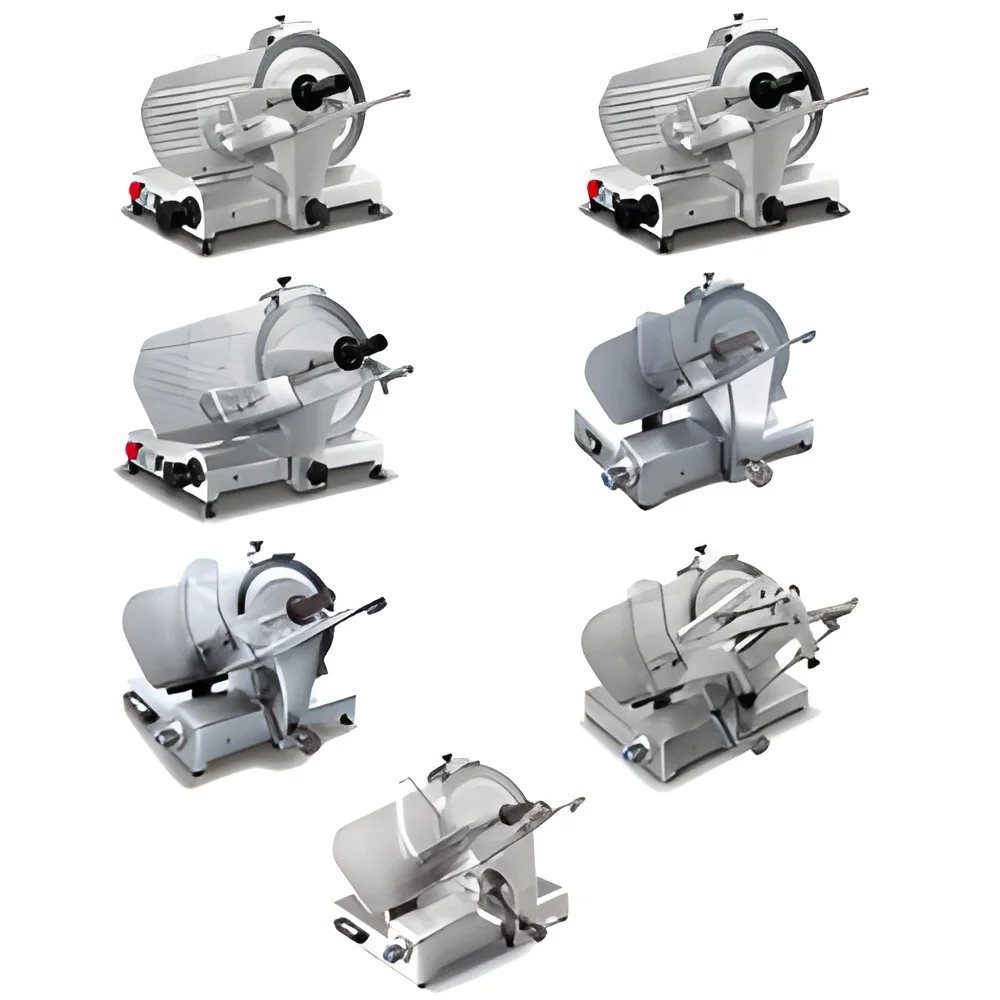
Meat slicers come in various types to meet different operational needs. The diversity of these machines allows businesses to choose according to their specific requirements.
Commercial Meat Slicers
These slicers are built for high-volume usage and are designed to slice large quantities of meat efficiently. They often feature powerful motors and larger blade sizes, making them suitable for busy environments like restaurants and butcher shops.
Semi-Automatic Meat Slicers
These machines require some manual operation but offer improved efficiency compared to manual slicers. They are ideal for medium-volume applications and provide a balance between performance and ease of use.
Manual Meat Slicers
Used primarily in smaller operations or home settings, these slicers require the user to manually operate the cutting mechanism. They are typically more affordable and suitable for occasional use.
Benefits and Advantages
Investing in a meat slicer presents numerous advantages for businesses in the food industry.
1. Efficiency: Meat slicers significantly reduce the time required for manual slicing, allowing staff to focus on other tasks.
2. Consistency: These machines provide uniform slice thickness, enhancing product presentation and cooking consistency.
3. Reduced Labor Costs: By streamlining the slicing process, businesses can lower labor costs and reduce the need for skilled labor for slicing tasks.
4. Improved Food Safety: Meat slicers designed with safety features reduce the risk of accidents, ensuring compliance with health regulations.
5. Versatility: Meat slicers can handle a variety of meats and can often be adjusted for different thicknesses, making them suitable for diverse applications.
6. Waste Reduction: With precise cuts, meat slicers minimize waste and help maximize yield from each piece of meat.
Buying Guide for B2B Buyers
When sourcing meat slicers for business use, it is crucial to consider several factors to make an informed decision.
1. Quality Assessment: Look for machines made from high-quality materials, such as stainless steel, which ensure durability and hygiene. Evaluate reviews and product tests to gauge performance.
2. Supplier Verification: Verify suppliers to ensure they have a solid reputation and can provide reliable customer support. Checking references and certifications can help establish trust.
3. Pricing and MOQ: Understand the pricing structure and minimum order quantities (MOQ) associated with different models. Compare prices to find options that fit your budget without compromising quality.
4. Delivery and Lead Times: Inquire about delivery times and logistical arrangements. Efficient delivery is essential for businesses that require timely equipment setup.
5. Compliance Requirements: Ensure that the slicer meets relevant industry regulations and safety standards. Compliance with certifications such as CE can indicate a reliable product.
Compliance and Certifications
Compliance and certifications are vital for meat slicers, ensuring that they meet industry standards for safety and quality.
Meat slicers often adhere to quality standards such as ISO 9001, which focuses on quality management systems. This certification ensures that manufacturers maintain consistent quality in their products.
HACCP (Hazard Analysis Critical Control Point) compliance is essential in food processing, addressing food safety risks. Meat slicers that meet HACCP guidelines help businesses ensure safe food handling practices.
CE certification indicates that a product meets European Union safety standards. This is crucial for businesses operating within or exporting to the EU market.
Safety testing requirements may also include evaluations for electrical safety, mechanical safety, and hygiene standards. Ensuring compliance with these tests can protect users and consumers alike.
Regional compliance considerations may vary, so businesses should be aware of local regulations and standards that apply to meat slicers in their specific areas.
Why Source Meat Slicers from Pepagora?
Pepagora offers a trusted platform for sourcing meat slicers, providing significant advantages for B2B buyers.
Verified Supplier Network: Pepagora connects businesses with verified suppliers, ensuring that buyers can trust the quality and reliability of the products available. This network helps streamline the sourcing process.
Streamlined RFQ Process: The request for quotation (RFQ) system allows buyers to easily compare offers from multiple suppliers, saving time and facilitating informed purchasing decisions.
Trade Assurance and Support: Pepagora offers buyer protection services, ensuring that transactions are secure and that support is available throughout the purchasing process.
Regional Coverage: With a strong presence in India, the GCC, and Southeast Asia, Pepagora provides access to a diverse market. This regional coverage allows businesses to find local suppliers that meet their specific needs while enjoying the benefits of a global platform.

 IN
IN