
 IN
Metal Detectors for Food Processing
12 products available
What are Metal Detectors for Food Processing?
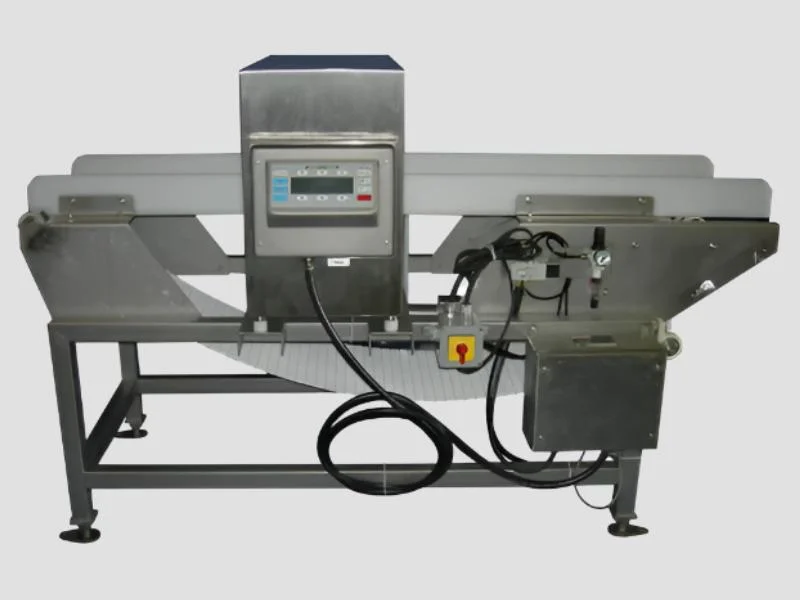
Metal detectors for food processing are specialized devices designed to identify and remove metal contaminants from food products during manufacturing and packaging. These detectors use advanced technology to scan materials for ferrous, non-ferrous, and stainless steel metals, ensuring that the end product is safe for consumption. By maintaining high standards of food safety, these detectors play a crucial role in the food supply chain.
These devices are primarily used in various sectors of the food industry, including meat processing, dairy, snack production, and grain handling. They help businesses comply with safety regulations, prevent product recalls, and protect consumer health. As food safety standards continue to evolve, metal detectors have become essential tools for maintaining quality assurance in food processing facilities.
The relevance of metal detectors in the food processing industry is underscored by increasing consumer awareness of food safety and regulatory requirements. The global market for food safety equipment, including metal detectors, is growing as companies seek to enhance their production processes and protect their reputations. Investing in reliable metal detection technology is crucial for businesses aiming to uphold quality and safety in their products.
Key Features and Specifications
Metal detectors for food processing come equipped with various features and specifications that enhance their performance and reliability. Understanding these specifications is essential for selecting the right equipment for specific applications.
Key specifications include:
1. Detection Sensitivity
- The ability to identify small metal particles.
- Typical sensitivity levels range from 0.5 mm to 1.5 mm for ferrous metals.
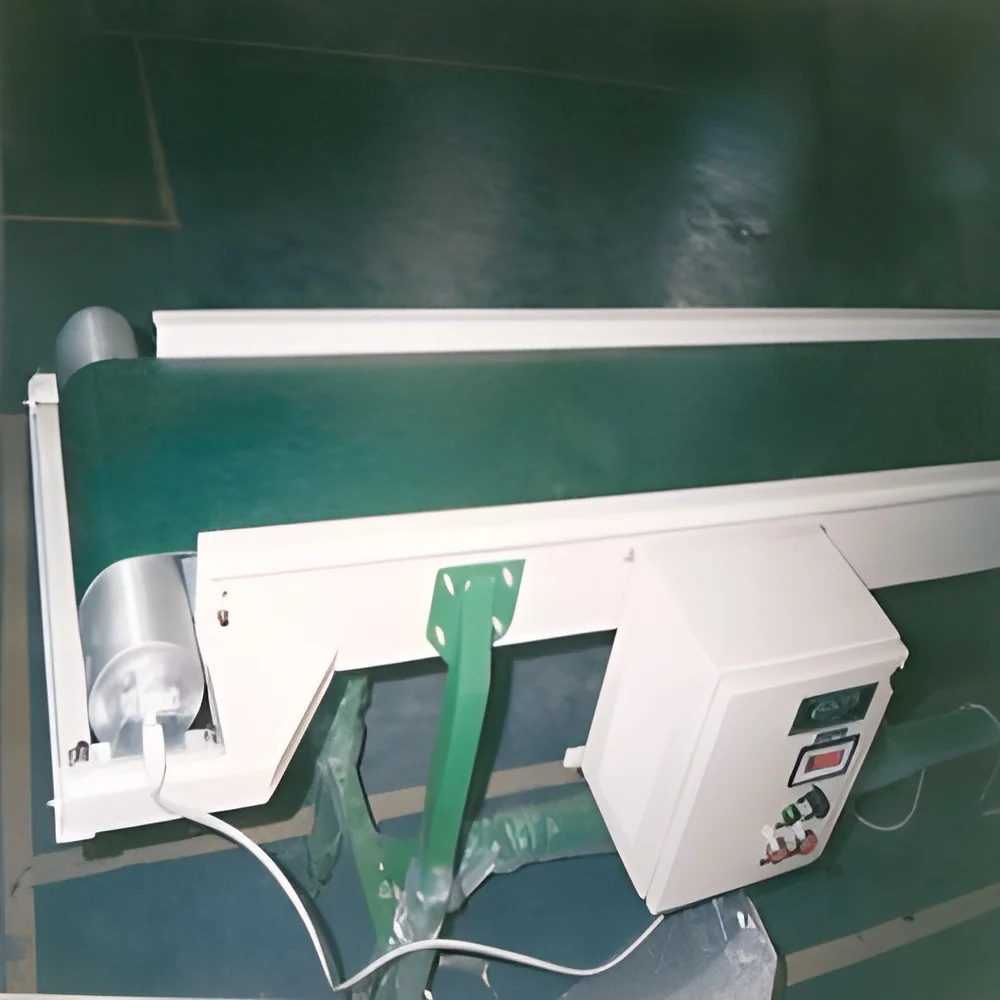
2. Conveyor Belt Width
- The width of the conveyor belt on which the detector is installed.
- Common sizes include 300 mm, 450 mm, and 600 mm.
3. Detection Modes
- Various operational modes such as automatic and manual.
- Allows for flexibility based on production needs.
4. Control Interface
- User-friendly interface for monitoring and adjusting settings.
- Touchscreen options are available for ease of use.
5. Power Supply
- Compatibility with standard voltage supplies.
- Typically operates on 110V to 240V AC power.
6. Environmental Protection
- IP ratings define the level of dust and water resistance.
- Common ratings include IP65 for protection against dust and low-pressure water jets.
7. Software Integration
- Capability to integrate with existing production management systems.
- Allows for data logging and reporting for compliance purposes.
8. Calibration Features
- Automatic calibration options for consistent performance.
- Ensures ongoing accuracy and reliability.
In summary, understanding the key features and specifications of metal detectors for food processing is vital for making informed purchasing decisions and ensuring compliance with food safety standards.
Common Applications and Use Cases
Metal detectors for food processing have a wide range of applications across various industries. Their ability to detect metal contaminants helps ensure product safety and quality.
1. Meat Processing: Metal detectors are used to inspect raw and cooked meat products, ensuring that they are free from metal fragments that may occur during processing.
2. Dairy Industry: In cheese and milk production, these detectors help identify metal contaminants that could enter the product through equipment wear or packaging materials.
3. Snack Food Manufacturing: Metal detectors are essential in snack production lines to identify and remove metallic objects that may compromise product safety.
4. Grain Handling: In the grain processing industry, metal detectors are critical for ensuring that grains are free from metal debris, which can be introduced during harvesting and storage.
5. Bakery Products: Metal detectors help ensure that baked goods are safe for consumption by detecting metallic contaminants that may be present in flour or during production.
6. Beverage Production: In beverage bottling and canning, these detectors play a role in ensuring that the final product is free from metallic hazards.
7. Confectionery Manufacturing: Used to inspect candies and chocolates, metal detectors ensure that no foreign metal objects are present, maintaining product integrity.
Product Variants and Subcategories
Metal detectors for food processing come in various configurations to meet the diverse needs of different industries. Understanding these variants can help businesses select the right detector for their specific applications.
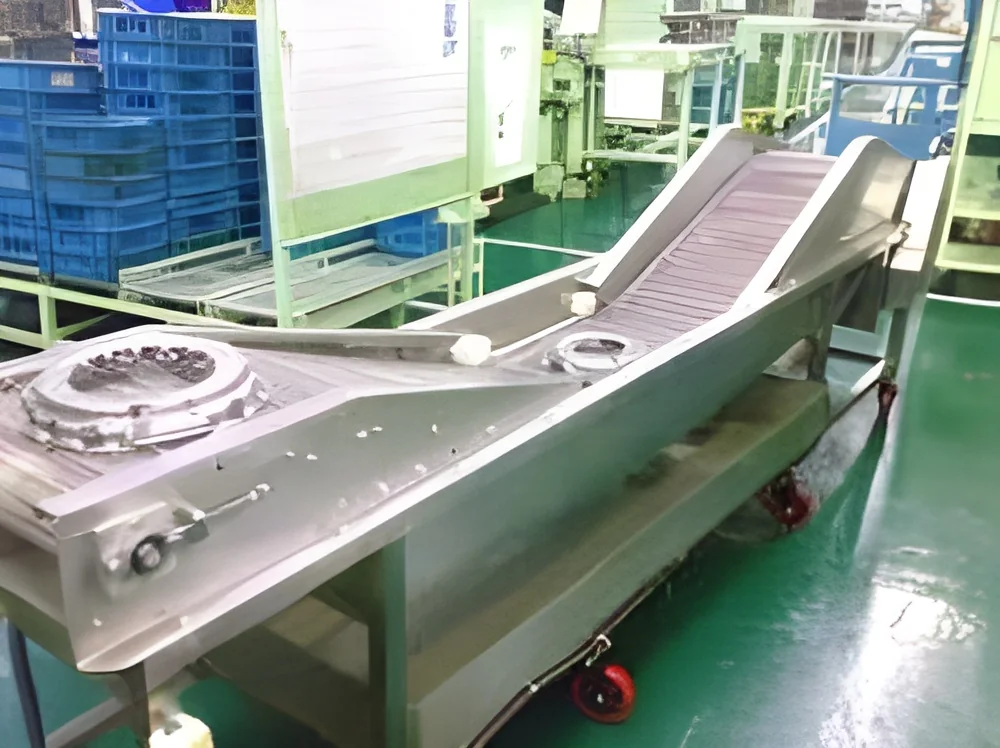
Standard Metal Detectors: These are the most common type used in food processing. They offer basic metal detection capabilities and are suitable for a wide range of applications.
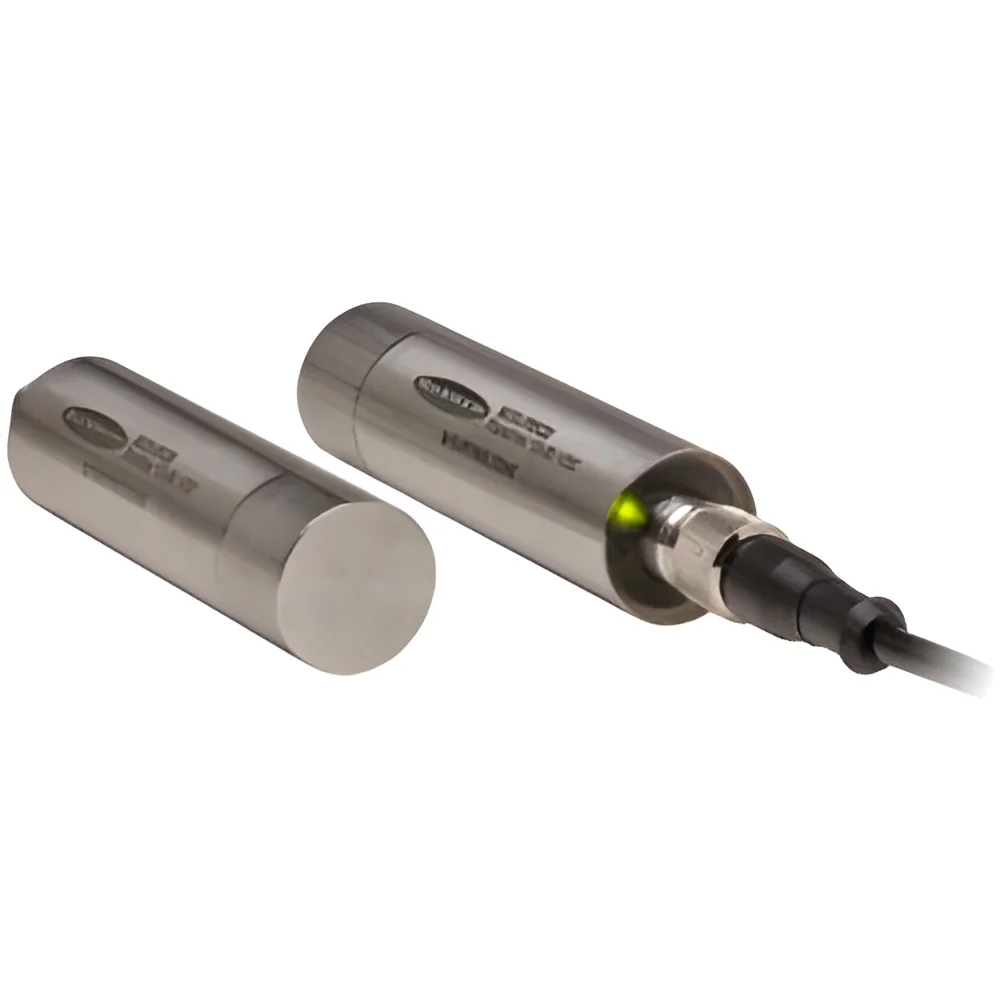
Pipeline Metal Detectors: Designed for bulk materials, these detectors are installed in pipelines and are ideal for detecting metal contaminants in liquids and powders.
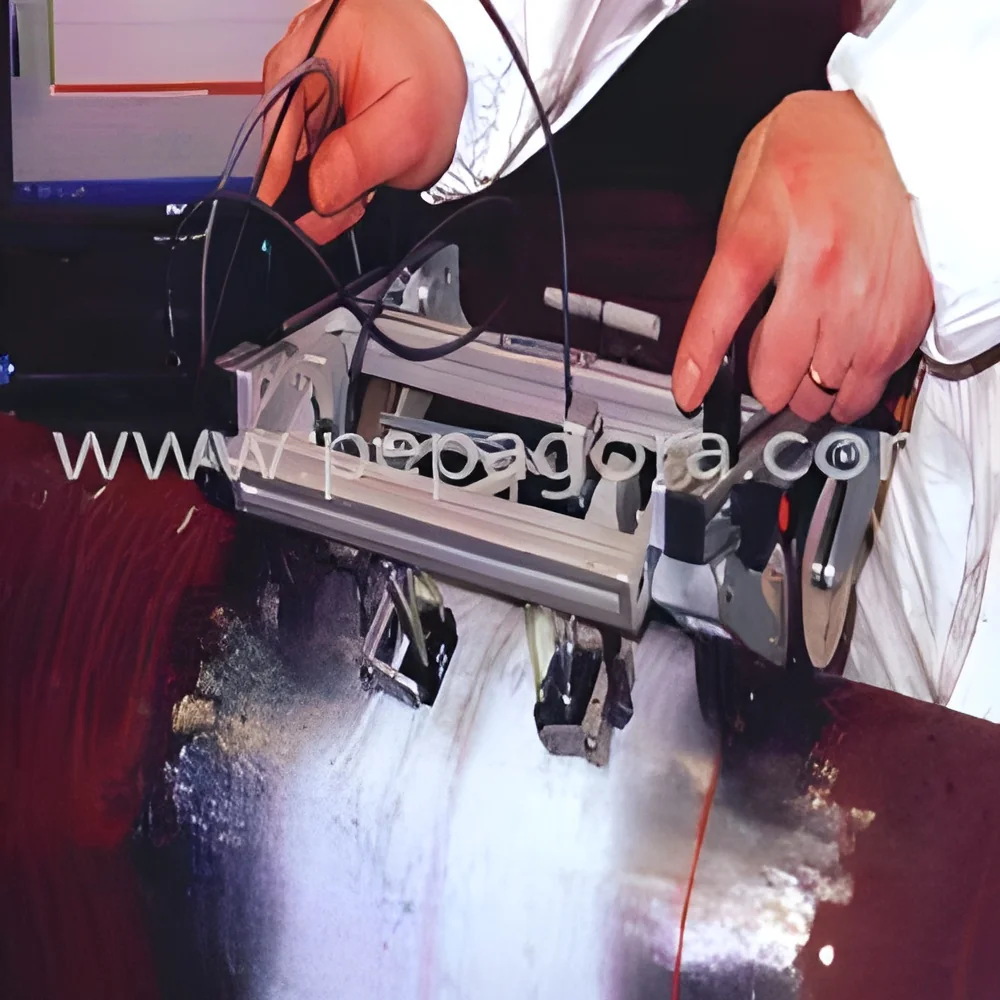
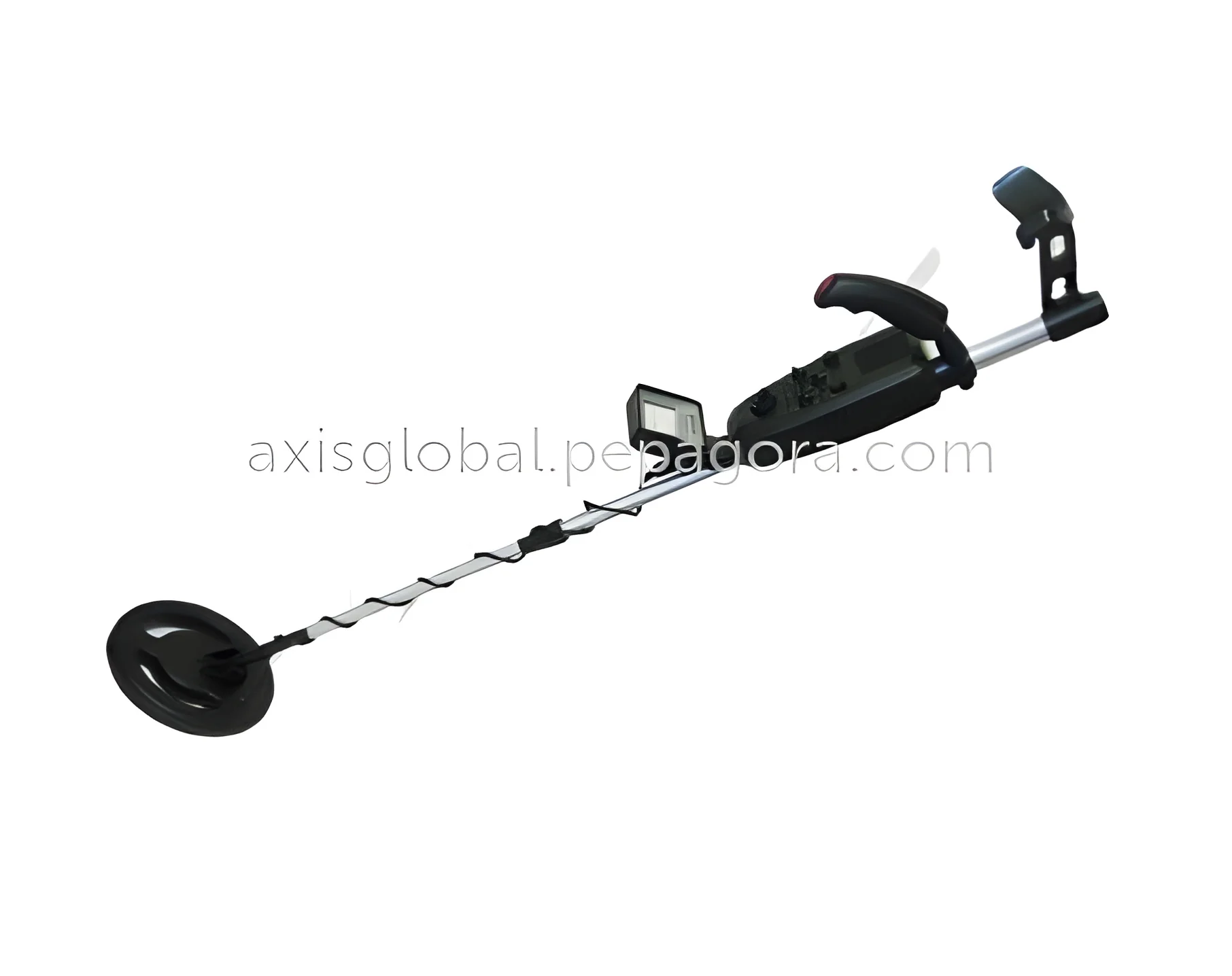
Portable Metal Detectors: These lightweight, handheld devices are used for spot-checking products during production and are particularly useful in smaller operations or for compliance audits.
Benefits and Advantages
Investing in metal detectors for food processing offers numerous benefits to businesses seeking to enhance their food safety measures.
Key benefits include:
1. Enhanced Food Safety: Metal detectors significantly reduce the risk of metal contamination, ensuring that products are safe for consumers.
2. Compliance with Regulations: These devices help businesses meet food safety standards and regulations, minimizing the risk of fines and recalls.
3. Improved Product Quality: By preventing metal contamination, businesses can maintain high-quality standards, leading to increased customer satisfaction.
4. Cost Savings: Preventing product recalls and the associated costs can lead to significant savings for businesses.
5. Increased Operational Efficiency: Modern metal detectors can be integrated into production lines, allowing for continuous monitoring without disrupting workflows.
6. Brand Protection: Companies that prioritize food safety can enhance their reputation and build trust with consumers.
Buying Guide for B2B Buyers
When sourcing metal detectors for food processing, businesses should consider several important factors to ensure they select the right equipment for their needs.
1. Quality Assessment: Evaluate the quality of the metal detectors by reviewing certifications, durability, and performance history. Look for products that meet industry standards.
2. Supplier Verification: Vet suppliers thoroughly to ensure they have a solid reputation and provide reliable products. Check for customer reviews and industry references.
3. Pricing and MOQ: Compare pricing among suppliers while considering the minimum order quantity (MOQ). Balance cost with quality to find the best value.
4. Delivery and Lead Times: Understand the logistics involved, including delivery timelines and shipping costs, to avoid disruptions in production.
5. Compliance Requirements: Ensure that the metal detectors comply with relevant food safety regulations and industry standards to avoid legal issues.
Compliance and Certifications
Metal detectors for food processing must adhere to various quality standards and certifications to ensure reliability and safety. Key standards include ISO 9001, which sets the criteria for quality management systems. Compliance with HACCP (Hazard Analysis Critical Control Point) principles is also essential for identifying and mitigating food safety risks.
Additionally, metal detectors often carry certifications such as CE, indicating compliance with European safety standards. Testing for safety and performance is crucial, as it ensures that the equipment can withstand demanding processing environments.
Regional compliance considerations may vary, requiring businesses to familiarize themselves with local regulations governing food safety and equipment standards.
Why Source Metal Detectors for Food Processing from Pepagora?
Pepagora provides a trusted platform for sourcing metal detectors for food processing, offering several key advantages to B2B buyers.
Verified Supplier Network: Pepagora ensures that all suppliers in its network are thoroughly vetted, providing businesses with access to reliable manufacturers of high-quality metal detectors.
Streamlined RFQ Process: The platform offers a streamlined request for quotation (RFQ) process, making it easy for buyers to compare multiple suppliers and obtain competitive pricing.
Trade Assurance and Support: Pepagora provides trade assurance, protecting buyers throughout the purchasing process. This includes support for any issues that may arise during transactions.
Regional Coverage: With a focus on regions such as India, the GCC, and Southeast Asia, Pepagora connects buyers with suppliers that can meet their specific regional needs, facilitating smoother transactions and timely deliveries.



Frequently Asked Questions
What are Metal Detectors for Food Processing?
Metal Detectors for Food Processing are specialized devices designed to detect metal contaminants in food products. They help ensure safety and quality by identifying unwanted metal fragments that could pose health risks to consumers.
What are the different types of Metal Detectors for Food Processing?
There are several types of Metal Detectors for Food Processing, including conveyor belt detectors, handheld detectors, and pipeline detectors. Each type serves a specific purpose, depending on the food processing environment and the nature of the products being inspected.
How do I choose the right Metal Detectors for Food Processing?
Choosing the right Metal Detector for Food Processing involves considering factors such as the type of food, the level of contamination risk, and the production line setup. It's also essential to assess the detector's sensitivity, size, and compatibility with existing equipment.
What are the standard specifications for Metal Detectors for Food Processing?
Standard specifications for Metal Detectors for Food Processing usually include sensitivity levels, detection range, and frequency of operation. Additional specifications may cover dimensions, weight, and compliance with industry standards.
What is the price range for Metal Detectors for Food Processing?
The price range for Metal Detectors for Food Processing can vary significantly based on features, brand, and type. Generally, prices can range from a few thousand to several lakhs of Indian Rupees, depending on the complexity and technology used.
What quality standards apply to Metal Detectors for Food Processing?
Quality standards for Metal Detectors for Food Processing typically include certifications such as ISO 9001 and compliance with food safety regulations like HACCP. These standards ensure that the detectors are reliable and effective in maintaining food safety.
Where can I find Metal Detectors for Food Processing suppliers in India?
You can find Metal Detectors for Food Processing suppliers in India through online B2B marketplaces such as Pepagora.com. Additionally, industry trade shows and manufacturer directories can provide valuable contacts for sourcing.
Can Metal Detectors for Food Processing be customized?
Yes, many manufacturers offer customization options for Metal Detectors for Food Processing to meet specific operational needs. Customizations may include size adjustments, sensitivity settings, and integration with existing systems.
What is the typical minimum order quantity for Metal Detectors for Food Processing?
The typical minimum order quantity (MOQ) for Metal Detectors for Food Processing can vary by supplier, but it often ranges from one to several units. It's advisable to check with individual suppliers regarding their specific MOQs.
What is the typical lead time for Metal Detectors for Food Processing?
The typical lead time for Metal Detectors for Food Processing generally ranges from 2 to 6 weeks, depending on the supplier and whether the equipment is standard or customized. It is recommended to confirm lead times at the time of order placement.
Why Businesses Trust Pepagora
Thousands of companies trust Pepagora to source smarter and sell faster
Expand Your Sales Globally

Source Smarter,Grow Faster
