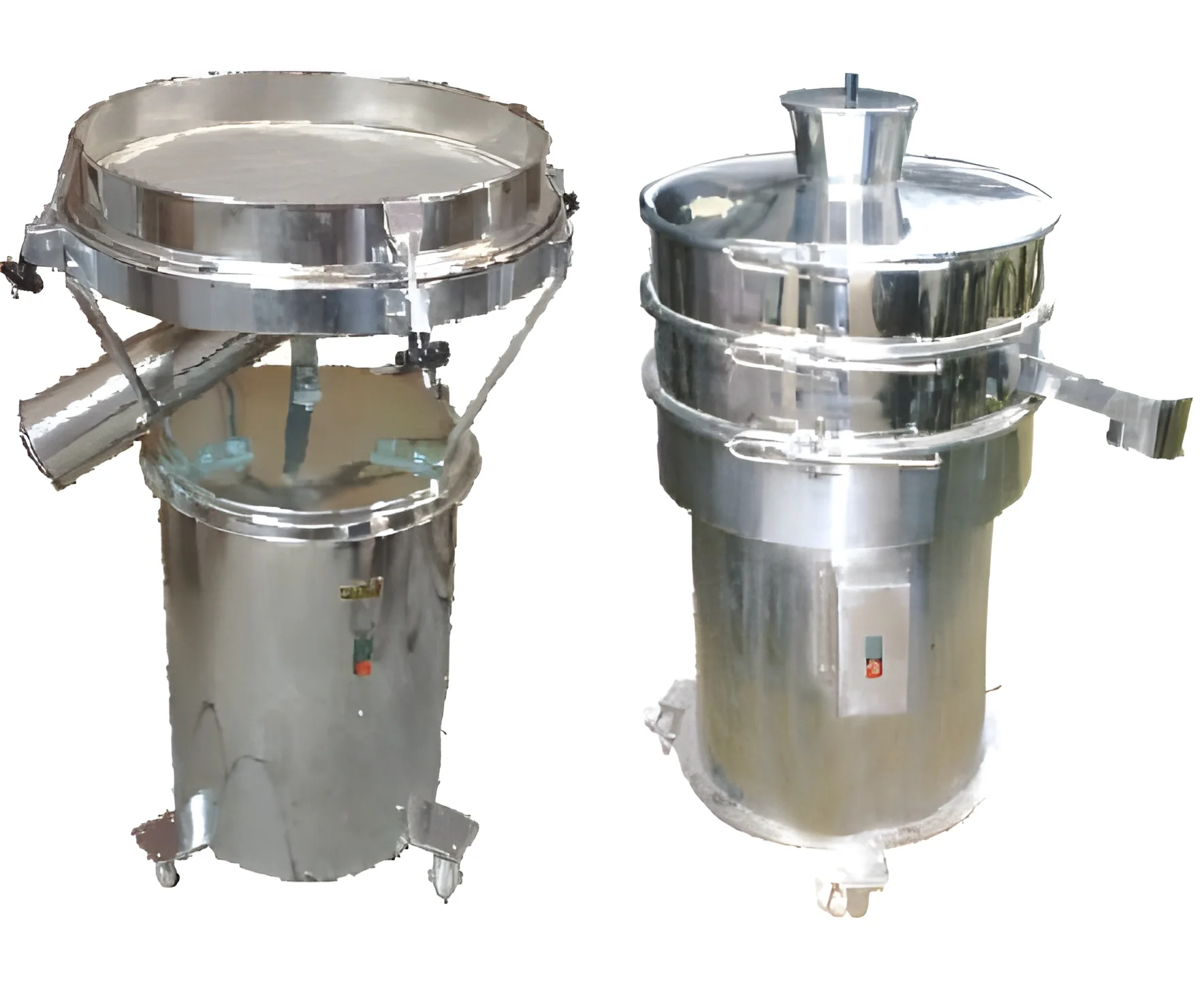
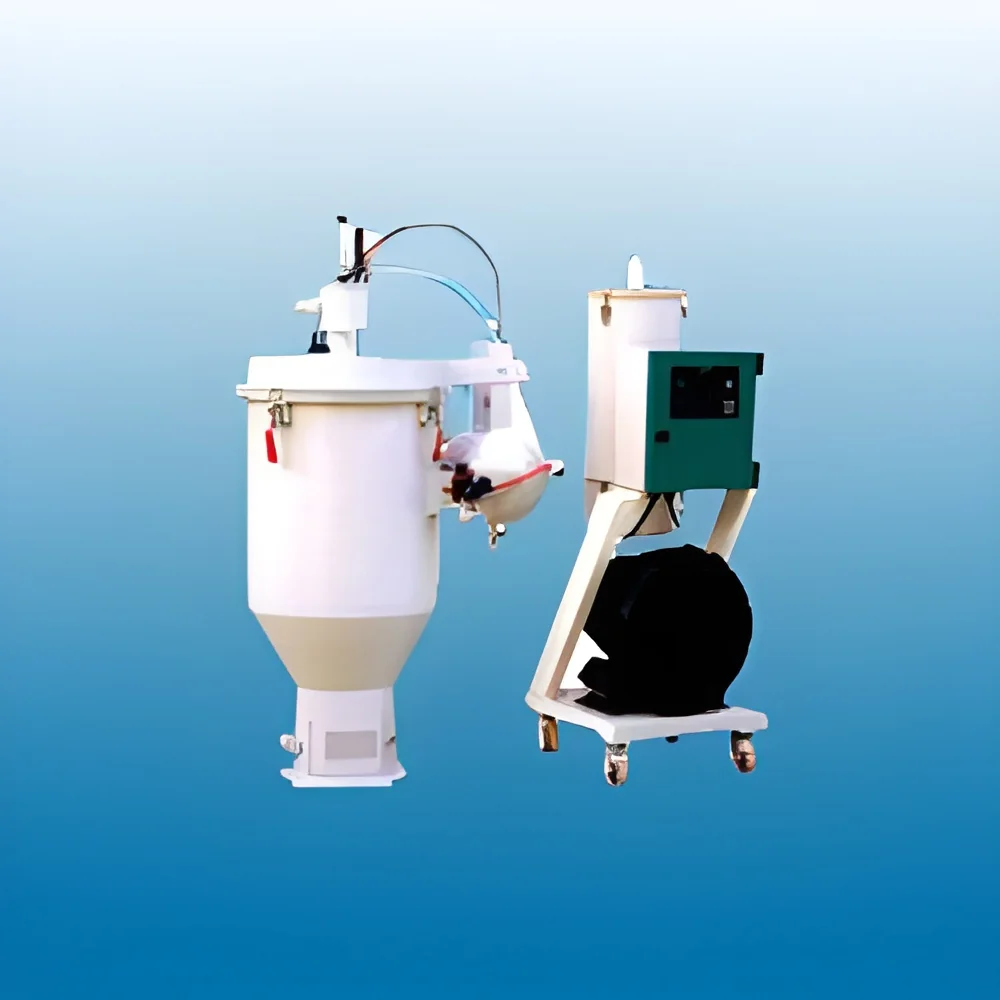
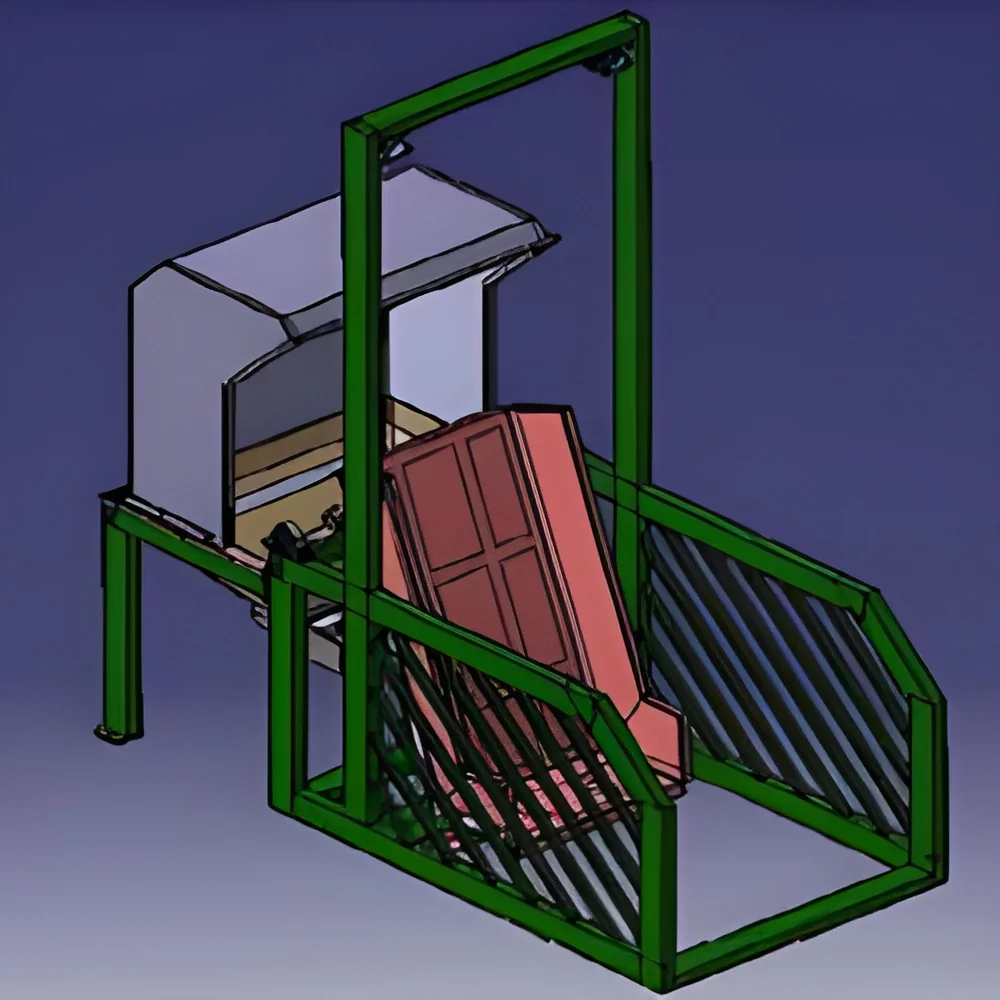
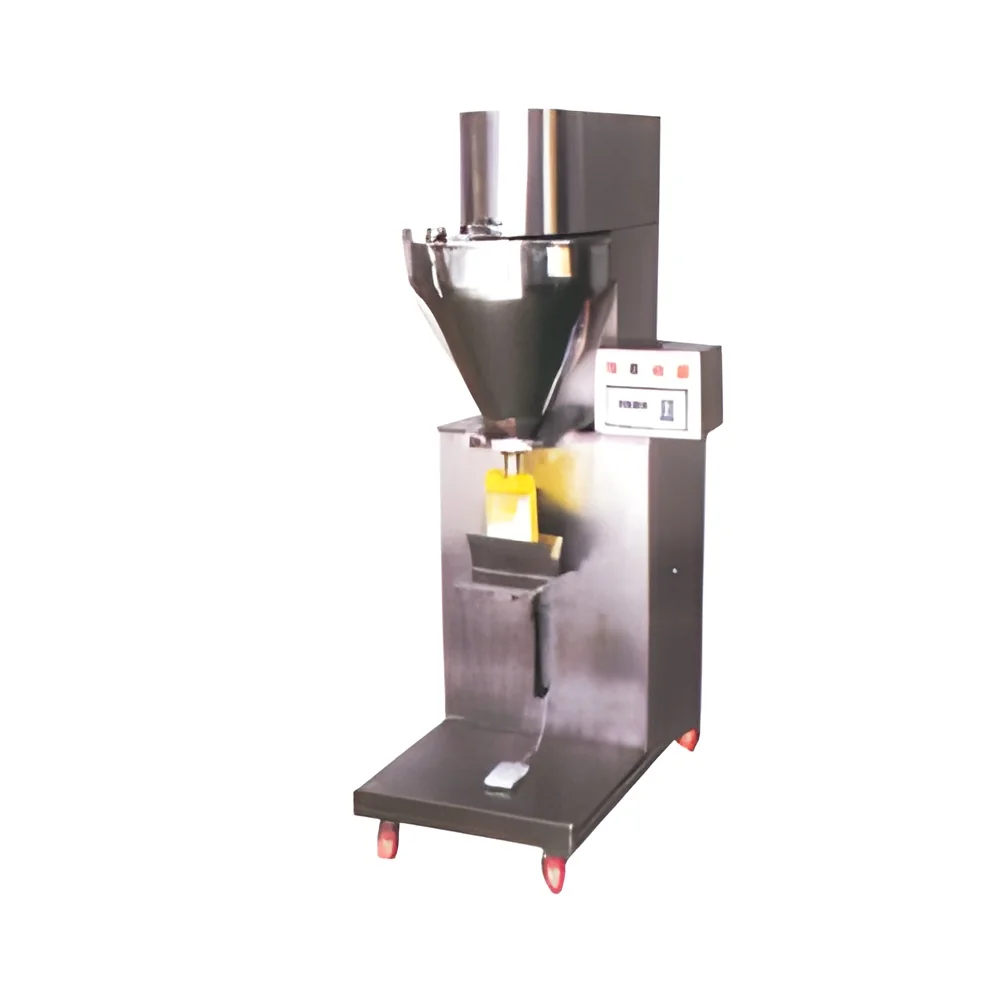
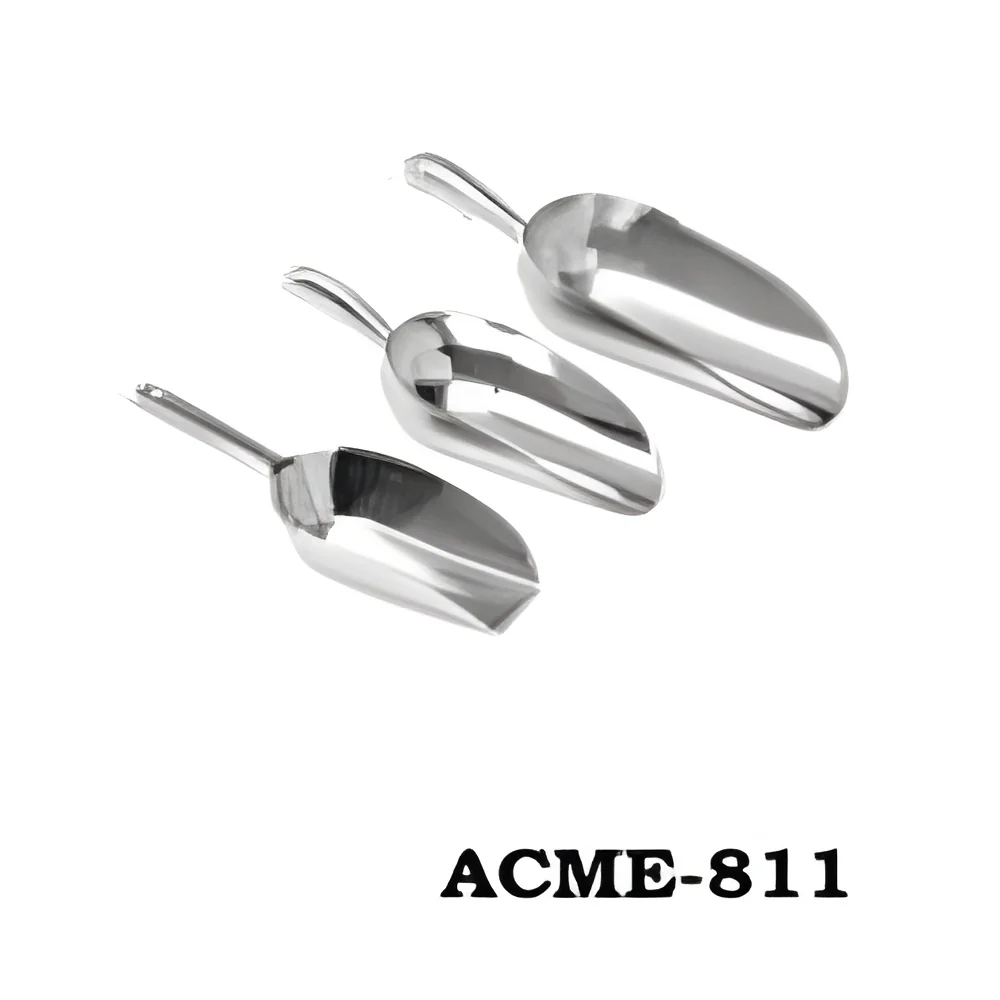
What are Powder Filling Equipment?
Powder filling equipment refers to machinery designed to accurately dispense powders into containers. This equipment is crucial in various industries, including food, pharmaceuticals, and chemicals. It ensures precision in filling, which helps maintain product quality and consistency while minimizing waste. The equipment can vary in complexity, from manual machines to fully automated systems that integrate with production lines.
Primary uses of powder filling equipment include packaging products like spices, flour, detergents, and pharmaceuticals. Businesses utilize this technology to enhance their operational efficiency and meet the growing demand for packaging accuracy. Additionally, powder filling equipment plays a significant role in maintaining hygiene standards, particularly in industries like food and pharmaceuticals, where contamination risks must be minimized.
In the current market context, the demand for powder filling equipment is rising as businesses seek to automate processes and improve productivity. The global push for efficiency and the need for regulatory compliance are driving innovations in this field, making it essential for manufacturers to invest in reliable powder filling solutions.
Key Features and Specifications
Powder filling equipment comes with various features designed to enhance performance and operational efficiency. Understanding these features and specifications is crucial for businesses looking to invest in such equipment.
Key specifications include:
1. Filling Accuracy
- This specification indicates the precision of the machine in dispensing the correct amount of powder.
- Typically ranges between ±0.5 to ±2% depending on the model.
2. Speed of Operation
- Refers to the number of containers filled per minute.
- Varies from 10 to 60 containers per minute based on machine type.
3. Hopper Capacity
- The volume of powder the hopper can hold before needing a refill.
- Common capacities range from 5 to 50 liters.
4. Power Requirements
- Indicates the electricity consumption of the equipment.
- Typically requires between 220V to 380V depending on the model.
5. Material Construction
- Refers to the materials used in manufacturing the machine, which affects durability and hygiene.
- Commonly made from stainless steel or food-grade plastic.
6. Control System
- The type of control mechanism used (manual, semi-automatic, or fully automatic).
- Sophisticated models may include touch-screen interfaces for easy operation.
7. Compliance Features
- Includes features that ensure the equipment meets industry standards.
- Often equipped with CE certification for safety and quality assurance.
8. Maintenance Requirements
- Describes how easy it is to maintain the equipment.
- Many models are designed for easy disassembly and cleaning.
Overall, understanding these specifications helps businesses select the right powder filling equipment tailored to their needs.
Common Applications and Use Cases
Powder filling equipment serves a variety of industries, providing tailored solutions for specific applications.
1. Food Industry: Used for packaging spices, flour, baking powder, and protein powders, ensuring accuracy and compliance with food safety regulations.
2. Pharmaceutical Industry: Essential for filling powdered medications and supplements, maintaining stringent hygiene and accuracy standards.
3. Chemical Industry: Utilized for packaging powders like detergents, fertilizers, and other bulk materials, ensuring efficient handling and storage.
4. Cosmetics Industry: Used for filling powdered cosmetics and personal care products, allowing precise dosing and enhancing product presentation.
5. Nutraceutical Industry: Helps in packaging health supplements and powders, crucial for meeting consumer demand for accurate labeling and dosage.
6. Agriculture: Used for dispensing agricultural powders such as pesticides and fertilizers, facilitating accurate application and reducing waste.
7. Plastics Industry: Employed for filling powdered resins and additives, ensuring consistency in manufacturing processes.
Product Variants and Subcategories
Powder filling equipment comes in various forms to cater to different operational needs.
Manual Powder Filling Machines: These machines require human intervention for operation. They are cost-effective and suitable for small-scale businesses or low-volume production.
Semi-Automatic Powder Filling Machines: A step up from manual machines, these require minimal human input and are ideal for medium-sized operations. They enhance speed and accuracy while reducing labor costs.
Fully Automatic Powder Filling Machines: Designed for high-volume production, these machines operate with minimal human intervention. They are integrated into production lines, offering the highest efficiency and precise filling.
Auger Filling Machines: Specifically designed for powders, these machines use an auger screw to dispense the product. They are commonly used in food and pharmaceutical industries for fine powders.
Benefits and Advantages
Investing in powder filling equipment provides numerous advantages that can significantly enhance operational efficiency.
1. Enhanced Accuracy: These machines ensure precise filling, reducing product waste and improving overall quality.
2. Increased Efficiency: Automated systems speed up production rates, allowing businesses to meet high demand without compromising quality.
3. Improved Hygiene: Designed with easy-to-clean materials, powder filling equipment minimizes contamination risks and adheres to industry standards.
4. Cost Savings: By reducing waste and labor costs, businesses can achieve significant savings over time.
5. Versatility: These machines can handle various powder types, making them suitable for multiple industries and applications.
6. Compliance Assurance: Equipped with features that meet regulatory standards, businesses can be confident in their product safety and quality.
Buying Guide for B2B Buyers
When sourcing powder filling equipment, it is essential to consider several factors to ensure the right purchase.
1. Quality Assessment: Evaluate the build quality and reliability of the equipment. Look for reputable brands with a history of performance in the industry.
2. Supplier Verification: Vet suppliers thoroughly. Check their certifications, customer reviews, and track record to ensure they can meet your needs.
3. Pricing and MOQ: Consider the price range and minimum order quantity. Balance cost against features and reliability to find the best value.
4. Delivery and Lead Times: Discuss logistics and delivery timelines with suppliers to ensure they align with your production schedule.
5. Compliance Requirements: Ensure the equipment meets necessary regulatory standards for your industry, such as CE certification for safety and quality.
Compliance and Certifications
Powder filling equipment must adhere to various quality standards to ensure reliability and safety in production. Key standards include ISO 9001, which focuses on quality management systems, ensuring that manufacturers consistently meet customer and regulatory requirements.
Additionally, HACCP (Hazard Analysis and Critical Control Points) is a vital standard in food safety, ensuring that processes are in place to prevent contamination. Compliance with Good Distribution Practices (GDP) is also essential in the pharmaceutical sector to ensure product integrity during transport and storage.
CE certification is a crucial indicator that the equipment meets European safety standards. It signifies that the equipment has undergone rigorous testing and complies with applicable directives.
Regional compliance considerations may vary, so businesses must ensure their equipment meets local regulations to avoid legal issues and ensure product safety.
Why Source Powder Filling Equipment from Pepagora?
Pepagora provides a trusted platform for sourcing powder filling equipment, offering several key advantages for B2B buyers.
Verified Supplier Network: Pepagora connects buyers with a network of verified suppliers. Each supplier is vetted for quality and reliability, ensuring buyers can make informed decisions.
Streamlined RFQ Process: The request for quotation (RFQ) process on Pepagora is user-friendly, allowing buyers to submit their requirements and receive competitive quotes from multiple suppliers quickly.
Trade Assurance and Support: Pepagora offers buyer protection through trade assurance programs. This feature helps safeguard transactions, providing peace of mind during the purchasing process.
Regional Coverage: With a strong presence in India, the GCC region, and Southeast Asia, Pepagora ensures that buyers can access a wide range of suppliers, catering to diverse geographical demands.
By choosing Pepagora, businesses can confidently source high-quality powder filling equipment tailored to their specific needs.

 IN
IN