What are Refrigerated Tunnels?
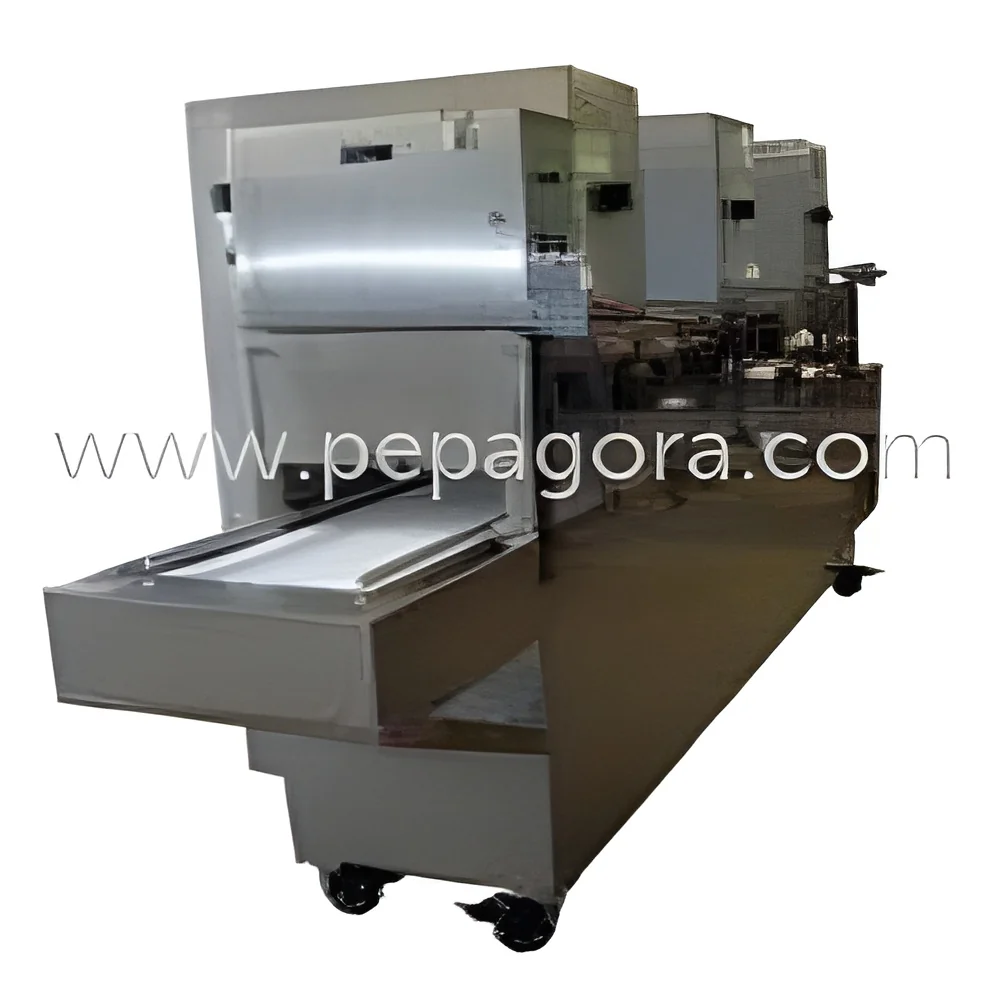
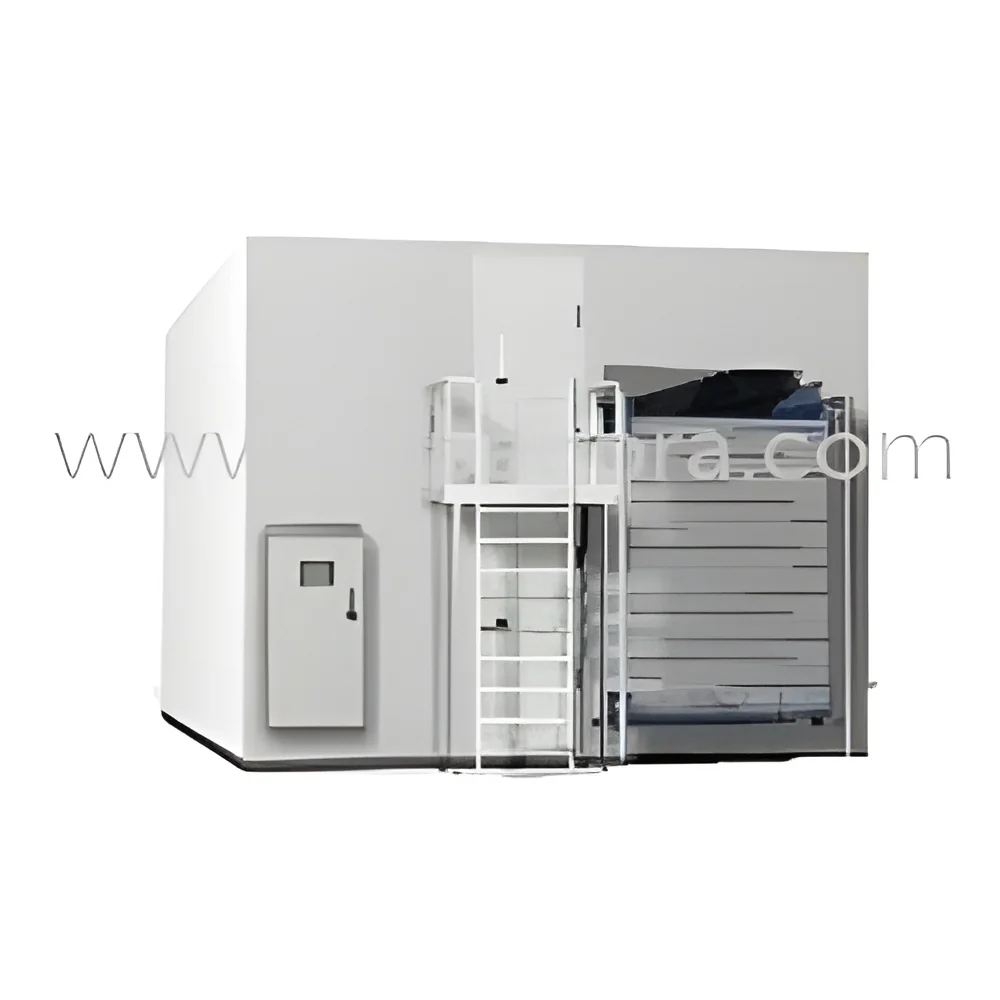
Refrigerated tunnels are specialized equipment used for quickly cooling or freezing products as they pass through a controlled environment. These tunnels consist of a conveyor system that transports items through a temperature-regulated area, ensuring rapid and uniform cooling. The design typically includes insulated walls and integrated refrigeration systems that maintain specific temperature and humidity levels throughout the tunnel.
These systems are primarily used in the food processing industry, where quick cooling is critical for preserving product quality and safety. Applications include cooling baked goods, freezing seafood, and rapidly chilling meats. Other industries, such as pharmaceuticals and chemicals, also utilize refrigerated tunnels to maintain the integrity of temperature-sensitive products during processing.
The relevance of refrigerated tunnels in today’s market is underscored by the increasing demand for efficiency and quality in food production and distribution. As consumers seek fresher and safer products, manufacturers are investing in advanced cooling technologies to meet these expectations. This has led to a growing market for refrigerated tunnels, with innovations aimed at enhancing energy efficiency and operational reliability.
Key Features and Specifications
Refrigerated tunnels come equipped with a variety of features designed to enhance performance and efficiency. Understanding these specifications is crucial for businesses looking to invest in this technology.
Key specifications include:
1. Temperature Control
- Maintains consistent temperature ranges suitable for various products.
- Typical operating temperatures can vary based on application.
2. Conveyor Speed
- Adjustable conveyor speed to accommodate different processing times.
- Ranges may vary depending on the specific model.
3. Insulation
- High-quality insulation materials to minimize energy loss.
- Ensures optimal temperature retention during operation.
4. Humidity Control
- Systems designed to manage humidity levels for specific products.
- Vital for maintaining product quality during cooling.
5. Energy Efficiency
- Advanced refrigeration systems that reduce energy consumption.
- Features such as variable speed compressors contribute to savings.
6. Monitoring Systems
- Integrated systems for real-time temperature and humidity monitoring.
- Alerts and data logging features for compliance and quality assurance.
7. Construction Materials
- Durable materials designed for industrial use and easy cleaning.
- Stainless steel is commonly used for hygiene and durability.
8. Size and Capacity
- Various sizes available to match production needs.
- Customizable options for specific industry requirements.
In summary, refrigerated tunnels provide a range of features that cater to various industrial needs, making them essential for businesses focused on quality and efficiency.
Common Applications and Use Cases
Refrigerated tunnels serve a wide array of industries, providing tailored solutions for temperature-sensitive products.
1. Food Processing: In the food industry, these tunnels are invaluable for cooling baked goods, freezing meats, and chilling seafood. They help maintain product safety and quality from production to distribution.
2. Pharmaceuticals: Refrigerated tunnels are used to store and transport pharmaceuticals that require strict temperature controls, ensuring product efficacy and safety.
3. Chemical Manufacturing: Certain chemicals require specific temperature conditions during processing. Refrigerated tunnels help in maintaining these conditions to prevent reactions that could compromise product integrity.
4. Dairy Industry: These systems are essential for cooling milk products rapidly to prevent spoilage and maintain freshness, especially during processing and packaging.
5. E-commerce Logistics: With the rise of online grocery shopping, refrigerated tunnels are increasingly used in fulfillment centers to ensure products remain at optimal temperatures from storage to delivery.
6. Beverage Production: In the beverage industry, refrigerated tunnels are used to cool drinks quickly during production, enhancing efficiency and product quality.
7. Fresh Produce Handling: They are also utilized for cooling fruits and vegetables post-harvest, extending shelf life and preserving freshness during transport.
Product Variants and Subcategories
Refrigerated tunnels come in various designs to meet diverse processing needs. Each variant offers unique features and applications.
Standard Refrigerated Tunnel
This variant is designed for general use in food processing. It features adjustable temperature controls and conveyor speeds, making it suitable for various products from baked goods to meats.
High-Performance Refrigerated Tunnel
Engineered for efficiency, this model incorporates advanced insulation and energy-saving technologies, ideal for high-volume production lines in the food and beverage sectors.
Compact Refrigerated Tunnel
A space-saving option that is perfect for smaller operations. It provides essential cooling capabilities without taking up excessive floor space, making it suitable for niche markets.
Benefits and Advantages
Investing in refrigerated tunnels offers numerous benefits that can enhance operational efficiency and product quality.
1. Improved Product Quality: Rapid cooling helps maintain the freshness and safety of products, reducing spoilage and waste.
2. Energy Efficiency: Modern refrigerated tunnels are designed to minimize energy consumption, leading to cost savings over time.
3. Increased Production Speed: The ability to control cooling times enhances overall production efficiency, allowing businesses to meet demand more effectively.
4. Enhanced Compliance: Integrated monitoring systems help ensure adherence to quality standards and regulations, reducing the risk of penalties.
5. Versatility: Refrigerated tunnels can be adapted for various products across multiple industries, making them a flexible solution for manufacturers.
6. Reduced Labor Costs: Automation of cooling processes minimizes the need for manual intervention, allowing staff to focus on other critical tasks.
Buying Guide for B2B Buyers
When sourcing refrigerated tunnels, several factors must be considered to make an informed purchase.
1. Quality Assessment: Evaluate the construction quality and technology used in the refrigerated tunnel. Look for systems that adhere to industry standards and have proven reliability.
2. Supplier Verification: Research suppliers thoroughly to ensure they have a solid reputation and track record in delivering high-quality industrial equipment.
3. Pricing and MOQ: Understand the pricing structure and minimum order quantities required by suppliers. Compare quotes to ensure you receive competitive pricing.
4. Delivery and Lead Times: Discuss delivery schedules and lead times with suppliers to ensure timely acquisition of equipment, which is critical for production continuity.
5. Compliance Requirements: Make sure that the refrigerated tunnels comply with local and international regulations, including safety and operational standards.
Compliance and Certifications
Refrigerated tunnels must adhere to various quality standards and certifications to ensure safety and efficiency in operation. Key standards include ISO 9001, which outlines requirements for a quality management system, ensuring continuous improvement and customer satisfaction.
Additionally, HACCP (Hazard Analysis and Critical Control Points) is crucial for food processing applications, focusing on identifying and controlling potential hazards in food production. CE certification is another important compliance mark that signifies adherence to European safety standards, ensuring that equipment meets rigorous safety and performance criteria.
Businesses should also consider regional compliance requirements that may vary based on local laws and regulations. Meeting these standards not only ensures safety but also enhances marketability and trust among consumers.
Why Source Refrigerated Tunnels from Pepagora?
Pepagora offers a trusted platform for sourcing refrigerated tunnels, providing several key advantages to B2B buyers.
Verified Supplier Network: By connecting buyers with a network of verified suppliers, Pepagora ensures that businesses can find high-quality equipment from reputable manufacturers. This mitigates risks associated with procurement.
Streamlined RFQ Process: The platform simplifies the request for quotation process, allowing buyers to compare multiple offers quickly and efficiently. This saves time and helps buyers make informed decisions.
Trade Assurance and Support: Pepagora provides buyer protection through trade assurance, ensuring that transactions are secure and that buyers receive the products as promised.
Regional Coverage: With a broad geographic reach, including India, the GCC, and Southeast Asia, Pepagora facilitates access to suppliers and products across various markets, making it easier for businesses to source the right refrigerated tunnels for their needs.

 IN
IN