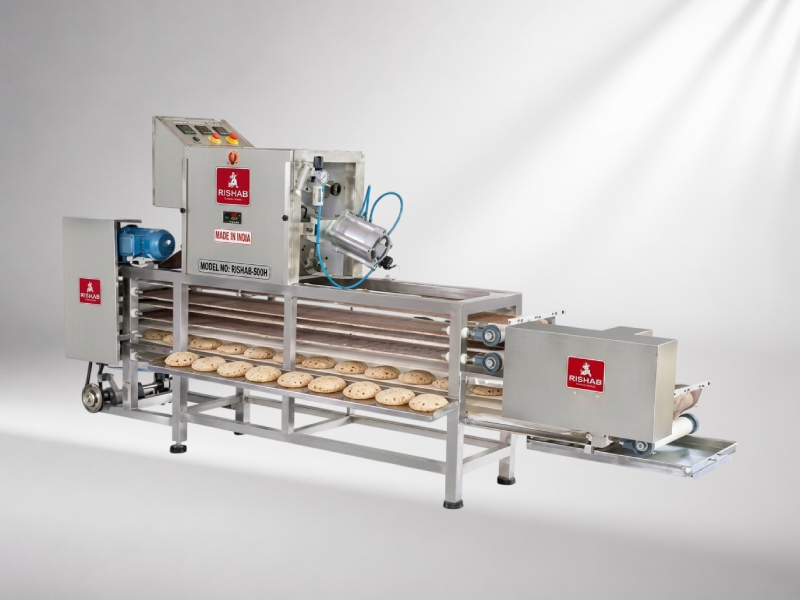
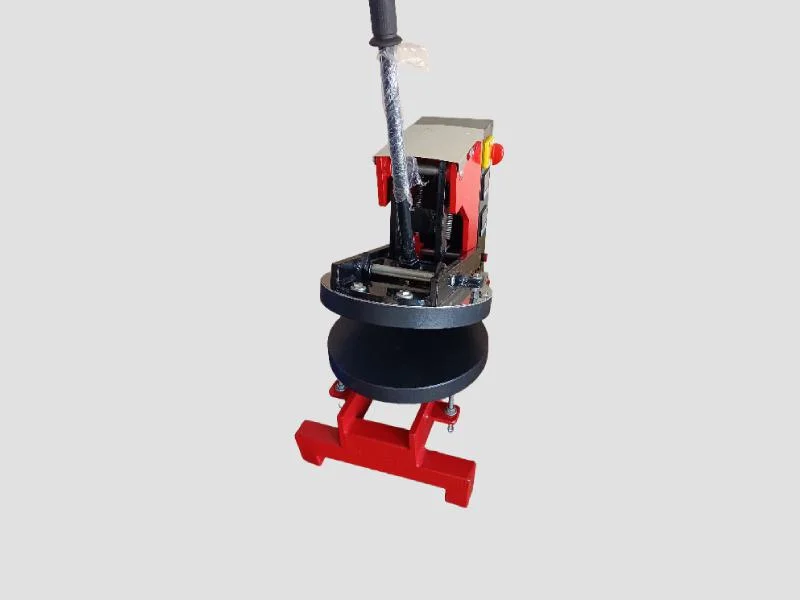
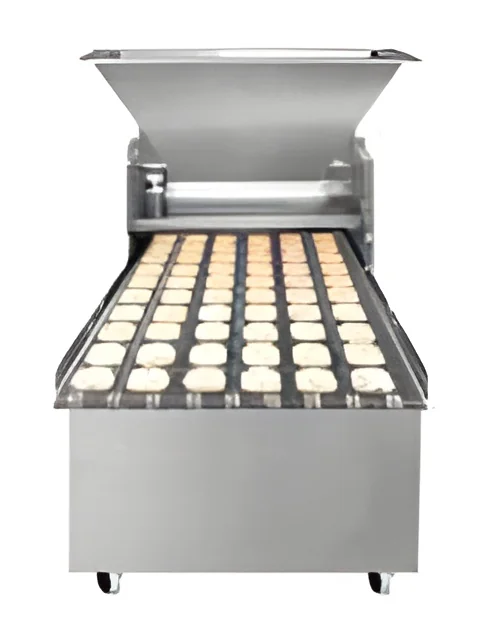
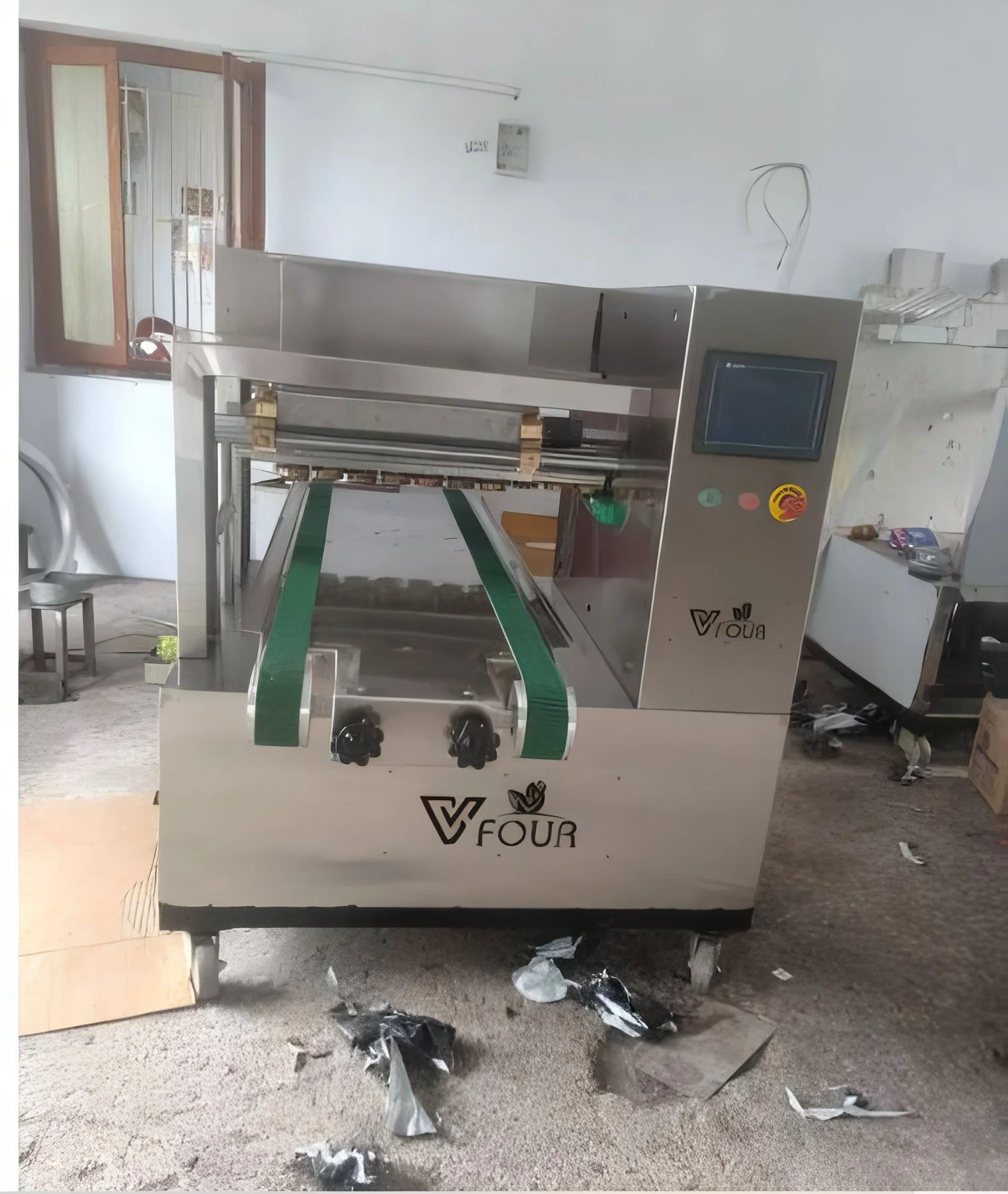
What are Biscuit Making Machines?
Biscuit making machines are specialized industrial equipment designed for the mass production of biscuits and cookies. They automate the mixing, shaping, baking, and packaging processes involved in biscuit production, allowing manufacturers to achieve high efficiency and consistency in product quality. These machines are engineered to handle various dough types and can produce different biscuit shapes and sizes, catering to diverse market demands.
The primary uses of biscuit making machines include commercial baking operations, food processing industries, and large-scale catering services. Businesses utilize these machines to streamline their production processes, reduce labor costs, and ensure uniformity in their products. As the demand for baked goods continues to grow globally, these machines play a critical role in meeting consumer needs while maintaining production standards.
In the context of the industrial market, biscuit making machines are increasingly relevant as they contribute to food safety, quality assurance, and operational efficiency. With the rise of automation in food processing, these machines are essential for businesses aiming to enhance productivity and maintain competitive pricing. The market is continuously evolving, driven by technological advancements and shifts in consumer preferences towards healthier and diverse snacking options.
Key Features and Specifications
Biscuit making machines come with various features designed to enhance production efficiency and product quality. Understanding these specifications is crucial for businesses looking to invest in the right equipment.
Key specifications include:
1. Mixing Capacity
- Typically ranges from 50 kg to 500 kg per batch
- Determines the volume of dough that can be processed at one time
2. Production Speed
- Can reach speeds of 200 to 800 biscuits per minute
- Influences the overall output and efficiency of the production line
3. Baking Temperature Control
- Adjustable temperature settings from 150°C to 250°C
- Ensures proper baking of different biscuit types
4. Energy Efficiency
- Energy consumption rates typically range from 10 kW to 30 kW
- Important for minimizing operational costs
5. Automation Level
- Varies from semi-automatic to fully automatic systems
- Affects labor requirements and operational complexity
6. Size and Footprint
- Dimensions can vary significantly based on production capacity
- Important for fitting into existing production spaces
7. Maintenance Requirements
- Designed for easy access to components for cleaning and repairs
- Reduces downtime and enhances productivity
8. Material Construction
- Typically made from stainless steel for durability and hygiene
- Ensures compliance with food safety standards
In summary, selecting the right biscuit making machine involves understanding these key features and specifications to align with production needs and business objectives.
Common Applications and Use Cases
Biscuit making machines are utilized across various industries, catering to different production requirements.
1. Bakery Industry: These machines are essential in commercial bakeries for producing a wide range of biscuits, cookies, and snacks, ensuring consistent quality and high output.
2. Food Processing: Manufacturers in the food processing sector use biscuit making machines to create innovative products, adapting recipes to meet consumer trends and preferences.
3. Catering Services: Large catering companies rely on these machines to prepare bulk orders of biscuits for events, ensuring timely delivery and quality control.
4. Snack Food Manufacturers: Companies focused on snack production incorporate biscuit making machines to diversify their offerings, creating unique biscuit flavors and varieties.
5. Private Label Brands: Retailers looking to develop their own biscuit brands use these machines to produce customized products that cater to specific market segments.
6. Export Businesses: Manufacturers aiming to export biscuits utilize these machines to meet international quality standards while maximizing production efficiency.
7. Health-Conscious Brands: Businesses focusing on health-oriented biscuits use these machines to create gluten-free, organic, or low-calorie options, tapping into niche markets.
Product Variants and Subcategories
Biscuit making machines are available in various models and configurations to suit different production needs.
Automatic Biscuit Making Machine
This variant features full automation, reducing labor needs while increasing production speed. It is ideal for large-scale manufacturers looking to maximize efficiency and output.
Semi-Automatic Biscuit Making Machine
This type requires some manual intervention during the process but offers flexibility for smaller businesses. It balances cost-effectiveness with decent production capabilities.
Continuous Biscuit Baking Oven
Designed for high-volume production, this oven type integrates seamlessly with biscuit making machines to provide consistent baking temperatures and times.
Dough Mixer
While not a full biscuit making machine, this equipment is essential in the production line. It ensures proper mixing of ingredients for consistent dough quality.
Benefits and Advantages
Investing in biscuit making machines offers several advantages that enhance production capabilities.
1. Increased Production Efficiency: These machines automate labor-intensive tasks, allowing businesses to produce biscuits at a higher rate with less manual effort.
2. Consistency in Quality: Automated processes ensure uniformity in biscuit size and texture, leading to a reliable final product that meets consumer expectations.
3. Cost Savings: By reducing labor costs and minimizing waste, biscuit making machines can significantly lower overall production expenses.
4. Flexibility in Production: Many machines can be adjusted for different biscuit recipes, enabling manufacturers to respond quickly to changing market demands.
5. Enhanced Food Safety: Modern biscuit making machines are designed with hygiene in mind, helping businesses comply with food safety regulations.
6. Reduced Downtime: Machines are engineered for easy maintenance, minimizing downtime and ensuring continuous production flow.
Buying Guide for B2B Buyers
When sourcing biscuit making machines, several factors should be considered to make an informed purchasing decision.
1. Quality Assessment: Evaluate the build quality and materials used in the machine. Look for manufacturers that comply with industry standards to ensure durability and reliability.
2. Supplier Verification: Conduct thorough research on potential suppliers to confirm their credibility and track record in the industry. Check for customer reviews and references.
3. Pricing and MOQ: Understand the pricing structure and minimum order quantity (MOQ) requirements. Compare quotes from different suppliers to find a competitive deal.
4. Delivery and Lead Times: Discuss logistics with suppliers to ensure timely delivery of the machines. Factor in lead times when planning your production schedule.
5. Compliance Requirements: Verify that the machines meet relevant regulatory standards and certifications, ensuring they are suitable for your operations.
Compliance and Certifications
Biscuit making machines must adhere to various quality standards and certifications to ensure safety and reliability in food production.
ISO 9001 is a common quality management standard that assures manufacturers adhere to consistent quality processes. This certification demonstrates a commitment to ongoing improvement and customer satisfaction.
HACCP (Hazard Analysis Critical Control Point) is crucial in the food industry, focusing on food safety management. Machines that comply with HACCP standards help businesses mitigate risks and ensure safe production practices.
CE certification indicates that the machine meets European safety, health, and environmental requirements. It is essential for manufacturers looking to export to European markets.
Testing requirements may vary by region, but generally include assessments for safety and performance standards. Businesses should stay informed about local compliance considerations to avoid regulatory issues.
Why Source Biscuit Making Machines from Pepagora?
Pepagora provides a trusted platform for sourcing biscuit making machines, offering several key advantages that benefit B2B buyers.
Verified Supplier Network: Pepagora features a robust network of verified suppliers, ensuring buyers can connect with reputable manufacturers. This helps in securing high-quality machines.
Streamlined RFQ Process: The platform simplifies the request for quotation (RFQ) process, allowing buyers to easily compare offers from multiple suppliers. This transparency fosters competitive pricing.
Trade Assurance and Support: Pepagora offers trade assurance, providing buyers with protection during transactions. Their support team is readily available to assist with any inquiries or issues that may arise.
Regional Coverage: With a focus on India, GCC, and Southeast Asia, Pepagora ensures that buyers can access a wide range of manufacturers and products, catering to diverse market needs.

 IN
IN