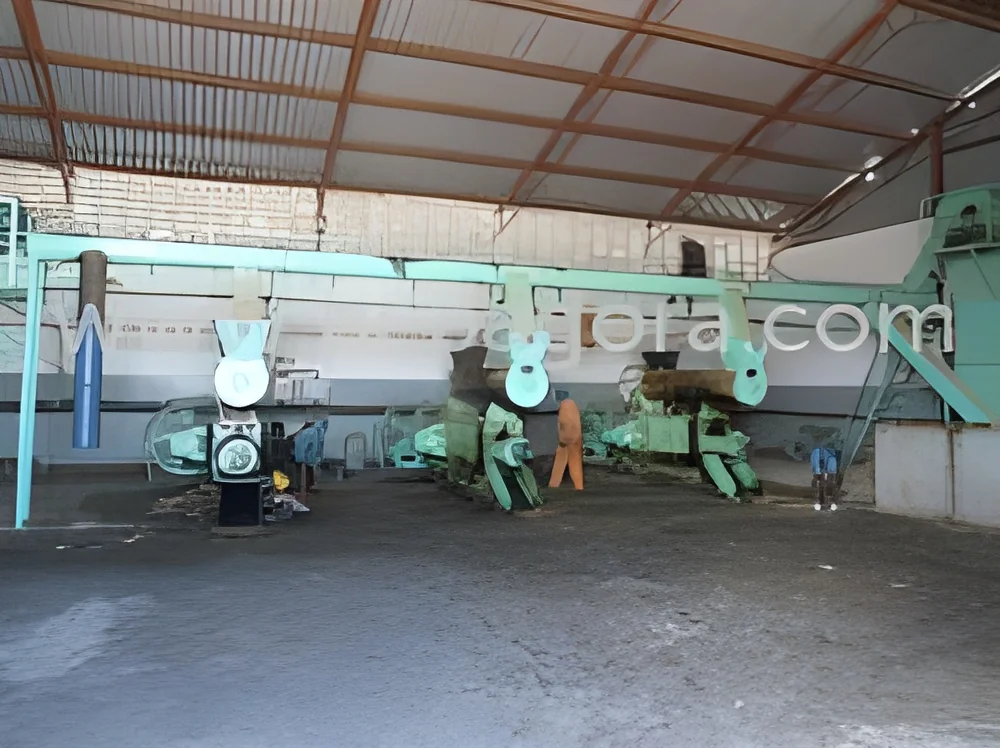
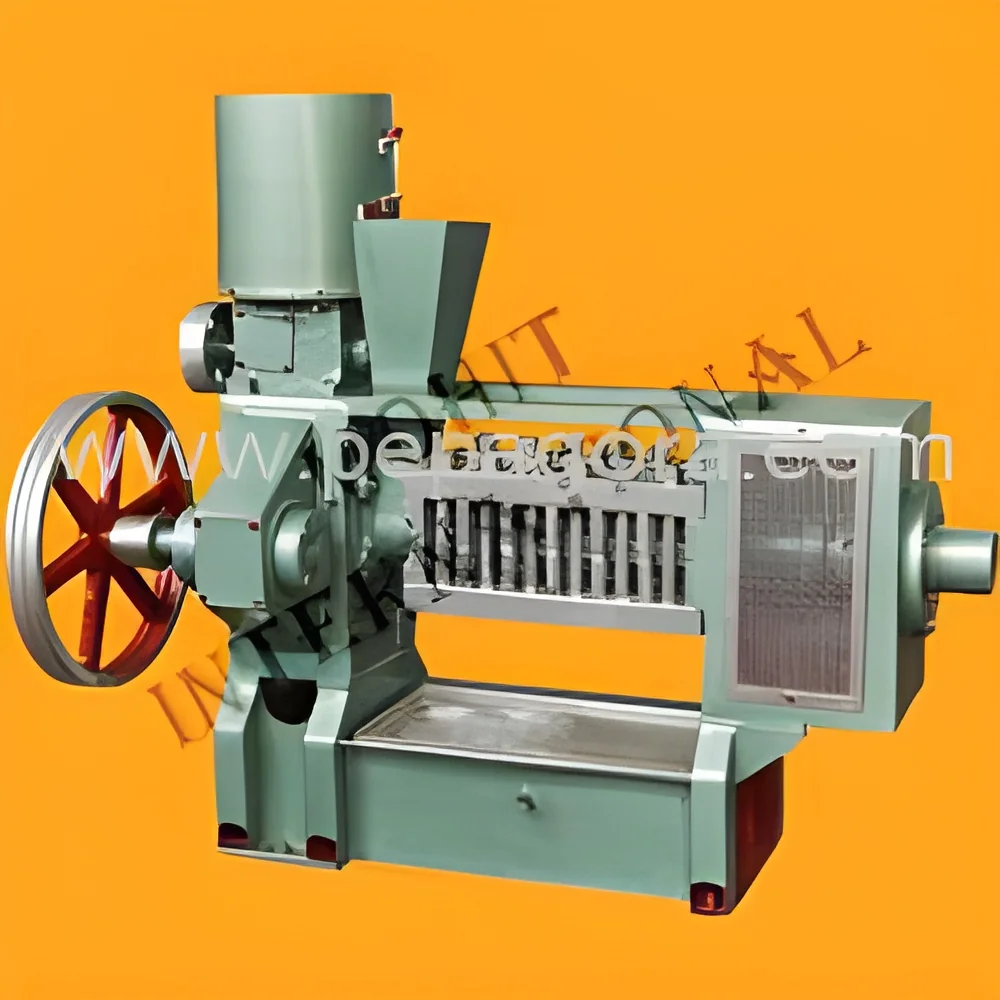
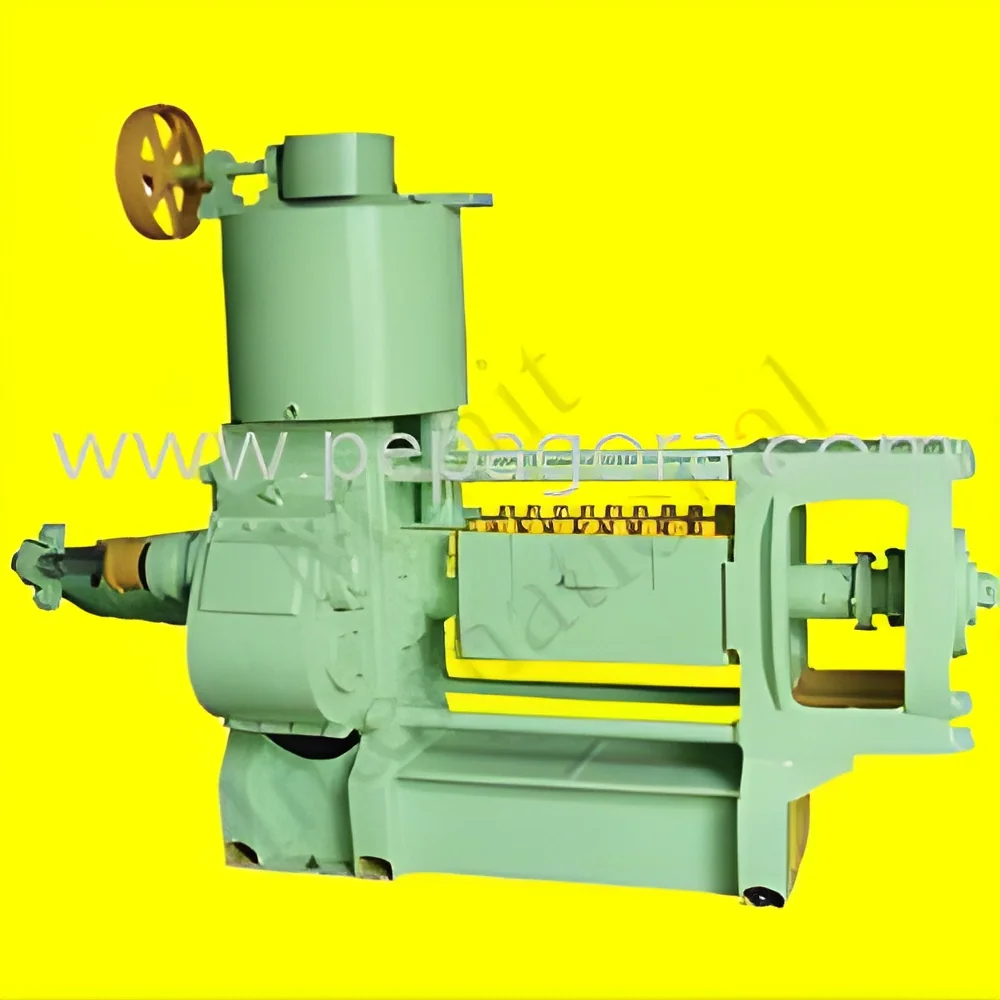
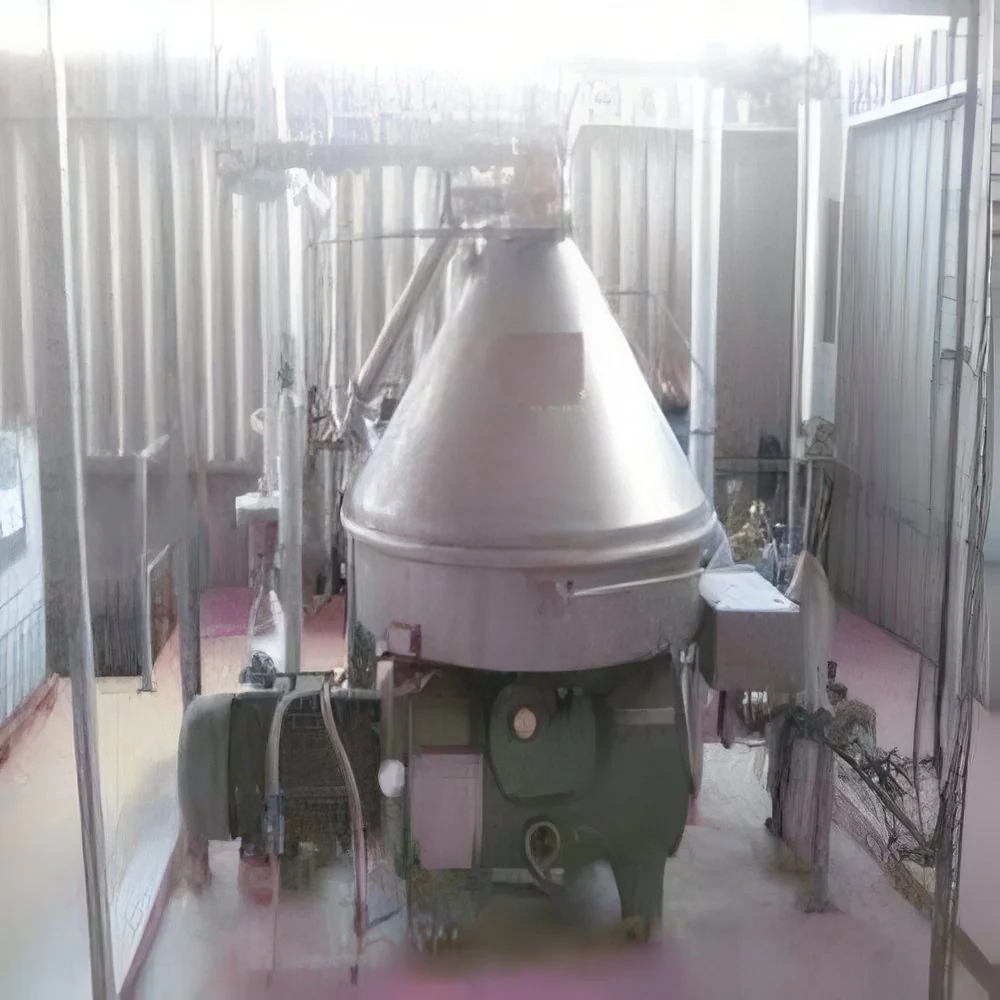
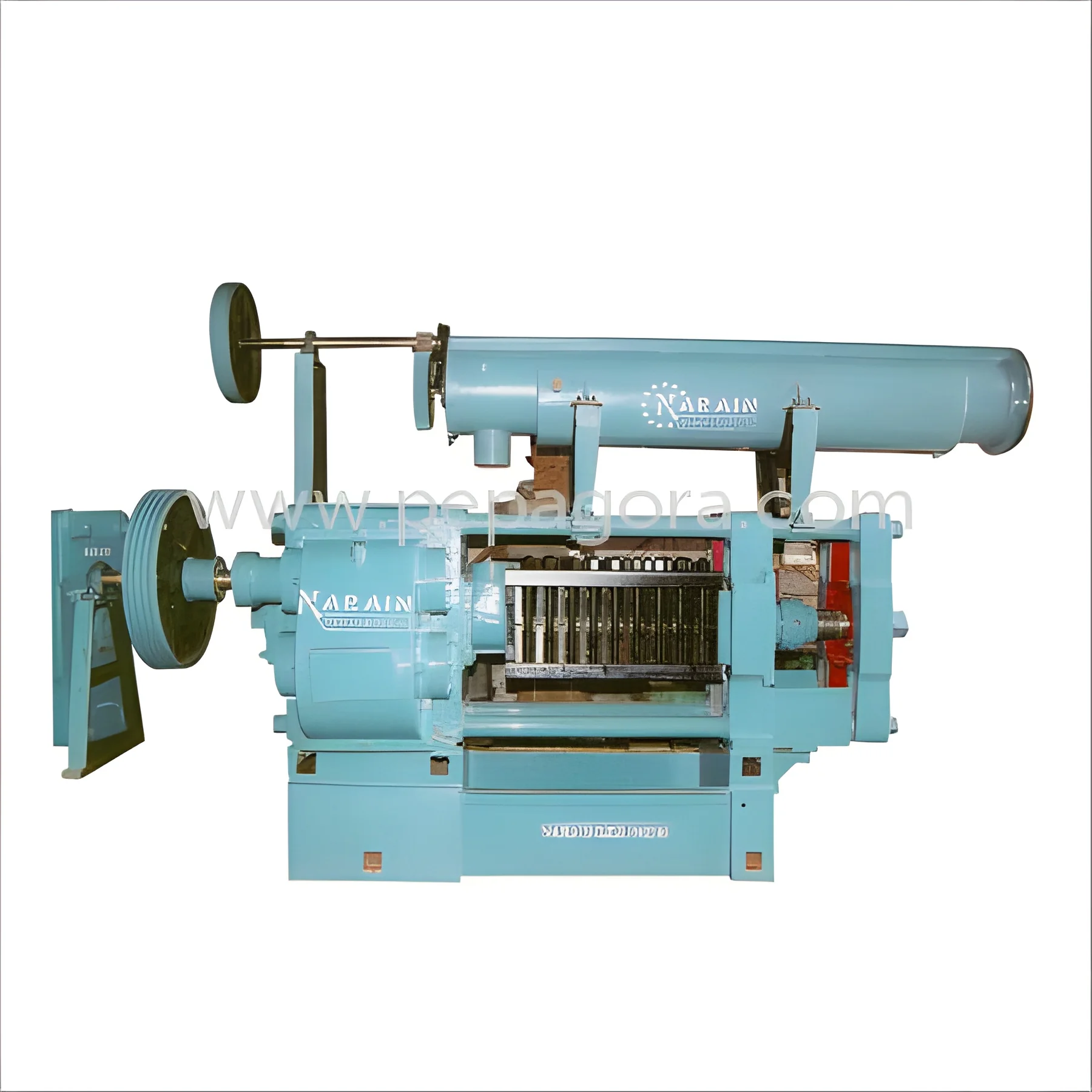
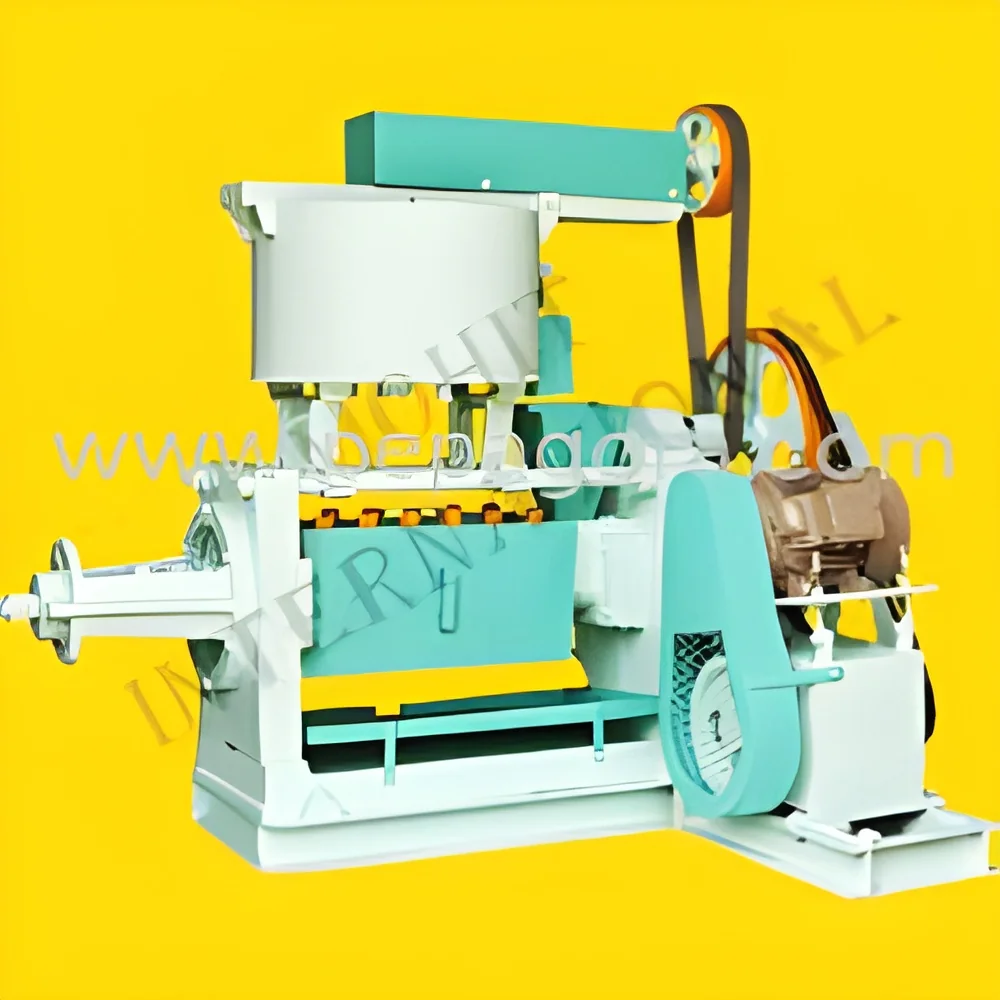
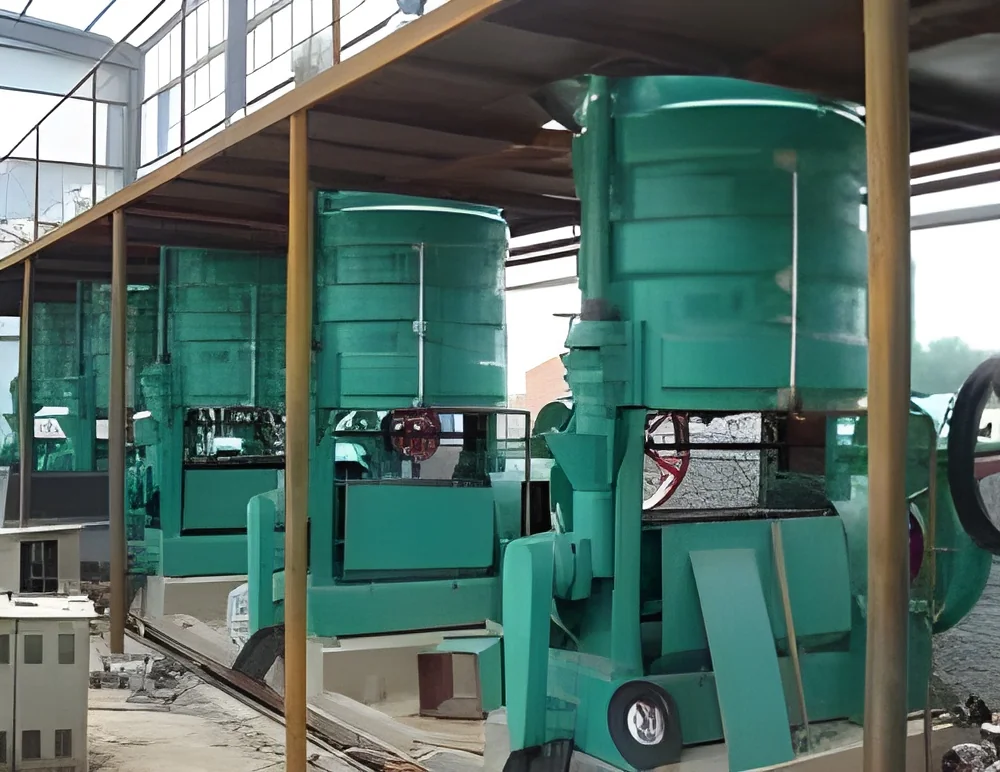
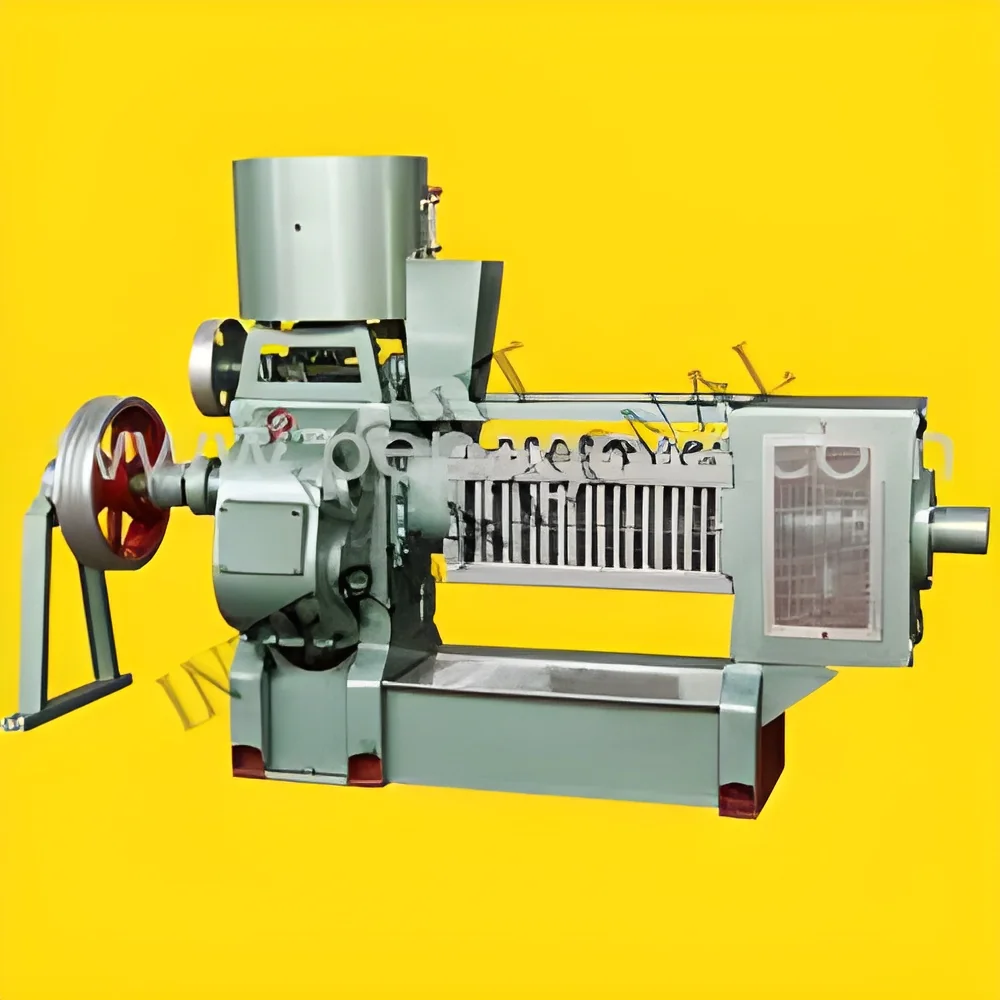
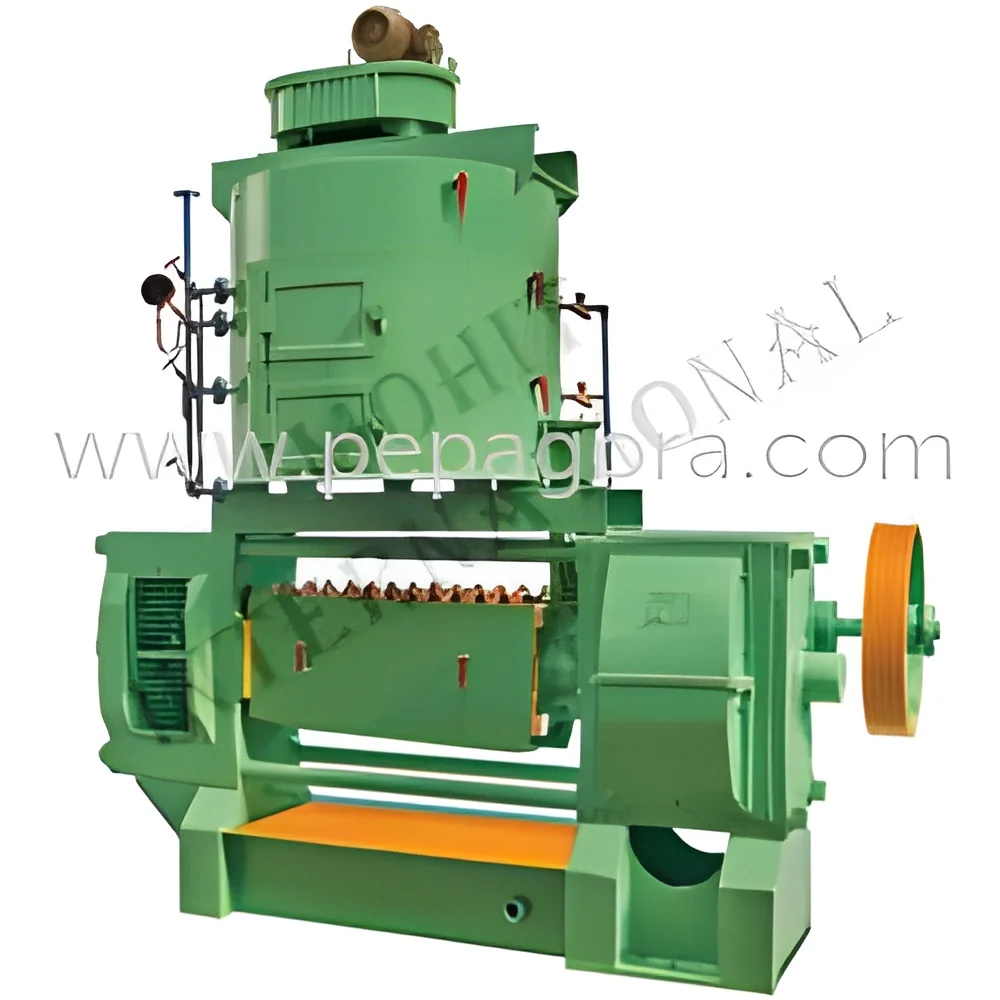
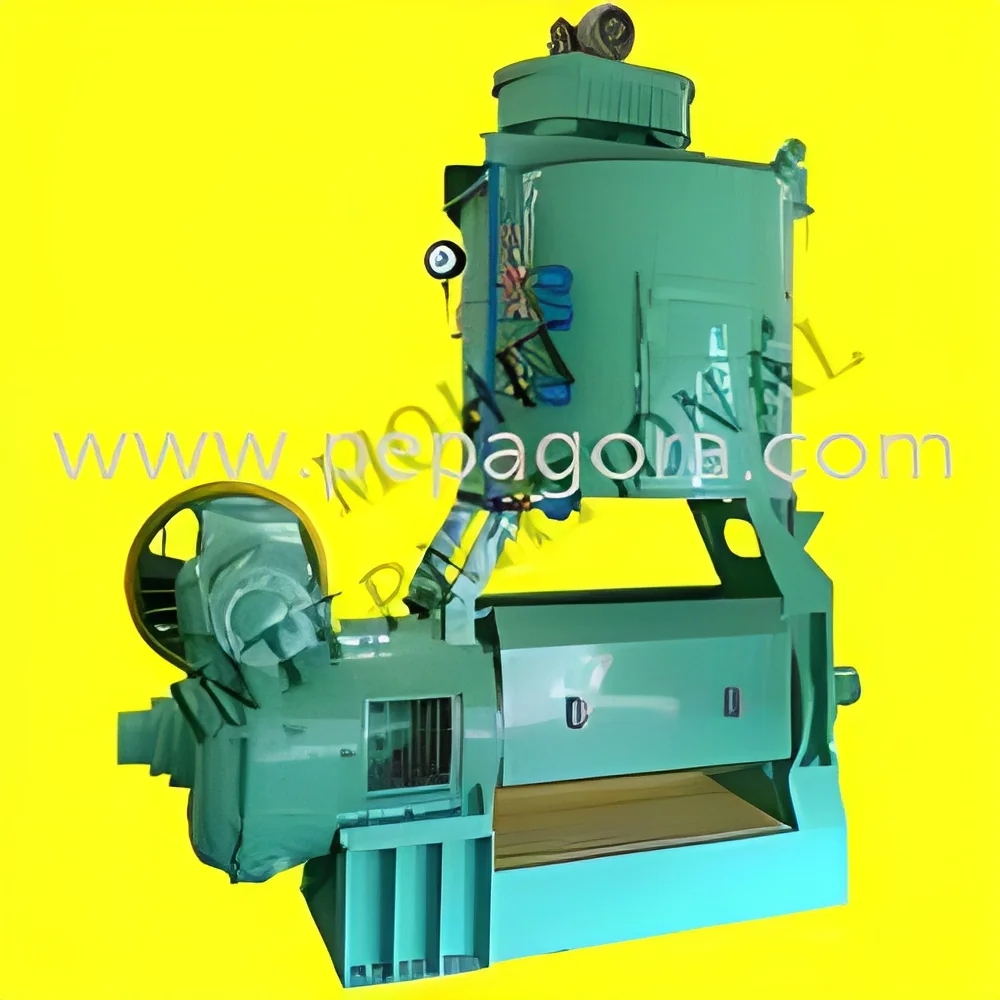
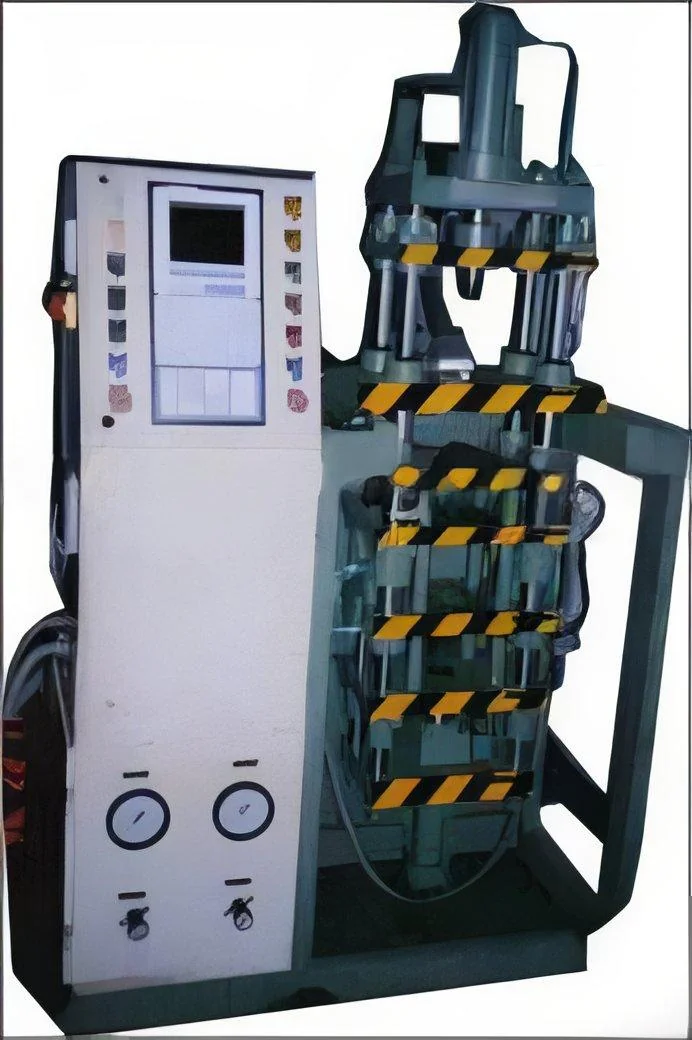
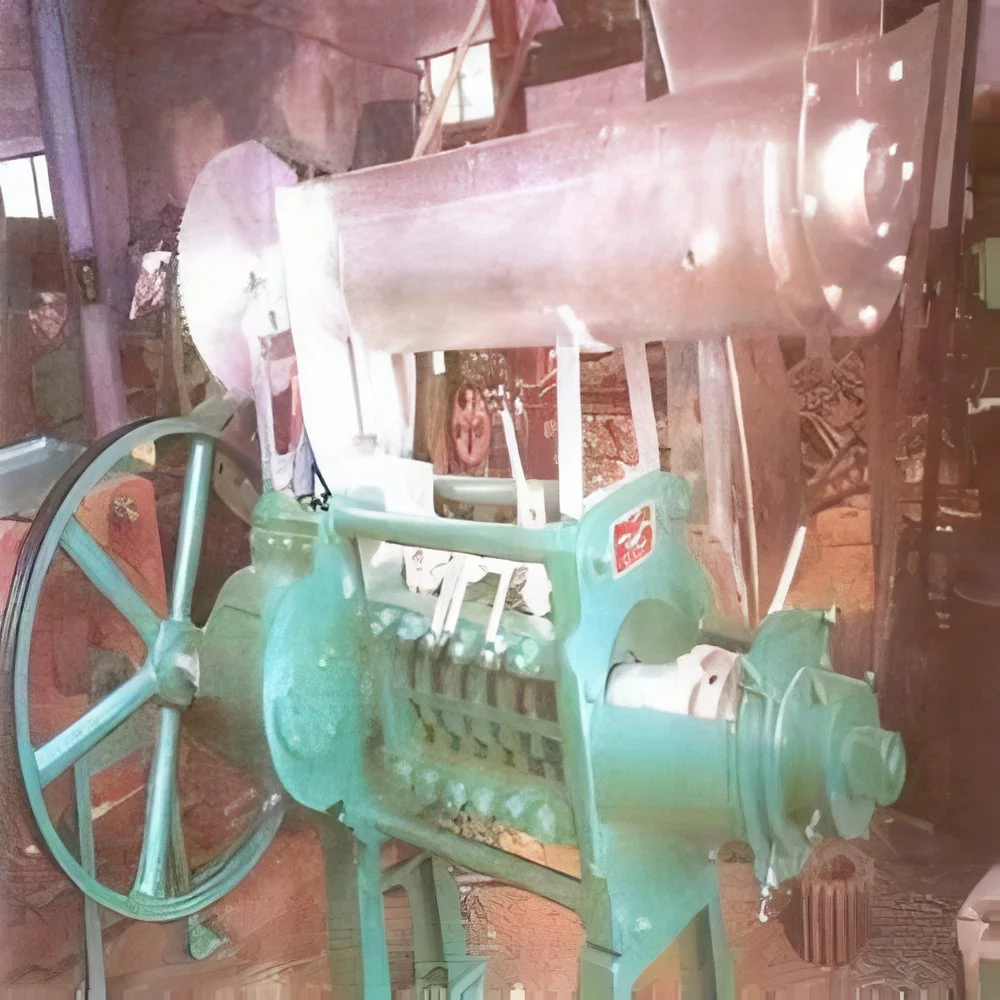
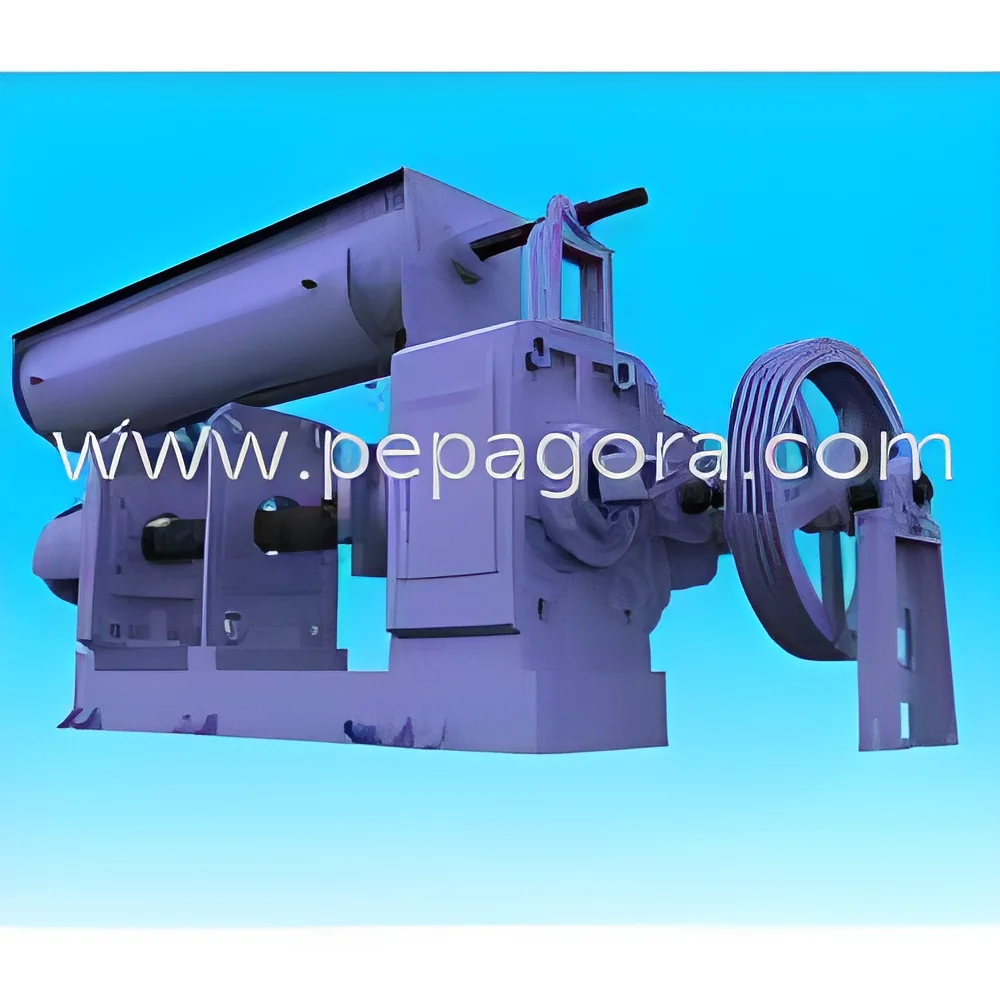
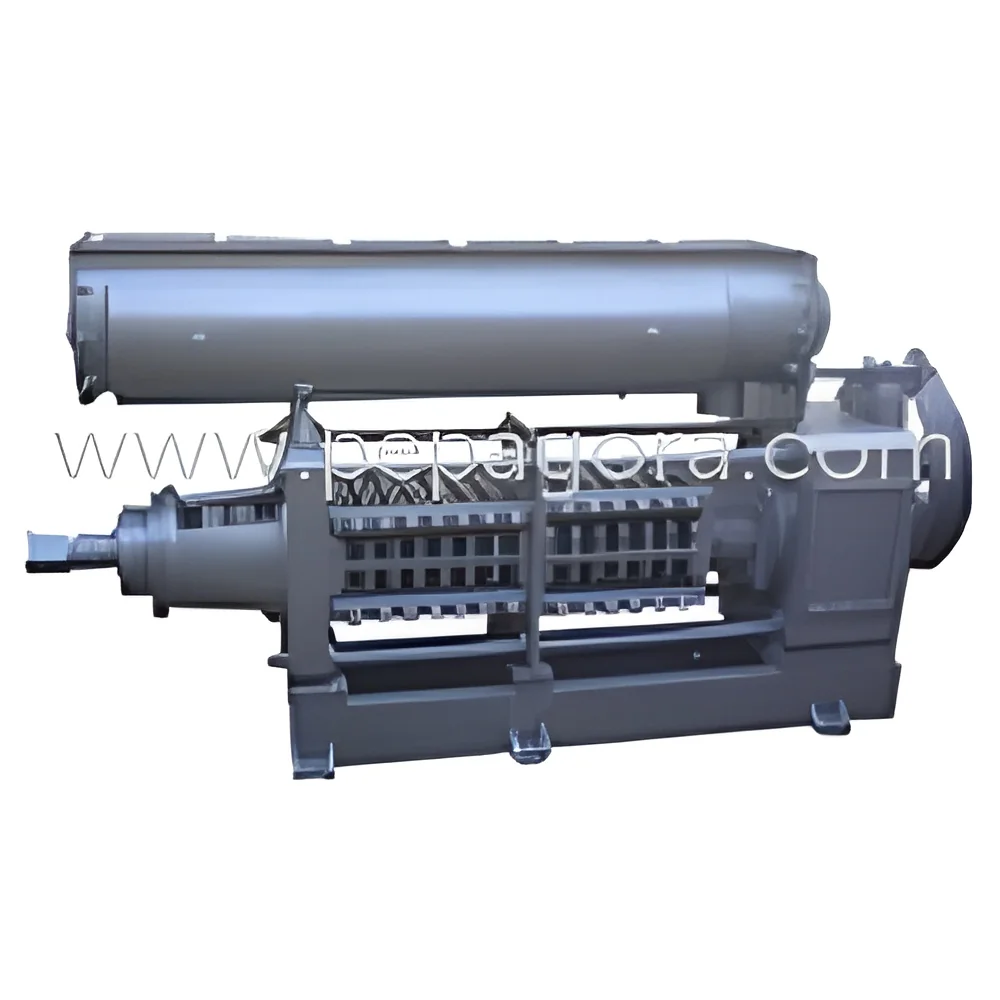
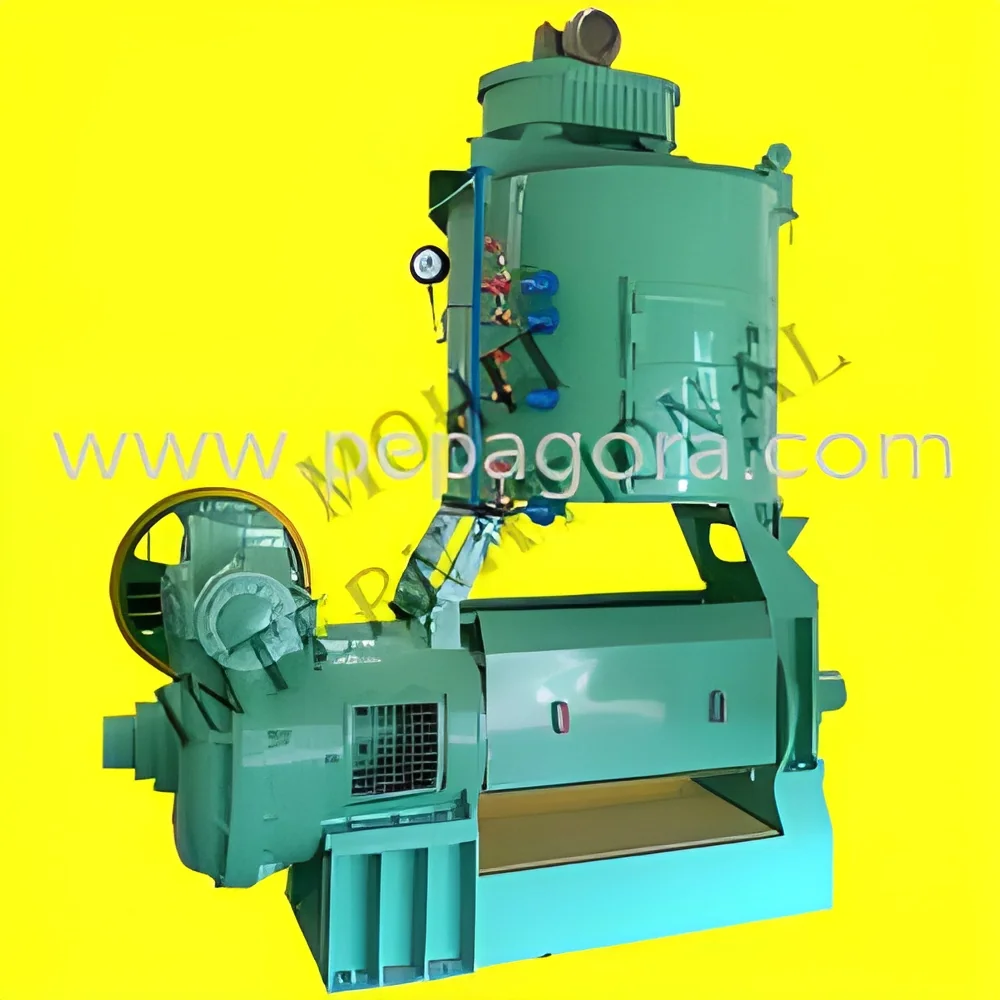
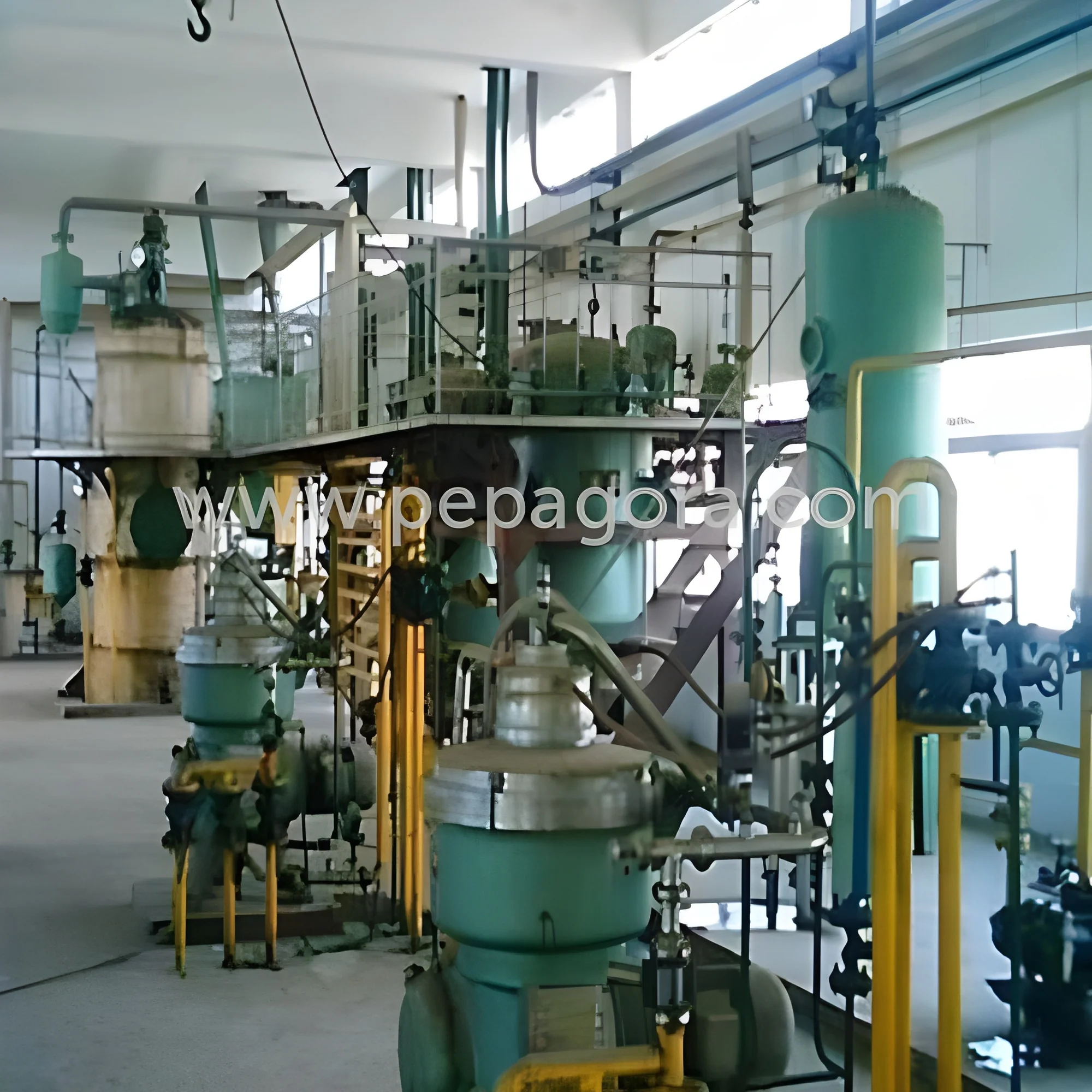
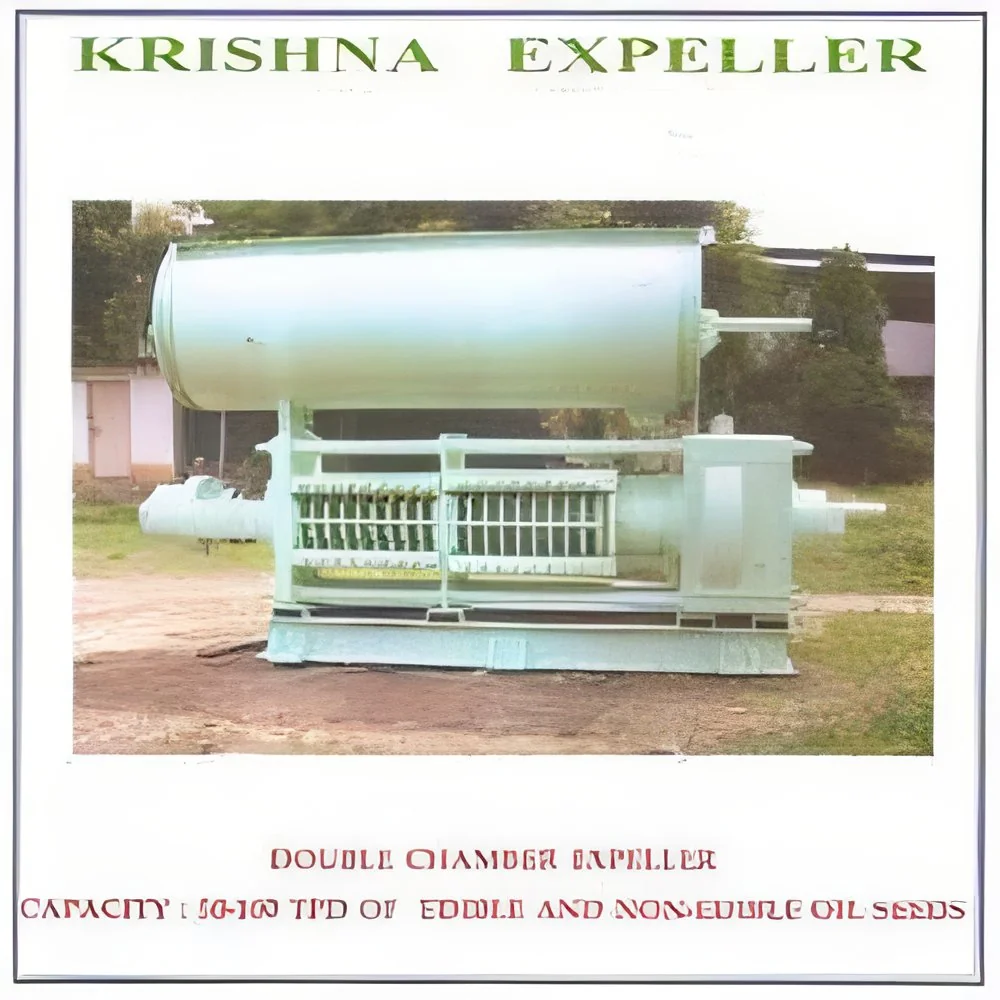
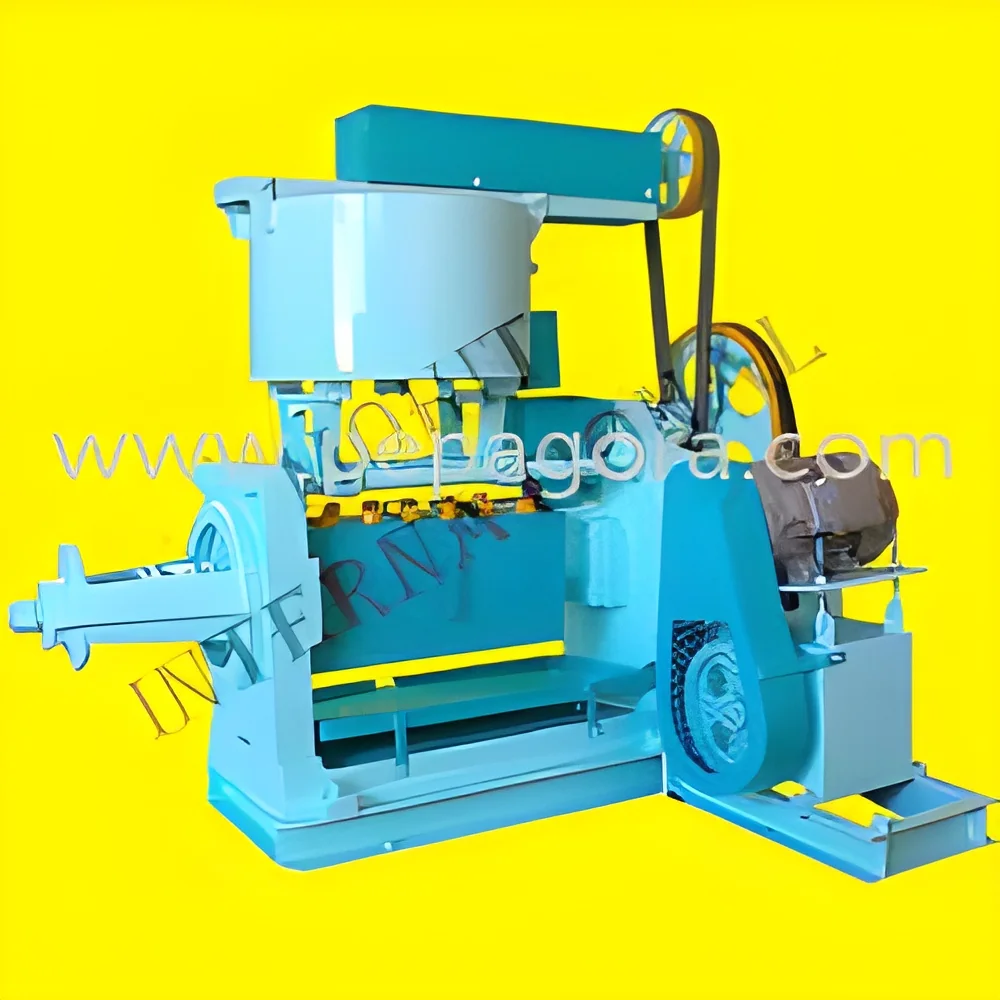
What are Oil Extraction Units?
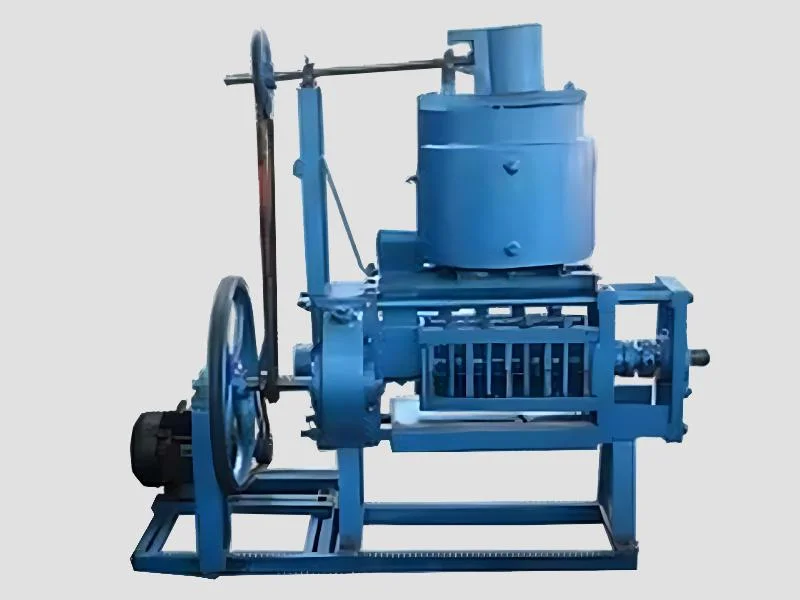
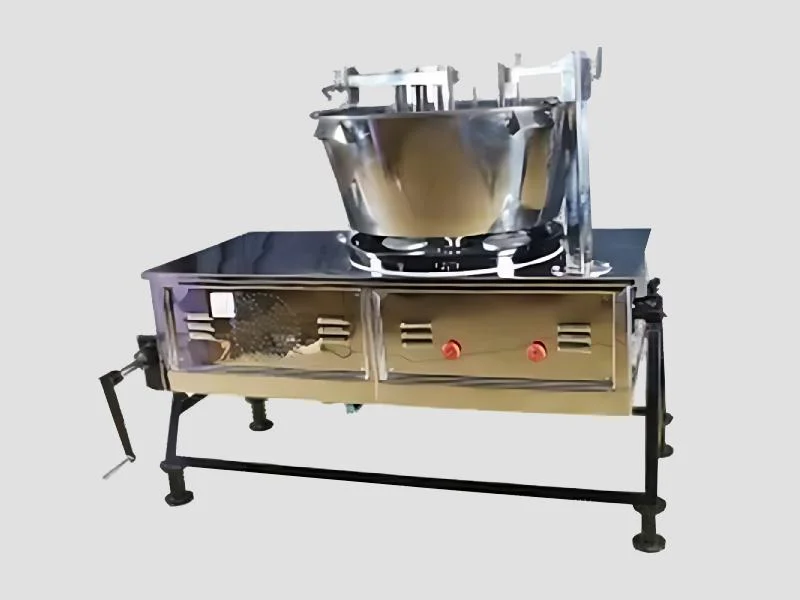
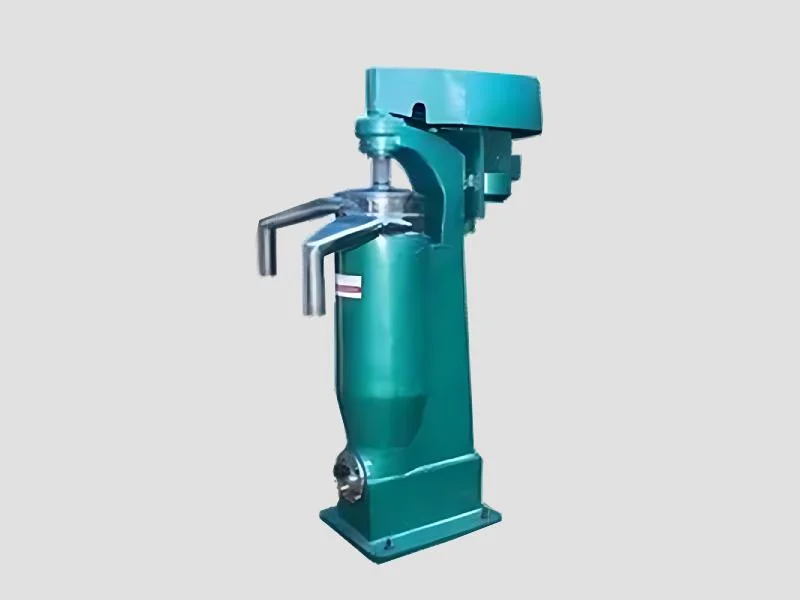
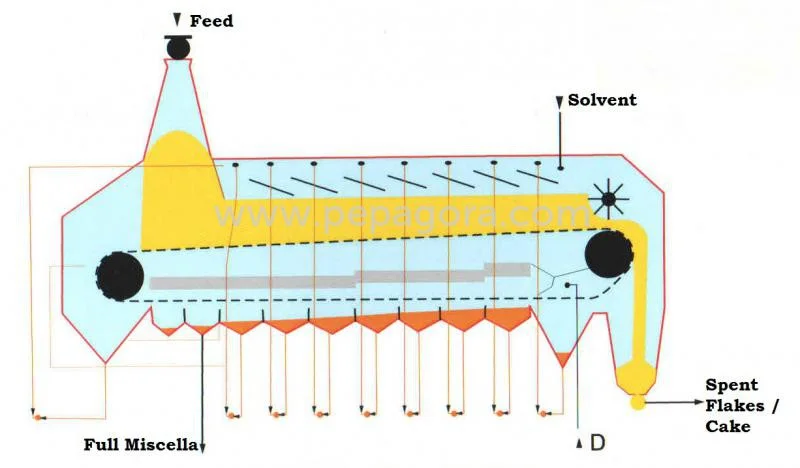
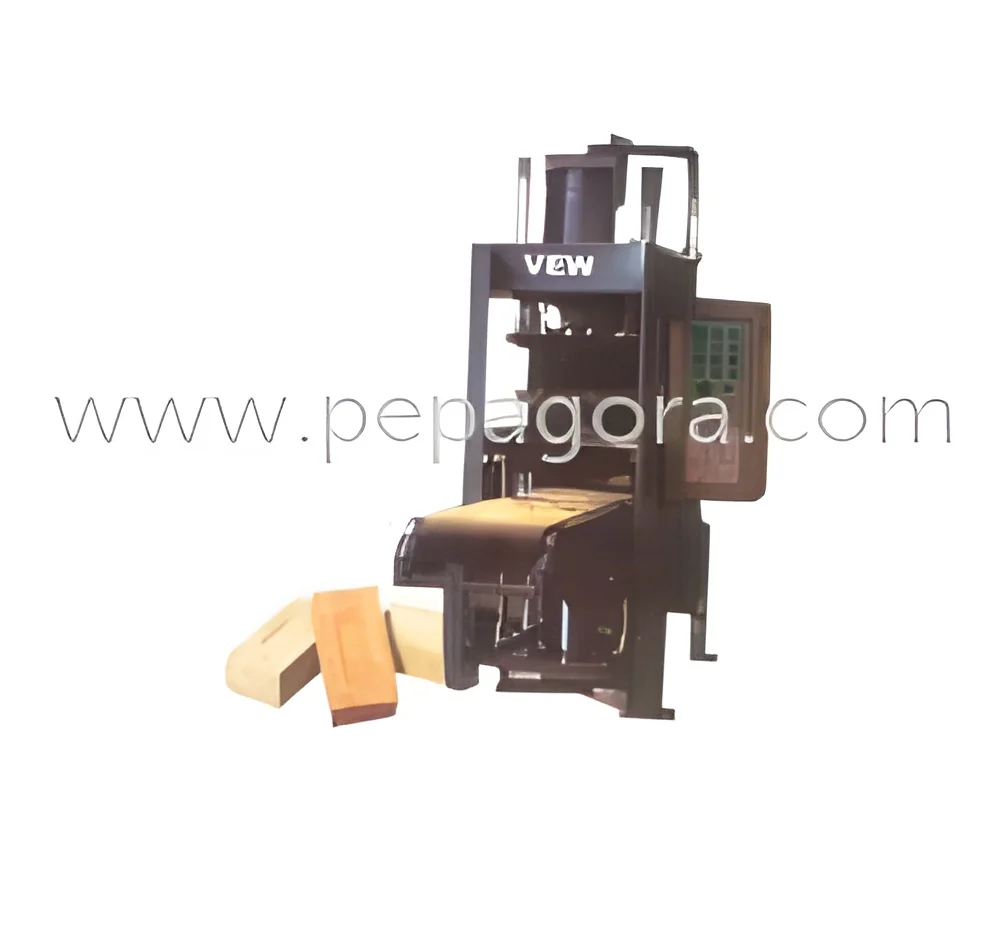
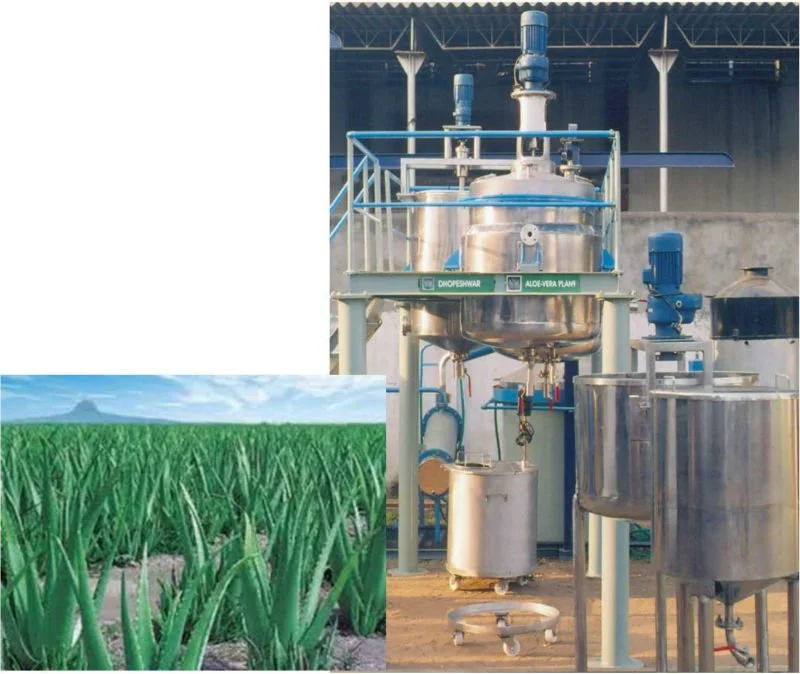
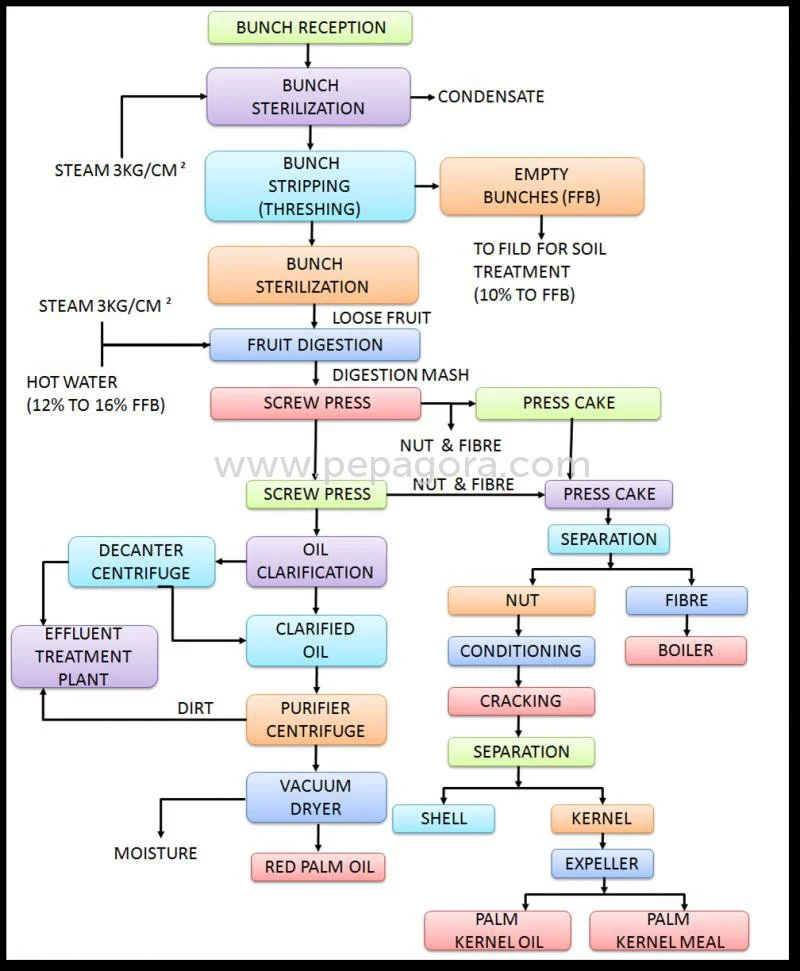
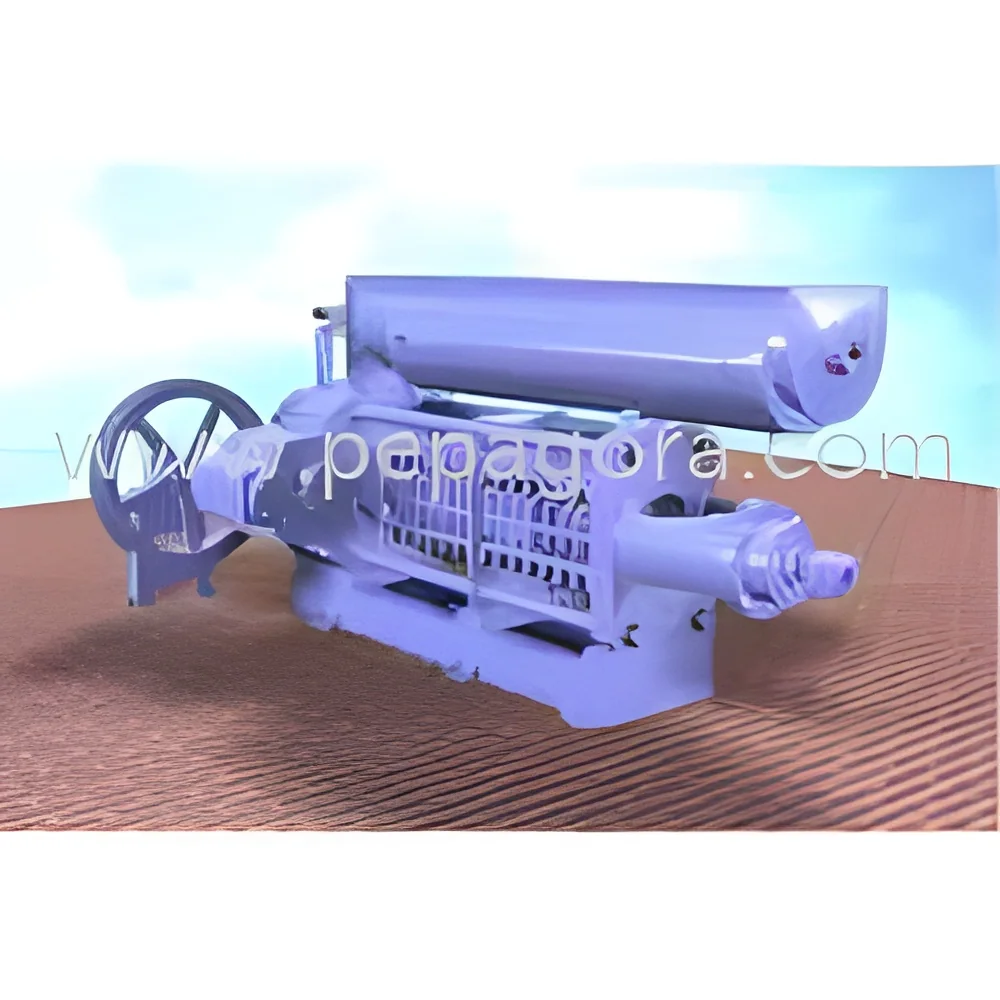
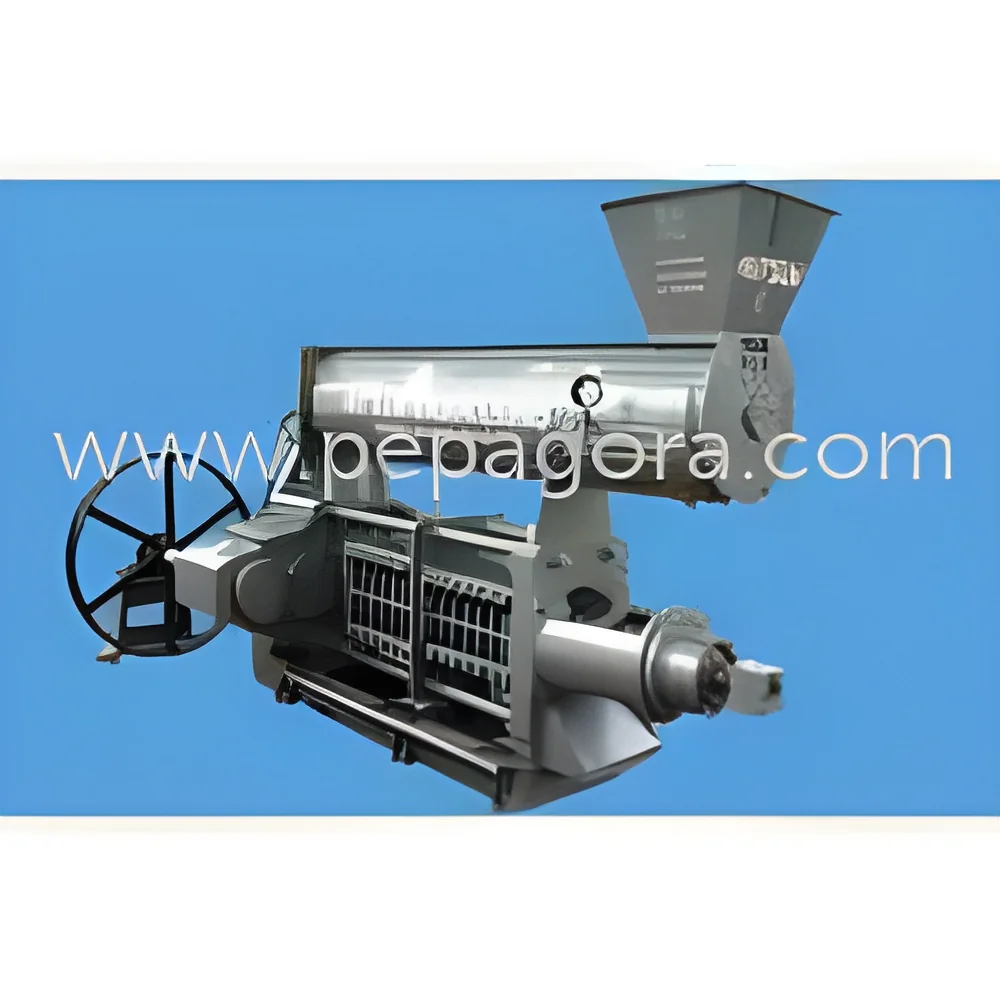
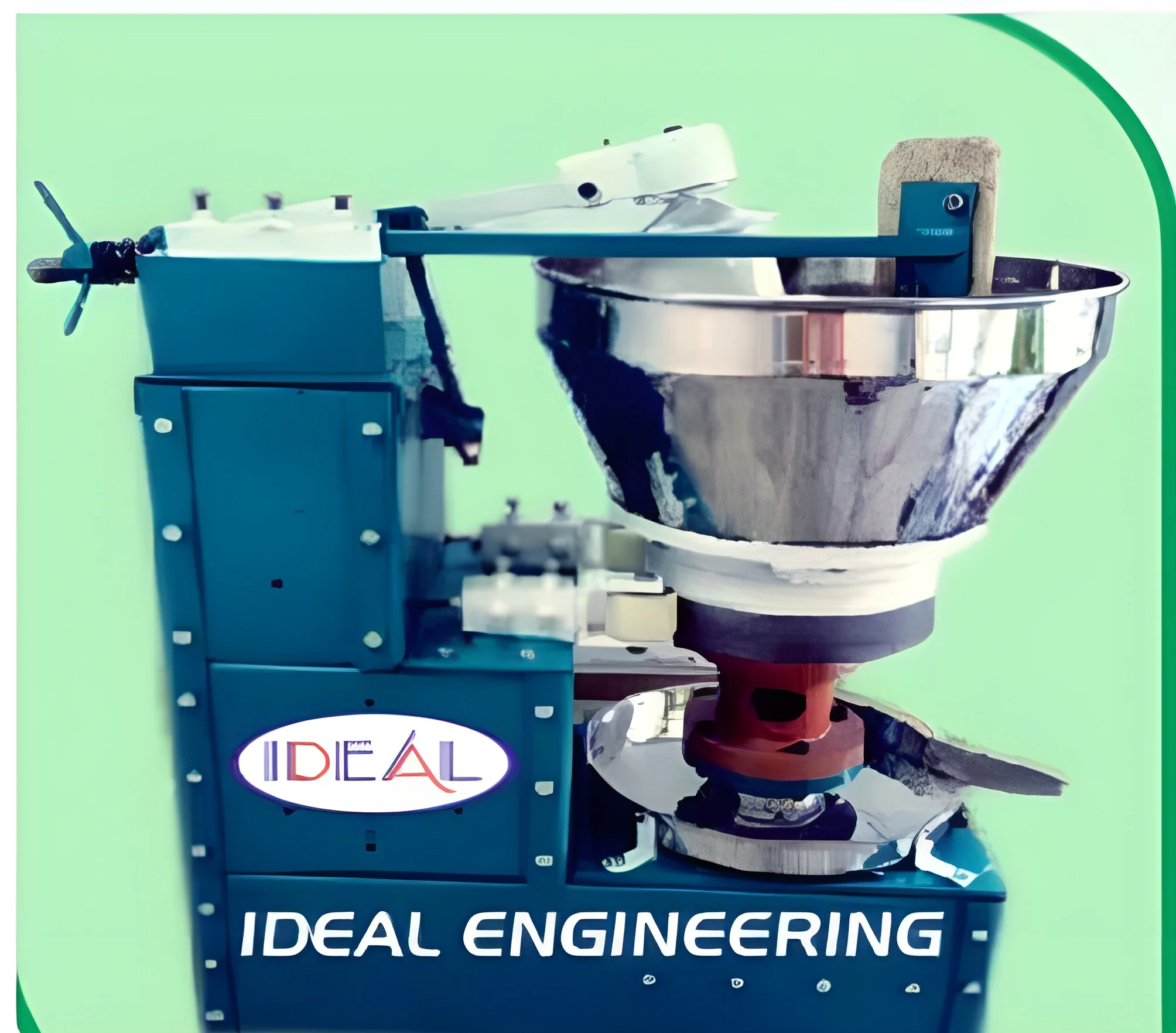
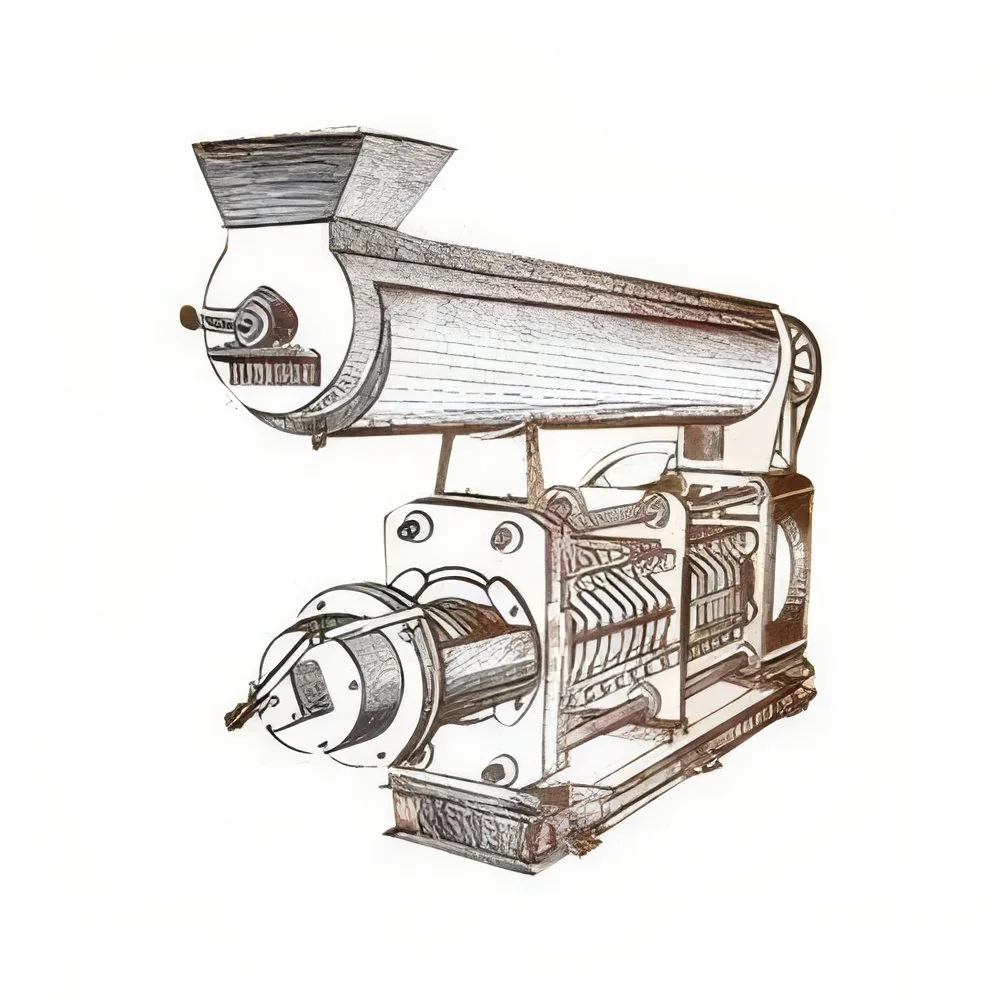
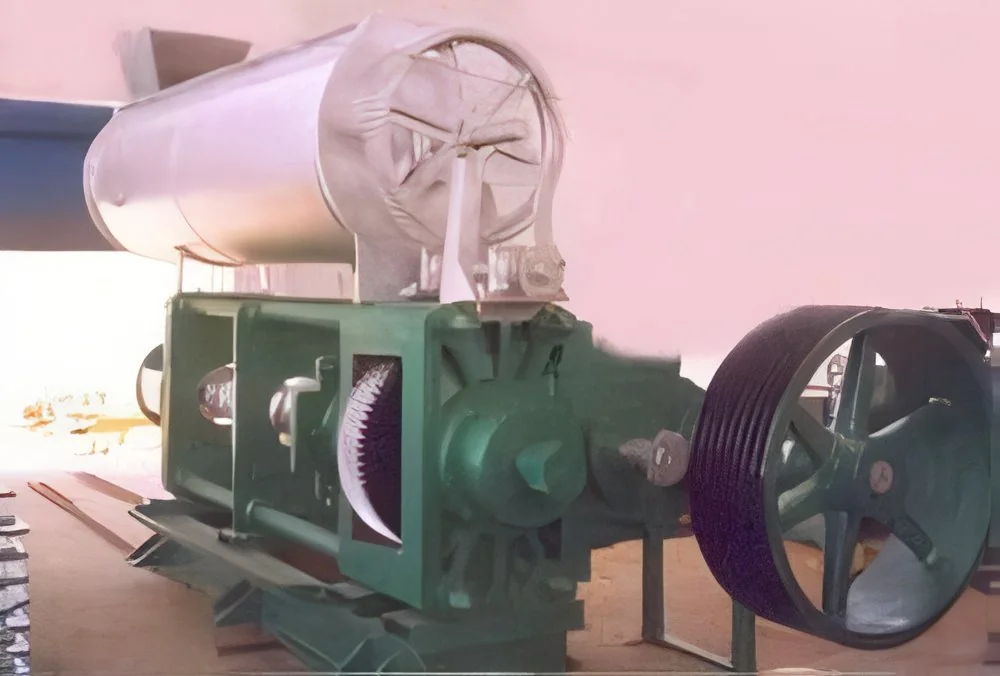
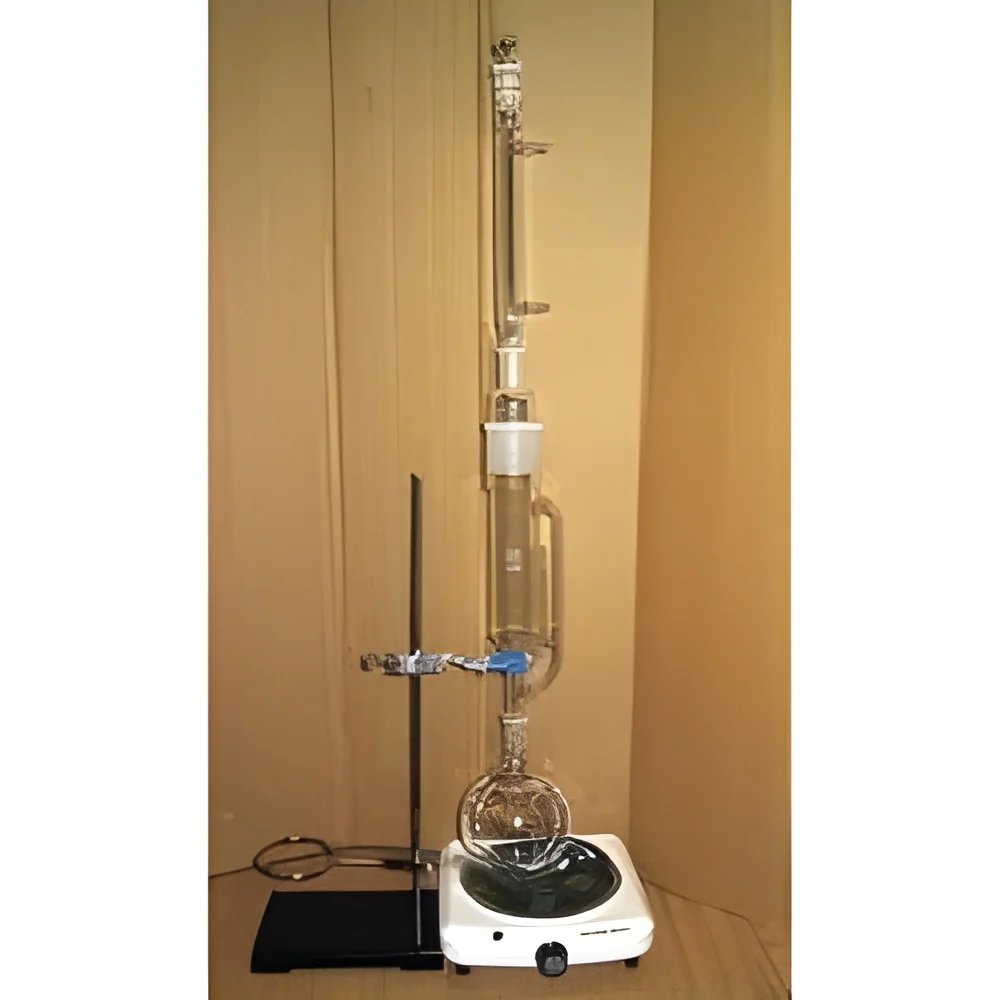
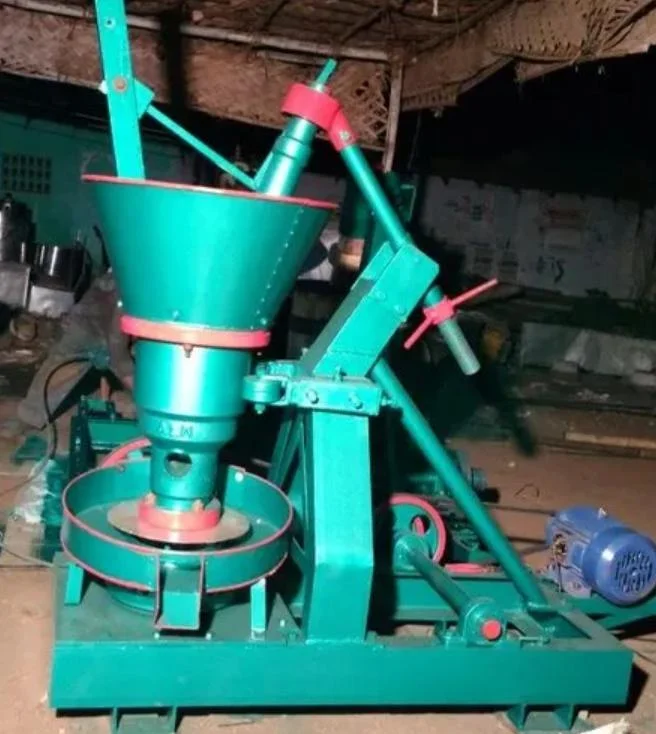
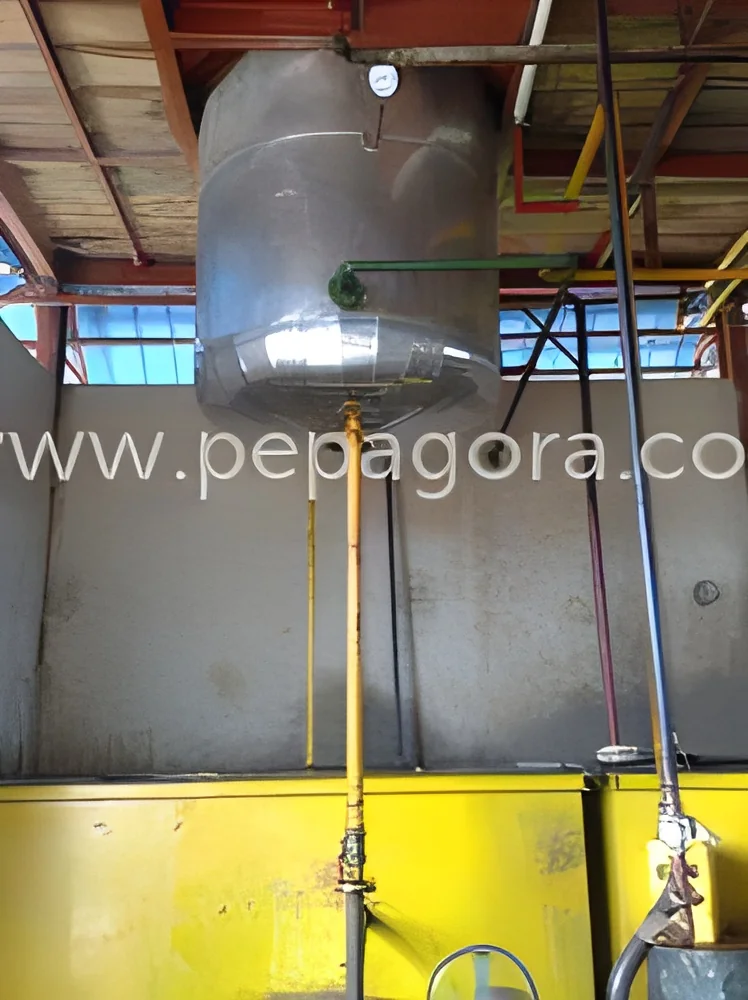
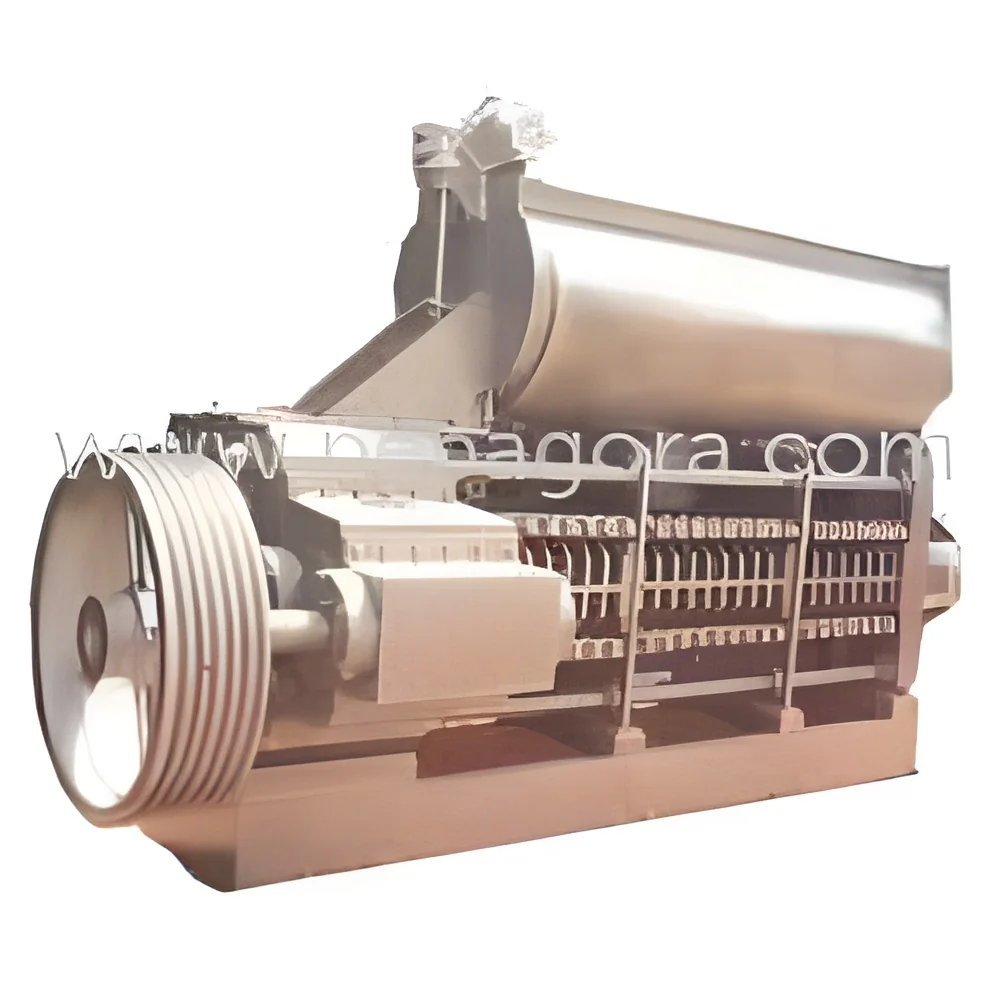
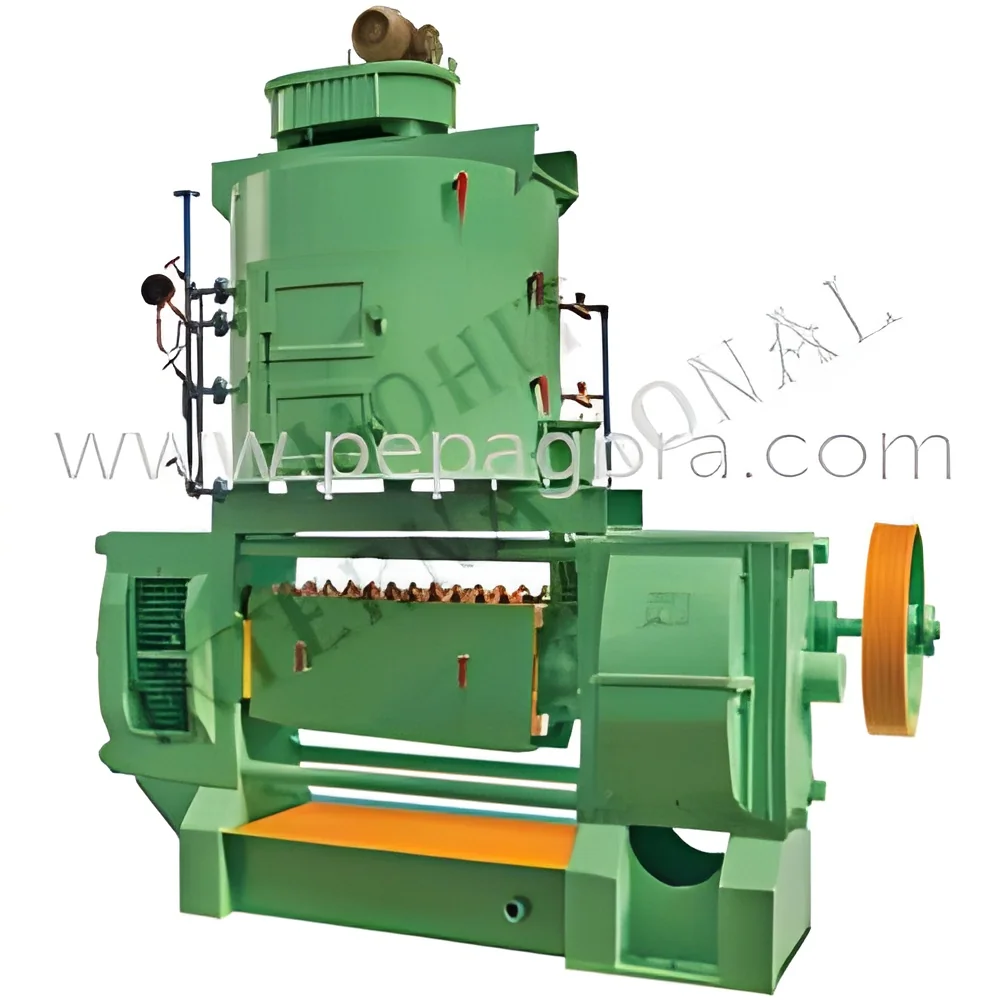
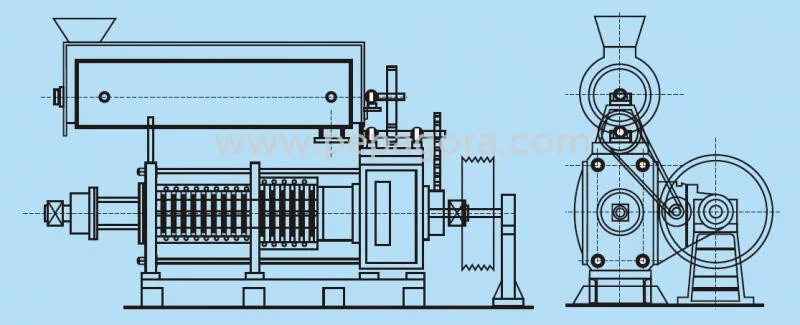
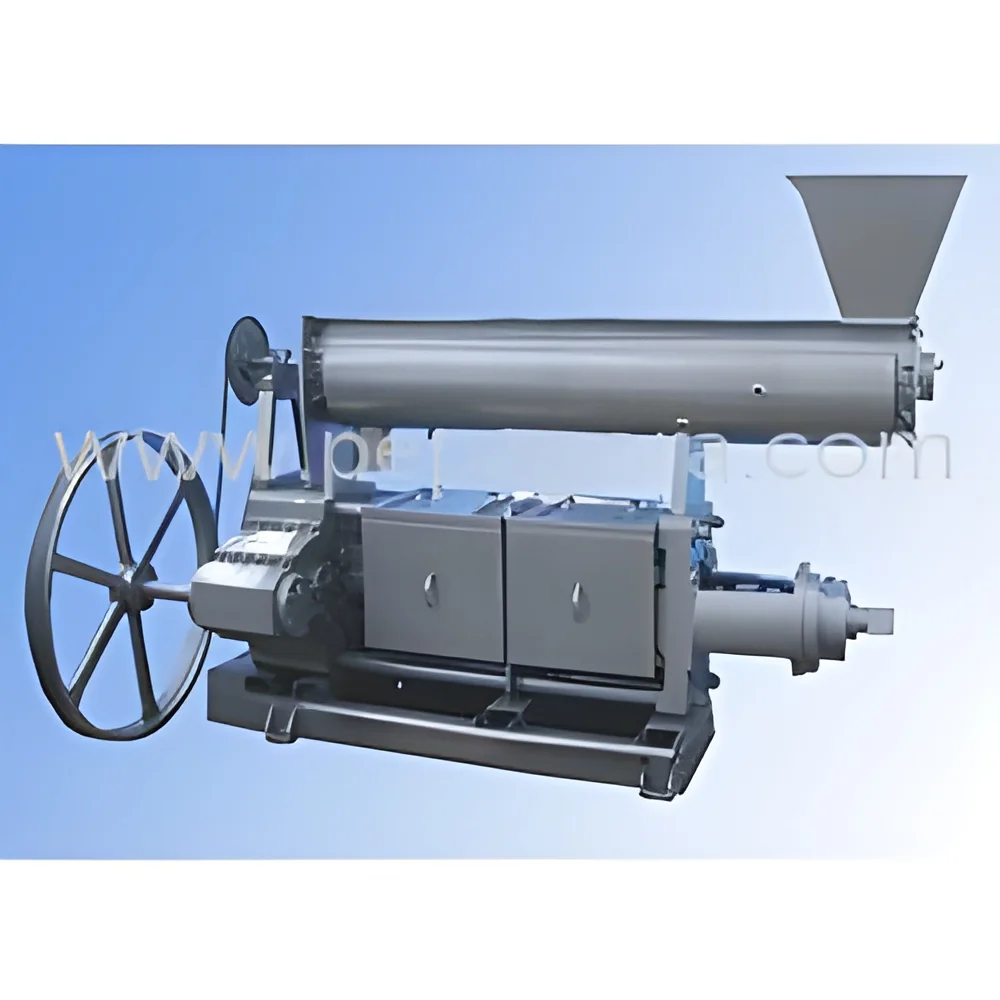
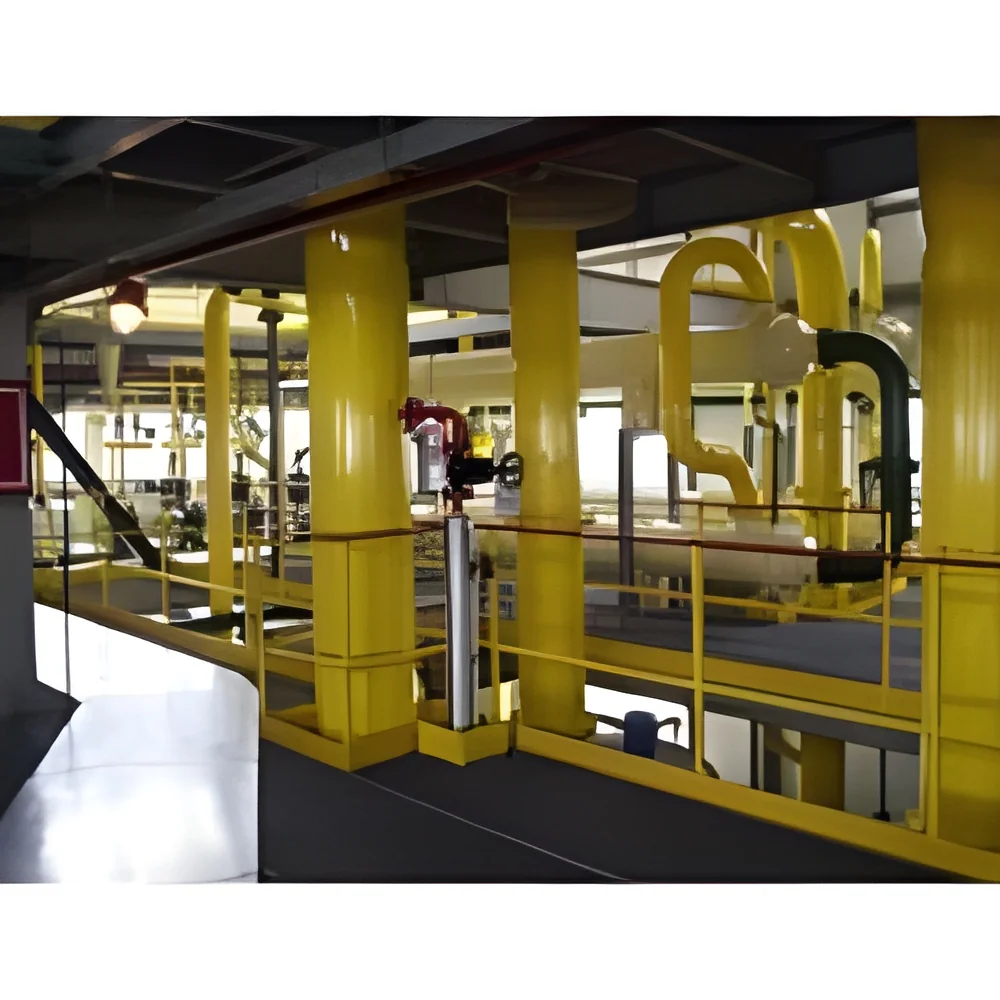
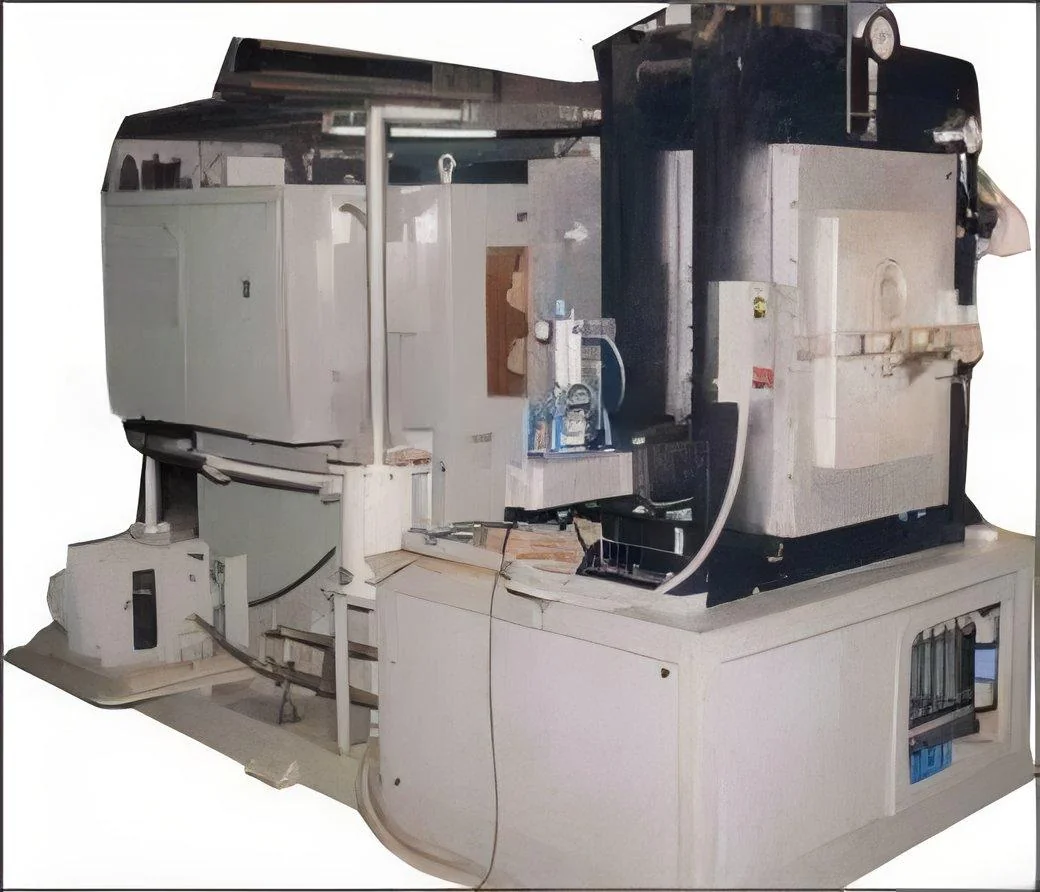
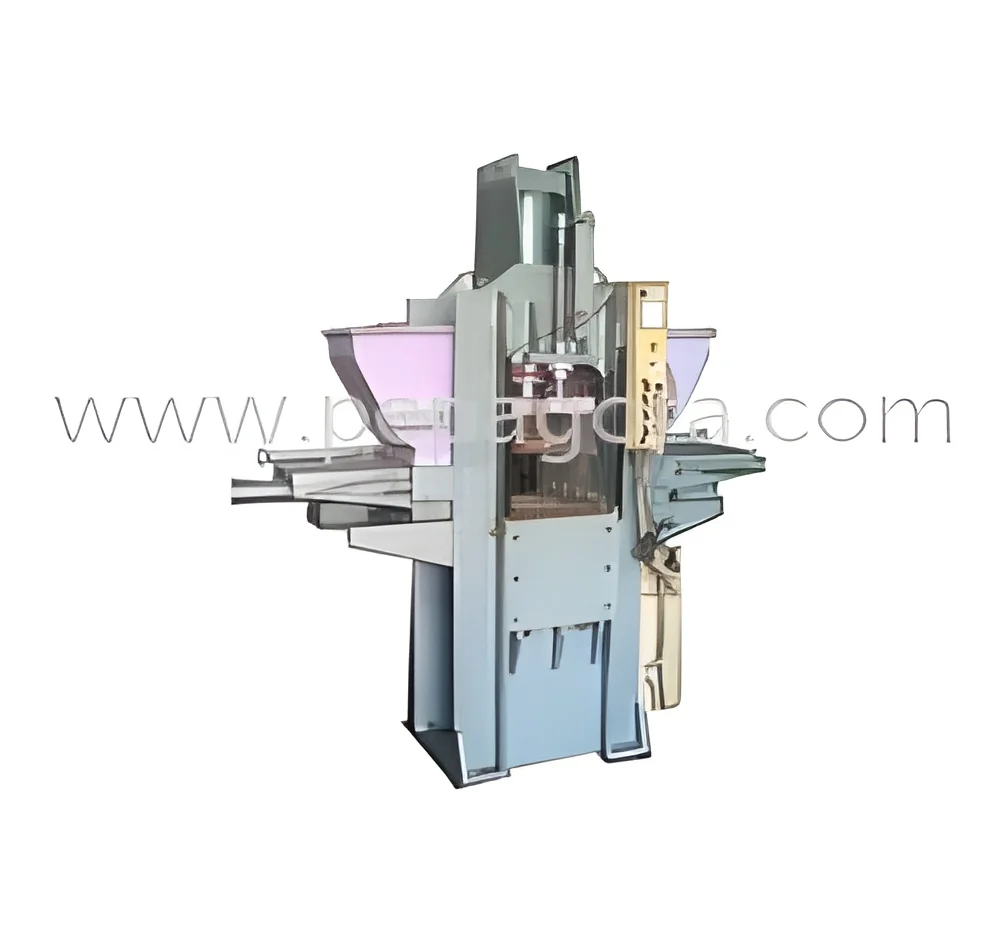
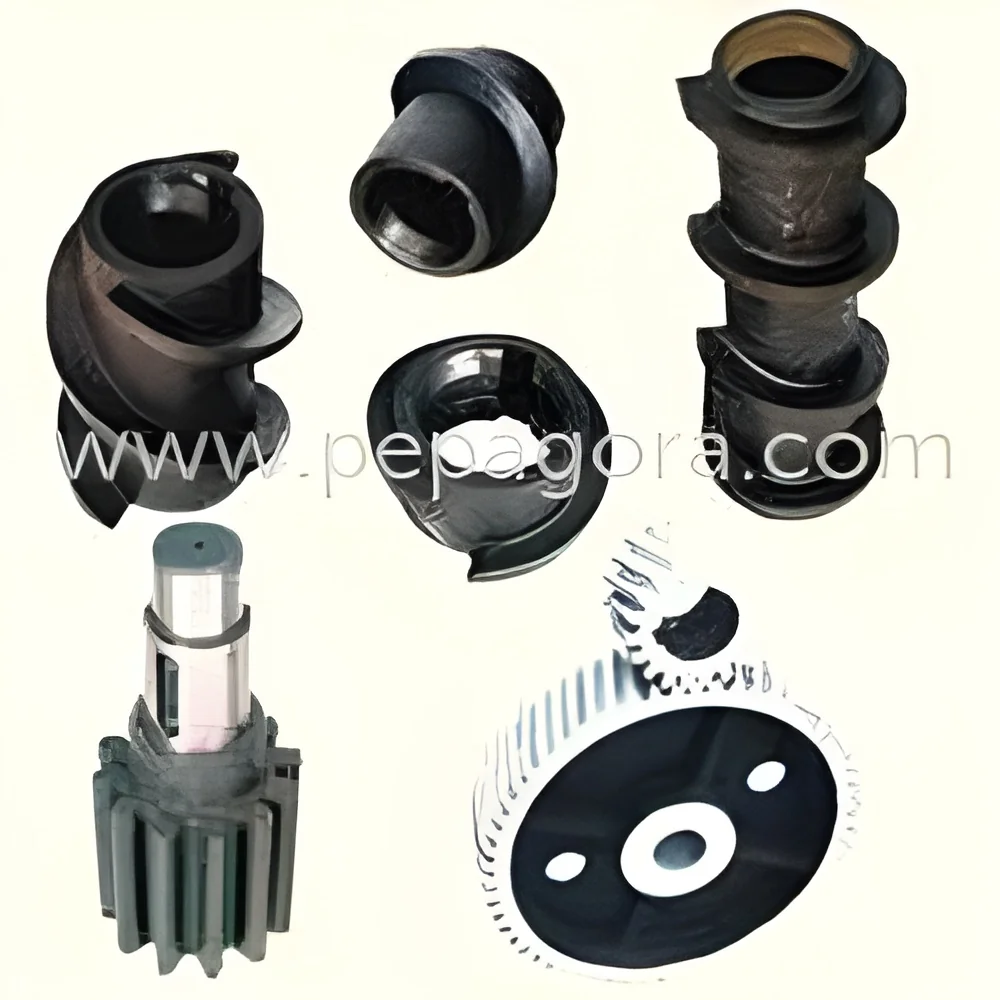
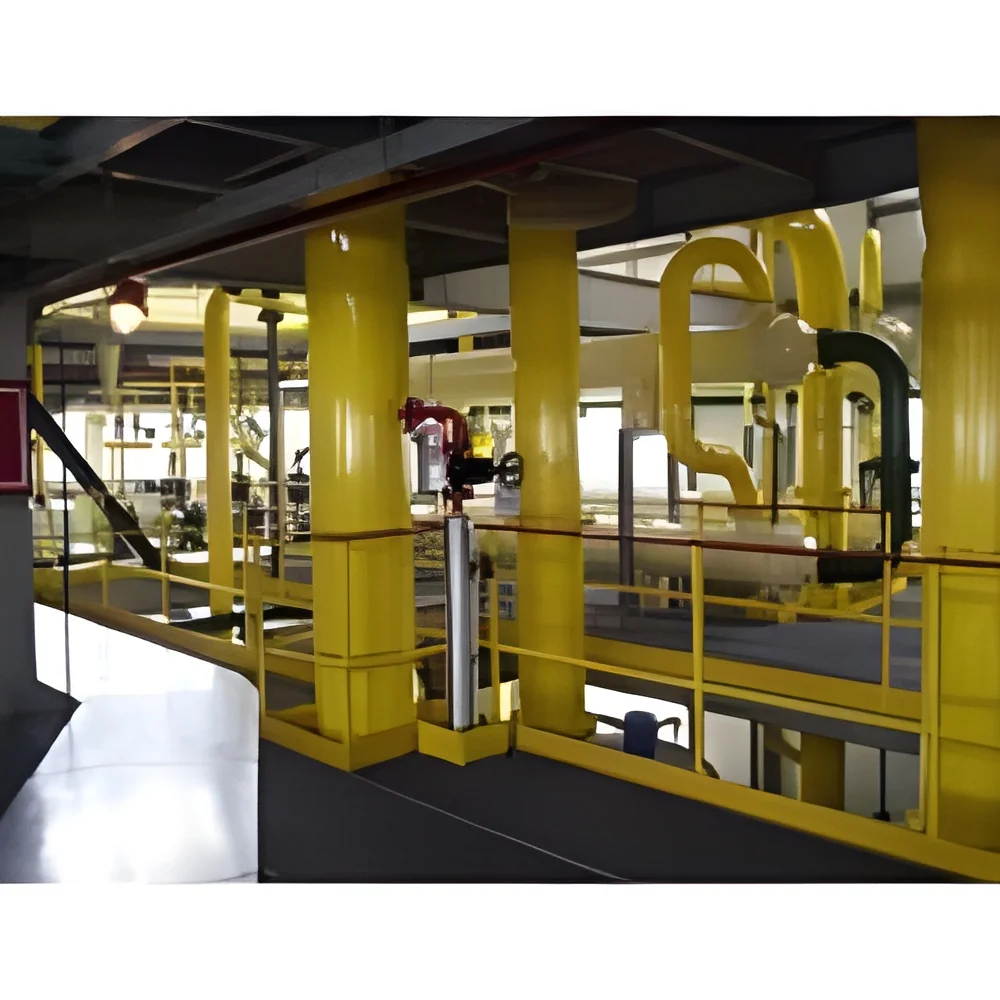
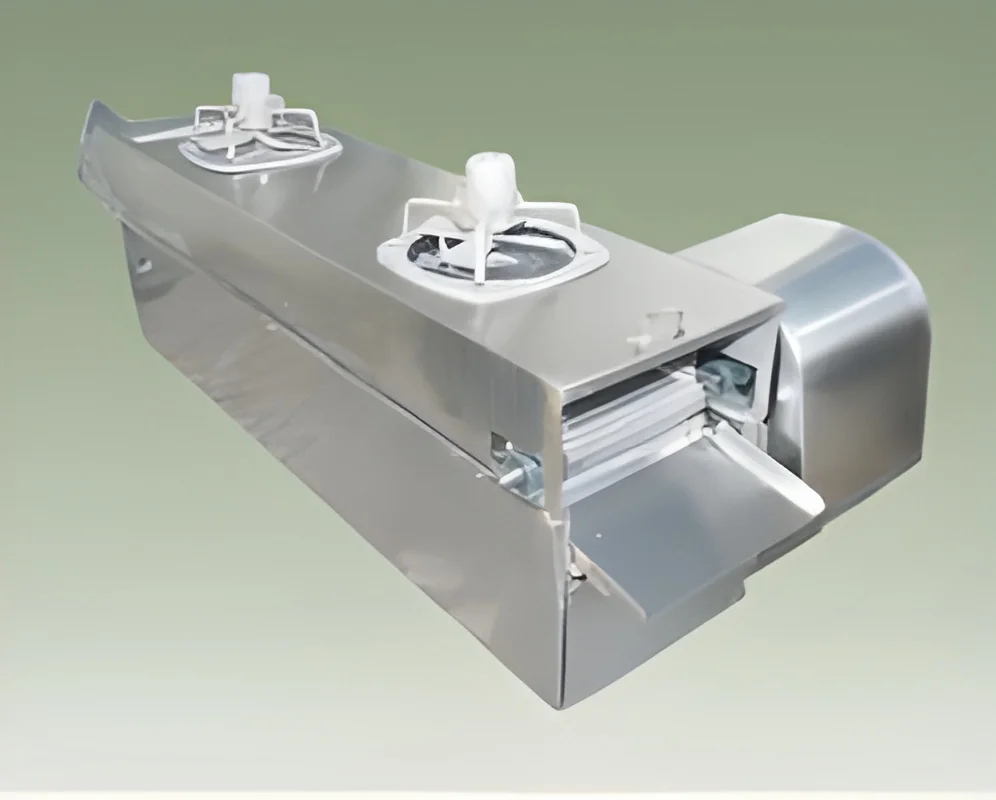
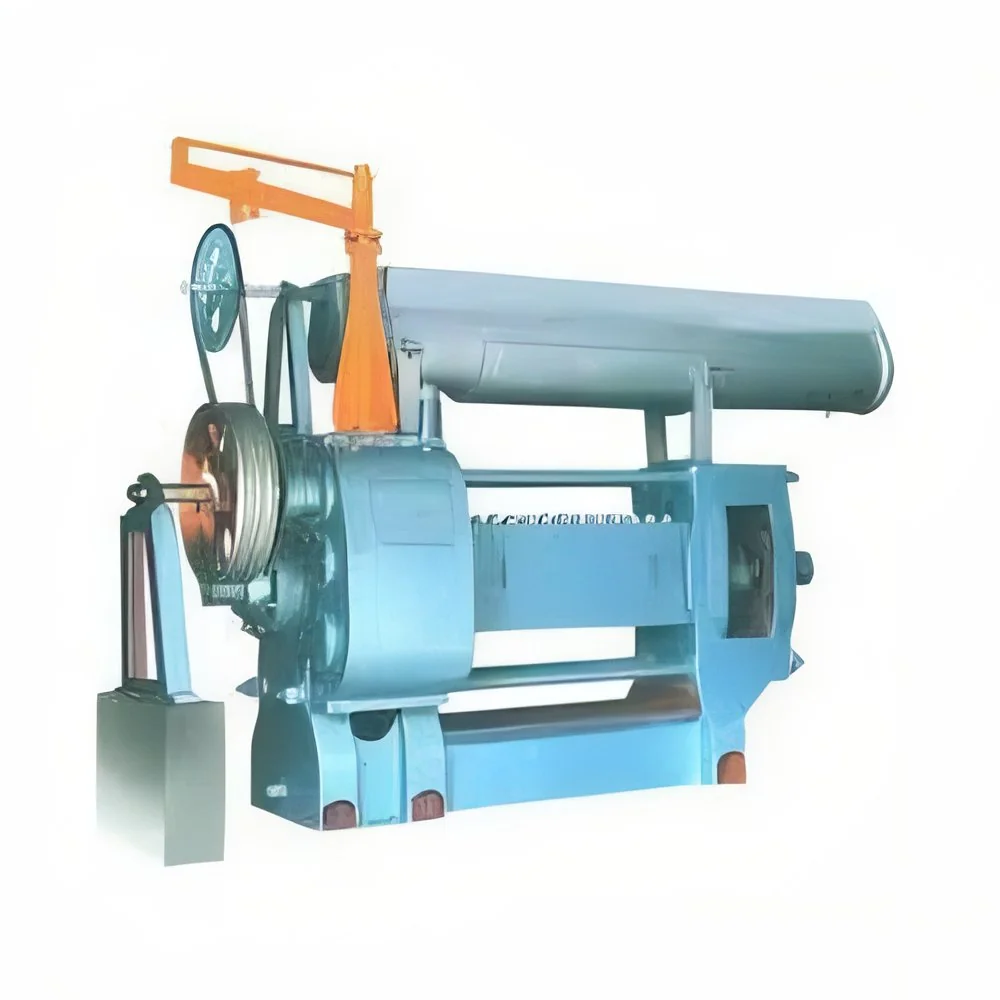
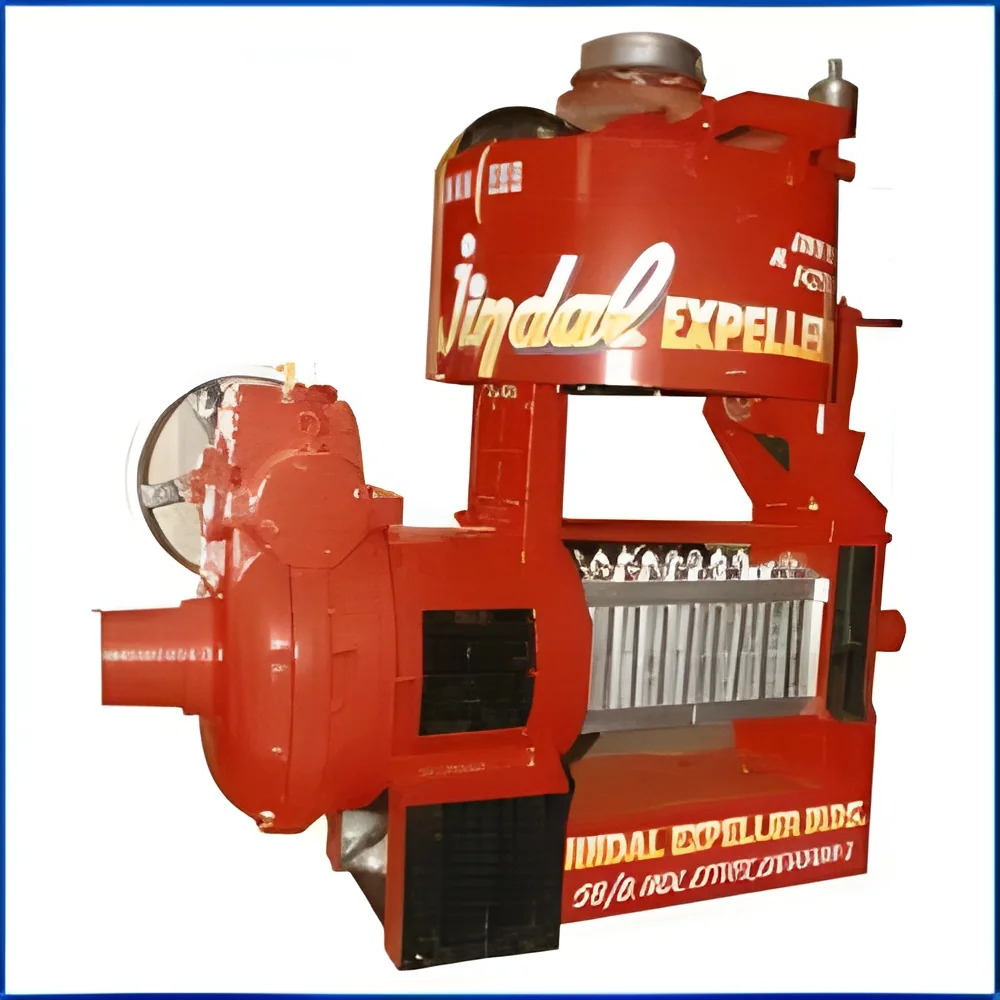
Oil extraction units are specialized machines designed to extract oil from various seeds and nuts. These units utilize mechanical or solvent processes to separate oil from the raw materials, effectively converting them into usable oil products. The extraction process can vary in complexity, ranging from simple hydraulic presses to advanced solvent extraction systems, depending on the desired oil yield and quality.
These units are primarily used in industries such as food processing, cosmetics, pharmaceuticals, and biofuels. Businesses leverage oil extraction units to produce oils for cooking, skincare products, and as raw materials in various manufacturing processes. The growing demand for natural and organic oils has further fueled the market for these units, making them essential for companies aiming to meet consumer preferences and regulatory standards.
As the market for plant-based oils expands, oil extraction units are increasingly relevant. The global trend towards sustainability and eco-friendly practices has led to heightened interest in efficient extraction methods that minimize waste and energy consumption. This context underlines the importance of investing in high-quality oil extraction units for businesses looking to capitalize on this growing sector.
Key Features and Specifications
Oil extraction units come equipped with several key features that enhance their efficiency and usability. These features are critical for businesses that require reliable and high-performance machinery to meet production demands.
Key specifications include:
1. Extraction Method
- Mechanical or solvent-based extraction
- Determines the efficiency and quality of oil extracted
2. Capacity
- Available in various capacities, typically ranging from small-scale to industrial-scale units
- Enables flexibility in production volume
3. Material Construction
- Often made from stainless steel or other durable materials
- Ensures longevity and hygiene during oil extraction
4. Operating Temperature
- Designed to operate within specific temperature ranges
- Critical for maintaining oil quality and preventing degradation
5. Control Systems
- Advanced units may include automated control systems for monitoring and adjusting parameters
- Improves consistency and reduces manual labor
6. Safety Features
- Equipped with safety mechanisms to prevent accidents and ensure operator safety
- Compliance with industry safety standards
7. Maintenance Requirements
- Varies by model, with some requiring minimal maintenance
- Important for long-term operational efficiency
8. Energy Efficiency
- Many units are designed to minimize energy consumption
- Economical operation can significantly affect overall production costs
In summary, the key specifications of oil extraction units highlight the importance of choosing a model that meets both operational needs and industry standards.
Common Applications and Use Cases
Oil extraction units are versatile machines applicable across various industries. Their ability to process different oilseeds makes them valuable assets in many sectors.
1. Food Processing: Oil extraction units are used to produce edible oils like olive, sunflower, and canola oil. They enable food manufacturers to create high-quality oil products for cooking and food production.
2. Cosmetics: The beauty industry utilizes oil extraction units to derive essential oils and carrier oils from plants. These oils are key ingredients in skincare and haircare formulations.
3. Pharmaceuticals: In the pharmaceutical sector, oil extraction units are employed to extract medicinal oils for use in health supplements and therapeutic products.
4. Biofuels: The renewable energy industry uses oil extraction units to produce biofuels from oilseeds, contributing to sustainable energy solutions.
5. Nutraceuticals: Health and wellness companies utilize these units to extract oils rich in omega fatty acids and other beneficial compounds for dietary supplements.
6. Industrial Applications: Certain industries require oils for lubrication and other industrial processes, making oil extraction units essential for producing specialty oils.
7. Agriculture: Oil extracted from seeds can be used as animal feed or as an ingredient in organic fertilizers, showing the agricultural value of these units.
Product Variants and Subcategories
Oil extraction units come in various models and configurations, catering to different extraction needs and production capacities. This diversity allows businesses to select the most suitable unit for their specific applications.
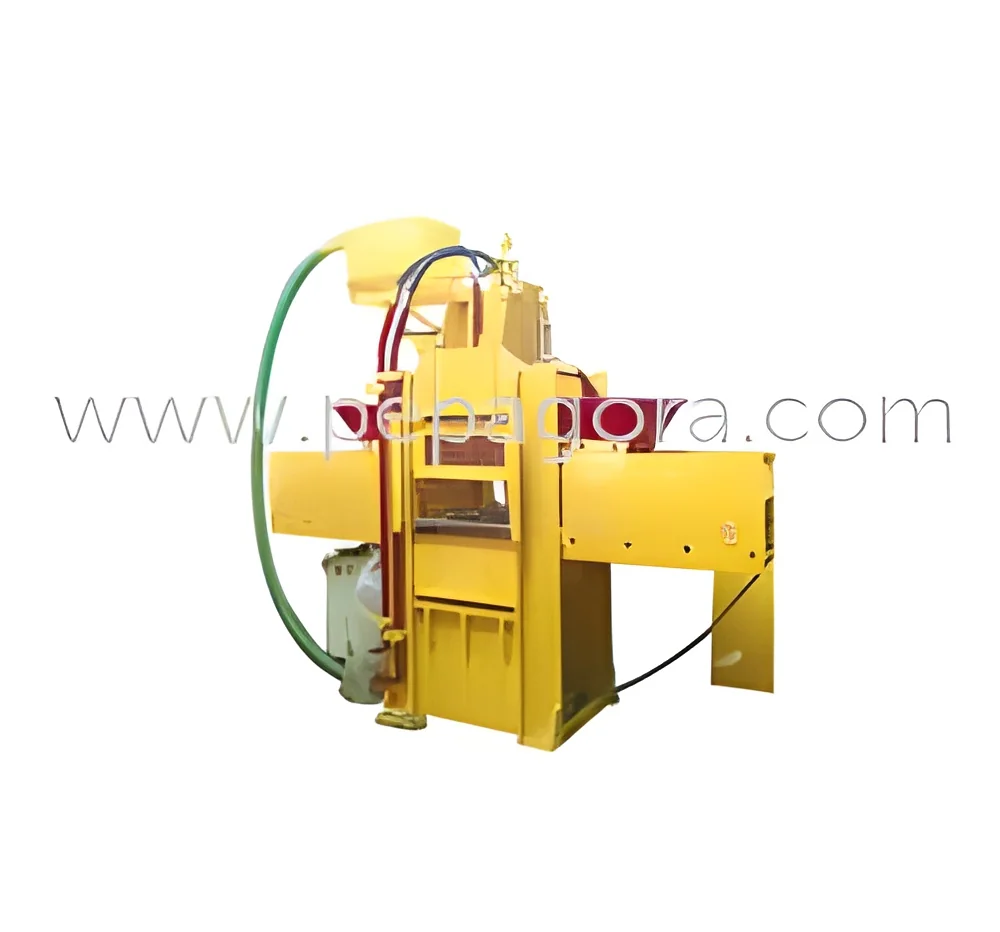
Small Scale Units: These compact machines are ideal for small businesses or startups. They offer basic functionality for extracting oils in limited quantities, making them perfect for artisanal oil producers.
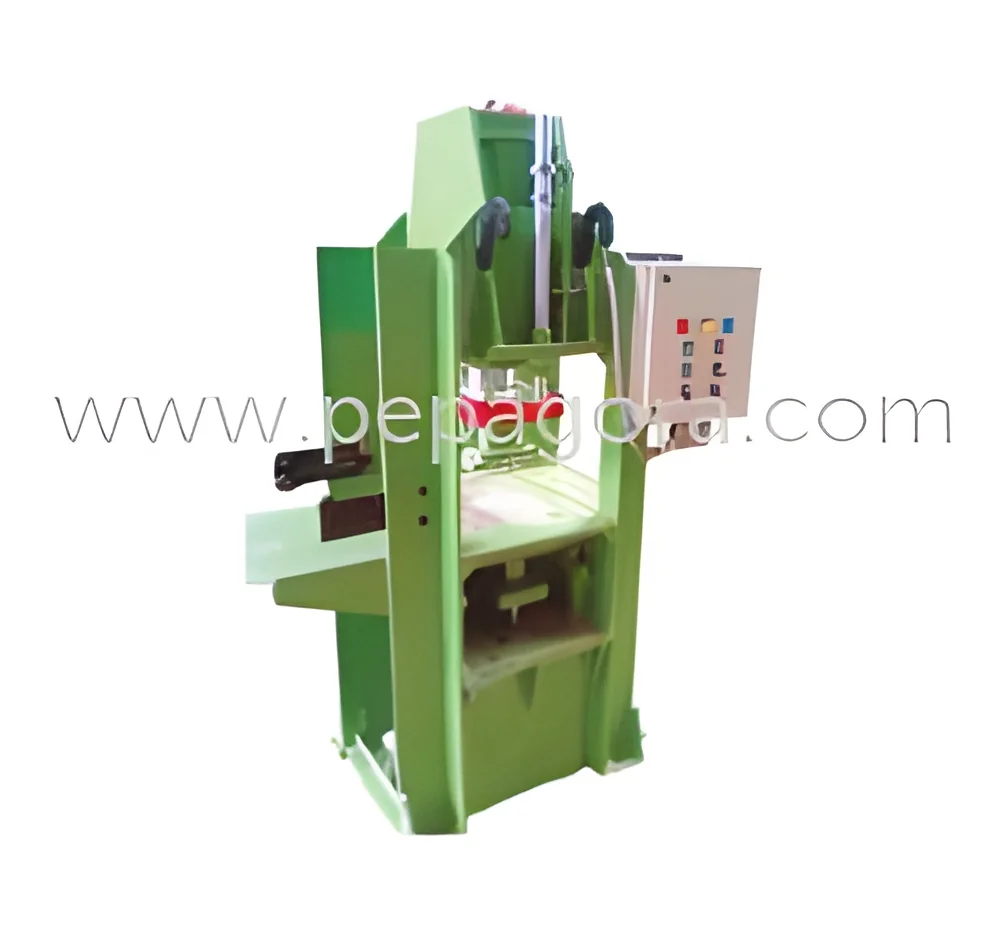
Medium Scale Units: Designed for mid-sized operations, these units balance capacity and efficiency. They typically feature enhanced automation and control systems for improved production.
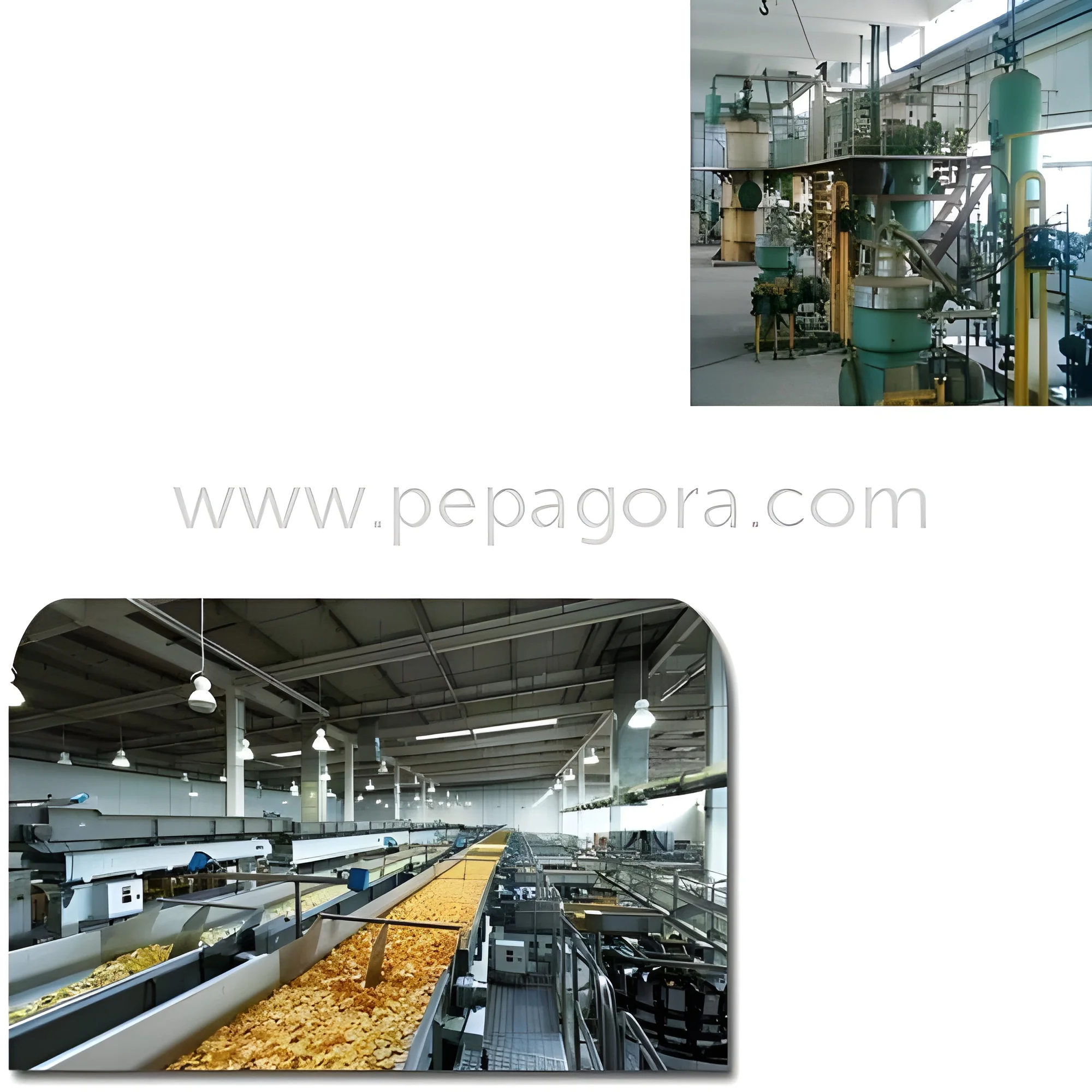
Large Industrial Units: Targeted at large-scale manufacturers, these units offer high throughput and advanced extraction technologies. They are capable of processing large volumes of raw materials, ensuring maximum yield.
Mobile Units: Some manufacturers provide mobile extraction units that can be transported to different locations. These are useful for businesses that require flexibility in their operations.
Benefits and Advantages
Investing in oil extraction units offers numerous benefits that can enhance business operations and profitability. Understanding these advantages is crucial for businesses considering their acquisition.
1. High Oil Yield: Oil extraction units are designed to maximize oil recovery from raw materials, ensuring that businesses get the most value from their inputs.
2. Cost Efficiency: Advanced units often feature energy-efficient designs that reduce operational costs over time, leading to better profit margins.
3. Quality Control: Many extraction units provide the ability to control extraction parameters, resulting in higher quality oils that meet industry standards.
4. Versatility: These units can process a wide range of seeds and nuts, making them adaptable to different market demands and product lines.
5. Sustainability: Modern oil extraction methods focus on reducing waste and energy consumption, aligning with environmentally-friendly practices.
6. Scalability: Businesses can select units that match their current production needs while allowing for future expansion without significant investment.
Buying Guide for B2B Buyers
When sourcing oil extraction units, there are several critical factors to consider to ensure that you make an informed decision.
1. Quality Assessment: Evaluate the build quality and performance of the unit. Look for machines that adhere to recognized standards and have positive reviews from other users.
2. Supplier Verification: It is essential to vet suppliers thoroughly. Check for certifications, customer feedback, and their history in the industry to ensure reliability.
3. Pricing and MOQ: Understand the pricing structure and minimum order quantities. This will help you gauge affordability and budget your investment accordingly.
4. Delivery and Lead Times: Clarify delivery schedules and lead times. Timely delivery is essential for maintaining production schedules and meeting customer demands.
5. Compliance Requirements: Ensure that the equipment meets relevant regulations and standards in your region. This includes safety, environmental, and quality compliance.
Compliance and Certifications
Compliance with quality standards and certifications is paramount for oil extraction units. These certifications ensure that the units meet safety and performance requirements.
Relevant quality standards include ISO 9001, which focuses on quality management systems, and HACCP, which ensures food safety. Adhering to these standards is crucial for businesses in the food and cosmetics industries.
Additionally, certification such as CE indicates that the equipment complies with European health and safety regulations. This is particularly important for businesses exporting products to international markets.
Safety and testing requirements must also be met to protect operators and ensure efficient functionality. Regular maintenance and testing help maintain compliance over time.
Regional compliance considerations may vary, so businesses should familiarize themselves with local regulations to avoid legal issues and ensure smooth operations.
Why Source Oil Extraction Units from Pepagora?
Pepagora provides a trusted platform for sourcing oil extraction units, offering several key advantages to B2B buyers.
Verified Supplier Network: Pepagora connects buyers with a network of verified suppliers, ensuring that you can source high-quality equipment from reputable manufacturers. This reduces the risk of purchasing inferior products.
Streamlined RFQ Process: The platform simplifies the request for quotation process, allowing businesses to receive competitive quotes from multiple suppliers quickly. This efficiency saves time and facilitates better decision-making.
Trade Assurance and Support: Pepagora offers trade assurance, providing buyers with protection through secure payment methods and support during the purchasing process. This fosters confidence and peace of mind when sourcing equipment.
Regional Coverage: With a focus on markets in India, the GCC, and Southeast Asia, Pepagora’s extensive geographic reach ensures that buyers can access a variety of suppliers tailored to their regional needs. This local knowledge enhances the sourcing experience.

 IN
IN