
 IN
Tray Dryers
7 products available
What are Tray Dryers?
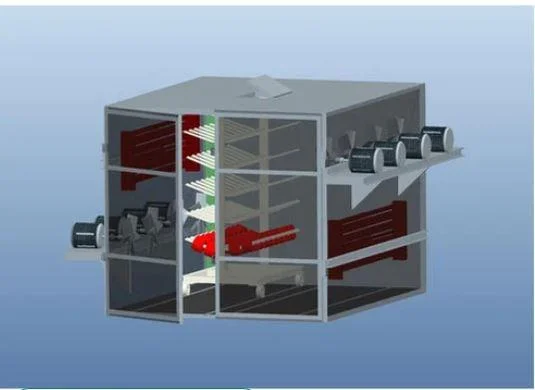
Tray dryers are specialized industrial equipment designed for drying materials by circulating heated air. They consist of multiple trays or shelves where the material is placed, allowing for even heat distribution and moisture removal. Tray dryers are often used in various industries, including pharmaceuticals, food processing, chemicals, and textiles, to achieve efficient drying processes.
The primary use of tray dryers is to remove moisture from products like fruits, vegetables, herbs, and pharmaceuticals, ensuring they are preserved for longer shelf life. In addition to food products, tray dryers are also applicable in drying powders, granules, and other bulk materials in the chemical industry. As industries continue to seek efficient drying solutions, the demand for tray dryers grows, making them significant in the current market landscape.
Key Features and Specifications
Tray dryers come equipped with various features that enhance their performance and efficiency. They are designed for consistent drying results and ease of use, making them suitable for diverse applications.
Key specifications include:
1. Temperature Control
- Adjustable temperature settings to suit different materials
- Ranges typically from ambient to 80 degrees Celsius
2. Trays Capacity
- Multiple trays for increased drying surface area
- Capacity often ranges from 10 to 100 trays, depending on the model
3. Airflow System
- Designed to ensure uniform airflow across all trays
- Can be configured for forced air or natural convection
4. Material Construction
- Usually made from stainless steel or food-grade materials
- Ensures durability and compliance with hygiene standards
5. Humidity Control
- Some models come with built-in humidity control features
- Helps in maintaining optimal drying conditions
6. Energy Efficiency
- Designed to minimize energy consumption
- Often equipped with insulation to reduce heat loss
7. Monitoring Features
- Some tray dryers include digital displays for temperature and time
- Allows for precise monitoring of the drying process
8. Safety Features
- Equipped with safety controls to prevent overheating
- Includes alarms for malfunction detection
In summary, tray dryers are engineered to provide efficient, reliable drying solutions tailored for various industrial applications.
Common Applications and Use Cases
Tray dryers are versatile tools used in a variety of industries to meet specific drying needs.
1. Food Processing: Tray dryers are widely used to dry fruits, vegetables, and herbs, enhancing preservation and flavor concentration.
2. Pharmaceutical Industry: They play a crucial role in drying active pharmaceutical ingredients and excipients, ensuring product stability and efficacy.
3. Chemical Manufacturing: Tray dryers are utilized for drying powders and granules, which are essential in producing various chemical products.
4. Textiles: In the textile industry, tray dryers are employed to dry fabrics and garments, facilitating efficient production cycles.
5. Agriculture: Farmers use tray dryers for drying grains and seeds post-harvest, preventing spoilage and ensuring quality storage.
6. Cosmetics: In the cosmetic industry, tray dryers are used to dry natural ingredients, such as herbal extracts, for use in beauty products.
7. Biomass: Tray dryers are used in biomass production to dry organic materials, making them suitable for energy generation and other applications.
Product Variants and Subcategories
Tray dryers come in various configurations to meet different drying needs, accommodating a range of materials and industries.
Electric Tray Dryer: This variant is powered by electricity and is suitable for small to medium-scale drying applications. It is easy to operate and provides consistent temperature control.
Gas Tray Dryer: Utilizing gas as a heat source, this type is often used in larger operations where energy efficiency is critical. It offers rapid heating and is ideal for heavy-duty applications.
Solar Tray Dryer: This eco-friendly option uses solar energy for drying, making it suitable for sustainable operations. It is often used in rural areas for agricultural products.
Hybrid Tray Dryer: Combining electric and gas power, hybrid models offer flexibility and efficiency. They are designed for industries that require varying drying conditions.
Batch Tray Dryer: This type is designed for batch processing, allowing operators to load and unload materials at specific intervals, ideal for small production runs.
Benefits and Advantages
Tray dryers offer numerous benefits that enhance operational efficiency and product quality.
1. Improved Quality: Tray dryers ensure uniform drying, which helps maintain the quality and integrity of materials.
2. Energy Efficiency: Many models are designed to minimize energy usage, leading to cost savings over time.
3. Versatility: Suitable for a wide range of materials, tray dryers can be adapted for various industrial applications.
4. Ease of Use: Most tray dryers come with user-friendly controls, making them accessible for operators of different skill levels.
5. Reduced Processing Time: The efficient design of tray dryers can significantly reduce drying times compared to traditional methods.
6. Customization Options: Many manufacturers offer customizable features to meet specific operational requirements.
Buying Guide for B2B Buyers
When sourcing tray dryers, it is essential to consider several key factors to ensure you select the right equipment for your business needs.
1. Quality Assessment: Evaluate the quality of the dryer by reviewing manufacturer specifications and seeking certifications that indicate reliability and performance.
2. Supplier Verification: Vet suppliers by checking their reputation, customer reviews, and history in the industry to ensure they can deliver quality products consistently.
3. Pricing and MOQ: Consider the pricing structure and minimum order quantity to align with your budget and production needs. Bulk purchasing may provide cost benefits.
4. Delivery and Lead Times: Assess the supplier's delivery capabilities and lead times to ensure timely receipt of equipment, which is crucial for maintaining production schedules.
5. Compliance Requirements: Ensure the tray dryer complies with industry regulations and standards, such as CE certification, to avoid any legal issues post-purchase.
Compliance and Certifications
Tray dryers must adhere to several quality standards and certifications to ensure safety and reliability in their operation.
ISO 9001 certification is a common quality management standard that ensures manufacturers maintain consistent quality in their processes. Compliance with HACCP (Hazard Analysis Critical Control Point) is vital in the food industry, ensuring that products are safe for consumption.
CE certification indicates that the tray dryers meet European safety, health, and environmental protection standards. This certification is essential for businesses operating in or exporting to European markets.
Additionally, safety and testing requirements must be met to guarantee that the dryers operate effectively without posing risks to users. Regional compliance considerations may vary, so it is crucial to verify local regulations based on the geographical area of operation.
Why Source Tray Dryers from Pepagora?
Pepagora offers a reliable platform for sourcing tray dryers with numerous advantages that benefit B2B buyers.
Verified Supplier Network: Pepagora connects buyers with a network of verified suppliers, ensuring access to high-quality products and reducing the risk of fraudulent transactions.
Streamlined RFQ Process: The request for quotation (RFQ) process on Pepagora is designed for efficiency, allowing buyers to receive multiple quotes quickly and compare options easily.
Trade Assurance and Support: Pepagora provides trade assurance to protect buyers from any issues related to quality or delivery, fostering trust in the purchasing process.
Regional Coverage: With a strong presence in markets such as India, the GCC, and Southeast Asia, Pepagora ensures that buyers can find suitable tray dryers tailored to their regional needs and specifications.
By choosing Pepagora, businesses can simplify their sourcing process for tray dryers, ensuring they find the right solutions for their drying applications.


Frequently Asked Questions
What are Tray Dryers?
Tray Dryers are industrial equipment used for drying various materials, including food products, pharmaceuticals, and chemicals. They operate by circulating hot air over trays filled with the material, effectively removing moisture and facilitating preservation.
What are the different types of Tray Dryers?
There are several types of Tray Dryers, including conventional tray dryers, vacuum tray dryers, and electric tray dryers. Each type varies in its drying mechanism, efficiency, and application suitability, catering to different industrial needs.
How do I choose the right Tray Dryers?
Choosing the right Tray Dryers involves considering factors such as the type of material being dried, the required drying temperature, and the desired production capacity. It is also essential to evaluate the energy efficiency and maintenance requirements of the dryer.
What are the standard specifications for Tray Dryers?
Standard specifications for Tray Dryers typically include tray size, number of trays, heating method, maximum temperature, and overall dimensions. Additionally, features such as airflow design and control systems should also be considered.
What is the price range for Tray Dryers?
The price range for Tray Dryers can vary significantly based on their size, type, and features. Generally, small to medium-sized tray dryers may start from INR 50,000, while large industrial models can exceed several lakhs.
What quality standards apply to Tray Dryers?
Tray Dryers must comply with relevant quality standards such as ISO, CE, and other industry-specific regulations. These standards ensure the equipment's safety, efficiency, and reliability in industrial applications.
Where can I find Tray Dryers suppliers in India?
You can find Tray Dryers suppliers in India through online B2B marketplaces like Pepagora, trade shows, and industry directories. It's advisable to compare multiple suppliers based on their product offerings, reviews, and after-sales service.
Can Tray Dryers be customized?
Yes, many manufacturers offer customization options for Tray Dryers to meet specific client requirements. Customizations may include size adjustments, heating methods, and control systems tailored to unique drying processes.
What is the typical minimum order quantity for Tray Dryers?
The typical minimum order quantity (MOQ) for Tray Dryers can vary by manufacturer but often ranges from 1 to 5 units. It is advisable to check with suppliers for specific requirements as they may differ.
What is the typical lead time for Tray Dryers?
The typical lead time for Tray Dryers can vary based on the manufacturer's production capacity and the complexity of the order. Generally, it ranges from 4 to 12 weeks, depending on whether customization is required.
Why Businesses Trust Pepagora
Thousands of companies trust Pepagora to source smarter and sell faster
Expand Your Sales Globally

Source Smarter,Grow Faster
