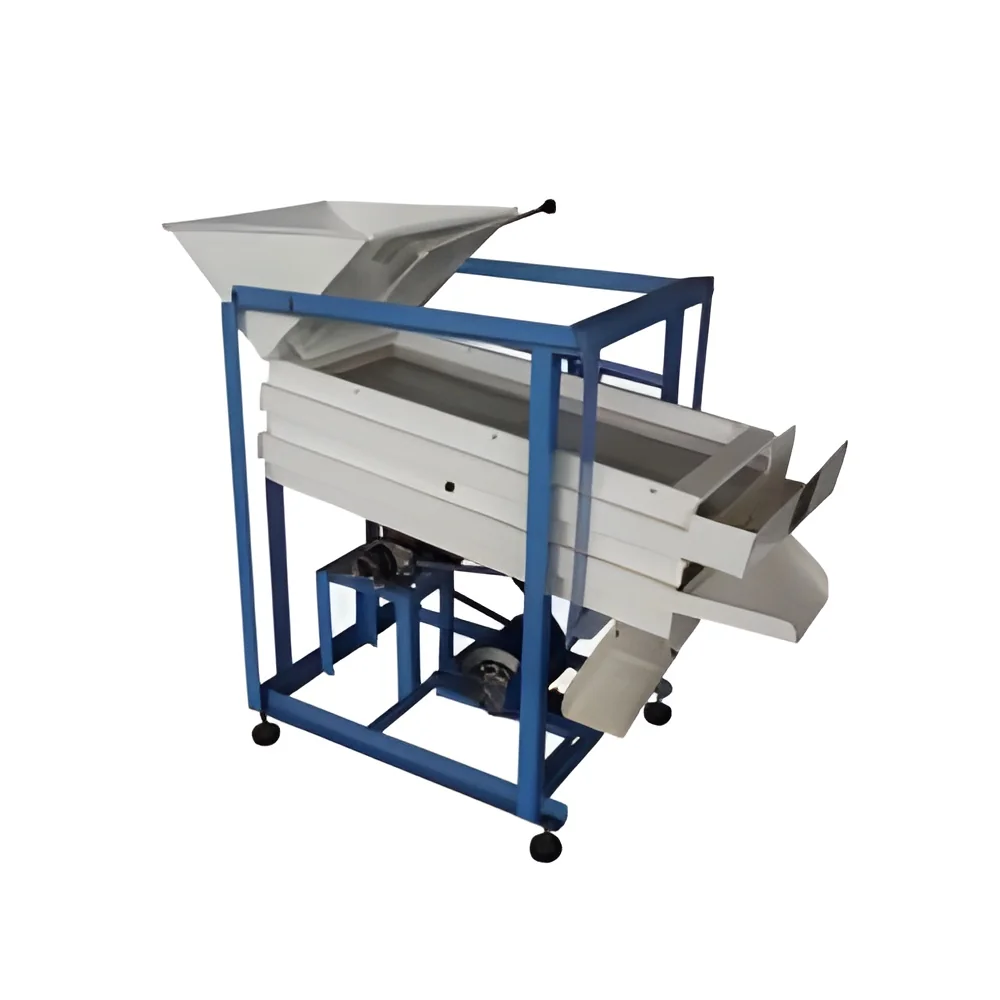
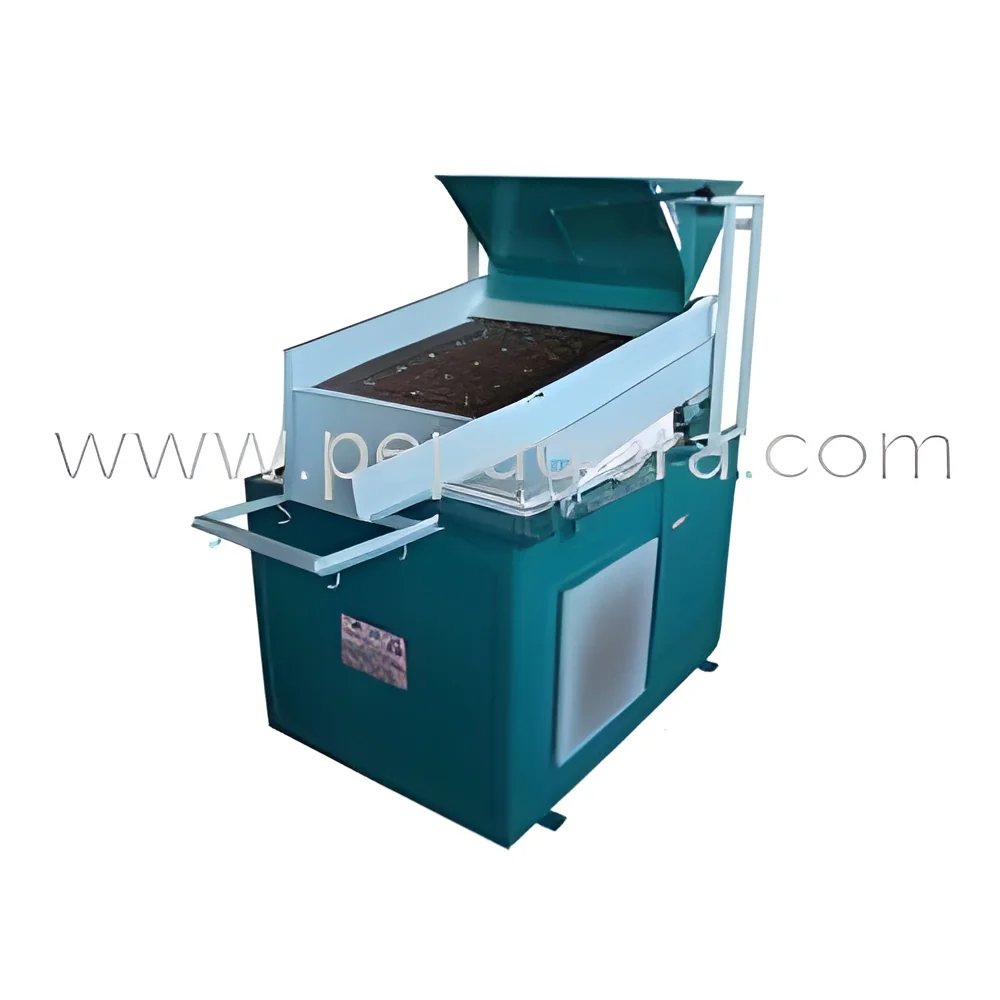
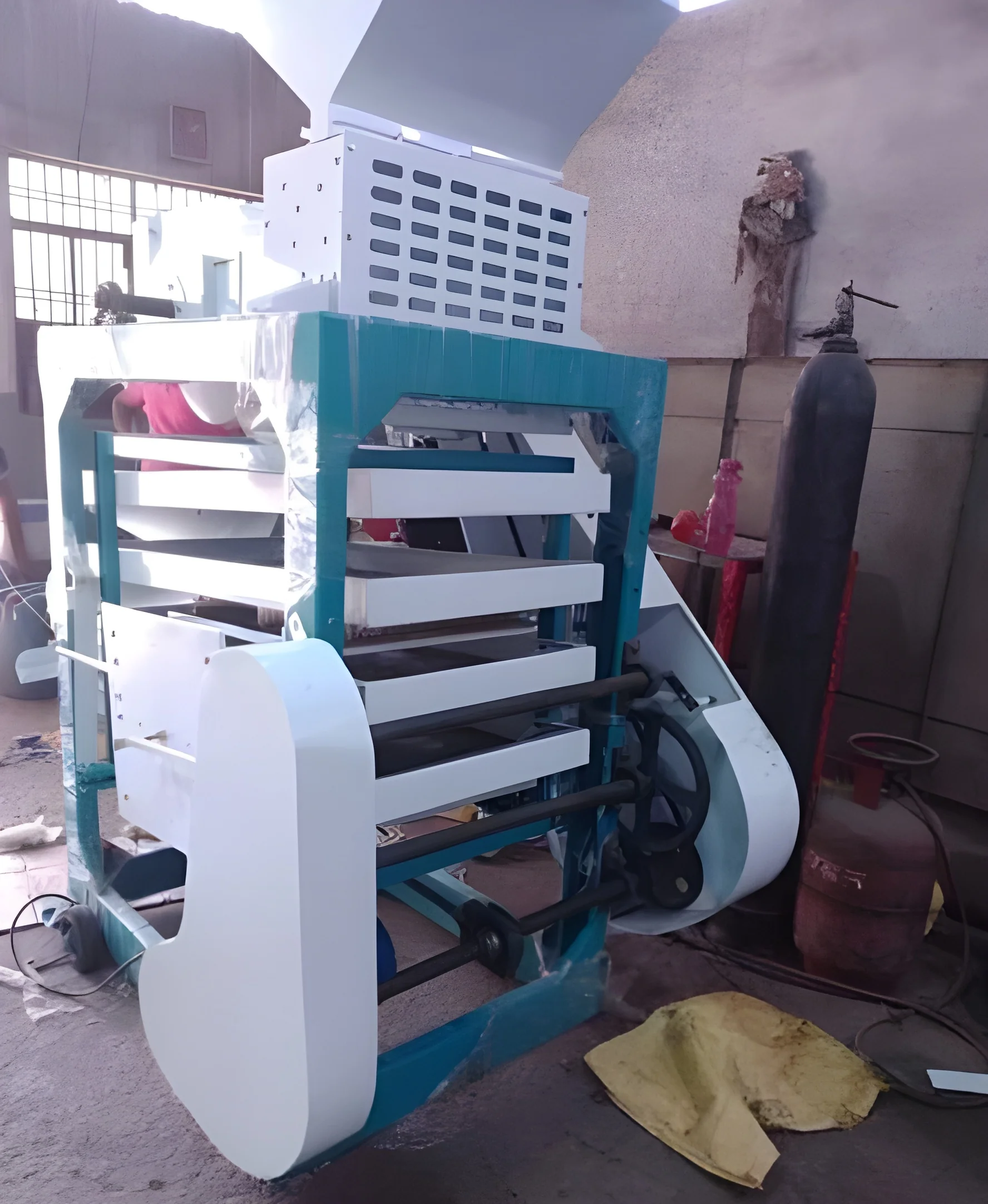
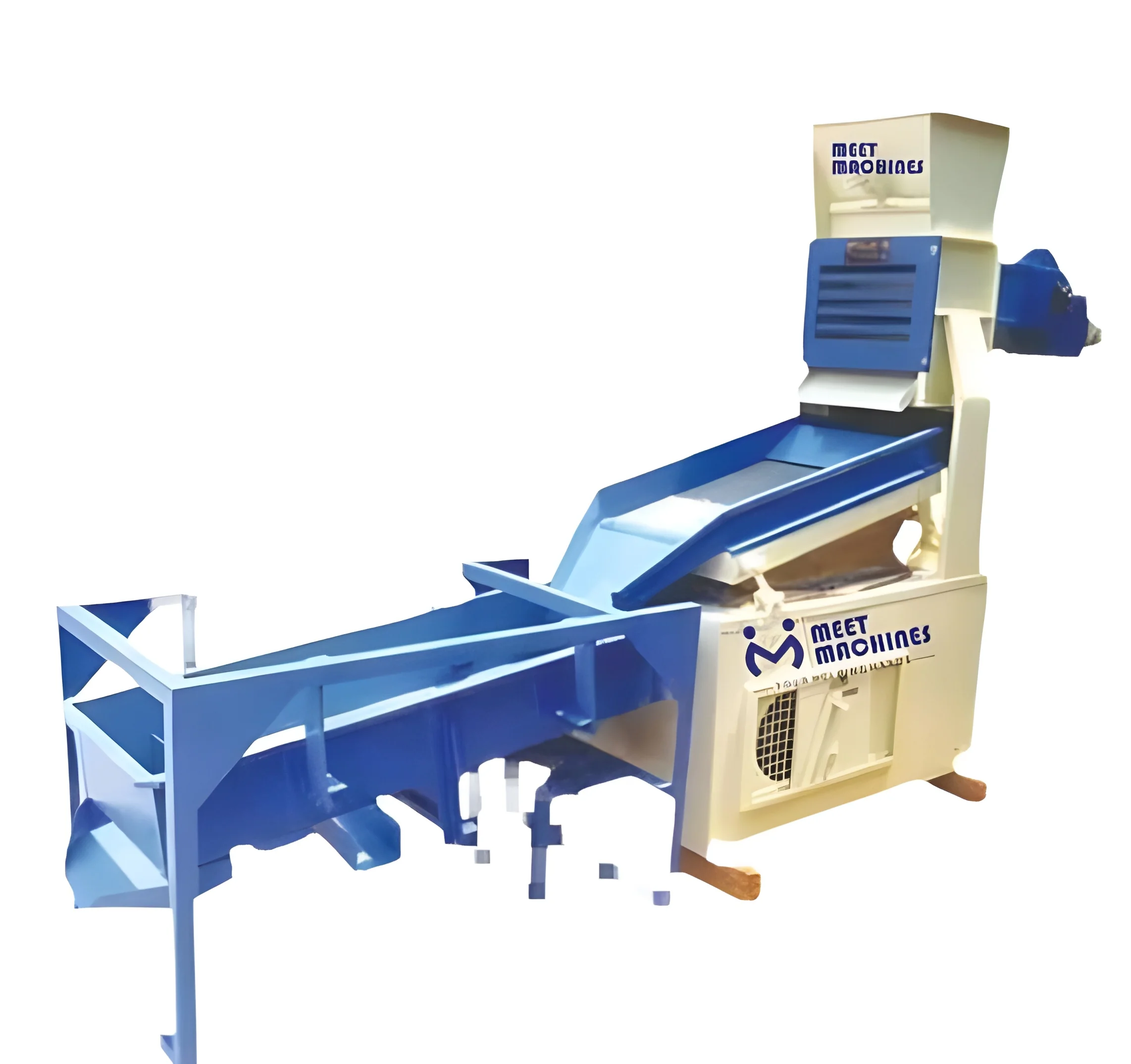
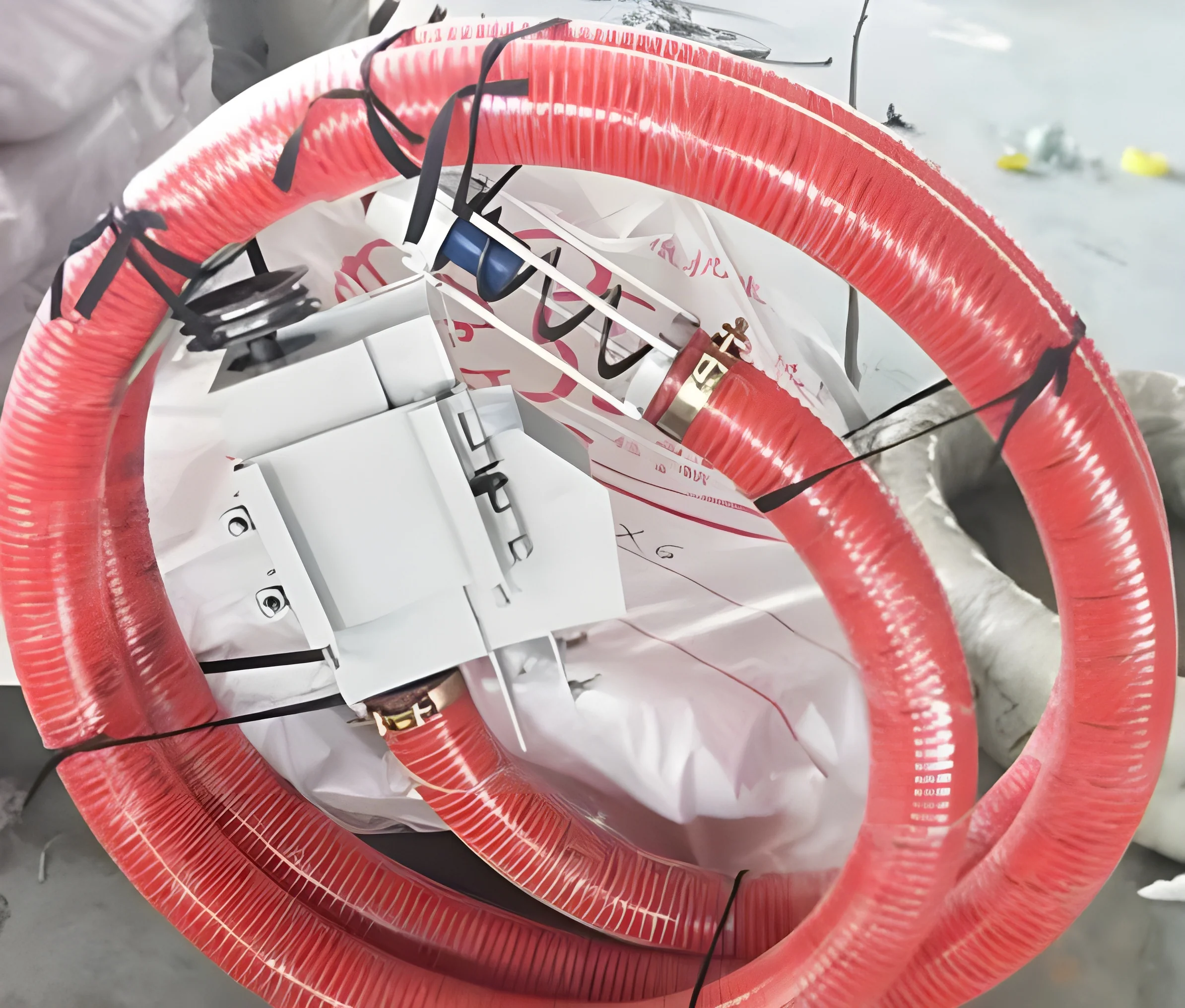
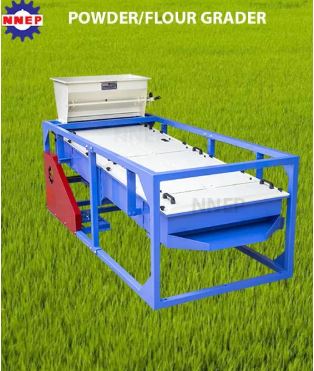
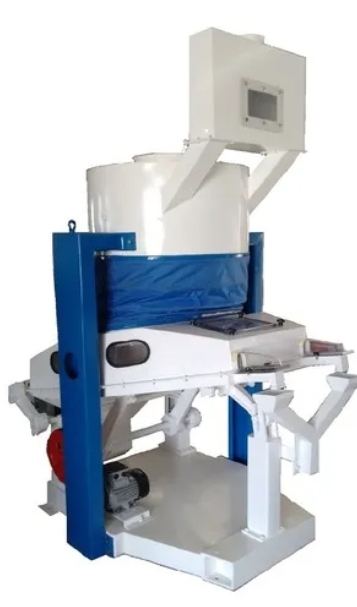
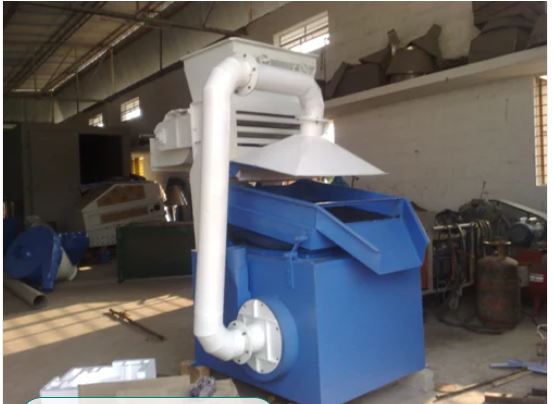
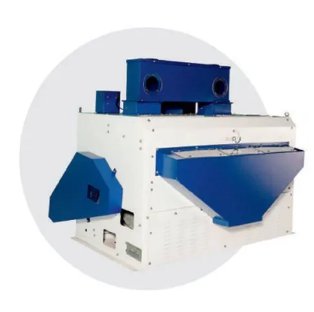
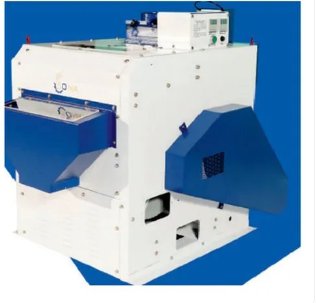
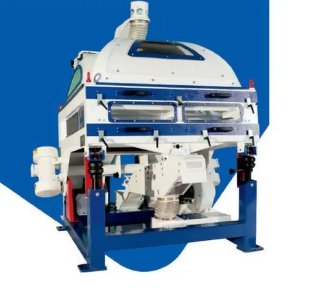
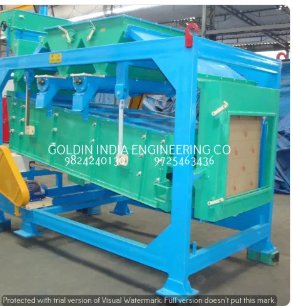
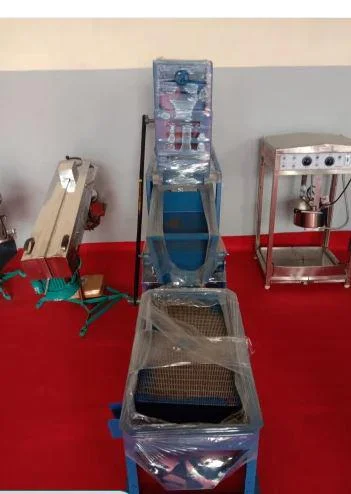
What are Seed Cleaning & Grading Equipment?
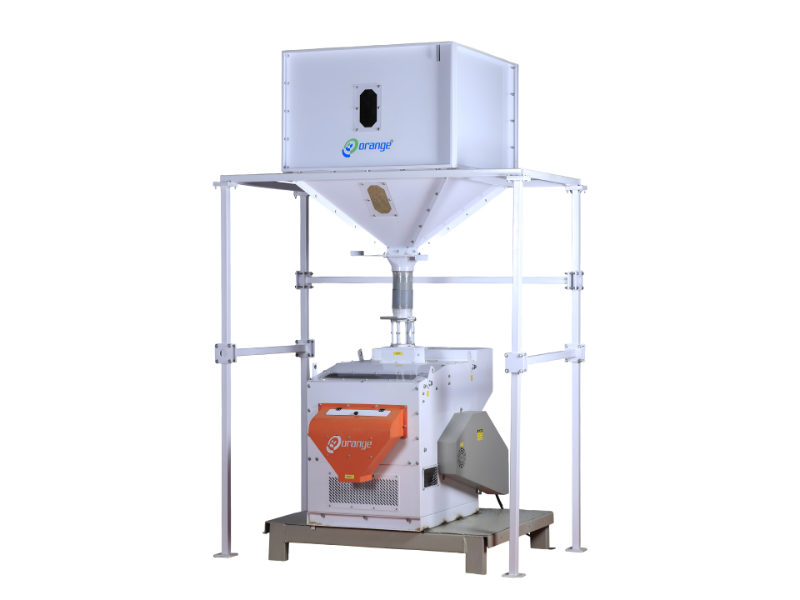
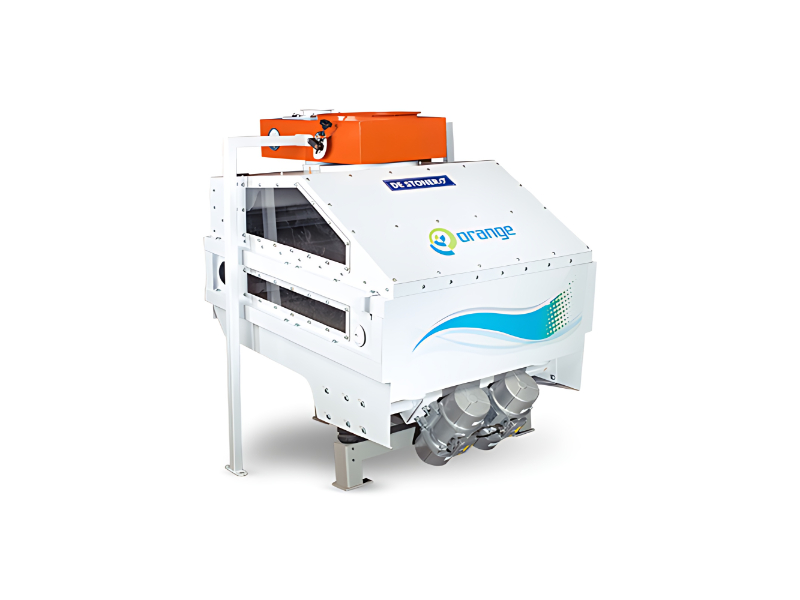
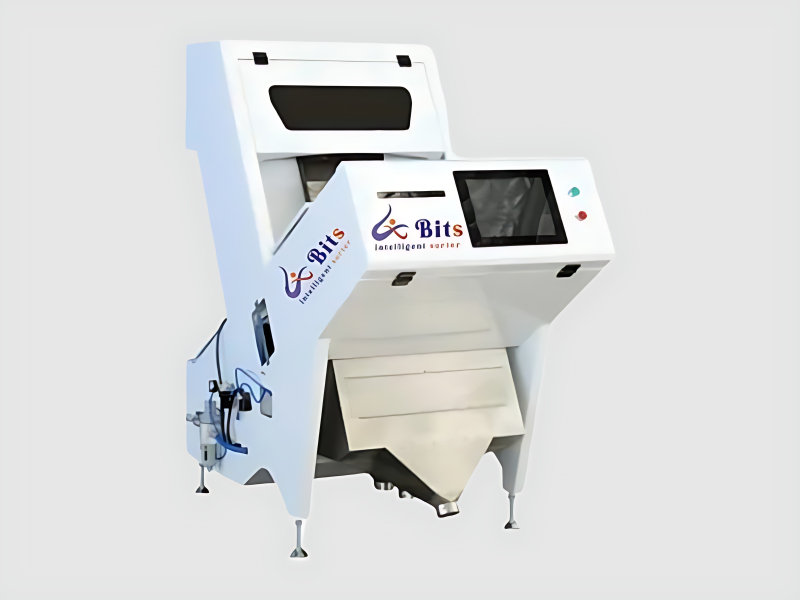
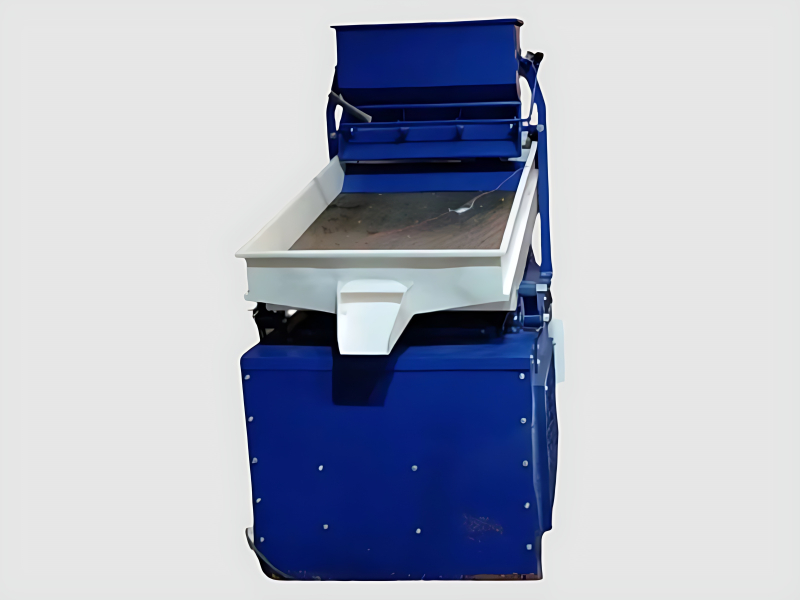
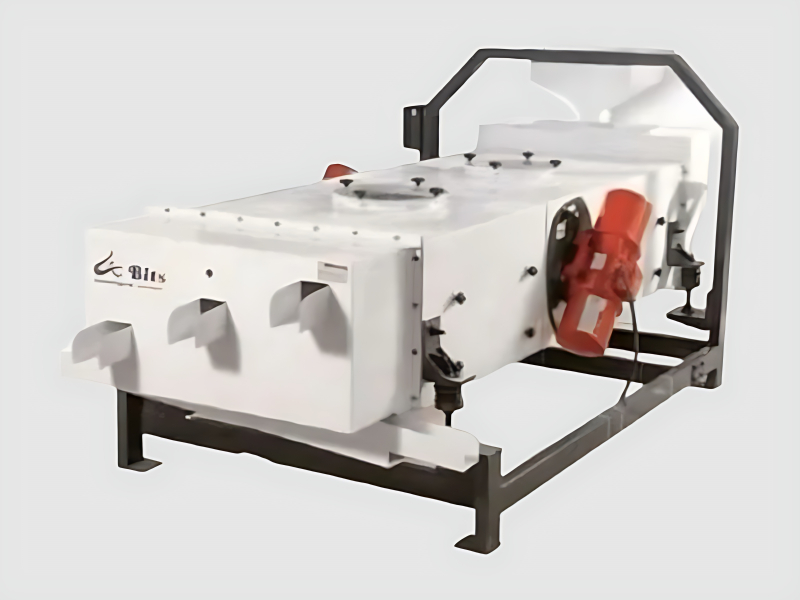
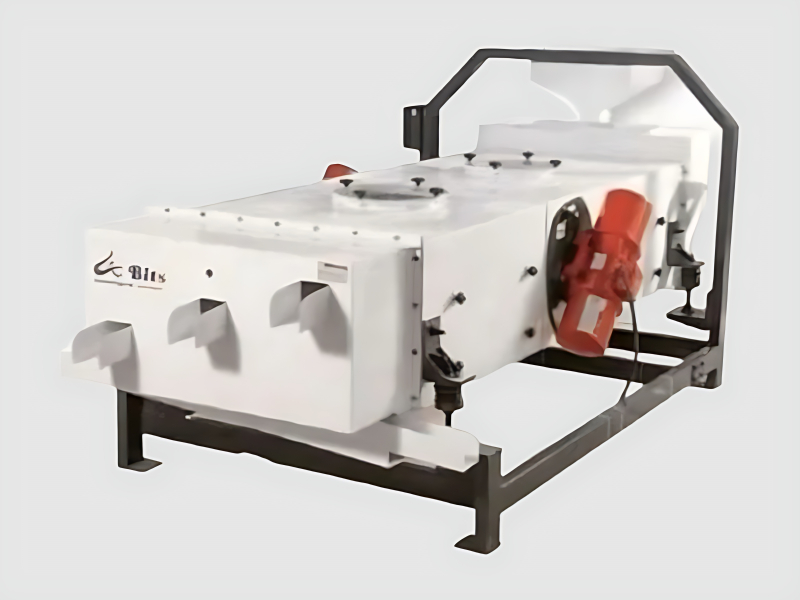
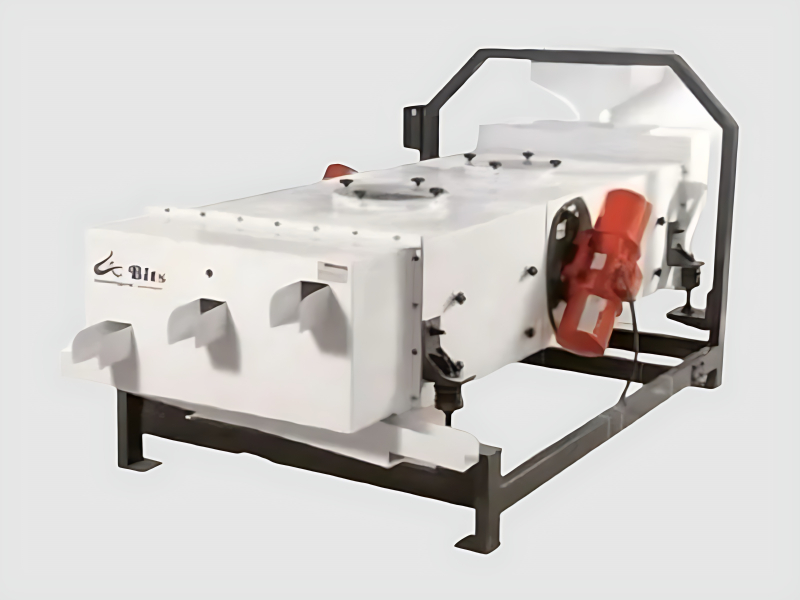
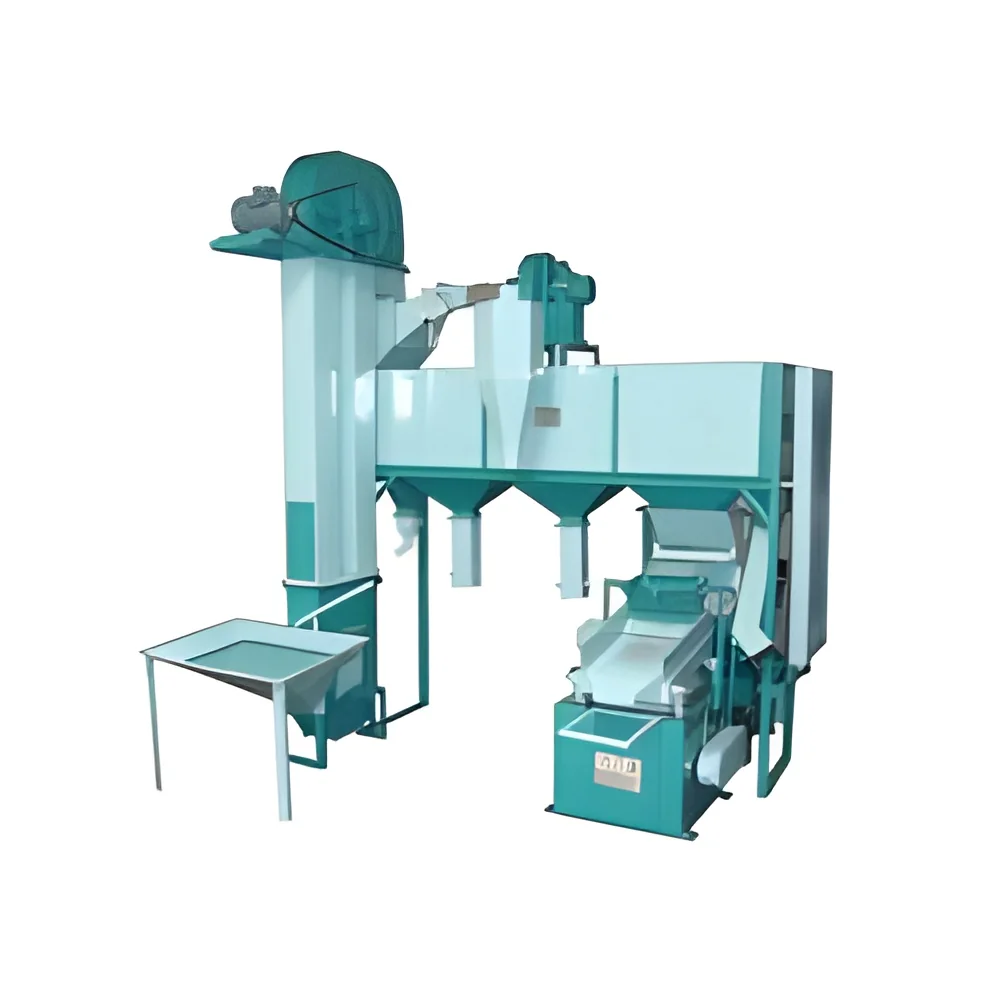
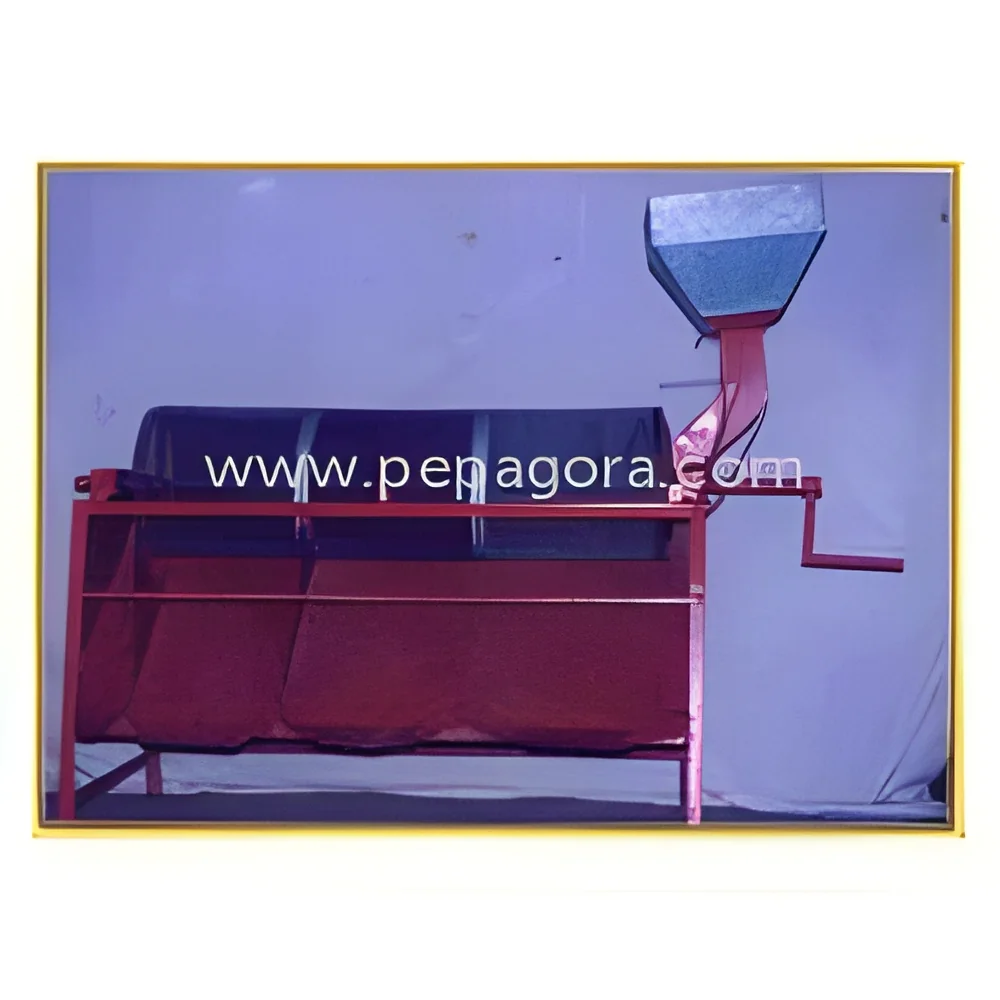
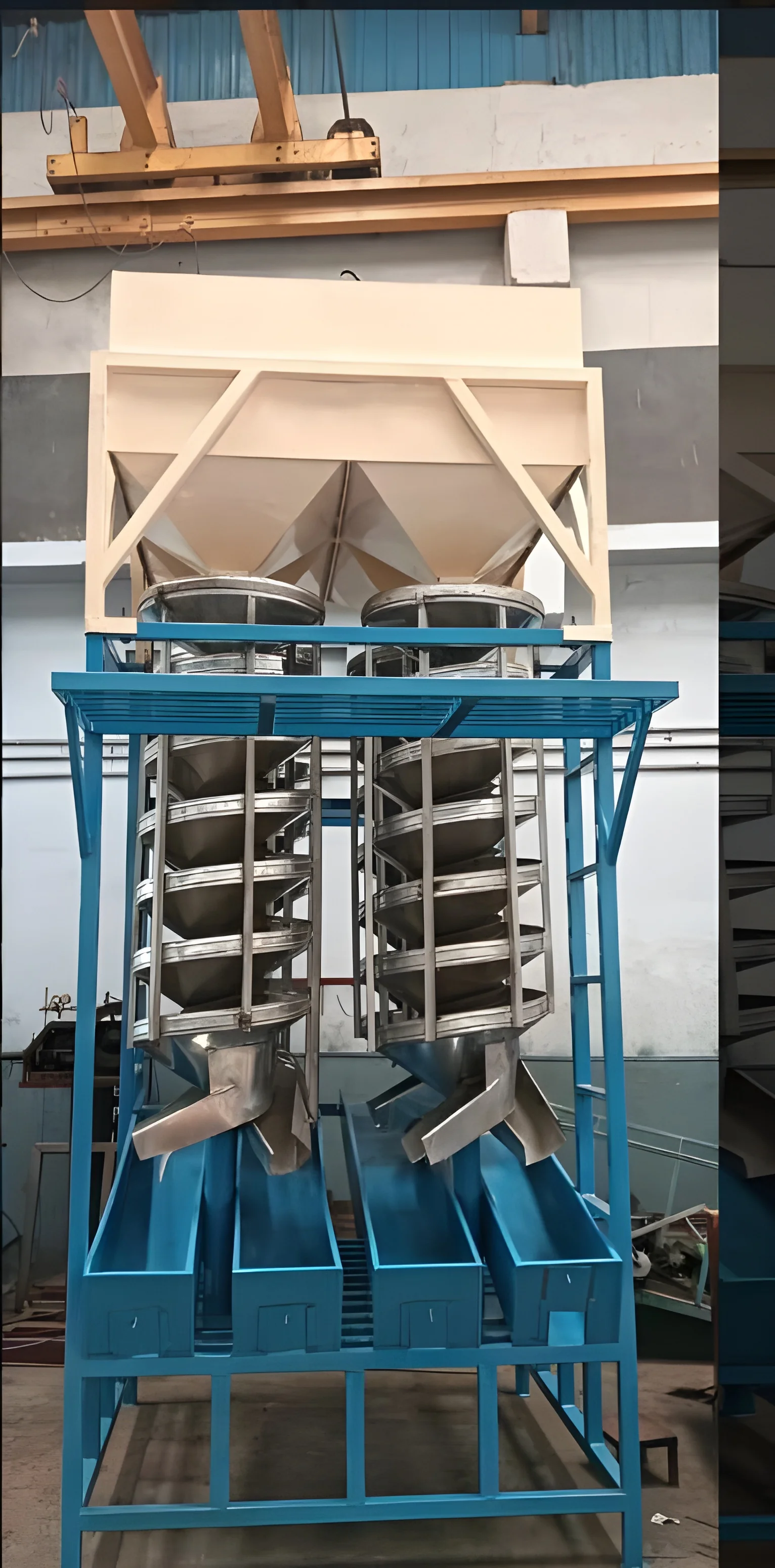
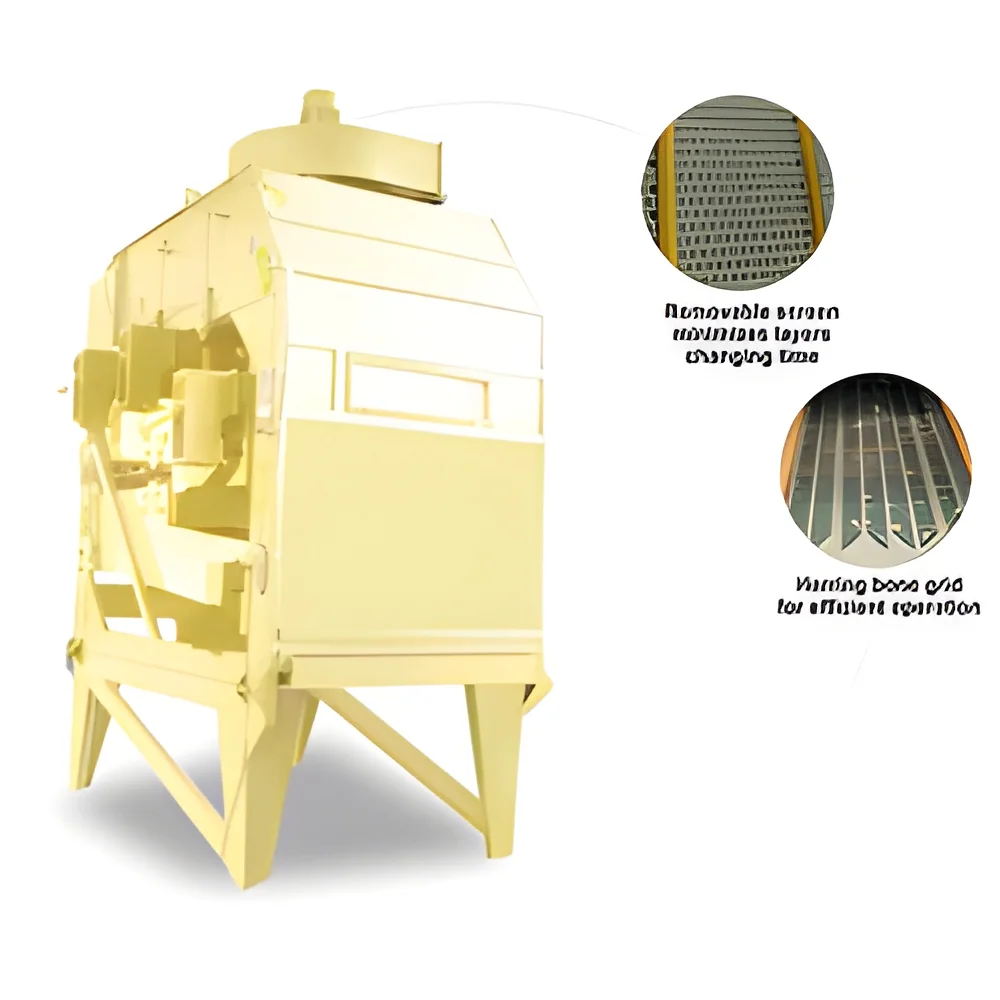
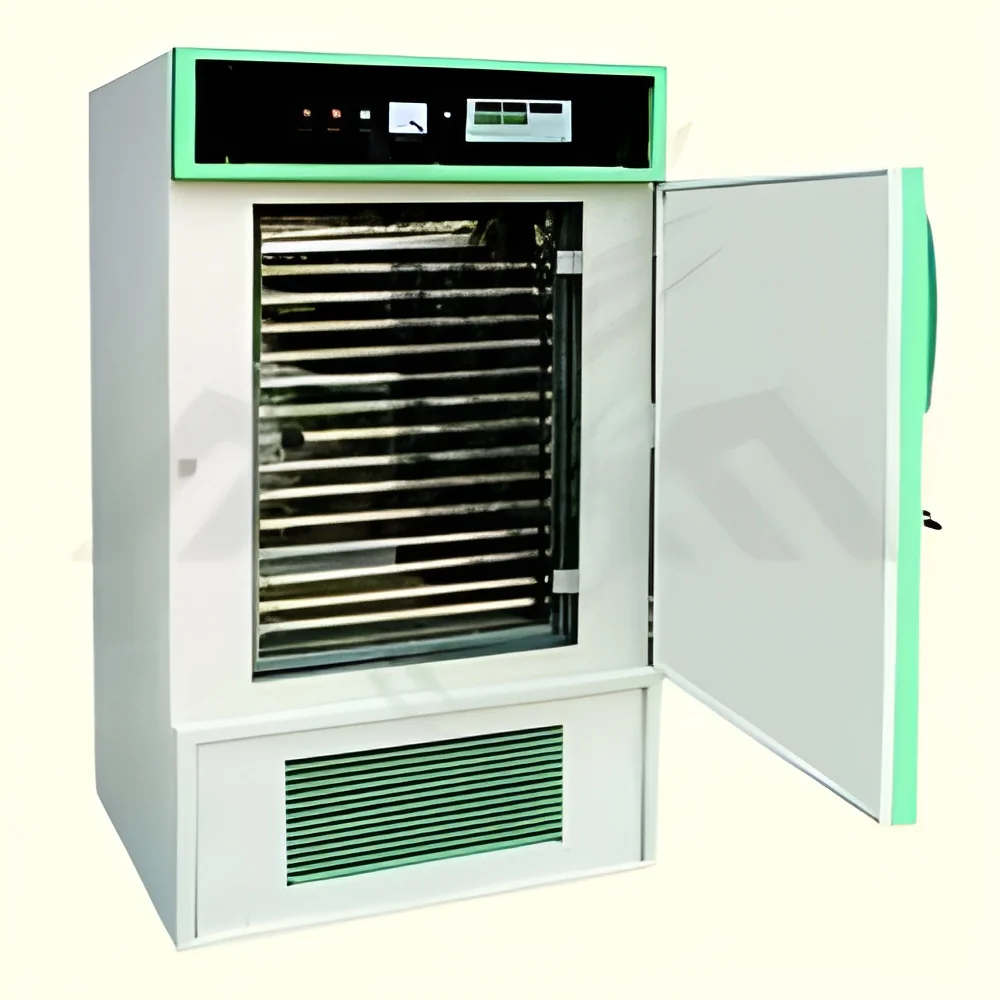
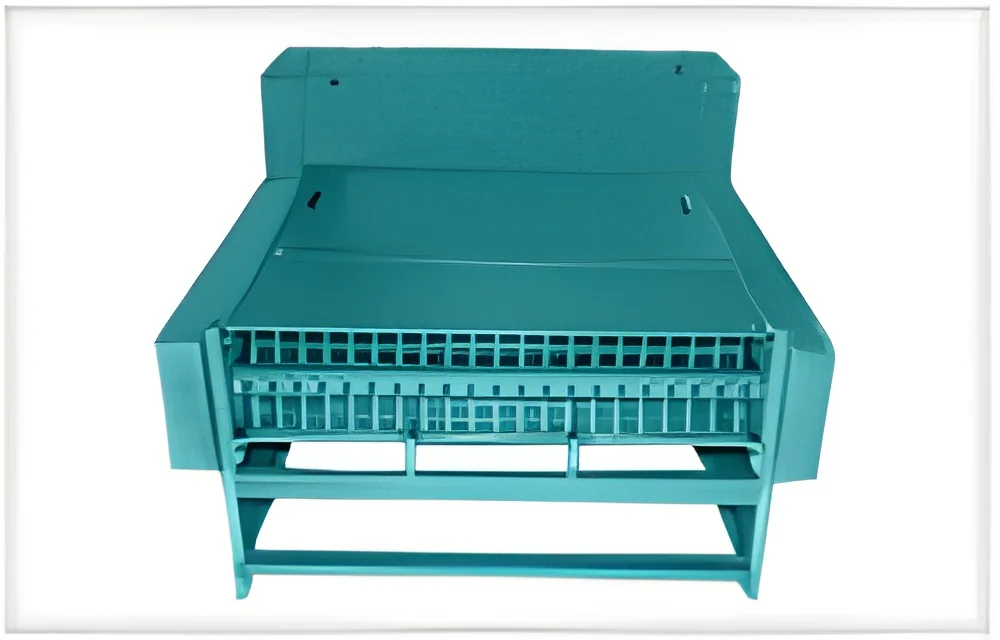
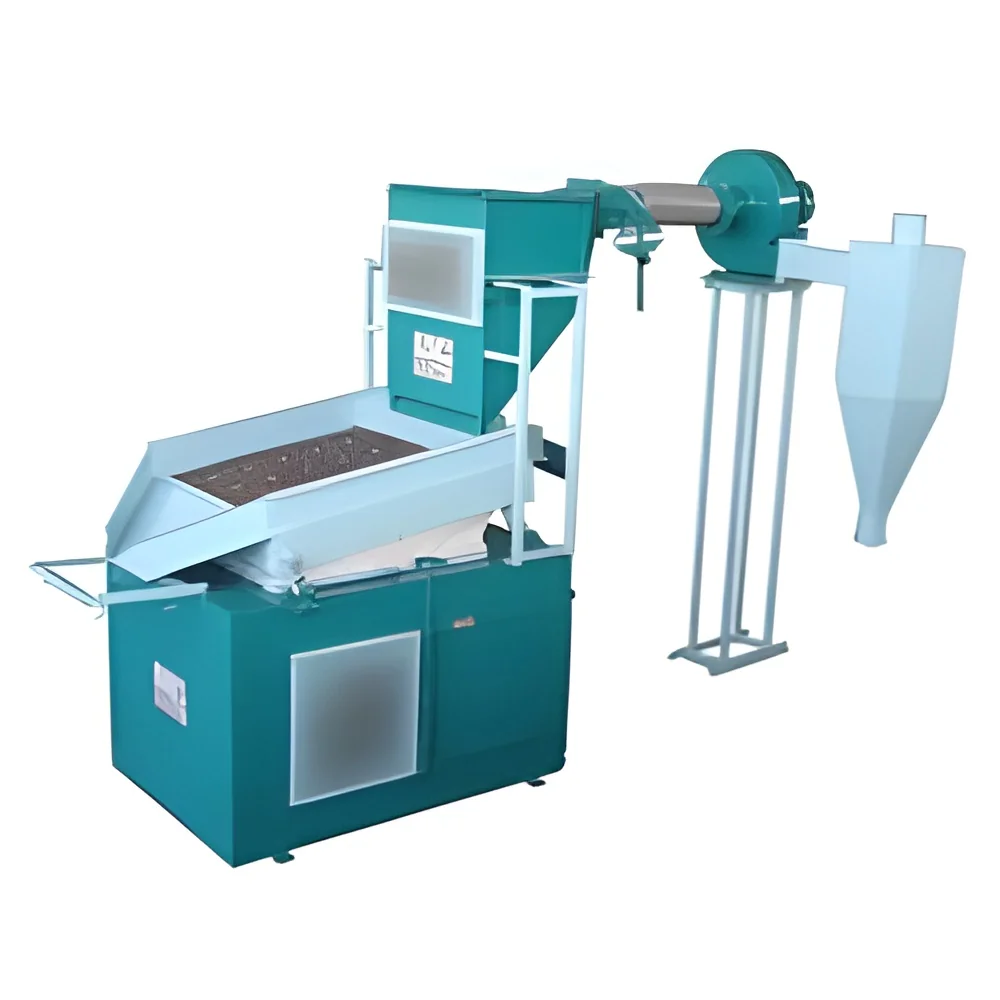
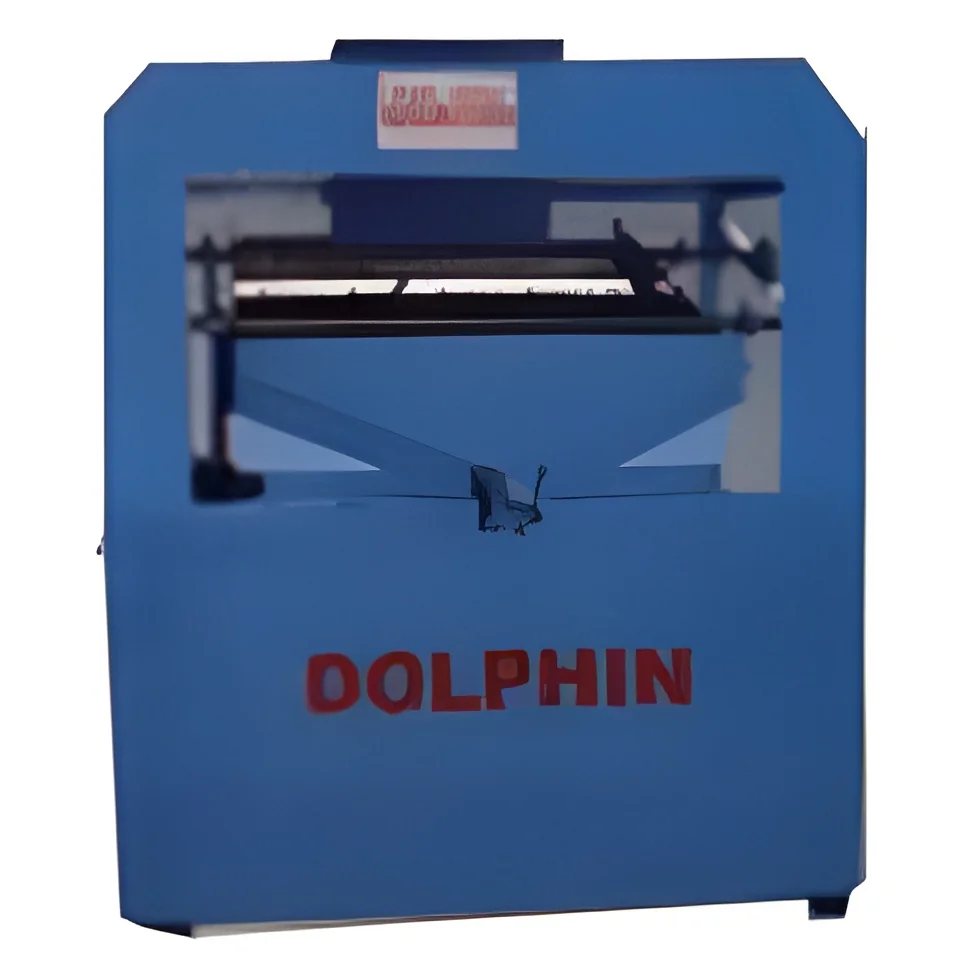
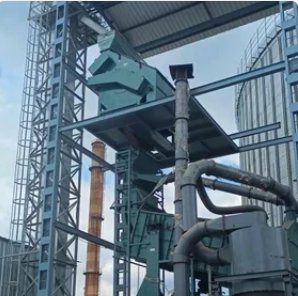
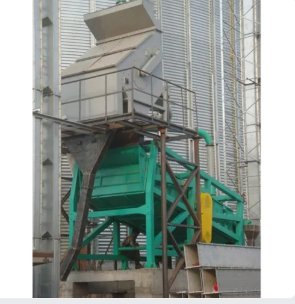
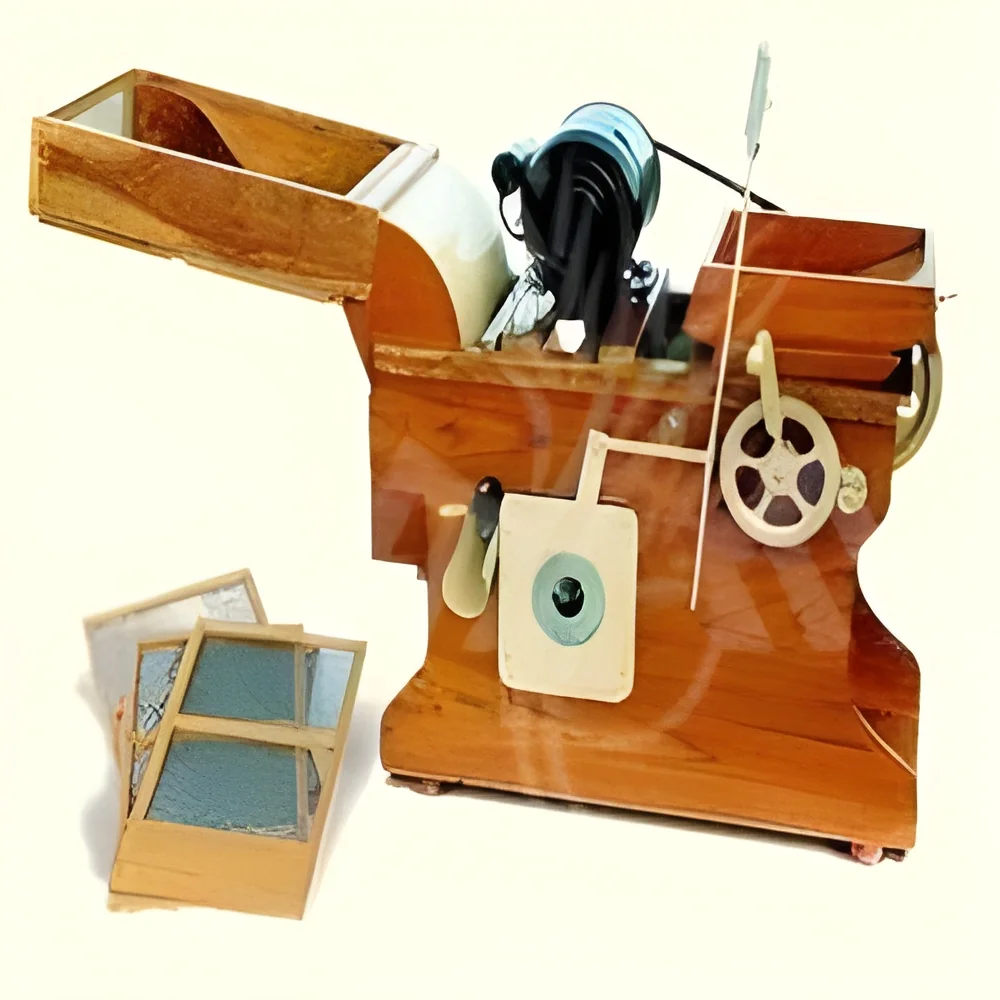
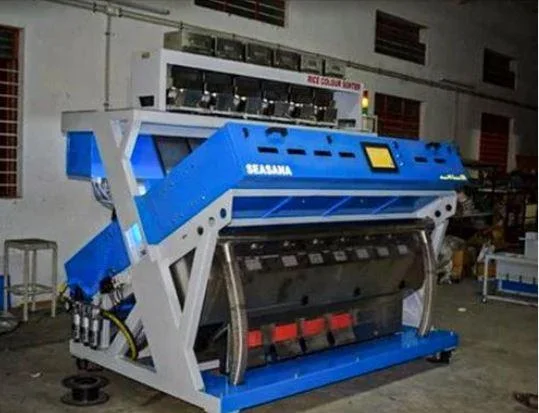
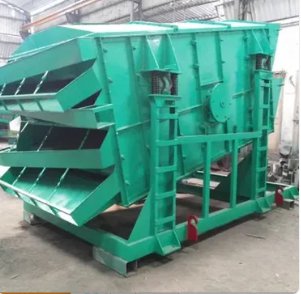
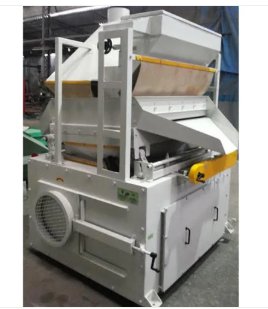
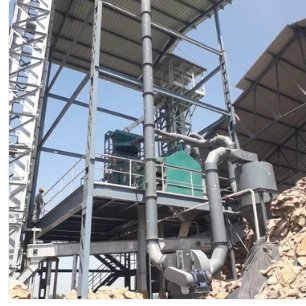
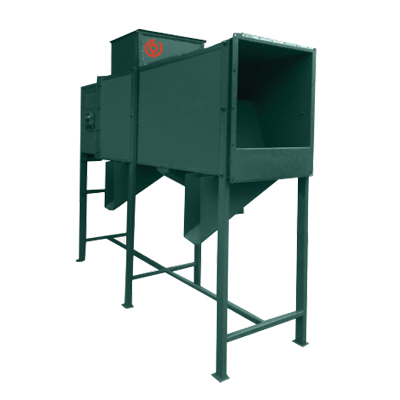
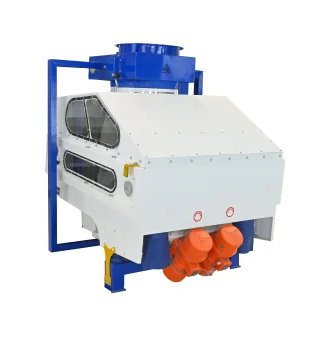
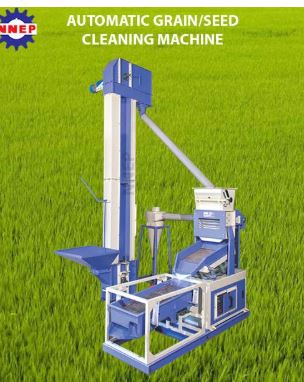
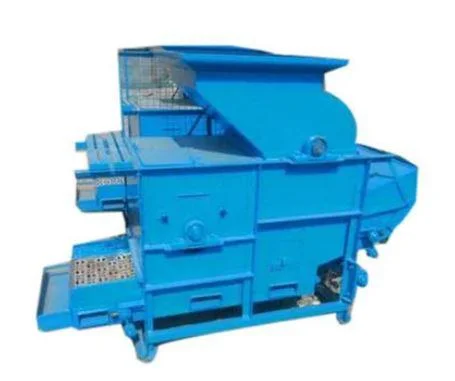
Seed cleaning and grading equipment refers to specialized machinery designed to remove impurities from seeds and classify them based on size, weight, and quality. These machines play an essential role in the agricultural sector by ensuring that seeds are free from contaminants, thus enhancing their viability and performance. The cleaning process typically involves several stages, including screening, air classification, and sometimes additional processes to remove foreign materials like dirt, stones, or broken seeds.
In terms of business applications, seed cleaning and grading equipment is crucial for seed producers, agricultural cooperatives, and processing plants. These entities rely on efficient seed cleaning to deliver high-quality seeds to farmers, thereby promoting better crop yields. The market for such equipment is expanding as agriculture increasingly emphasizes quality and efficiency. As a result, manufacturers are continuously innovating to meet the demands for higher throughput and more precise grading.
Key Features and Specifications
Seed cleaning and grading equipment is characterized by several key features that enhance its efficiency and effectiveness. These specifications are critical for businesses when selecting the right machinery for their operations.
Key specifications include:
1. Cleaning Capacity
- Refers to the amount of seed that can be processed in a given time frame.
- Typically measured in tons per hour.
2. Grading Accuracy
- The precision with which seeds are classified based on size and weight.
- Ranges from 90% to 99% accuracy depending on the model.
3. Energy Consumption
- The amount of energy required to operate the equipment.
- Usually expressed in kilowatts per hour.
4. Dust Collection System
- Features that reduce dust emissions during the cleaning process.
- Essential for maintaining a clean working environment.
5. Material Construction
- The materials used to build the equipment, ensuring durability and resistance to wear.
- Commonly made from stainless steel or high-grade plastic.
6. Automation Level
- The extent to which the equipment can operate without manual intervention.
- Varies from semi-automated to fully automated systems.
7. Maintenance Requirements
- The frequency and type of maintenance needed to keep the equipment operational.
- Should be minimal for efficient production flow.
8. Compliance Standards
- Adherence to industry standards, such as CE certification for safety and environmental impact.
In summary, understanding these specifications helps buyers select the right seed cleaning and grading equipment that aligns with their operational needs and regulatory requirements.
Common Applications and Use Cases
Seed cleaning and grading equipment serves a variety of industries, each with specific applications that benefit from efficient seed processing.
1. Agriculture: Seed producers use this equipment to ensure high-quality seeds for planting, thus maximizing crop yield and reducing losses.
2. Food Processing: Companies involved in food production utilize seed cleaning to remove impurities from seeds used in oils and other food products.
3. Horticulture: Nurseries apply seed grading for ornamental and flowering plants, ensuring uniformity in size and quality.
4. Research Institutions: These entities require precise seed cleaning and grading for studies on plant genetics and breeding.
5. Organic Farming: Equipment designed for organic seeds helps maintain compliance with organic standards by ensuring contaminant-free seeds.
6. Seed Exporters: Exporters use cleaning and grading equipment to prepare seeds for international markets, meeting specific quality standards.
7. Biofuel Production: Companies producing biofuels from seeds require effective cleaning to ensure high purity for optimal processing.
Product Variants and Subcategories
Seed cleaning and grading equipment comes in various forms to cater to different operational needs. Each variant offers unique features and applications.
Seed Cleaner
This variant focuses on the initial cleaning phase, effectively removing dirt, debris, and other foreign materials from seeds. It is essential for ensuring seed viability before grading.
Seed Grader
The seed grader specializes in classifying seeds based on size and weight, allowing for uniformity in planting. This variant is crucial for agricultural producers seeking to enhance crop consistency.
Seed Separator
This equipment variant excels in separating seeds from husks and unwanted materials. It is particularly useful in the processing of pulses and grains.
Seed Coater
While not primarily a cleaning or grading tool, seed coaters are used to apply protective coatings to seeds post-cleaning, enhancing their resistance to pests and diseases.
Benefits and Advantages
Investing in seed cleaning and grading equipment offers several key benefits for businesses in the agricultural sector.
1. Improved Seed Quality: Clean and graded seeds enhance germination rates and crop yields, leading to better overall productivity.
2. Increased Efficiency: Automated systems reduce manual labor and processing time, allowing for higher throughput.
3. Cost Savings: Reducing seed losses through effective cleaning means a better return on investment for producers.
4. Compliance with Standards: Utilizing certified equipment ensures adherence to industry and safety regulations, reducing risks of non-compliance.
5. Enhanced Marketability: High-quality cleaned and graded seeds are more appealing to buyers, potentially leading to better sales prices.
6. Versatility: Many machines can handle various seed types, making them adaptable for different agricultural needs.
Buying Guide for B2B Buyers
When sourcing seed cleaning and grading equipment, there are several important factors to consider to ensure informed purchasing decisions.
1. Quality Assessment: Examine the build quality and performance reviews of the equipment. Reliable machinery will have a proven track record of durability and efficiency.
2. Supplier Verification: Vet suppliers by checking their reputation, customer reviews, and certifications. A trustworthy supplier provides assurance of quality and service.
3. Pricing and MOQ: Understand the pricing structure and minimum order quantities. This will help in budgeting and ensuring that the purchase meets your operational needs.
4. Delivery and Lead Times: Inquire about lead times for delivery, as this can impact your production schedule. Reliable suppliers should provide clear timelines.
5. Compliance Requirements: Ensure that the equipment meets relevant industry standards and regulations. This is crucial for legal compliance and operational integrity.
Compliance and Certifications
Compliance with industry standards is vital for seed cleaning and grading equipment, ensuring safety and quality assurance. Key standards include ISO 9001, which focuses on quality management systems, and HACCP principles, which address food safety.
CE certification is also important, particularly for equipment sold in Europe, as it signifies that the product meets EU safety, health, and environmental protection requirements.
Safety testing is essential for all machinery to prevent workplace accidents and ensure operational safety. Equipment should undergo rigorous testing to verify its performance under various conditions.
Regional compliance considerations may differ, so it is important to understand the local regulations that apply to seed cleaning and grading machinery in your market.
Why Source Seed Cleaning & Grading Equipment from Pepagora?
Pepagora offers a trusted platform for sourcing seed cleaning and grading equipment, providing several key advantages to B2B buyers.
Verified Supplier Network: Pepagora connects buyers with a network of verified suppliers, ensuring that the equipment meets quality standards and performance expectations. Suppliers are vetted to maintain high integrity and reliability.
Streamlined RFQ Process: The request for quotation process is simplified on Pepagora, allowing buyers to receive competitive quotes from various suppliers quickly. This saves time and enhances decision-making.
Trade Assurance and Support: Pepagora provides trade assurance, protecting buyers’ interests by ensuring that transactions are secure. Dedicated support is available to assist throughout the purchasing process.
Regional Coverage: With a strong presence in India, the GCC region, and Southeast Asia, Pepagora offers extensive geographic reach, making it easier for buyers to source equipment suited to their specific regional needs.

 IN
IN