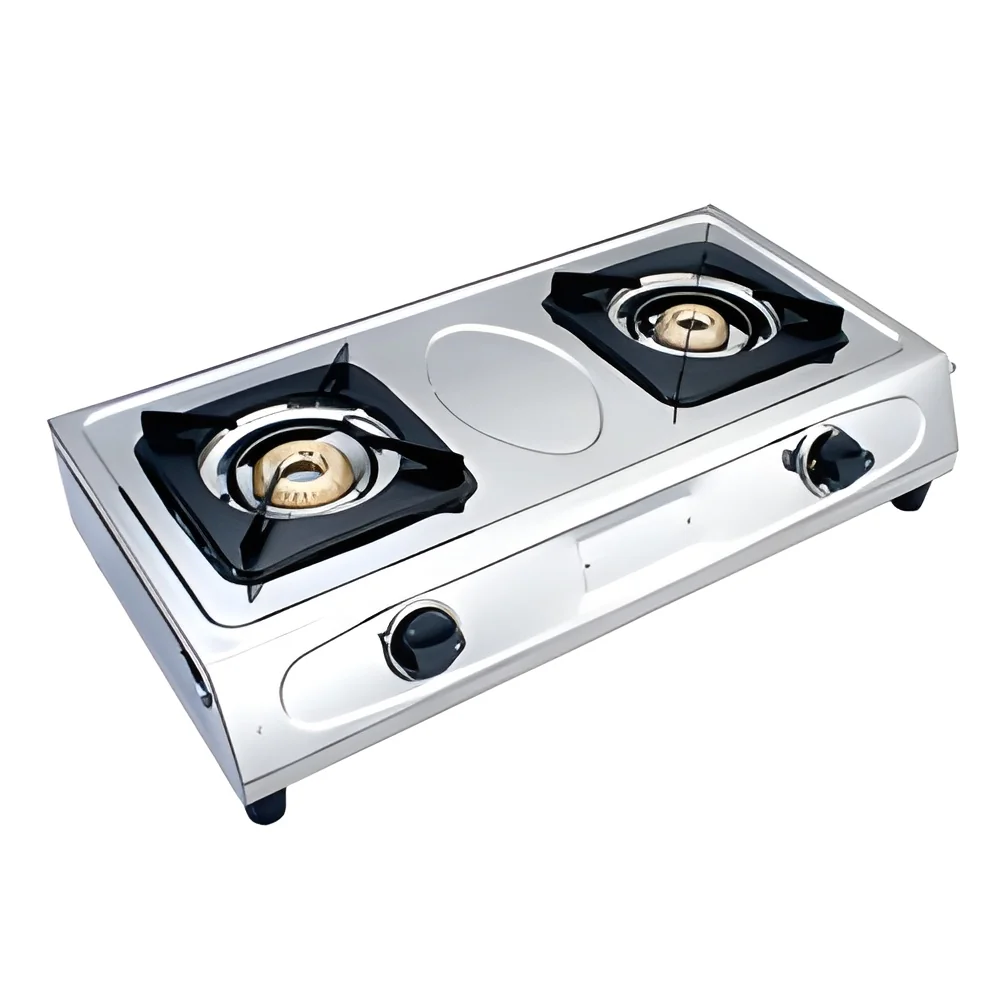
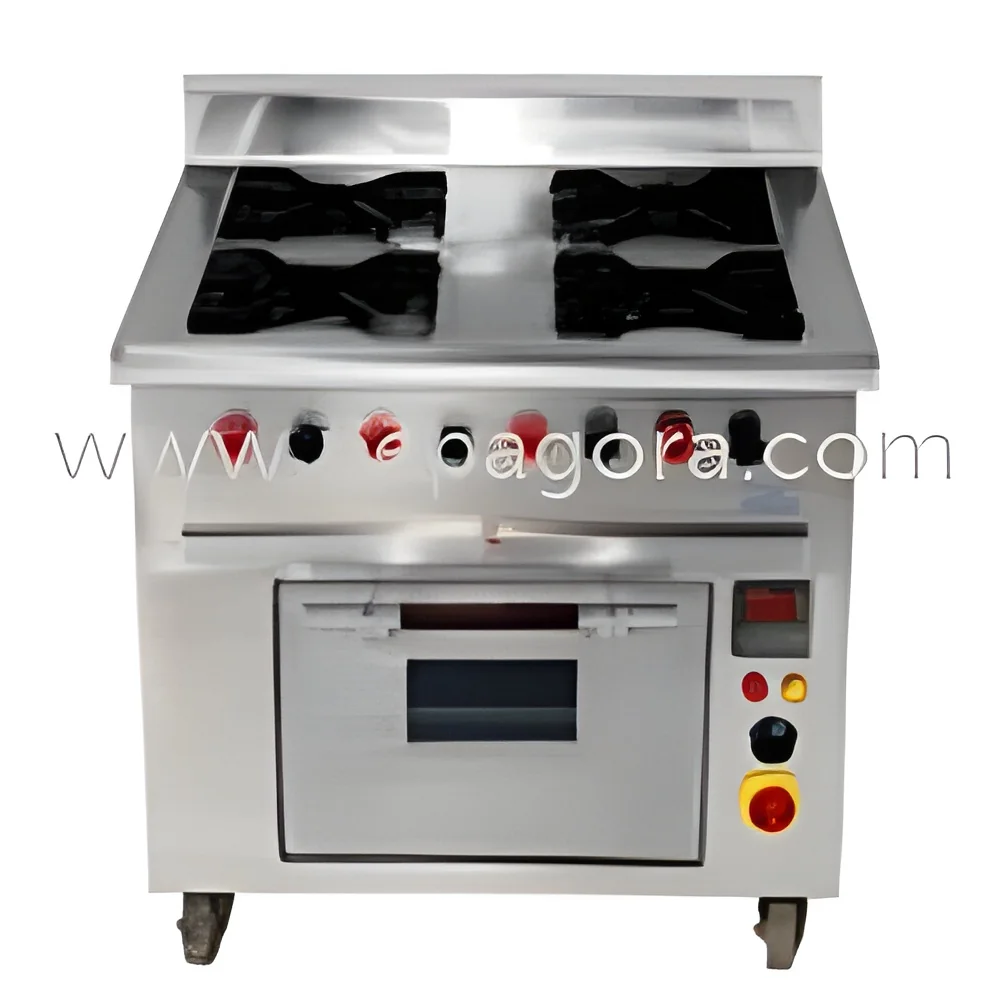
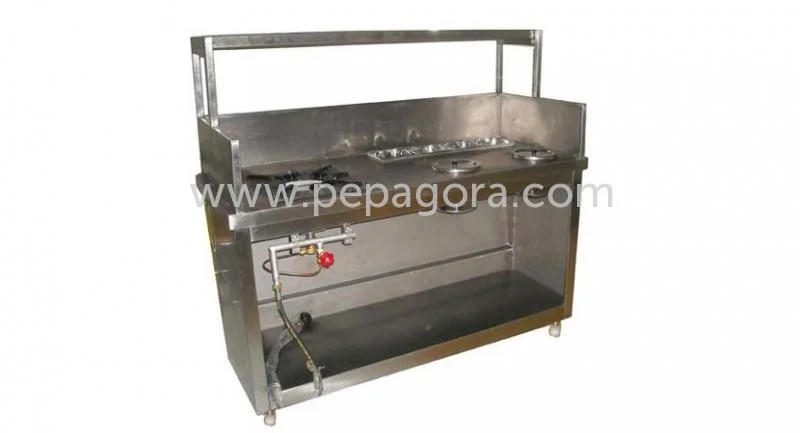
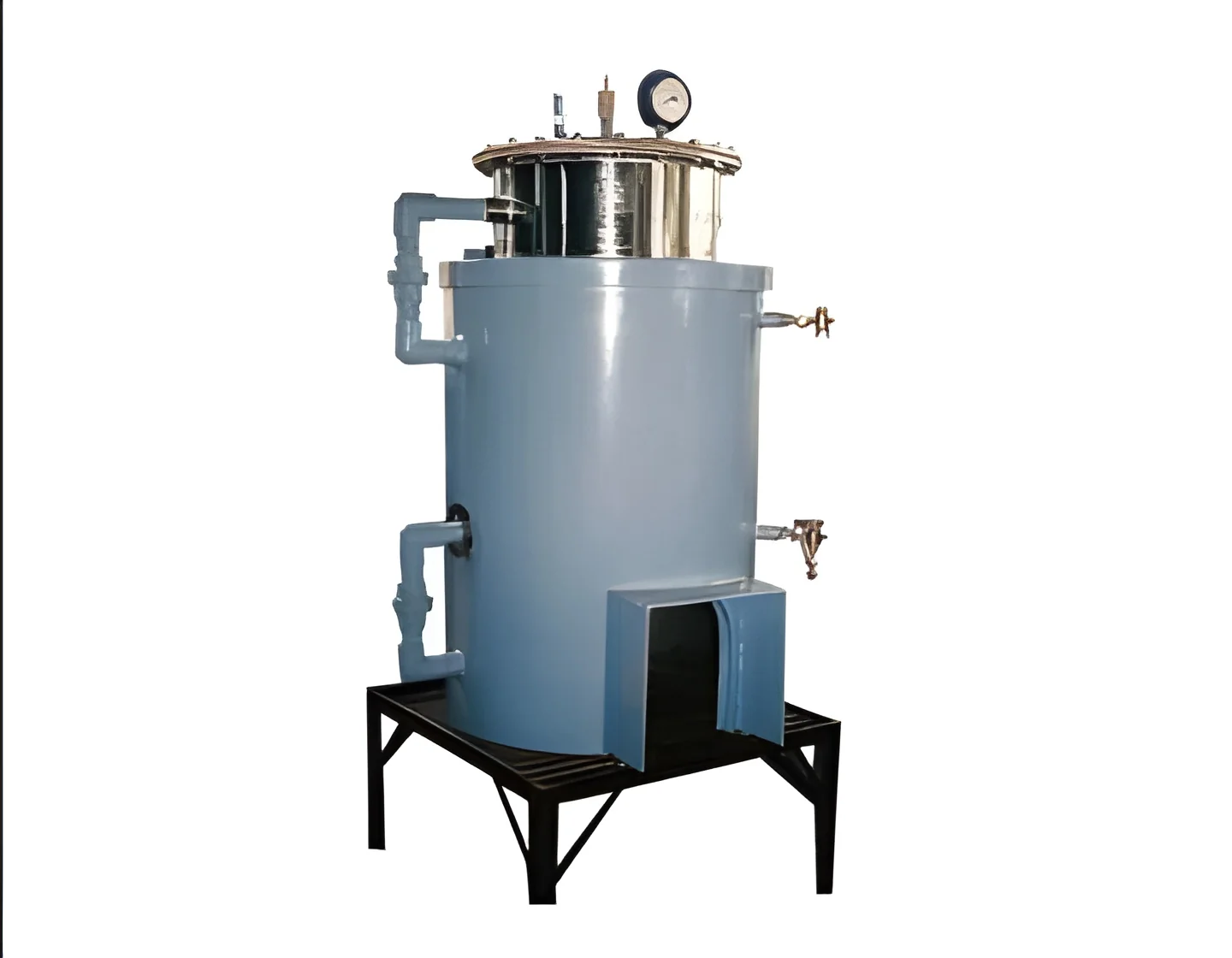
What are Cooking Kettles & Steam Boilers?
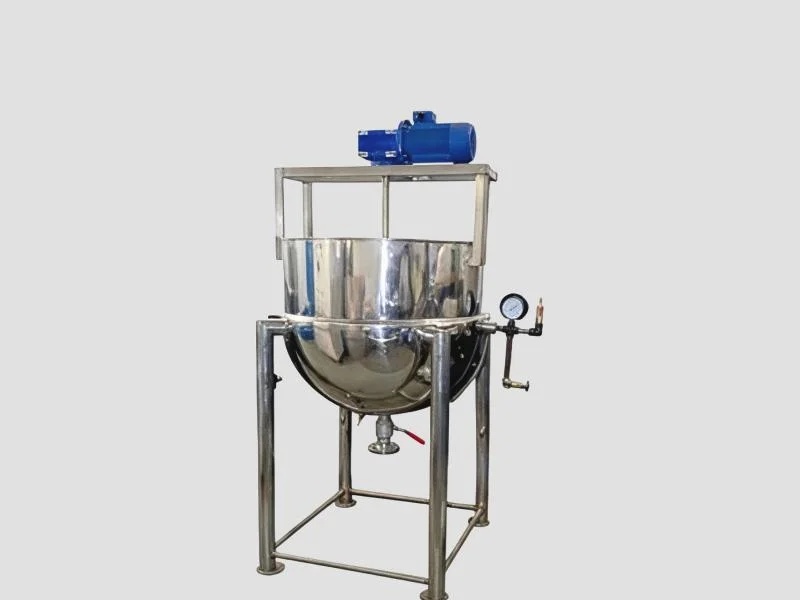
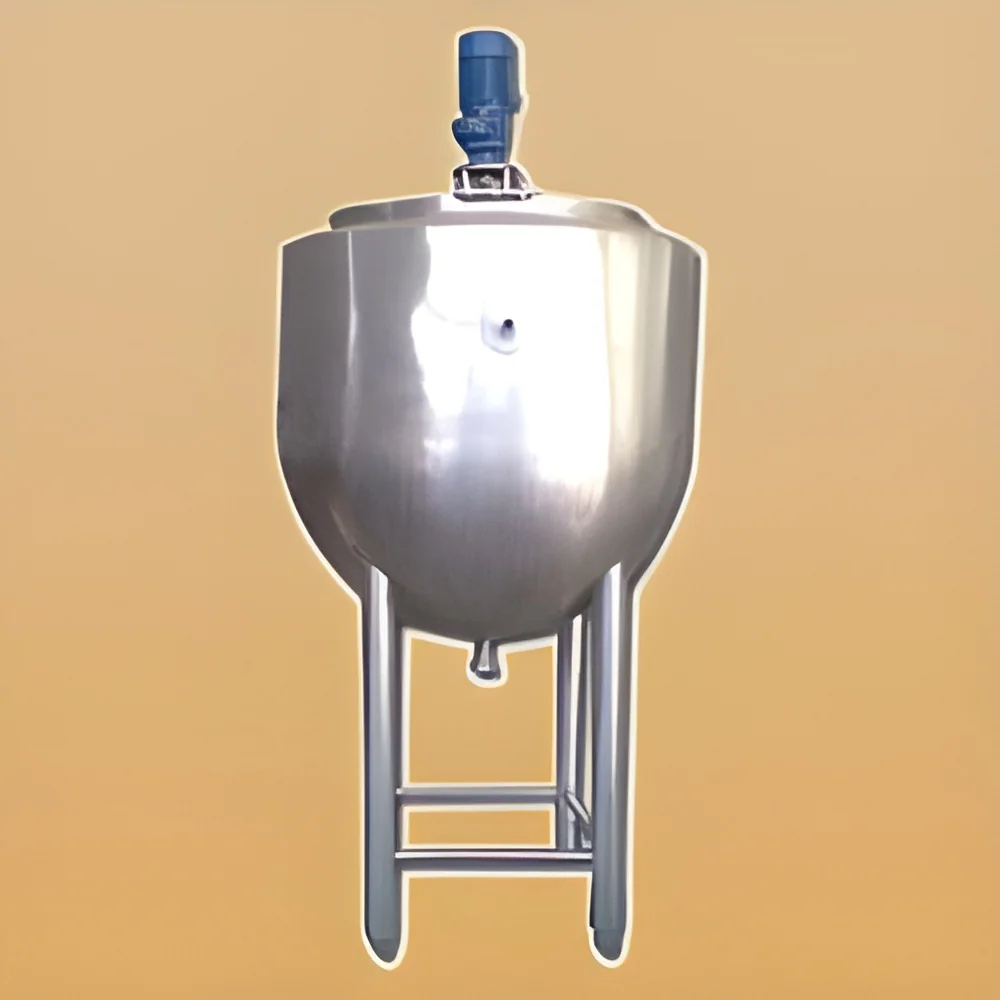
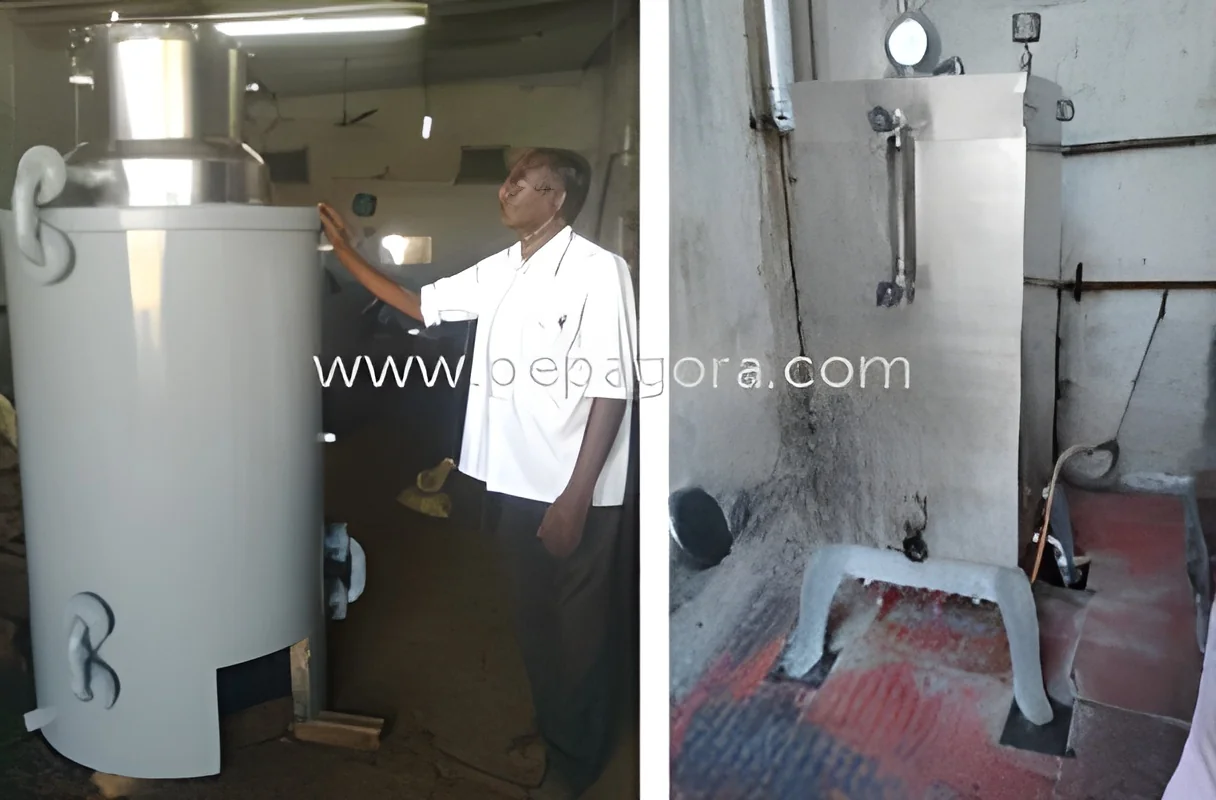
Cooking kettles and steam boilers are essential industrial equipment used primarily in food processing and manufacturing sectors. Cooking kettles are large vessels designed to cook or heat food products through direct or indirect heat sources. They come equipped with features that allow for precise temperature control and efficient heat distribution. Steam boilers, on the other hand, generate steam for various applications, including cooking, cleaning, and sterilization. These systems play a crucial role in ensuring the consistent quality and safety of food products.
These products are widely utilized in various business applications, including commercial kitchens, food processing plants, and catering services. In food manufacturing, cooking kettles are often used for preparing soups, sauces, and other bulk food items. Steam boilers are integral for cooking, pasteurization, and maintaining hygiene standards in food production. The market for these products is driven by the need for efficiency, safety, and compliance with food safety regulations, making them relevant across many industries.
Key Features and Specifications
Cooking kettles and steam boilers come with various features designed to enhance efficiency and safety. These specifications can affect performance and suitability for specific applications.
Key specifications include:
1. Capacity
- Cooking kettles are available in various sizes, typically ranging from 50 to 1,000 liters.
- Steam boilers can generate steam at capacities ranging from 100 kg/h to over 5,000 kg/h.
2. Heating Method
- Cooking kettles may use electric, gas, or steam heating methods.
- Steam boilers can be fire-tube or water-tube designs.
3. Temperature Control
- Precise temperature control mechanisms are often integrated.
- Operating temperatures can range from ambient to 120 degrees Celsius and beyond.
4. Construction Material
- Stainless steel is commonly used for durability and hygiene.
- Some models may feature insulated walls for improved energy efficiency.
5. Safety Features
- Many units include pressure relief valves and automatic shut-off systems.
- Compliance with safety standards is critical.
6. Energy Efficiency
- Some models are designed to minimize energy consumption.
- Look for products with high thermal efficiency ratings.
7. Control Systems
- Advanced control panels may feature digital displays and programmable settings.
- Options for remote monitoring and control are also available.
8. Maintenance Requirements
- Easy access for cleaning and maintenance is important.
- Regular inspection schedules may be recommended for optimal performance.
In summary, understanding the key features and specifications of cooking kettles and steam boilers helps buyers select the right equipment for their industrial needs.
Common Applications and Use Cases
Cooking kettles and steam boilers serve a variety of industries by enhancing food processing efficiency and safety.
1. Food Processing: These units are often used for preparing bulk food items, including sauces, soups, and other cooked products, ensuring consistent quality and flavor.
2. Catering Services: Catering companies utilize cooking kettles and steam boilers for large-volume cooking, enabling them to serve meals efficiently in various settings.
3. Beverage Production: In beverage manufacturing, these products are vital for processes like sterilization and pasteurization.
4. Pharmaceuticals: Steam boilers are essential for sterilizing equipment and maintaining hygienic conditions in pharmaceutical manufacturing.
5. Dairy Industry: Cooking kettles are used to produce cheese and other dairy products, where precise temperature control is necessary.
6. Chemical Processing: In some cases, these devices are utilized in chemical processing to heat and mix substances safely.
7. Institutional Kitchens: Hospitals and schools often rely on cooking kettles and steam boilers to prepare large quantities of nutritious meals.
Product Variants and Subcategories
Cooking kettles and steam boilers come in various designs to cater to specific industrial needs.
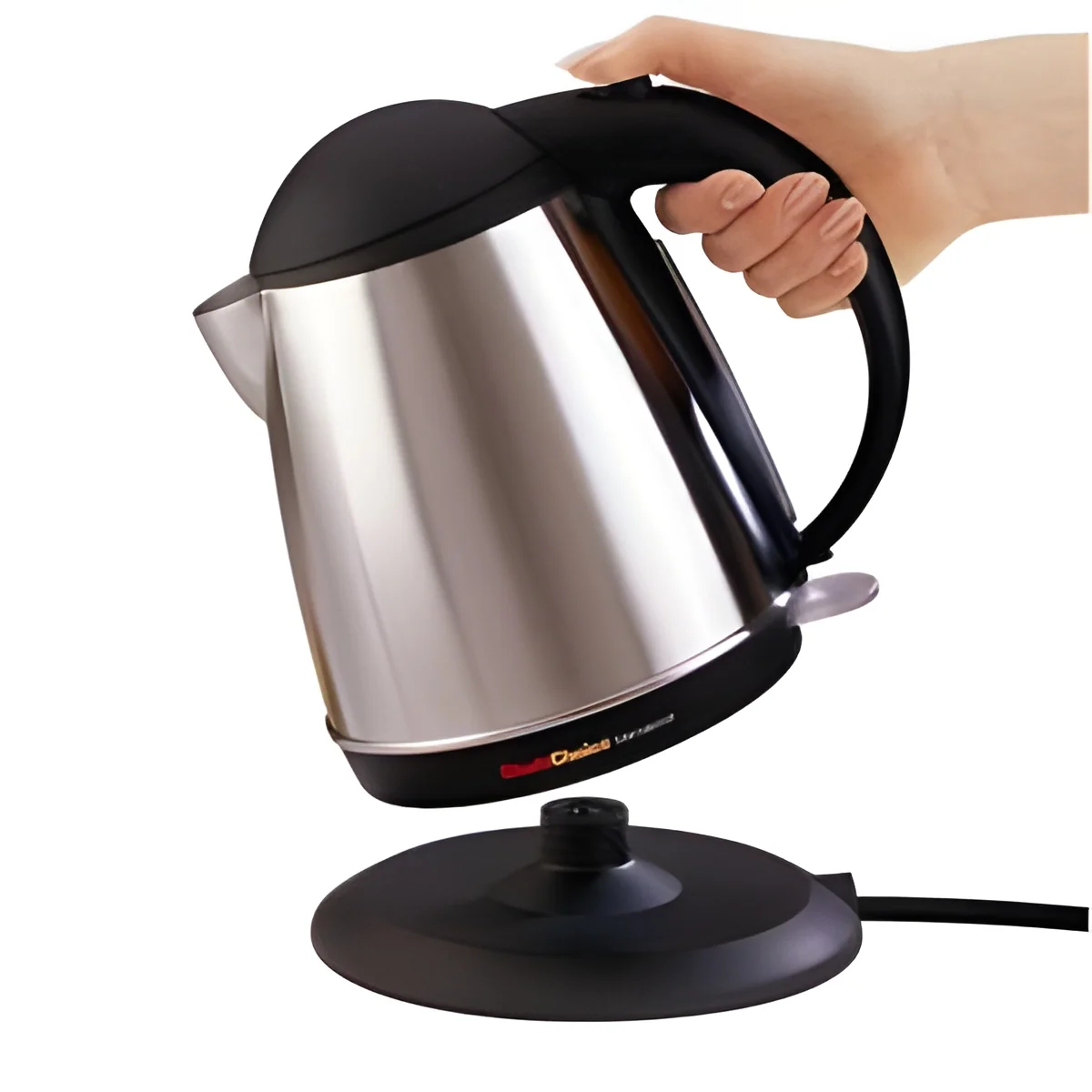
Electric Cooking Kettles: These models are favored for their ease of use and control. They are suitable for environments where gas supply is limited.
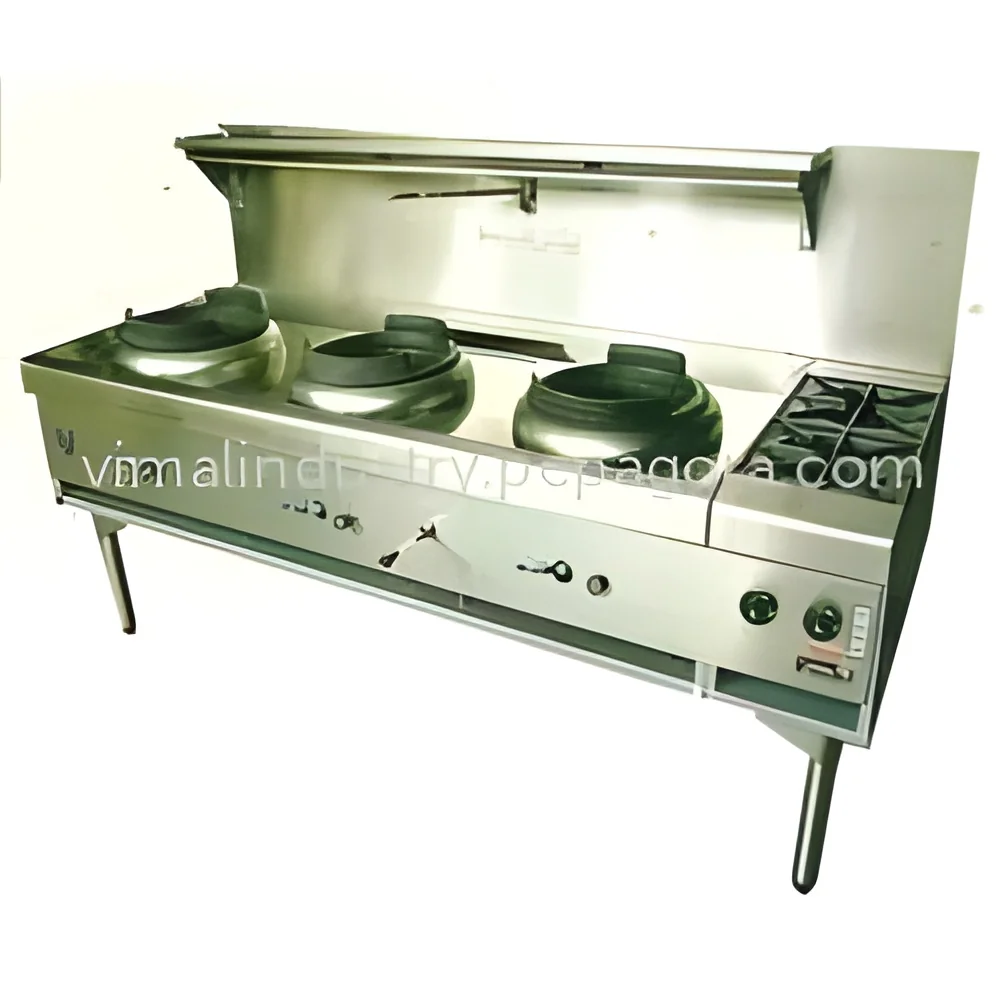
Gas Cooking Kettles: Offering quicker heating times, gas kettles are often used in high-demand kitchen settings. They provide robust heating for larger batches of food.
Pressure Steam Boilers: These boilers are designed to operate at higher pressures, suitable for commercial and industrial applications requiring large volumes of steam.
Low-Pressure Steam Boilers: Ideal for smaller operations, these boilers operate efficiently at lower pressures, making them suitable for smaller food processing plants.
Benefits and Advantages
Cooking kettles and steam boilers offer numerous benefits to industrial operations.
Key benefits include:
1. Increased Efficiency: Cooking kettles allow for large-scale cooking, reducing preparation time significantly.
2. Consistent Quality: Precise temperature control ensures uniform cooking results, maintaining food quality.
3. Versatility: These units can be used for various cooking methods, from steaming to simmering.
4. Energy Savings: Many modern models are designed to be energy-efficient, leading to lower operational costs.
5. Enhanced Safety: Integrated safety features help prevent accidents and ensure compliance with industry standards.
6. Improved Hygiene: Steam boilers are effective for sterilization, helping meet stringent hygiene requirements in food processing.
Buying Guide for B2B Buyers
When sourcing cooking kettles and steam boilers, several factors should be considered to ensure a suitable purchase.
1. Quality Assessment: Evaluate the construction materials and design of the kettles and boilers. Look for reputable brands that adhere to industry standards.
2. Supplier Verification: Vet suppliers to ensure they have a track record of reliability and quality. Check for customer reviews and industry certifications.
3. Pricing and MOQ: Consider the price points and minimum order quantities (MOQ). Balance cost with quality to achieve the best value.
4. Delivery and Lead Times: Understand the logistics involved in delivery. Confirm lead times to ensure timely receipt of the equipment.
5. Compliance Requirements: Ensure that the products meet relevant compliance standards and certifications necessary for your industry.
Compliance and Certifications
Cooking kettles and steam boilers must adhere to various quality and safety standards to ensure optimal performance and safety in industrial settings.
Relevant quality standards include ISO 9001, which outlines requirements for a quality management system. This standard is critical for ensuring consistent product quality and safety.
HACCP (Hazard Analysis Critical Control Point) protocols are often applied in food processing environments. These guidelines help ensure food safety by identifying and managing potential hazards.
The CE mark indicates compliance with European safety standards, which is essential for products sold in the European market.
Safety and testing requirements are paramount, with regular inspections and maintenance recommended to uphold operational integrity.
Additionally, regional compliance considerations may differ, requiring awareness of local regulations that affect installation and operation.
Why Source Cooking Kettles & Steam Boilers from Pepagora?
Pepagora provides a trusted platform for sourcing cooking kettles and steam boilers, ensuring buyers have access to quality products from verified suppliers.
The verified supplier network offers peace of mind, as every supplier undergoes a thorough vetting process, ensuring they meet industry standards and quality requirements.
The streamlined RFQ process simplifies procurement, allowing buyers to request quotations easily and compare options from multiple suppliers efficiently.
Trade assurance and support from Pepagora further enhance buyer protection, offering a safety net for transactions and ensuring that concerns are addressed promptly.
With regional coverage extending across India, the GCC, and Southeast Asia, Pepagora connects buyers with local suppliers, facilitating convenient and timely access to essential industrial equipment.

 IN
IN