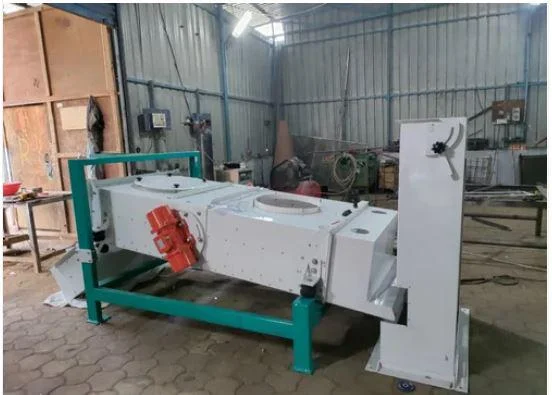
What are Sieving & Grading Machines?
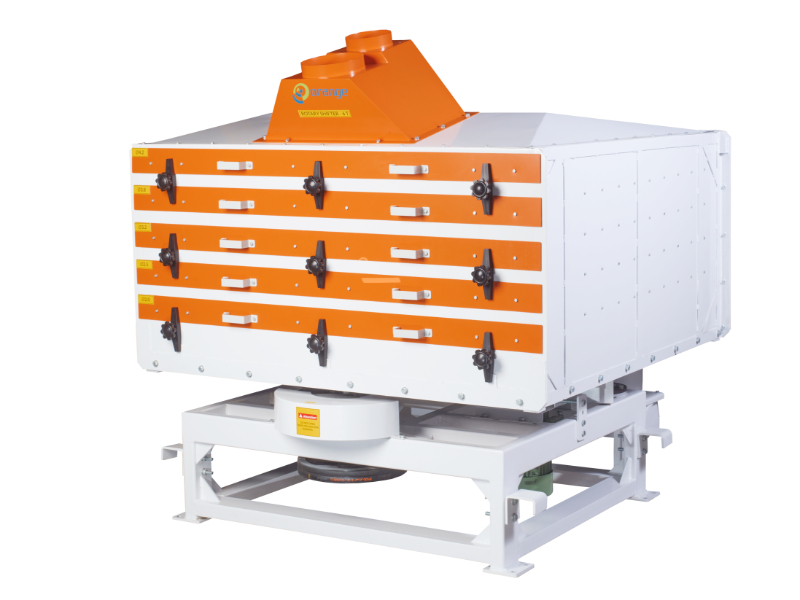
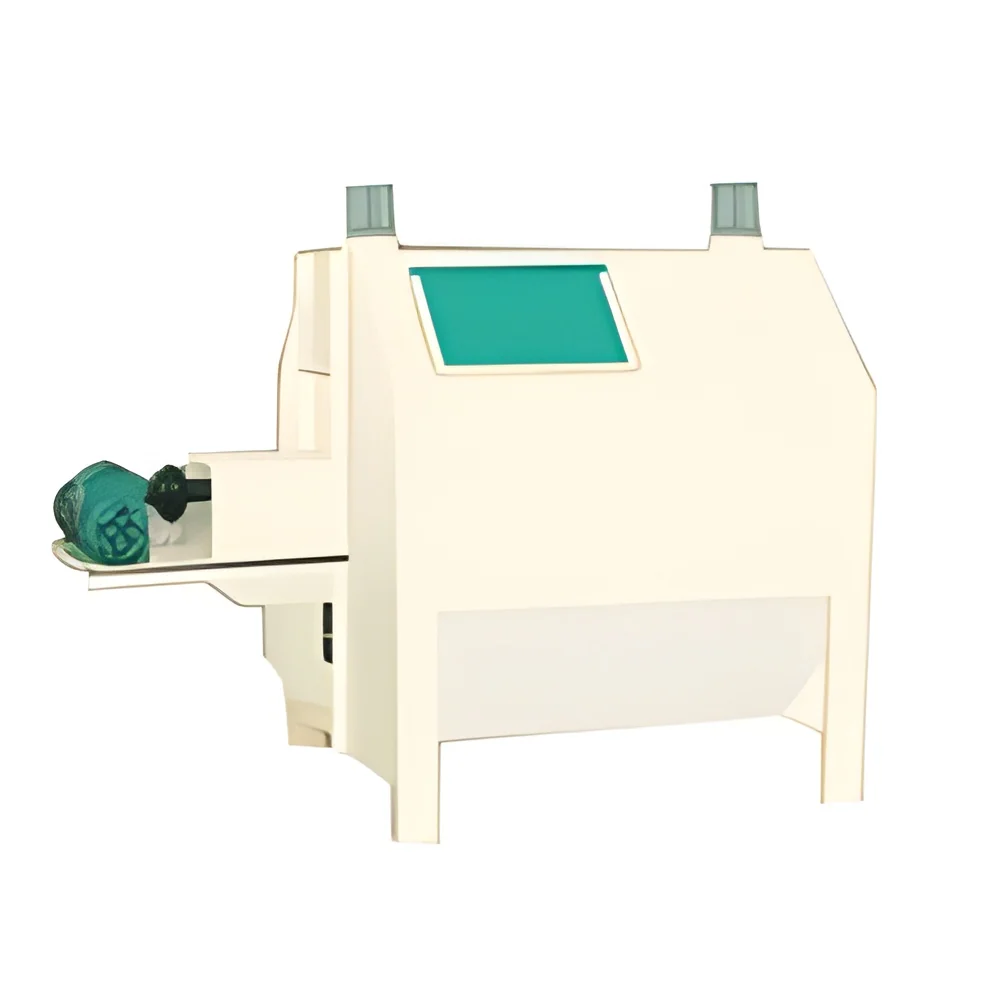
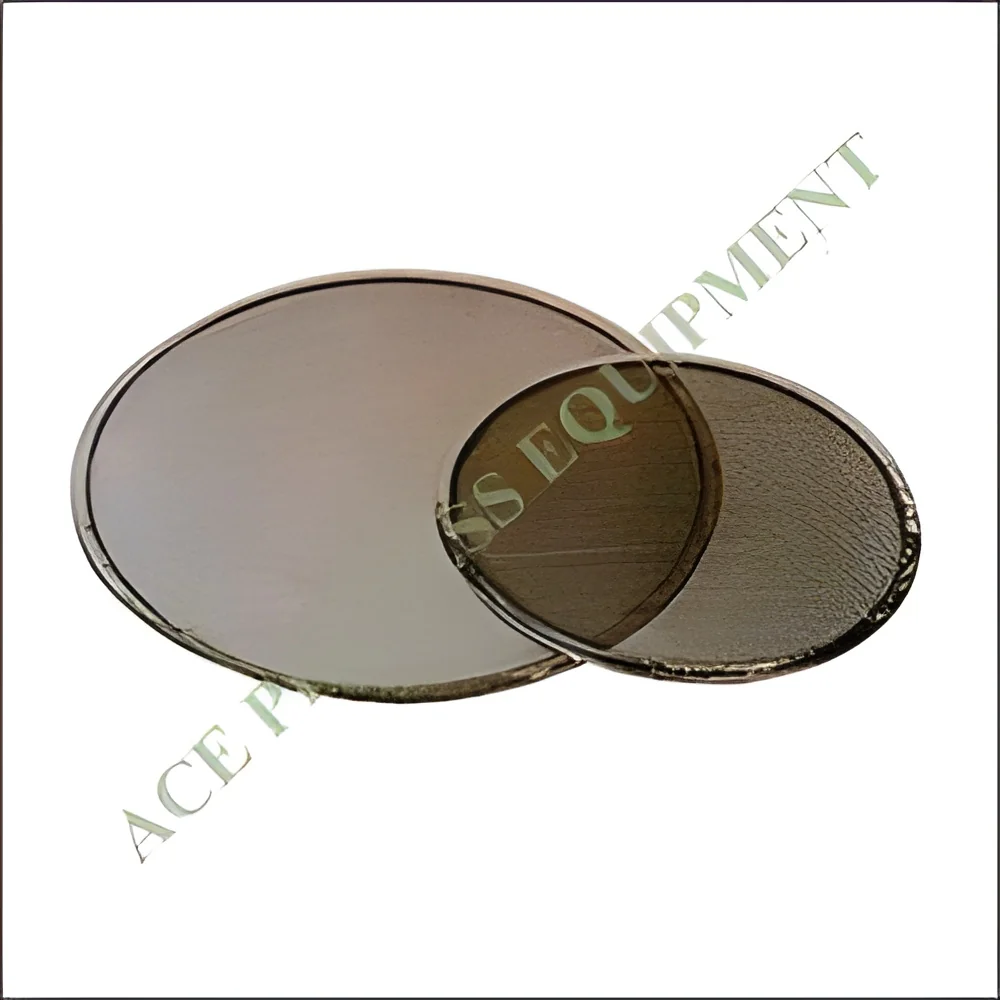
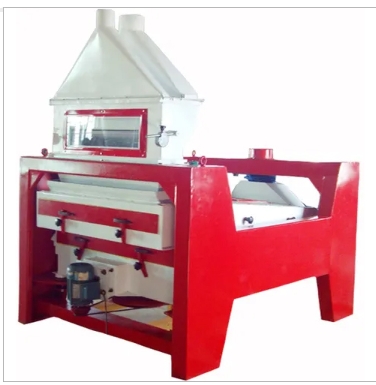
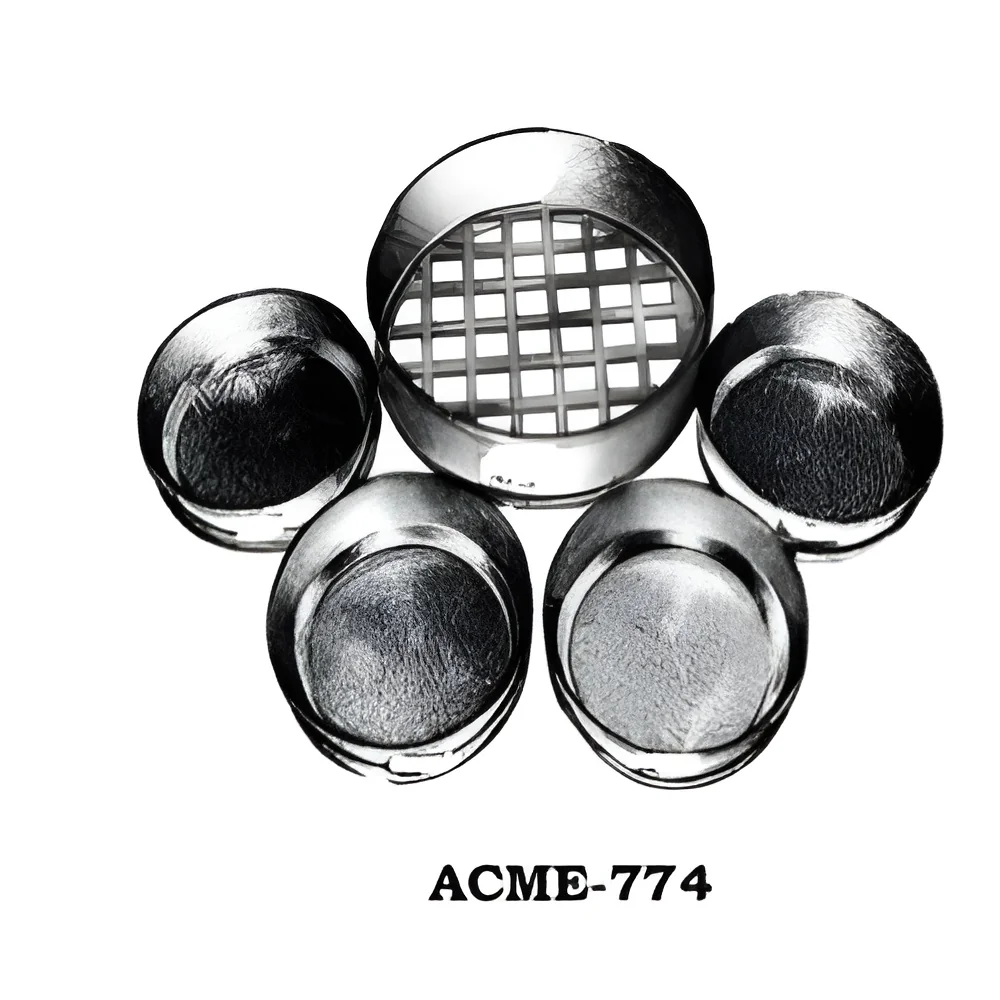
Sieving and grading machines are essential equipment used in various industries to separate and classify materials based on particle size. These machines utilize a screen or sieve to filter out larger particles while allowing smaller particles to pass through. This process not only enhances product quality but also ensures uniformity in material size, which is critical for further processing or final product assembly.
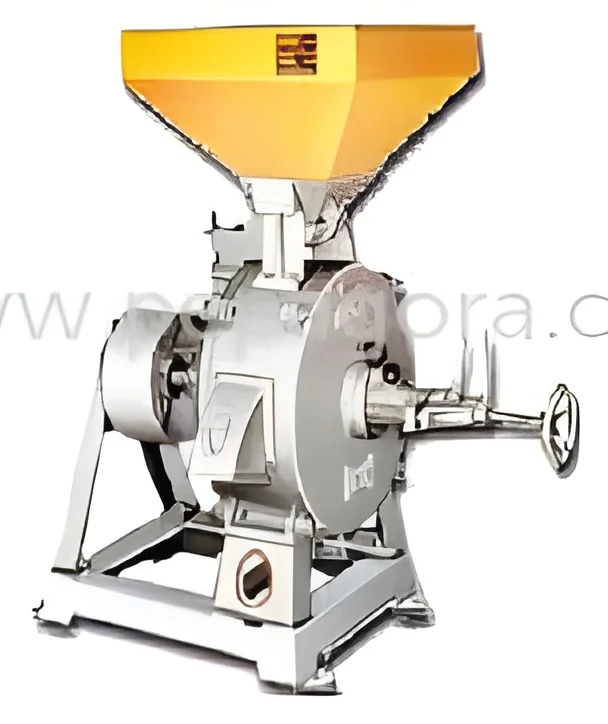
These machines find widespread application in industries such as food processing, pharmaceuticals, chemicals, and construction materials. In food production, they help in separating flour from impurities, while in pharmaceuticals, they ensure that active ingredients are uniformly sized for effective dosage. The growing demand for quality control in manufacturing processes has significantly increased the relevance of sieving and grading machines in industrial settings, making them indispensable in today’s market.
Key Features and Specifications
Sieving and grading machines come equipped with various features designed to enhance efficiency and reliability. Understanding the specifications of these machines is crucial for selecting the right model for your business needs.
Key specifications include:
1. Sieve Size
- Typically ranges from 50 microns to 10 mm
- Allows for customization based on material requirements
2. Capacity
- Varies depending on machine size and configuration
- Can range from 100 kg/h to over 2000 kg/h
3. Power Consumption
- Generally between 1 kW to 5 kW
- Efficiency is influenced by the motor type and machine design
4. Material Construction
- Commonly made from stainless steel or high-grade carbon steel
- Ensures durability and resistance to corrosion
5. Vibration Control
- Features adjustable vibration settings
- Enhances separation efficiency and reduces noise levels
6. Automation Level
- Options available from manual to fully automated systems
- Automation increases throughput and reduces labor costs
7. Cleaning Mechanism
- Some models include self-cleaning features
- Facilitates maintenance and minimizes downtime
8. Safety Features
- Equipped with emergency stop buttons and protective covers
- Ensures operator safety during operation
These specifications highlight the versatility and adaptability of sieving and grading machines to meet various industrial requirements.
Common Applications and Use Cases
Sieving and grading machines serve a multitude of industries, each with unique applications.
1. Food Processing: Used for separating flour from foreign particles and ensuring uniformity in grain sizes for baking.
2. Pharmaceuticals: Essential for the precise formulation of powders and ensuring consistent particle size for effective drug delivery.
3. Chemical Industry: Employed in the classification of powders and granules, ensuring quality control in product packaging.
4. Construction Materials: Used for grading sand, gravel, and other aggregates to ensure compliance with construction standards.
5. Plastics and Polymers: Helps in the separation of plastic pellets by size for consistent quality in production.
6. Mining: Utilized for classifying ores and minerals based on particle sizes for further processing.
7. Recycling: Important for separating recyclable materials from non-recyclables in waste management.
Product Variants and Subcategories
The diversity of sieving and grading machines caters to different industrial needs.
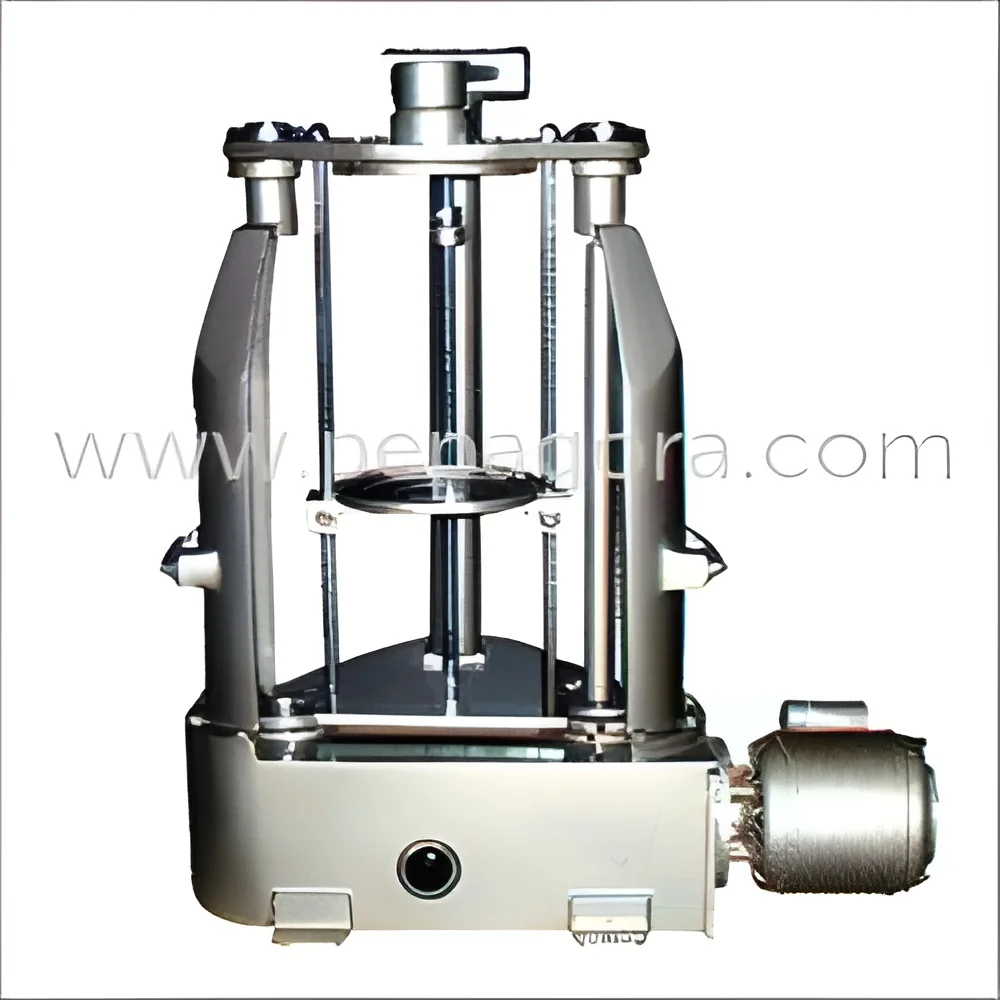
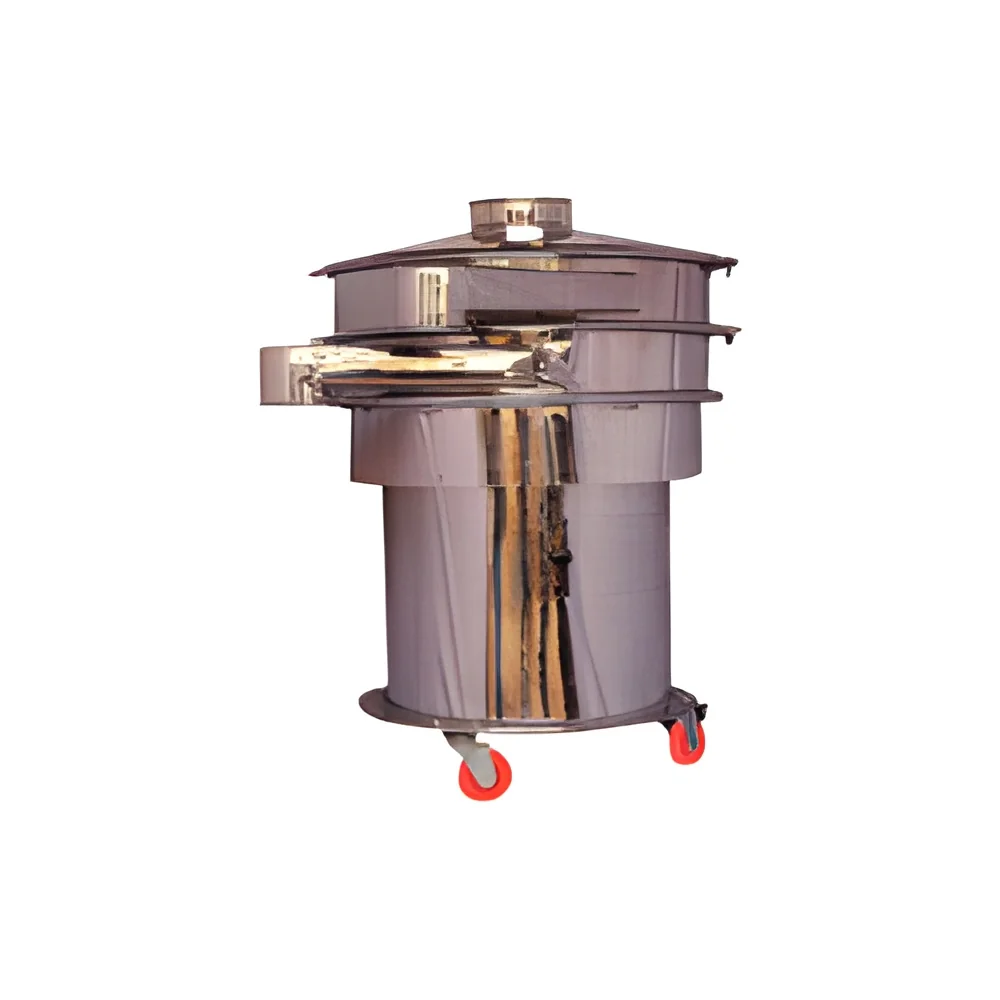
Vibrating Sieves
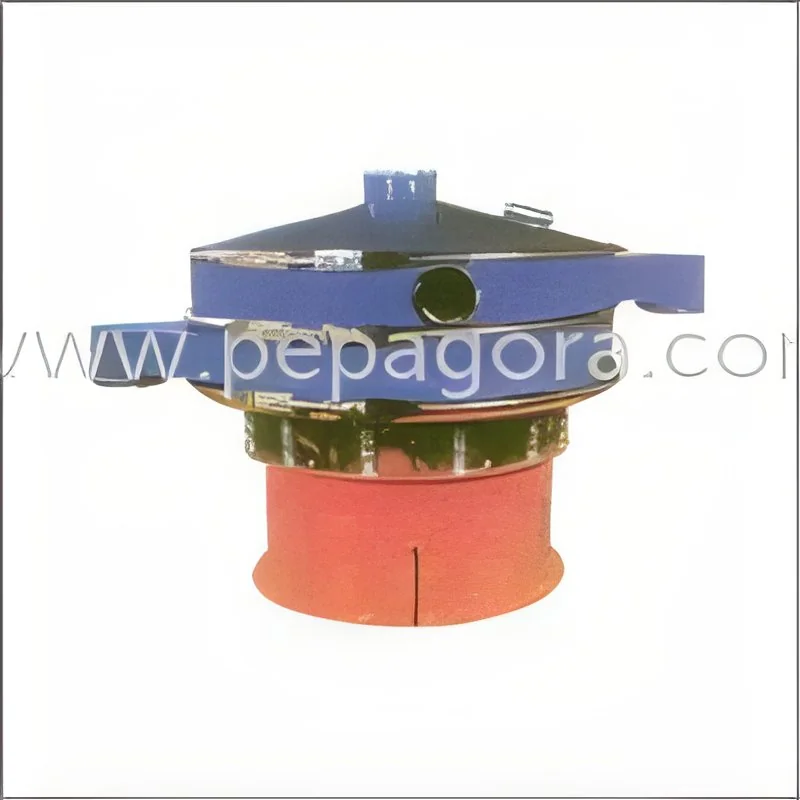
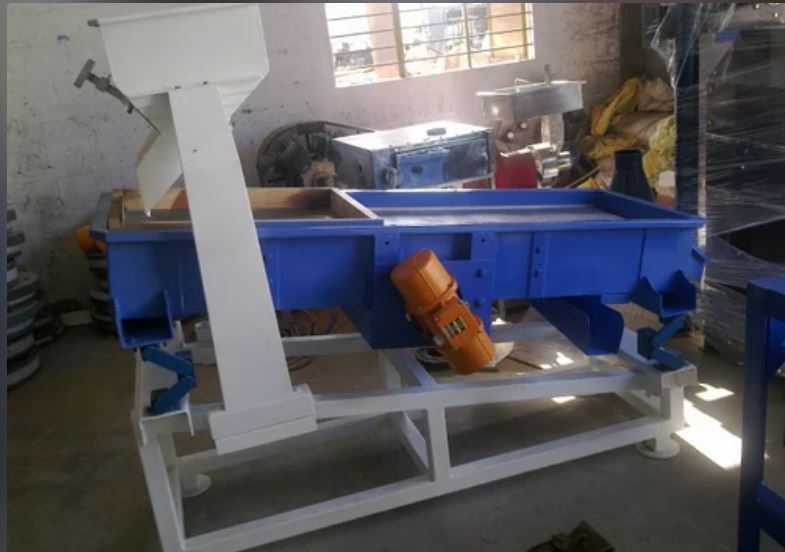
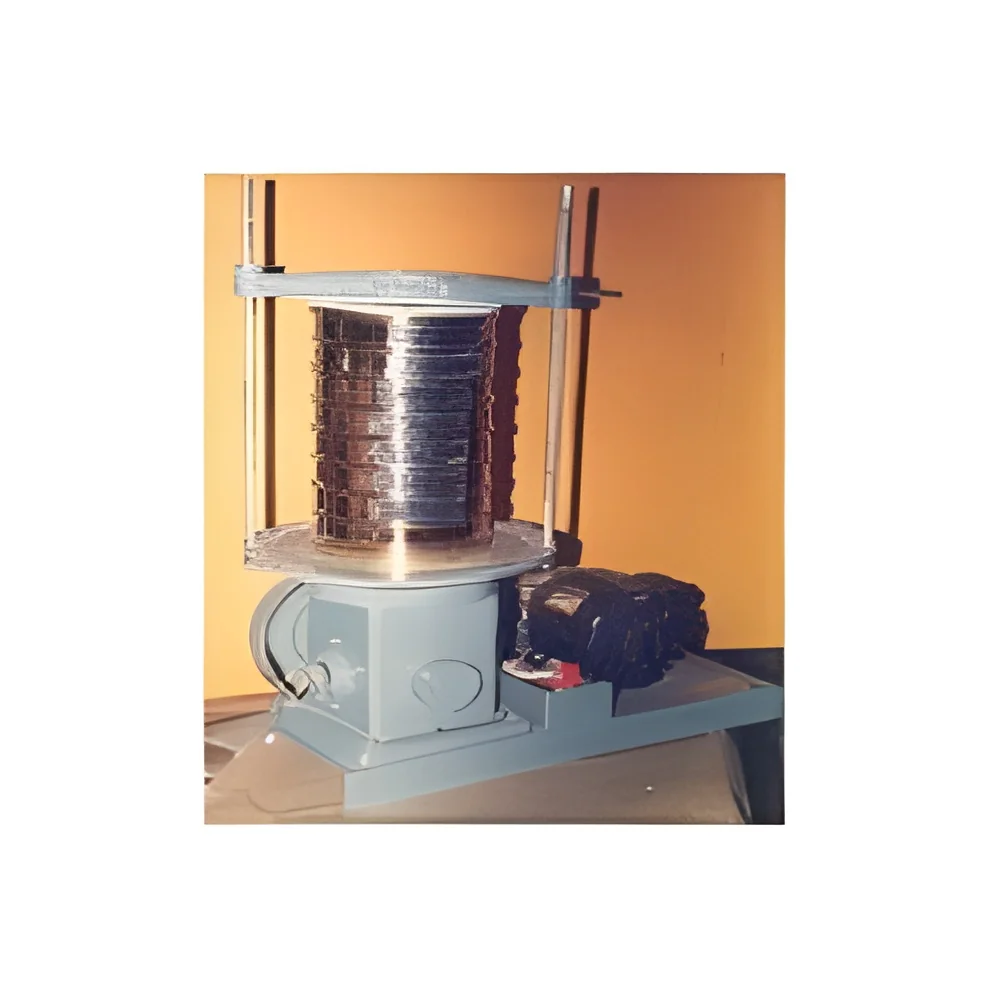
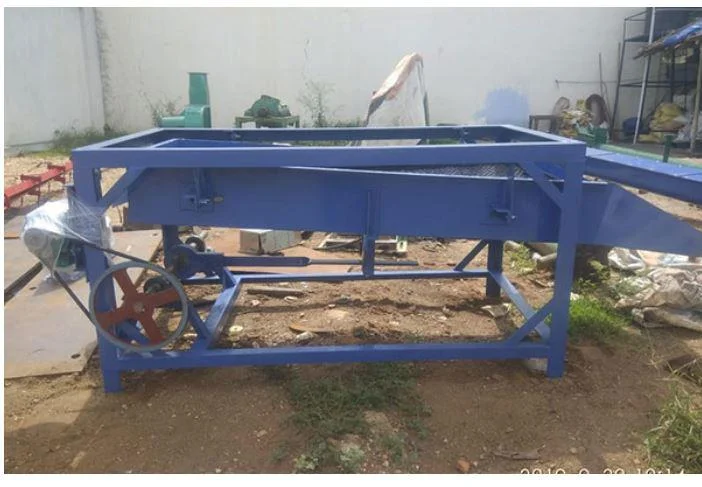
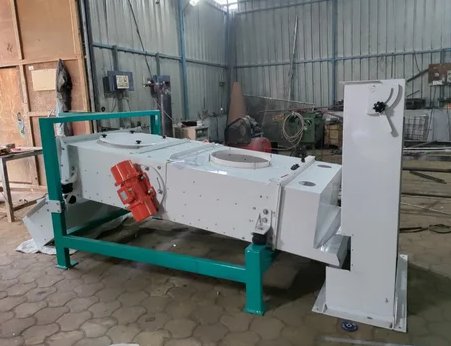
Vibrating sieves utilize mechanical vibrations to facilitate the separation of materials effectively. They are suitable for high-capacity applications and are commonly used in food and chemical industries.
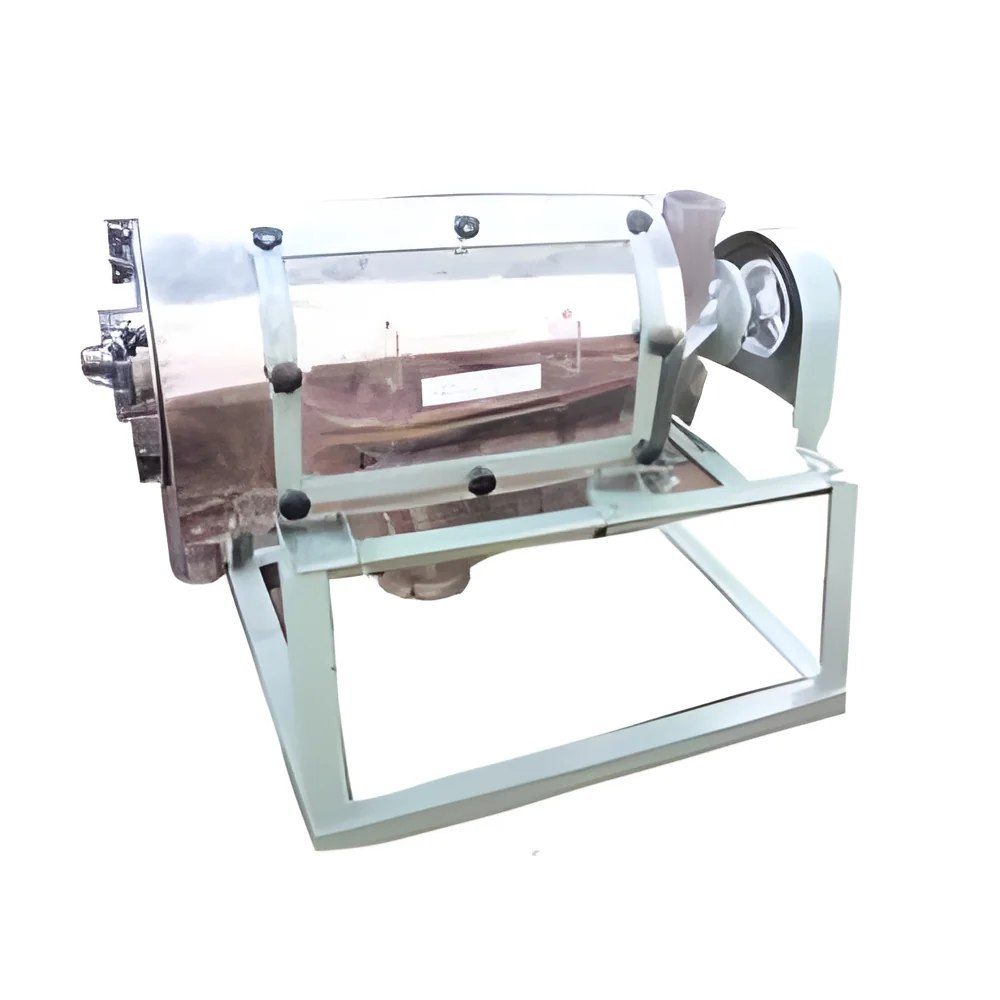
Rotary Graders
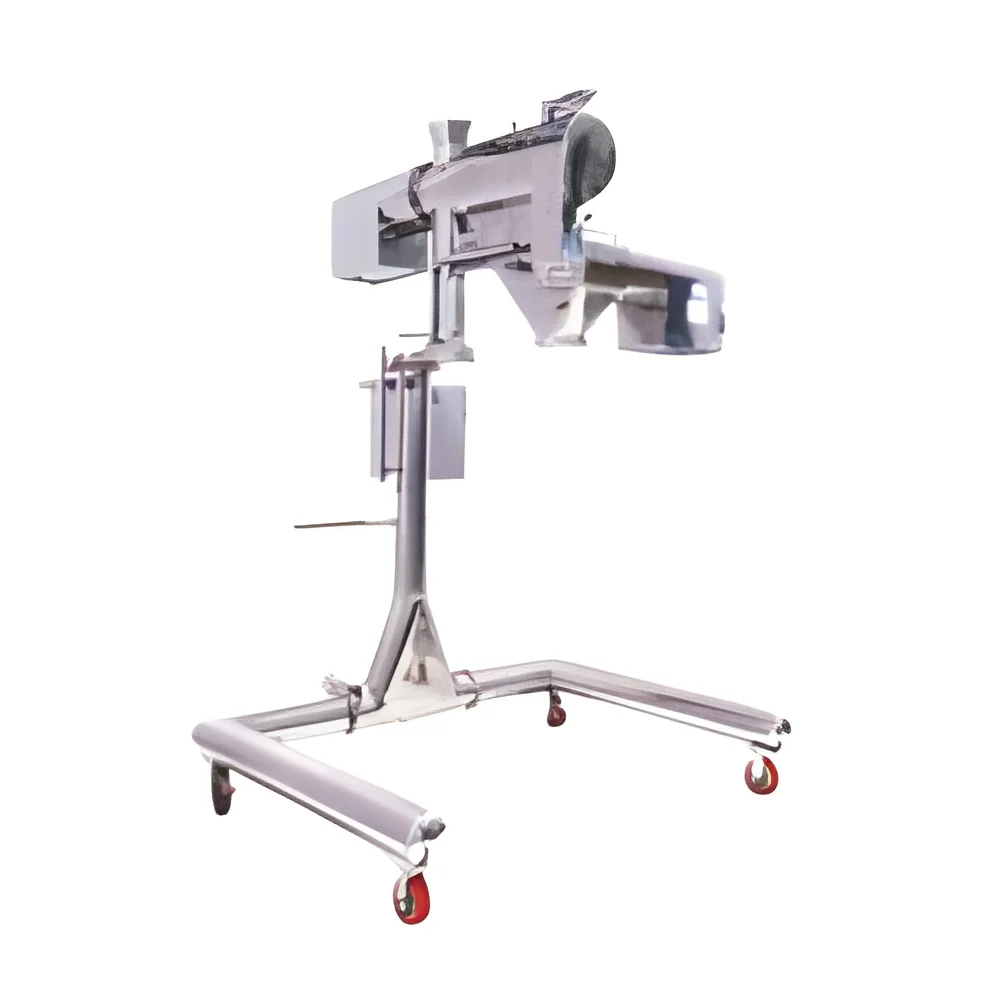
These machines feature a rotating drum that sorts materials as they pass through. They are ideal for delicate materials that require gentle handling, such as in the pharmaceutical industry.
Linear Screens
Linear screens are designed for high-efficiency separation and are often used in the mining and aggregates sectors. They allow for precise grading of materials over a longer surface area.
Benefits and Advantages
Investing in sieving and grading machines provides several advantages.
1. Enhanced Quality Control: Ensures that products meet specific size requirements, improving overall quality.
2. Increased Efficiency: Automating the sieving process speeds up production and reduces manual labor.
3. Versatility: Suitable for a wide range of materials across various industries, making them adaptable to different applications.
4. Cost-Effectiveness: Reduces waste by ensuring only the desired particle sizes are processed, leading to better resource utilization.
5. Improved Safety: Modern machines come with safety features that protect operators and reduce the risk of accidents.
6. Easy Maintenance: Many models are designed for quick cleaning and maintenance, minimizing downtime.
Buying Guide for B2B Buyers
When sourcing sieving and grading machines, it is essential to consider several key factors.
1. Quality Assessment: Look for machines that meet industry standards and have a proven track record of performance. Consider certifications like CE to ensure quality.
2. Supplier Verification: Vet potential suppliers by checking their reputation, customer reviews, and the reliability of their machines.
3. Pricing and MOQ: Understand the pricing structure and minimum order quantities to align with your budget and operational needs.
4. Delivery and Lead Times: Discuss logistics with suppliers to ensure timely delivery and minimize disruption to your production schedule.
5. Compliance Requirements: Ensure that the machines comply with relevant regulatory standards in your region to avoid legal issues.
Compliance and Certifications
Compliance with industry standards is critical for sieving and grading machines. Many manufacturers strive to meet quality standards such as ISO 9001, which ensures effective quality management systems. Additionally, certifications like HACCP and CE are essential for industries like food and pharmaceuticals, where safety and quality are paramount.
Testing requirements may include safety checks, performance assessments, and material analysis to ensure machines operate efficiently and safely. Regional compliance considerations may vary; therefore, it is crucial for buyers to confirm that their machines meet local regulations and standards.
Why Source Sieving & Grading Machines from Pepagora?
Pepagora provides a trusted platform for sourcing sieving and grading machines, offering several key advantages.
Verified Supplier Network: Our platform features a network of verified suppliers that ensure quality and reliability. This gives buyers peace of mind knowing they are dealing with reputable manufacturers.
Streamlined RFQ Process: The Request for Quotation (RFQ) system allows buyers to easily compare offers from multiple suppliers, facilitating better decision-making.
Trade Assurance and Support: We offer buyer protection mechanisms that safeguard transactions, ensuring that clients receive what they ordered.
Regional Coverage: Pepagora's reach extends across India, the GCC, and Southeast Asia, making it easy for businesses to find local suppliers that meet their specific needs.
Utilizing our platform simplifies the procurement process, ensuring that businesses find the right equipment to enhance their operations.

 IN
IN