
 IN
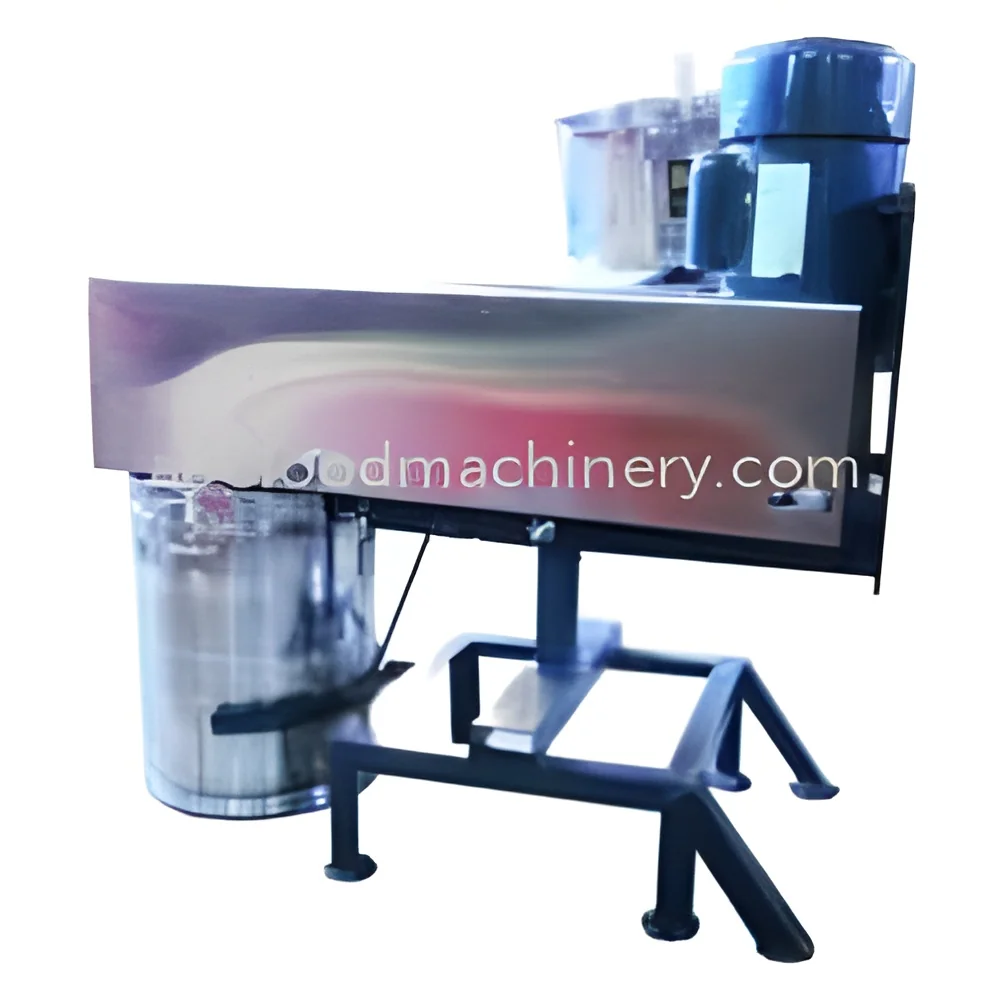
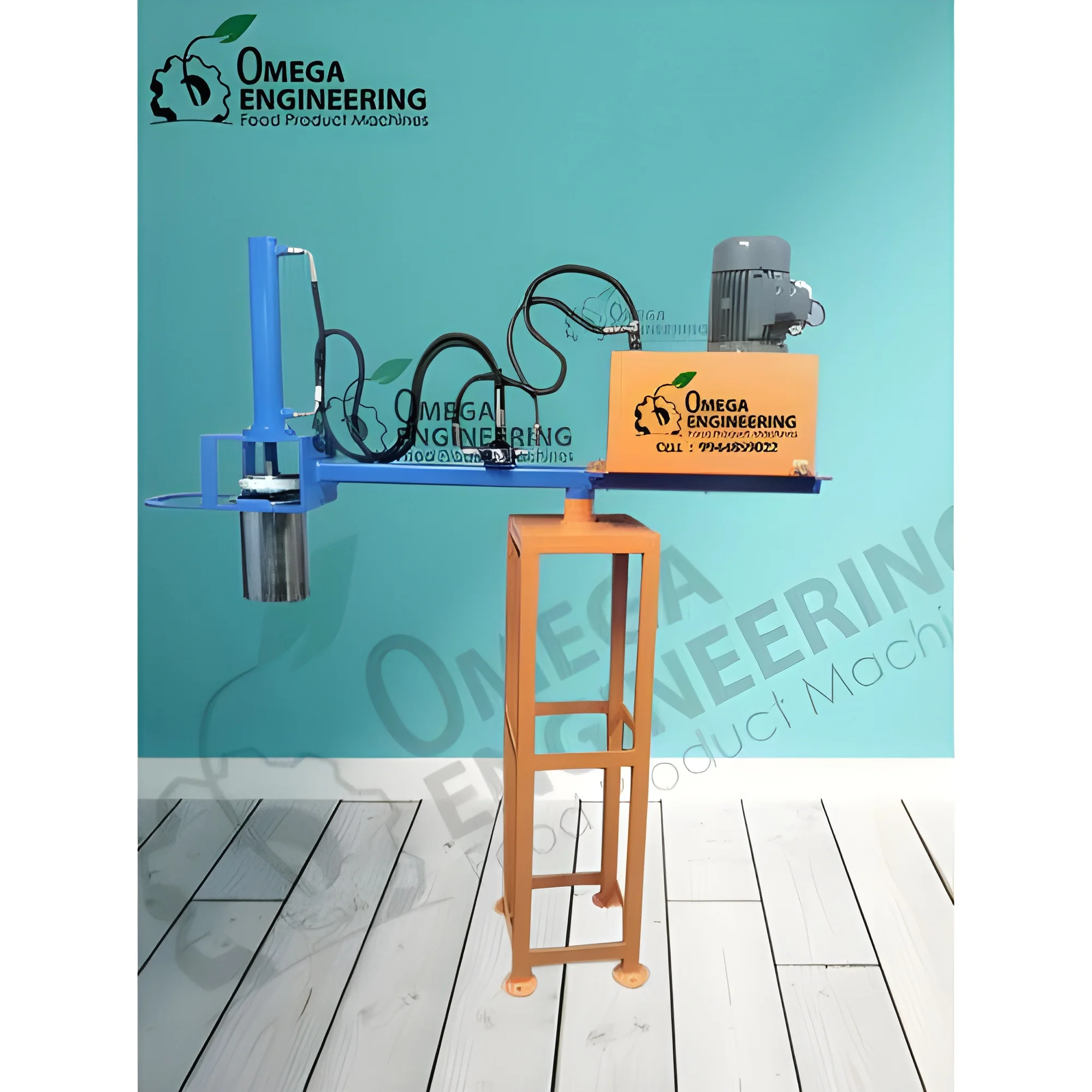
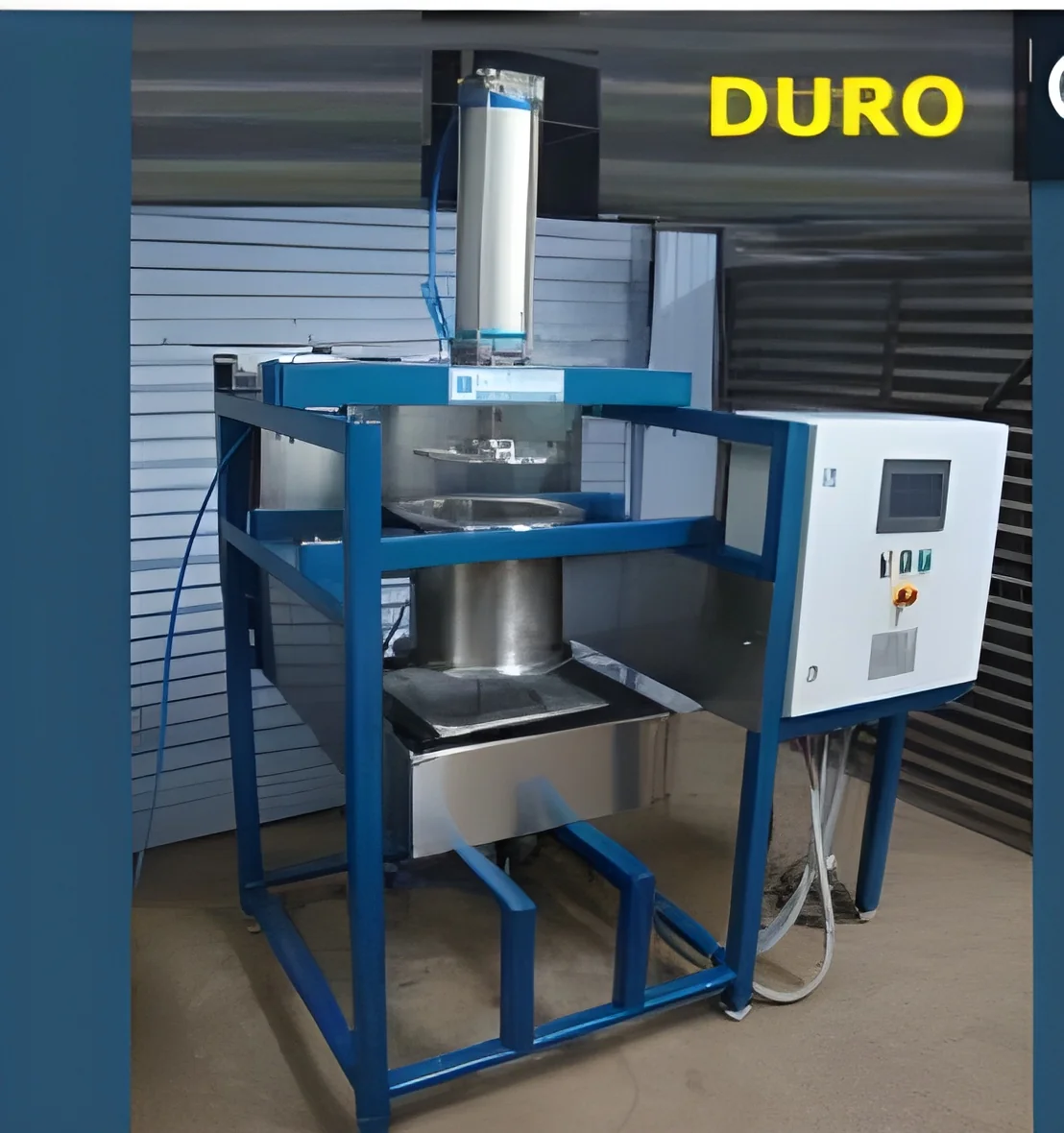
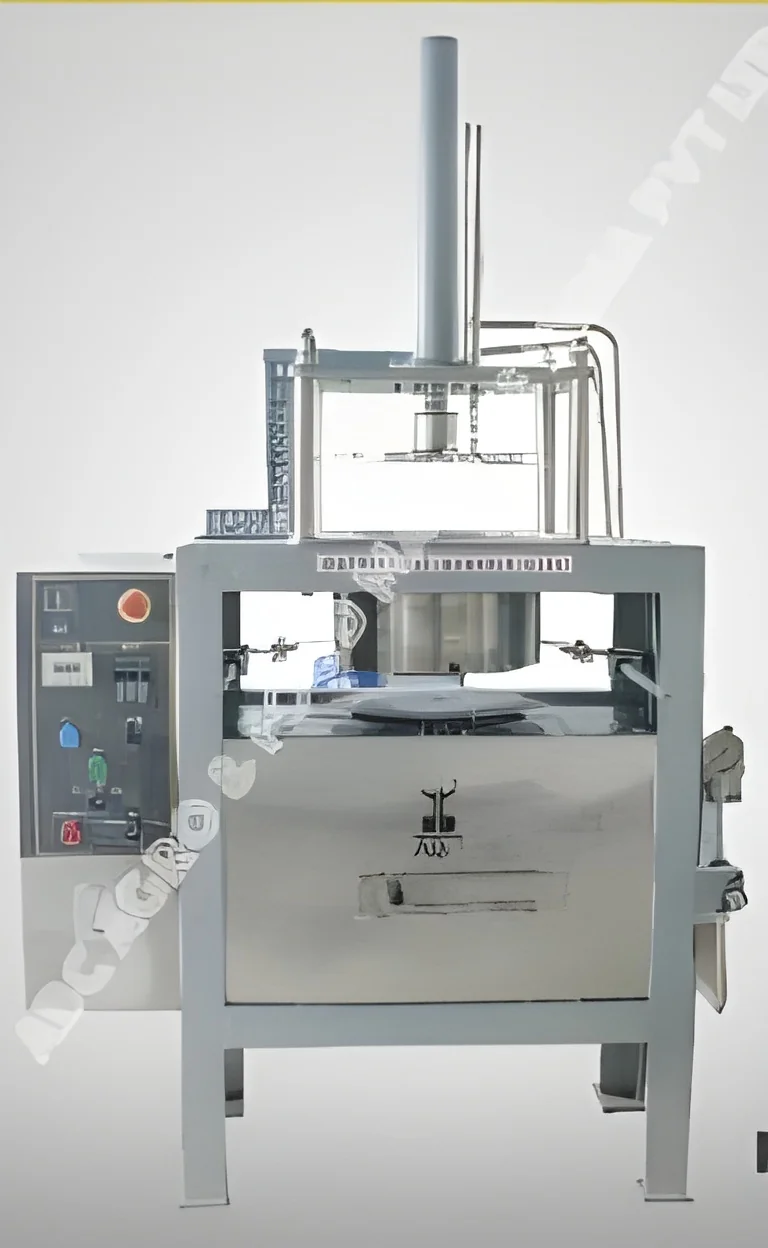
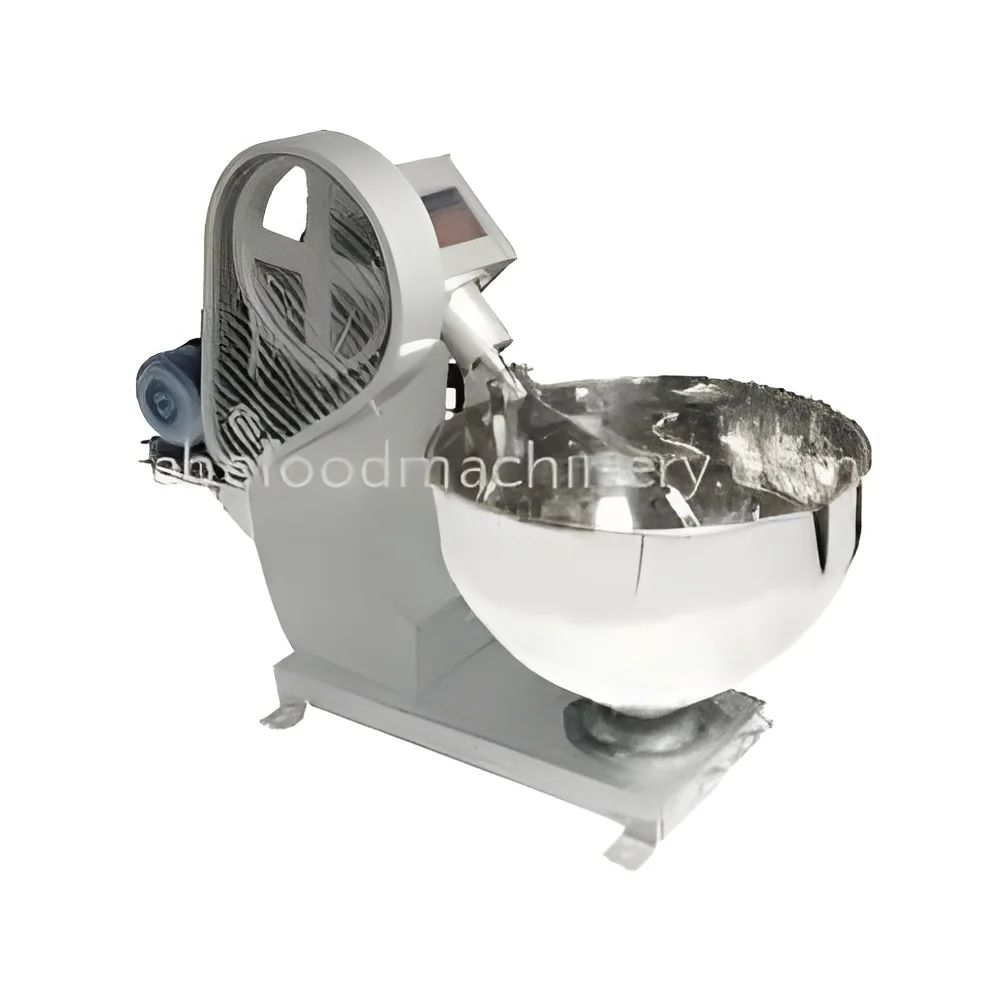
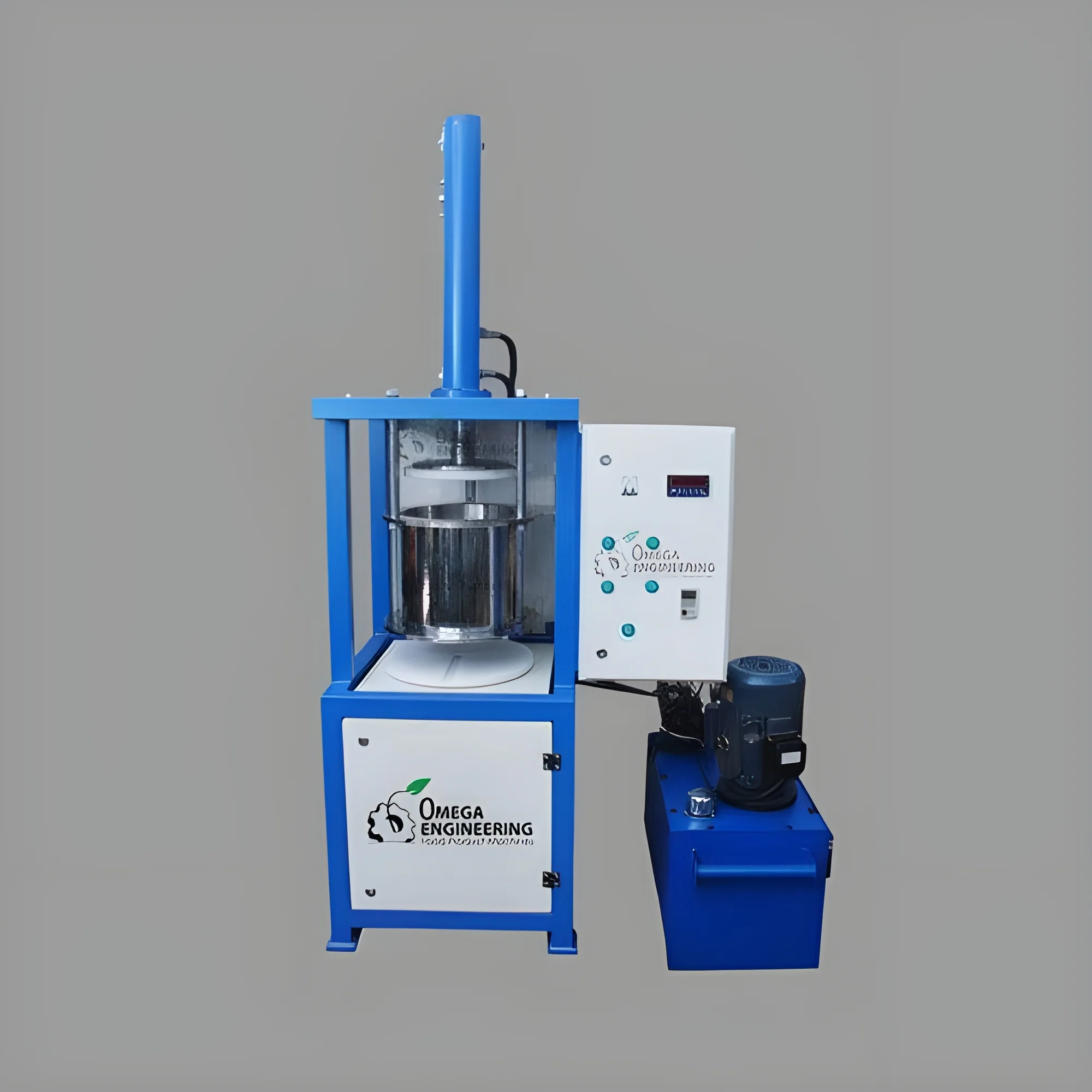
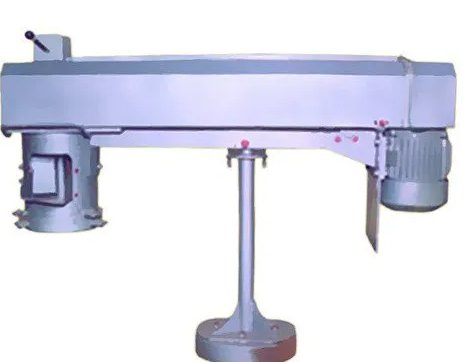
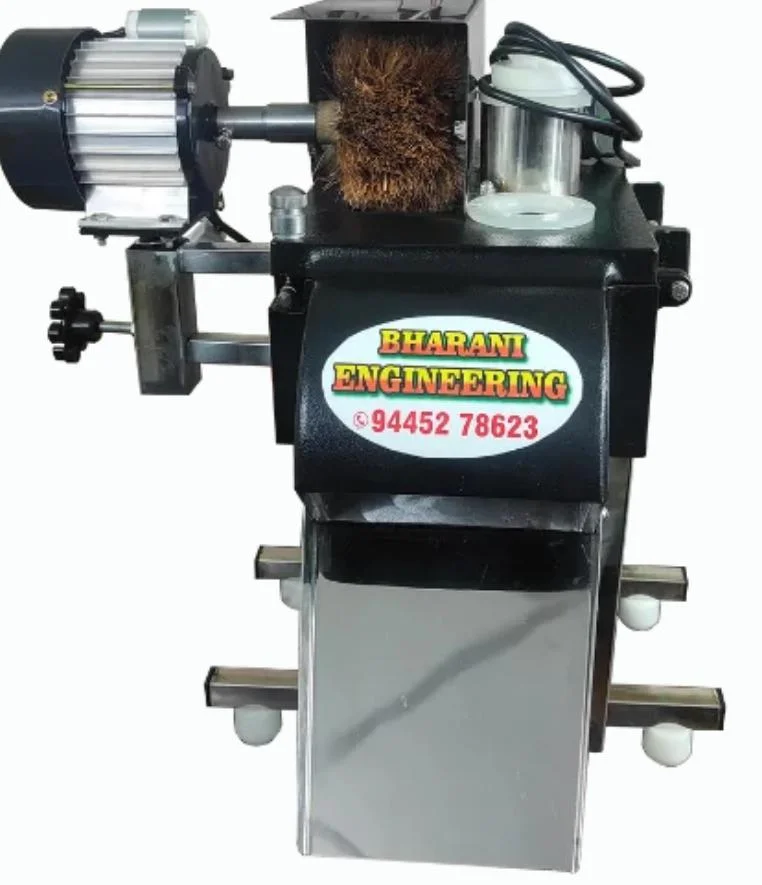
Snack Food Processing Machines
47 products available
What are Snack Food Processing Machines?
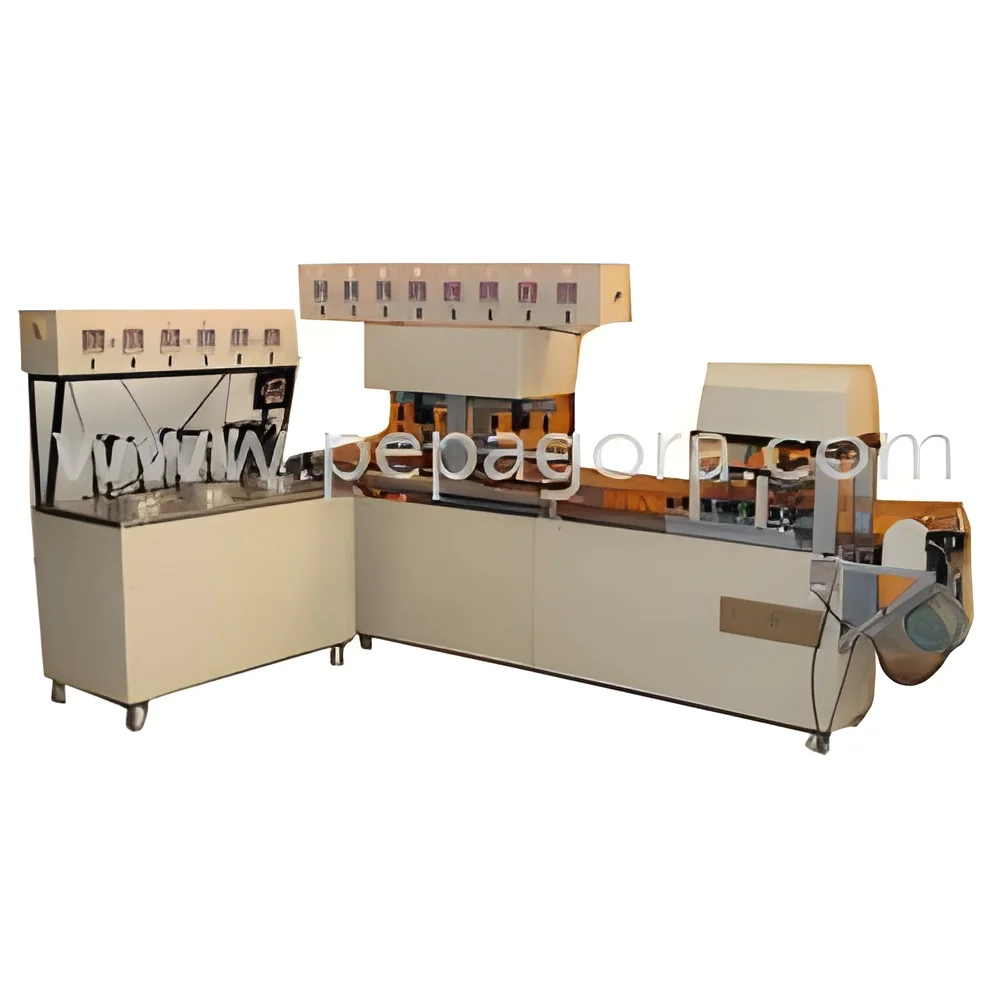
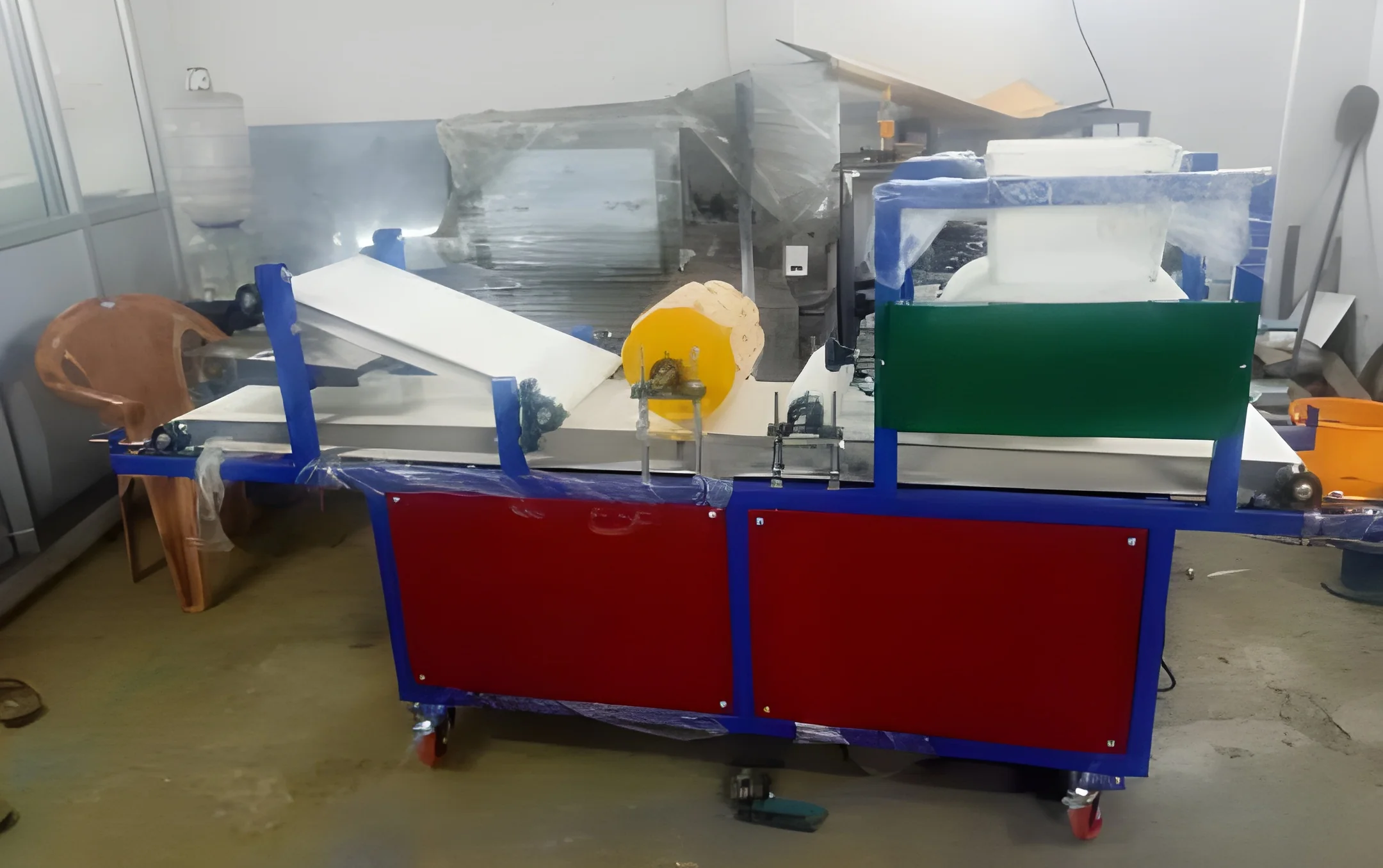
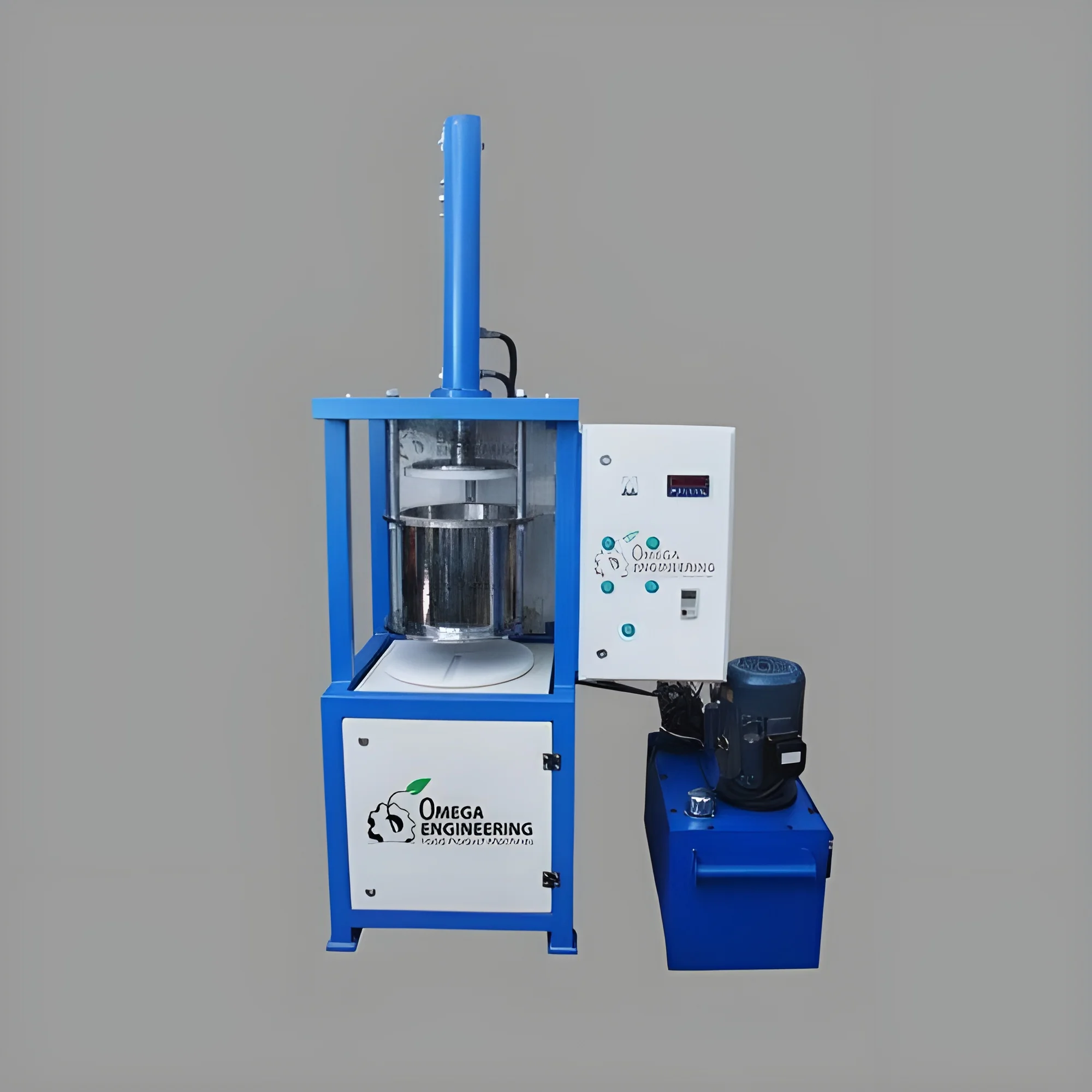
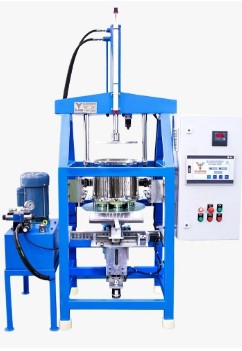
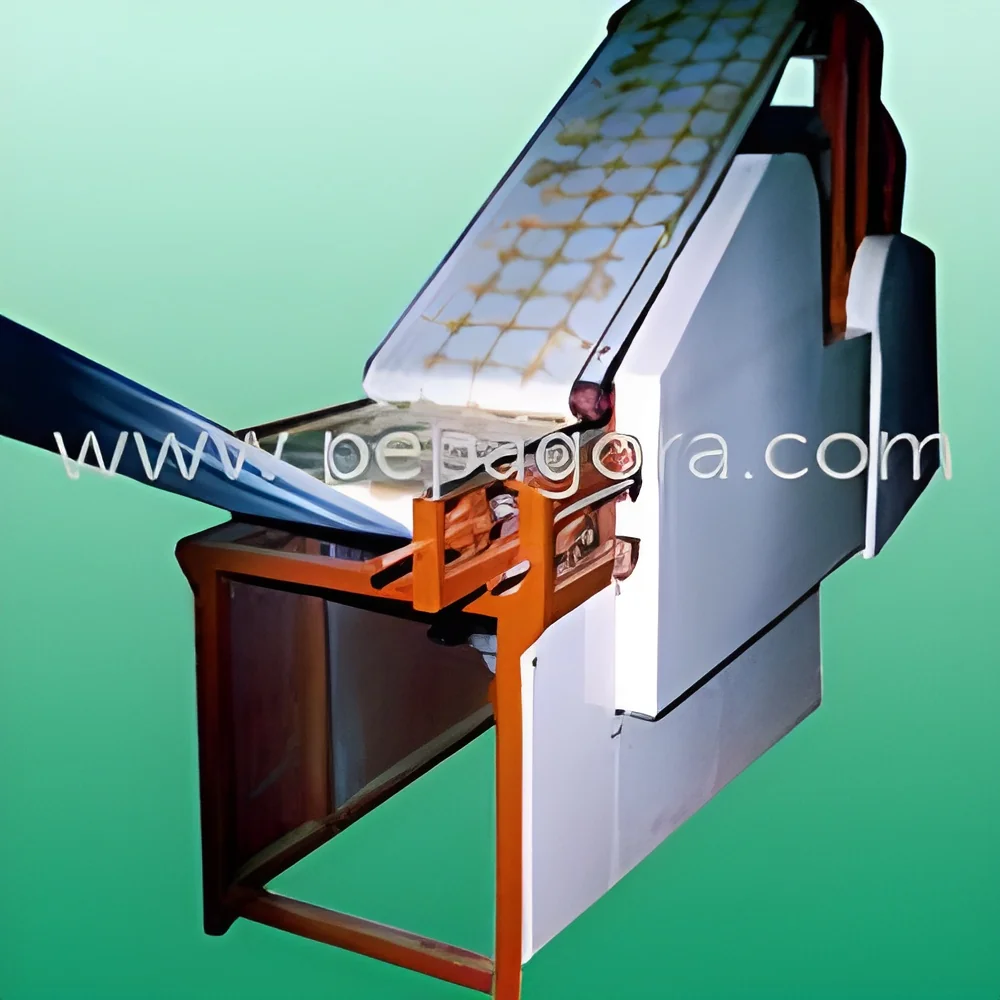
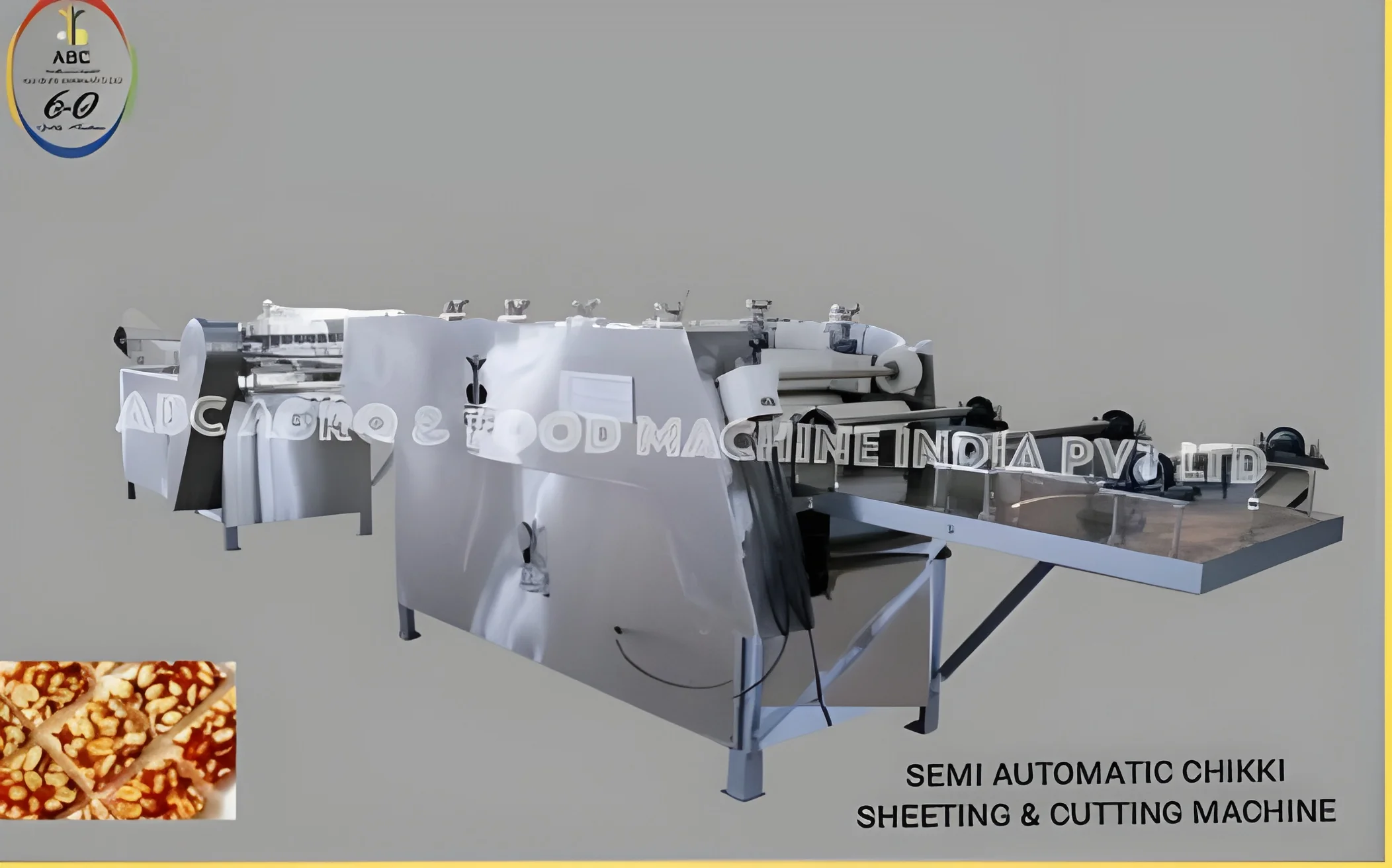
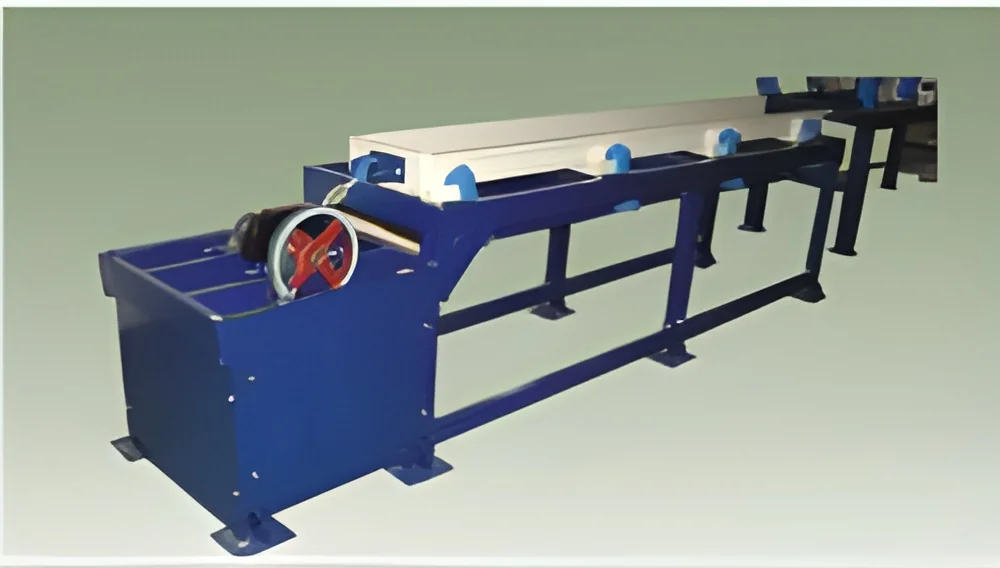
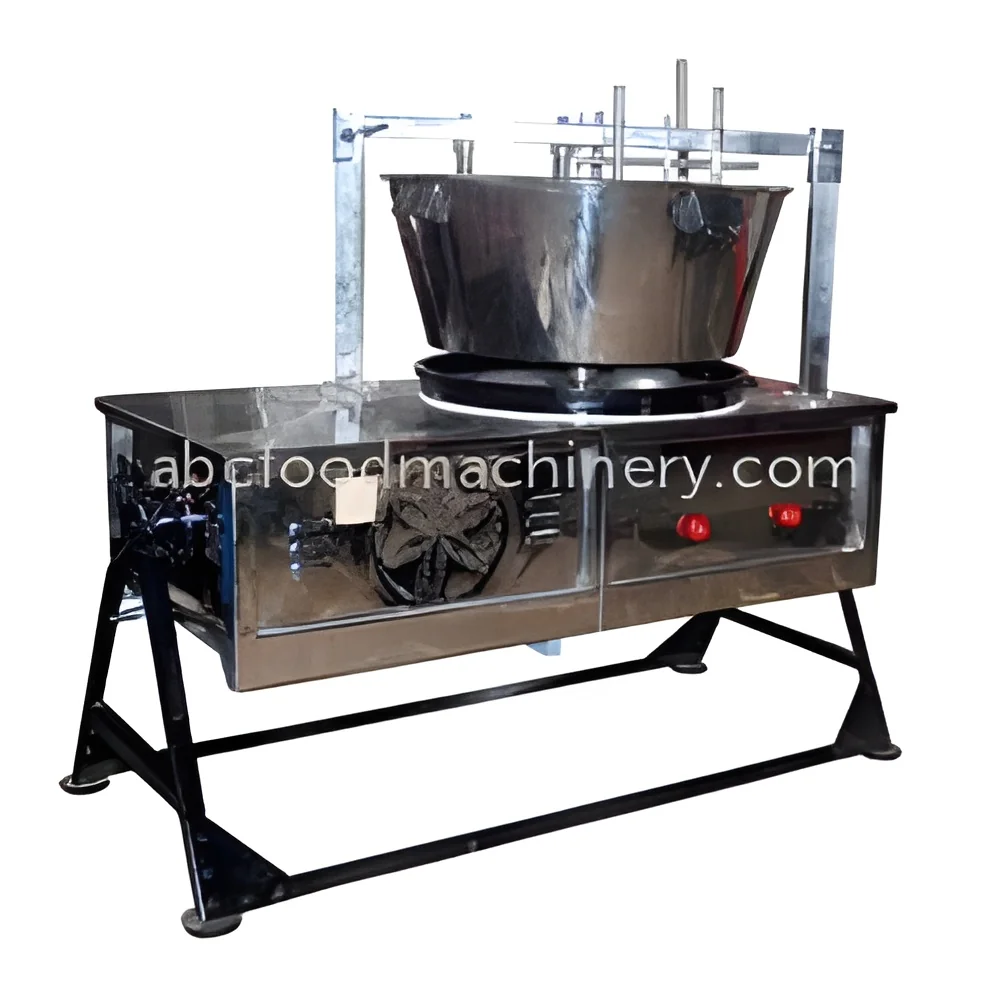
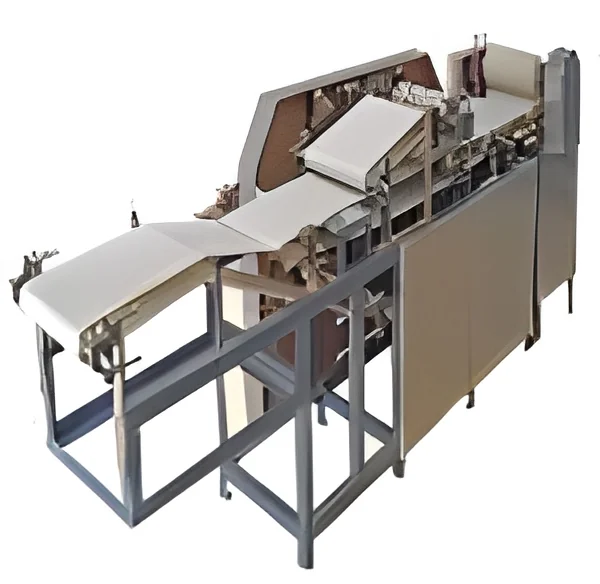
Snack Food Processing Machines are specialized equipment designed for the production and processing of various snack foods. These machines automate processes such as frying, baking, drying, and packaging, ensuring efficiency and consistency in snack production. They are essential for manufacturers looking to scale operations while maintaining quality and reducing labor costs.
These machines are widely used in industries producing potato chips, popcorn, nuts, granola bars, and other snack items. By utilizing advanced technology, they help businesses streamline their production lines, improve food safety, and enhance product quality. The demand for these machines continues to grow as consumer preferences shift towards healthy and convenient snack options.
In the context of the snack food industry, these machines play a crucial role in meeting market demands. With the increasing popularity of snacking and the rise of health-conscious consumers, manufacturers need reliable equipment to produce innovative products. The snack food processing machinery market is evolving, driven by the need for automation and efficiency in food production processes.
Key Features and Specifications
Snack Food Processing Machines come with a variety of features that enhance their functionality and performance. Understanding these specifications is essential for businesses when selecting the right equipment.
Key specifications include:
1. Production Capacity
- Refers to the amount of snack food produced per hour.
- Ranges from small-scale units producing hundreds of pounds to large-scale machines capable of processing tons.
2. Energy Consumption
- Indicates the electrical power required for operation.
- Varies based on machine size and type, typically measured in kilowatts.
3. Material Construction
- Machines are often made from stainless steel to ensure durability and hygiene.
- Corrosion resistance and ease of cleaning are critical factors.
4. Automation Level
- Level of automation varies from manual to fully automated systems.
- Fully automated machines can significantly reduce labor costs.
5. Temperature Control
- Essential for processes like frying and baking.
- Machines may have adjustable temperature settings for optimal cooking.
6. Safety Features
- Include emergency stop buttons, guards, and sensors.
- Ensures operator safety during operation.
7. Size and Footprint
- Machines come in various sizes to fit different production spaces.
- Consideration of footprint is crucial for facility layout.
8. Maintenance Requirements
- Varies by model and usage.
- Regular maintenance is necessary for optimal performance.
In summary, understanding the key features and specifications of Snack Food Processing Machines is critical for businesses aiming to invest in the right equipment that meets their production needs.
Common Applications and Use Cases
Snack Food Processing Machines are versatile and serve various industries.
1. Food Manufacturing: These machines are essential for producing a wide range of snack foods, including chips, pretzels, and popcorn. They enable manufacturers to scale production and maintain quality.
2. Confectionery: In the candy industry, machines are used for coating nuts and creating chocolate-covered snacks. They ensure precise control over temperature and coating thickness.
3. Health Food: The rise of health-conscious snacking has led to the use of these machines for producing granola bars and baked snacks. They allow for the incorporation of natural ingredients.
4. Frozen Foods: Some machines are designed for processing frozen snacks, such as frozen fries or frozen puffed snacks, ensuring they remain crisp and flavorful.
5. Retail Packaging: These machines often include packaging solutions, allowing for efficient bagging and sealing of finished products, which is crucial for shelf life and presentation.
6. Catering: Snack food processing machines are also used in catering for large events, providing freshly made snacks on demand.
7. Export: Many manufacturers use these machines to produce snacks that are exported internationally, ensuring they meet quality and safety standards.
Product Variants and Subcategories
Snack Food Processing Machines come in various types to cater to different production needs.
Frying Machines
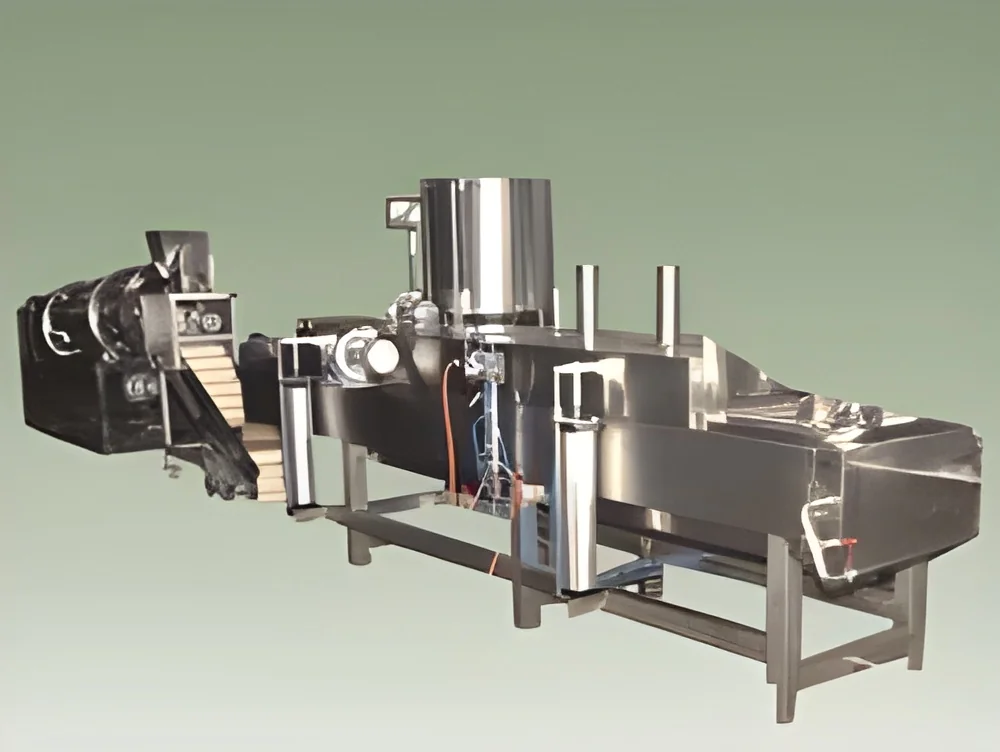
These machines are designed for deep frying snacks such as chips and fries. They provide precise temperature control and oil circulation for consistent frying results.
Baking Ovens
Baking ovens are used for producing baked snacks like crackers and cookies. They feature adjustable settings for temperature and time, ensuring uniform baking.
Extruders
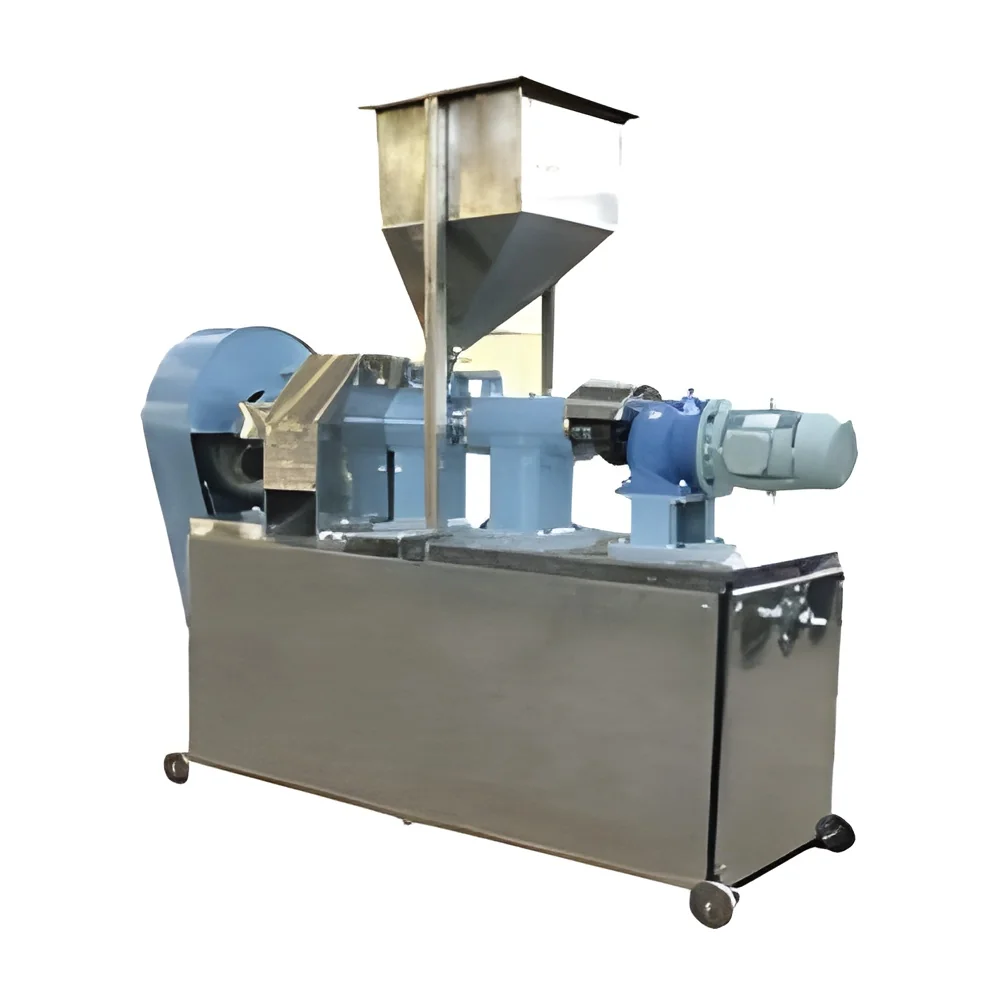
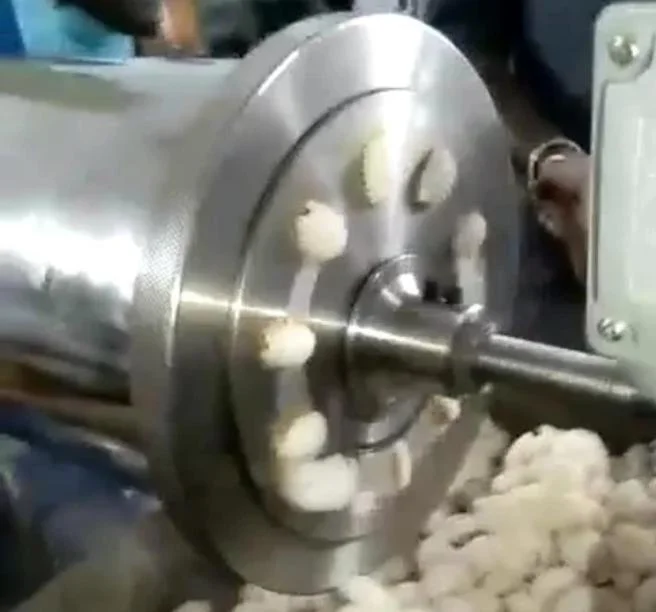
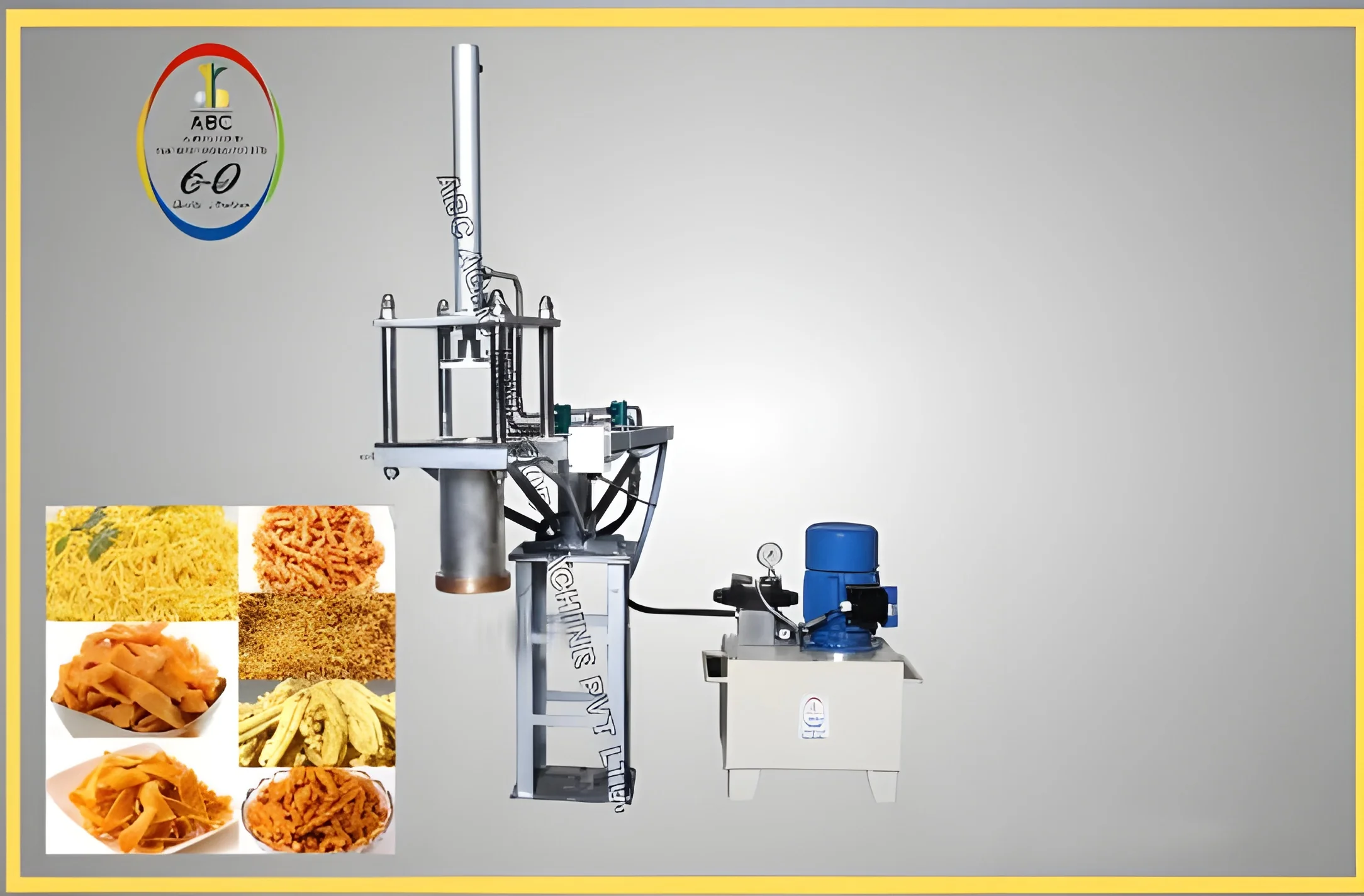
Extruders are used for creating snacks by forcing dough through a shaped die. This process is crucial for producing items like puffed snacks and cereal.
Packaging Machines
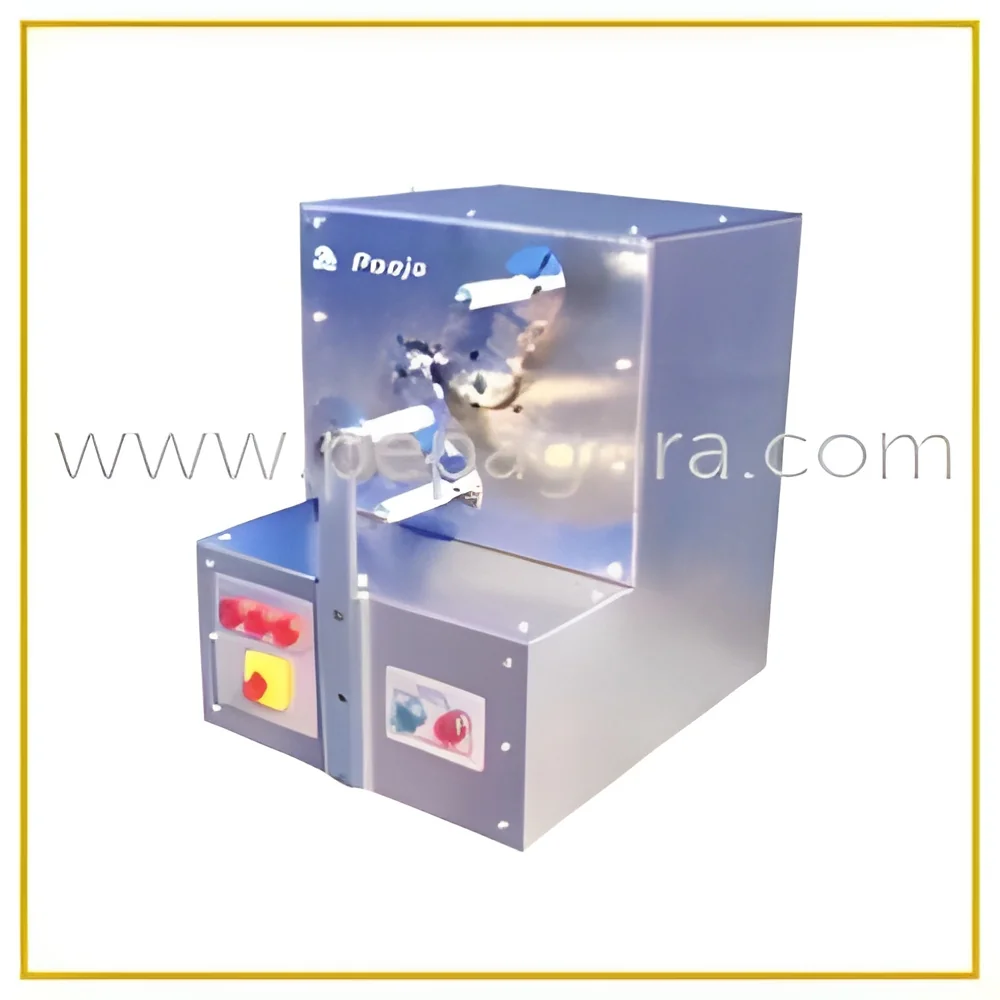
These machines automate the packaging of finished snacks, ensuring they are securely sealed and labeled for retail.
Benefits and Advantages
Investing in Snack Food Processing Machines offers several key benefits to manufacturers.
1. Increased Efficiency: These machines automate many processes, leading to higher production rates and reduced labor costs.
2. Consistent Quality: Automation ensures uniformity in product size, texture, and flavor, enhancing brand reputation.
3. Versatility: Machines can often handle multiple types of snacks, allowing manufacturers to diversify their product offerings.
4. Reduced Waste: Efficient processing minimizes ingredient waste, leading to cost savings and better resource management.
5. Enhanced Safety: Many machines include safety features that protect operators and ensure compliance with health regulations.
6. Improved Scalability: As demand grows, manufacturers can scale operations without significant additional investment in labor.
Buying Guide for B2B Buyers
When sourcing Snack Food Processing Machines, it is essential for buyers to consider various factors to ensure they make informed decisions.
1. Quality Assessment: Evaluate the quality of the machines by examining materials, construction, and brand reputation. Look for machines that comply with industry standards.
2. Supplier Verification: Vet suppliers thoroughly to ensure they have a solid track record in the industry. Check for reviews, certifications, and warranty offerings.
3. Pricing and MOQ: Understand the pricing structure and minimum order quantities (MOQ) required by suppliers. This will help in budgeting and planning.
4. Delivery and Lead Times: Confirm the expected delivery schedules and lead times for production. This will impact your supply chain and planning strategies.
5. Compliance Requirements: Ensure that the machines meet relevant regulatory standards and certifications required in your region, such as CE compliance.
Compliance and Certifications
Snack Food Processing Machines must adhere to various quality and safety standards.
ISO 9001 is a widely recognized standard for quality management systems, ensuring that manufacturers maintain consistent quality in their production processes.
HACCP (Hazard Analysis Critical Control Point) is a crucial system for managing food safety. Machines designed with HACCP compliance can help ensure that food products are safe from contamination.
CE certification indicates that products meet European safety standards. This certification is essential for machines sold in the European market.
Safety and testing requirements may also include performance testing and maintenance guidelines to ensure that machines operate within safe parameters.
Regional compliance considerations may vary, so it is vital for manufacturers to be aware of local regulations affecting food processing equipment.
Why Source Snack Food Processing Machines from Pepagora?
Pepagora provides a trusted platform for sourcing Snack Food Processing Machines, offering several key advantages for B2B buyers.
Verified Supplier Network: Pepagora connects buyers with a network of verified suppliers, ensuring that businesses can find reliable partners for their manufacturing needs. This network reduces the risks associated with sourcing equipment.
Streamlined RFQ Process: The Request for Quotation (RFQ) process on Pepagora is designed to be user-friendly. Buyers can easily submit their requirements and receive competitive quotes, saving time and resources.
Trade Assurance and Support: Pepagora offers trade assurance programs that protect buyers during transactions. This support provides peace of mind, ensuring that investments are secure.
Regional Coverage: With a strong presence in India, the GCC, and Southeast Asia, Pepagora provides extensive geographic reach. This allows businesses to source machinery that meets their specific regional needs without hassle.



Frequently Asked Questions
What are Snack Food Processing Machines?
Snack Food Processing Machines are specialized equipment designed to manufacture, process, and package various snack foods. These machines can handle raw ingredients and transform them into ready-to-eat snacks, ensuring efficiency and quality in production.
What are the different types of Snack Food Processing Machines?
There are several types of Snack Food Processing Machines, including extruders, fryers, dehydrators, and packaging machines. Each type serves a specific function in the snack production process, from cooking and flavoring to packaging the final product.
How do I choose the right Snack Food Processing Machines?
Choosing the right Snack Food Processing Machines involves assessing your production needs, the types of snacks you plan to produce, and your budget. It's important to consider the machine's capacity, efficiency, and compatibility with your existing setup.
What are the standard specifications for Snack Food Processing Machines?
Standard specifications for Snack Food Processing Machines typically include production capacity, power consumption, dimensions, and materials used in construction. Additionally, machines should comply with safety and hygiene standards relevant to food processing.
What is the price range for Snack Food Processing Machines?
The price range for Snack Food Processing Machines can vary widely based on factors such as machine type, size, and features. Generally, prices can start from a few thousand rupees for basic models and go up to several lakhs for advanced, high-capacity machines.
What quality standards apply to Snack Food Processing Machines?
Snack Food Processing Machines must adhere to various quality standards, including those set by the Food Safety and Standards Authority of India (FSSAI) and international ISO standards. Compliance ensures that the machines are safe, reliable, and suitable for food production.
Where can I find Snack Food Processing Machines suppliers in India?
You can find Snack Food Processing Machines suppliers in India through online B2B marketplaces like Pepagora, industry trade shows, and manufacturer directories. It's advisable to compare multiple suppliers to find the best options in terms of quality and pricing.
Can Snack Food Processing Machines be customized?
Yes, many manufacturers offer customization options for Snack Food Processing Machines to meet specific production requirements. Customizations may include size adjustments, feature enhancements, or modifications to accommodate different snack types.
What is the typical minimum order quantity for Snack Food Processing Machines?
The typical minimum order quantity (MOQ) for Snack Food Processing Machines can vary by supplier and machine type. Generally, MOQs can range from one unit for standard machines to larger quantities for customized or specialized equipment.
What is the typical lead time for Snack Food Processing Machines?
The typical lead time for Snack Food Processing Machines varies based on the manufacturer's production capacity and the complexity of the machine. On average, lead times can range from a few weeks to several months, especially for custom orders.
Why Businesses Trust Pepagora
Thousands of companies trust Pepagora to source smarter and sell faster
Expand Your Sales Globally

Source Smarter,Grow Faster
