
 IN
Dehydrators & Tray Dryers
27 products available
What are Dehydrators & Tray Dryers?
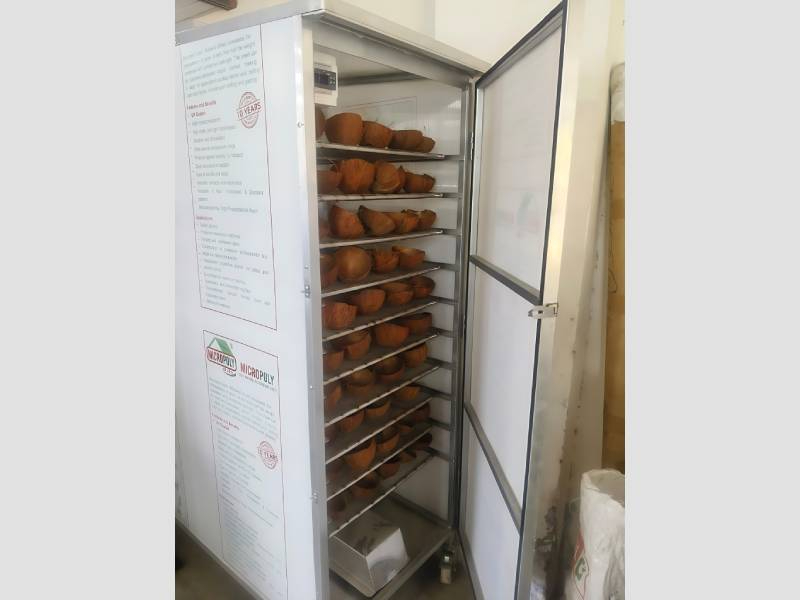
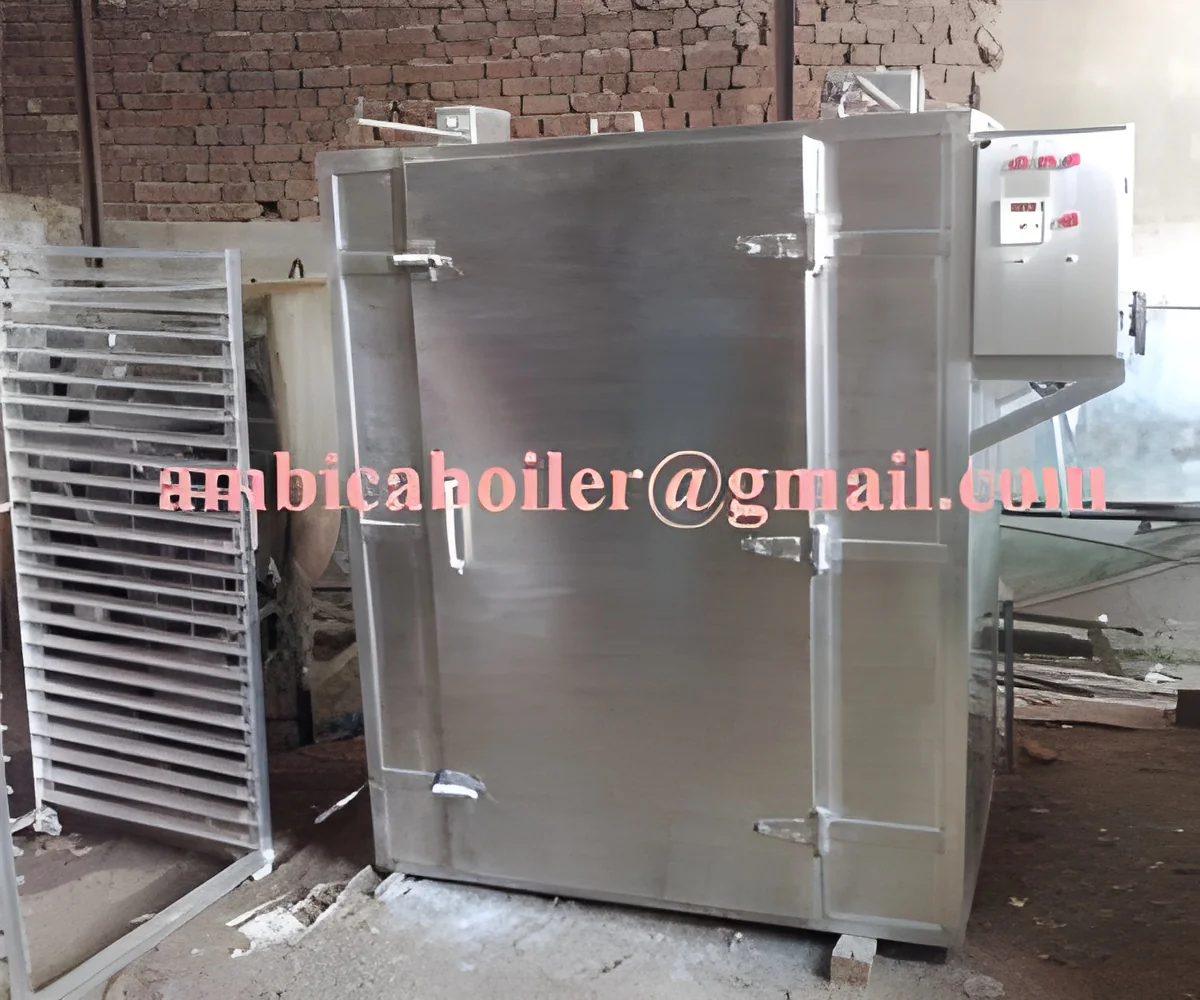
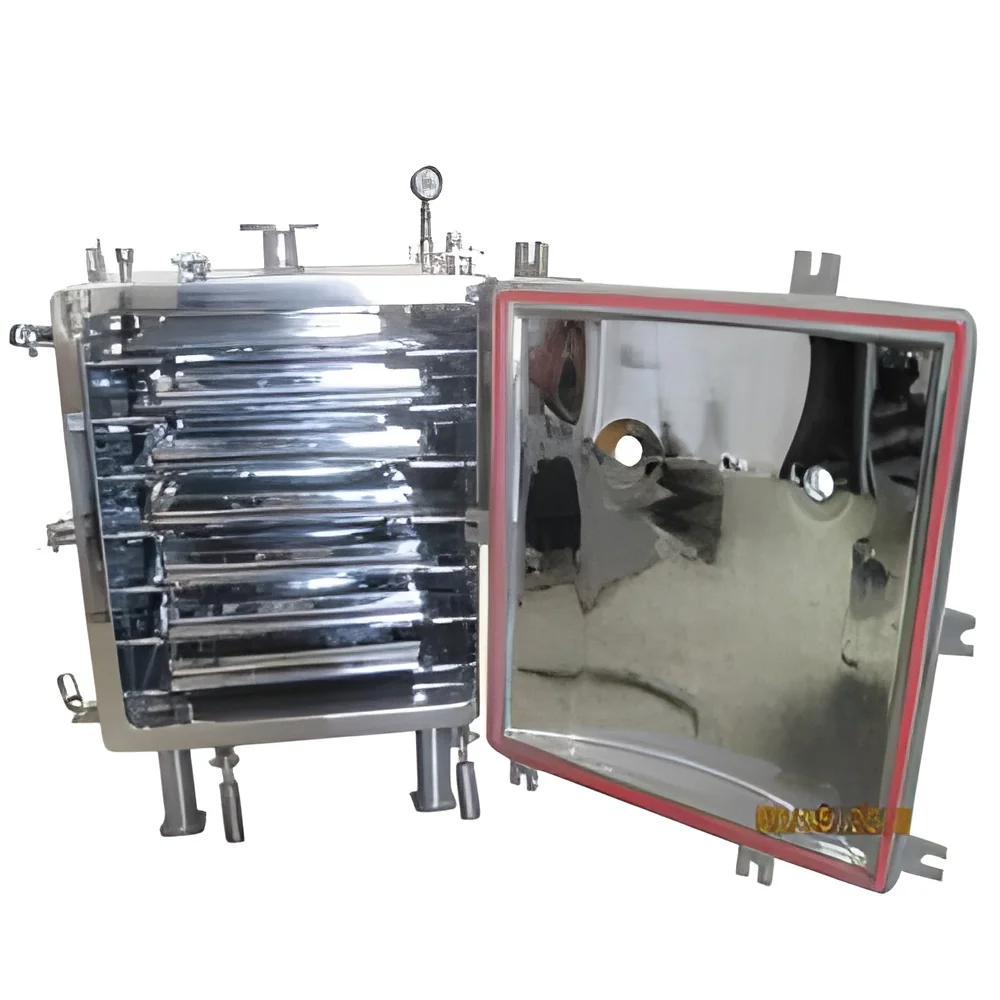
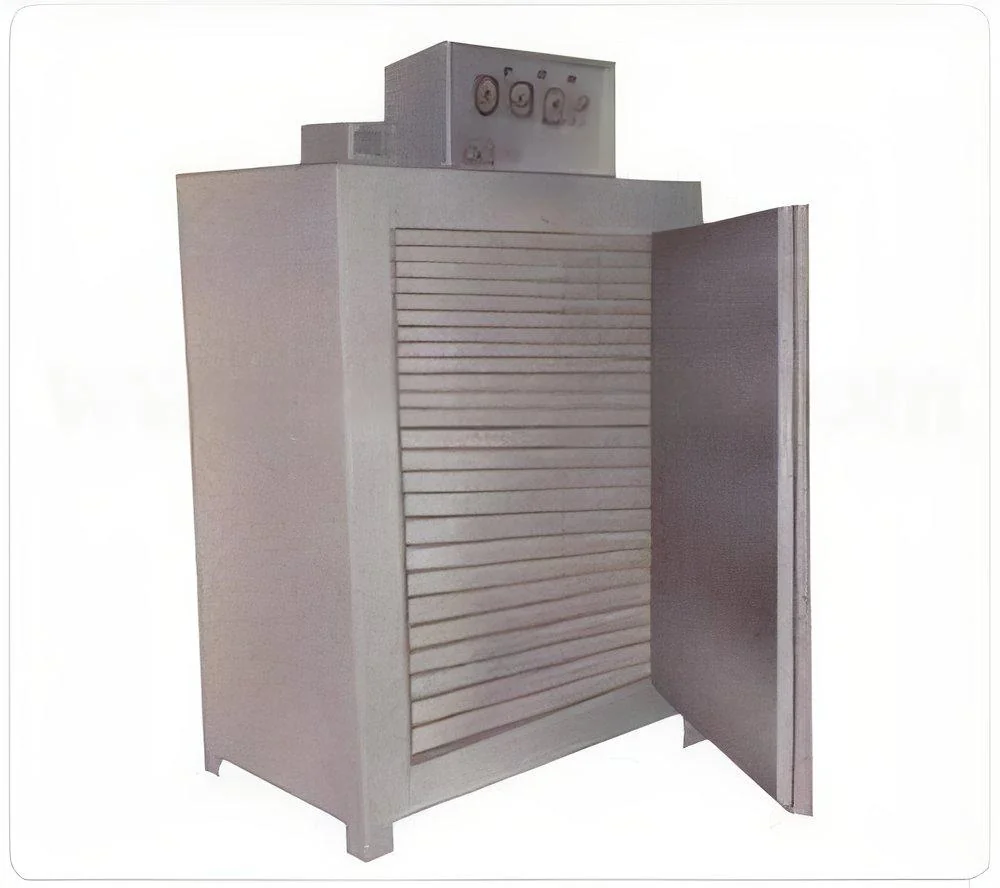
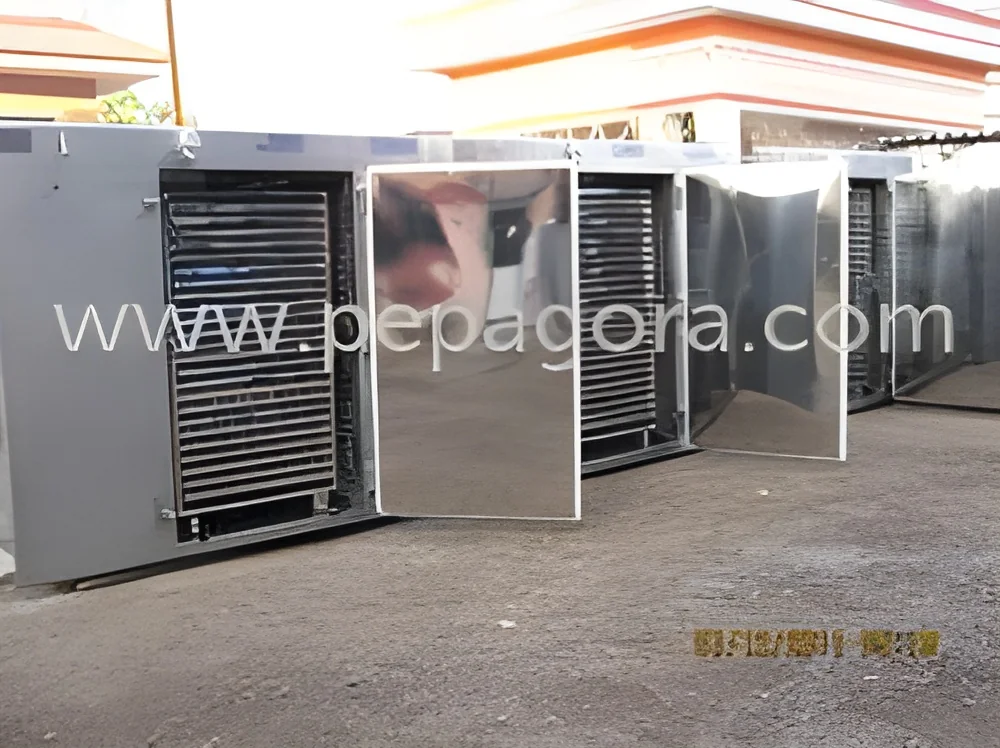
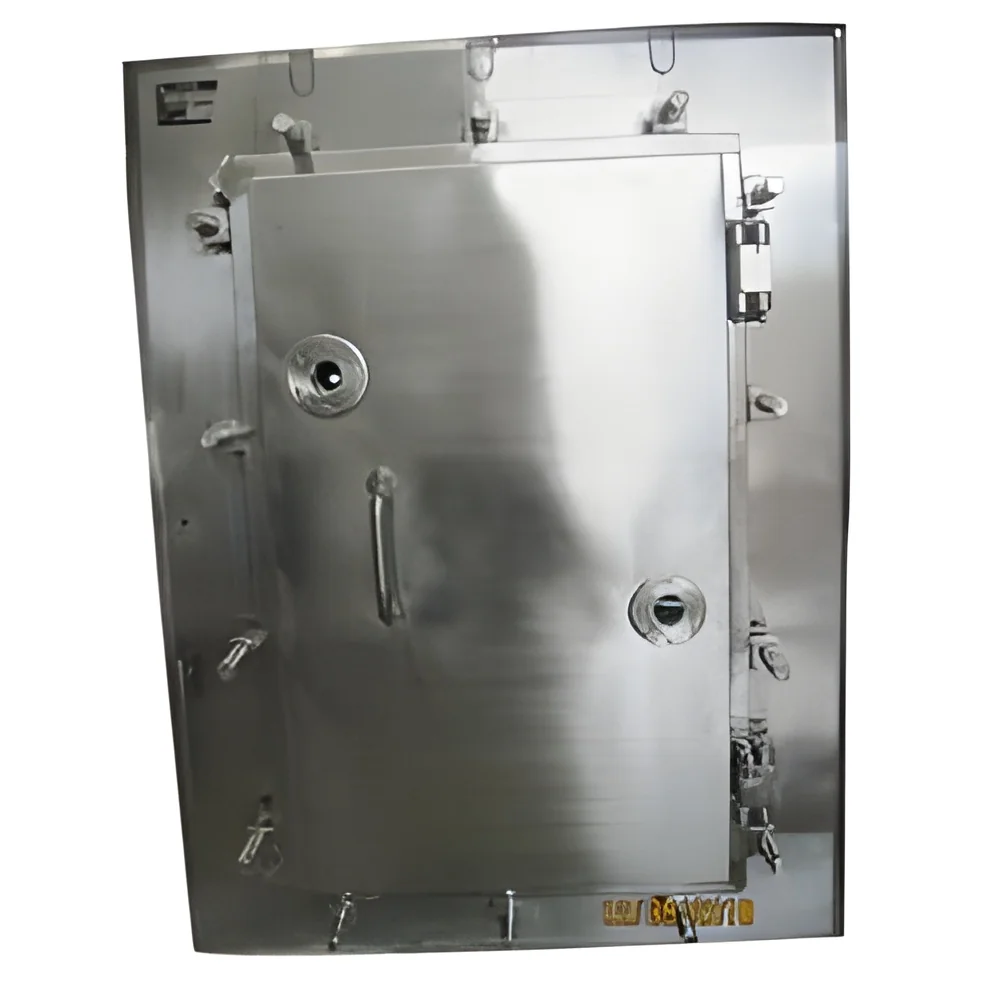
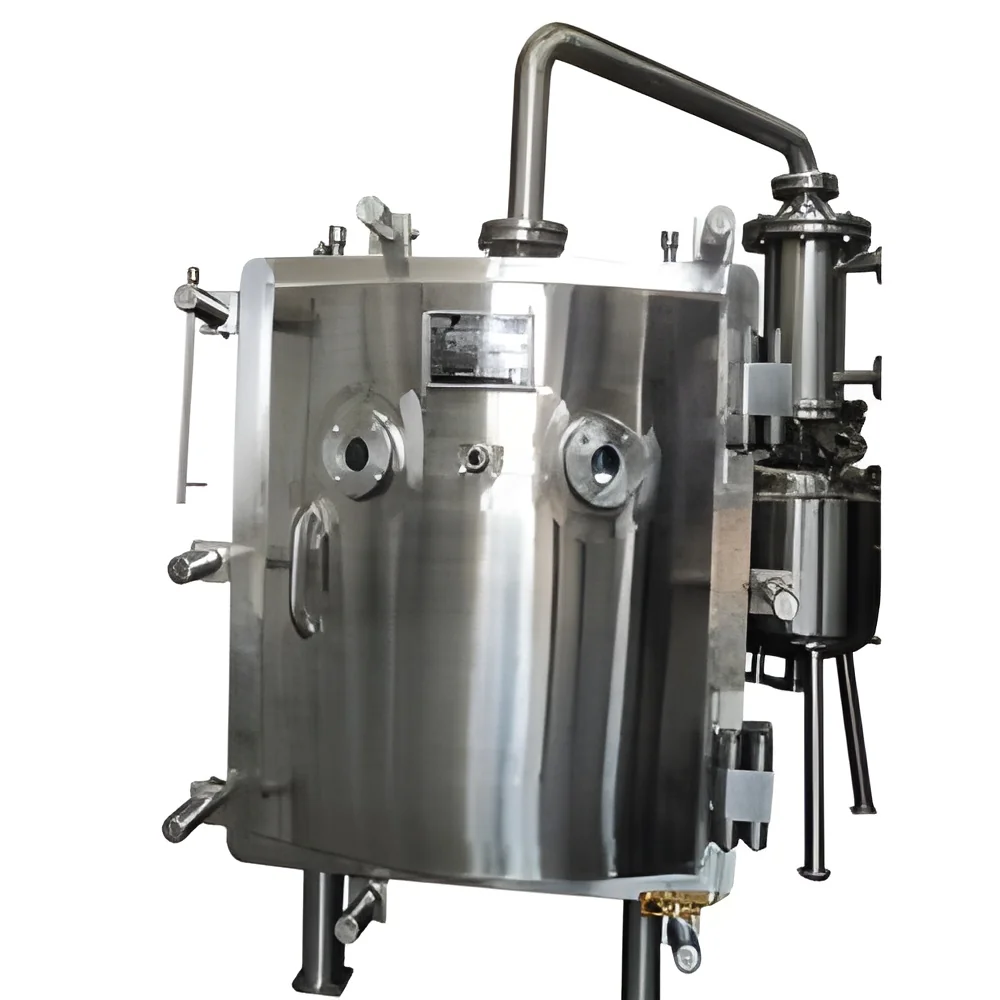
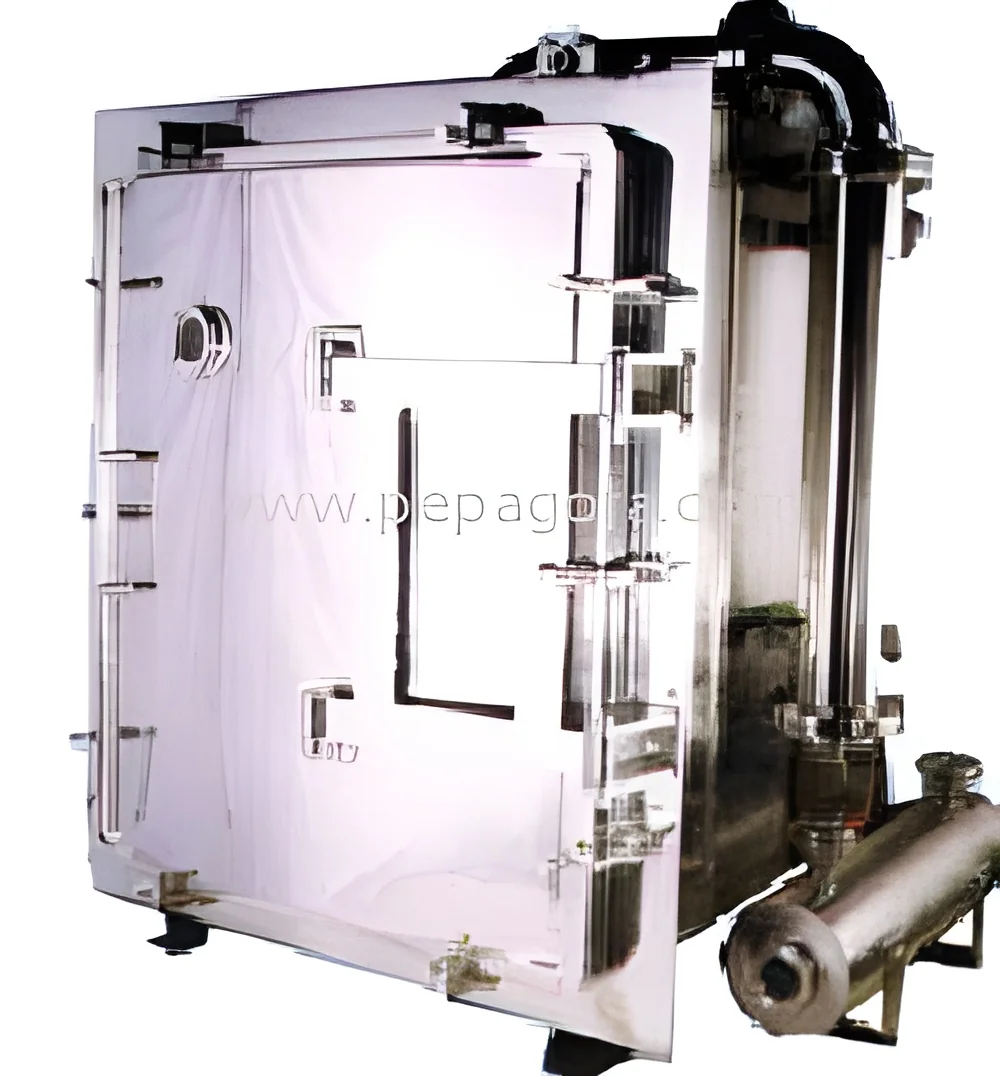
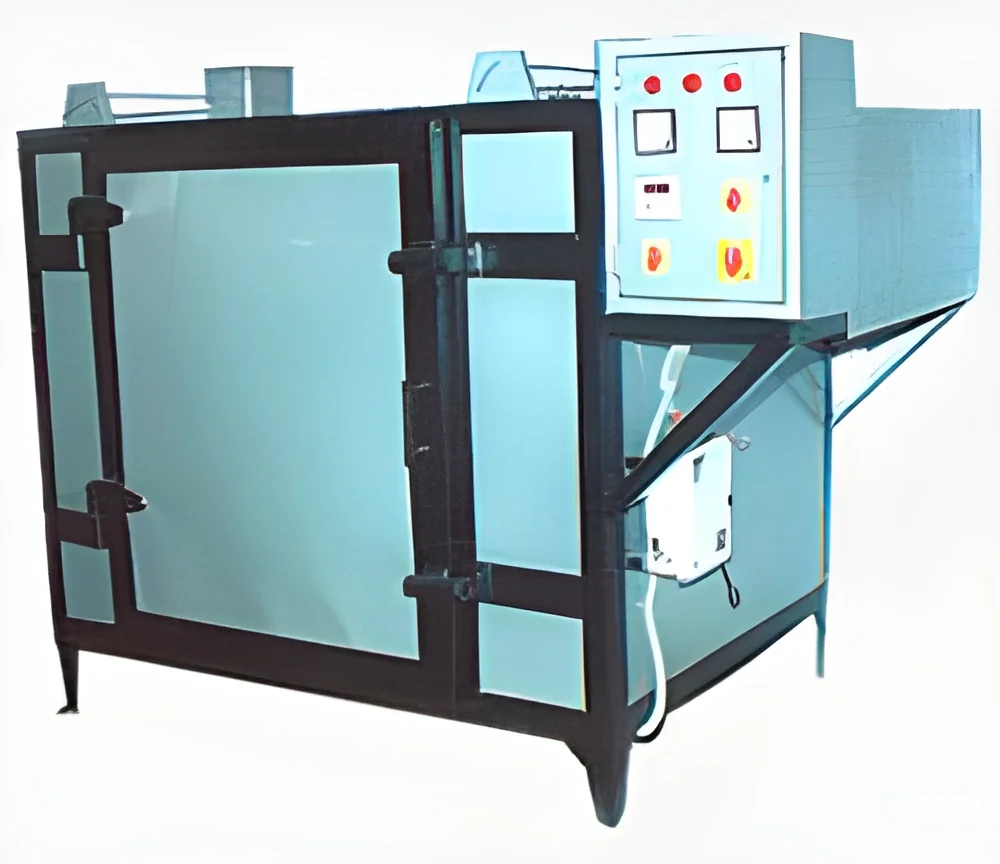
Dehydrators and tray dryers are essential equipment used for removing moisture from various products, particularly in the food and pharmaceutical industries. These machines utilize controlled heat and airflow to evaporate water content, thus preserving the integrity and extending the shelf life of products. Dehydration is achieved by circulating warm air around the items placed on trays, ensuring even drying and minimizing spoilage.
These devices are widely used in various business applications, including the drying of fruits, vegetables, herbs, and meats. In addition, they play a crucial role in the pharmaceutical industry for drying medicinal plants and other materials. The ability to control temperature and humidity levels makes these machines vital for ensuring product quality. As the demand for dehydrated products continues to grow, the market for dehydrators and tray dryers is expanding, highlighting their relevance across multiple industries.
Key Features and Specifications
Dehydrators and tray dryers boast several features that enhance their efficiency and usability. It is essential for buyers to understand these specifications to select the right equipment for their needs.
Key specifications include:
1. Temperature Control
- Allows precise adjustment of drying temperatures.
- Typical range: 30°C to 80°C.
2. Airflow Management
- Ensures uniform drying by directing air over trays.
- Types include horizontal and vertical airflow systems.
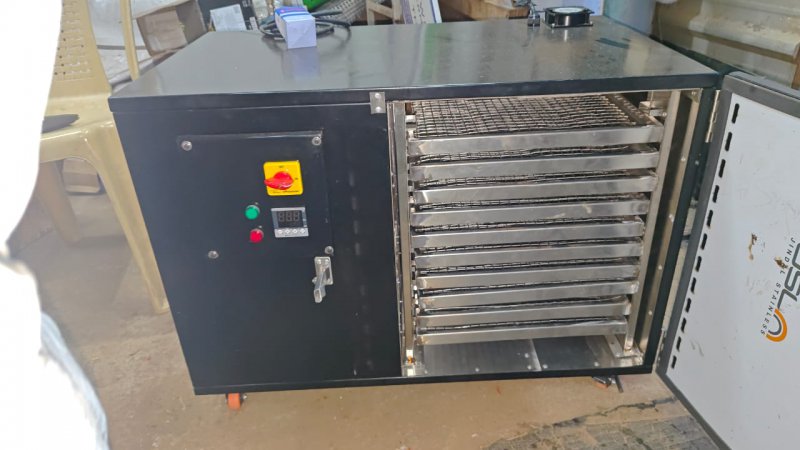
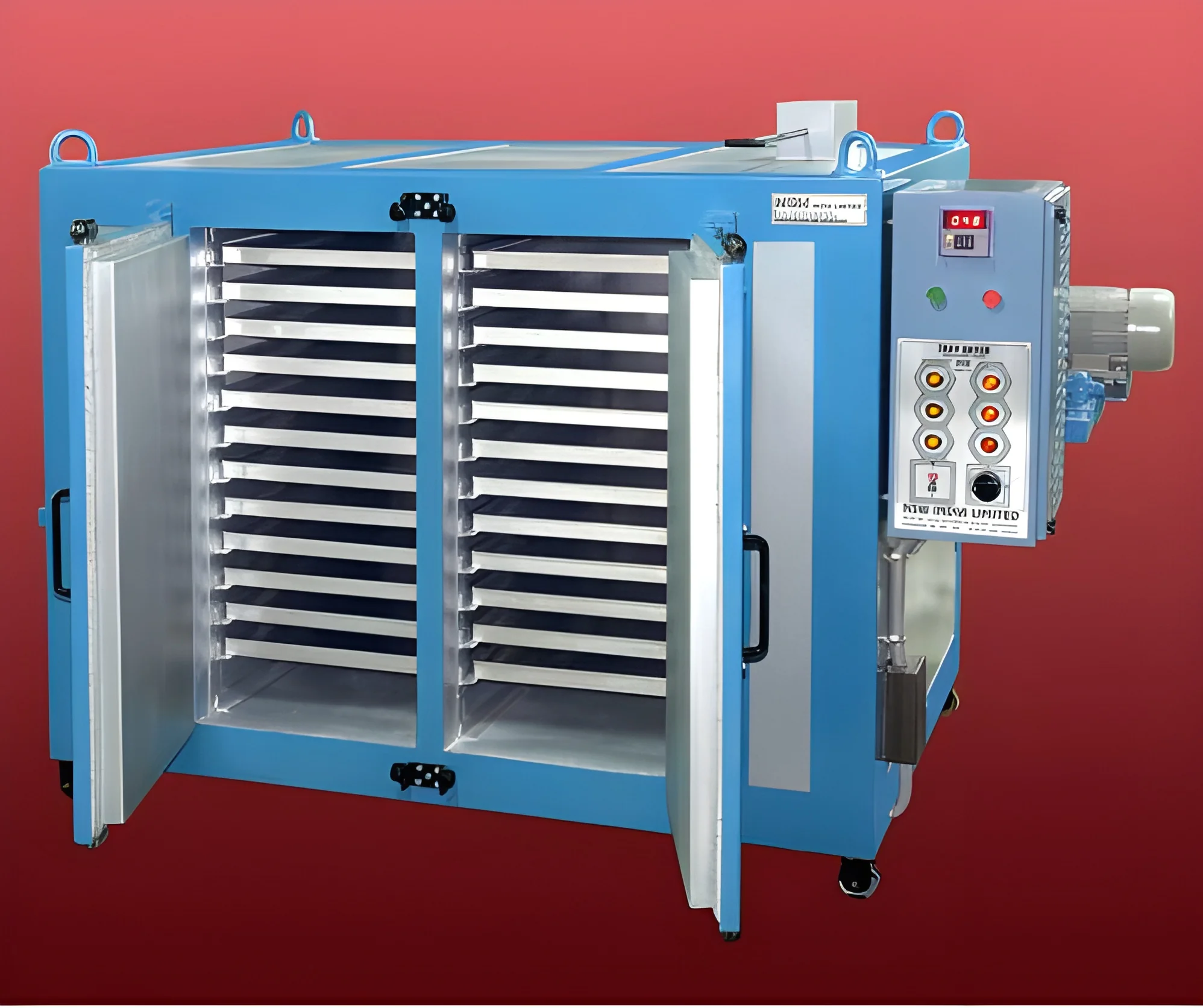
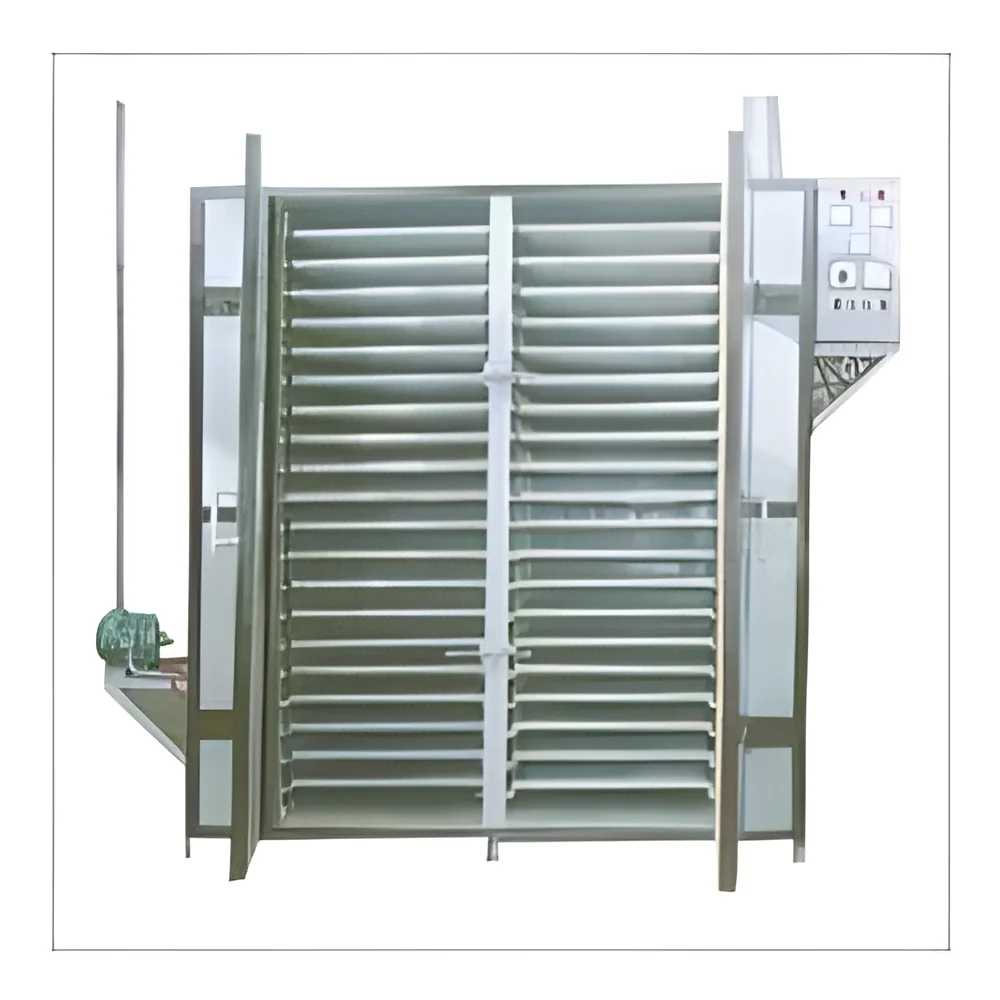
3. Tray Capacity
- Refers to the number of trays that can be accommodated.
- Common sizes: 5 to 20 trays.
4. Energy Efficiency
- Indicates the power consumption of the unit.
- Energy ratings vary by model.
5. Control Type
- Options include manual, digital, or programmable controls.
- Digital controls often feature timers and temperature displays.
6. Material Construction
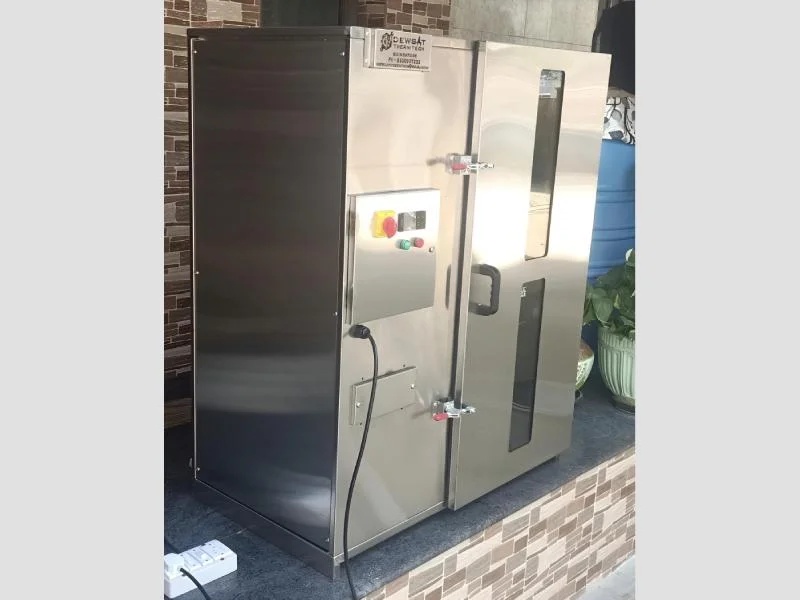
- Typically made from stainless steel or food-grade plastics.
- Stainless steel is preferred for durability and hygiene.
7. Safety Features
- Includes overheat protection and automatic shut-off mechanisms.
- Essential for user safety and equipment longevity.
8. Portability
- Some models are designed with wheels for easy movement.
- Important for businesses requiring flexibility in workspace.
In summary, understanding the key features and specifications of dehydrators and tray dryers enables businesses to make informed choices that align with their operational needs.
Common Applications and Use Cases
Dehydrators and tray dryers are utilized across various industries due to their versatility.
1. Food Industry: These machines are commonly used for drying fruits, vegetables, and meats. This process preserves flavor and nutrients while extending shelf life.
2. Pharmaceutical Industry: They are essential in drying herbs and medicinal plants, ensuring that active ingredients remain effective.
3. Agriculture: Farmers use dehydrators to process surplus produce, reducing waste and creating value-added products.
4. Snack Production: Manufacturers of healthy snacks rely on dehydrators to create dried fruit chips and vegetable crisps.
5. Pet Food Industry: Dehydrators are used to produce high-quality, nutritious treats for pets, enhancing product appeal.
6. Herbal Products: Businesses producing herbal supplements utilize tray dryers to maintain potency during the drying process.
7. Cosmetic Industry: Used in the production of natural cosmetic ingredients, ensuring that essential oils and nutrients are preserved.
Product Variants and Subcategories
Dehydrators and tray dryers come in various models suited for different applications and capacities.
Commercial Dehydrators: These units are designed for high-volume drying, suitable for large-scale food production. They often feature advanced controls and increased tray capacity, making them ideal for businesses.
Home Dehydrators: Smaller and more compact, these units cater to residential users who wish to dry fruits and vegetables at home. They are user-friendly and typically have fewer trays.
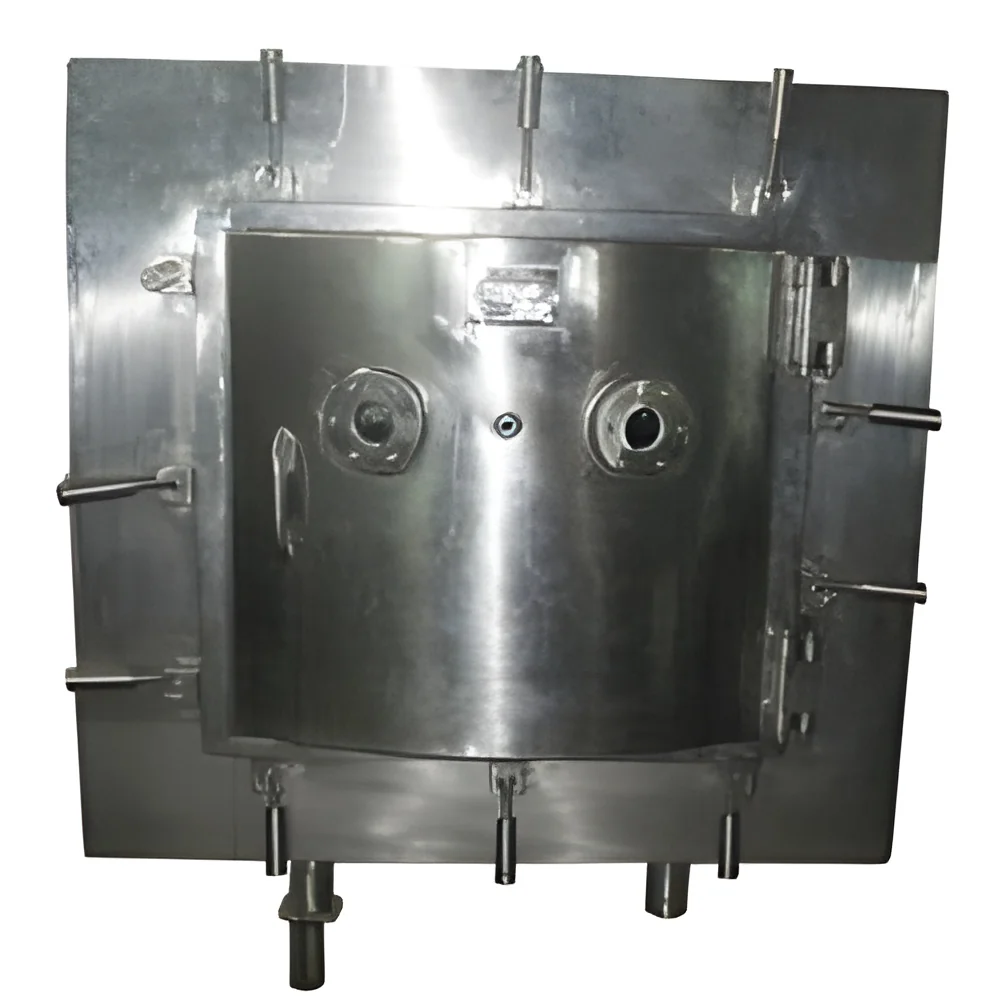
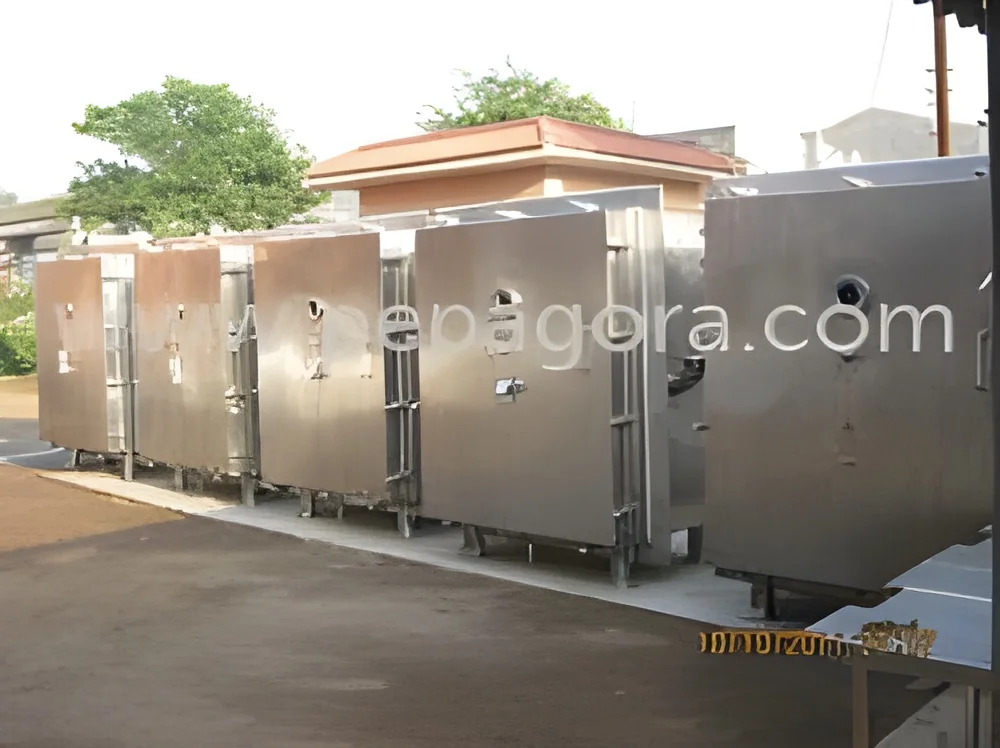
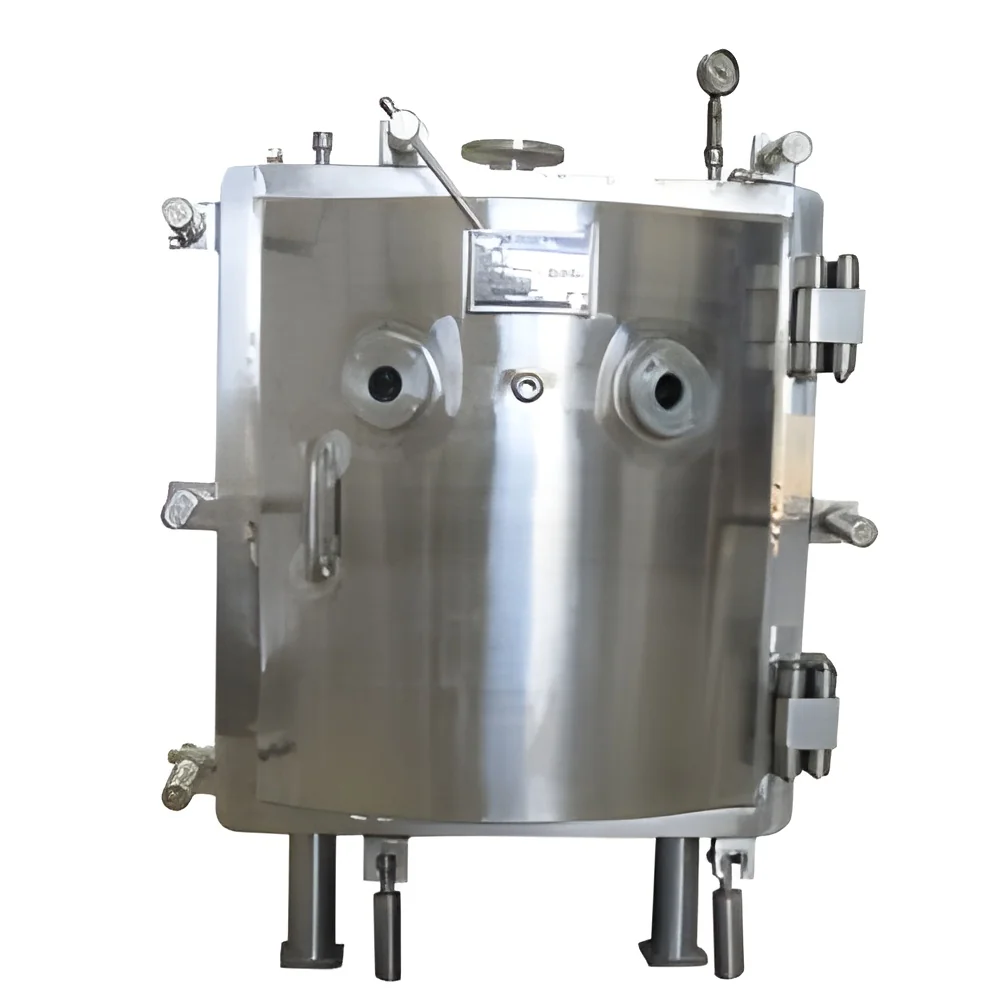
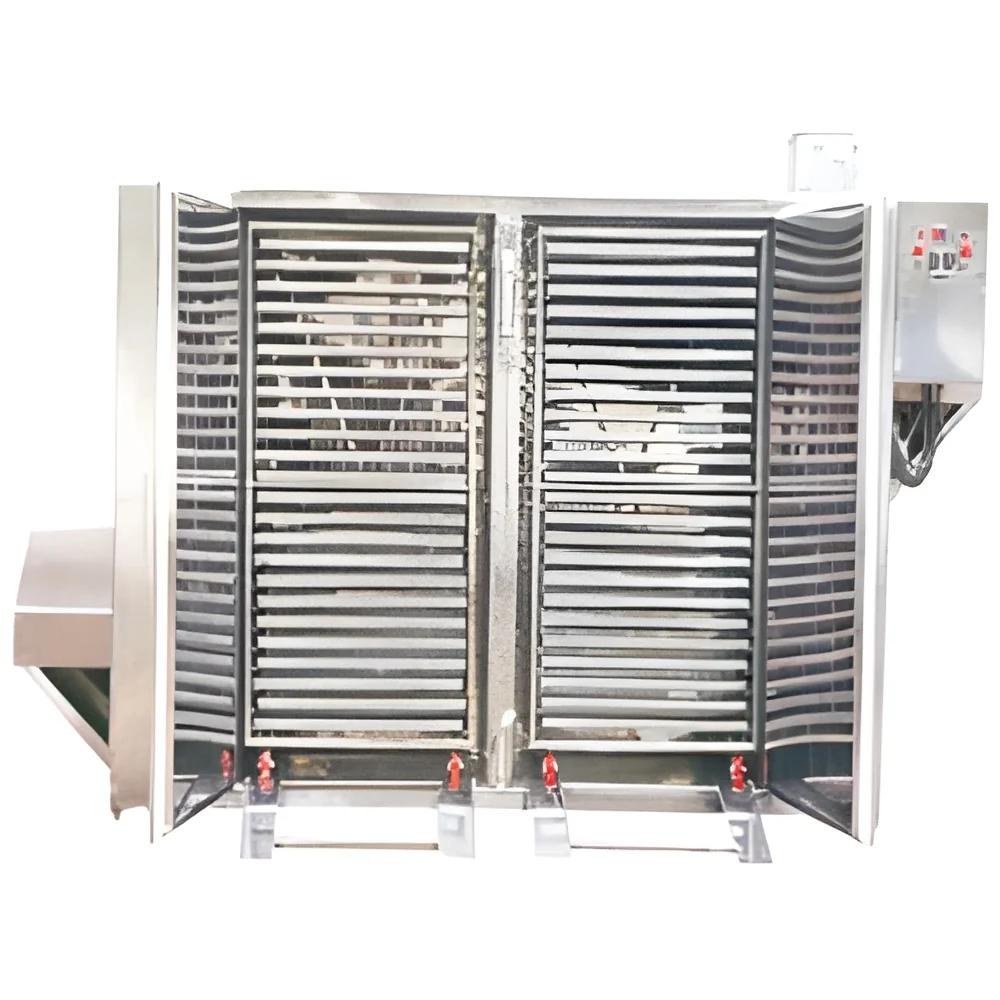
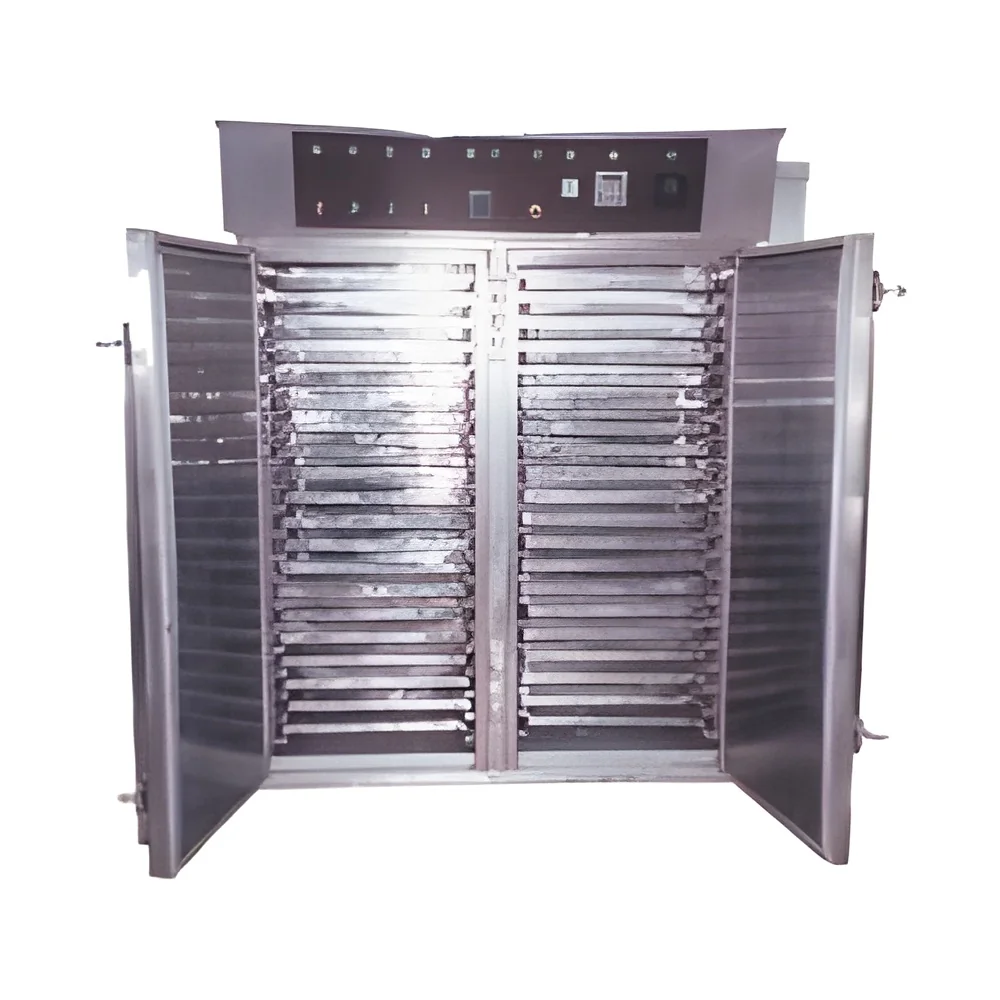
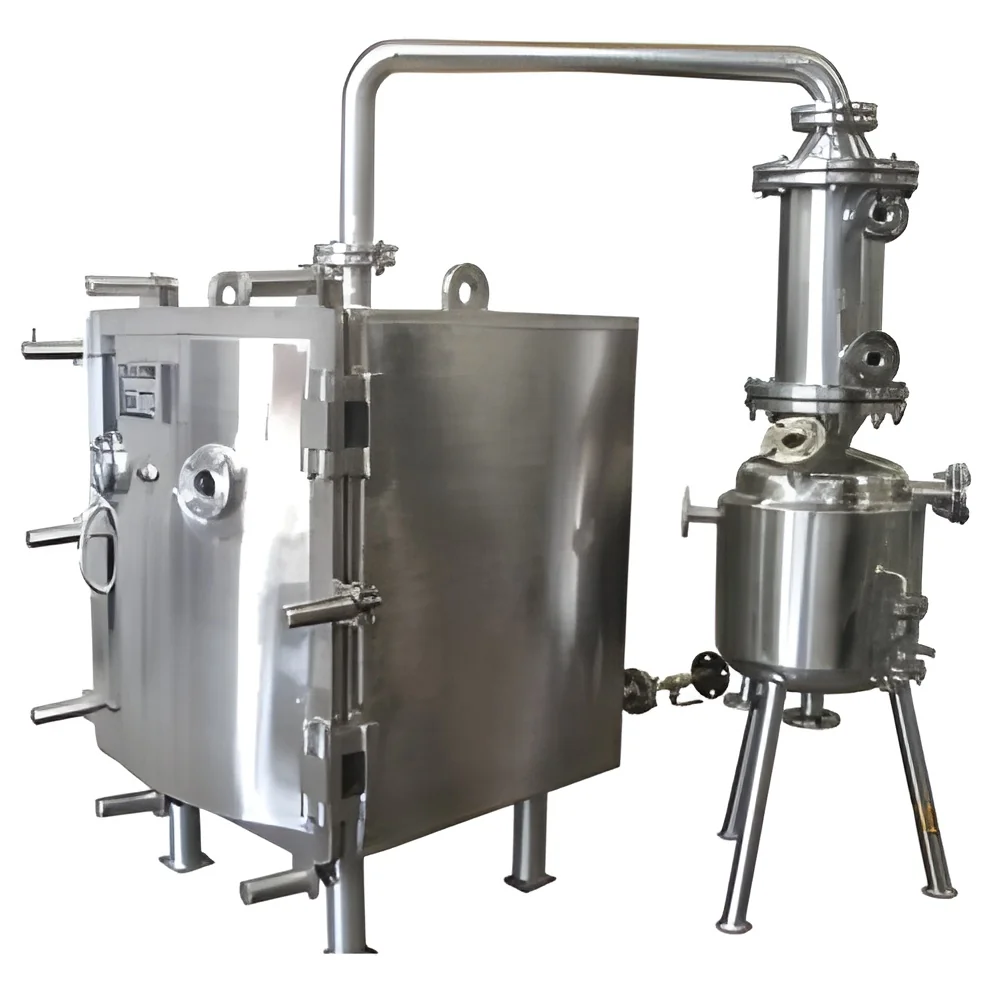
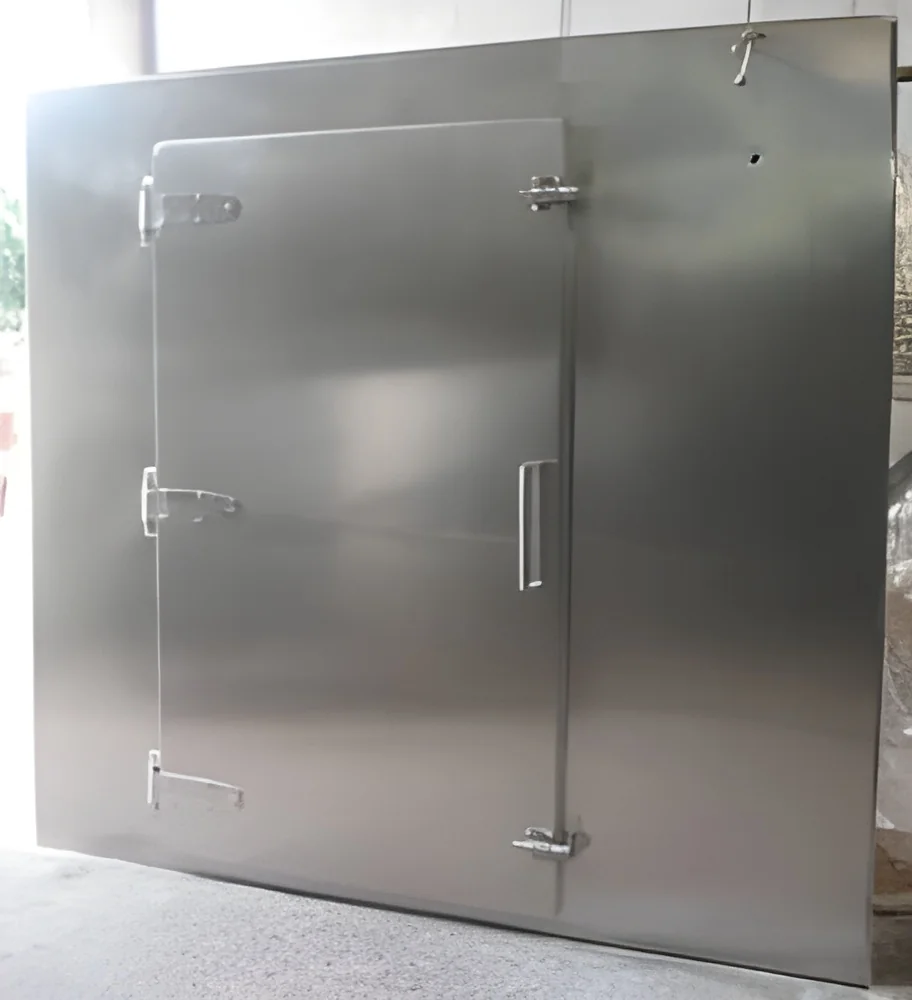
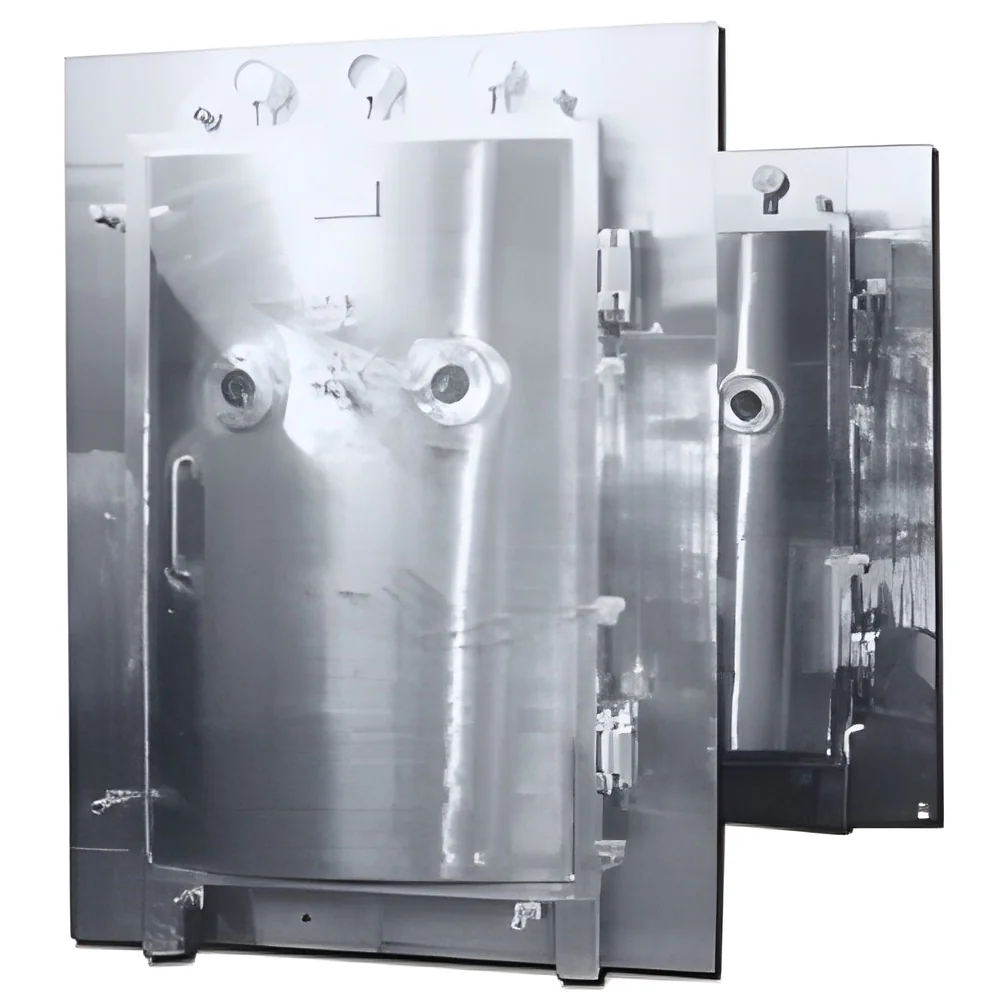
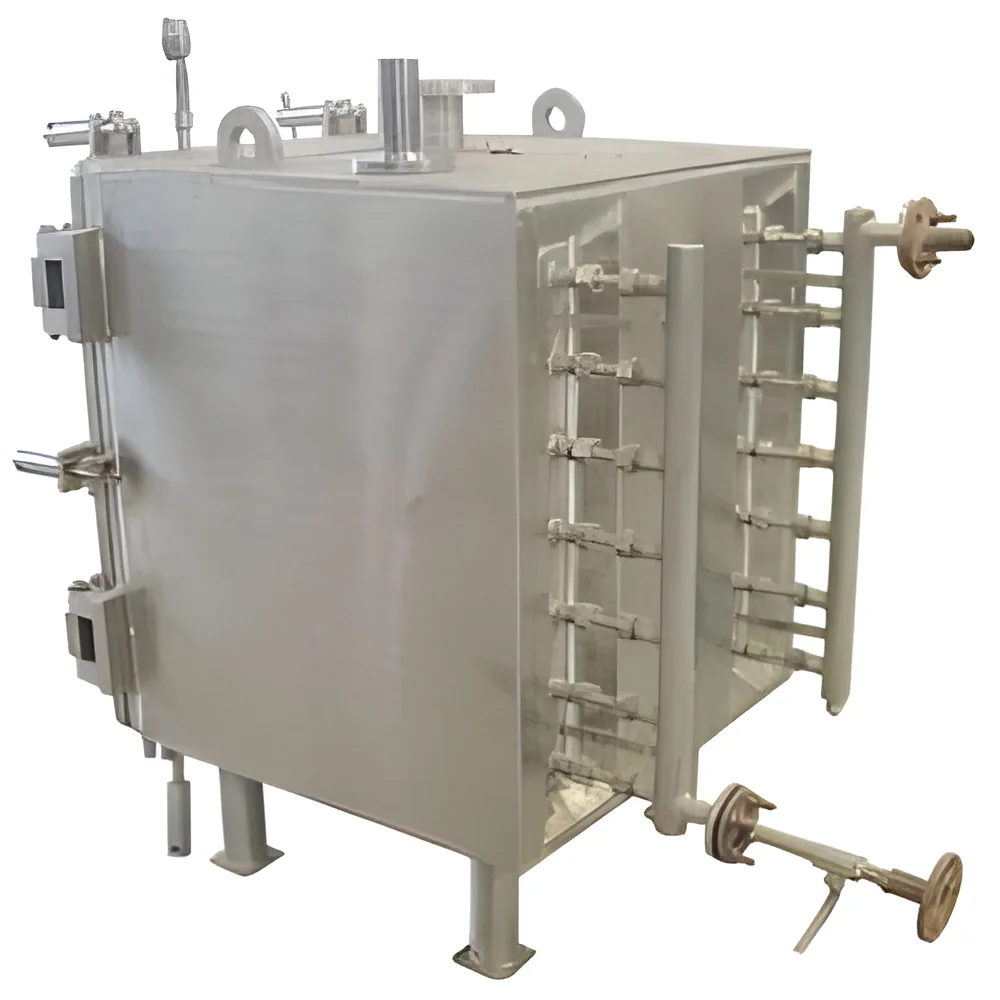
Industrial Tray Dryers: Built for heavy-duty applications, these dryers are used in industries such as pharmaceuticals and agriculture. They offer robust construction and advanced drying capabilities.
Batch Dehydrators: These machines are designed for processing specific amounts of material at a time. They are ideal for businesses that do not require continuous drying processes.
Continuous Flow Dehydrators: These units allow for a constant input and output of materials, ideal for large-scale operations that require uninterrupted drying.
Benefits and Advantages
Investing in dehydrators and tray dryers offers numerous advantages for businesses.
1. Extended Shelf Life: Dehydration significantly reduces moisture, preventing spoilage and extending the shelf life of products.
2. Nutrient Preservation: Proper drying techniques help retain essential vitamins and minerals in food products.
3. Cost-Effectiveness: By preserving surplus produce, businesses can reduce waste and increase profitability through value-added products.
4. Versatility: These machines are adaptable for various products, from food items to herbs and pharmaceuticals.
5. Improved Flavor: Dehydrated products often have intensified flavors, making them more appealing to consumers.
6. Energy Efficiency: Modern dehydrators are designed to consume less energy, which can lower operational costs.
Buying Guide for B2B Buyers
When sourcing dehydrators and tray dryers, buyers should consider several critical factors to ensure a successful purchase.
1. Quality Assessment: Evaluate the materials and construction of the units. Look for certifications that indicate compliance with industry standards.
2. Supplier Verification: Research potential suppliers to ensure they have a reliable track record and positive reviews from other customers.
3. Pricing and MOQ: Understand the pricing structure and minimum order quantities. This will help in budgeting and ensuring you get the best value.
4. Delivery and Lead Times: Assess the suppliers' logistics capabilities, including delivery times and shipping options, to minimize downtime.
5. Compliance Requirements: Familiarize yourself with any regulatory standards that may apply to your industry and ensure the equipment meets these criteria.
Compliance and Certifications
Dehydrators and tray dryers must adhere to several quality standards and certifications to ensure safety and efficacy in their applications.
ISO 9001 is a quality management standard that ensures manufacturers maintain consistent quality in their products and services. Companies that achieve this certification demonstrate an ongoing commitment to quality improvement.
HACCP (Hazard Analysis and Critical Control Points) is a safety management system that identifies potential hazards in food production. Dehydrators used in the food industry should comply with HACCP guidelines to ensure product safety.
The CE mark indicates that a product meets European safety and health requirements. This certification is essential for machines exported to European markets.
Additionally, safety testing requirements must be met to ensure the equipment operates safely under various conditions. Regional compliance considerations may also include local regulations that pertain to manufacturing and operational standards.
Why Source Dehydrators & Tray Dryers from Pepagora?
Pepagora offers a trusted platform for sourcing dehydrators and tray dryers, providing several key advantages to B2B buyers.
Verified Supplier Network: Pepagora connects buyers with a network of verified suppliers who are committed to quality and reliability. This ensures that businesses can source equipment with confidence.
Streamlined RFQ Process: The request for quotation process on Pepagora is designed to be user-friendly, allowing buyers to easily request and compare quotes from multiple suppliers, simplifying the purchasing decision.
Trade Assurance and Support: Buyers benefit from trade assurance, which provides protection against potential risks associated with online transactions. Pepagora also offers dedicated support to assist buyers throughout the purchasing process.
Regional Coverage: Pepagora's extensive reach includes India, the GCC, and Southeast Asia, ensuring that buyers have access to a wide range of suppliers and products that meet their specific needs.
This combination of advantages makes Pepagora an excellent choice for businesses looking to invest in dehydrators and tray dryers, ensuring a smooth and efficient purchasing experience.




Frequently Asked Questions
What are Dehydrators & Tray Dryers?
Dehydrators and tray dryers are industrial appliances used for removing moisture from food and other materials. They utilize heat and airflow to evaporate water content, preserving the quality and extending the shelf life of the product.
What are the different types of Dehydrators & Tray Dryers?
There are several types of dehydrators and tray dryers, including electric dehydrators, solar dehydrators, and convection tray dryers. Each type varies in technology, efficiency, and the scale of operation, catering to different industrial needs.
How do I choose the right Dehydrators & Tray Dryers?
To choose the right dehydrator or tray dryer, consider factors such as the type of material to be dried, desired moisture content, production capacity, and energy efficiency. Additionally, evaluate the size and design based on your available space and operational needs.
What are the standard specifications for Dehydrators & Tray Dryers?
Standard specifications for dehydrators and tray dryers often include temperature range, airflow rate, drying capacity, and power consumption. It's essential to review these specifications to ensure compliance with your processing requirements.
What is the price range for Dehydrators & Tray Dryers?
The price range for dehydrators and tray dryers can vary significantly based on type, capacity, and features. Generally, prices can start from a few thousand rupees for smaller models to several lakhs for industrial-grade equipment.
What quality standards apply to Dehydrators & Tray Dryers?
Quality standards for dehydrators and tray dryers typically include compliance with ISO, CE, and food safety regulations. Ensuring that the equipment meets these standards is crucial for maintaining product quality and safety.
Where can I find Dehydrators & Tray Dryers suppliers in India?
You can find dehydrators and tray dryers suppliers in India through B2B marketplaces like Pepagora, trade shows, and industry directories. These platforms provide a comprehensive list of manufacturers and suppliers to facilitate your sourcing needs.
Can Dehydrators & Tray Dryers be customized?
Yes, many manufacturers offer customization options for dehydrators and tray dryers to meet specific operational requirements. Custom features may include size, capacity, and additional functionality tailored to your production process.
What is the typical minimum order quantity for Dehydrators & Tray Dryers?
The typical minimum order quantity (MOQ) for dehydrators and tray dryers varies by supplier and product type. Generally, MOQs can range from one unit for smaller suppliers to larger quantities for industrial-grade equipment.
What is the typical lead time for Dehydrators & Tray Dryers?
The typical lead time for dehydrators and tray dryers can vary based on the manufacturer's production schedule and customization requirements. Generally, lead times can range from a few weeks to several months, depending on the complexity of the order.
Why Businesses Trust Pepagora
Thousands of companies trust Pepagora to source smarter and sell faster
Expand Your Sales Globally

Source Smarter,Grow Faster
