What are Bakery Equipment?
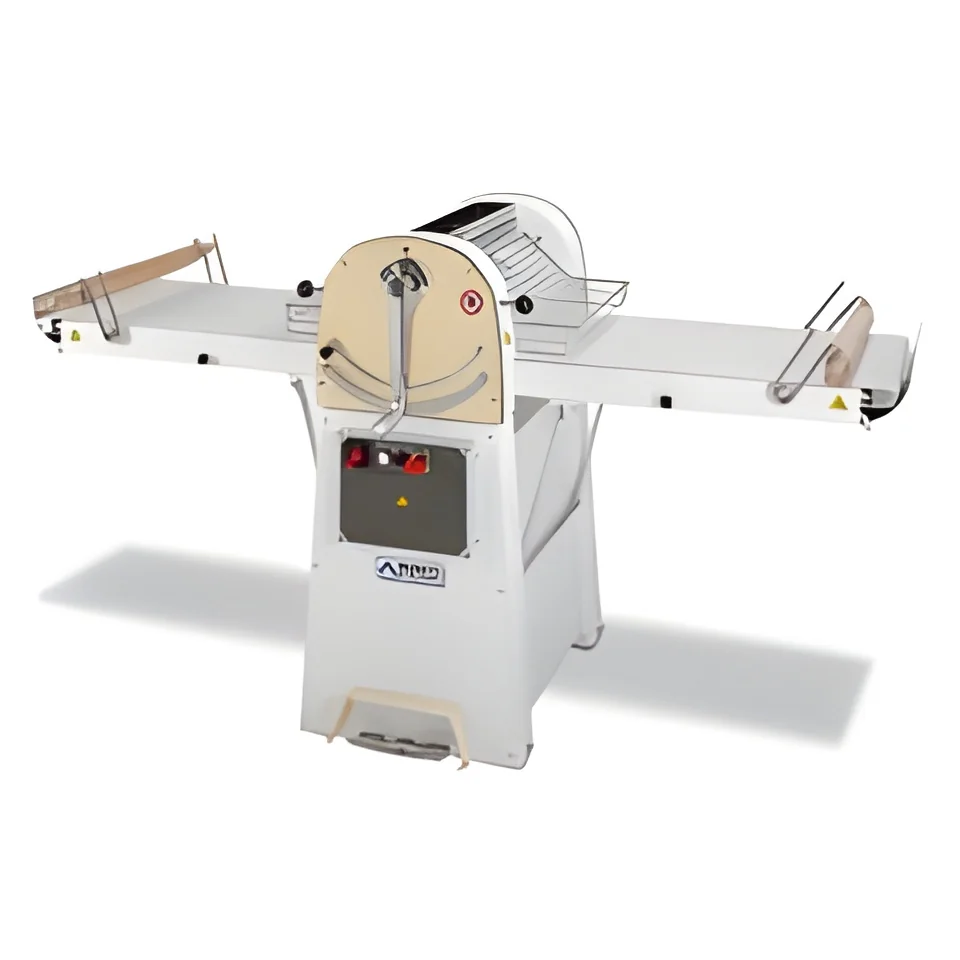
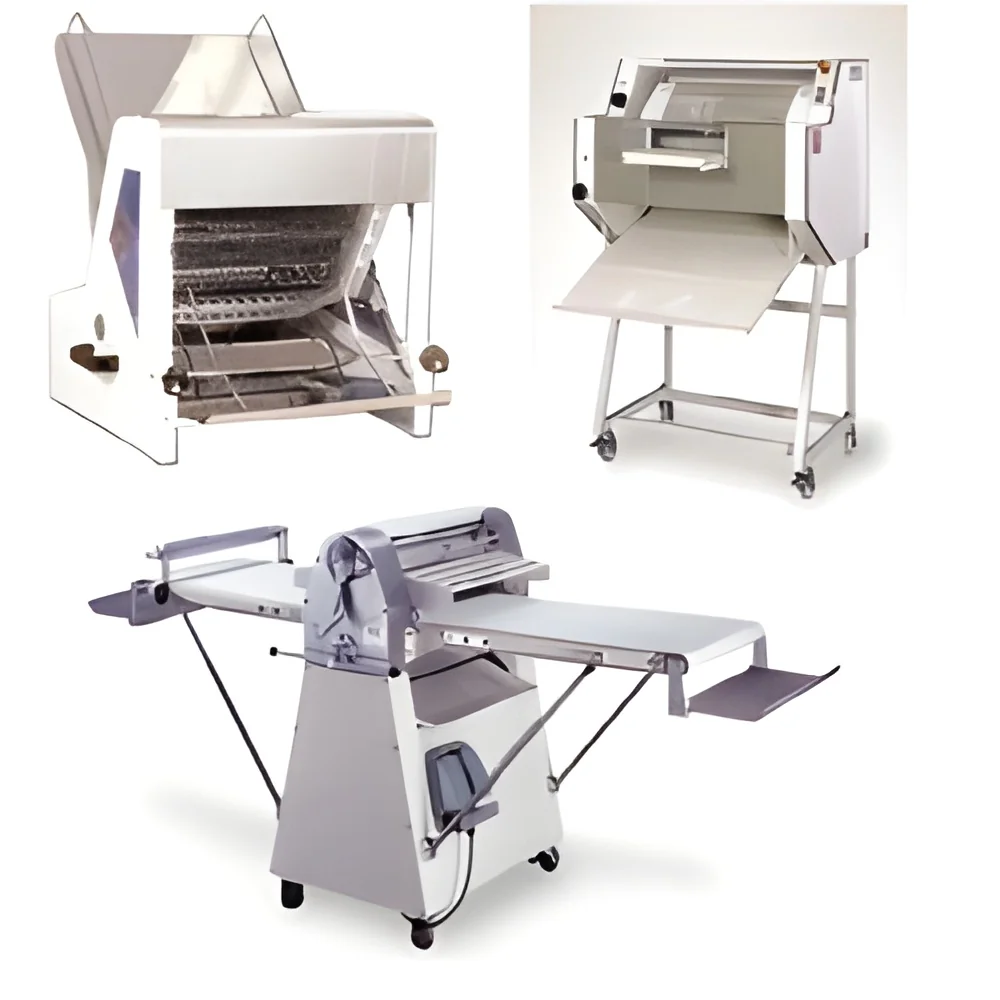
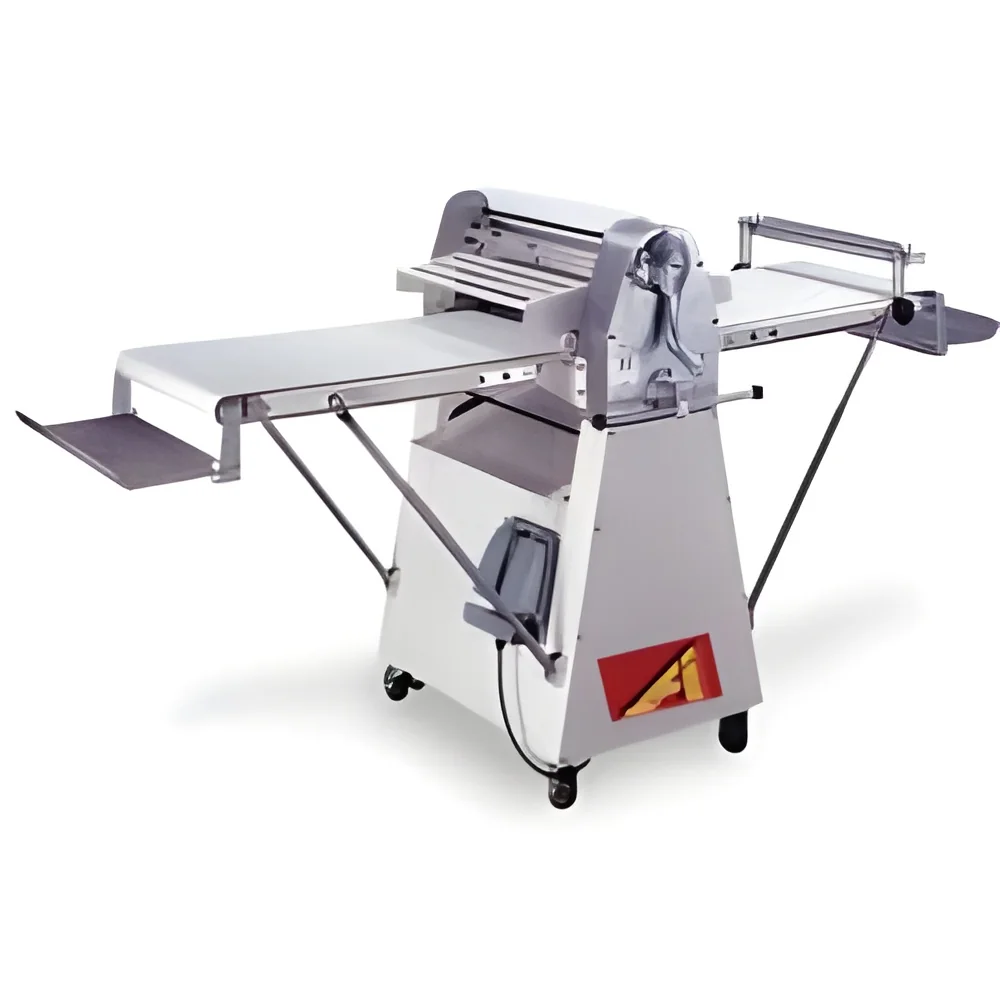
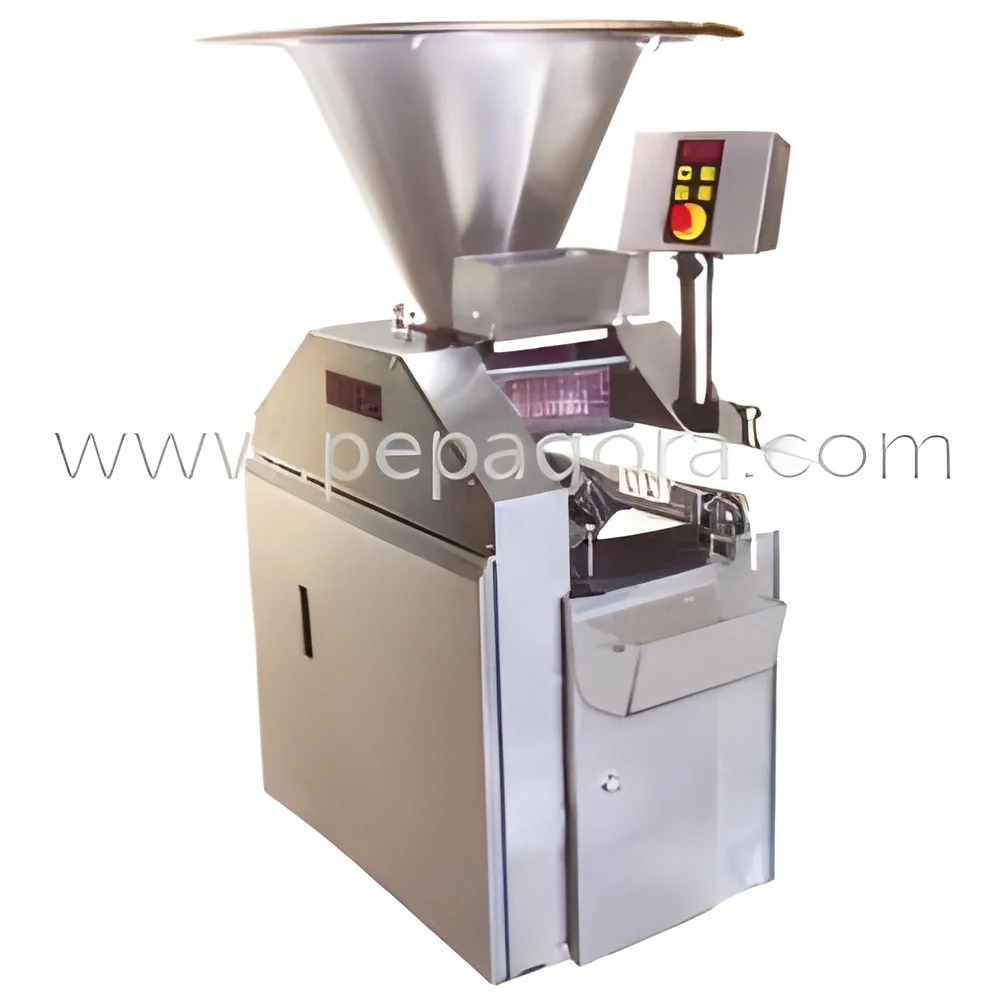
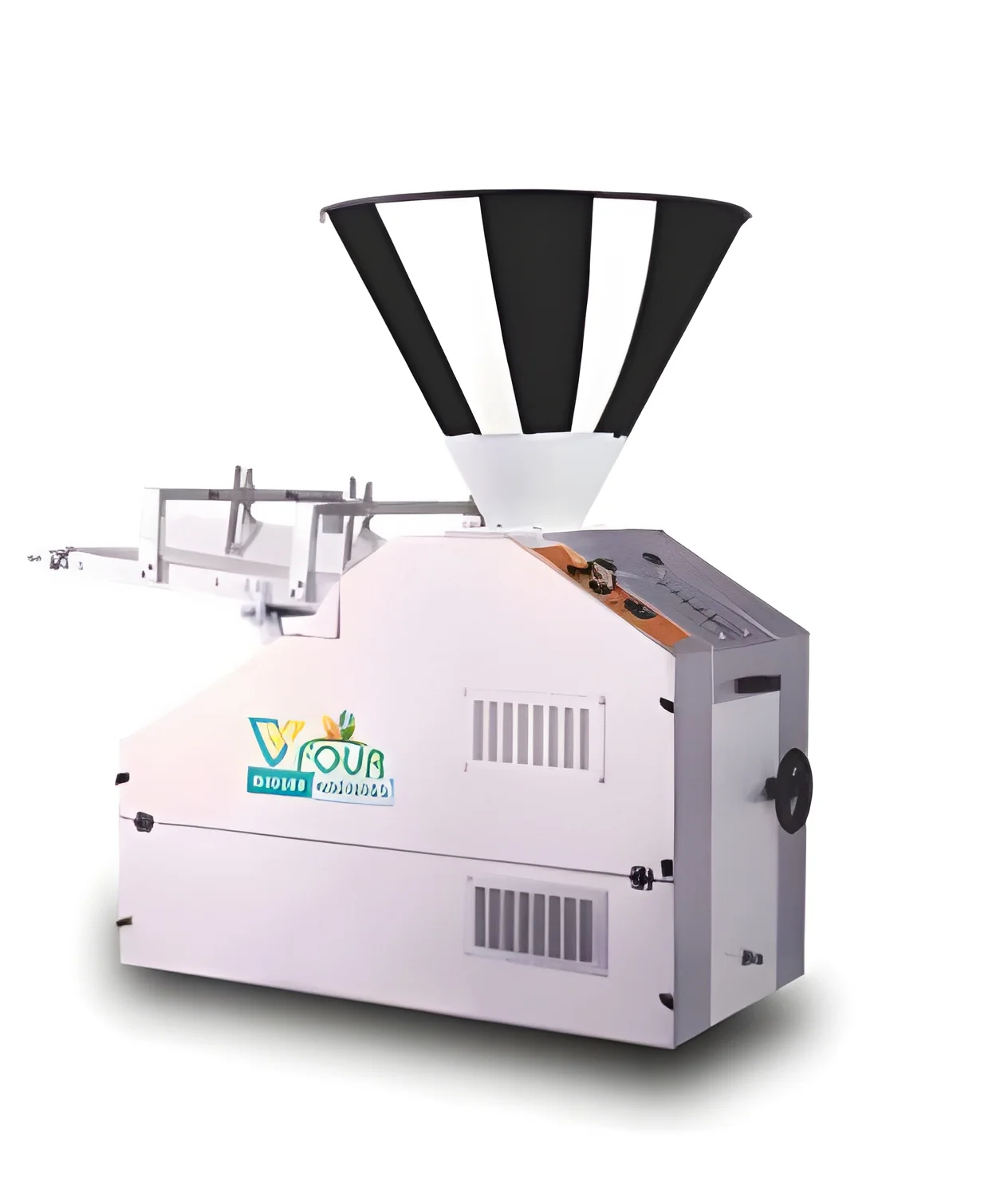
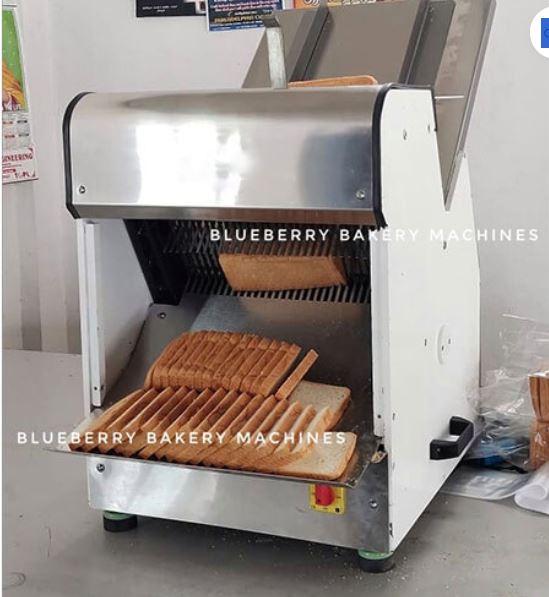
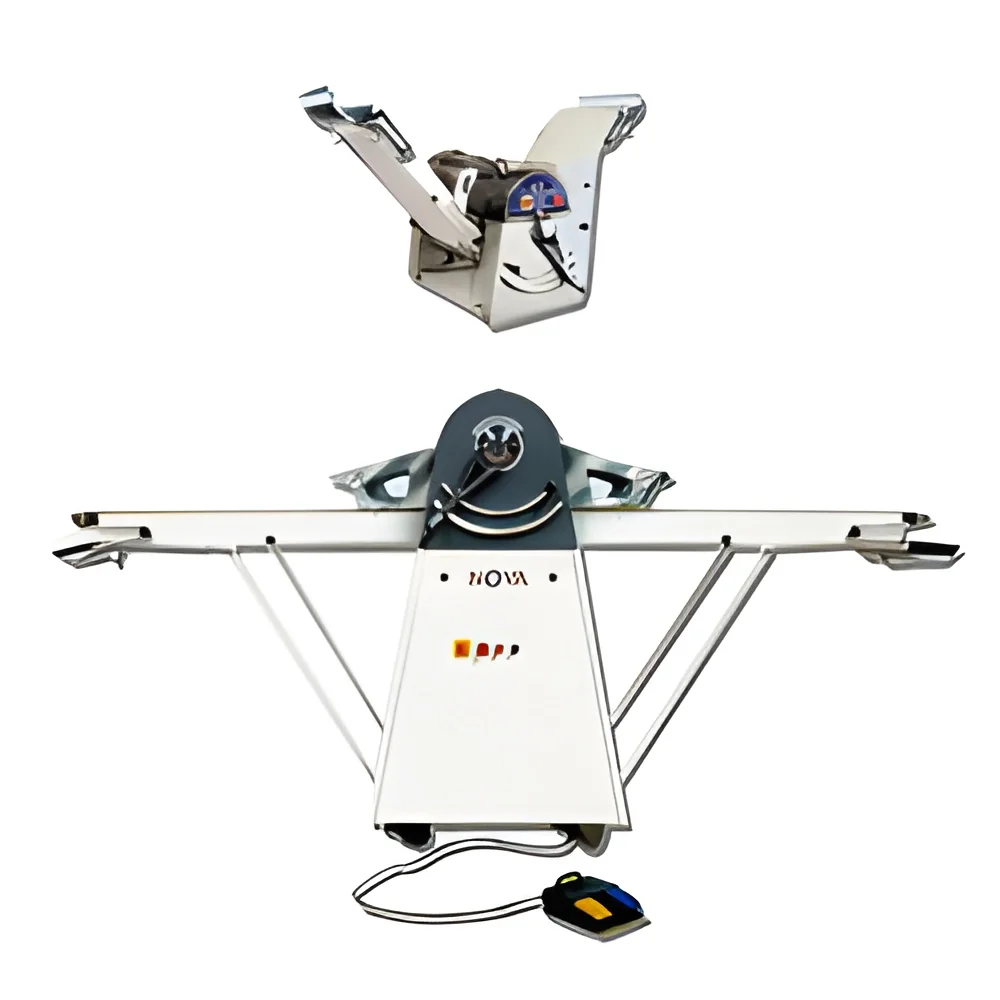
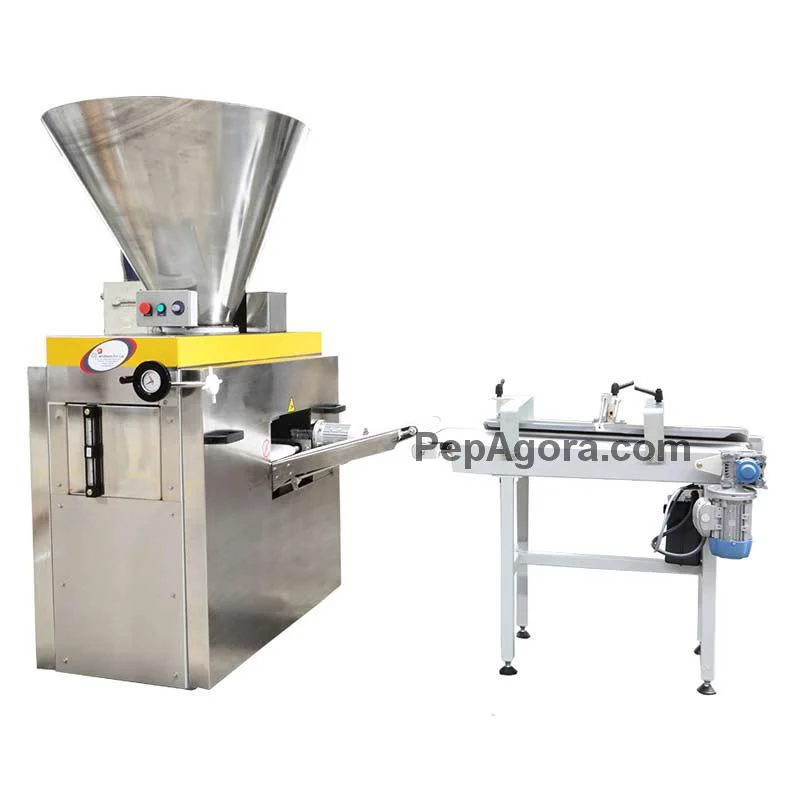
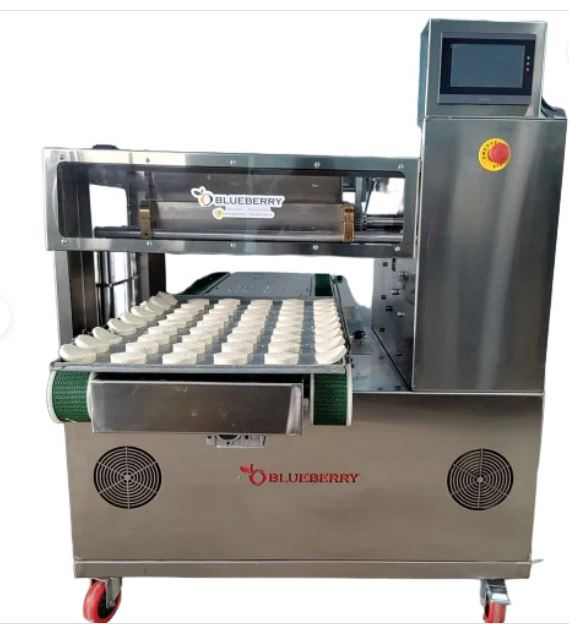
Bakery equipment refers to the specialized tools and machines used in the production of baked goods. This equipment encompasses a wide range of items, including ovens, mixers, proofers, and cooling racks. Each piece of machinery plays a critical role in the baking process, ensuring that products are made efficiently and consistently. The right bakery equipment is essential for both small artisan bakeries and large industrial baking operations.
The primary uses of bakery equipment include mixing ingredients, baking, cooling, and packaging baked products. Businesses in the bakery sector utilize this equipment to streamline their operations and enhance productivity. From bread and pastries to cookies and cakes, the variety of baked goods produced requires specific equipment tailored to meet different production needs. In a competitive market, investing in the right bakery equipment can lead to improved product quality and increased customer satisfaction.
The bakery equipment market is significant within the food processing industry. As consumer demand for baked goods continues to rise, the need for advanced and efficient machinery has become paramount. Many bakeries are integrating technology into their processes to improve efficiency and reduce labor costs. Additionally, the trend towards health-conscious baking has led manufacturers to develop equipment that can accommodate alternative ingredients and dietary preferences.
Key Features and Specifications
Bakery equipment comes with various features designed to meet the unique needs of different baking applications. Understanding these specifications is crucial for businesses looking to optimize their production processes.
Key specifications include:
1. Capacity
- Capacity typically refers to the volume of dough or the number of baked goods produced per batch.
- Common ranges include small (up to 50 kg) for artisanal bakeries and large (above 200 kg) for industrial operations.
2. Energy Efficiency
- Energy consumption is a key consideration for bakery equipment.
- Many modern machines are designed to minimize energy usage without compromising performance.
3. Temperature Control
- Effective temperature control is essential for consistent baking results.
- Equipment often features adjustable temperature settings and monitoring systems.
4. Material Quality
- The materials used in bakery equipment should be durable and easy to clean.
- Stainless steel is a popular choice due to its resistance to corrosion and high temperatures.
5. Automation Level
- Automation features can significantly enhance productivity.
- Equipment may offer programmable settings for mixing, baking, and cooling processes.
6. Safety Standards
- Compliance with safety regulations is crucial in bakery equipment.
- Equipment should meet relevant safety standards to ensure safe operation.
7. Customization Options
- Many manufacturers offer customization to meet specific production needs.
- Custom features may include size adjustments, additional attachments, or specialized functions.
8. Maintenance Requirements
- Regular maintenance is essential for longevity and performance.
- Equipment should be designed for easy access to components for servicing.
In summary, understanding the key features and specifications of bakery equipment helps businesses select the right machines for their specific needs. This knowledge is vital for maximizing efficiency and ensuring product quality.
Common Applications and Use Cases
Bakery equipment serves a variety of industries beyond traditional bakeries.
1. Commercial Bakeries: These facilities use large-scale mixers and ovens to produce bread, pastries, and cakes for retail and wholesale distribution.
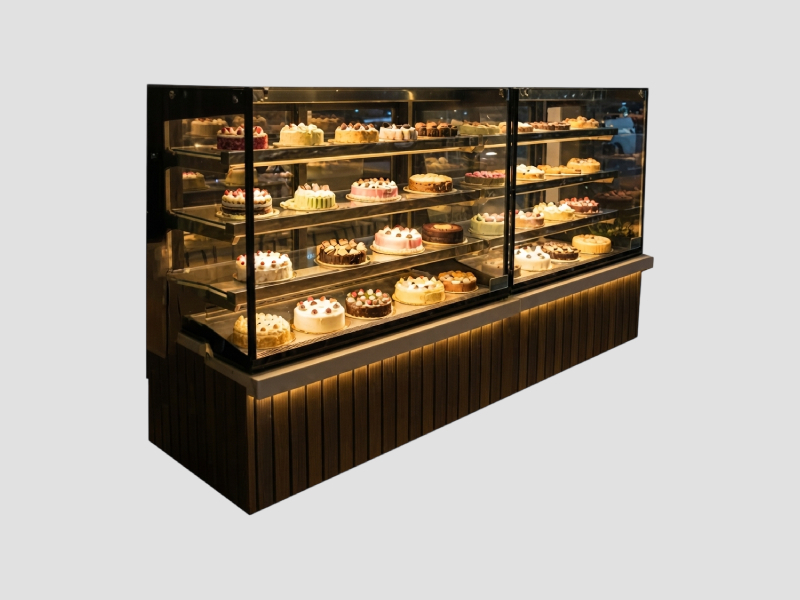
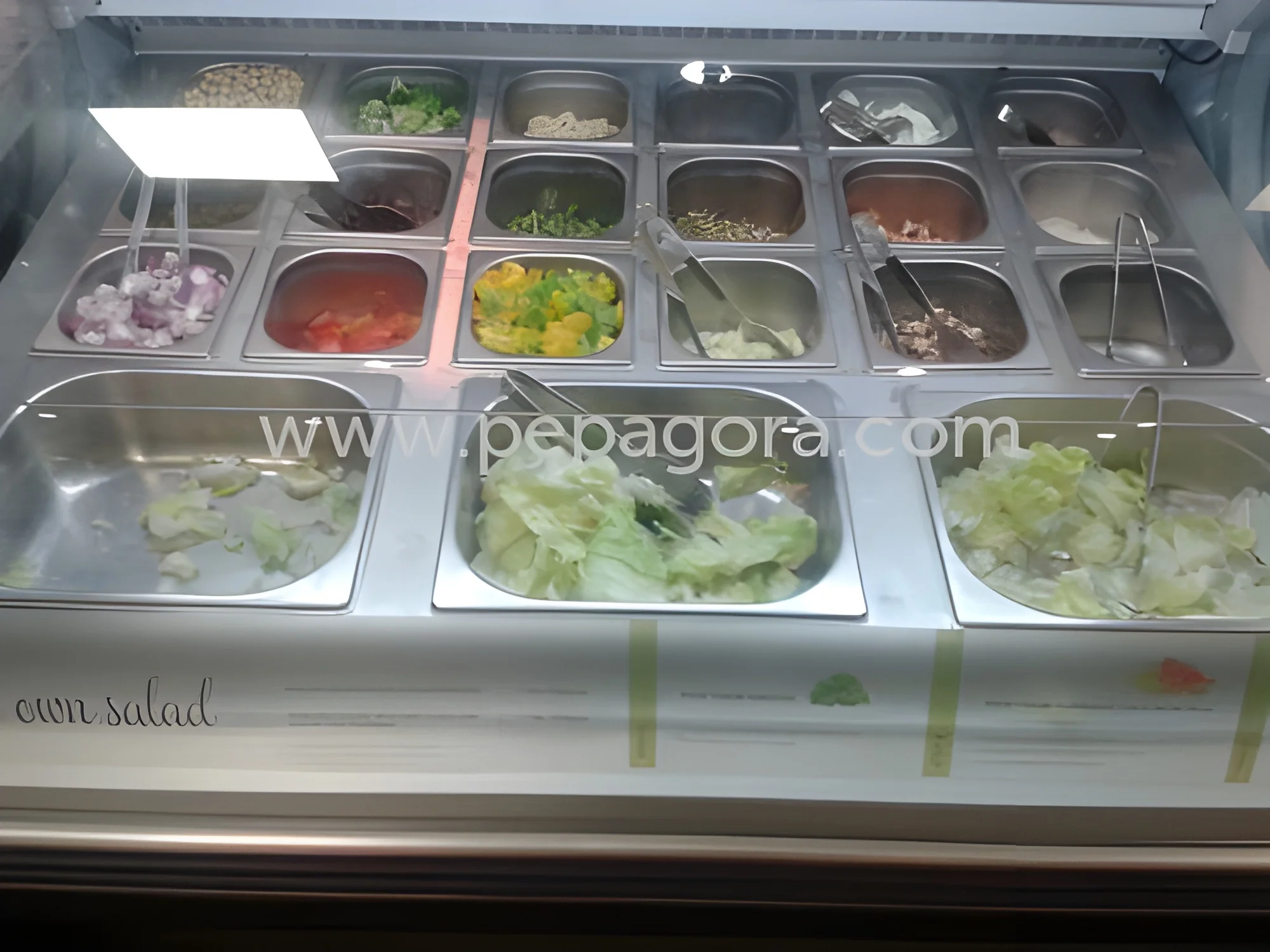
2. Restaurants and Cafés: Many dining establishments require bakery equipment for in-house baking, enhancing their menus with fresh baked goods.
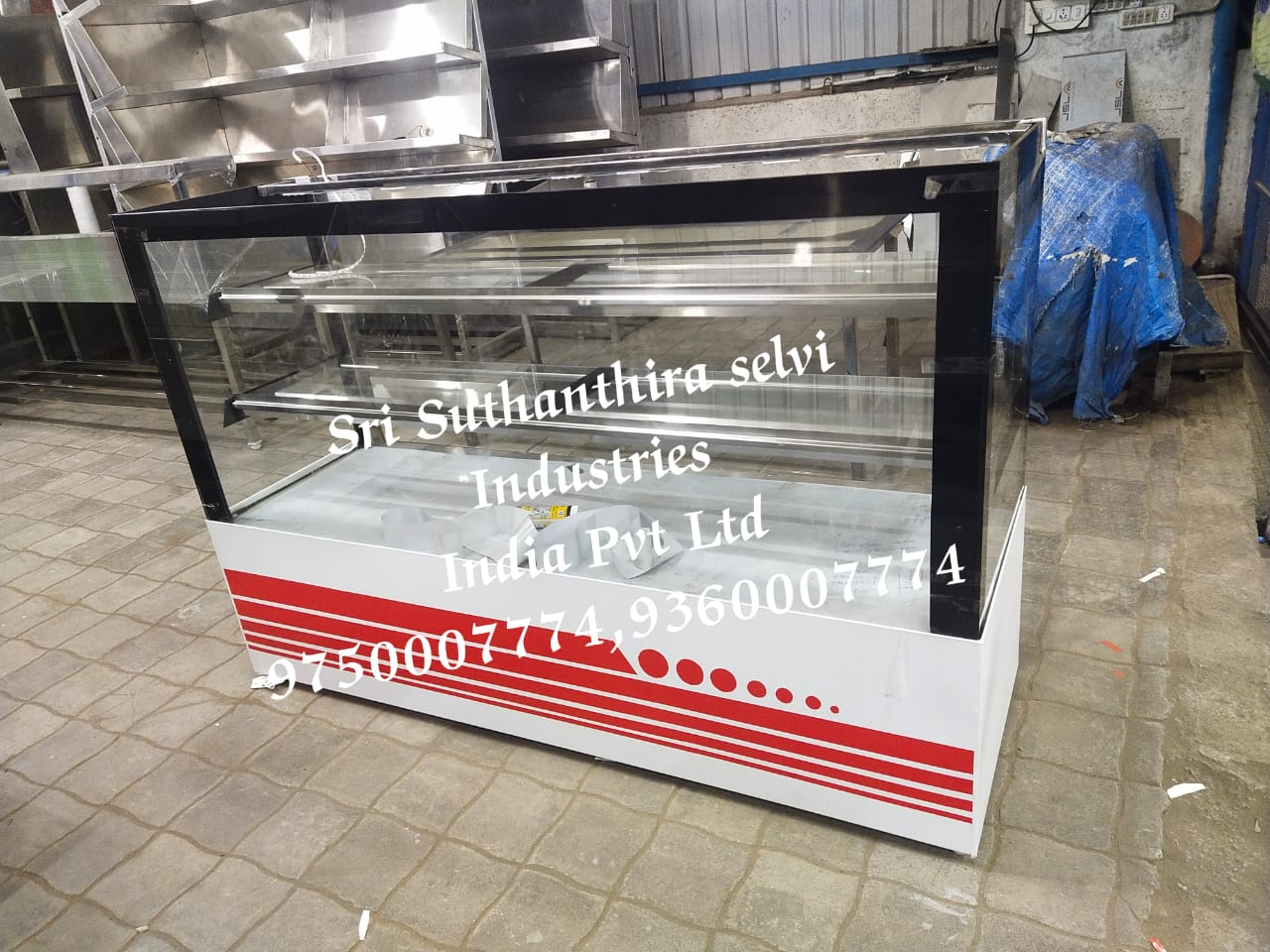
3. Supermarkets: Supermarkets often have in-store bakeries that rely on specialized equipment to provide customers with fresh bread and desserts.
4. Food Service Companies: These organizations use bakery equipment to prepare baked items for events and catering services.
5. Artisanal Bakeries: Smaller, craft-oriented bakeries utilize specialized equipment for unique, hand-crafted products, focusing on high-quality ingredients and traditional methods.
6. Industrial Food Manufacturers: Large food production companies use bakery equipment to produce baked goods at scale, often incorporating automation for efficiency.
7. Gluten-Free and Specialty Bakeries: Bakeries catering to specific dietary needs use specialized equipment to ensure product integrity while accommodating various ingredients.
Product Variants and Subcategories
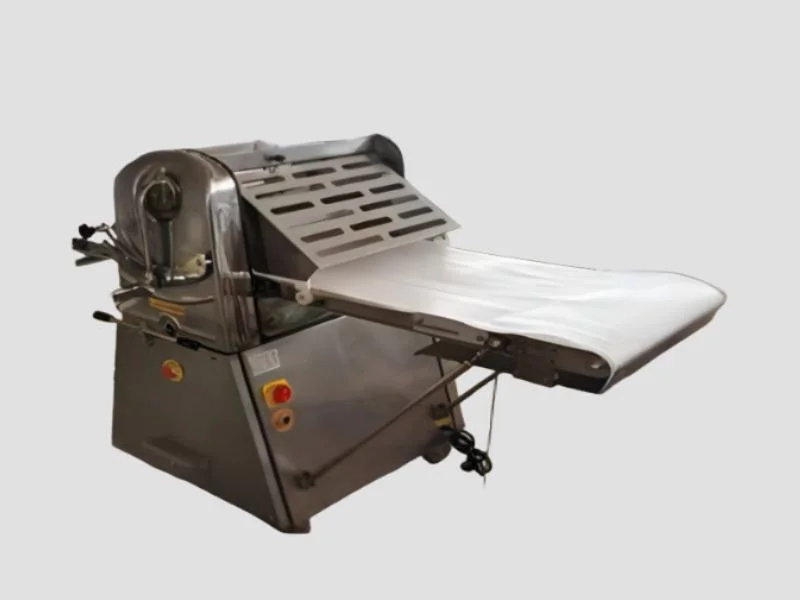
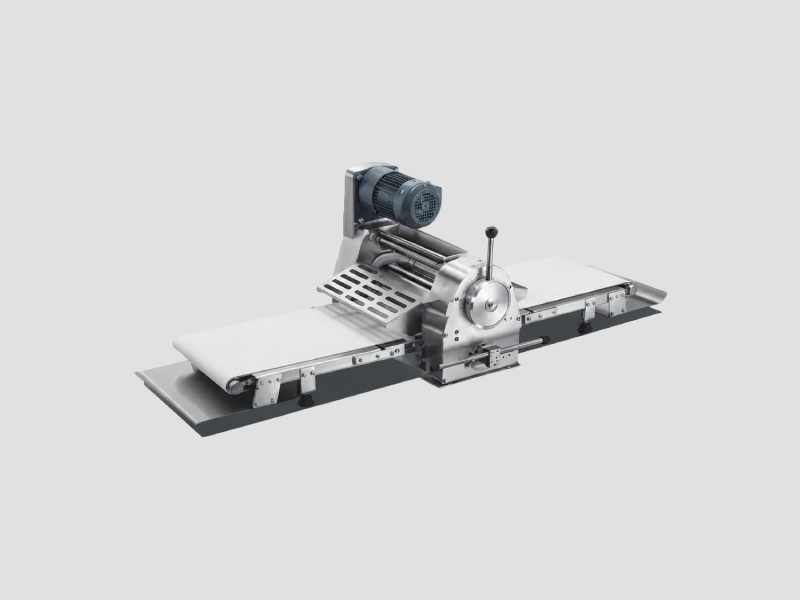
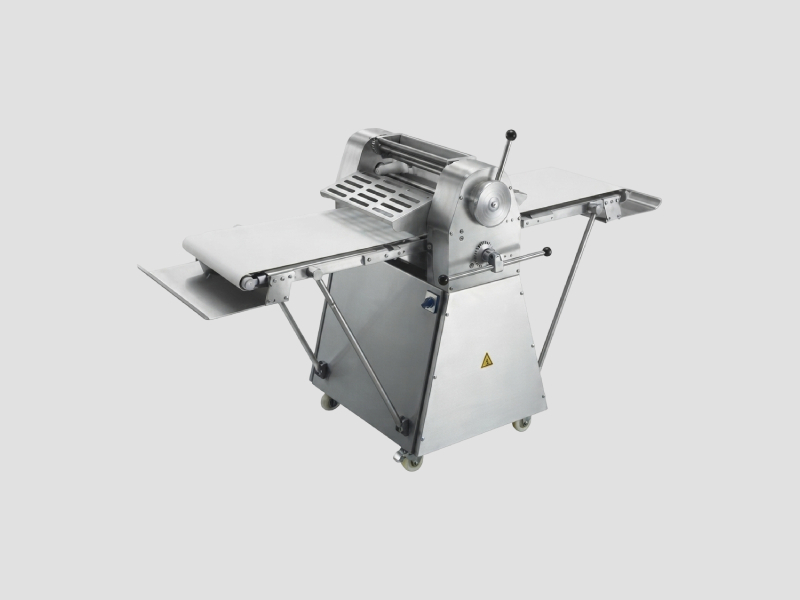
Bakery equipment encompasses a diverse range of products designed to meet different baking needs.
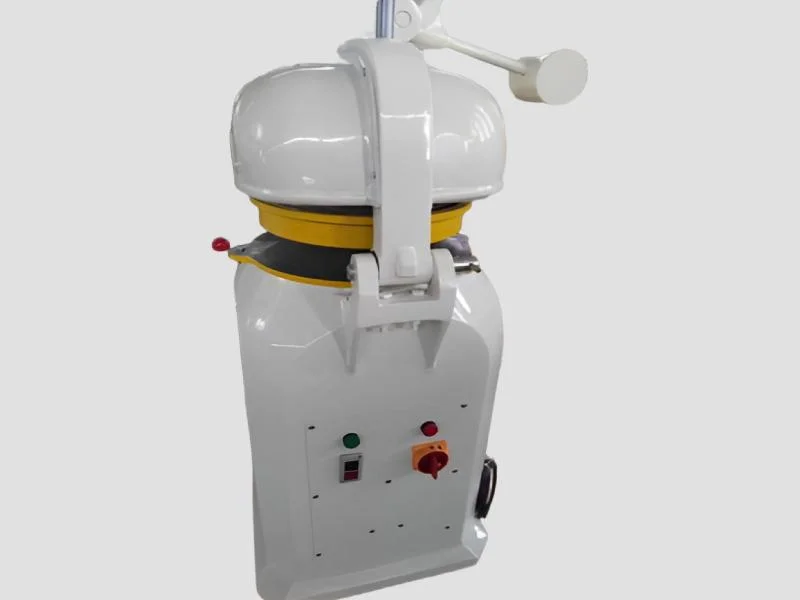
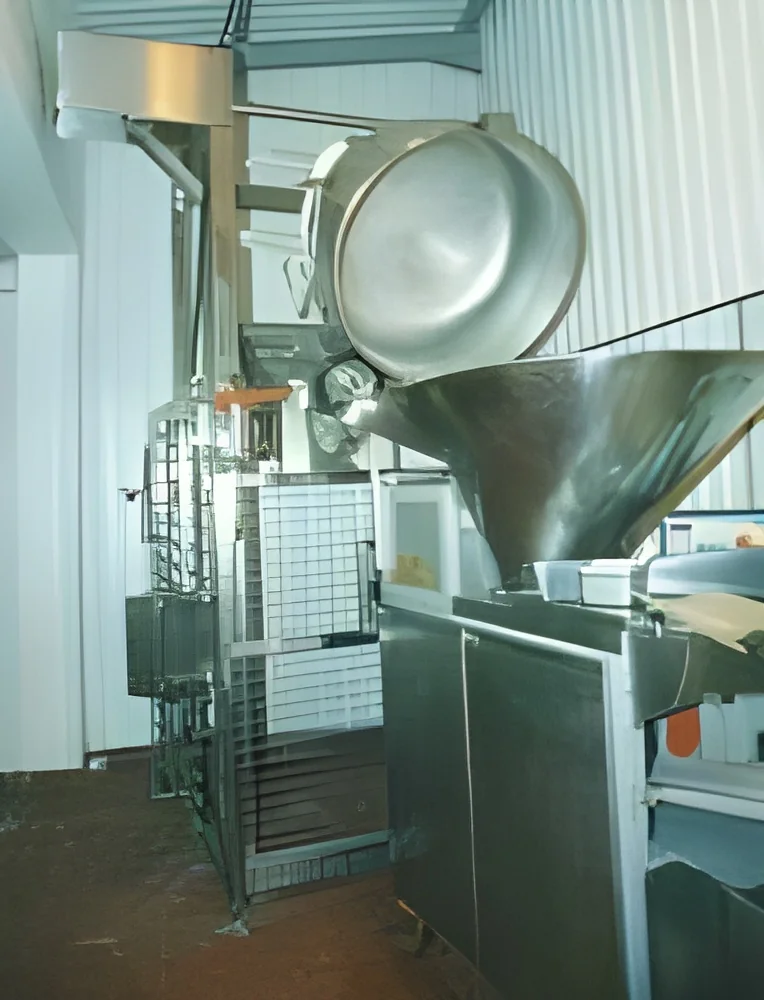
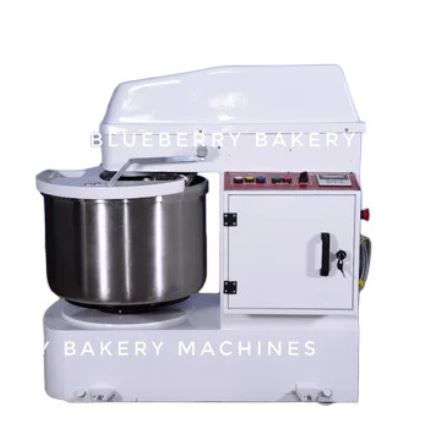
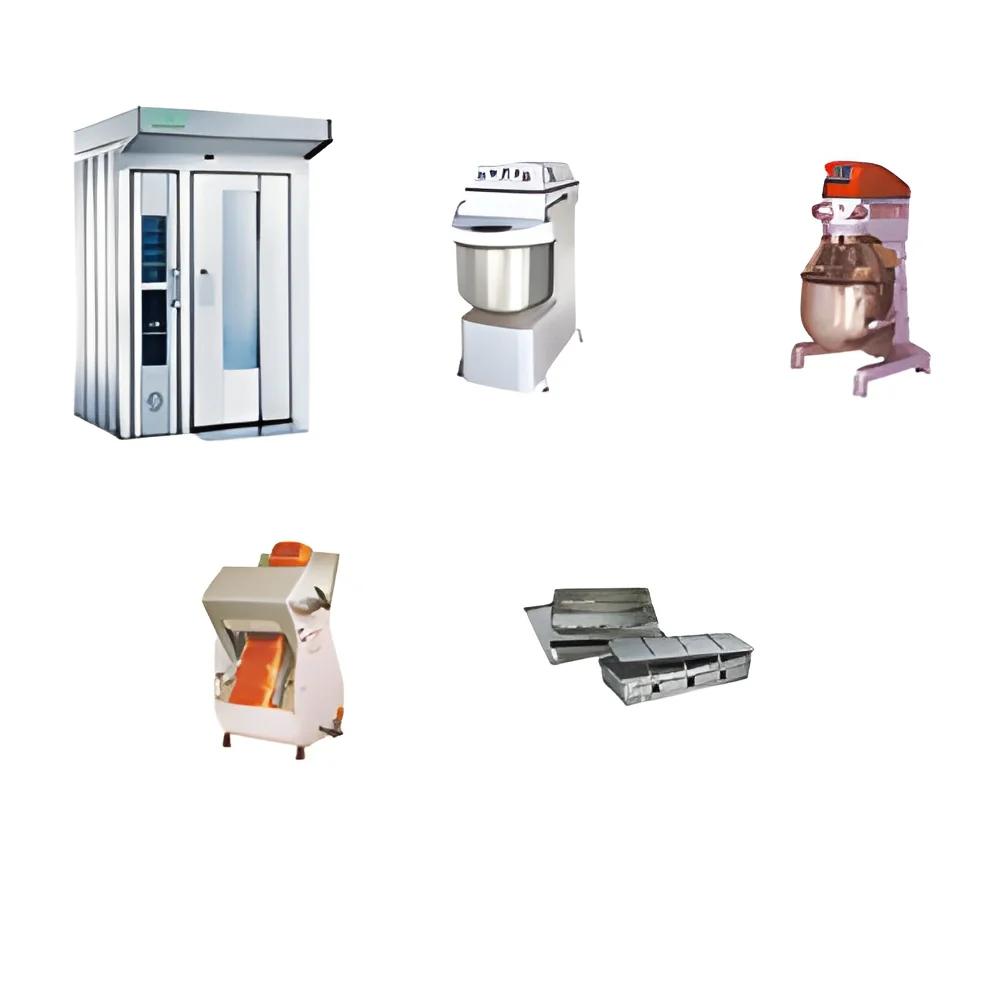
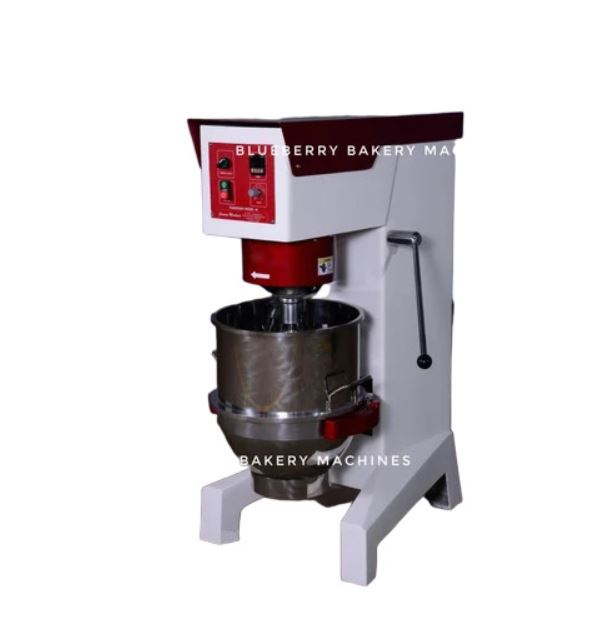
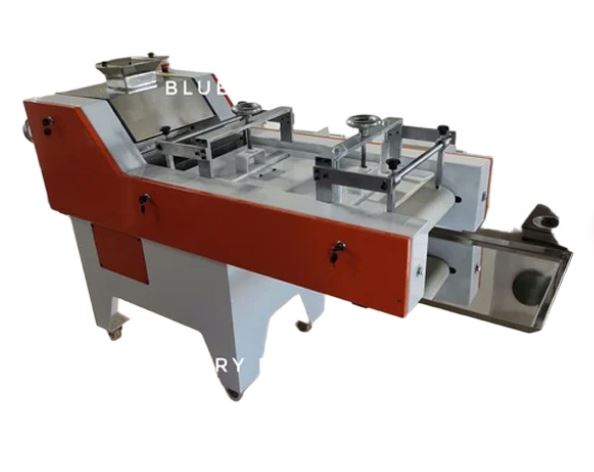
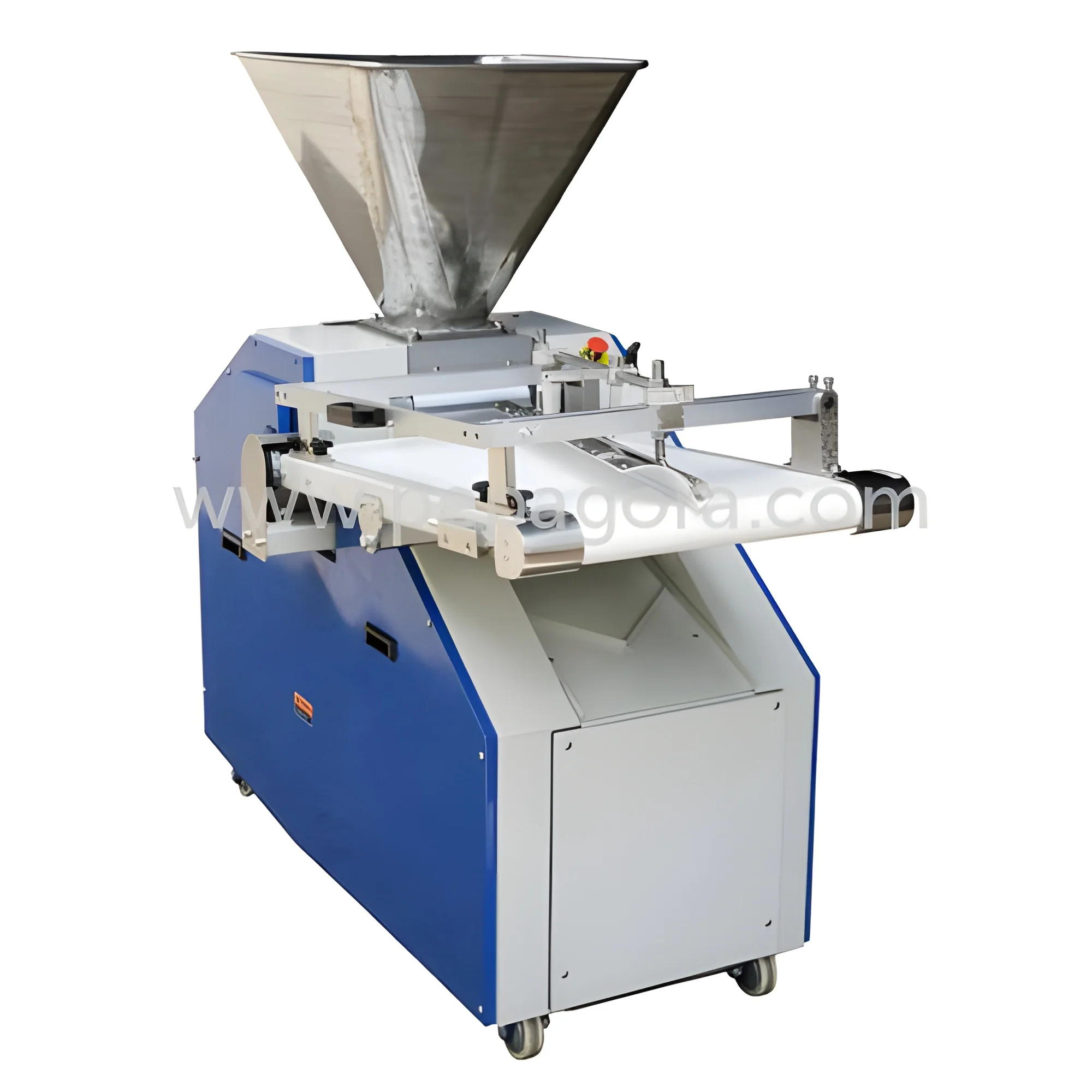
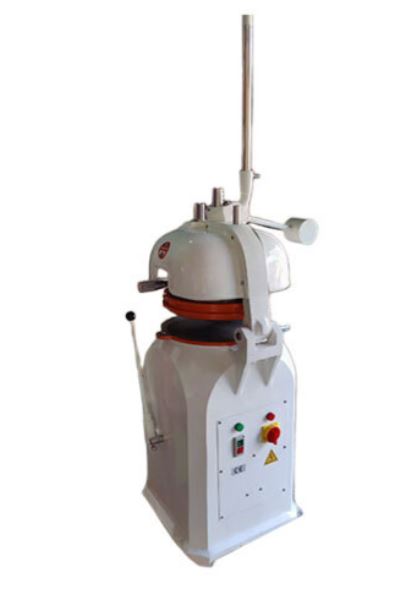
Dough Mixers: These machines are essential for combining ingredients to create dough. They come in various sizes and capacities, catering to both small and large operations.
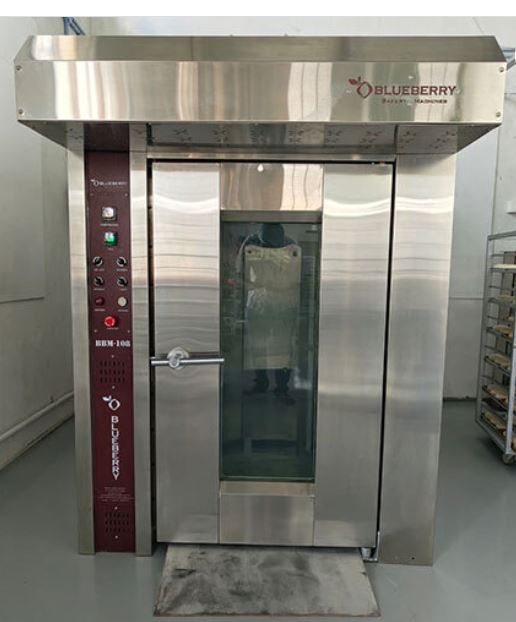
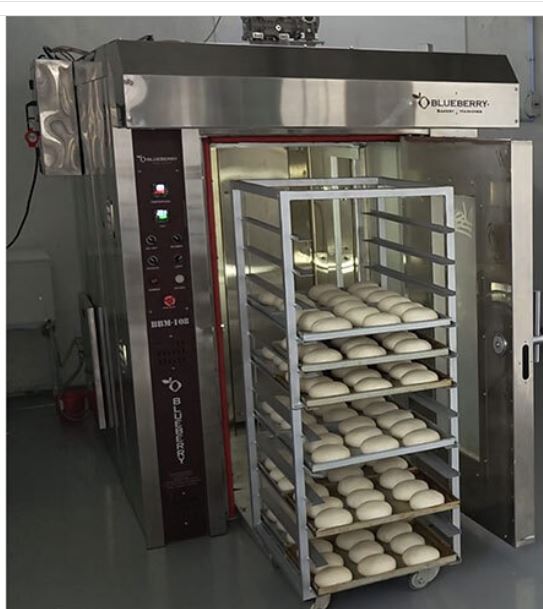
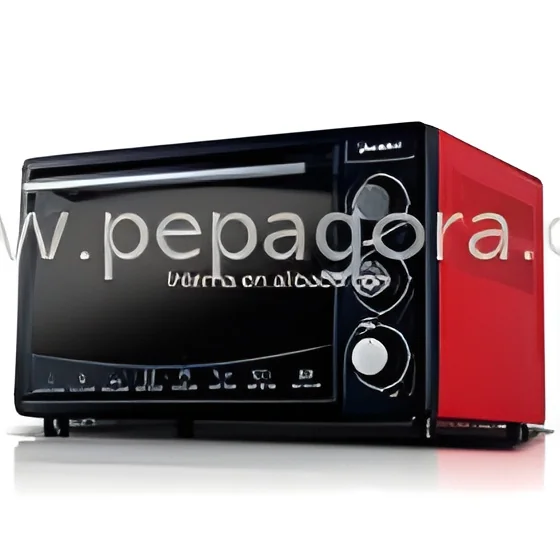
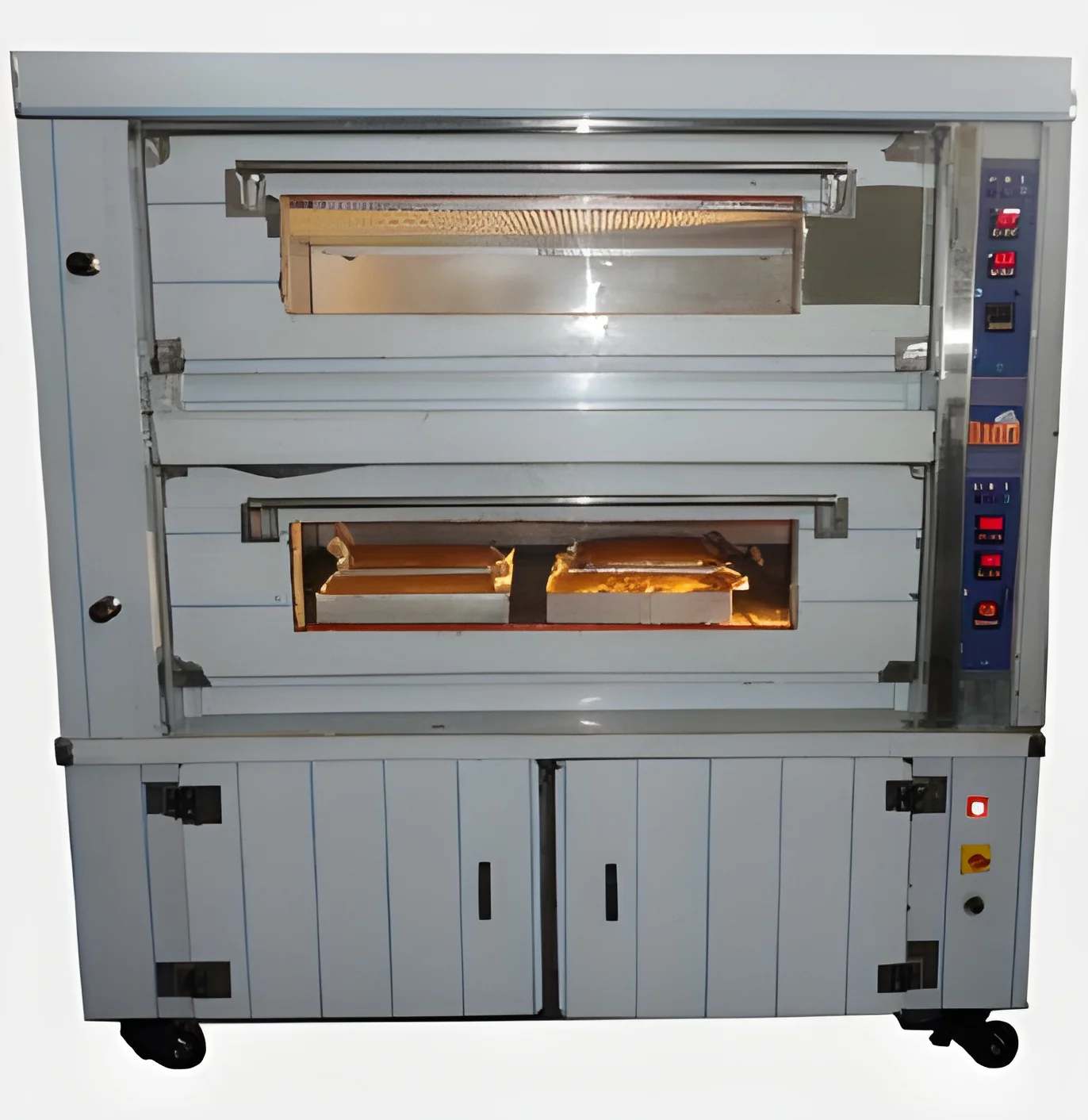
Ovens: Bakery ovens are available in different types, including convection, deck, and rotary ovens. Each type is designed for specific baking processes and product types.
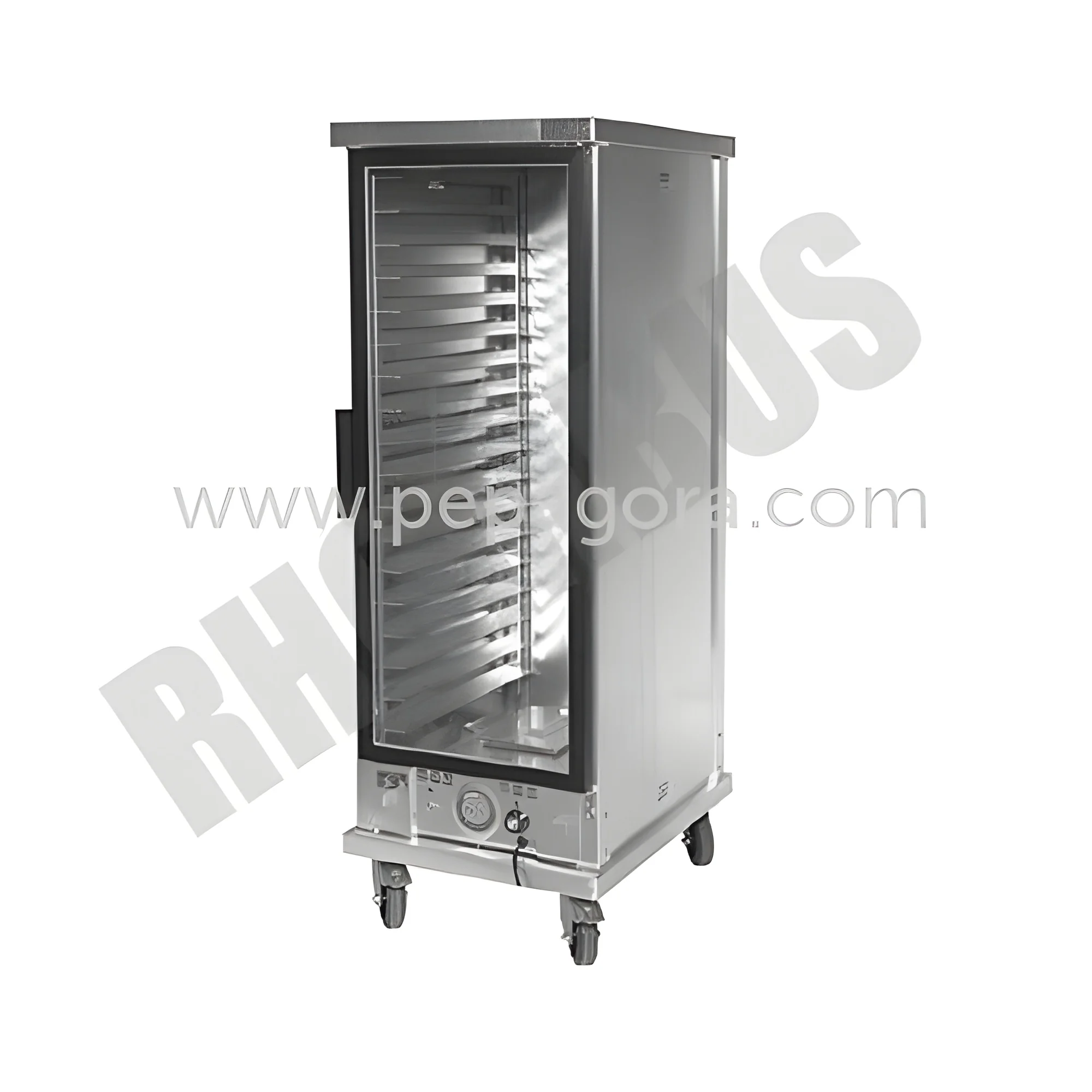
Proofers: Proofers provide controlled environments for dough fermentation. They help yeast rise effectively, crucial for optimal bread texture and flavor.
Cooling Racks: These racks allow baked goods to cool after leaving the oven, preventing sogginess and maintaining quality. They come in various sizes to accommodate different production volumes.
Baking Pans and Trays: Essential for shaping and holding dough, baking pans and trays are available in various materials and configurations to suit different baking requirements.
Benefits and Advantages
Investing in high-quality bakery equipment offers numerous advantages for businesses in the baking industry.
Key benefits include:
1. Improved Efficiency: Modern equipment streamlines production processes, reducing the time and labor required to produce baked goods.
2. Enhanced Consistency: Bakery equipment ensures uniformity in product quality, leading to better customer satisfaction and repeat business.
3. Greater Flexibility: Advanced machinery can often accommodate a range of recipes and production scales, allowing bakeries to diversify their offerings.
4. Reduced Waste: Efficient equipment minimizes ingredient waste during production, benefiting both the bottom line and sustainability efforts.
5. Labor Savings: Automation features can reduce the need for manual labor, allowing staff to focus on other essential tasks within the bakery.
6. Increased Safety: Equipment designed with safety features helps protect workers and reduce the risk of accidents in the baking environment.
Buying Guide for B2B Buyers
When sourcing bakery equipment, several factors should be considered to ensure a successful purchase.
1. Quality Assessment: Evaluate equipment based on the materials used, durability, and manufacturer reputation. Quality machinery often results in better performance and longevity.
2. Supplier Verification: Research potential suppliers to ensure they are reliable and have a history of providing quality products. Look for reviews and testimonials from other buyers.
3. Pricing and MOQ: Understand the pricing structure and minimum order quantities. Compare offers from different suppliers to find the best value for your investment.
4. Delivery and Lead Times: Confirm delivery schedules and lead times with suppliers. Timely delivery is crucial for maintaining production schedules.
5. Compliance Requirements: Ensure that the equipment meets all necessary regulatory standards and certifications. Compliance with safety and quality standards is vital for operational success.
Compliance and Certifications
Compliance and certifications are critical aspects of bakery equipment that ensure safety, quality, and adherence to industry standards.
Many bakery equipment manufacturers comply with ISO 9001, which focuses on quality management systems. This standard ensures that products meet customer and regulatory requirements consistently.
HACCP (Hazard Analysis and Critical Control Points) is another relevant standard in the food industry. It helps identify and manage potential hazards in the baking process to ensure food safety.
CE certification indicates that the equipment meets European safety, health, and environmental protection standards. This certification is essential for equipment used in regions that require compliance with EU legislation.
In addition to these certifications, manufacturers must consider safety and testing requirements specific to their region. This may include local health codes and industry-specific regulations that govern equipment operation and hygiene.
Why Source Bakery Equipment from Pepagora?
Pepagora provides a trusted platform for sourcing bakery equipment, offering several key advantages for B2B buyers.
Verified Supplier Network: Pepagora connects buyers with a network of verified suppliers. This ensures that businesses can source high-quality equipment from reputable manufacturers.
Streamlined RFQ Process: The request for quotation (RFQ) process on Pepagora is designed to be straightforward and efficient. Buyers can easily submit their requirements and receive competitive quotes.
Trade Assurance and Support: Pepagora offers trade assurance, providing buyers with protection throughout the purchasing process. This includes assistance with disputes and ensuring that orders are fulfilled as expected.
Regional Coverage: With a focus on regions like India, the GCC, and Southeast Asia, Pepagora offers extensive geographic reach for sourcing bakery equipment. This enables businesses to find the right products and suppliers tailored to their local market needs.

 IN
IN