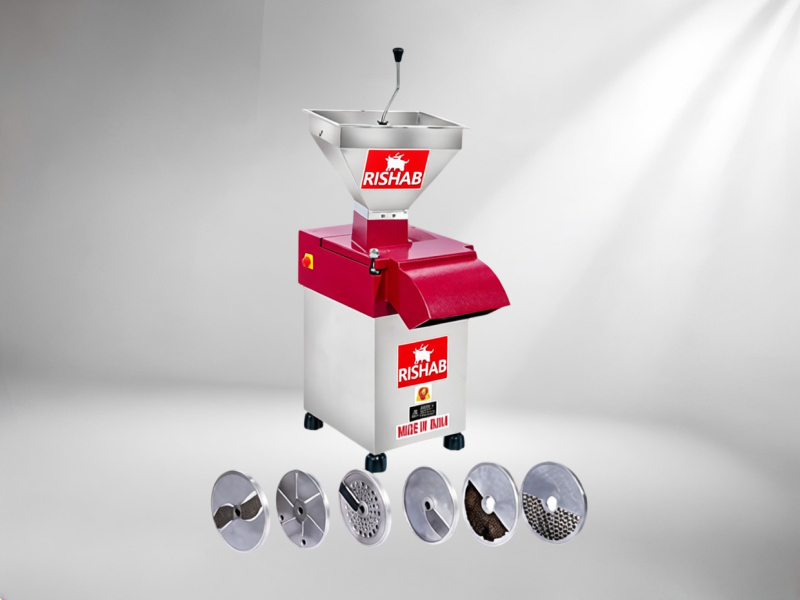
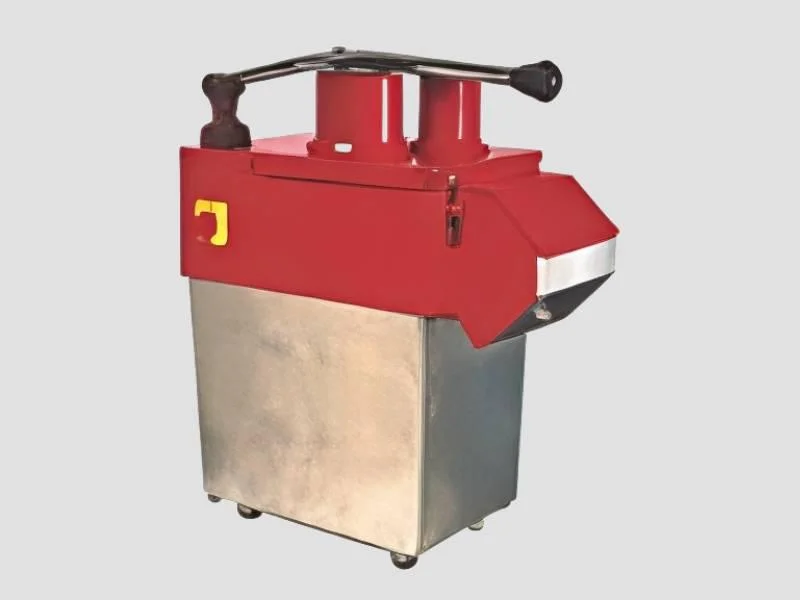
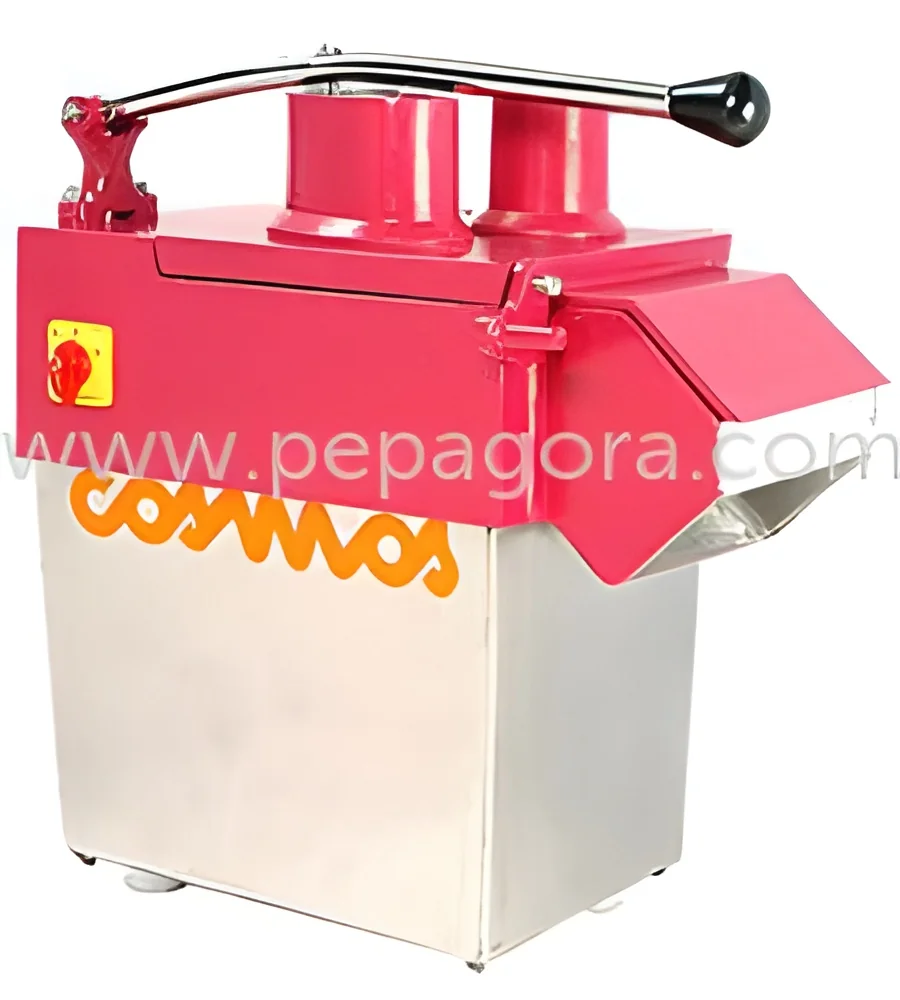
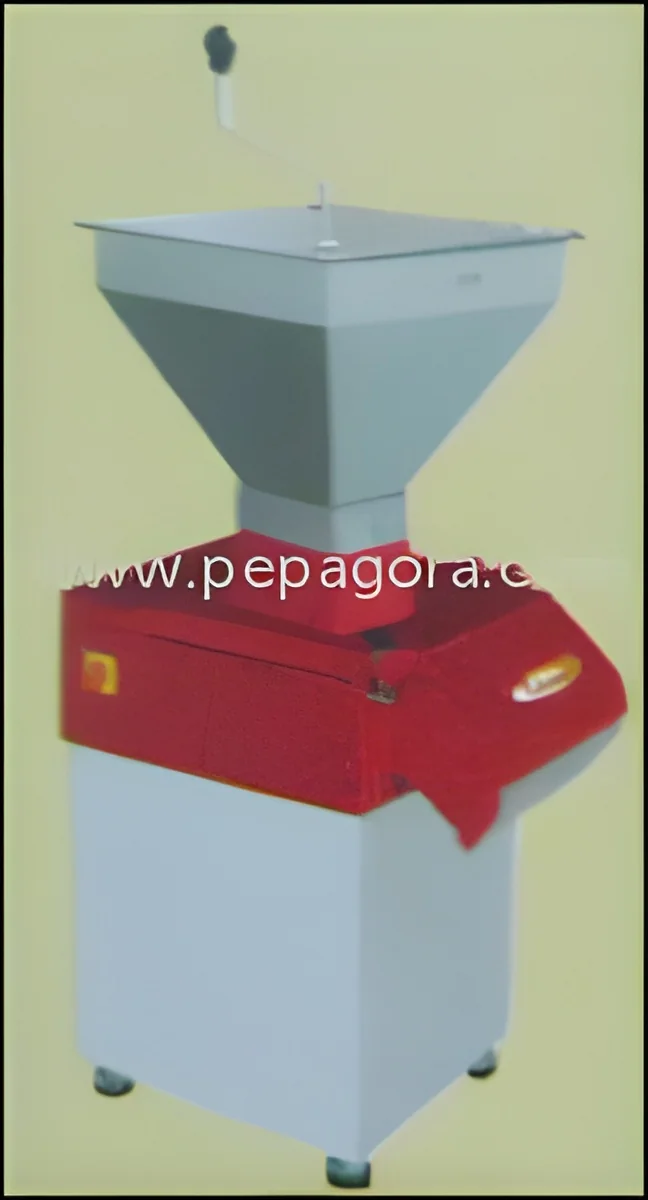
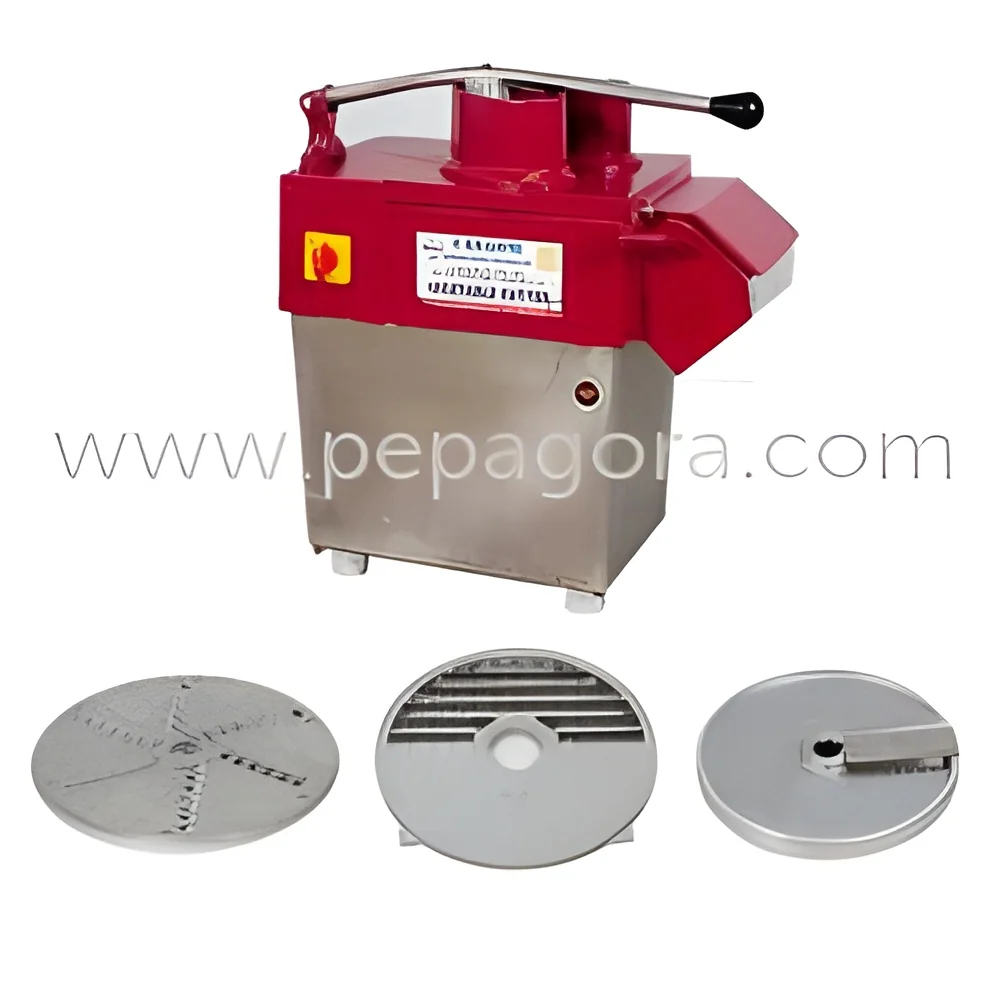
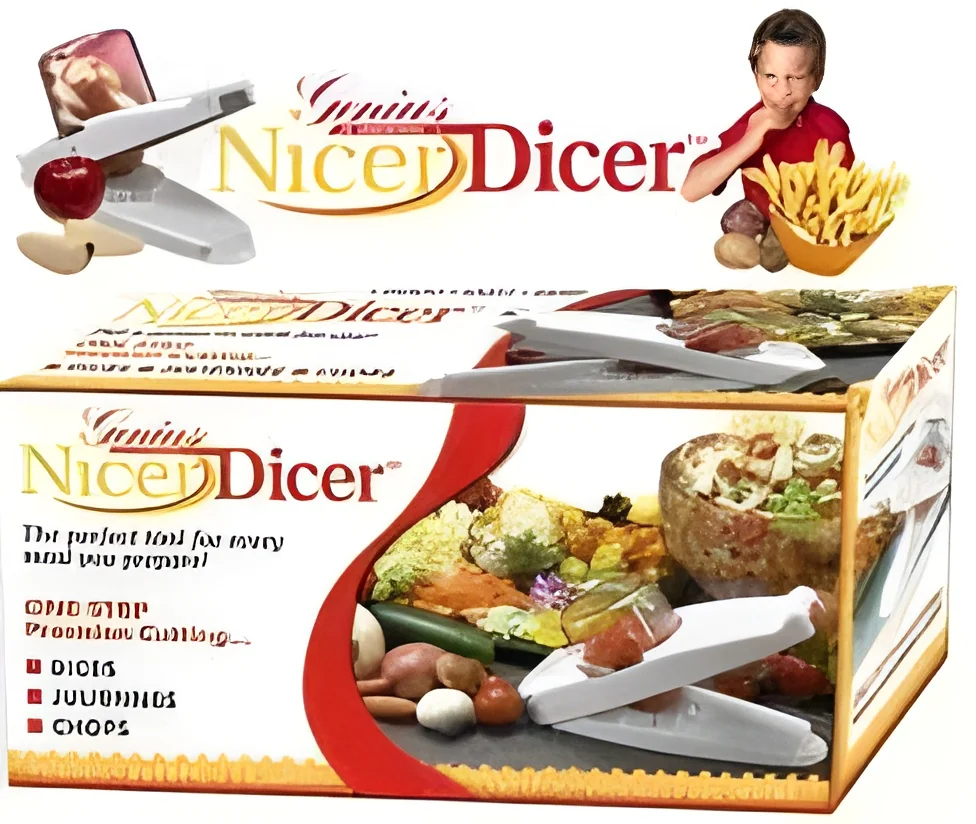
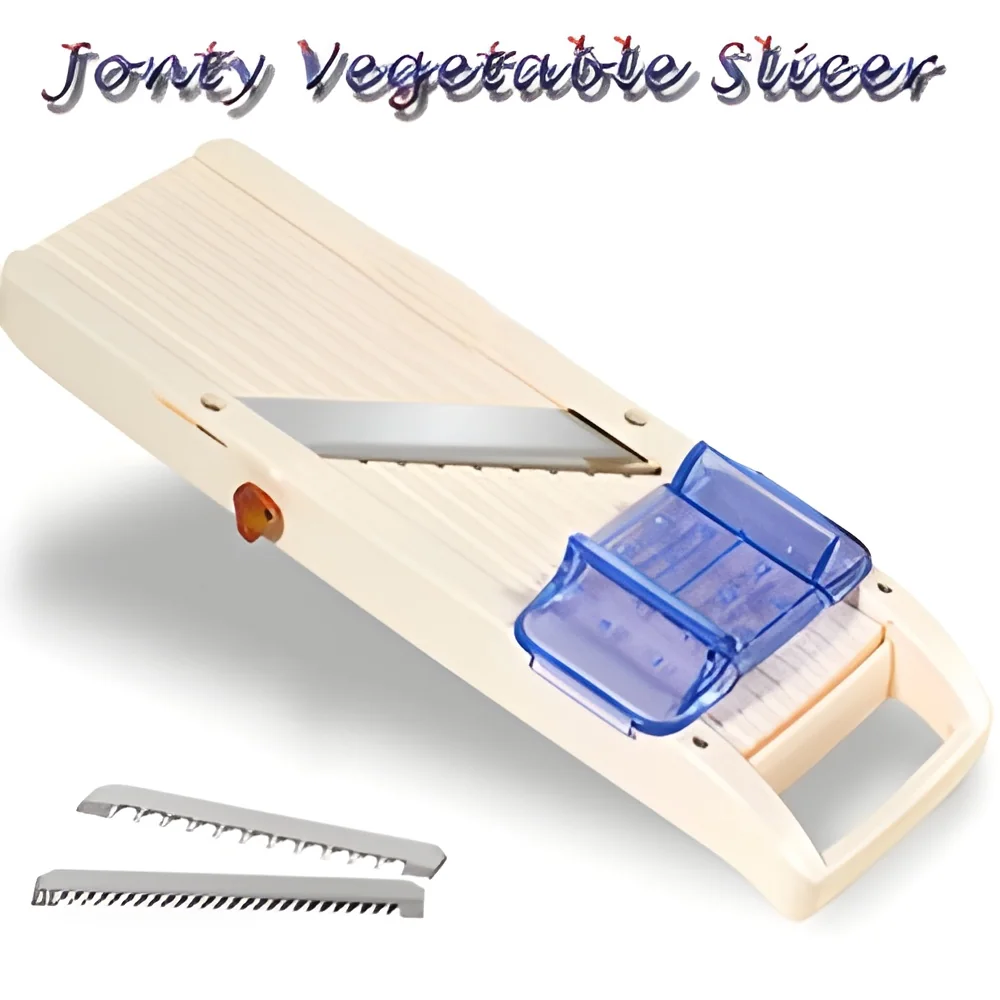
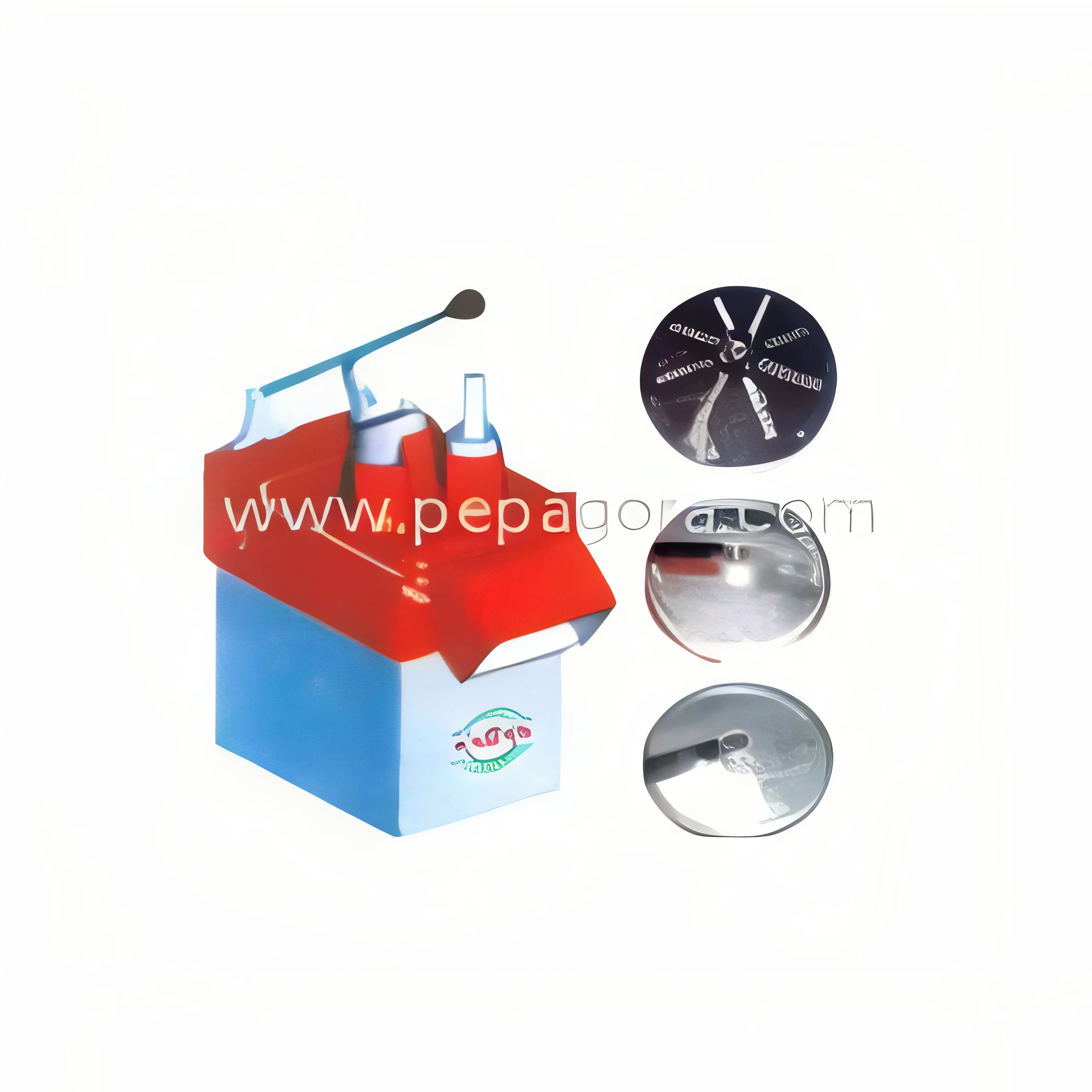
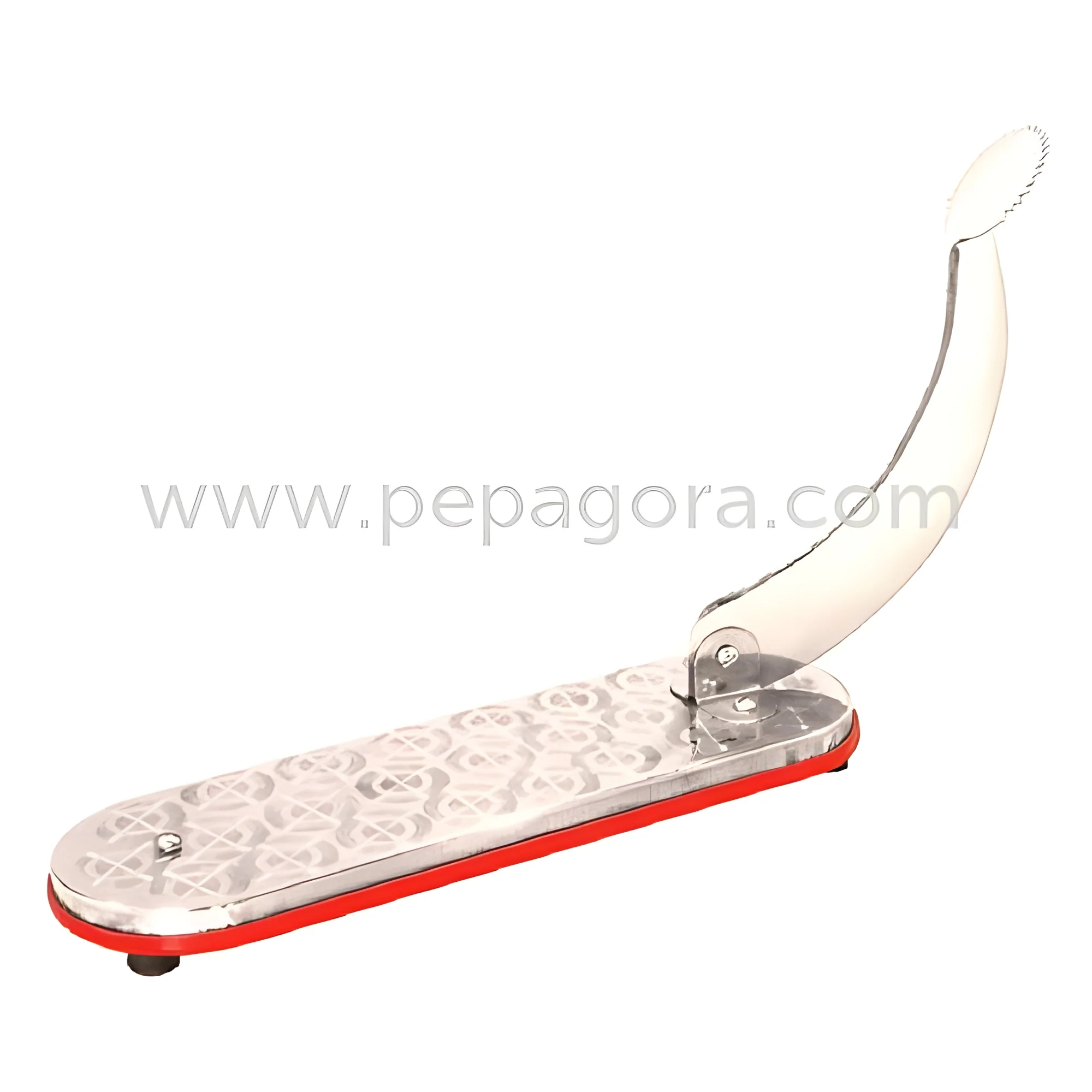
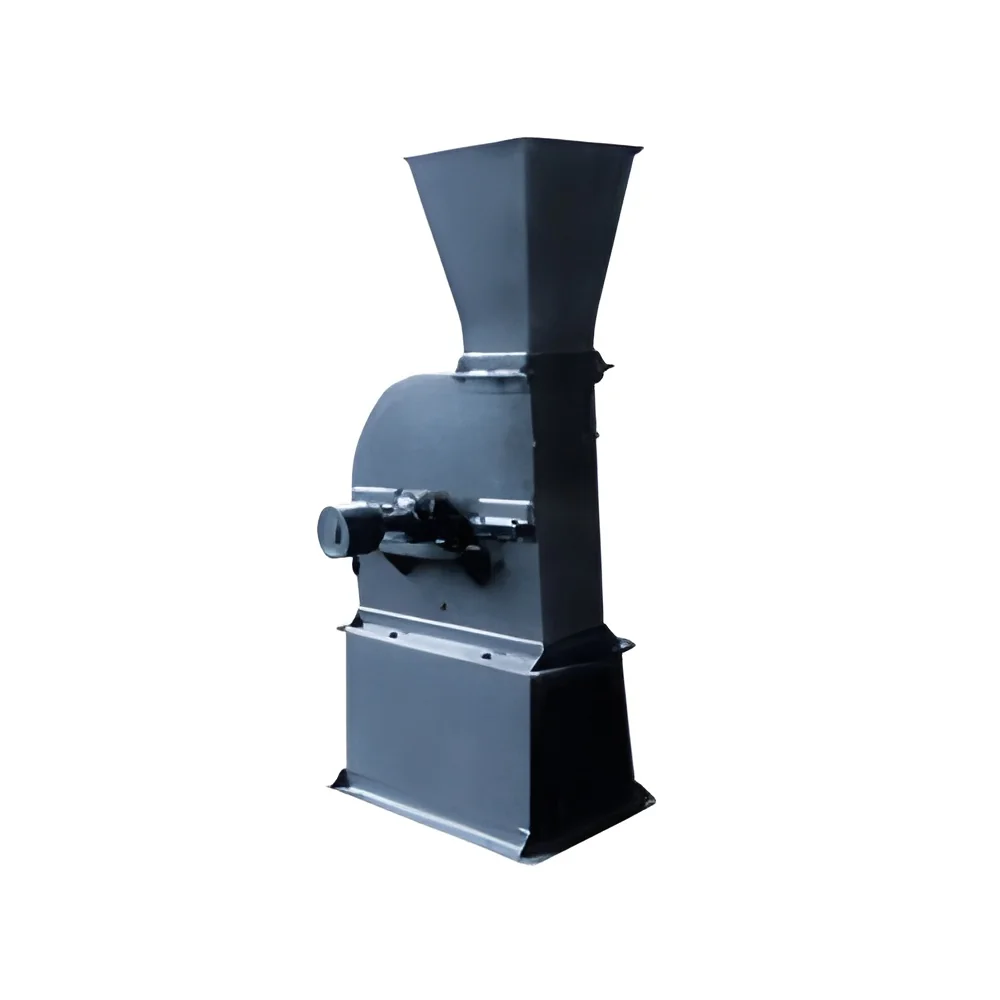
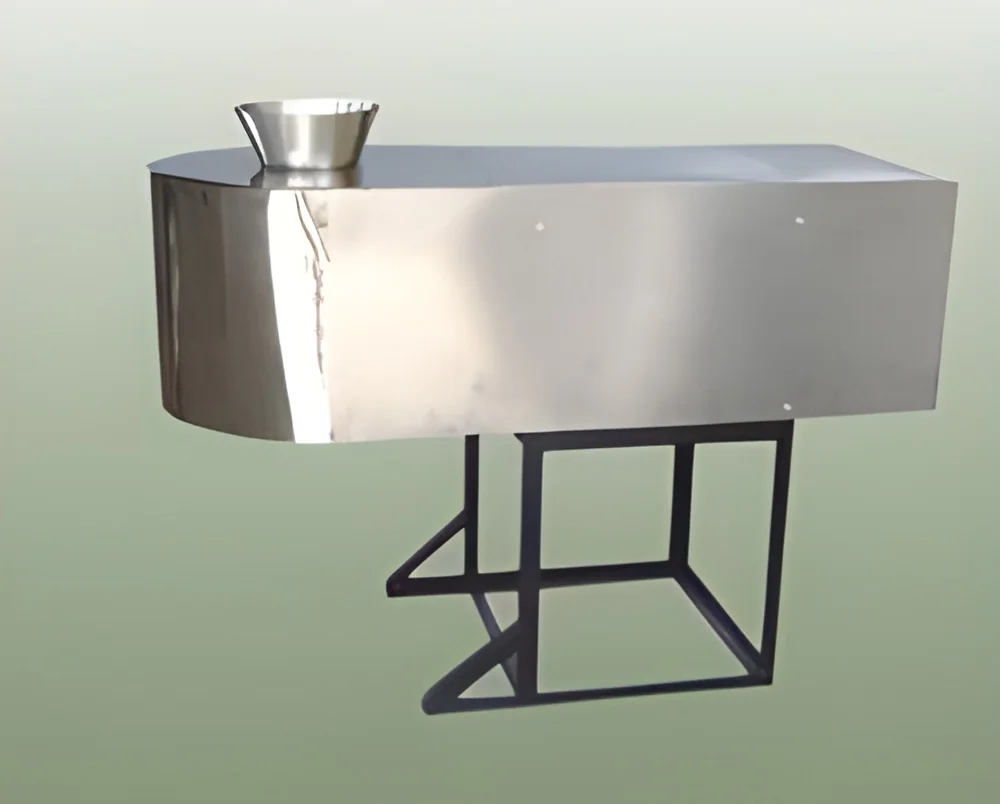
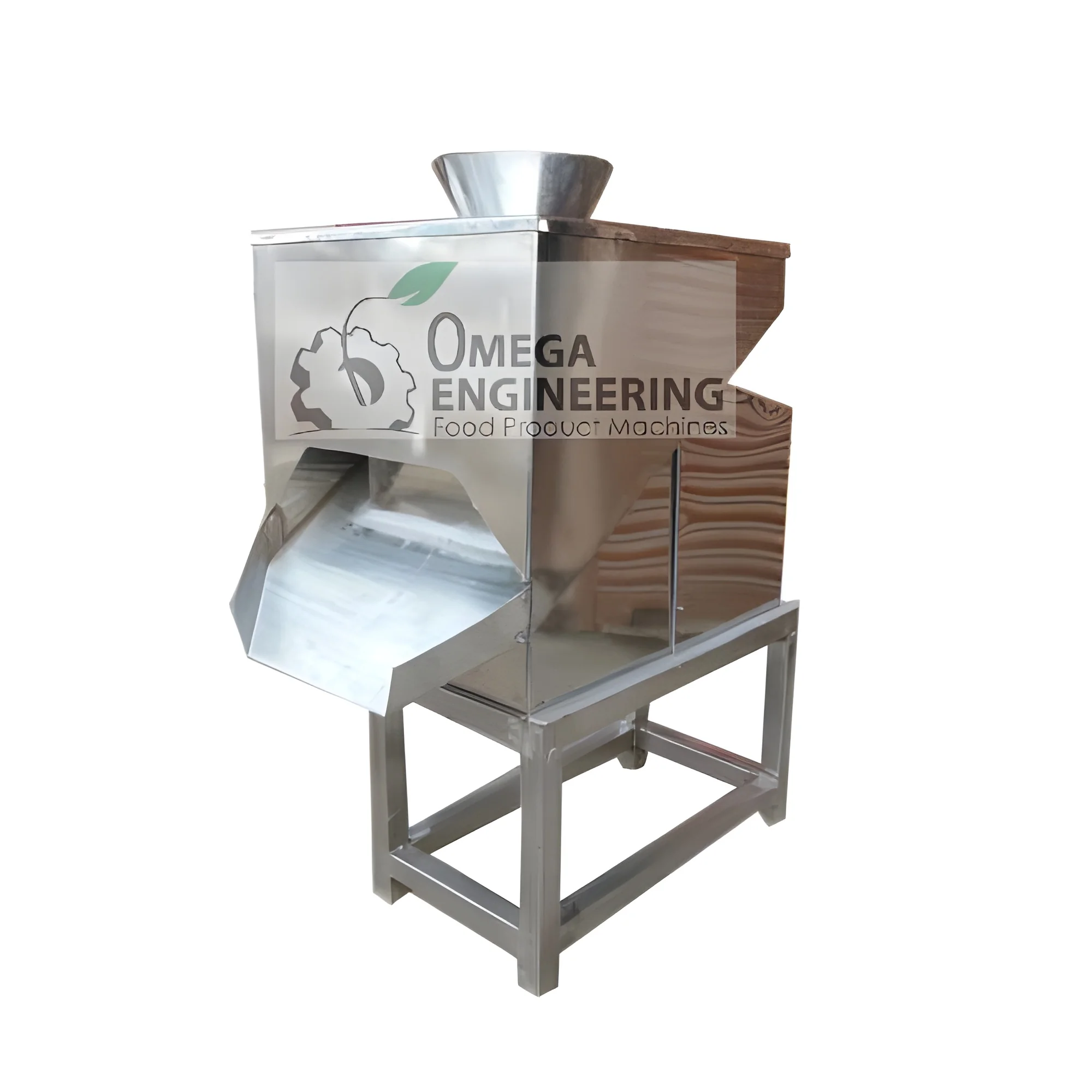
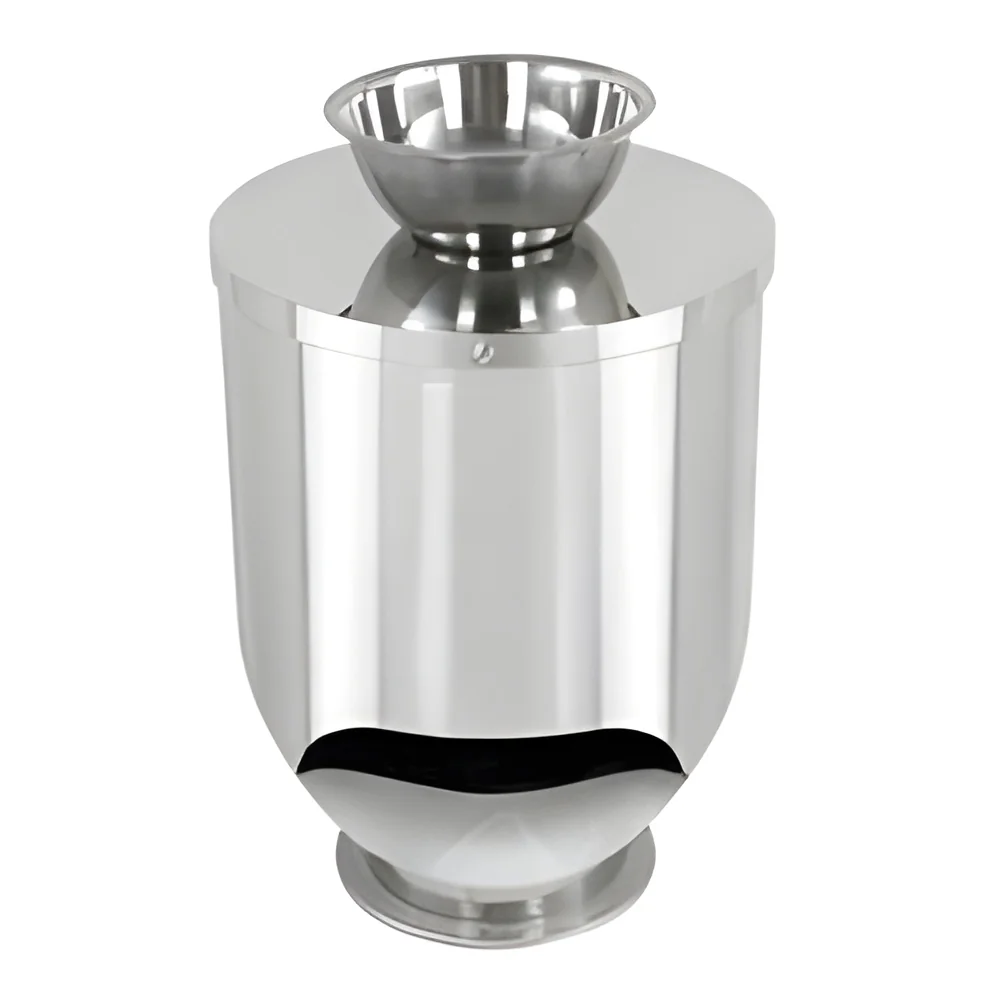
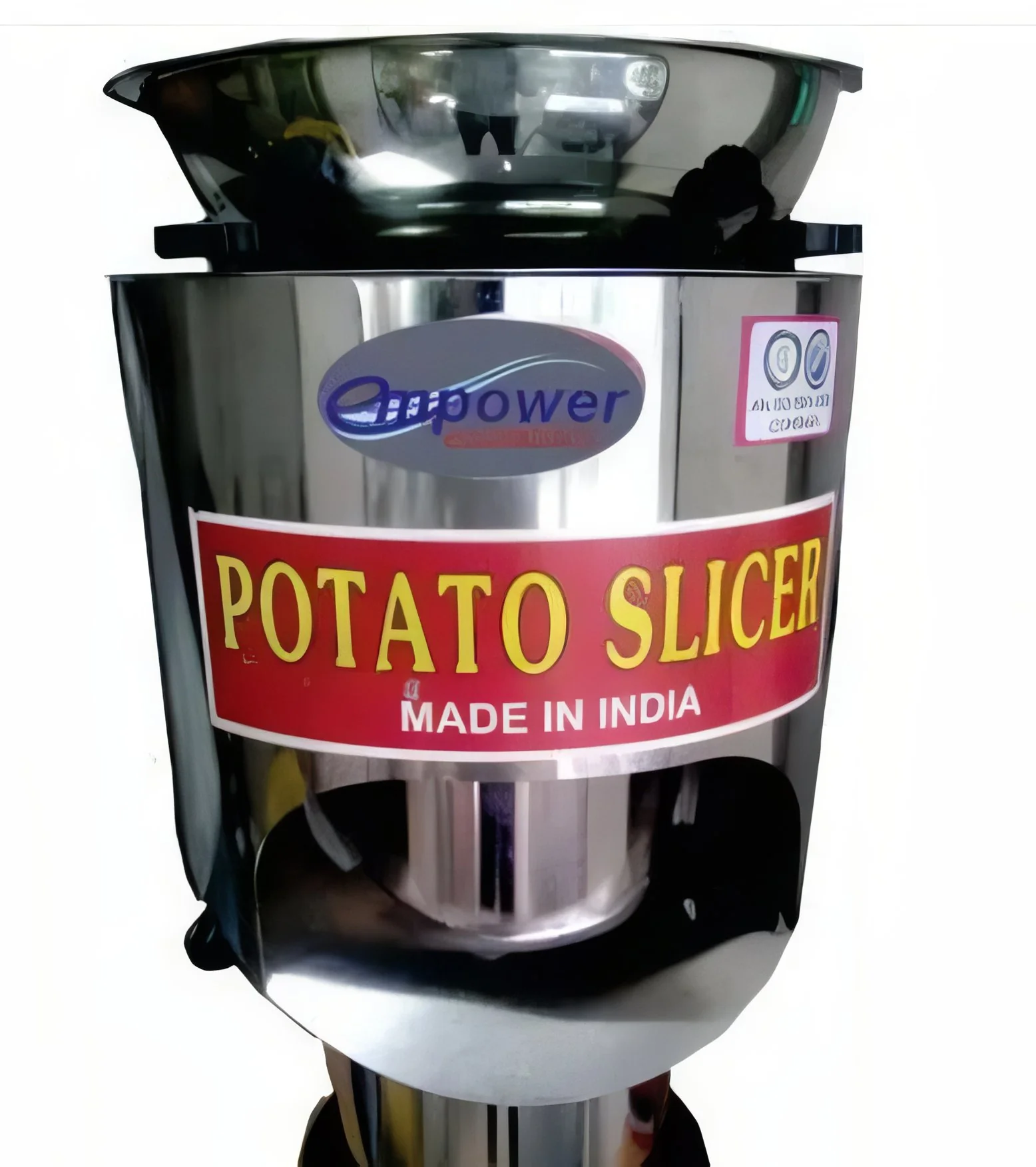
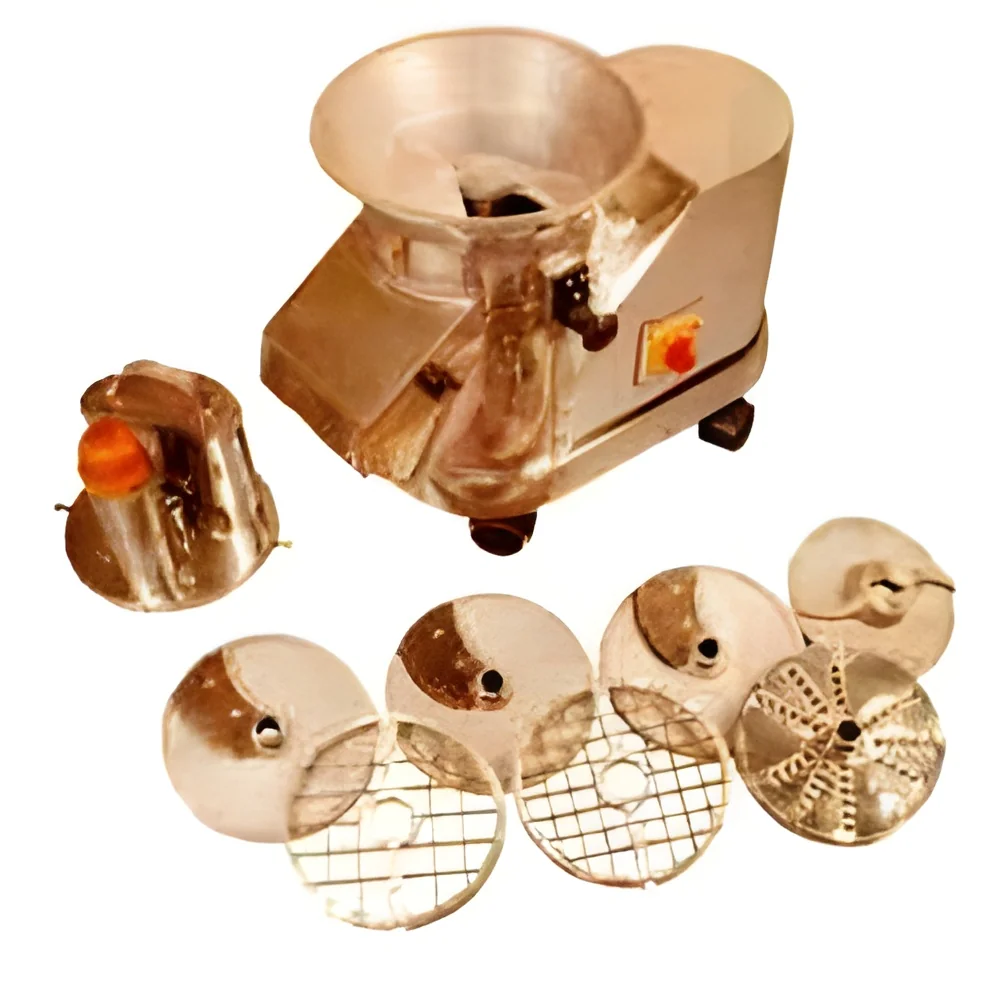
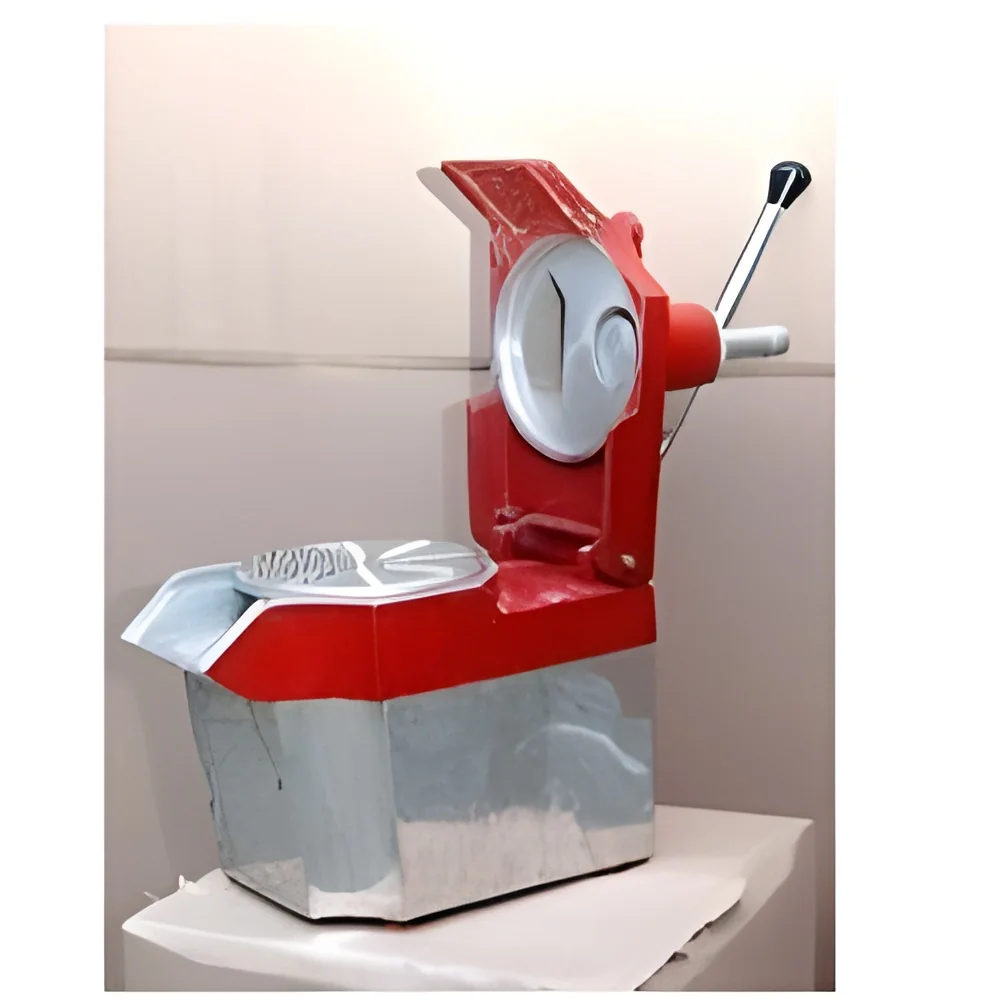
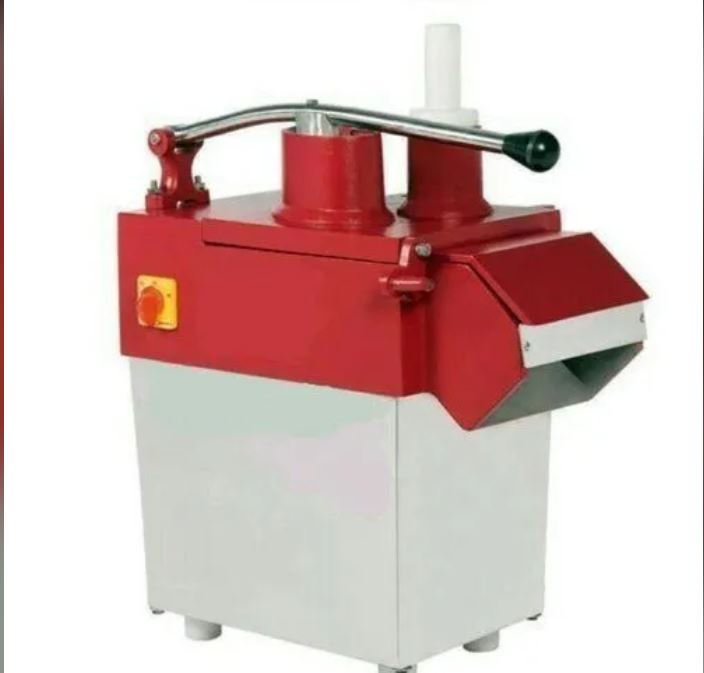
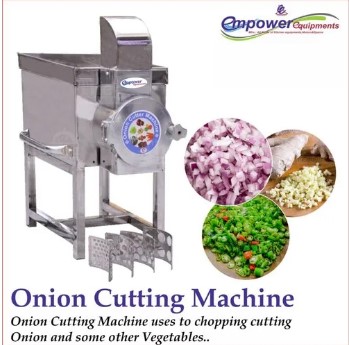
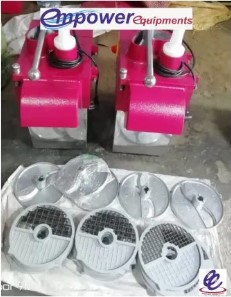
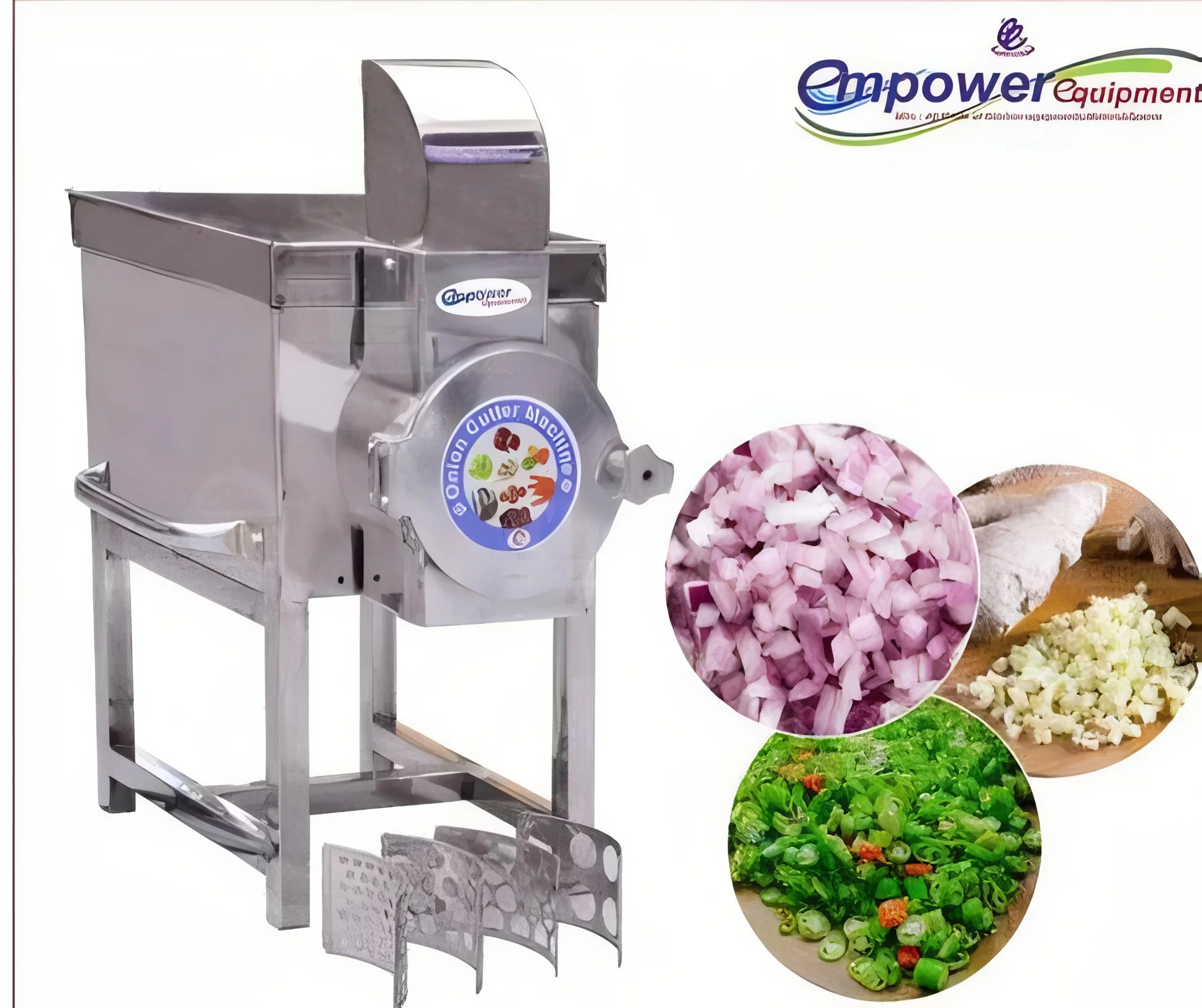
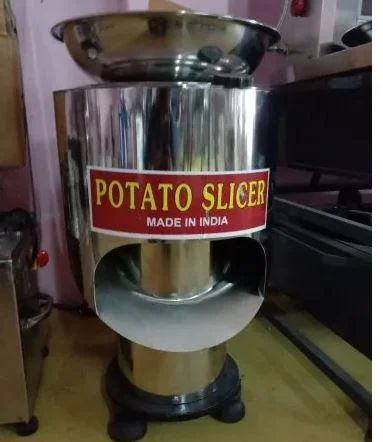
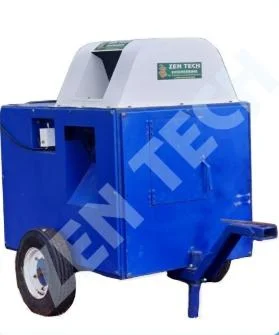
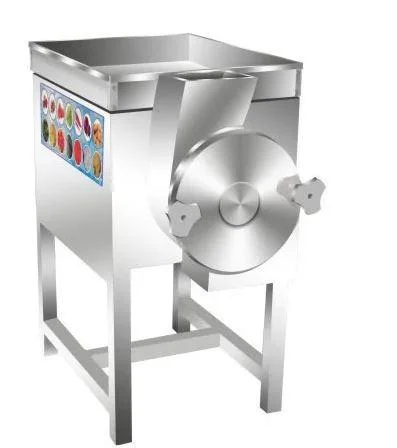
What are Vegetable Cutting Machines?
Vegetable cutting machines are specialized equipment designed to automate the process of slicing, dicing, and chopping various types of vegetables. These machines enhance efficiency in food preparation, particularly in commercial kitchens, food processing plants, and catering services. By employing sharp blades and advanced technology, vegetable cutting machines can produce uniform cuts in a fraction of the time it would take to do so manually.
These machines are primarily used for preparing ingredients for salads, soups, stir-fries, and ready-to-eat meals. They are essential in industries where high volumes of vegetables are processed, such as restaurants, supermarkets, and food manufacturing. The growing demand for convenience foods has propelled the vegetable cutting machine market, making it a vital component in the food industry.
Key Features and Specifications
Vegetable cutting machines come equipped with a variety of features that enhance their functionality and ease of use. Understanding these specifications can help businesses choose the right machine for their needs.
Key specifications include:
1. Cutting Capacity
- Determines the volume of vegetables that can be processed in a given time
- Typically ranges from 100 to 2000 kg per hour
2. Blade Material
- High-quality stainless steel or carbon steel for durability and sharpness
- Ensures longevity and resistance to corrosion
3. Adjustable Cutting Sizes
- Allows users to customize the thickness of cuts
- Options generally range from 1 mm to 20 mm
4. Motor Power
- Indicates the strength and efficiency of the machine
- Commonly varies from 0.5 HP to 5 HP depending on the model
5. Safety Features
- Includes emergency shut-off systems and blade guards
- Ensures operator safety during operation
6. Ease of Cleaning
- Designed for quick disassembly and cleaning
- Surface materials resistant to food particles and stains
7. Noise Level
- Specifies the decibel level during operation
- Generally ranges from 60 dB to 85 dB
8. Weight and Dimensions
- Influences portability and workspace requirements
- Usually weighs between 50 kg to 300 kg
In summary, selecting a vegetable cutting machine involves considering various specifications that align with specific business needs and operational requirements.
Common Applications and Use Cases
Vegetable cutting machines serve a wide range of industries, each benefiting from their efficiency and consistency.
1. Food Service Industry: Restaurants and catering companies utilize these machines to speed up food preparation, ensuring vegetables are cut uniformly for meals.
2. Food Processing Industry: Manufacturers of packaged salads and frozen food products rely on cutting machines for large-scale vegetable processing, ensuring quality and consistency.
3. Supermarkets: Fresh produce sections in supermarkets often use these machines to prepare pre-cut vegetable trays for customers, enhancing convenience.
4. Institutional Kitchens: Hospitals and schools use vegetable cutting machines to prepare large quantities of meals, ensuring that meal prep is efficient and safe.
5. Catering Services: Event caterers benefit from these machines to quickly prepare large volumes of vegetables for buffets and events.
6. Juice and Smoothie Bars: These businesses use cutting machines to prepare fresh ingredients quickly, improving service speed.
7. Snack Food Production: Companies producing vegetable chips and other snacks utilize cutting machines to ensure uniform slices for even cooking.
Product Variants and Subcategories
Vegetable cutting machines come in various designs and functionalities to cater to different needs in the market.
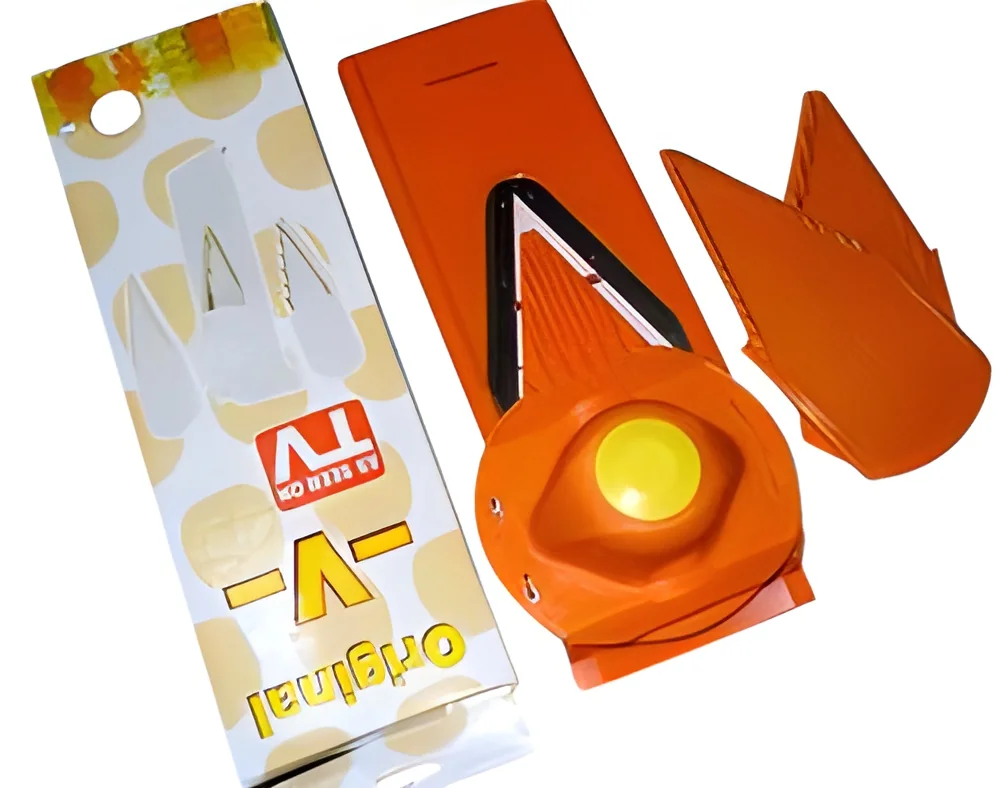
Manual Vegetable Cutting Machines
These machines require manual operation and are suitable for small-scale food preparation. They are cost-effective and ideal for businesses with lower volume needs.
Automatic Vegetable Cutting Machines
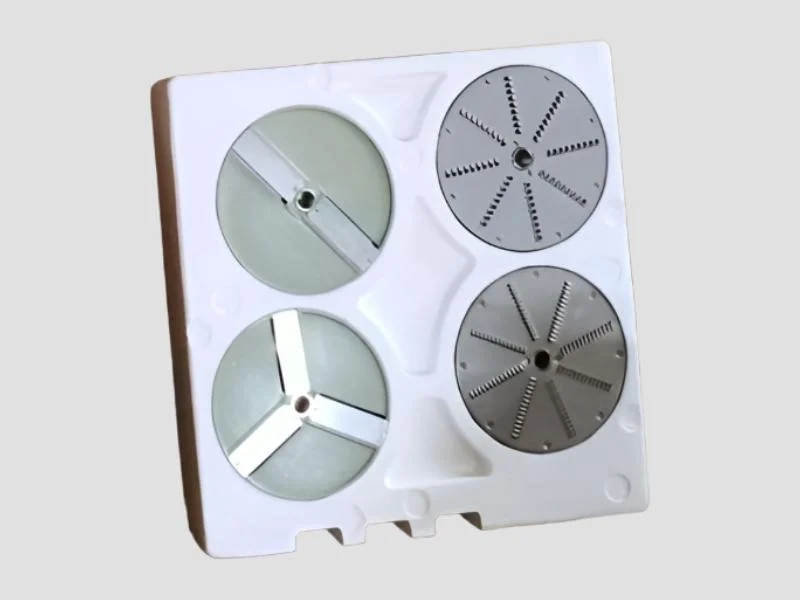
Designed for high-volume processing, these machines automate the cutting process and are equipped with advanced features such as programmable settings and multiple blade options.
Heavy-Duty Vegetable Cutting Machines
These variants are built for industrial use, capable of handling large quantities of vegetables. They are sturdy and offer high cutting capacities, making them ideal for food processing facilities.
Compact Vegetable Cutting Machines
Designed for smaller kitchens or limited spaces, these machines offer efficient vegetable cutting without taking up too much room. They are suitable for small restaurants and food stalls.
Benefits and Advantages
Investing in vegetable cutting machines offers numerous benefits for businesses in the food industry.
Key benefits include:
1. Increased Efficiency: Machines drastically reduce preparation time, allowing staff to focus on other tasks.
2. Consistent Quality: Automated cutting ensures uniformity in size, enhancing the presentation and cooking consistency of dishes.
3. Labor Cost Reduction: With machines handling cutting, businesses can reduce the need for extensive kitchen staff, leading to cost savings.
4. Enhanced Safety: Reduces the risk of injury associated with manual cutting, providing a safer working environment.
5. Versatility: Many machines can cut a variety of vegetables and even fruits, making them adaptable for different menu items.
6. Improved Hygiene: Automated systems minimize human contact with food, reducing contamination risks and improving food safety standards.
Buying Guide for B2B Buyers
When sourcing vegetable cutting machines, it is crucial for businesses to consider several key factors to ensure they make an informed decision.
1. Quality Assessment: Evaluate the materials and build quality of the machines. Look for reputable manufacturers that adhere to industry standards to ensure durability and longevity.
2. Supplier Verification: Vet potential suppliers to confirm their credibility. Check for customer reviews, certifications, and historical performance to ensure reliability.
3. Pricing and MOQ: Consider the cost of the machines and the minimum order quantity. This helps in budgeting and understanding the financial commitment required.
4. Delivery and Lead Times: Confirm the supplier's delivery capabilities and lead times to ensure the machines arrive when needed, especially for urgent projects.
5. Compliance Requirements: Ensure that the machines meet local and international safety and hygiene regulations, which can vary by region.
Compliance and Certifications
Compliance with quality standards and certifications is essential for vegetable cutting machines to ensure safety and operational efficiency.
Relevant quality standards include ISO 9001, which sets the criteria for a quality management system. This ensures that manufacturers maintain consistent quality in their products.
Another important certification is CE, which indicates compliance with European health, safety, and environmental protection standards. This is crucial for machines sold in or exported to European markets.
Safety and testing requirements are often mandated by local regulations, ensuring that machines operate safely in commercial environments.
Additionally, businesses must be aware of regional compliance considerations, as different markets may have unique requirements related to food safety and machinery operation.
Why Source Vegetable Cutting Machines from Pepagora?
Pepagora provides a trusted platform for sourcing vegetable cutting machines, offering several key advantages to buyers.
Verified Supplier Network: Pepagora features a network of suppliers who have been thoroughly vetted for quality and reliability. This ensures that buyers have access to reputable manufacturers.
Streamlined RFQ Process: The platform simplifies the request for quotation process, allowing buyers to efficiently compare prices and specifications from multiple suppliers.
Trade Assurance and Support: Pepagora offers buyer protection measures, providing assurance that purchases meet expectations and standards, and offering support throughout the buying process.
Regional Coverage: With a strong presence in India, the GCC, and Southeast Asia, Pepagora connects buyers with suppliers across these regions, facilitating international trade and local sourcing.
By choosing Pepagora, buyers can streamline their procurement process while ensuring they receive high-quality vegetable cutting machines that meet their operational needs.

 IN
IN