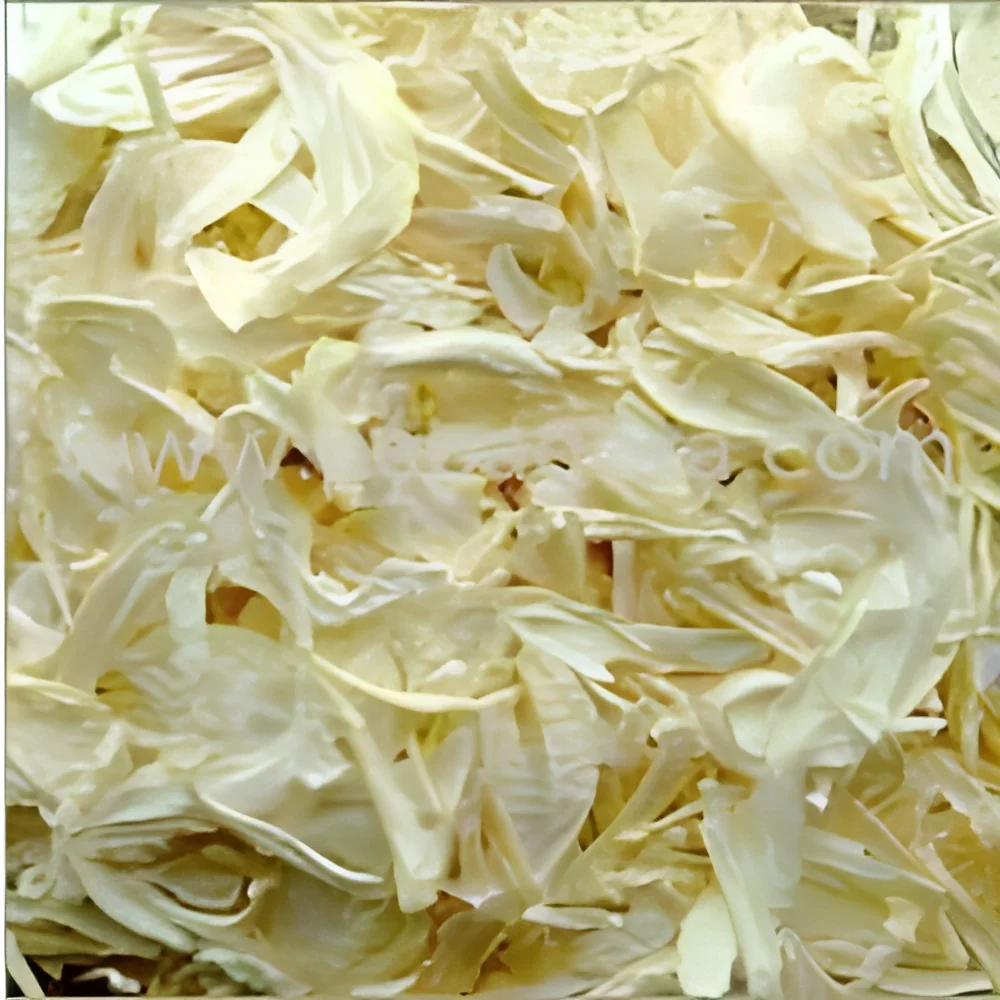
What are Dehydrated Food Plant Machinery?
Dehydrated Food Plant Machinery refers to specialized equipment designed for the process of removing moisture from food products, thereby enhancing their shelf life and preserving their nutritional value. This machinery encompasses a range of devices and systems that facilitate drying processes such as hot air drying, freeze drying, and solar drying. The goal of using dehydrated food machinery is to create food products that are lightweight, easy to store, and convenient to transport while maintaining flavor and texture.
The primary applications of dehydrated food plant machinery are found in food processing industries, including snacks, fruits, vegetables, and herbs. Manufacturers utilize this equipment to meet consumer demand for convenient, long-lasting food options. Businesses in sectors such as catering, retail, and food service also benefit from dehydrated products as they allow for easy inventory management and minimal spoilage. The growing trend towards healthy eating and sustainable food practices further enhances the relevance of this machinery in today's market.
With the increasing global population and the corresponding demand for food preservation, the market for dehydrated food plant machinery is expanding. As businesses look for efficient and cost-effective methods to preserve food, the adoption of such technology becomes critical. Companies investing in this machinery can not only improve their production capabilities but also cater to the evolving preferences of health-conscious consumers.
Key Features and Specifications
Dehydrated food plant machinery is equipped with various features suitable for optimizing the drying process. Understanding these specifications is vital for potential buyers to make informed decisions.
Key specifications include:
1. Drying Method
- Options include hot air drying, freeze drying, and others
- Each method serves different product types and moisture levels
2. Production Capacity
- Varies based on machine size and design
- Typical capacities range from small batch systems to large industrial units
3. Energy Efficiency
- Machines designed to minimize energy consumption
- Energy-efficient models can significantly reduce operational costs
4. Control Systems
- Advanced monitoring features for temperature and humidity
- Automated controls for consistent drying results
5. Material of Construction
- Often made from stainless steel or food-grade materials
- Ensures durability and compliance with food safety standards
6. Maintenance Requirements
- Designed for easy cleaning and maintenance
- Regular upkeep is essential to prolong equipment lifespan
7. Safety Features
- Includes emergency shut-off systems and alarms
- Compliance with safety regulations is paramount
8. Customization Options
- Some manufacturers offer tailored solutions for specific needs
- Custom features can enhance efficiency and functionality
These specifications are critical in selecting the right machinery that meets operational goals while ensuring product quality.
Common Applications and Use Cases
Dehydrated food plant machinery finds applications across various sectors.
1. Snack Food Industry: Manufacturers use this machinery to produce a range of dehydrated snacks, including fruits, vegetables, and meat products, enhancing product variety and shelf life.
2. Agriculture: Farmers and producers dehydrate surplus crops to minimize waste and create value-added products that can be sold during off-seasons.
3. Food Service: Restaurants and catering businesses utilize dehydrated ingredients for easy storage and preparation, allowing for faster meal service.
4. Retail: Grocery stores and health food shops offer dehydrated products to meet customer demand for convenient and nutritious food options.
5. Emergency Preparedness: Dehydrated foods are popular for emergency supplies due to their long shelf life and lightweight nature, making them ideal for disaster preparedness kits.
6. Travel and Outdoor Activities: Dehydrated meals are favored by campers and hikers as they are easy to pack and prepare, providing essential nutrition on the go.
7. Pet Food Production: Dehydrated ingredients are used in manufacturing pet foods, ensuring nutritional value and extended shelf life for pet owners.
Product Variants and Subcategories
Dehydrated food plant machinery comes in various configurations to suit different processing needs.
Dehydrators
These machines are designed specifically for drying fruits, vegetables, and herbs. They often feature adjustable temperature controls and airflow settings to optimize drying times.
Freeze Dryers
Freeze dryers are advanced systems that remove moisture through sublimation. They are ideal for preserving delicate food items, retaining flavor, texture, and nutritional content.
Continuous Drying Systems
These systems allow for uninterrupted processing of large volumes of food, making them suitable for high-demand production environments.
Batch Dryers
Batch dryers are designed for smaller production runs, offering flexibility for businesses that require diverse product offerings.
Benefits and Advantages
Investing in dehydrated food plant machinery provides numerous advantages for businesses.
1. Extended Shelf Life: Dehydrated foods can last significantly longer than fresh products, reducing waste and inventory costs.
2. Nutritional Preservation: The dehydration process retains essential nutrients, providing healthy food options for consumers.
3. Space Efficiency: Dehydrated products require less storage space, allowing businesses to optimize their storage capabilities.
4. Cost-Effectiveness: Reduced spoilage and extended shelf life translate to lower costs in the long run.
5. Versatile Product Range: The ability to dehydrate a variety of foods enables businesses to diversify their product offerings.
6. Enhanced Flavor Concentration: Dehydration intensifies flavors, often making dehydrated foods more appealing to consumers.
Buying Guide for B2B Buyers
When sourcing dehydrated food plant machinery, several factors should be considered to ensure a successful purchase.
1. Quality Assessment: Evaluate the machinery for durability, performance, and user reviews. Look for equipment that meets industry standards and has a track record of reliability.
2. Supplier Verification: Vet suppliers by checking their credentials, customer feedback, and industry reputation. A reliable supplier can provide support and service.
3. Pricing and MOQ: Consider the overall cost of machinery and any minimum order quantities. Compare prices across different suppliers to ensure competitive rates.
4. Delivery and Lead Times: Understand the logistics involved in receiving the equipment, including delivery schedules and installation support.
5. Compliance Requirements: Ensure that the machinery adheres to relevant industry standards and regulations, including food safety and quality certifications.
Compliance and Certifications
Dehydrated food plant machinery must adhere to various compliance and certification standards to ensure product safety and quality.
ISO 9001 is a widely recognized quality management standard that guarantees consistent product quality and operational efficiency. Adhering to this standard helps manufacturers maintain high production standards and customer satisfaction.
HACCP (Hazard Analysis Critical Control Point) certification is crucial in the food industry. It outlines a systematic approach to food safety by identifying potential hazards and implementing controls throughout production processes.
CE certification indicates that the machinery meets European health, safety, and environmental protection requirements. This certification is essential for businesses looking to export their products to European markets.
Safety and testing requirements vary by region but typically encompass electrical safety and operational safety to protect both workers and consumers.
Why Source Dehydrated Food Plant Machinery from Pepagora?
Pepagora offers a reliable platform for sourcing dehydrated food plant machinery, ensuring that businesses can find quality equipment suited to their needs.
Verified Supplier Network: Pepagora connects buyers with a network of verified suppliers, ensuring that all listed vendors have undergone rigorous checks for credibility and reliability.
Streamlined RFQ Process: The Request for Quotation (RFQ) system simplifies the procurement process, allowing buyers to receive multiple quotes quickly and efficiently, making it easier to compare options.
Trade Assurance and Support: Pepagora provides buyer protection through trade assurance features, ensuring that purchases are secure and that support is available throughout the buying process.
Regional Coverage: With a focus on regions including India, the GCC, and Southeast Asia, Pepagora enables businesses to access local suppliers and logistics solutions that can facilitate timely delivery and service.

 IN
IN