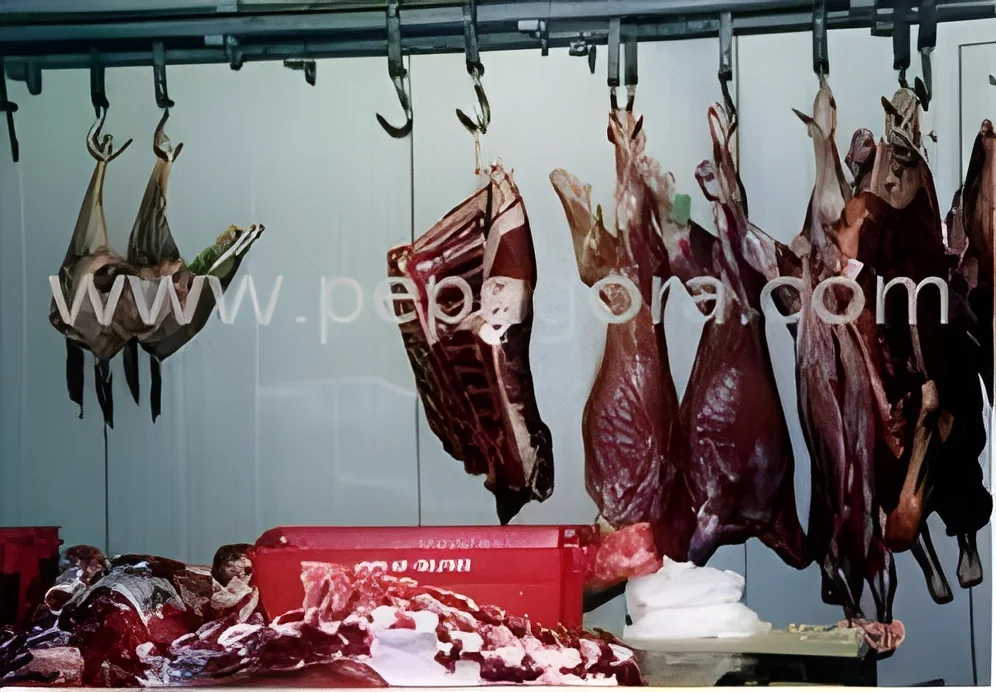
What are Frozen Food Plant Setup?
Frozen Food Plant Setup refers to the comprehensive establishment of facilities designed for the processing and storage of frozen food products. These setups typically include a range of equipment and systems that ensure food is safely frozen, stored, and prepared for distribution. The process involves specialized machinery for freezing, packing, and preserving food items while maintaining stringent quality and safety standards.
Such setups are essential across various sectors, including food manufacturing, distribution, and retail. They provide businesses with the capability to extend the shelf life of food products while retaining their nutritional value and flavor. By implementing a frozen food plant, companies can meet consumer demand for convenience, quality, and variety, which are increasingly important in today's fast-paced market. The relevance of frozen food plants is underscored by the growing trend towards frozen meals and snacks, making them a critical investment for food-related businesses.
Key Features and Specifications
Frozen Food Plant Setup comes with several key features designed to enhance food safety, efficiency, and operational effectiveness. The specifications for these setups can vary significantly based on the intended scale of production and the types of foods being processed.
Key specifications include:
1. Freezing Technology
- Utilizes rapid freezing methods such as blast freezers or cryogenic systems
- Ensures quick temperature reduction to preserve food quality
2. Storage Capacity
- Varies from small to large-scale cold storage solutions
- Capable of holding several tons of food products at optimal temperatures
3. Temperature Control Systems
- Advanced monitoring and control systems to maintain consistent freezing temperatures
- Equipped with alarms for temperature deviations to ensure food safety
4. Packaging Equipment
- Includes vacuum sealing and thermoforming machinery
- Designed to extend the shelf life of frozen products
5. Hygiene and Sanitation Features
- Materials and design comply with food safety standards
- Easy to clean and maintain to prevent contamination
6. Energy Efficiency
- Designed to minimize energy consumption while maximizing output
- Incorporates energy-saving technologies to reduce operational costs
7. Automation Capabilities
- Options for semi-automated or fully automated systems
- Enhances efficiency and reduces labor costs
8. Compliance with Industry Standards
- Meets specific regulatory requirements for food safety and quality
- Certifiable to industry standards such as HACCP and ISO 9001
In summary, the specifications of a Frozen Food Plant Setup ensure that businesses can operate efficiently while adhering to safety and quality standards.
Common Applications and Use Cases
Frozen Food Plant Setup serves various industries, each with specific applications tailored to their needs.
1. Food Processing Industry: These setups are essential for manufacturers producing frozen meals, fruits, vegetables, and ready-to-eat products, ensuring efficient production and quality preservation.
2. Retail Sector: Supermarkets and grocery stores utilize frozen food plants for stocking a wide range of frozen goods, catering to consumer demand for convenient meal solutions.
3. Hospitality Industry: Restaurants and catering services employ frozen food setups to maintain consistent quality and availability of ingredients throughout the year.
4. Food Distribution Companies: These setups help logistics providers ensure that frozen foods are stored properly before reaching retailers and consumers, maintaining the cold chain.
5. Healthcare Facilities: Hospitals and nursing homes rely on frozen food plants to provide nutritious meals that can be easily stored and prepared for patients with specific dietary needs.
6. Military and Defense: Frozen food setups are vital for supplying troops and personnel with ready-to-eat meals that require long shelf lives and easy transport.
7. Export and Import Businesses: These setups facilitate the international trade of frozen food products, ensuring compliance with various regional regulations and quality standards.
Product Variants and Subcategories
Frozen Food Plant Setup can include a variety of configurations to meet different operational needs. While specific subcategories are not available, several common variants exist.
Compact Frozen Food Plant
This variant is designed for smaller operations, ideal for local businesses or start-ups. It features essential freezing and storage capabilities without requiring extensive space.
Modular Frozen Food Plant
These setups offer flexibility, allowing businesses to expand their operations as needed. They can be customized with additional freezing and packaging modules based on production requirements.
Industrial Frozen Food Plant
Targeted at large-scale operations, this variant incorporates advanced technology and high-capacity systems. It is suitable for manufacturers requiring extensive freezing and storage solutions.
Benefits and Advantages
Investing in a Frozen Food Plant Setup provides numerous advantages for businesses.
Key benefits include:
1. Extended Shelf Life: Frozen food plants significantly prolong the shelf life of products, reducing waste and increasing profitability.
2. Improved Food Safety: Advanced freezing technology and compliance with safety standards help maintain food quality and prevent spoilage.
3. Operational Efficiency: Automation and streamlined processes enhance productivity, allowing businesses to meet growing consumer demands effectively.
4. Versatile Product Range: These setups enable the processing of various food items, catering to diverse market needs and preferences.
5. Cost Savings: Energy-efficient systems and reduced waste contribute to lower operational costs, improving overall financial performance.
6. Market Competitiveness: By offering high-quality frozen products, businesses can differentiate themselves in a competitive market, attracting more customers.
Buying Guide for B2B Buyers
When sourcing Frozen Food Plant Setup, several factors need consideration to ensure a successful investment.
1. Quality Assessment: Evaluate the quality of equipment and materials used in the setup. Look for compliance with industry standards and certifications to guarantee durability and efficiency.
2. Supplier Verification: Research potential suppliers thoroughly, checking their reputation and previous projects. Ensure they have experience in the frozen food industry and can provide references.
3. Pricing and MOQ: Understand the pricing structure and minimum order quantities required by suppliers. Compare quotes from multiple vendors to ensure competitive pricing.
4. Delivery and Lead Times: Discuss logistics with suppliers to determine delivery timelines. Ensure that lead times align with your production schedule to avoid interruptions.
5. Compliance Requirements: Familiarize yourself with regulatory standards applicable to frozen food operations. Ensure that the chosen setup complies with local and international regulations.
Compliance and Certifications
Compliance and certifications are critical components of any Frozen Food Plant Setup. Ensuring adherence to relevant quality standards is essential for maintaining food safety and market acceptance.
ISO 9001 is a widely recognized standard that outlines quality management principles. Implementing these principles helps businesses ensure consistent quality in their operations.
HACCP (Hazard Analysis Critical Control Point) is another essential framework for food safety. This system focuses on identifying and controlling potential hazards in food processing, making it vital for frozen food operations.
Compliance with CE certification is also necessary for equipment used within frozen food plants. This certification indicates that the equipment meets essential health and safety requirements.
In addition to these standards, businesses must also consider safety and testing requirements specific to their region. Adhering to these regulations ensures operational legality and consumer trust.
Why Source Frozen Food Plant Setup from Pepagora?
Pepagora serves as a reliable platform for sourcing Frozen Food Plant Setup, offering several key advantages to B2B buyers.
Verified Supplier Network: Pepagora connects businesses with a network of verified suppliers. This ensures that buyers engage with reputable companies that meet industry standards.
Streamlined RFQ Process: The platform simplifies the request for quotation (RFQ) process, enabling buyers to receive multiple quotes quickly. This efficiency allows for better decision-making.
Trade Assurance and Support: Pepagora provides trade assurance, offering protection for buyers during transactions. This support builds confidence in sourcing critical equipment and services.
Regional Coverage: With a broad geographic reach across India, the GCC, and Southeast Asia, Pepagora facilitates connections between buyers and suppliers in various regions. This coverage ensures access to competitive options and tailored solutions for local markets.

 IN
IN