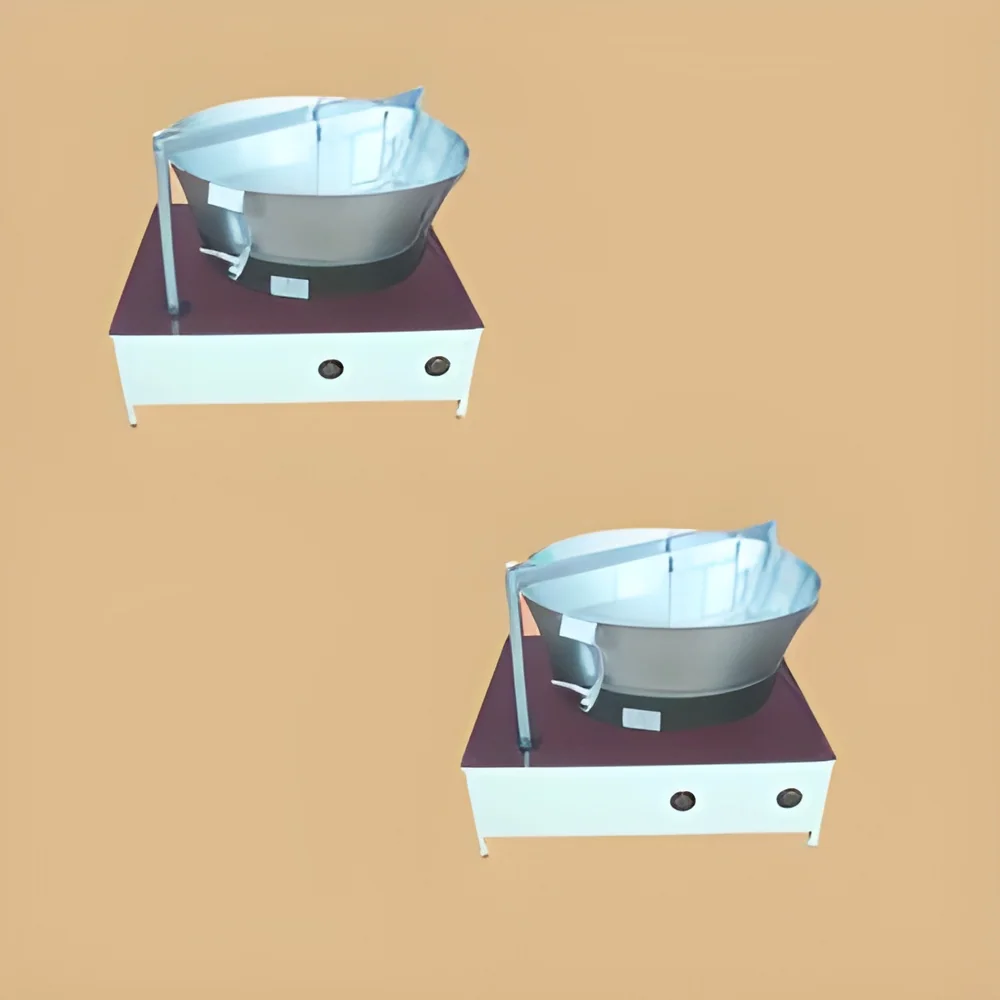
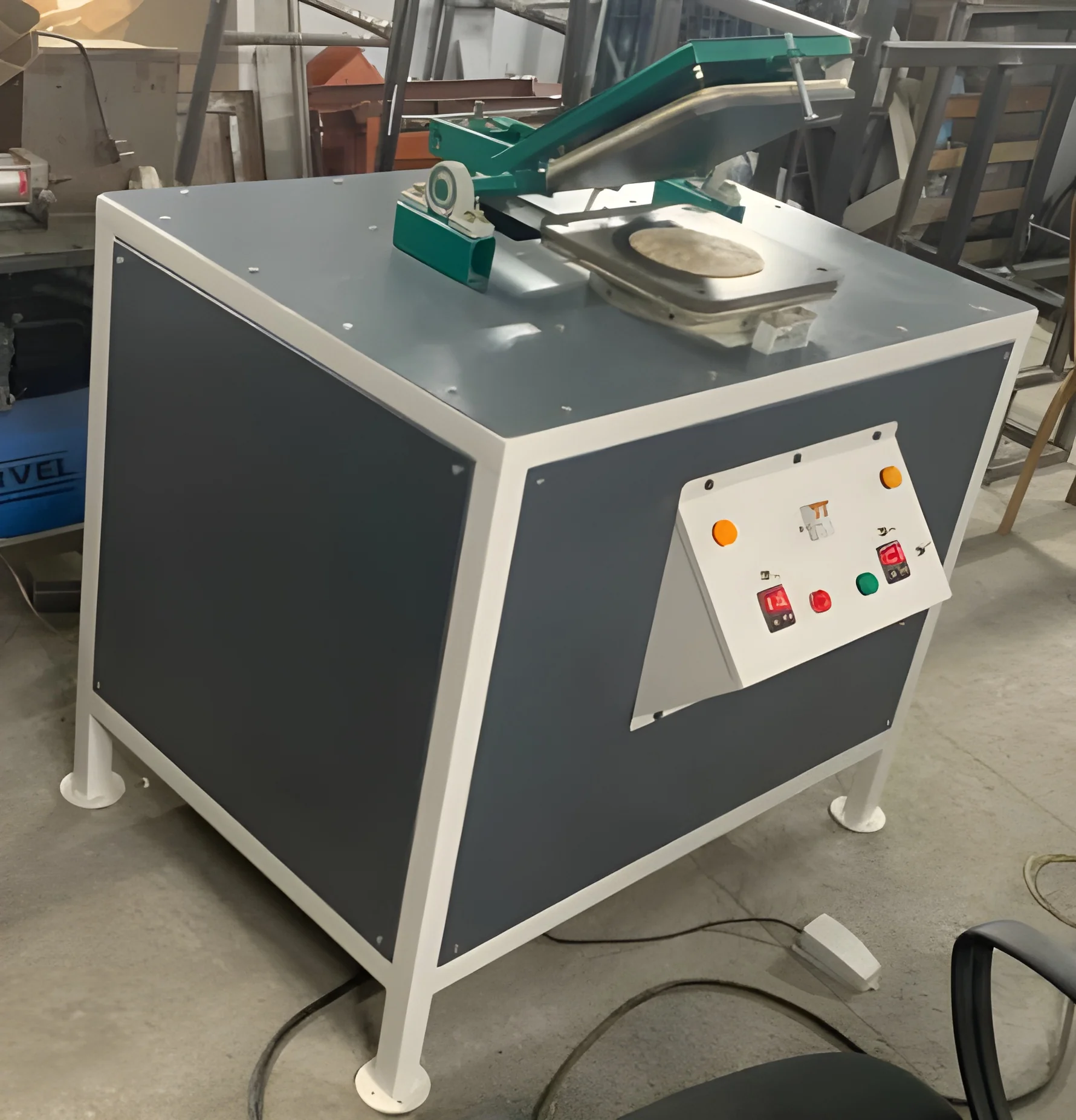
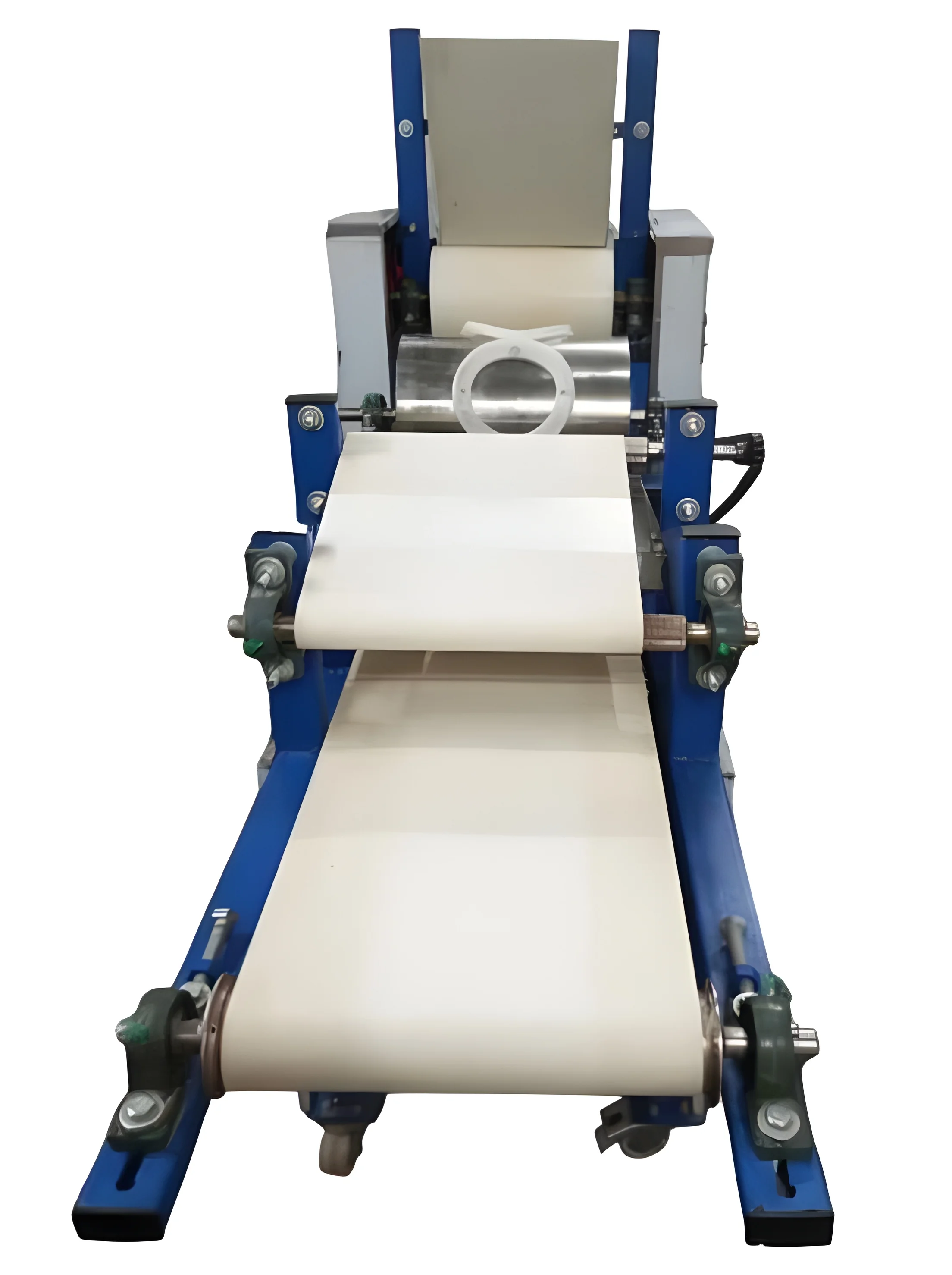
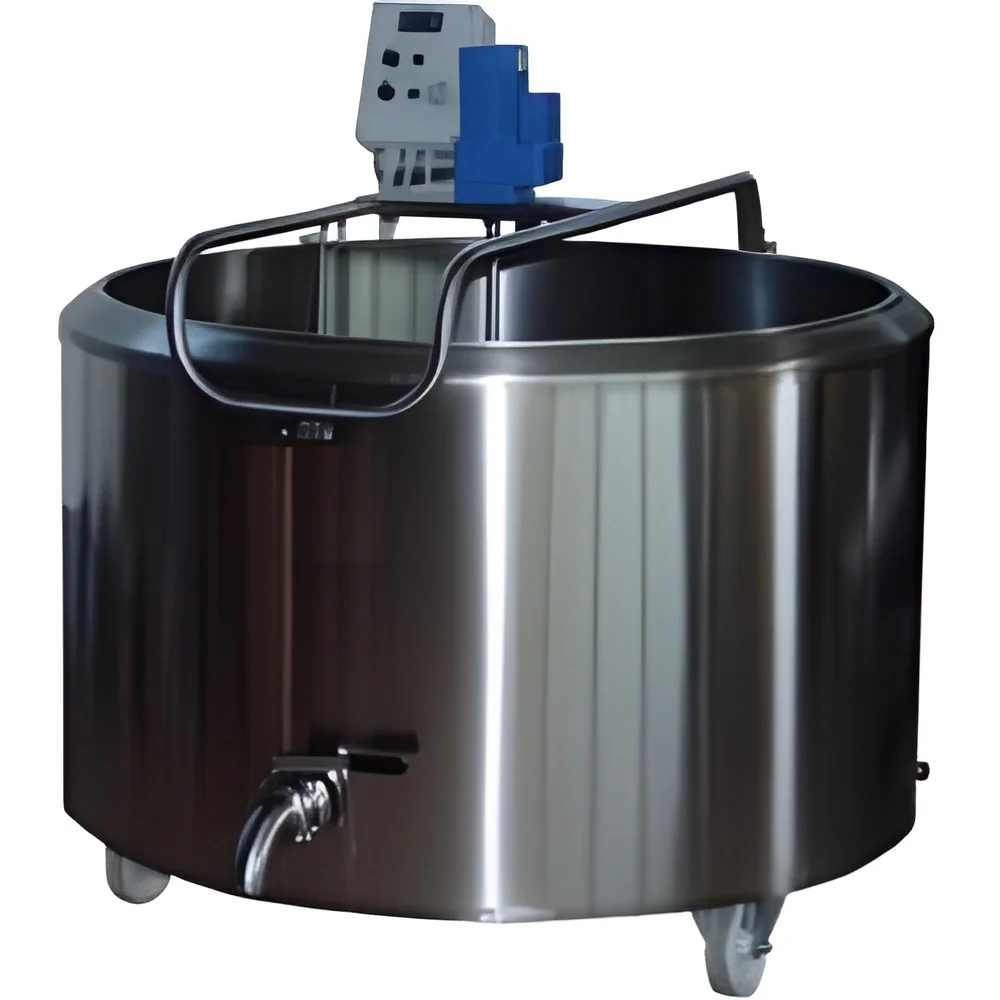
What are Syrup Mixers & Pasteurizers?
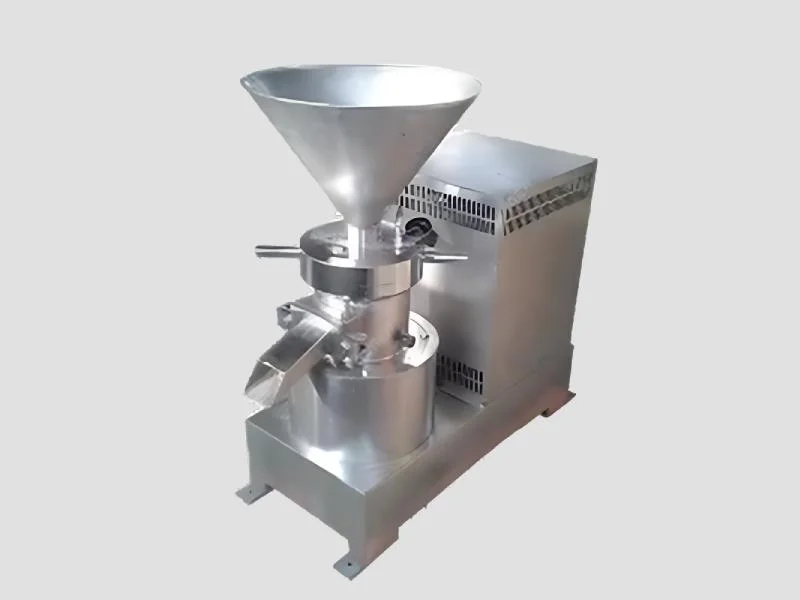
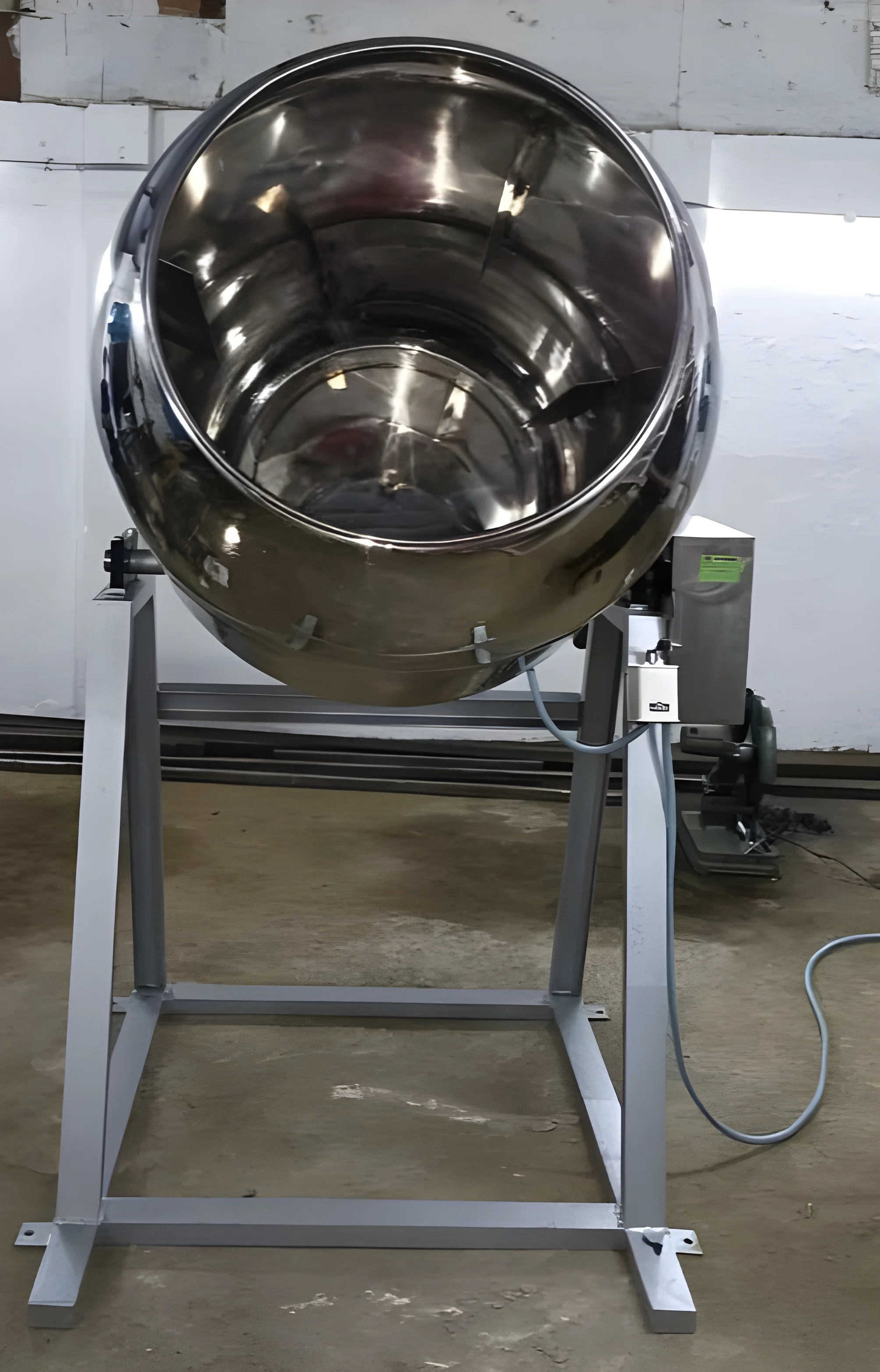
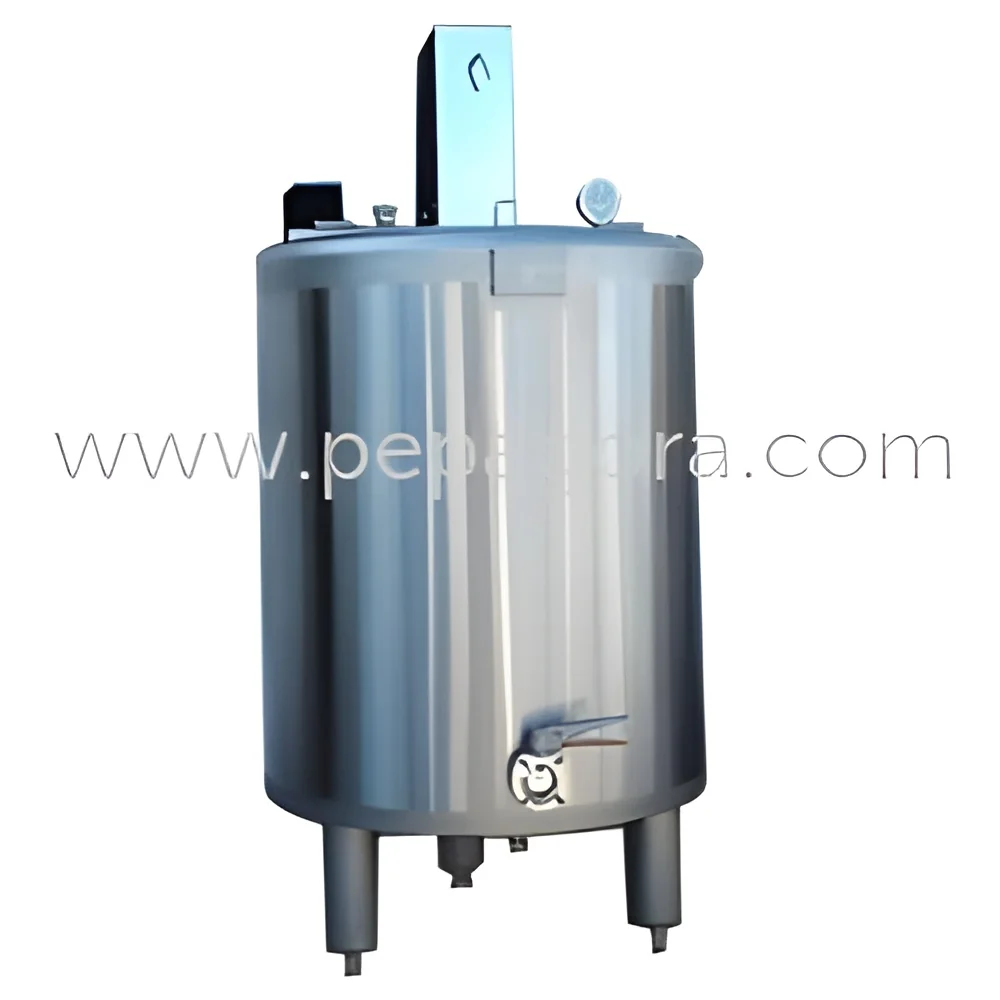
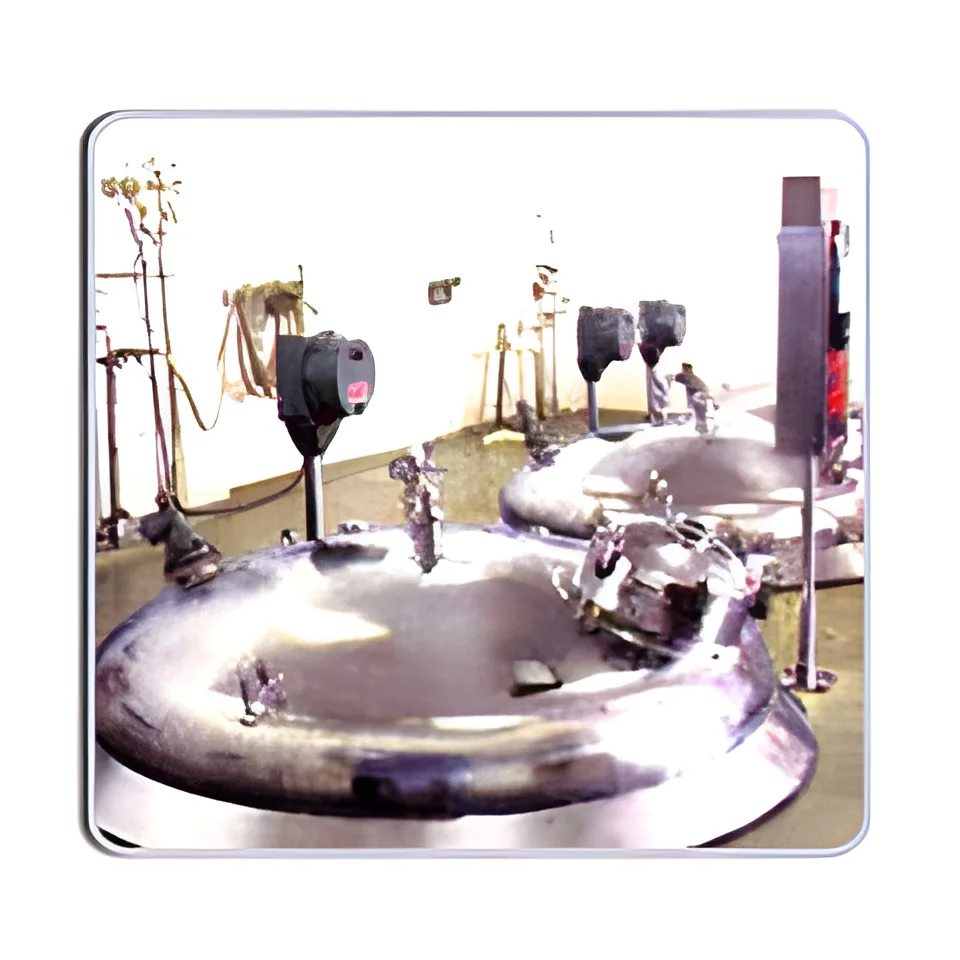
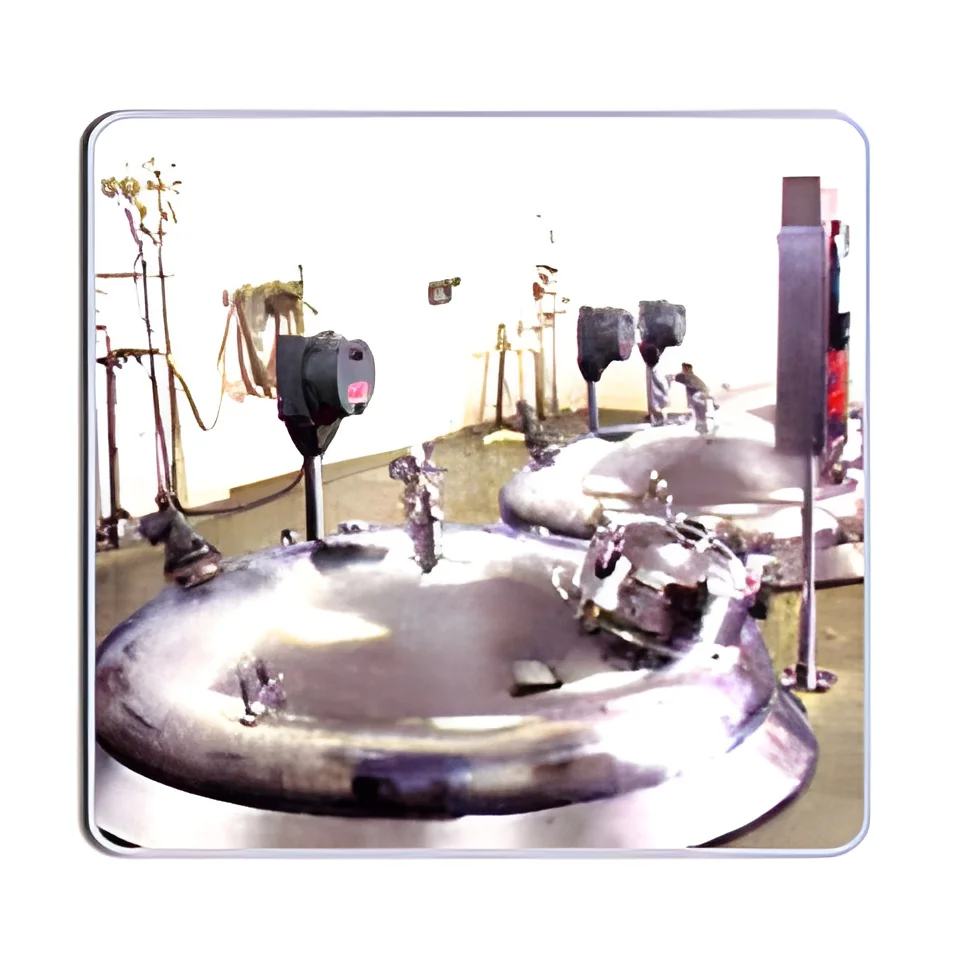
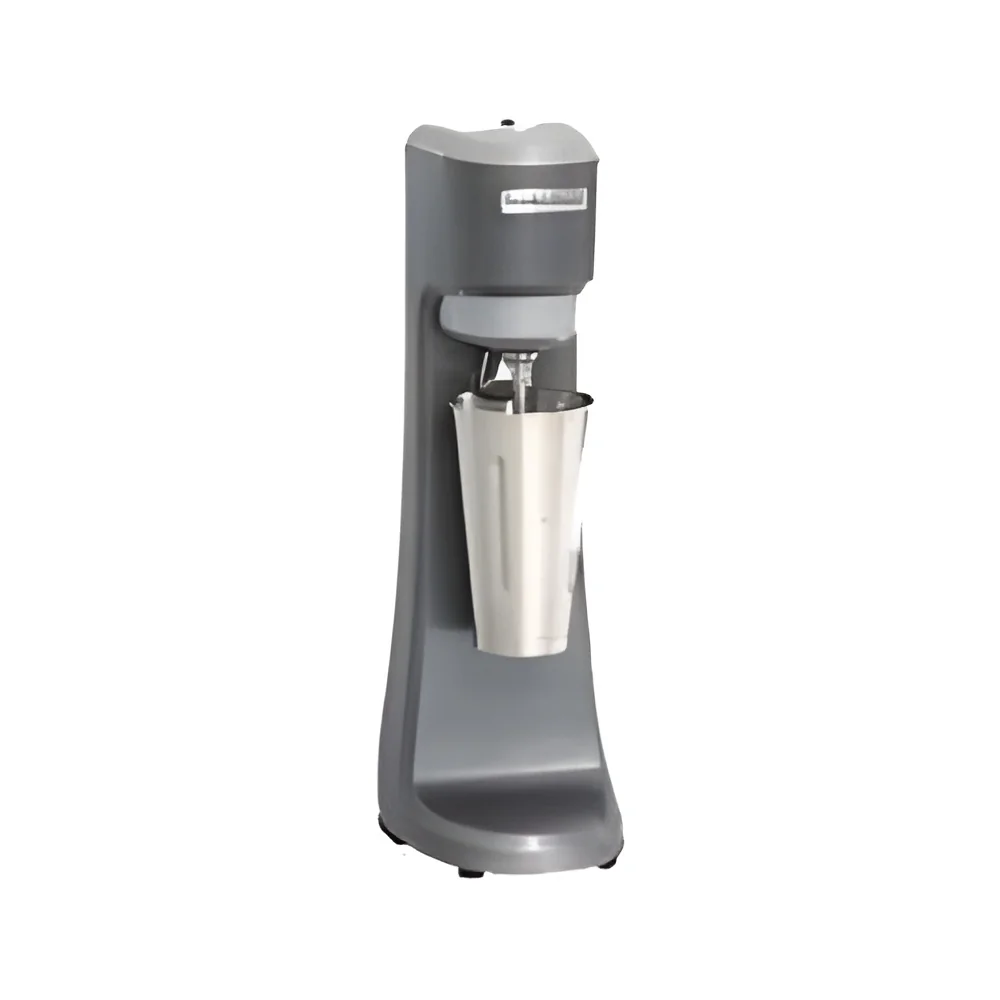
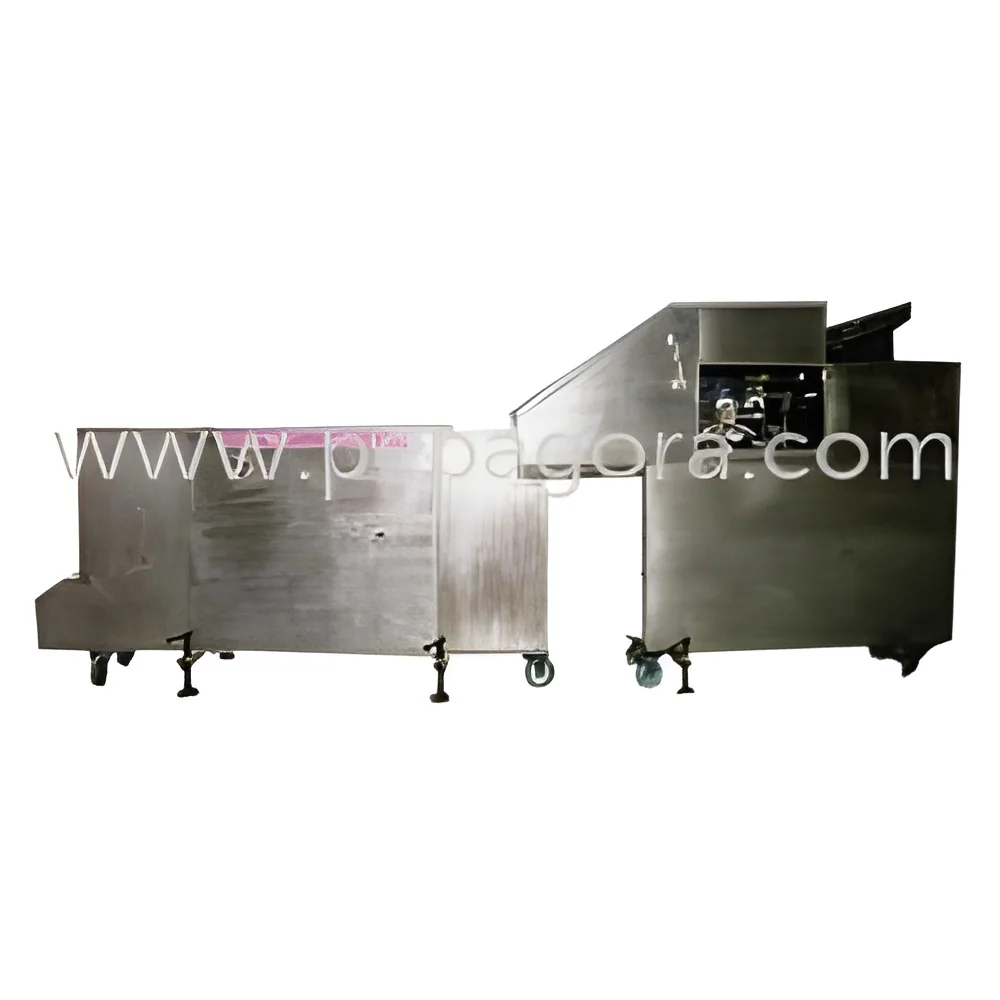
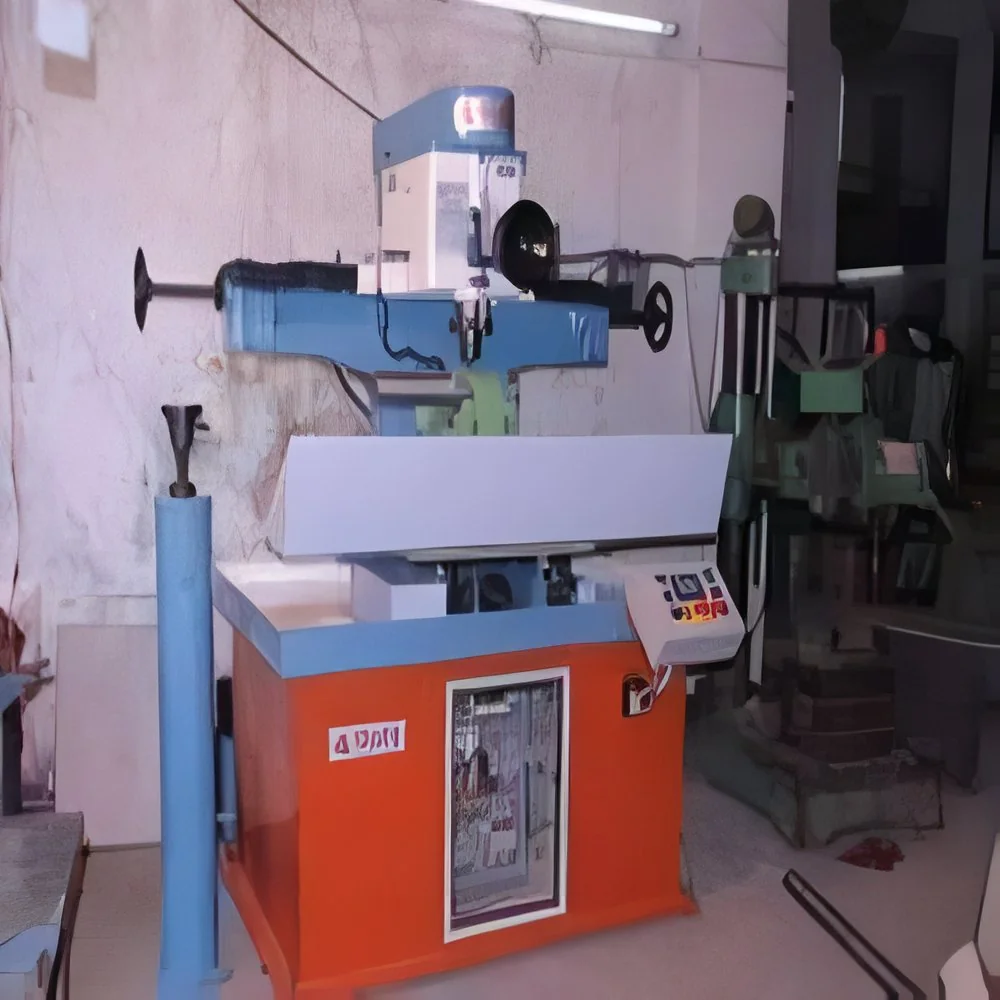
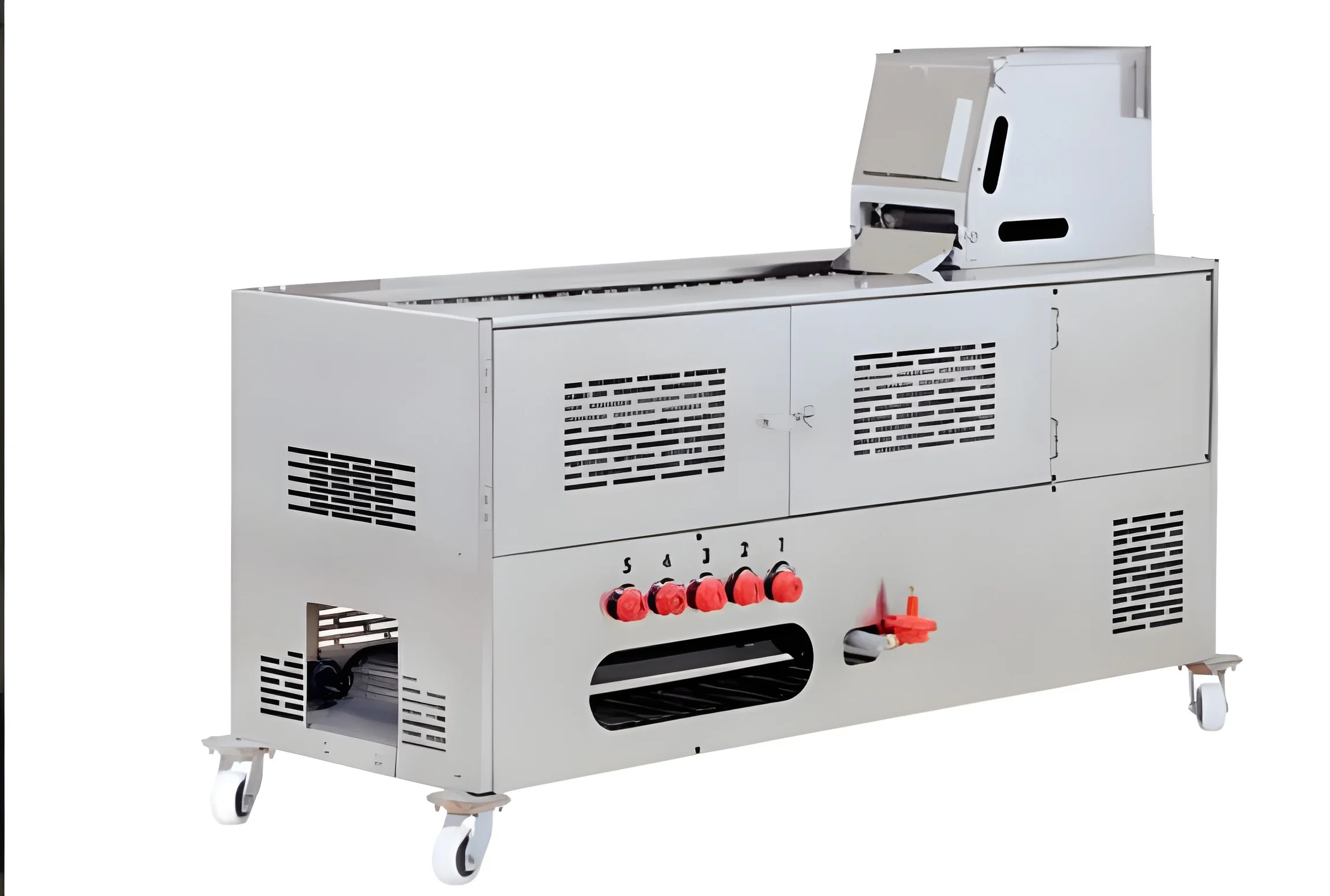
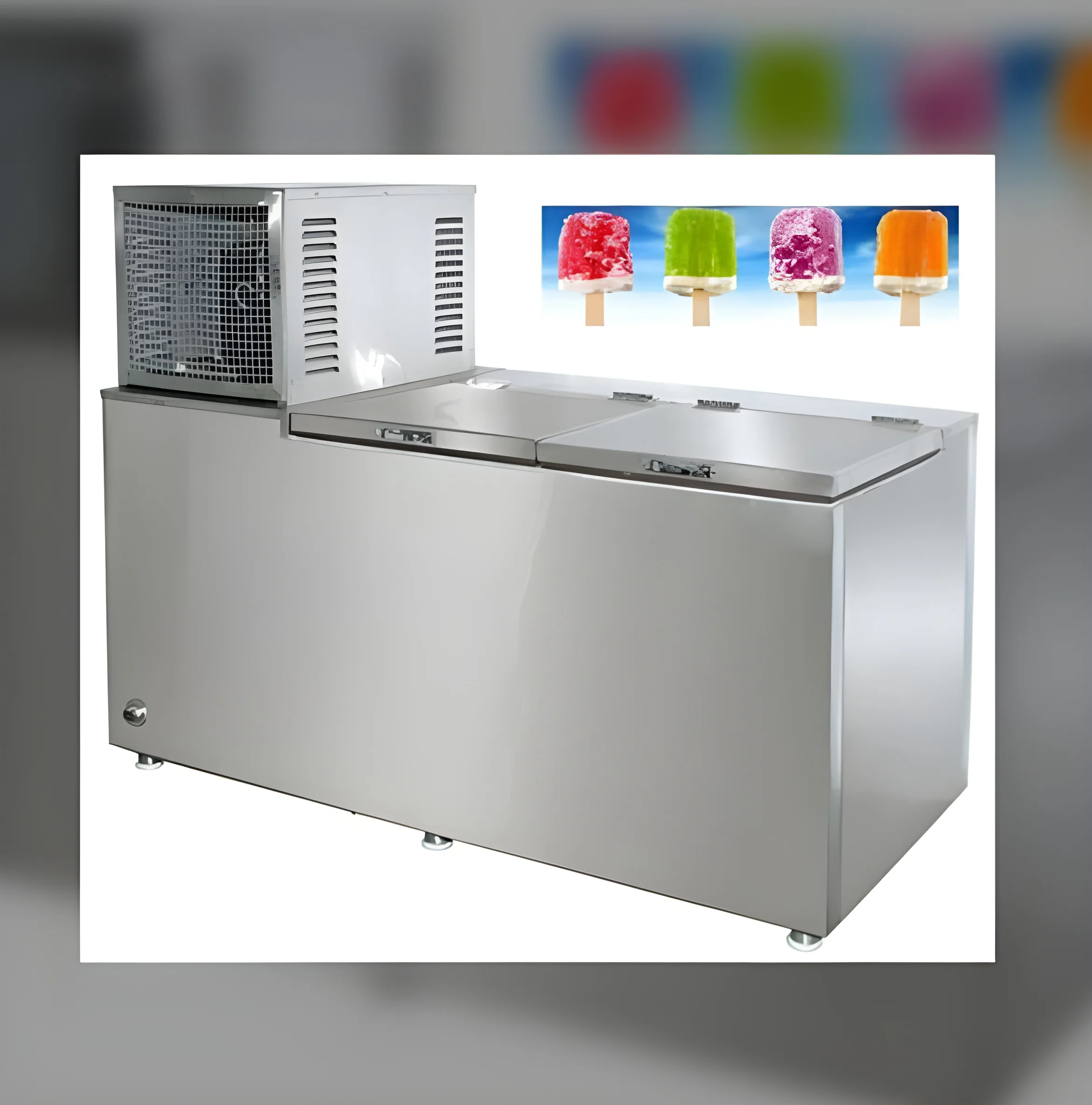
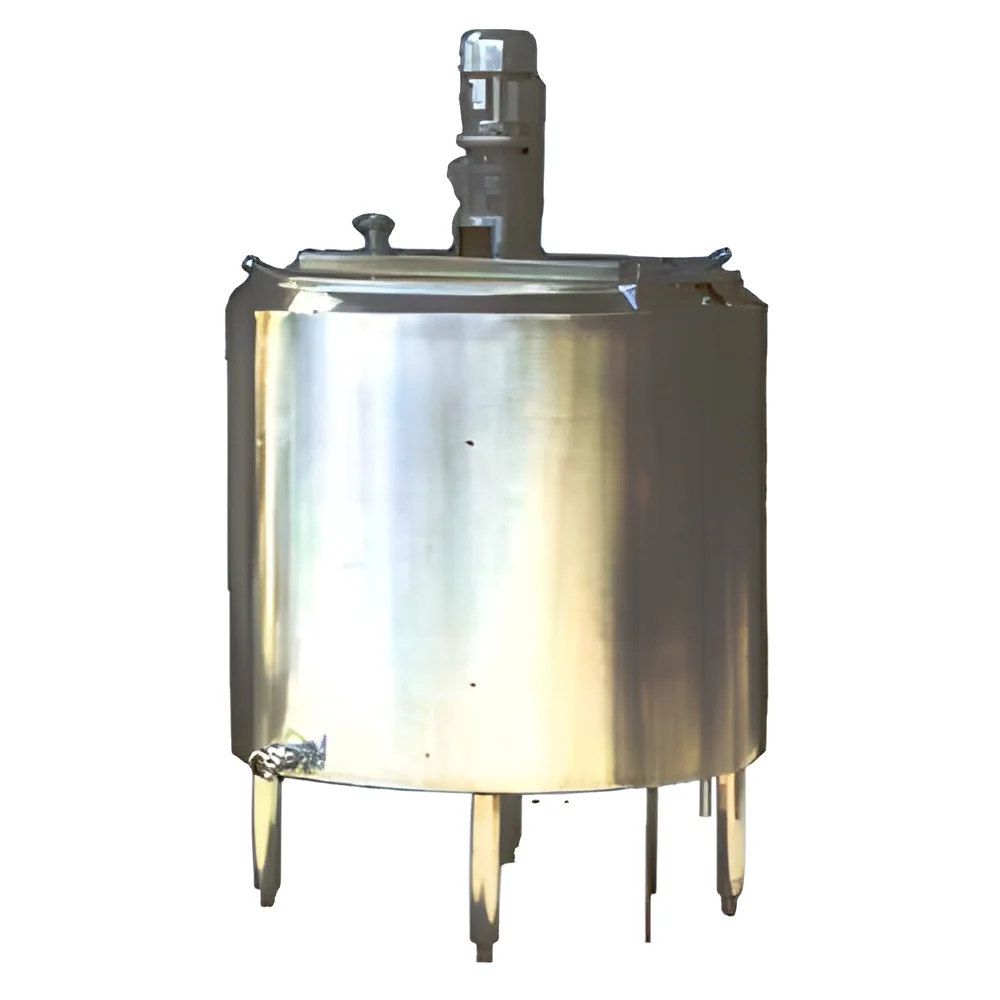
Syrup mixers and pasteurizers are essential industrial equipment used primarily in the beverage and food processing industries. Syrup mixers blend various ingredients, such as sugars, flavorings, and colors, to create uniform syrup solutions. Pasteurizers, on the other hand, heat these solutions to eliminate harmful microorganisms, ensuring product safety and extending shelf life. The combination of these two processes is vital for producing high-quality beverages and food products.
These machines are widely used in the production of soft drinks, juices, sauces, and other liquid food products. Businesses leverage syrup mixers and pasteurizers to maintain consistent quality and taste in their offerings. The ability to efficiently process large volumes while ensuring safety and compliance with health regulations makes these machines indispensable in modern food and beverage manufacturing.
In today's competitive market, the relevance of syrup mixers and pasteurizers cannot be overstated. With increasing consumer demand for safe and high-quality products, manufacturers are investing in advanced equipment to meet these expectations. The growing trend towards automation and process optimization further underscores the importance of these machines in industrial applications.
Key Features and Specifications
Syrup mixers and pasteurizers come equipped with various features designed to enhance efficiency and ensure product quality. These specifications are crucial for buyers to consider when selecting the right equipment for their operations.
Key specifications include:
1. Mixing Capacity
- The volume of syrup that can be processed per hour.
- Typically ranges from hundreds to thousands of liters.
2. Temperature Control
- Ability to maintain precise temperature during pasteurization.
- Commonly operates within a range of 60°C to 90°C.
3. Heating Method
- Options include direct steam injection, indirect heating, and electrical heating.
- Each method has its own efficiency and cost considerations.
4. Material of Construction
- Common materials include stainless steel for durability and ease of cleaning.
- Food-grade materials are essential for compliance with safety standards.
5. Automation Level
- Varies from manual controls to fully automated systems with PLC integration.
- Higher automation can lead to improved efficiency and reduced labor costs.
6. Cleaning and Maintenance Features
- CIP (Clean-in-Place) systems facilitate easy cleaning without disassembly.
- Regular maintenance requirements should be clearly outlined.
7. Safety Features
- Includes pressure relief valves and temperature sensors to prevent accidents.
- Compliance with safety regulations is critical.
In summary, understanding these key specifications is vital for businesses to select the right syrup mixers and pasteurizers that meet their operational needs and safety standards.
Common Applications and Use Cases
Syrup mixers and pasteurizers serve a variety of industries, each with unique applications.
1. Beverage Industry: These machines are fundamental in producing soft drinks, flavored syrups, and energy drinks. They ensure consistent flavor and safety in large batches.
2. Food Processing: Syrup mixers are used to create sauces, dressings, and toppings. Pasteurization ensures these products remain safe for consumption.
3. Dairy Industry: Used in the production of flavored milk and creamers, these machines help maintain product integrity while ensuring shelf stability.
4. Pharmaceutical Industry: Syrup mixers play a role in creating liquid medications, where precise mixing and pasteurization processes are critical for safety and efficacy.
5. Bakery and Confectionery: These machines are used to produce syrups for toppings and fillings, ensuring a consistent product that meets quality standards.
6. Nutraceuticals: In the production of health supplements, syrup mixers and pasteurizers ensure that active ingredients are uniformly distributed and safe for consumption.
7. Cosmetics: Some syrup mixers are adapted for formulating creams and lotions, emphasizing the versatility of these machines beyond food applications.
Product Variants and Subcategories
Syrup mixers and pasteurizers come in various configurations to cater to different industrial needs.
Batch Syrup Mixer
This variant is designed for smaller production runs, allowing for easy recipe adjustments. It features simple controls and is ideal for specialty syrup production.
Continuous Syrup Mixer
Aimed at high-volume production, this mixer maintains a constant flow of ingredients, ensuring efficiency and uniformity in large-scale operations.
Plate Pasteurizer
This variant uses plate heat exchangers to quickly and efficiently pasteurize liquids. It is particularly suitable for products requiring rapid heating and cooling.
Tubular Pasteurizer
This model is designed for viscous products. It ensures thorough pasteurization through extended contact time and is ideal for thicker syrups and sauces.
Benefits and Advantages
Investing in syrup mixers and pasteurizers offers several advantages for businesses.
1. Improved Product Quality: These machines ensure consistent mixing and pasteurization, leading to higher quality products that meet consumer expectations.
2. Enhanced Safety: By eliminating harmful microorganisms, pasteurizers ensure that products are safe for consumption, reducing the risk of foodborne illnesses.
3. Operational Efficiency: Automating the mixing and pasteurization processes reduces labor costs and minimizes human error, resulting in faster production times.
4. Flexibility: The ability to easily adjust recipes and processing parameters allows businesses to respond rapidly to changing market demands.
5. Compliance Assurance: These machines are designed to meet industry safety and quality standards, facilitating compliance with regulatory requirements.
6. Cost-Effectiveness: By improving yield and reducing waste, syrup mixers and pasteurizers contribute to lower overall production costs.
Buying Guide for B2B Buyers
When sourcing syrup mixers and pasteurizers, businesses should consider several critical factors to ensure they make informed decisions.
1. Quality Assessment: Evaluate the quality of materials and construction. Look for machines that meet industry standards and have a track record of reliability.
2. Supplier Verification: Vet suppliers to ensure they have a reputable history and can provide support and maintenance services. Check for customer reviews and industry certifications.
3. Pricing and MOQ: Understand the pricing structure and minimum order quantities. Compare quotes from multiple suppliers to ensure competitive pricing.
4. Delivery and Lead Times: Inquire about logistics and expected delivery times. Ensure that suppliers can meet your production schedule and timelines.
5. Compliance Requirements: Verify that the equipment meets relevant regulatory and safety standards, including certifications necessary for your industry.
Compliance and Certifications
Syrup mixers and pasteurizers must adhere to various quality standards to ensure product safety and reliability. Key standards include ISO 9001, which focuses on quality management systems, and HACCP, which is essential for food safety management. Compliance with Good Manufacturing Practices (GMP) is also critical.
Industry certifications, such as CE certification, signify that the equipment meets European safety and environmental requirements. This is particularly important for companies exporting products to Europe.
Safety and testing requirements vary by region and application. Manufacturers must conduct thorough testing to ensure that their machines operate safely and efficiently. Adherence to local regulations is also necessary, as compliance requirements can differ significantly across regions.
Why Source Syrup Mixers & Pasteurizers from Pepagora?
Pepagora offers a trusted platform for sourcing syrup mixers and pasteurizers, providing several key advantages for buyers.
Verified Supplier Network: The platform ensures that all suppliers are vetted and verified, providing buyers with confidence in their sourcing decisions. This helps reduce the risk of purchasing subpar equipment.
Streamlined RFQ Process: Pepagora simplifies the request for quotation process, allowing businesses to quickly obtain multiple quotes from reputable suppliers. This efficiency saves time and effort.
Trade Assurance and Support: Pepagora provides trade assurance, which protects buyers against potential issues in transactions. Dedicated support is available to assist buyers throughout the sourcing process.
Regional Coverage: With a broad geographic reach, Pepagora connects buyers with suppliers in India, the GCC, and Southeast Asia. This ensures that businesses can find the right equipment regardless of their location.

 IN
IN

 India
India