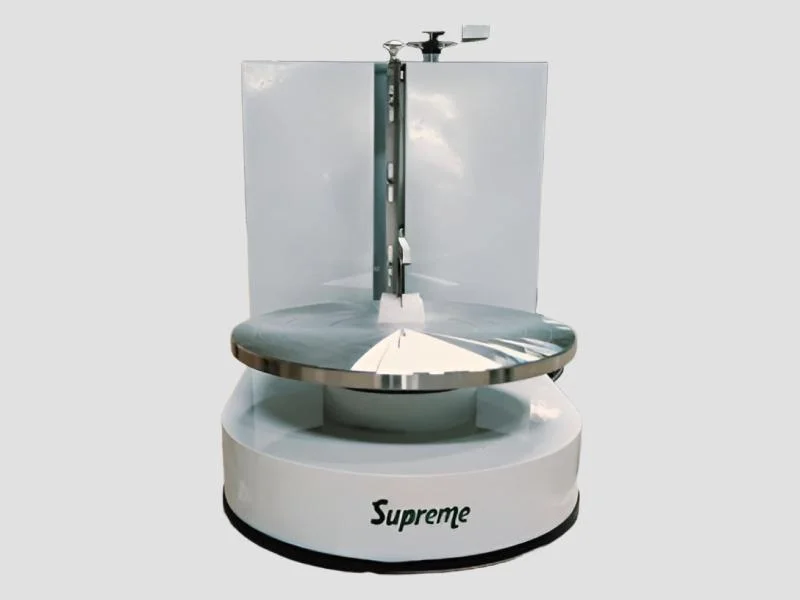
What are Volumetric Filling Machines?
Volumetric filling machines are specialized equipment designed to dispense precise volumes of liquid or semi-liquid products into containers. These machines operate on the principle of filling a predetermined volume of product, ensuring consistent and accurate filling across various container sizes. The technology behind volumetric filling can vary, employing methods such as pistons, gravity, or pressure to achieve the desired fill level.
These machines are primarily used in industries such as food and beverage, pharmaceuticals, and cosmetics, where accuracy and efficiency in filling processes are critical. By automating the filling process, businesses can increase production rates, minimize waste, and enhance overall product quality. The relevance of volumetric filling machines in modern manufacturing cannot be overstated, as they play a vital role in meeting consumer demand while adhering to strict regulatory standards in various sectors.
Key Features and Specifications
Volumetric filling machines come equipped with several key features that enhance their functionality and efficiency. These features ensure that the machines meet the diverse needs of various industries while maintaining high standards of accuracy and reliability.
Key specifications include:
1. Filling Volume Range
- The machines can accommodate a range of filling volumes, typically from a few milliliters to several liters, depending on the model.
2. Speed of Operation
- Filling speeds can vary, with some machines capable of filling up to 120 containers per minute, significantly boosting productivity.
3. Precision Accuracy
- Many volumetric filling machines offer accuracy within ±1% of the target fill volume, ensuring consistency across production runs.
4. Container Compatibility
- These machines can generally handle a variety of container types, including bottles, jars, and pouches, making them versatile for different applications.
5. Control Systems
- Advanced models may feature PLC-based control systems for easy operation and monitoring, enhancing usability.
6. Material of Construction
- Most machines are made from stainless steel or high-grade plastics, which are resistant to corrosion and contamination.
7. Hygiene Standards
- Many volumetric filling machines meet stringent hygiene standards, making them suitable for food and pharmaceutical applications.
8. Customization Options
- Some manufacturers offer customization features to meet specific operational requirements or production needs.
In summary, the specifications of volumetric filling machines reflect their adaptability and effectiveness, making them a crucial asset for businesses looking to optimize their filling processes.
Common Applications and Use Cases
Volumetric filling machines serve a wide array of industries, each with unique requirements and applications.
1. Food and Beverage: These machines are commonly used to fill liquids such as sauces, syrups, and beverages, ensuring precise portion control and minimizing waste.
2. Pharmaceuticals: In the pharmaceutical industry, volumetric filling machines are essential for accurately dispensing liquid medications into vials or bottles, adhering to strict regulatory standards.
3. Cosmetics: Cosmetic manufacturers use these machines to fill products such as lotions, creams, and serums, focusing on maintaining product integrity and hygiene.
4. Chemicals: Many companies in the chemical sector utilize volumetric filling machines for dispensing various liquids, including industrial liquids and personal care products.
5. Agriculture: In agriculture, these machines can fill pesticides and fertilizers into containers, ensuring accurate dosing for effective application.
6. Cleaning Products: Volumetric filling machines are instrumental in the cleaning industry for filling bottles with liquid detergents and disinfectants.
In conclusion, the diverse applications of volumetric filling machines illustrate their importance across multiple sectors, where precision and efficiency are paramount.
Product Variants and Subcategories
Volumetric filling machines come in various configurations to cater to specific needs and production environments.
Piston Fillers: Piston fillers use a piston mechanism to draw product into a chamber and then dispense it into containers. They are ideal for high-viscosity liquids and can handle products like sauces and creams.
Gravity Fillers: Gravity fillers rely on the force of gravity to fill containers. They are suitable for low-viscosity liquids such as water or juices, providing a cost-effective solution for many applications.
Pressure Fillers: These machines use pressure to dispense liquids into containers. They are often utilized in high-speed production lines and can accommodate a range of liquid types.
In conclusion, the availability of various product variants allows businesses to select the most appropriate volumetric filling machine based on their specific filling needs and production circumstances.
Benefits and Advantages
Investing in volumetric filling machines offers numerous advantages for businesses aiming to improve their operational efficiency.
1. Increased Efficiency: These machines automate the filling process, significantly enhancing production rates and reducing labor costs.
2. Consistent Accuracy: Volumetric filling machines ensure precise filling, minimizing discrepancies that can lead to product waste or consumer dissatisfaction.
3. Versatility: The ability to fill a variety of container types and sizes makes these machines suitable for multiple industries and applications.
4. Enhanced Hygiene: Many volumetric filling machines are designed to meet rigorous hygiene standards, making them safe for food and pharmaceutical applications.
5. Reduced Downtime: Advanced designs often incorporate easy cleaning and maintenance features, leading to less downtime during production.
6. Customization Options: Many manufacturers offer customizable features, allowing businesses to tailor machines to their specific production requirements.
Overall, the benefits of volumetric filling machines make them a valuable investment for companies seeking to optimize their filling processes and improve product quality.
Buying Guide for B2B Buyers
When sourcing volumetric filling machines, it is crucial for B2B buyers to consider several important factors to ensure they make informed decisions.
1. Quality Assessment: Evaluate the machine's quality by reviewing manufacturer credentials, customer testimonials, and product specifications to ensure it meets industry standards.
2. Supplier Verification: Conduct thorough research on potential suppliers, checking their reputation, experience, and compliance with regulatory requirements to ensure reliability.
3. Pricing and MOQ: Understand the pricing structure and minimum order quantity (MOQ) to ensure it aligns with your budget and production needs.
4. Delivery and Lead Times: Discuss delivery timelines and lead times with suppliers to ensure that your production schedule is not disrupted.
5. Compliance Requirements: Ensure that the volumetric filling machines comply with relevant industry regulations and quality standards, such as CE certification and ISO standards.
In summary, a careful evaluation of these factors will help B2B buyers select the right volumetric filling machine that meets their operational needs and regulatory requirements.
Compliance and Certifications
Compliance and certifications play a critical role in the efficacy and safety of volumetric filling machines. These machines must adhere to relevant quality standards, such as ISO 9001, which emphasizes quality management systems, ensuring that manufacturers consistently meet customer and regulatory requirements.
In addition, industry certifications like CE indicate that the machines comply with European safety, health, and environmental protection standards. These certifications are crucial for businesses that operate in regions with strict regulatory frameworks.
Furthermore, safety and testing requirements are essential to verify that the machines can operate safely under various conditions. This includes ensuring that components are made from materials that are safe for contact with consumable products.
Regional compliance considerations may vary, and businesses must ensure that the machines meet local regulations, which can impact their operation and marketability. Overall, adhering to these compliance and certification standards is vital for ensuring product safety and maintaining industry credibility.
Why Source Volumetric Filling Machines from Pepagora?
Pepagora is a trusted platform for sourcing volumetric filling machines, offering a range of advantages that support B2B buyers in their purchasing decisions.
Verified Supplier Network: Pepagora connects buyers with a network of verified suppliers, ensuring that businesses can source quality machines from reputable manufacturers. This verification process helps mitigate risks associated with supplier reliability.
Streamlined RFQ Process: The platform offers a streamlined Request for Quotation (RFQ) process, allowing buyers to easily obtain and compare quotes from multiple suppliers. This facilitates informed decision-making and helps businesses find the best value for their investment.
Trade Assurance and Support: Pepagora provides trade assurance and buyer protection, offering peace of mind throughout the purchasing process. This support helps ensure that transactions are secure and that buyers receive the products as promised.
Regional Coverage: With a strong presence in regions such as India, the GCC, and Southeast Asia, Pepagora caters to a diverse range of businesses, making it easier for buyers to find volumetric filling machines that meet their specific needs.
In conclusion, sourcing volumetric filling machines from Pepagora provides B2B buyers with a reliable and efficient solution to enhance their production capabilities while ensuring quality and compliance.

 IN
IN