
 IN
Spray Dryers
8 products available
What are Spray Dryers?
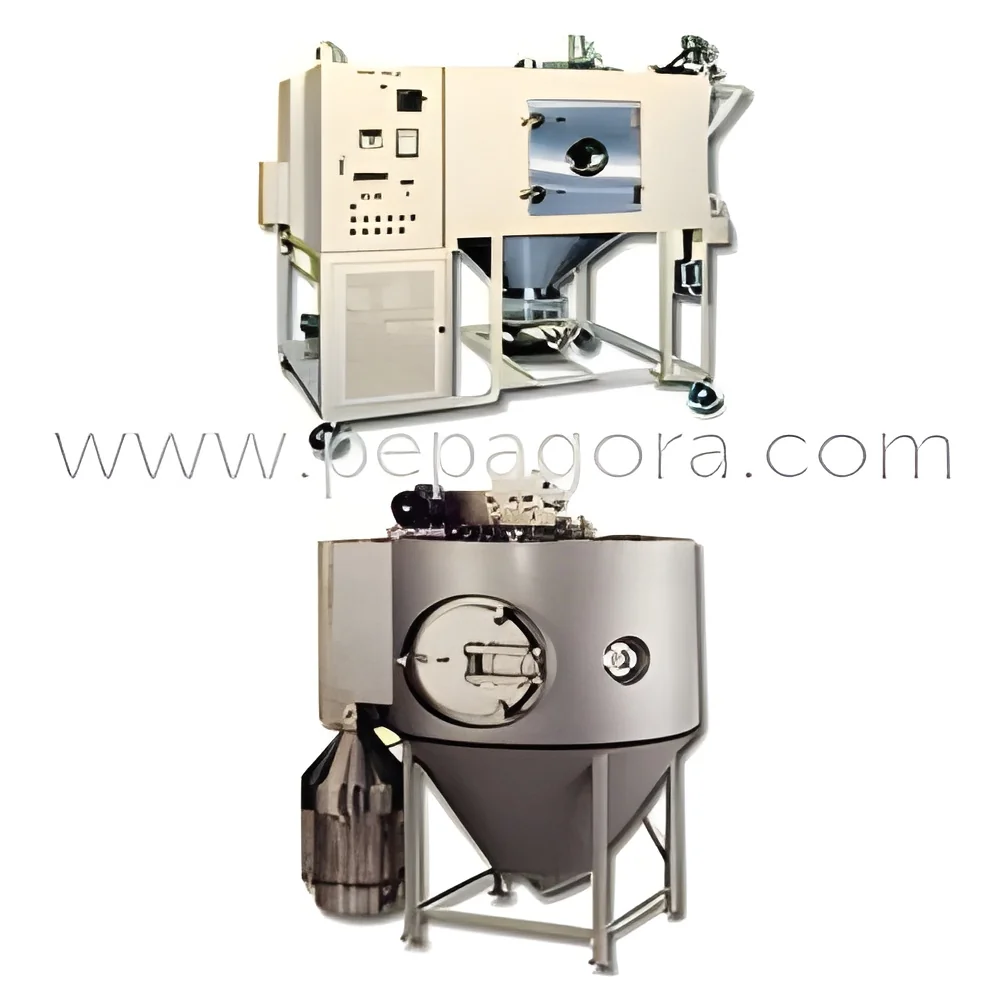
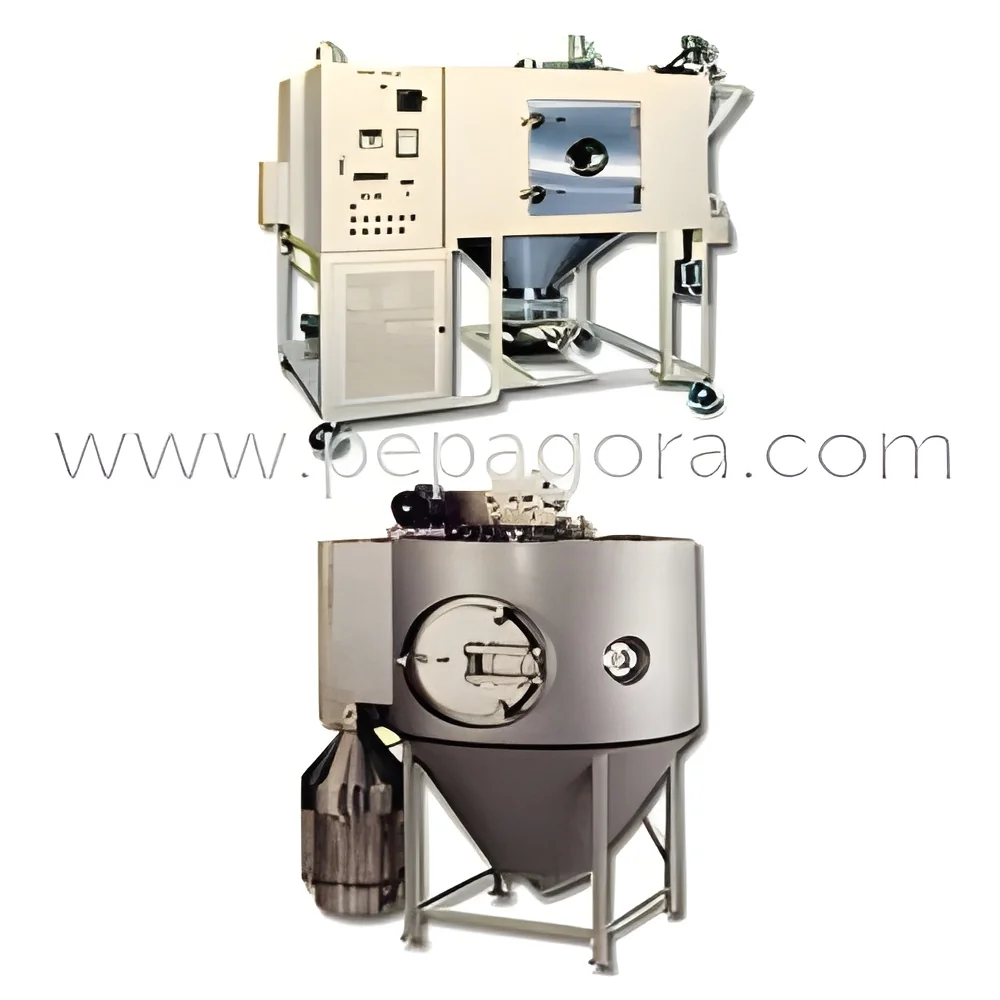
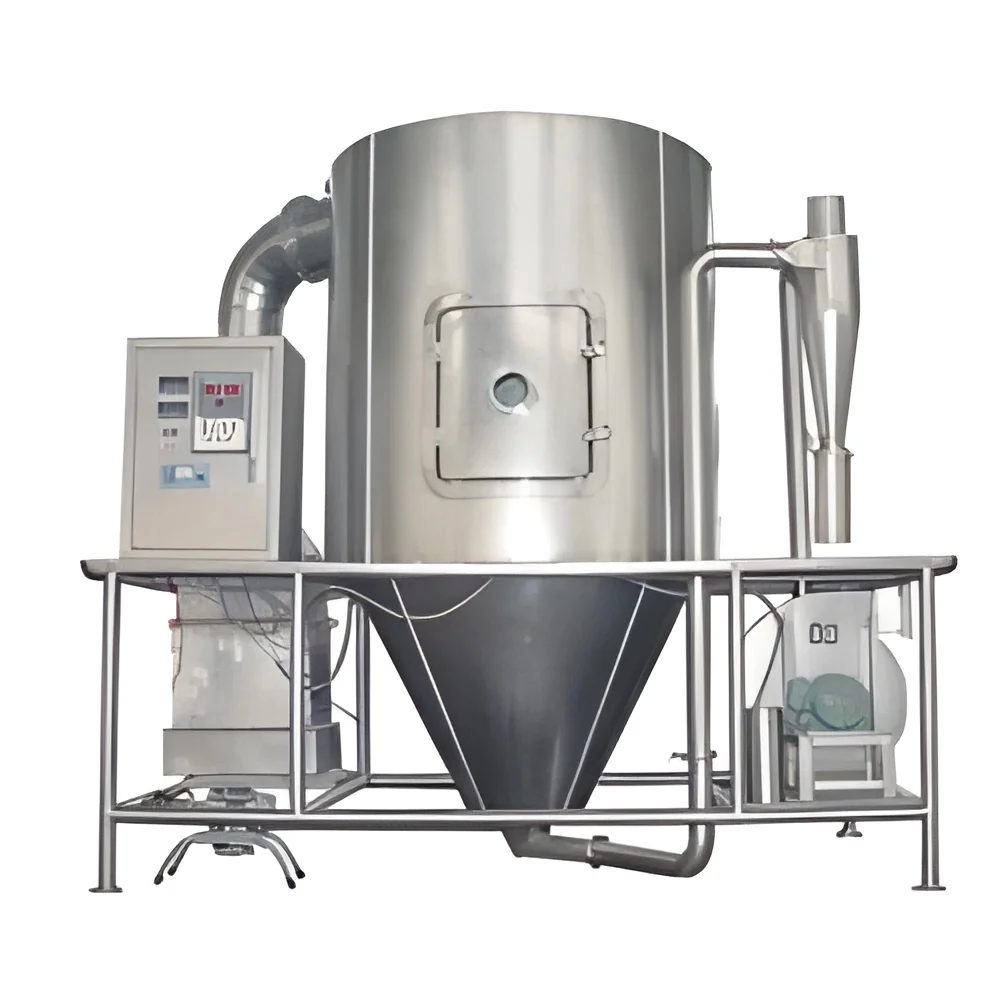
Spray dryers are industrial equipment used to convert liquid solutions or suspensions into dry powders. The process involves atomizing the liquid feed into fine droplets, which are then rapidly dried using hot air in a drying chamber. This method is highly efficient and allows for the production of dry products with controlled particle size and moisture content.
Spray dryers are primarily used in industries such as food processing, pharmaceuticals, and chemicals. In food processing, they are used for creating instant coffee, milk powder, and flavorings. In pharmaceuticals, they assist in producing powdered medications and nutraceuticals. The versatility and efficiency of spray dryers make them essential in various applications, where the need for dry, stable products is critical.
In today's market, the demand for spray dryers is growing due to the increasing need for high-quality powdered products. As industries expand and innovate, the relevance of spray dryers continues to rise, establishing them as a pivotal component in modern manufacturing processes.
Key Features and Specifications
Spray dryers are characterized by their unique operational features and technical specifications, which enhance their functionality and efficiency. Understanding these specifications is crucial for selecting the right equipment for specific applications.
Key specifications include:
1. Atomization Method
- Types include pressure nozzle, rotary atomizer, and air atomizer.
- Each method influences the droplet size and drying efficiency.
2. Drying Chamber Design
- Variations include co-current, counter-current, and mixed flow designs.
- Design impacts the residence time and thermal efficiency.
3. Airflow Rate
- Typical ranges vary based on application requirements.
- Higher airflow rates can enhance drying efficiency.
4. Temperature Control
- Capable of handling a range of inlet temperatures.
- Essential for preserving product quality during drying.
5. Capacity
- Varies widely based on model and application.
- Measured in kilograms of product processed per hour.
6. Material of Construction
- Common materials include stainless steel for durability and hygiene.
- Material choice depends on the nature of the product being dried.
7. Automation Level
- Options range from manual to fully automated systems.
- Higher automation increases efficiency and consistency in production.
8. Safety Features
- May include explosion-proof designs and temperature monitoring systems.
- Essential for compliance with safety standards in various industries.
In summary, the features and specifications of spray dryers are vital for ensuring optimal performance and meeting industry demands.
Common Applications and Use Cases
Spray dryers are utilized across diverse industries, each with unique applications that leverage the technology's efficiency.
1. Food Processing: In this sector, spray dryers are used to produce powdered milk, instant coffee, and various food flavorings, enabling longer shelf life and ease of use.
2. Pharmaceutical Industry: Spray dryers facilitate the manufacturing of powdered drugs and nutraceuticals, allowing for precise dosing and improved bioavailability.
3. Chemical Manufacturing: Industries use spray dryers to create fine powders of chemicals and fertilizers, essential for formulation processes.
4. Cosmetics Industry: Spray dryers are employed to produce powdered cosmetics, ensuring consistent texture and application.
5. Agrochemicals: The technology assists in producing pesticide and herbicide formulations, enhancing their stability and effectiveness.
6. Nutraceuticals: Spray drying is used to create powdered supplements, preserving active ingredients and ensuring easier consumption.
7. Ceramics: In the ceramics industry, spray dryers help produce uniform powder for various applications, including tile and brick manufacturing.
Product Variants and Subcategories
Spray dryers come in various designs tailored to different needs and applications. The diversity in product variants allows businesses to select the most suitable equipment.
Standard Spray Dryer
This variant is designed for general applications, offering versatility in processing a wide range of materials. It is equipped with basic features and is suitable for companies new to spray drying.
High-Efficiency Spray Dryer
Engineered for maximum efficiency, this variant includes advanced features such as enhanced airflow control and optimized drying chamber designs. It is ideal for high-volume production environments.
Laboratory Spray Dryer
Designed for research and development, this smaller unit offers flexibility for testing formulations. It allows for small-scale production and is essential for developing new products before full-scale manufacturing.
Pilot Scale Spray Dryer
This variant bridges the gap between laboratory experiments and full-scale production. It is used for validating processes and formulations on a larger scale without committing to extensive production runs.
Benefits and Advantages
Investing in spray dryers offers numerous benefits that enhance production efficiency and product quality.
1. Efficient Drying Process: Spray dryers achieve rapid drying, reducing processing time and energy consumption compared to traditional methods.
2. Controlled Particle Size: The technology allows for precise control over droplet size, resulting in uniformly sized powders suitable for various applications.
3. Preservation of Product Quality: Spray drying helps retain the nutritional and sensory qualities of sensitive materials, making it ideal for food and pharmaceuticals.
4. Versatile Applications: Spray dryers can be used across multiple industries, catering to diverse product requirements.
5. Reduced Waste: The process minimizes material loss during drying, contributing to more sustainable production practices.
6. Scalability: Spray drying systems can be scaled from laboratory to industrial levels, making it easier for companies to grow and adapt.
Buying Guide for B2B Buyers
When sourcing spray dryers, businesses should consider several critical factors to ensure they choose the right equipment for their needs.
1. Quality Assessment: Evaluate the quality of the spray dryer by reviewing manufacturer certifications, customer testimonials, and performance data. High-quality equipment typically results in better operational efficiency and product quality.
2. Supplier Verification: It is essential to vet potential suppliers by checking their reputation, industry experience, and customer service history. A reliable supplier can provide ongoing support and service.
3. Pricing and MOQ: Consider the pricing structure and minimum order quantity (MOQ) when evaluating suppliers. Ensure the cost aligns with your budget and the MOQ suits your production needs.
4. Delivery and Lead Times: Assess the logistics involved in acquiring the spray dryer, including estimated delivery times and any potential delays. Reliable suppliers should provide clear timelines.
5. Compliance Requirements: Understand the regulatory and compliance standards applicable to your industry. Ensure the spray dryer meets all necessary safety and quality standards.
Compliance and Certifications
Spray dryers are subject to various compliance standards and certifications that ensure their safety and quality.
Relevant quality standards include ISO 9001, which focuses on quality management systems, ensuring that manufacturers maintain consistent quality in their products. Additionally, HACCP (Hazard Analysis Critical Control Point) protocols are crucial in food processing to ensure safety and quality throughout production.
Industry certifications, such as CE marking, demonstrate compliance with European safety standards, indicating that the equipment meets essential requirements for health, safety, and environmental protection.
Safety and testing requirements are critical, particularly for industries dealing with sensitive materials. Manufacturers must conduct rigorous testing to ensure that spray dryers operate safely and efficiently.
Regional compliance considerations may vary, so it is essential to understand the specific regulations in your area to ensure full compliance with local laws.
Why Source Spray Dryers from Pepagora?
Pepagora offers a trusted platform for sourcing spray dryers, providing several key advantages to B2B buyers.
Verified Supplier Network: Pepagora connects buyers with a network of verified suppliers, ensuring that all listed manufacturers meet stringent quality and service standards. This verification process enhances buyer confidence and reduces risk.
Streamlined RFQ Process: The platform simplifies the request for quotation (RFQ) process, allowing buyers to easily compare offerings from multiple suppliers. This efficiency helps businesses make informed decisions quickly.
Trade Assurance and Support: Pepagora provides trade assurance, protecting buyers from unforeseen issues during transactions. The platform also offers ongoing support to assist buyers in navigating their purchasing journey.
Regional Coverage: With a strong presence in India, the Gulf Cooperation Council (GCC), and Southeast Asia, Pepagora ensures that buyers can access a wide range of suppliers and products tailored to their regional needs. This geographic reach enhances the sourcing experience for businesses across various markets.

 India
 India
 India
 India
 India


Frequently Asked Questions
What are Spray Dryers?
Spray dryers are industrial equipment used to convert liquid solutions or slurries into dry powder form through the process of atomization and drying. In this process, a liquid feed is sprayed into a hot gas stream, where the moisture evaporates, resulting in fine particles of dry material.
What are the different types of Spray Dryers?
The main types of spray dryers include co-current, counter-current, and mixed flow spray dryers. Each type varies in the direction of airflow relative to the atomized liquid, which influences the drying efficiency and the characteristics of the final product.
How do I choose the right Spray Dryers?
Selecting the right spray dryer involves considering factors such as the properties of the liquid feed, desired particle size, and production capacity. It's also important to assess the energy efficiency, maintenance requirements, and compatibility with existing production systems.
What are the standard specifications for Spray Dryers?
Standard specifications for spray dryers typically include drying capacity, inlet and outlet temperatures, particle size distribution, and energy consumption. Additionally, materials of construction and the type of atomization technology used are crucial specifications to consider.
What is the price range for Spray Dryers?
The price of spray dryers can vary widely based on factors such as size, technology, and manufacturer. Generally, prices can range from several lakhs to crores of Indian Rupees, depending on the complexity and features of the machine.
What quality standards apply to Spray Dryers?
Spray dryers must meet various quality standards, including ISO certifications and industry-specific requirements. Compliance with safety and environmental regulations is also crucial, ensuring that the equipment operates safely and efficiently.
Where can I find Spray Dryers suppliers in India?
You can find spray dryer suppliers in India through online B2B marketplaces such as Pepagora.com. Additionally, industry trade shows and exhibitions can provide opportunities to connect with manufacturers and suppliers directly.
Can Spray Dryers be customized?
Yes, spray dryers can often be customized to meet specific production needs. Customizations may include modifications to design, capacity, and control systems to accommodate unique materials or process requirements.
What is the typical minimum order quantity for Spray Dryers?
The typical minimum order quantity (MOQ) for spray dryers varies by manufacturer and can range from one unit for smaller models to multiple units for larger industrial systems. It is advisable to discuss specific requirements with suppliers.
What is the typical lead time for Spray Dryers?
The lead time for spray dryers can vary based on the manufacturer's production capacity and the complexity of the order. Generally, the lead time can range from a few weeks to several months, depending on customization and order size.
Why Businesses Trust Pepagora
Thousands of companies trust Pepagora to source smarter and sell faster
Expand Your Sales Globally

Source Smarter,Grow Faster
