IN
IN₹
Apparel & Fashion
Description
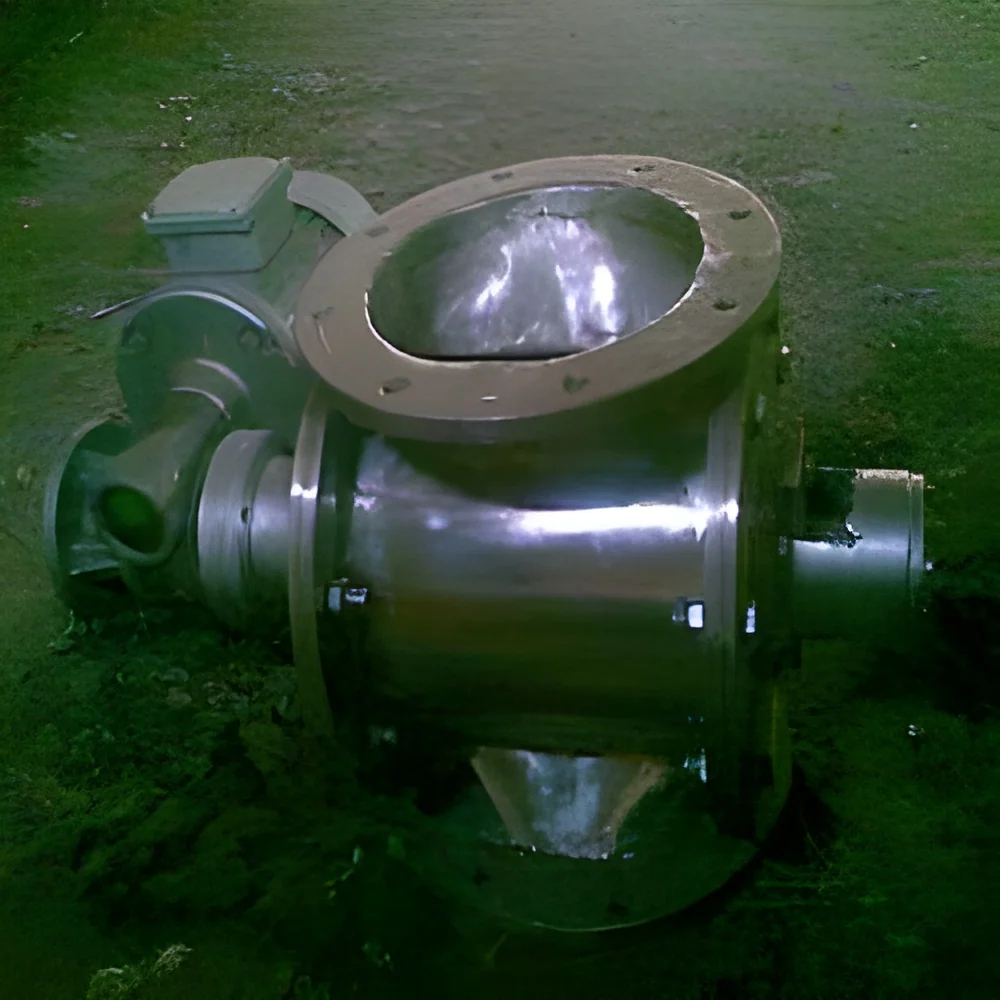
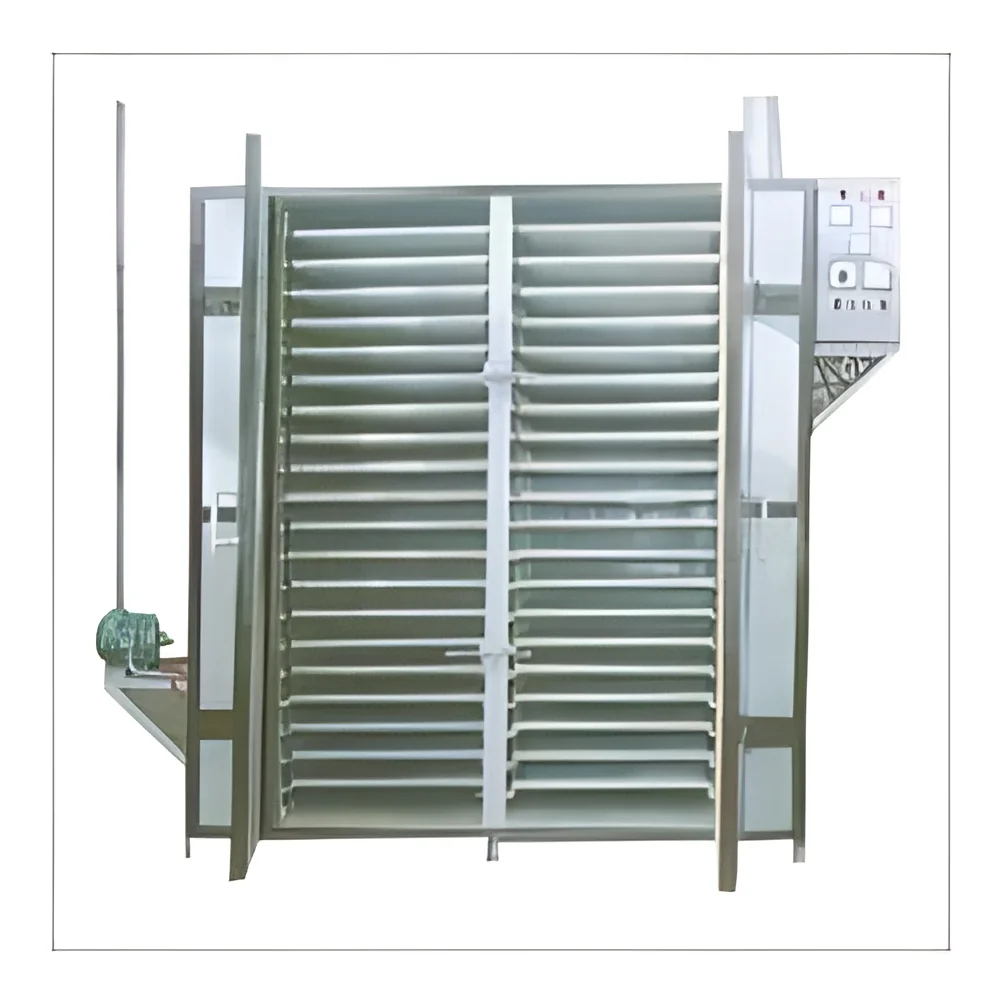
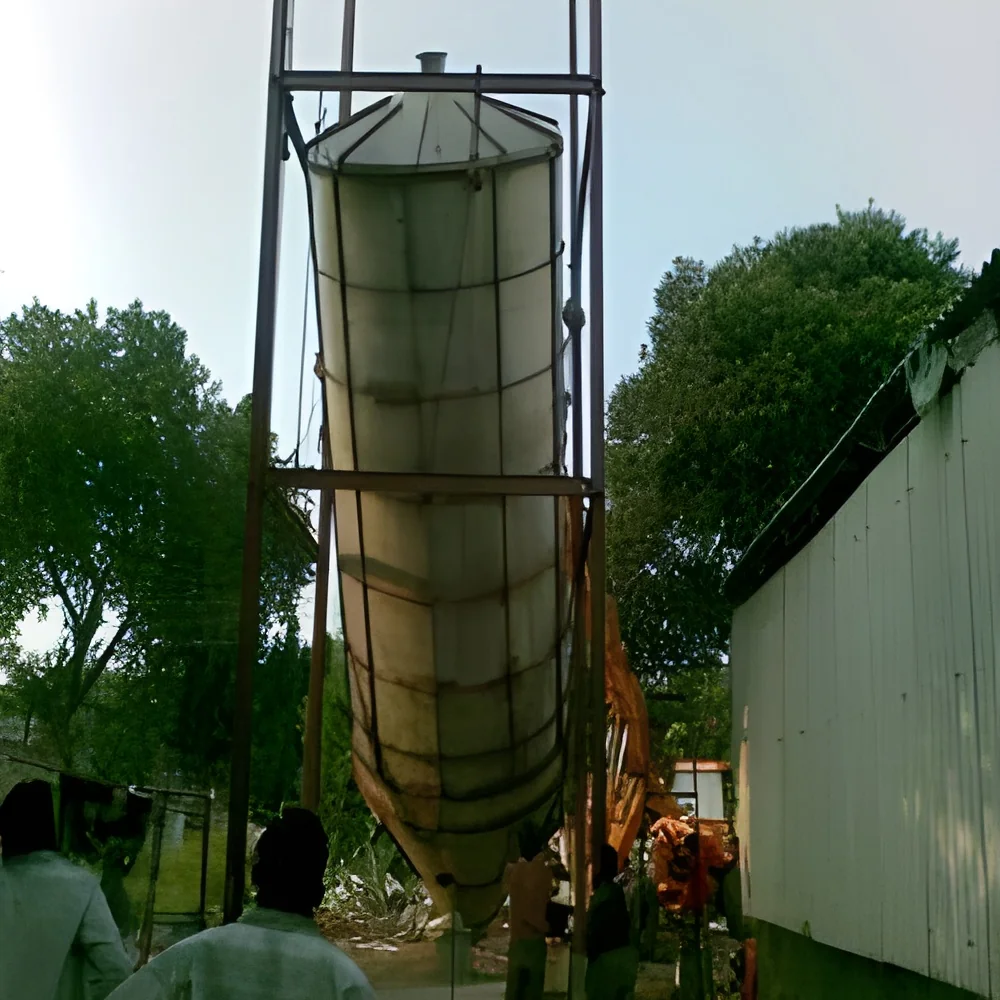
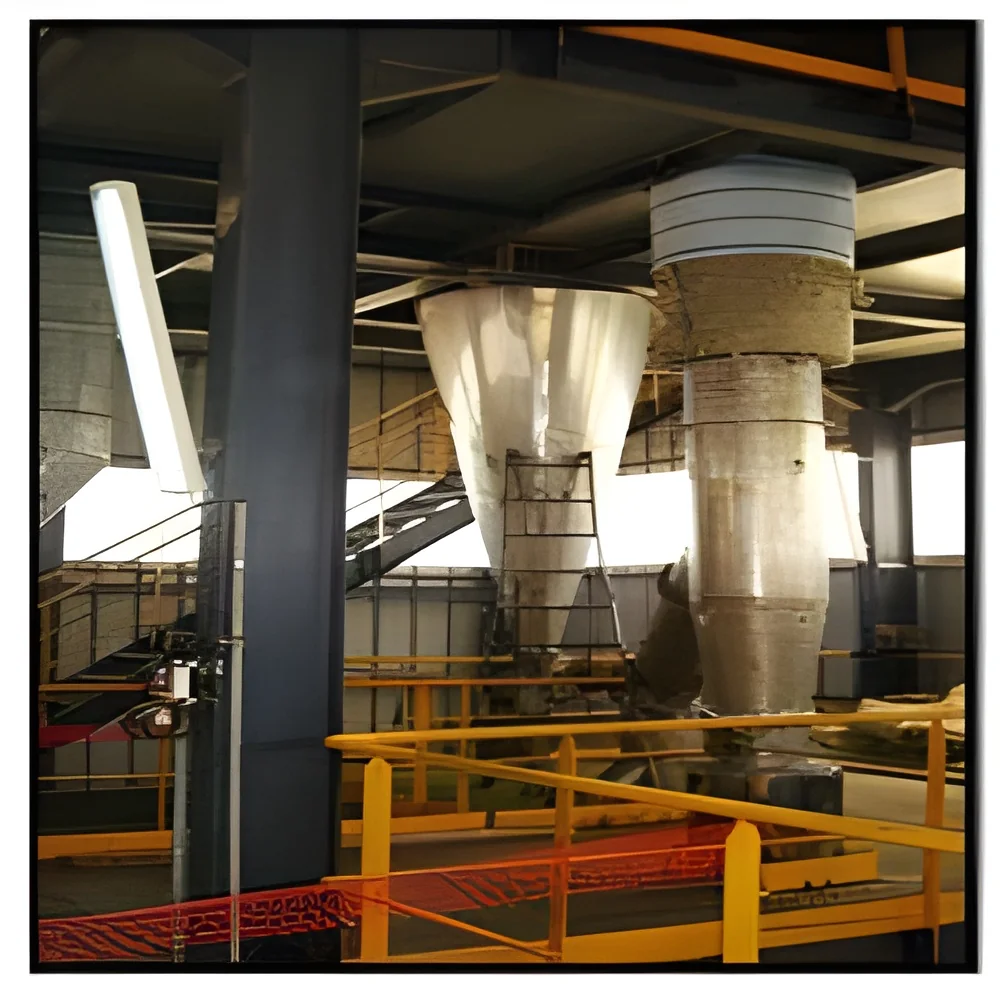
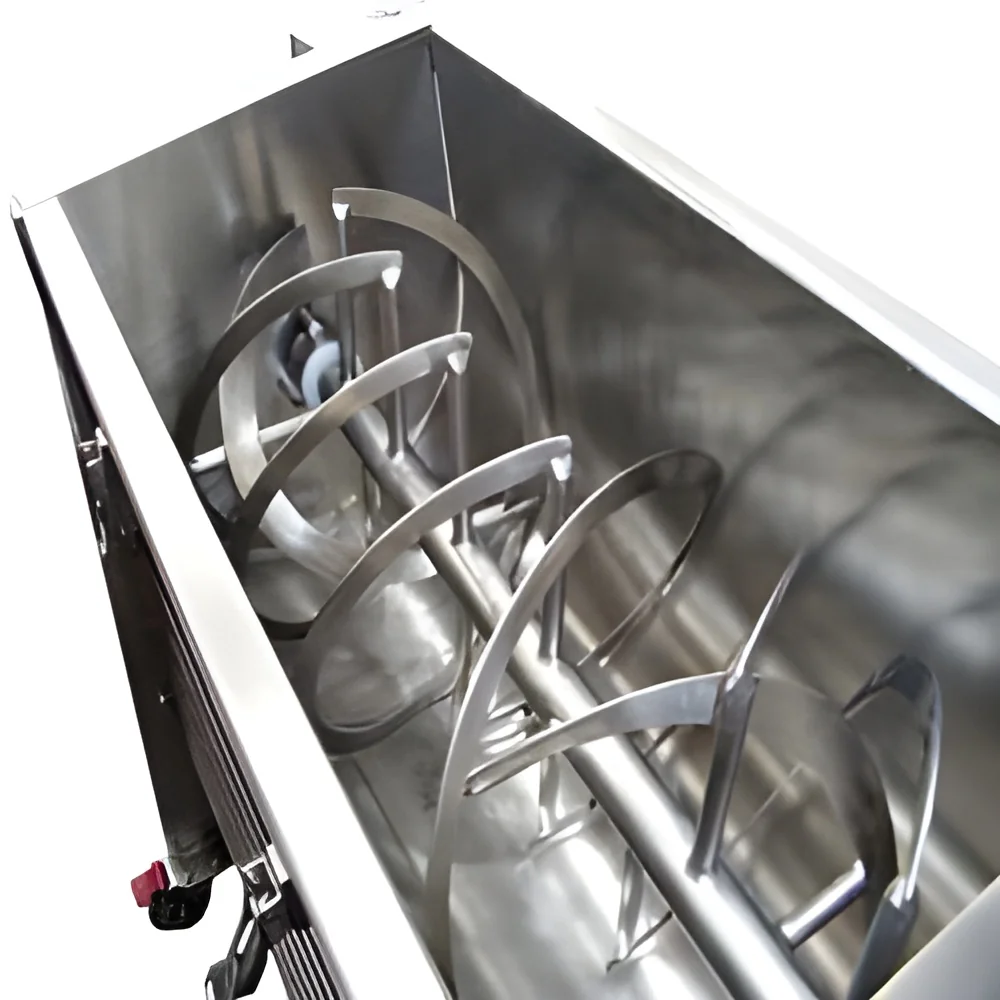
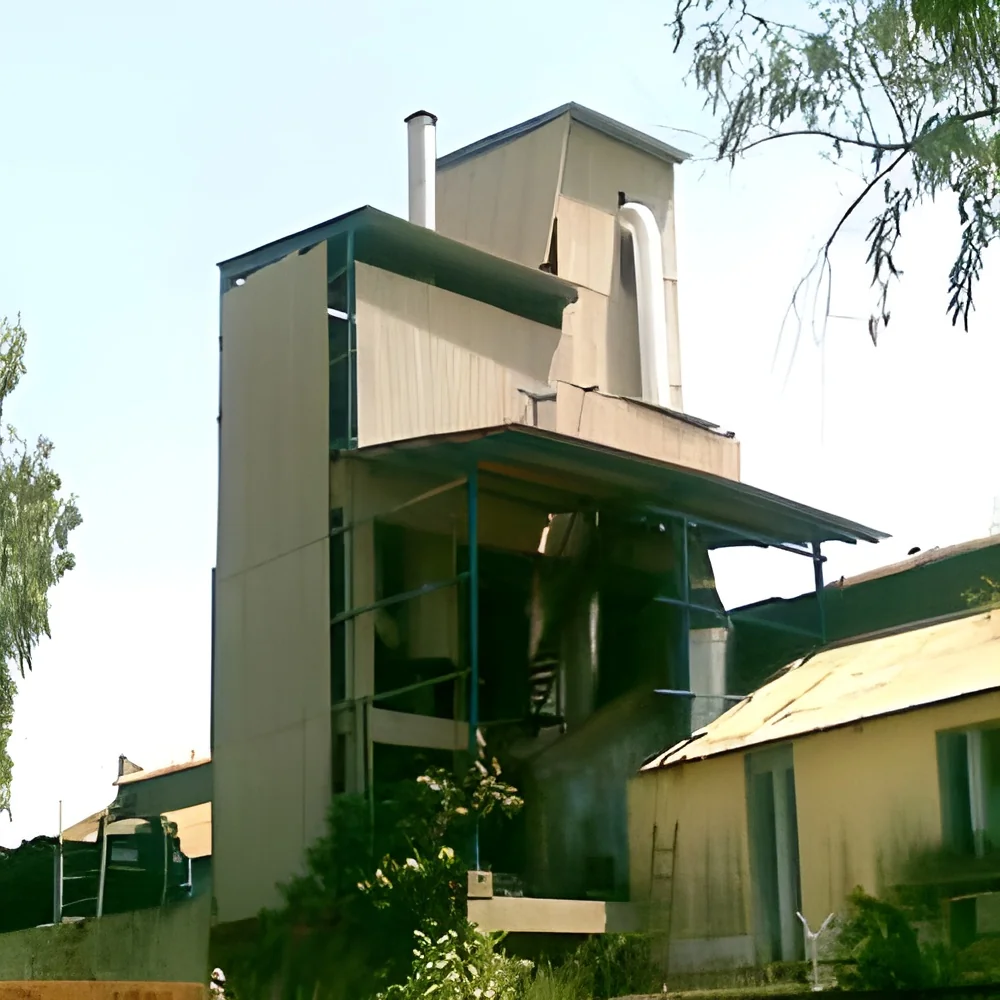
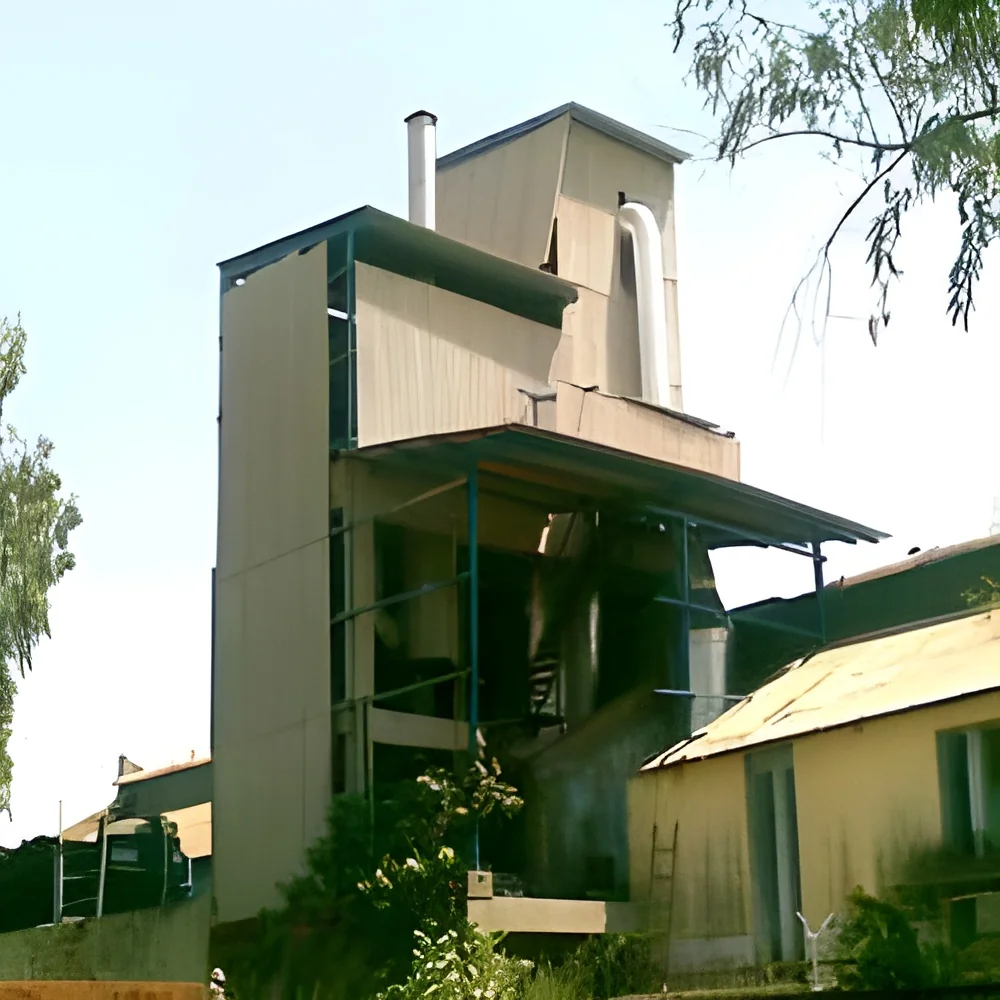
Industrial spray dryers represent advanced drying technology designed for businesses requiring efficient liquid removal and high-volume powder production. These electronic systems utilize sophisticated atomization technology to transform liquid substances into dry powders through rapid evaporation processes. The operation begins with liquid feed being sprayed into a heated drying chamber where moisture instantly evaporates, leaving behind fine, consistent particles. This method ensures product integrity while achieving exact moisture specifications across various materials, from food ingredients to pharmaceutical compounds. The closed-system design prevents external contamination and maintains product purity throughout the entire drying operation, making these systems ideal for sensitive applications where quality control is paramount.

These drying systems serve essential functions across multiple industries where powder consistency and product stability are critical requirements. In ...
Industrial spray dryers represent advanced drying technology designed for businesses requiring efficient liquid removal and high-volume powder production. These electronic systems utilize sophisticated atomization technology to transform liquid substances into dry powders through rapid evaporation processes. The operation begins with liquid feed being sprayed into a heated drying chamber where moisture instantly evaporates, leaving behind fine, consistent particles. This method ensures product integrity while achieving exact moisture specifications across various materials, from food ingredients to pharmaceutical compounds. The closed-system design prevents external contamination and maintains product purity throughout the entire drying operation, making these systems ideal for sensitive applications where quality control is paramount.

These drying systems serve essential functions across multiple industries where powder consistency and product stability are critical requirements. In the food manufacturing sector, they produce milk powder, instant coffee products, and flavor encapsulates with extended shelf life and improved solubility. Pharmaceutical companies depend on them for creating uniform drug formulations, antibiotics, and excipients with precise bioavailability characteristics. Chemical manufacturers utilize spray drying technology for producing detergent powders, catalyst supports, and specialty polymers with consistent particle distribution. The technology also benefits biotechnology firms processing sensitive biological materials and industrial operations treating manufacturing byproducts, with each industry benefiting from the system's capability to handle heat-sensitive materials without compromising final product quality.

The operational value of industrial spray dryers lies in their proven reliability, consistent performance, and production efficiency. These systems significantly reduce processing time compared to traditional drying methods, leading to higher production throughput and lower energy consumption per unit produced. Their durable construction ensures continuous operation in demanding industrial environments while minimizing maintenance requirements and operational downtime. The equipment's design focuses on delivering consistent performance that provides clear advantages for manufacturers scaling their operations while maintaining strict quality standards and product consistency. This reliability translates into predictable production schedules and consistent output quality that businesses can depend on for their manufacturing processes.

Key Features:
- Electronic control system for precise temperature and airflow management
- Customizable configurations for different product specifications
- Rapid drying technology reduces processing time significantly
- Closed-system operation prevents contamination during processing
- Robust construction designed for continuous industrial operation

Benefits:
- Consistent product quality with uniform particle size distribution
- Higher production throughput with reduced processing time
- Energy-efficient operation lowers overall production costs
- Minimal maintenance requirements for continuous operation
- Scalable performance adapts to varying production volumes
Specifications
| Additional Information | |
|---|---|
| Country of Origin | India |
Application
Industrial spray dryers transform liquid solutions into dry powders through rapid evaporation technology. This process preserves product integrity while improving shelf life and handling characteristics. The system maintains precise control over particle size and moisture content, ensuring uniform results across production batches. Manufacturers benefit from scalable operations that adapt to varying production volumes without compromising quality or consistency in output.
These drying systems handle heat-sensitive materials effectively without causing degradation. The technology separates solids from solvents efficiently, reducing overall processing time compared to conventional drying methods. This efficiency translates to higher throughput and improved product stability for manufacturing operations across multiple sectors. The closed-system design prevents contamination while maintaining optimal drying conditions for diverse material types.
- Food production: Creating milk powder, instant coffee, tea extracts, and flavor concentrates
- Pharmaceutical manufacturing: Drying antibiotics, vitamins, enzymes, and drug formulations
- Chemical processing: Producing detergent powders, ceramic materials, and polymer resins
- Biotechnology: Processing yeast extracts, bacterial cultures, and plant-based extracts
- Industrial operations: Treating wastewater sludge and recovering valuable manufacturing byproducts
Trade Details
| Available Stock | In Stock |
| Sample Availability | No |
Payment Terms
| Payment Terms |
|
Company Profile

APT Services, Gujarat
 Gujarat, India
Gujarat, IndiaIndustrial Equipment & Machinery•Manufacturer•Distributor / Wholesaler•Importer / Exporter
Factory Details
Factory SizeBelow 1000 sqm
Annual Production Capacity0
Industrial Spray Dryers For Efficient Liquid Removal And High Volume Production
Industrial spray dryers efficiently remove liquid from substances through electronic operation for precise drying in food, pharmaceutical, and chemical industries. These reliable systems handle high-volume production with consistent results.
Min. Order Quantity: 1 unit
Shipping
Shipping fee and delivery date to be negotiated. Contact supplier now for more details.
APT Services
 Gujarat, India
Gujarat, IndiaIndustrial Equipment & MachineryManufacturer