IN
IN₹
Apparel & Fashion
Loading subcategories...
View More
Description
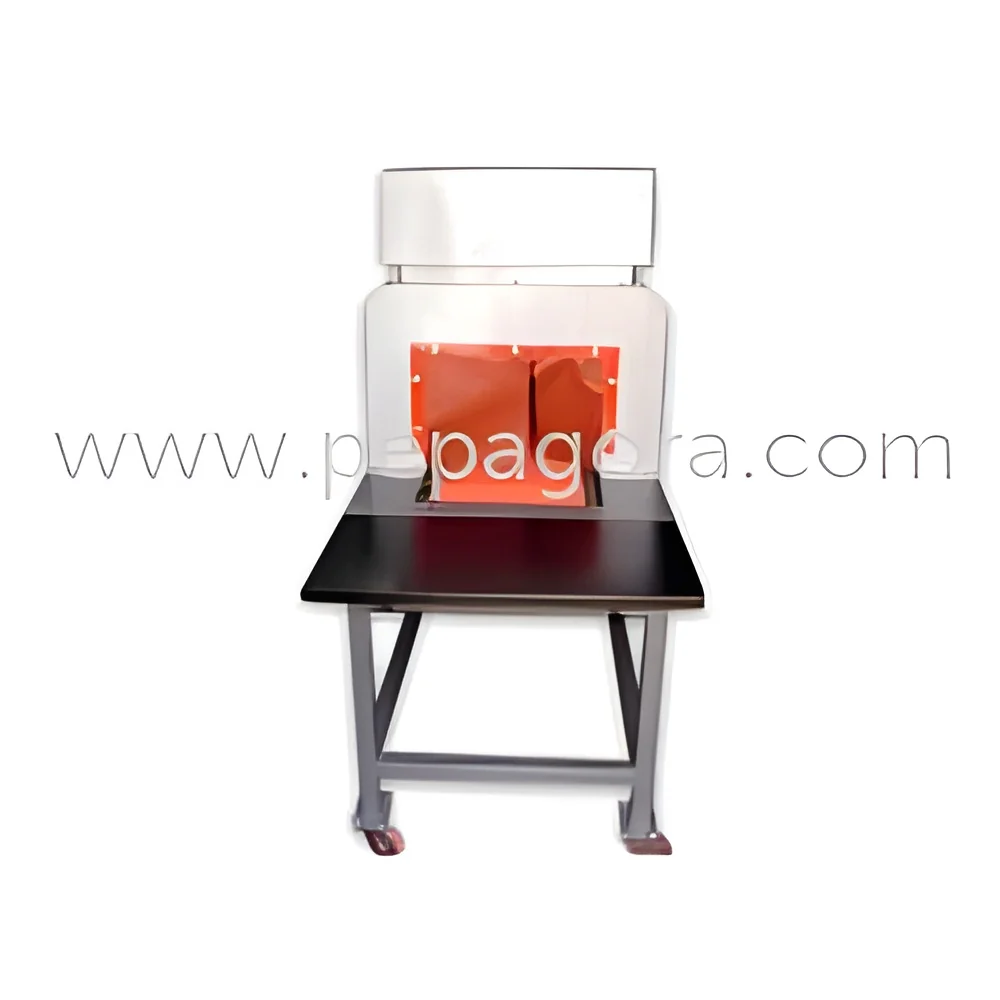
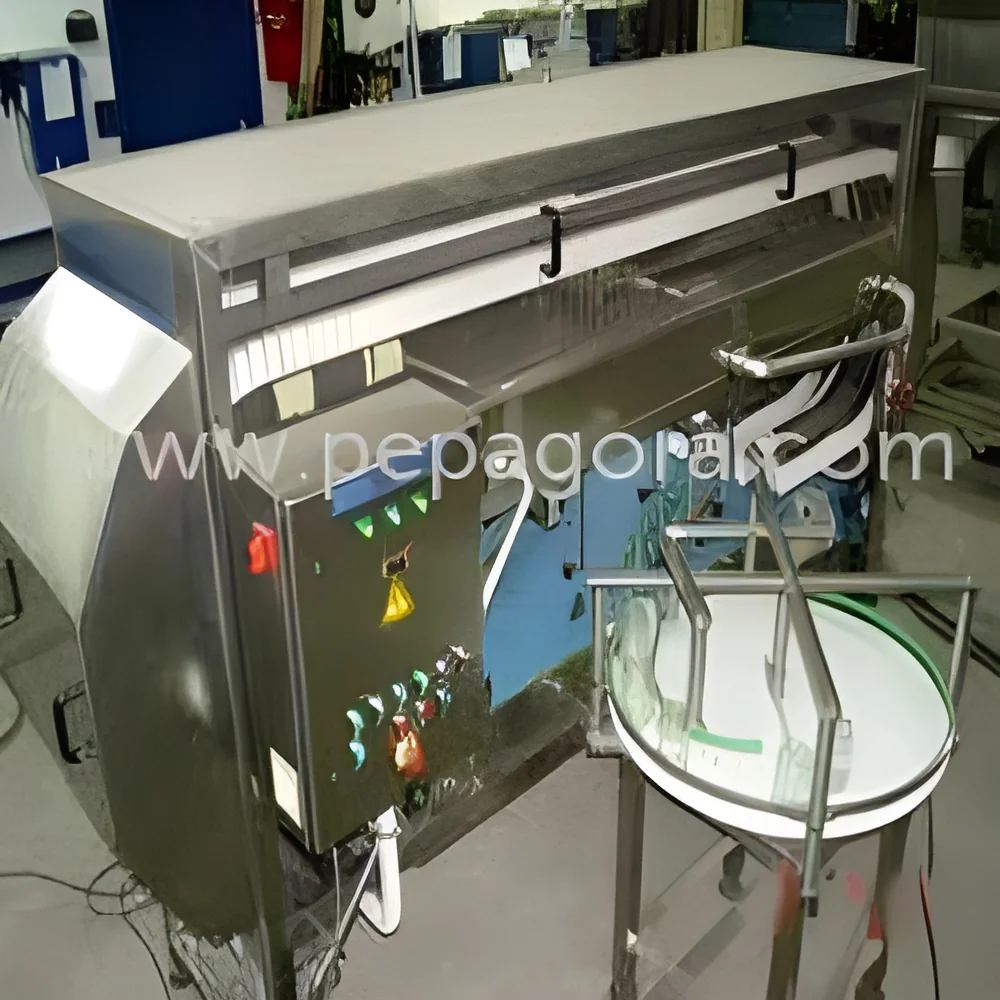
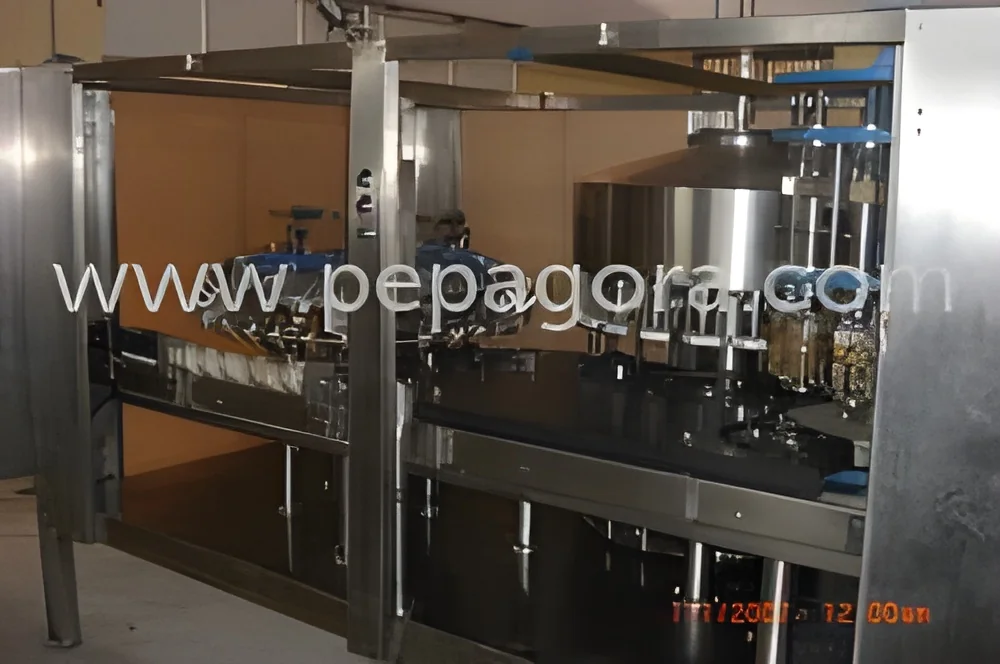
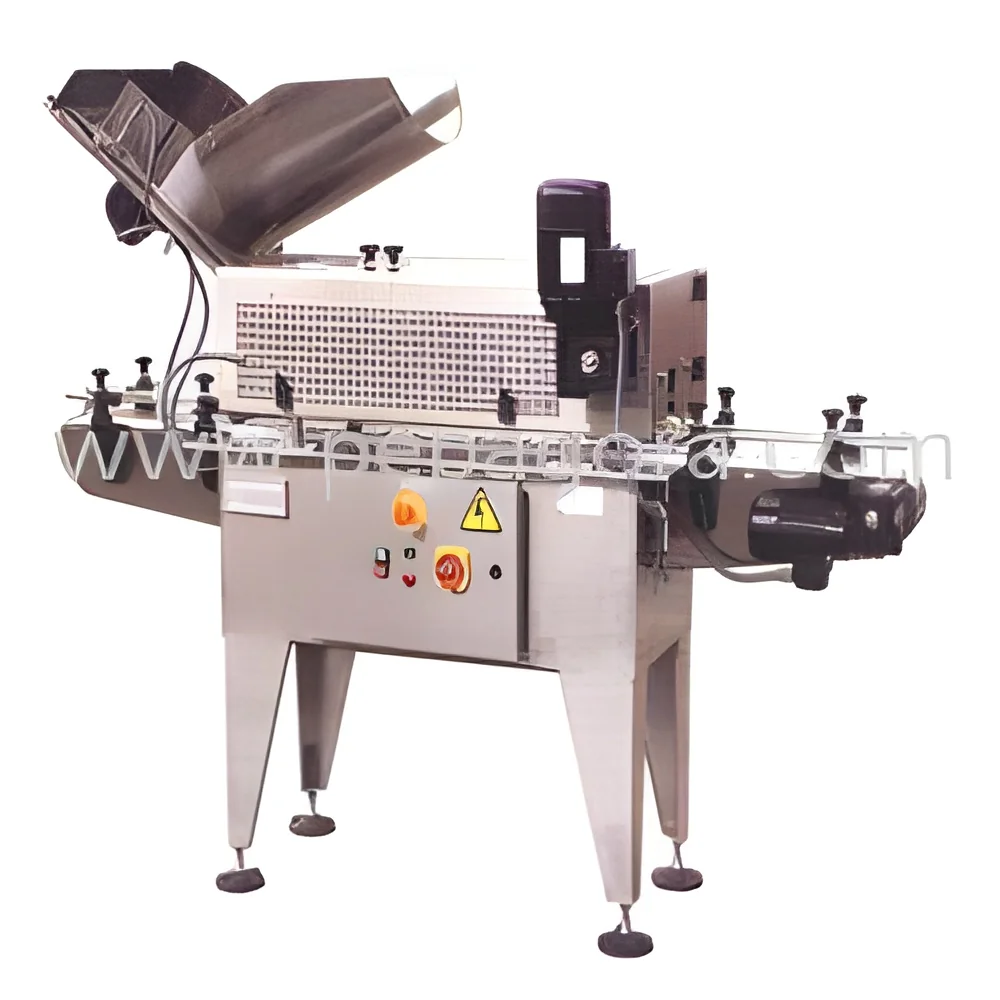
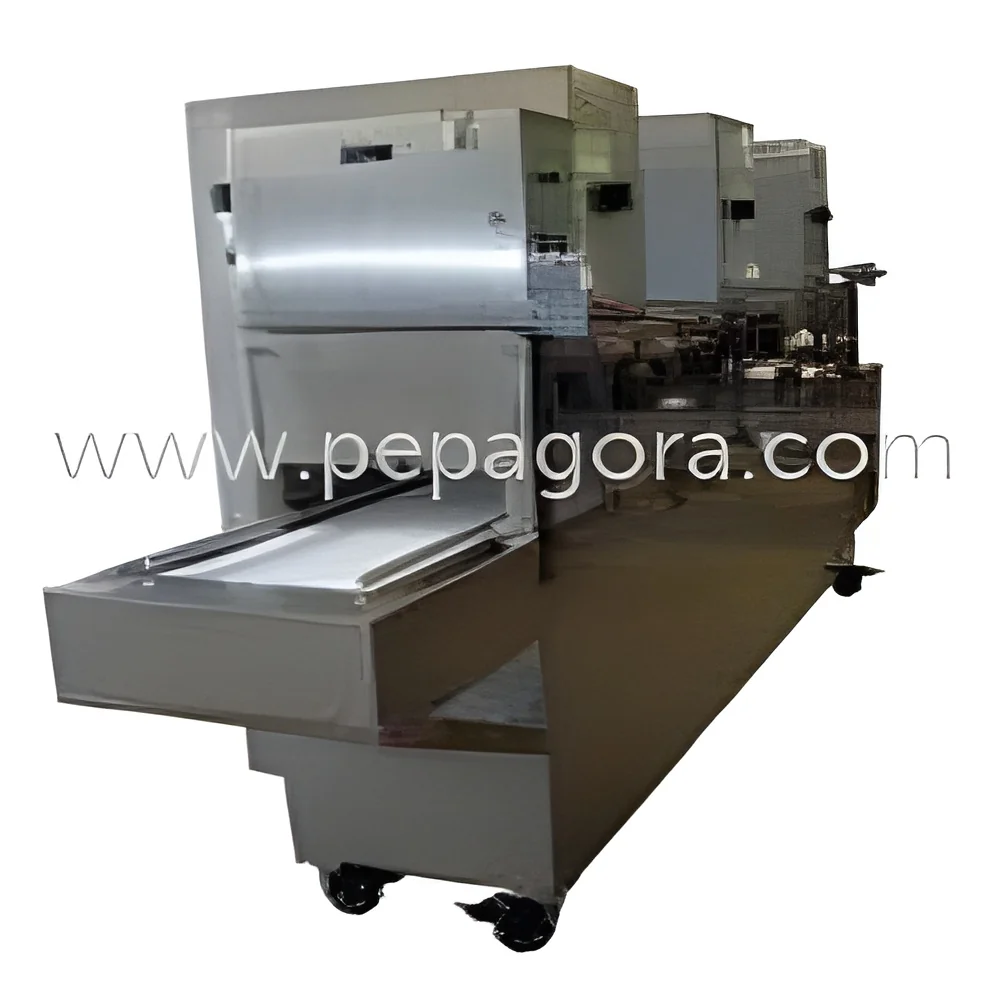
Industrial cooling tunnels represent advanced thermal management solutions for modern manufacturing operations. Engineered with precision and robust construction, these systems provide controlled cooling for products moving through continuous production lines. The tunnels incorporate sophisticated airflow systems, accurate temperature control mechanisms, and modular designs that accommodate various product types and production volumes. Constructed with food-grade stainless steel and industrial-grade components, they ensure hygiene, durability, and long-term reliability in demanding environments. Electrically powered operation delivers consistent performance while maintaining energy efficiency throughout extended production runs, making them ideal for high-volume manufacturing requirements.

These cooling tunnels serve essential functions across multiple industries where temperature control directly impacts product quality and safety standards. In food processing, they rapidly cool bake...
Industrial cooling tunnels represent advanced thermal management solutions for modern manufacturing operations. Engineered with precision and robust construction, these systems provide controlled cooling for products moving through continuous production lines. The tunnels incorporate sophisticated airflow systems, accurate temperature control mechanisms, and modular designs that accommodate various product types and production volumes. Constructed with food-grade stainless steel and industrial-grade components, they ensure hygiene, durability, and long-term reliability in demanding environments. Electrically powered operation delivers consistent performance while maintaining energy efficiency throughout extended production runs, making them ideal for high-volume manufacturing requirements.

These cooling tunnels serve essential functions across multiple industries where temperature control directly impacts product quality and safety standards. In food processing, they rapidly cool baked goods, confectionery items, and prepared foods to safe storage temperatures while preserving texture and freshness. Pharmaceutical manufacturers utilize them for cooling tablets and capsules after coating processes, ensuring product stability and maintaining efficacy. Chemical and plastic industries employ these systems for cooling extruded products and molded components to precise specifications. The equipment also finds applications in electronics manufacturing for thermal management of sensitive components during production. Each industry benefits from features specifically designed to address regulatory requirements and operational challenges unique to their manufacturing processes.

The business value of industrial cooling tunnels extends beyond immediate operational benefits to deliver long-term competitive advantages. Manufacturers achieve higher production throughput with consistent product quality, significantly reducing waste and maximizing overall yield. The proven reliability of these systems minimizes downtime and maintenance costs, ensuring continuous operation during critical production schedules. Customization capabilities allow businesses to adapt the equipment to their specific processes rather than modifying processes to fit equipment limitations. Energy-efficient designs contribute to lower operational costs and support environmental compliance initiatives. These tunnels represent a strategic investment that enhances overall manufacturing capability while providing measurable return on investment through improved efficiency, product quality, and production flexibility.

Key Features:
- Precision temperature control with multiple adjustable cooling zones
- Food-grade stainless steel construction ensuring hygiene compliance
- Modular design allowing flexible length and configuration options
- Energy-efficient electrically powered operation systems
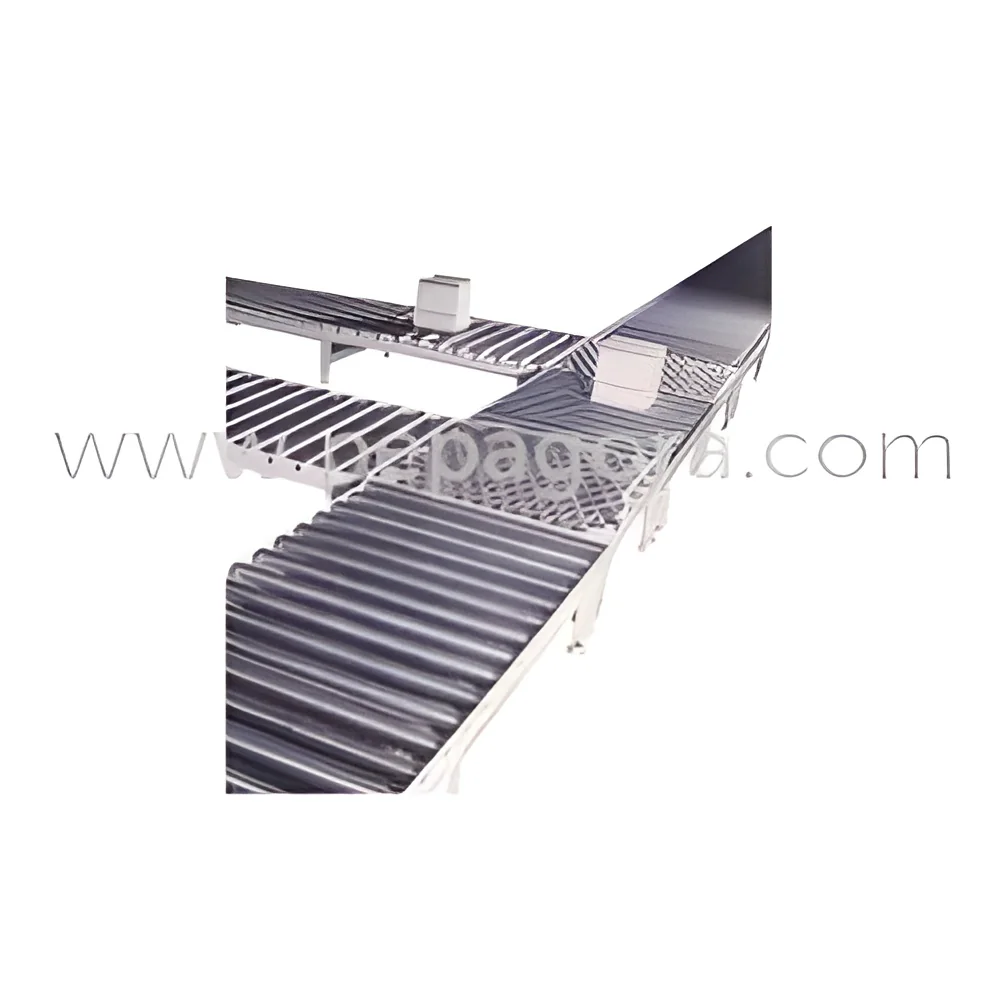
- Integrated conveyor compatibility with existing production lines

Benefits:
- Consistent product quality through precise temperature management
- Enhanced operational efficiency with reduced energy consumption
- Minimal maintenance requirements for continuous production
- Adaptable to various product types and production volumes
- Improved manufacturing yield with reduced product waste
Specifications
| Additional Information | |
|---|---|
| Country of Origin | India |
| Customisable | No |
Application
Our industrial cooling tunnels deliver rapid, uniform cooling for products moving through conveyorized production systems. They maintain precise temperature profiles to ensure product integrity and quality control across continuous manufacturing processes. These systems feature adjustable cooling rates and zoning capabilities to handle diverse product types and throughput requirements efficiently.
Multiple industries depend on our cooling tunnels for critical temperature management applications. The equipment integrates seamlessly with existing production lines and supports various cooling methods to meet specific operational needs. Designed for demanding industrial environments, these tunnels provide reliable performance while accommodating space constraints and production variations across different manufacturing settings.
- Cooling baked goods and confectionery products after baking processes
- Setting chocolate coatings and enrobing materials in candy production
- Rapid cooling of pharmaceutical tablets after coating applications
- Temperature reduction in plastic extrusion and molding operations
- Cooling electronic components after heat treatment stages
Trade Details
| Available Stock | In Stock |
| Sample Availability | No |
Payment Terms
| Payment Terms |
|
Company Profile
Pack Tech Systems & Equipments, Tamil Nadu
 Tamil Nadu, India
Tamil Nadu, IndiaIndustrial Equipment & Machinery•Manufacturer•Distributor / Wholesaler
Factory Details
Factory SizeBelow 1000 sqm
Annual Production Capacity0
Industrial Cooling Tunnels For Food Pharmaceutical Chemical Processing
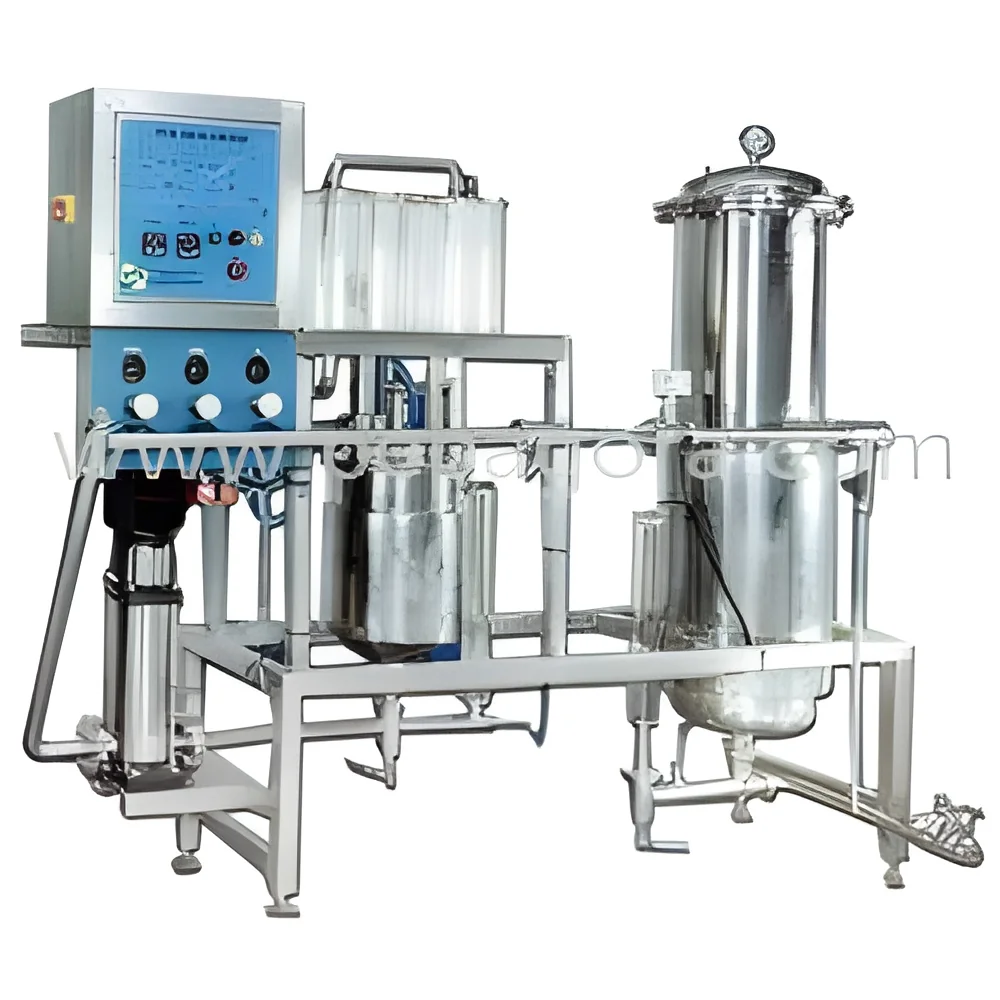
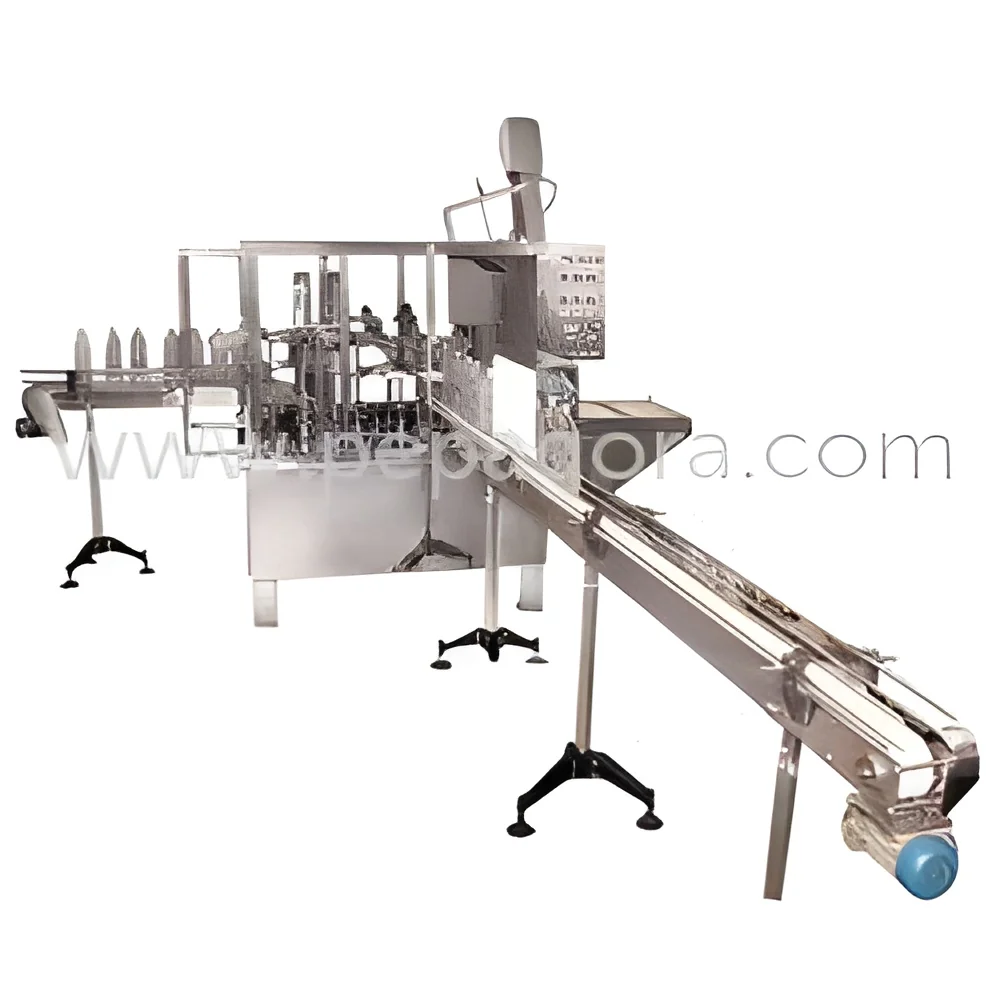
Industrial cooling tunnels provide precise temperature control for food, pharmaceutical, and chemical processing. These reliable, energy-efficient systems ensure consistent cooling for high-volume production lines with customizable configurations.
Min. Order Quantity: 1 unit
Shipping
Shipping fee and delivery date to be negotiated. Contact supplier now for more details.
Pack Tech Systems & Equipments
 Tamil Nadu, India
Tamil Nadu, IndiaIndustrial Equipment & MachineryManufacturer