IN
IN₹
Apparel & Fashion
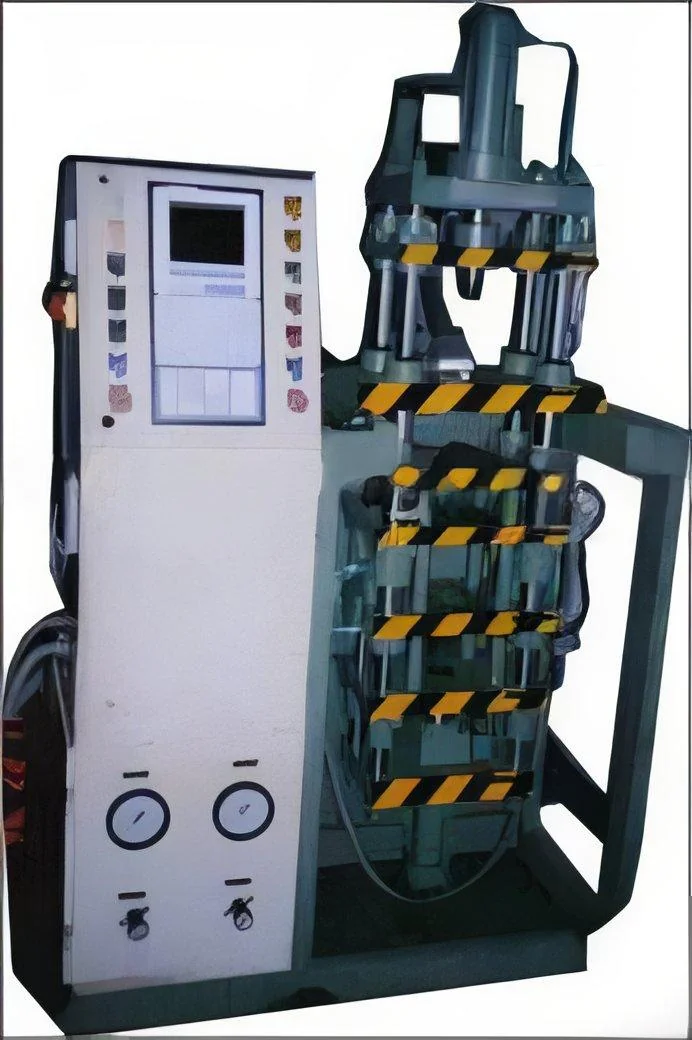
Description
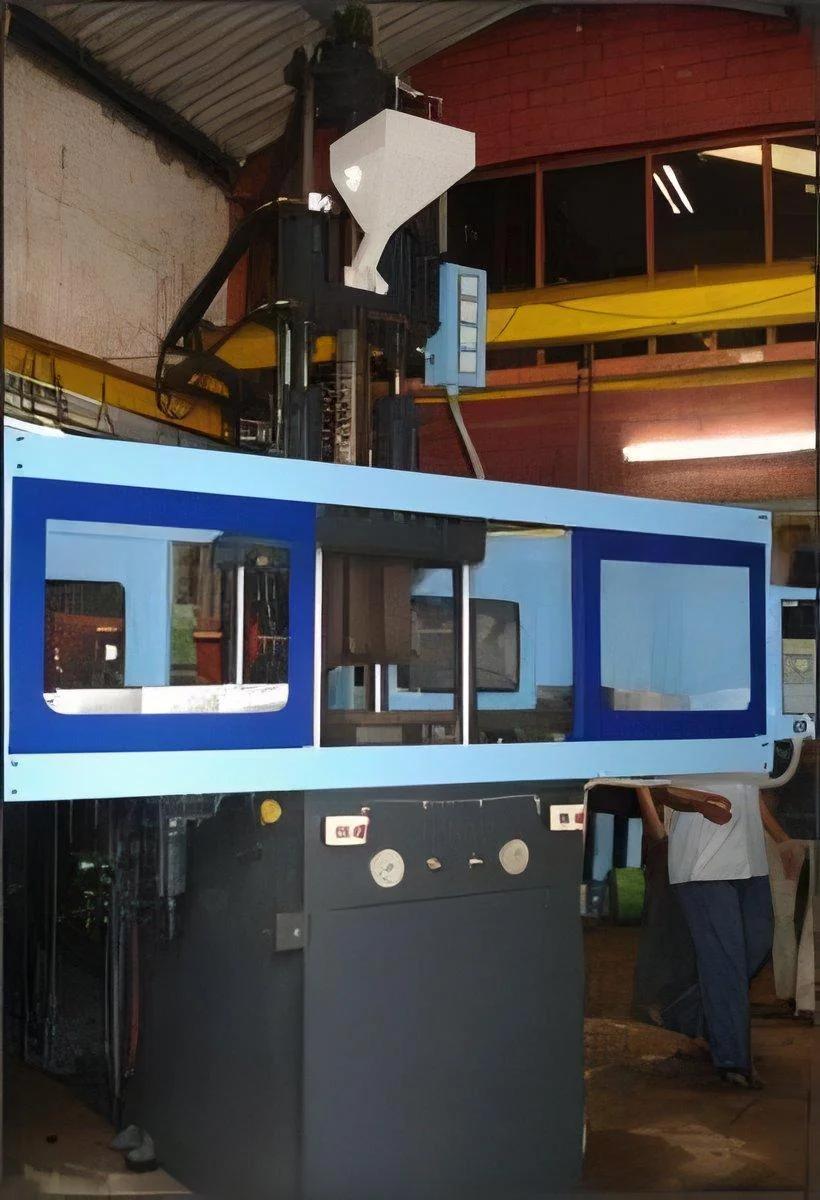
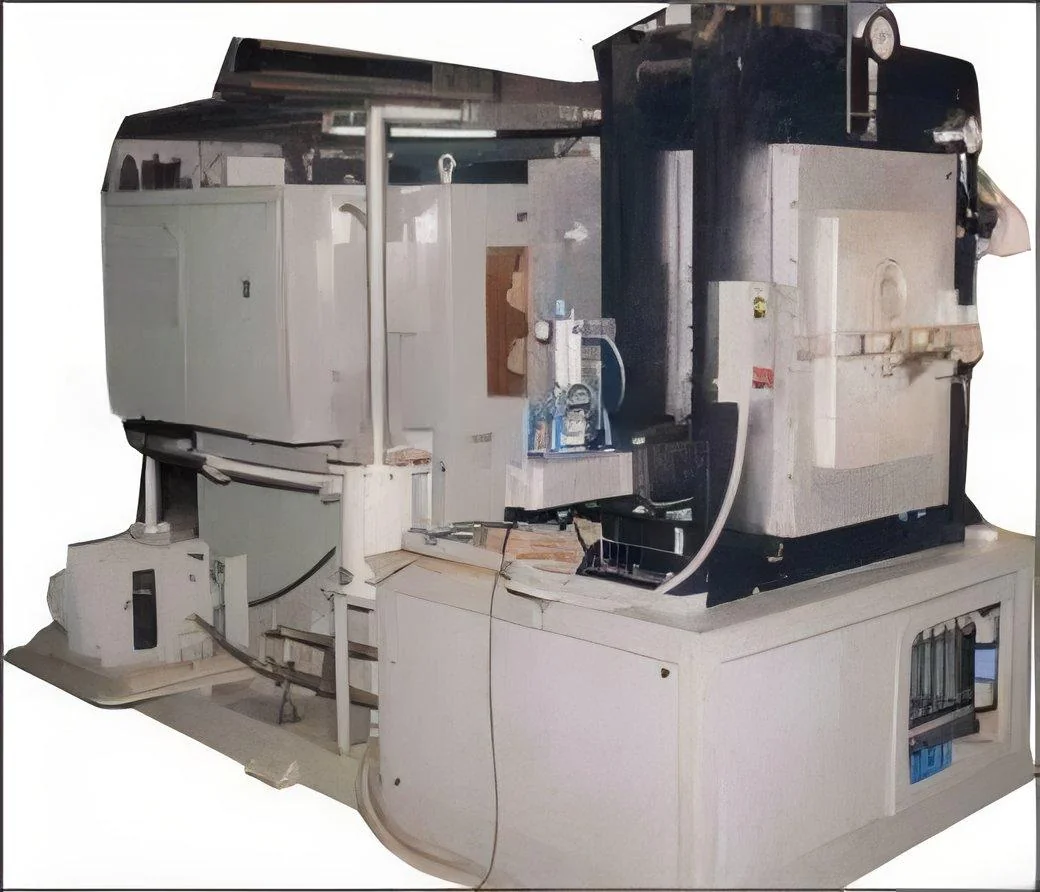
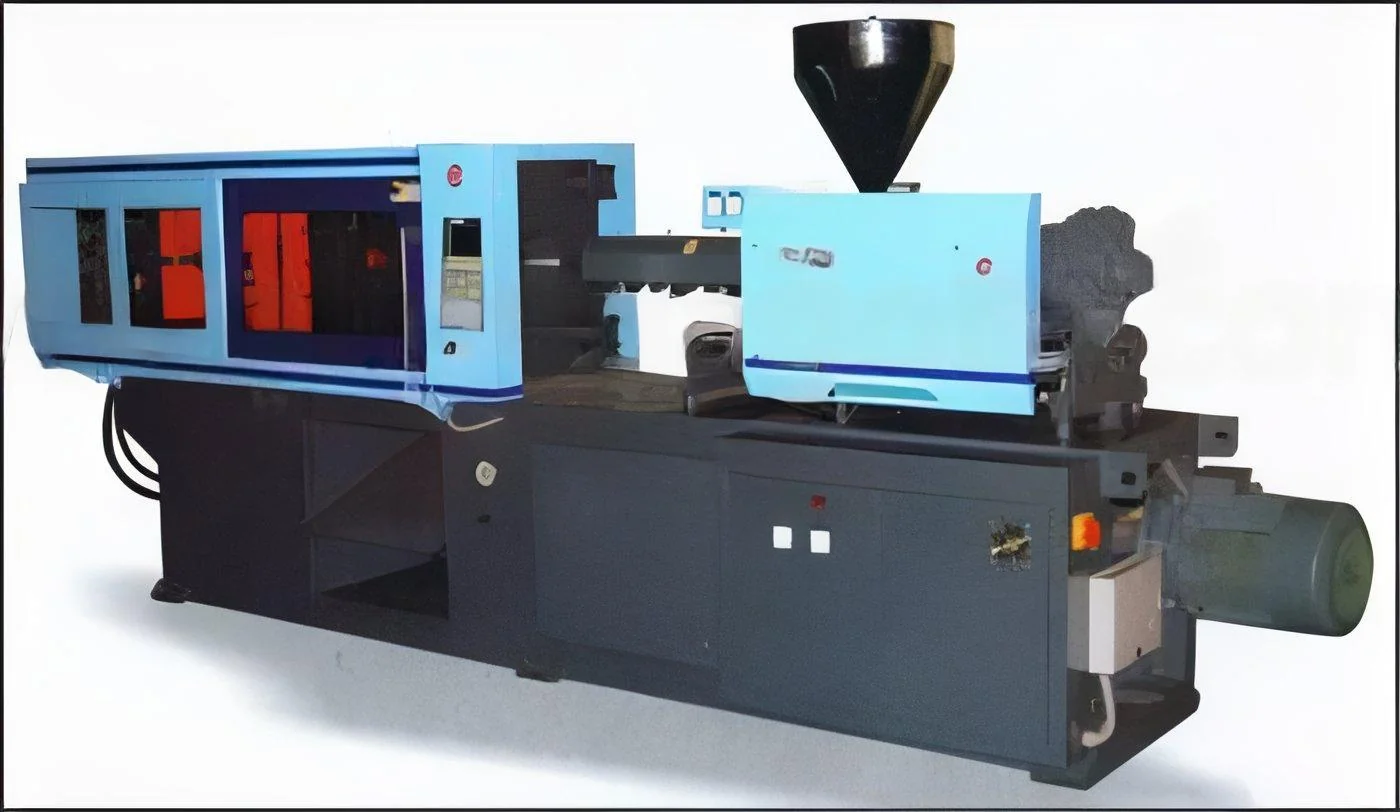
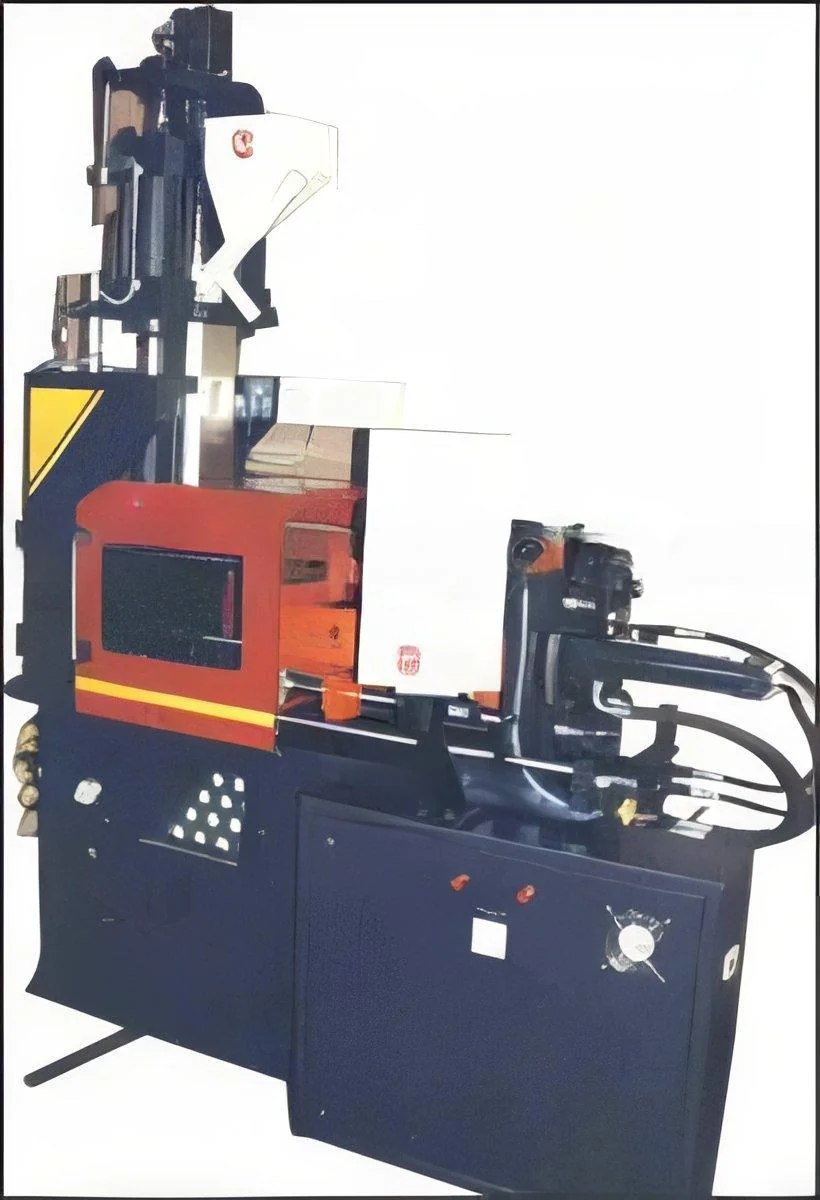
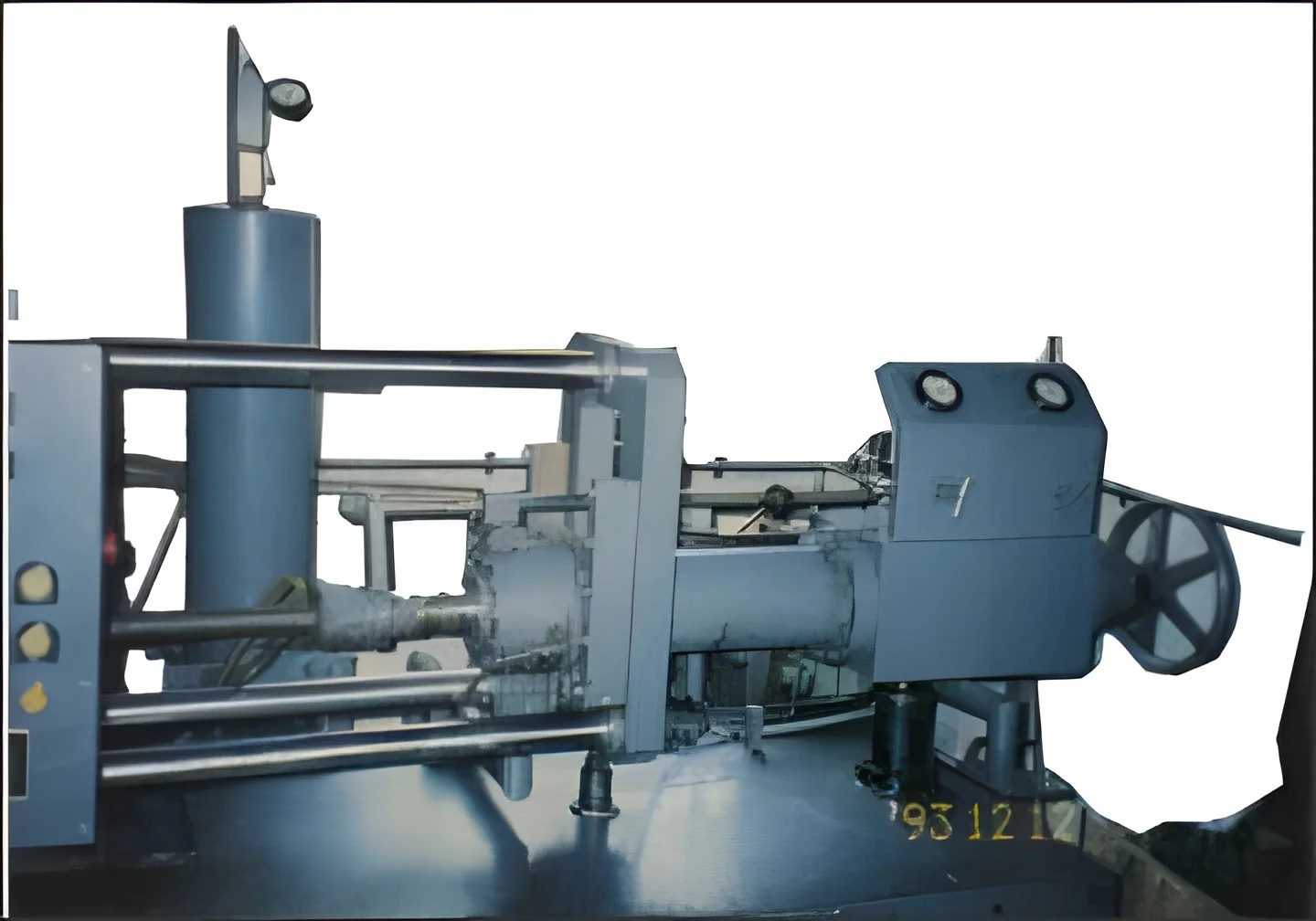
Our biomass briquetting cold compacting presses are engineered to transform various organic waste materials into high-density, eco-friendly fuel briquettes. Utilizing high mechanical pressure without thermal treatment or binding agents, these robust machines compact agricultural residues, sawdust, and other biomass materials into uniform, market-ready products. The cold process technology preserves the natural properties of raw materials while creating consistent briquettes with excellent combustion characteristics. Built for durability and operational efficiency, these presses offer a sustainable solution for waste valorization and renewable energy production with minimal environmental impact and maximum material utilization.

These presses serve critical functions across multiple industries where organic waste management and value creation intersect. Agricultural operations utilize them to convert crop residues like rice husk, wheat straw, sugarcane bagasse, and corn stalks into valu...
Our biomass briquetting cold compacting presses are engineered to transform various organic waste materials into high-density, eco-friendly fuel briquettes. Utilizing high mechanical pressure without thermal treatment or binding agents, these robust machines compact agricultural residues, sawdust, and other biomass materials into uniform, market-ready products. The cold process technology preserves the natural properties of raw materials while creating consistent briquettes with excellent combustion characteristics. Built for durability and operational efficiency, these presses offer a sustainable solution for waste valorization and renewable energy production with minimal environmental impact and maximum material utilization.

These presses serve critical functions across multiple industries where organic waste management and value creation intersect. Agricultural operations utilize them to convert crop residues like rice husk, wheat straw, sugarcane bagasse, and corn stalks into valuable fuel briquettes for on-farm use or commercial sale. Wood processing industries transform sawdust, wood chips, and shavings from lumber mills and furniture manufacturing into compact energy sources. Animal feed manufacturers benefit from compacting feed materials to reduce volume, improve storage stability, and prevent spoilage during transportation. Renewable energy facilities use these briquettes as sustainable fuel alternatives, while various industrial operations implement them for recycling by-products into usable forms, supporting circular economy initiatives.

The business value of our cold compacting presses extends well beyond the initial investment through reliable performance, low maintenance requirements, and favorable return on investment. These machines are constructed with heavy-duty components and corrosion-resistant materials to ensure long-term operation in demanding industrial environments. The absence of heating elements reduces energy costs significantly while minimizing maintenance needs and operational complexity. This reliability, combined with the ability to transform low-value waste materials into profitable products, makes these presses a strategic investment for operations committed to sustainability, efficiency, and creating new revenue streams from existing waste resources.

Key Features:
- High-pressure hydraulic or mechanical pressing systems for efficient compaction
- Adjustable density controls ensuring consistent briquette quality and performance
- Heavy-duty construction with corrosion-resistant materials for extended durability
- Low energy consumption operation without heating elements or binding agents
- Customizable die configurations for various briquette shapes and sizes

Benefits:
- Transforms low-value agricultural and wood waste into marketable fuel products
- Reduces storage and transportation costs through significant volume reduction
- Eliminates need for chemical binders, producing clean, natural briquettes
- Low operational costs with minimal energy consumption and maintenance requirements
- Creates sustainable revenue streams while supporting environmental initiatives
Specifications
| Additional Information | |
|---|---|
| Country of Origin | India |
Application
Our cold compacting presses efficiently convert loose biomass materials like agricultural residues and sawdust into solid, high-density briquettes through mechanical pressure alone. This cold process eliminates the need for thermal treatment or chemical binders, preserving the natural properties of the raw materials while significantly reducing energy consumption and operational costs. The result is a clean, consistent briquette suitable for various industrial and commercial applications.
These machines are engineered for businesses seeking to add value to low-cost organic waste streams. By compacting bulky materials, they dramatically reduce storage space requirements and lower transportation expenses. The process creates market-ready products from what was previously considered waste, supporting sustainable operations and environmental compliance across multiple sectors while generating new revenue opportunities.
- Producing alternative solid fuel briquettes from agricultural waste for industrial boilers
- Converting sawdust and wood shavings from lumber mills into compact energy sources
- Processing crop residues like rice husk, straw, and bagasse into marketable fuel
- Creating uniform charcoal briquettes for commercial cooking and heating applications
- Compacting animal feed materials to improve storage stability and reduce spoilage
Trade Details
| Available Stock | In Stock |
| Sample Availability | No |
Payment Terms
| Payment Terms |
|
Company Profile
Pratishna Engineers, Maharashtra
 Maharashtra, India
Maharashtra, IndiaIndustrial Equipment & Machinery•Manufacturer
Factory Details
Factory SizeBelow 1000 sqm
Annual Production Capacity0
Biomass Briquetting Cold Compacting Presses For Eco Friendly Fuel
Biomass Briquetting Cold Compacting Presses transform agricultural waste and sawdust into high-density eco-friendly fuel briquettes without binding agents. Reliable machinery for sustainable biomass fuel production.
Min. Order Quantity: 1 unit
Shipping
Shipping fee and delivery date to be negotiated. Contact supplier now for more details.
Pratishna Engineers
 Maharashtra, India
Maharashtra, IndiaIndustrial Equipment & MachineryManufacturer