
 IN
Dairy Processing Machines
15 products available
What are Dairy Processing Machines?
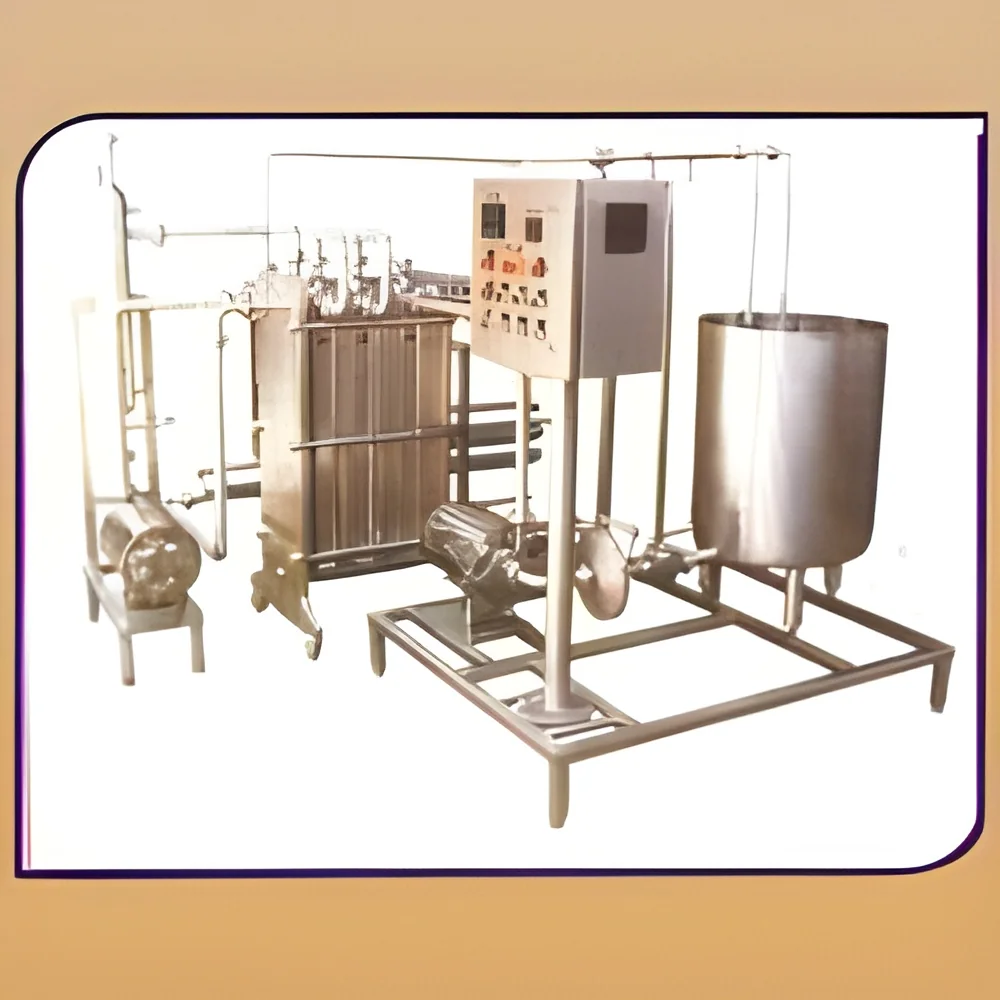
Dairy Processing Machines are specialized equipment designed to facilitate the production and processing of dairy products. These machines are essential for operations such as milk pasteurization, cheese production, yogurt manufacturing, and butter making. By automating and streamlining various dairy processes, these machines ensure efficiency, consistency, and quality in the final products.
These machines find primary use in dairy processing plants and factories, where large quantities of milk are transformed into various dairy products. They are integral to operations that require precise temperature control, mixing, and separation of components. The ability to handle diverse processes makes them suitable for both small-scale and large-scale dairy operations, meeting the demands of varying market segments.
The dairy industry is significant in many economies, and the demand for Dairy Processing Machines is driven by the need for quality assurance and efficiency in production. As health consciousness rises among consumers, the focus on high-quality dairy products has intensified, boosting the market for advanced processing technologies. With this context, the relevance of Dairy Processing Machines becomes increasingly critical in maintaining competitive advantage.
Key Features and Specifications
Dairy Processing Machines are characterized by various features and specifications that enhance their functionality and reliability. These specifications can vary based on the specific type of machine and its intended use.
Key specifications include:
1. Capacity
- The volume of milk processed per hour or day
- Typically ranges from small units processing a few liters to large-scale machines handling thousands of liters
2. Power Consumption
- Energy requirements for operation
- Usually measured in kilowatts, with efficiency being a key consideration
3. Material Construction
- Commonly made from stainless steel or food-grade materials for hygiene
- Ensures durability and resistance to corrosion
4. Heating and Cooling Systems
- Mechanisms for controlling temperature during processing
- Can include direct steam injection or indirect methods
5. Automation Level
- Extent of automation in operation
- Ranges from manual controls to fully automated systems with digital interfaces
6. Cleaning Mechanism
- Features for easy cleaning and maintenance
- Often includes automated cleaning systems to ensure hygiene
7. Compliance Standards
- Adherence to industry standards such as CE certification
- Ensures safety and reliability in operation
8. Control Systems
- Advanced monitoring and control systems for process management
- May include touch screens and software integration for data logging
In summary, the specifications of Dairy Processing Machines play a crucial role in their operational efficiency and compliance with industry standards. Accurate selection based on these features is essential for optimizing production processes.
Common Applications and Use Cases
Dairy Processing Machines serve a variety of industries, reflecting their versatility and importance in dairy production.
1. Cheese Manufacturing: These machines are used for curdling milk and separating whey, essential steps in cheese production. Automated processes ensure consistent quality and texture.
2. Yogurt Production: Machines designed for yogurt processing manage fermentation and heat treatment, crucial for developing the desired flavor and consistency.
3. Ice Cream Production: Specialized machines mix ingredients and freeze them to create ice cream. They allow for precise control over the mixing and freezing processes.
4. Butter Making: Equipment for churning cream into butter is vital in dairy plants, enabling efficient production while maintaining quality.
5. Milk Pasteurization: Machines that pasteurize milk eliminate harmful bacteria, ensuring safety and extending shelf life. They play a critical role in dairy processing.
6. Powdered Milk Production: These machines evaporate and spray-dry milk to produce milk powder, widely used in various food products.
7. Whey Processing: Equipment designed to handle whey byproducts allows producers to create protein supplements, enhancing product lines.
Product Variants and Subcategories
Dairy Processing Machines come in various forms, each designed for specific tasks within the dairy industry.
Pasteurizers
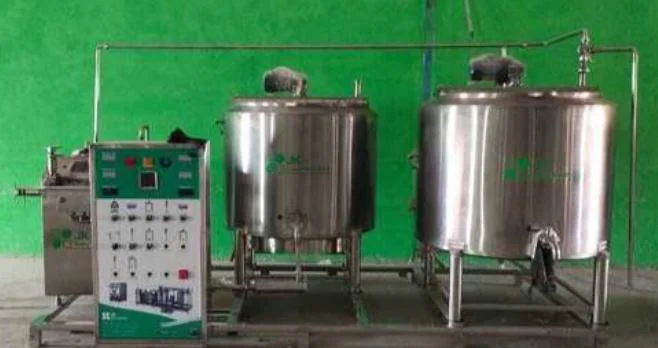
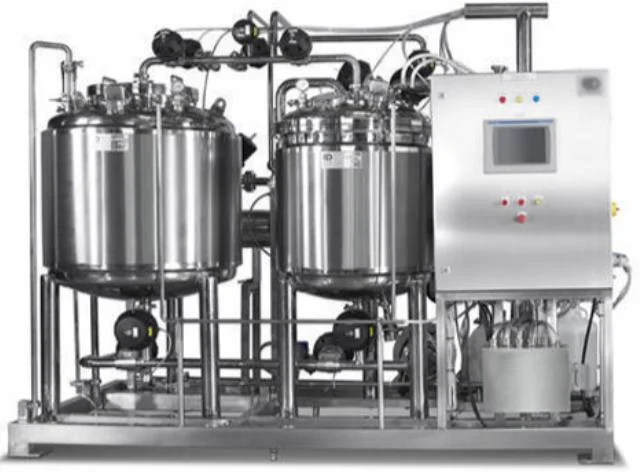
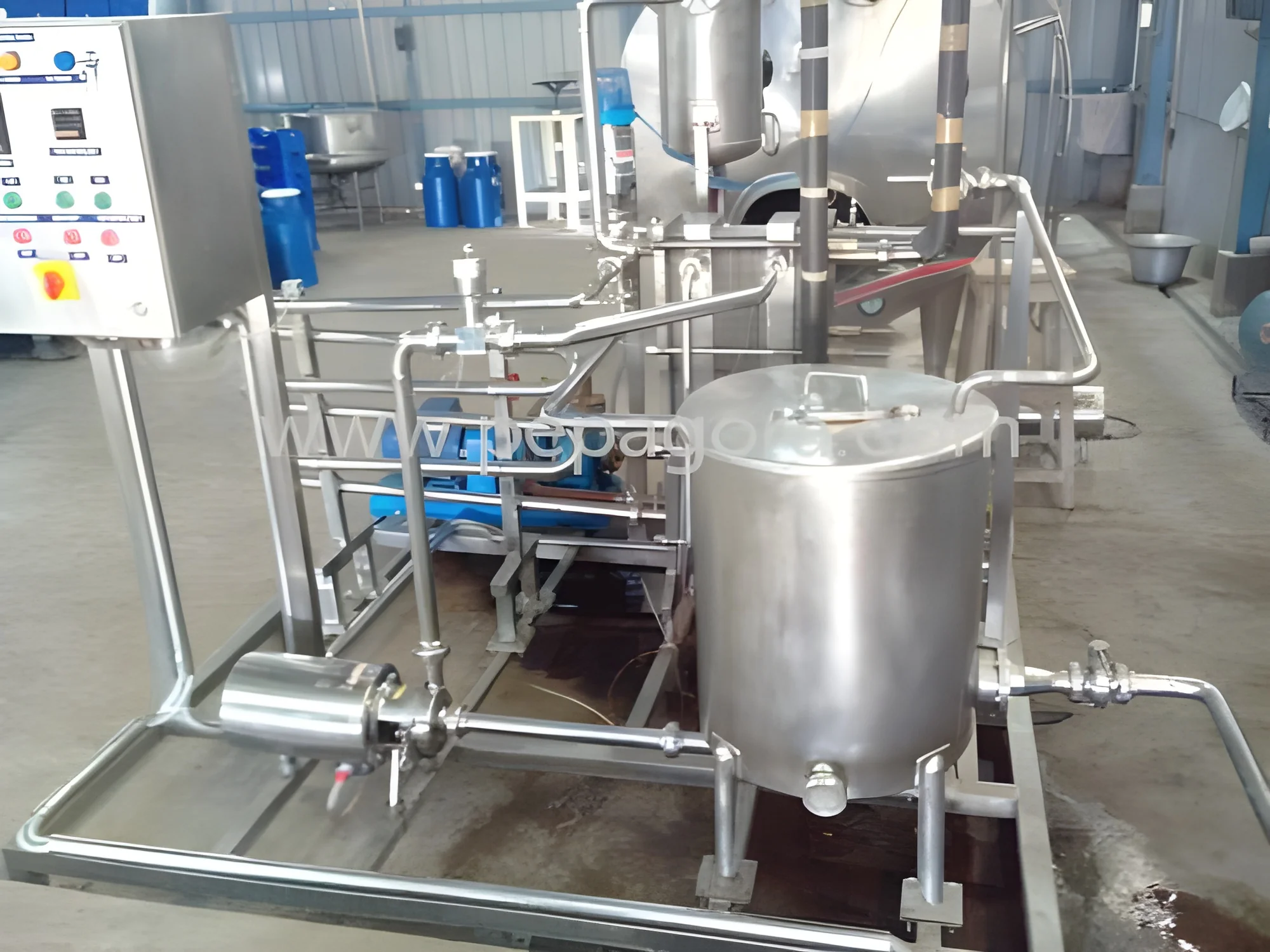
These machines are essential for heat treatment of milk. They ensure safety by eliminating pathogens. Pasteurizers are available in both batch and continuous flow designs.
Cheese Makers
Specialized for cheese production, these machines handle curd formation and whey separation. They often include features for temperature control and mixing.
Yogurt Makers
Designed to manage fermentation processes, yogurt makers maintain precise temperatures and conditions for optimal yogurt production.
Cream Separators
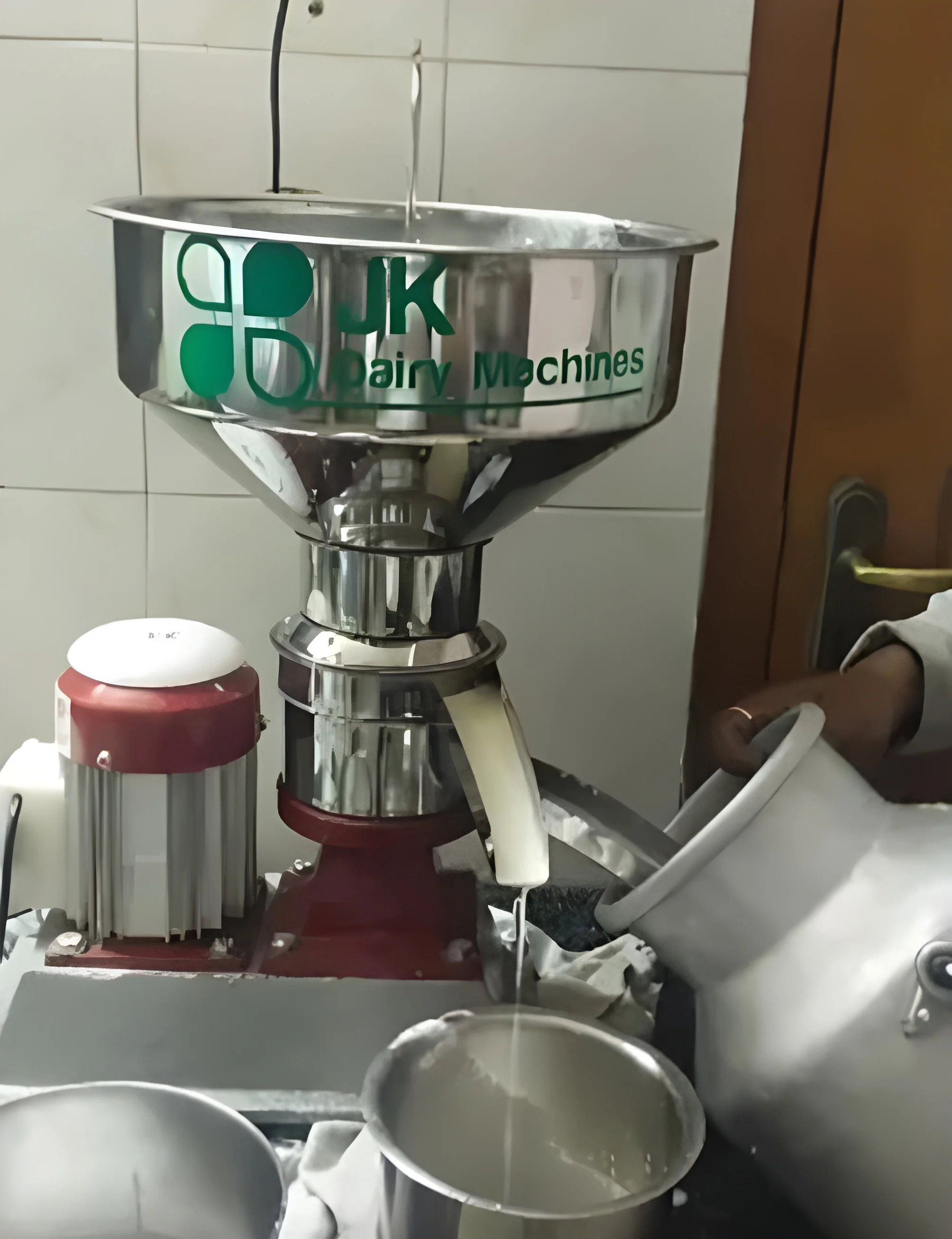
These machines efficiently separate cream from milk, allowing dairy producers to create products with varying fat content.
Butter Churns
Used for transforming cream into butter, these machines facilitate the churning process and can be adjusted for different batch sizes.
Benefits and Advantages
Dairy Processing Machines provide numerous benefits that enhance production efficiency and product quality.
1. Increased Efficiency: Automating dairy processes reduces the time and labor required in production.
2. Consistent Quality: Advanced technology ensures that each batch meets the same high standards, providing reliability in product quality.
3. Enhanced Safety: Compliance with safety standards protects both workers and consumers, minimizing risks associated with dairy processing.
4. Cost-Effectiveness: Over time, the investment in efficient machines leads to lower operational costs and higher profit margins.
5. Versatility: These machines can often be adapted for various dairy products, allowing producers to diversify their offerings.
6. Improved Hygiene: Modern designs prioritize cleanliness and sanitation, essential in food production environments.
Buying Guide for B2B Buyers
When sourcing Dairy Processing Machines, it is vital to consider several key factors to make informed purchasing decisions.
1. Quality Assessment: Evaluate the quality of materials and construction. Look for machines that comply with industry standards to ensure durability and reliability.
2. Supplier Verification: Research potential suppliers thoroughly. Check for reviews, certifications, and their history in the industry to ensure they meet your quality requirements.
3. Pricing and MOQ: Understand the pricing structure and minimum order quantities. Compare quotes from different suppliers to find competitive rates.
4. Delivery and Lead Times: Inquire about expected delivery times and logistics. Timely delivery is crucial for maintaining production schedules.
5. Compliance Requirements: Ensure that the machines adhere to relevant regulatory standards in your region, including safety and environmental regulations.
Compliance and Certifications
Compliance and certifications are critical in ensuring Dairy Processing Machines meet industry standards and safety requirements.
Key certifications include CE, which indicates that the machines conform to health, safety, and environmental protection standards set by the European Union. This certification is crucial for manufacturers looking to market their products in Europe.
Additionally, adherence to quality standards such as ISO 9001 ensures that manufacturing processes are efficient and produce consistent quality. HACCP compliance is also essential, focusing on food safety management to prevent hazards.
Safety testing is another critical aspect, as machines must undergo rigorous evaluations to confirm their operational safety. Regional compliance considerations vary, as different regions may have specific regulations governing dairy processing equipment.
Why Source Dairy Processing Machines from Pepagora?
Pepagora offers a reliable platform for sourcing Dairy Processing Machines, providing numerous advantages to buyers.
Verified Supplier Network: Pepagora connects buyers with a network of verified suppliers, ensuring a reliable source of quality machinery. This verification process reduces the risk of dealing with unverified vendors.
Streamlined RFQ Process: The platform simplifies the request for quotation process, enabling buyers to quickly obtain competitive quotes from multiple suppliers. This efficiency helps in making informed purchasing decisions.
Trade Assurance and Support: Pepagora provides trade assurance, protecting buyers from potential risks associated with transactions. Their dedicated support team is available to assist throughout the buying process.
Regional Coverage: With a strong presence in India, the GCC, and Southeast Asia, Pepagora offers extensive geographic reach. This coverage allows buyers to access a wide array of suppliers and products suited to their specific needs.
By leveraging these advantages, businesses can enhance their sourcing experience and secure high-quality Dairy Processing Machines tailored to their production requirements.



 India


 India
 India
 India
 India
 India
 India
Frequently Asked Questions
What are Dairy Processing Machines?
Dairy Processing Machines are specialized equipment used in the dairy industry to process milk and other dairy products. These machines perform various functions such as pasteurization, homogenization, and separation, ensuring that dairy products meet safety and quality standards.
What are the different types of Dairy Processing Machines?
There are several types of Dairy Processing Machines including pasteurizers, cream separators, homogenizers, and cheese-making machines. Each type is designed for specific processing tasks, catering to different dairy products like milk, cheese, yogurt, and butter.
How do I choose the right Dairy Processing Machines?
To choose the right Dairy Processing Machines, consider factors such as the type of dairy products you intend to process, the volume of production, and the specific processes required. Additionally, evaluate machine efficiency, maintenance requirements, and compatibility with existing equipment.
What are the standard specifications for Dairy Processing Machines?
Standard specifications for Dairy Processing Machines typically include capacity (liters per hour), power consumption (kW), material (usually stainless steel), and dimensions. It is essential to check for compliance with safety and hygiene standards as well.
What is the price range for Dairy Processing Machines?
The price range for Dairy Processing Machines can vary widely based on the type, capacity, and brand. Generally, small-scale machines may start from a few thousand rupees, while larger, industrial-grade machines can cost several lakhs.
What quality standards apply to Dairy Processing Machines?
Dairy Processing Machines must comply with various quality standards such as ISO, HACCP, and FSSAI regulations in India. These standards ensure that the machines are safe for food processing and that the products meet health regulations.
Where can I find Dairy Processing Machines suppliers in India?
You can find Dairy Processing Machines suppliers in India through B2B marketplaces like Pepagora, industry trade shows, and online directories. It's advisable to verify the suppliers' reputation and product quality by checking reviews and certifications.
Can Dairy Processing Machines be customized?
Yes, many manufacturers offer customization options for Dairy Processing Machines to meet specific operational needs. Custom features may include size adjustments, additional functionalities, or specialized materials.
What is the typical minimum order quantity for Dairy Processing Machines?
The typical minimum order quantity (MOQ) for Dairy Processing Machines can vary by supplier and the type of machine. Generally, MOQs can range from one unit for standard models to multiple units for larger, specialized machines.
What is the typical lead time for Dairy Processing Machines?
The typical lead time for Dairy Processing Machines usually ranges from 4 to 12 weeks, depending on factors such as customization, production schedules, and supplier capacity. It's advisable to confirm lead times with the supplier before placing an order.
Why Businesses Trust Pepagora
Thousands of companies trust Pepagora to source smarter and sell faster
Expand Your Sales Globally

Source Smarter,Grow Faster
