𝗪𝗵𝗮𝘁 𝗮𝗿𝗲 𝗖𝗮𝗿𝗯𝗼𝗻𝗮𝘁𝗲𝗱 𝗗𝗿𝗶𝗻𝗸 𝗣𝗹𝗮𝗻𝘁𝘀?
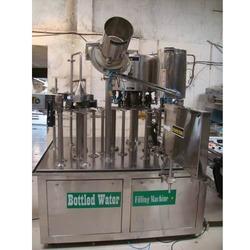
Carbonated drink plants are specialized facilities designed for the production of carbonated beverages, commonly known as soft drinks. These plants utilize advanced technology and equipment to combine water, carbon dioxide, and various flavorings to create fizzy drinks. The process involves carbonation, mixing, and packaging, ensuring that the beverages meet industry standards for quality and safety.
These plants serve a wide range of businesses, including beverage manufacturers, bottlers, and distributors. They enable companies to produce large volumes of carbonated drinks efficiently and cost-effectively. With the increasing demand for carbonated beverages globally, these plants play a crucial role in the beverage industry, supporting both large-scale operations and smaller craft beverage producers.
The market for carbonated drinks continues to grow, driven by consumer preferences for diverse flavors and healthier options. As such, investing in a carbonated drink plant can provide businesses with a competitive edge in a dynamic marketplace. Understanding the technology and processes involved is essential for companies looking to expand or enhance their beverage offerings.
𝗞𝗲𝘆 𝗙𝗲𝗮𝘁𝘂𝗿𝗲𝘀 𝗮𝗻𝗱 𝗦𝗽𝗲𝗰𝗶𝗳𝗶𝗰𝗮𝘁𝗶𝗼𝗻𝘀
Carbonated drink plants come equipped with various features and specifications that enhance production efficiency and product quality. These specifications ensure the plants operate effectively while adhering to safety and quality standards.
Key specifications include:
1. Production Capacity
- Varies based on plant size and configuration
- Typically measured in liters per hour
2. Carbonation System
- Utilizes CO2 injection systems for optimal carbonation levels
- Adjustable carbonation levels to suit different product requirements
3. Mixing Technology
- Advanced mixing systems ensure uniform distribution of flavorings
- Capable of handling various formulations and ingredients
4. Packaging Options
- Versatile packaging systems for bottles, cans, or pouches
- Automated packaging lines for increased efficiency
5. Quality Control Systems
- Integrated monitoring systems for quality assurance
- Regular testing protocols to maintain product standards
6. Energy Efficiency
- Designed to optimize energy use during production
- Utilizes energy-efficient components and processes
7. Hygiene Standards
- Built to comply with industry hygiene regulations
- Easy-to-clean surfaces and materials
8. Automation Level
- Options for manual to fully automated operations
- Reduces labor costs and improves production consistency
These specifications collectively contribute to efficient production, ensuring that businesses can meet market demands while maintaining quality.
𝗖𝗼𝗺𝗺𝗼𝗻 𝗔𝗽𝗽𝗹𝗶𝗰𝗮𝘁𝗶𝗼𝗻𝘀 𝗮𝗻𝗱 𝗨𝘀𝗲 𝗖𝗮𝘀𝗲𝘀
Carbonated drink plants find applications across various industries, catering to diverse consumer needs.
1. Beverage Manufacturing: These plants are essential for producing a wide range of soft drinks, including colas, flavored sodas, and sparkling waters, meeting consumer demand for variety.
2. Food Service Industry: Restaurants and cafes utilize carbonated drink plants to provide fresh carbonated beverages, enhancing their drink offerings and customer experience.
3. Retail Bottling: Bottlers leverage these plants to package and distribute carbonated drinks, ensuring products are readily available in retail outlets.
4. Craft Beverage Production: Small-scale producers use carbonated drink plants to create unique flavors and artisanal carbonated beverages, tapping into niche markets.
5. Health and Wellness Drinks: With a rising trend in health-conscious products, these plants also produce low-calorie and functional carbonated beverages, expanding market reach.
6. Export Markets: Manufacturers use carbonated drink plants to produce drinks for export, meeting international quality standards and expanding their market presence.
7. Private Label Products: Retailers invest in carbonated drink plants to create private label beverage lines, offering exclusive products to their customers.
𝗣𝗿𝗼𝗱𝘂𝗰𝘁 𝗩𝗮𝗿𝗶𝗮𝗻𝘁𝘀 𝗮𝗻𝗱 𝗦𝘂𝗯𝗰𝗮𝘁𝗲𝗴𝗼𝗿𝗶𝗲𝘀
Carbonated drink plants come in diverse configurations to meet different production needs.
Compact Carbonated Drink Plants
These plants are designed for small-scale operations, ideal for craft beverage producers. They offer flexibility in production and are perfect for testing new flavors and recipes.
Modular Carbonated Drink Plants
Modular plants allow for easy expansion and customization. They are suitable for growing businesses that require scalability in their production capabilities.
Fully Automated Carbonated Drink Plants
These advanced plants feature automated systems for mixing, carbonation, and packaging. They are designed for high-volume production and efficiency, reducing labor costs.
Batch Processing Carbonated Drink Plants
These plants are suitable for producing limited quantities of specialized drinks. They offer precise control over the mixing and carbonation processes, ensuring high-quality output.
𝗕𝗲𝗻𝗲𝗳𝗶𝘁𝘀 𝗮𝗻𝗱 𝗔𝗱𝘃𝗮𝗻𝘁𝗮𝗴𝗲𝘀
Investing in carbonated drink plants offers several key benefits for businesses.
1. Increased Production Efficiency: These plants streamline the production process, allowing for higher output in less time.
2. Consistent Quality: Advanced technology helps maintain consistent product quality, meeting consumer expectations and regulatory standards.
3. Customization Options: Manufacturers can easily adjust recipes and carbonation levels, enabling them to cater to specific consumer preferences.
4. Cost-Effective Operations: Automated systems and energy-efficient designs contribute to reduced operational costs, improving overall profitability.
5. Faster Time to Market: With efficient production capabilities, businesses can quickly introduce new products to the market, responding to consumer trends.
6. Enhanced Flexibility: The ability to produce various drink types in one plant allows businesses to adapt to changing market demands.
𝗕𝘂𝘆𝗶𝗻𝗴 𝗚𝘂𝗶𝗱𝗲 𝗳𝗼𝗿 𝗕𝟮𝗕 𝗕𝘂𝘆𝗲𝗿𝘀
When sourcing carbonated drink plants, it is crucial for buyers to consider several key factors to ensure they make informed purchasing decisions.
1. Quality Assessment: Buyers should evaluate the quality of materials and components used in the plant. This includes checking for industry certifications and compliance with standards.
2. Supplier Verification: It is essential to vet suppliers thoroughly. Look for established companies with a proven track record in the beverage industry.
3. Pricing and MOQ: Understand the pricing structures and minimum order quantities. This helps in budgeting and ensuring the investment aligns with business goals.
4. Delivery and Lead Times: Assess the logistics involved in delivery. Timely delivery is critical to maintaining production schedules and meeting market demands.
5. Compliance Requirements: Ensure that the plant meets all regulatory requirements in your region. This includes safety and health standards applicable to beverage production.
𝗖𝗼𝗺𝗽𝗹𝗶𝗮𝗻𝗰𝗲 𝗮𝗻𝗱 𝗖𝗲𝗿𝘁𝗶𝗳𝗶𝗰𝗮𝘁𝗶𝗼𝗻𝘀
Carbonated drink plants must adhere to various quality standards and regulatory requirements to ensure safe and reliable production.
ISO 9001 is a crucial standard that outlines quality management systems, ensuring consistent quality in production processes. Compliance with this standard helps businesses maintain operational efficiency and customer satisfaction.
HACCP (Hazard Analysis Critical Control Point) certification is vital in identifying and managing food safety risks in the production process. This certification ensures that all potential hazards are addressed, promoting consumer safety.
CE certification indicates that the equipment meets European safety, health, and environmental protection standards. It is essential for businesses looking to operate in or export to European markets.
Safety and testing requirements are paramount in the beverage industry. Regular testing of products and equipment is necessary to comply with safety regulations and ensure product quality.
Regional compliance considerations must also be taken into account, as different regions may have specific regulations affecting production processes and product labeling.
𝗪𝗵𝘆 𝗦𝗼𝘂𝗿𝗰𝗲 𝗖𝗮𝗿𝗯𝗼𝗻𝗮𝘁𝗲𝗱 𝗗𝗿𝗶𝗻𝗸 𝗣𝗹𝗮𝗻𝘁𝘀 𝗳𝗿𝗼𝗺 𝗣𝗲𝗽𝗮𝗴𝗼𝗿𝗮?
Pepagora offers a trusted platform for sourcing carbonated drink plants, providing several key advantages to buyers.
Verified Supplier Network: Pepagora connects buyers with verified suppliers who have undergone rigorous assessment. This ensures reliability and quality in procurement.
Streamlined RFQ Process: The platform features an efficient request for quotation (RFQ) system, allowing buyers to receive competitive quotes quickly and easily.
Trade Assurance and Support: Pepagora provides trade assurance, protecting buyers against potential issues. Their dedicated support team is available to assist throughout the purchasing process.
Regional Coverage: With a strong presence in India, the GCC, and Southeast Asia, Pepagora ensures that buyers have access to a wide range of suppliers and products, facilitating smoother transactions and logistics.

 IN
IN
 India
India