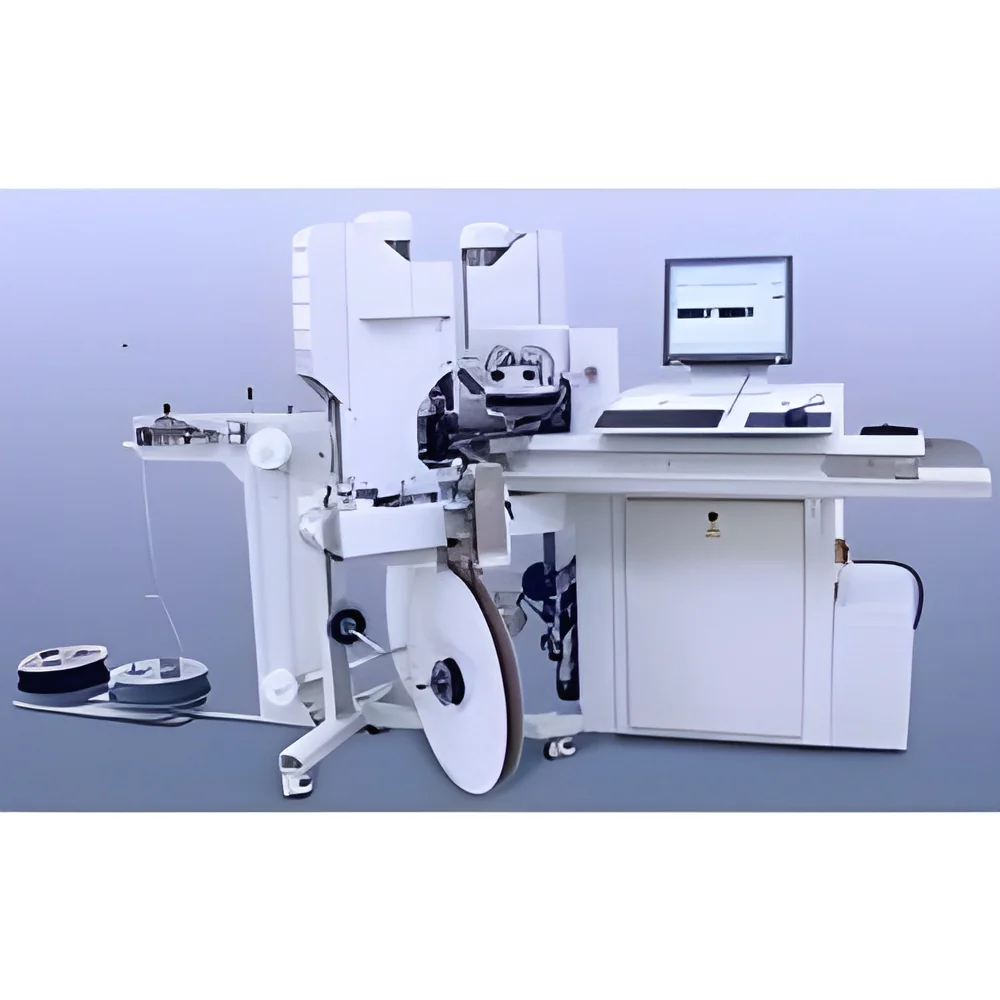
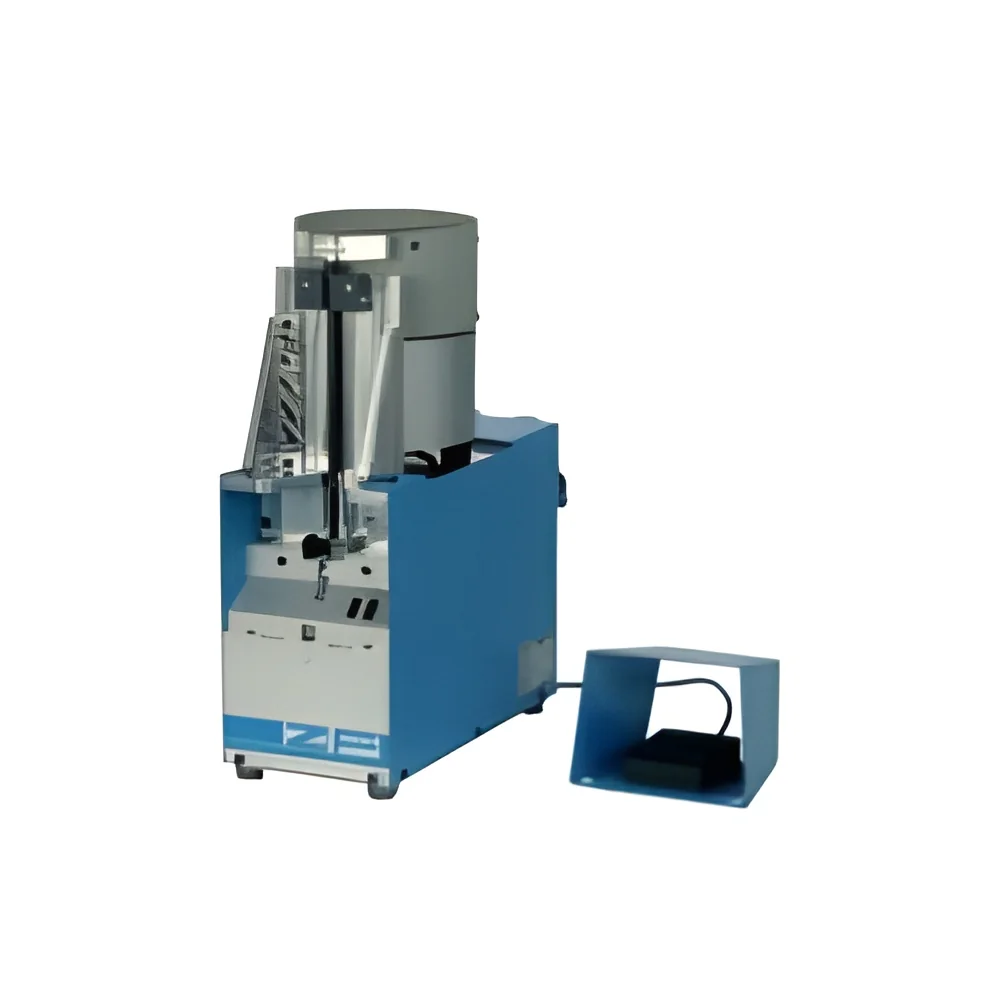
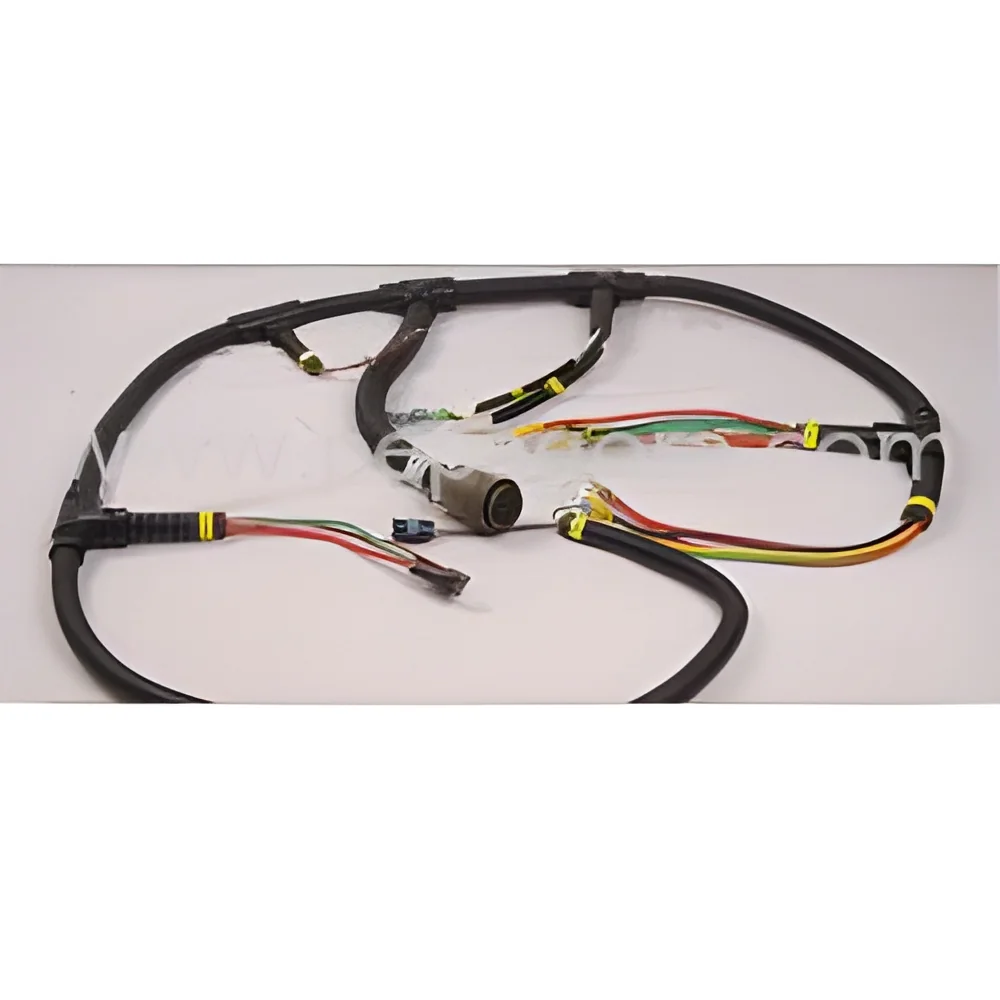
What are Wiring Harnesses?
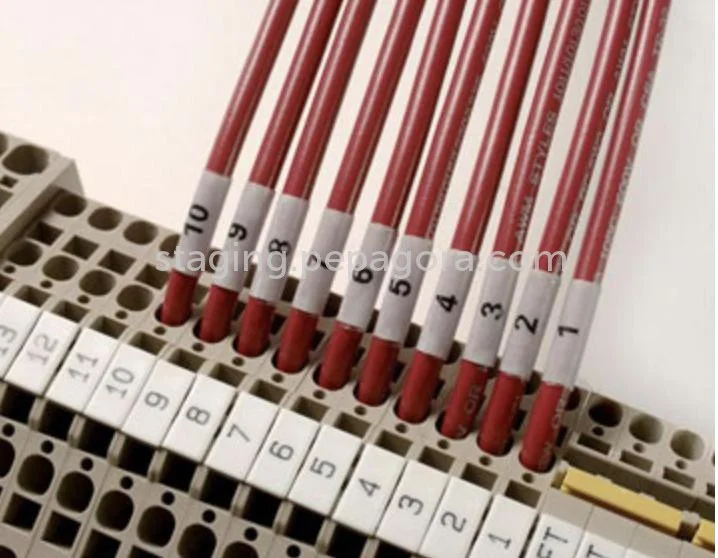
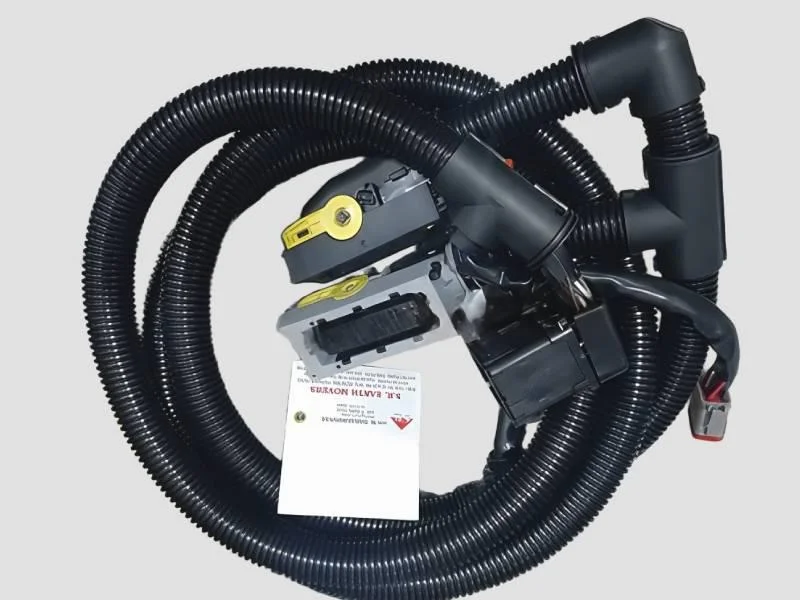
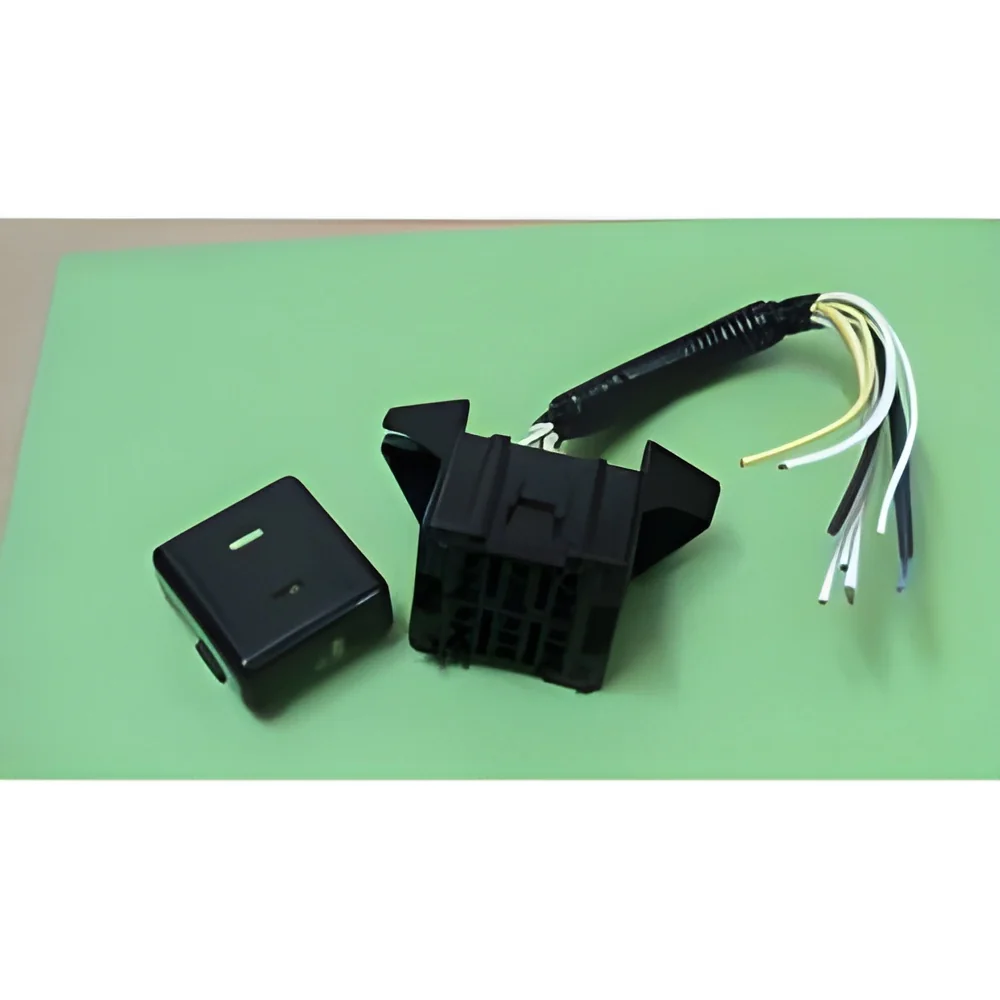
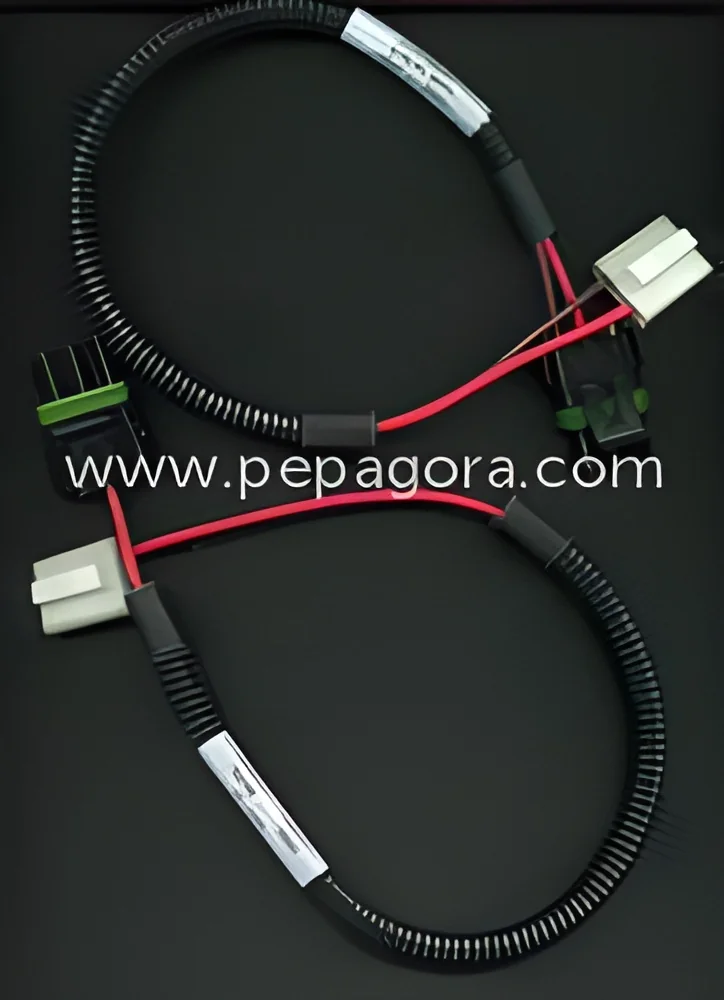
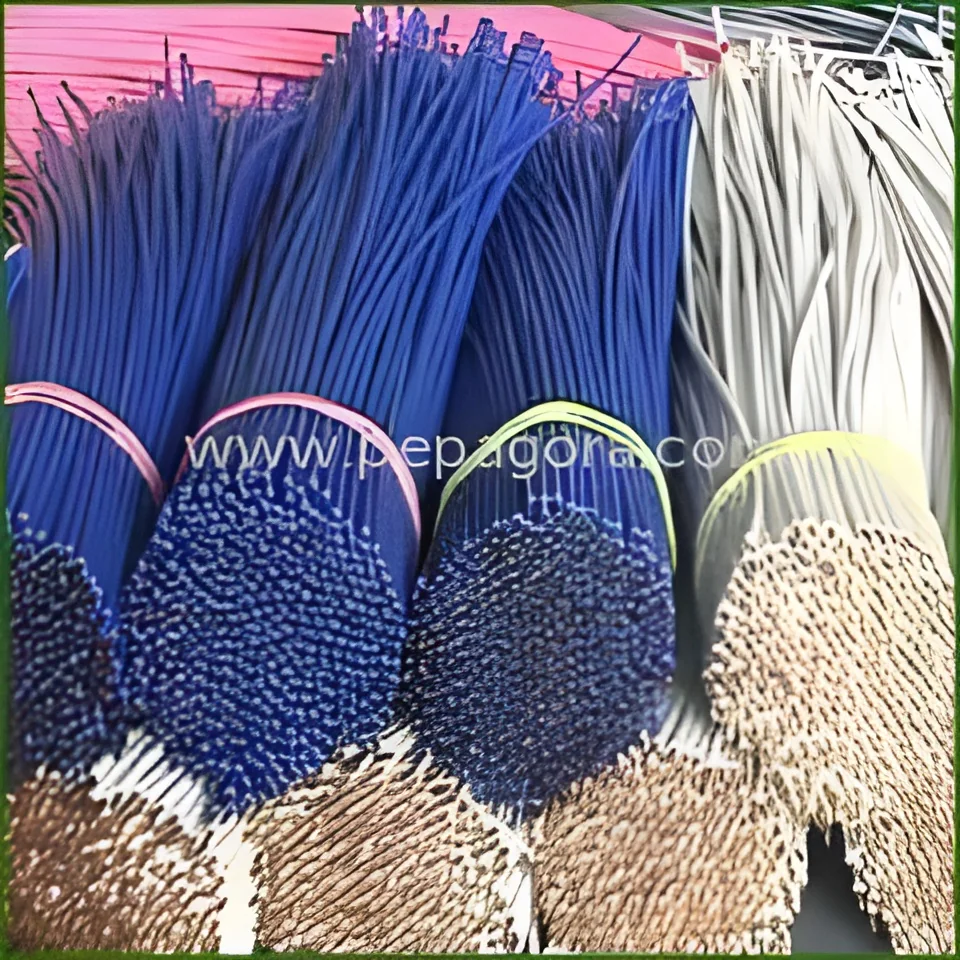
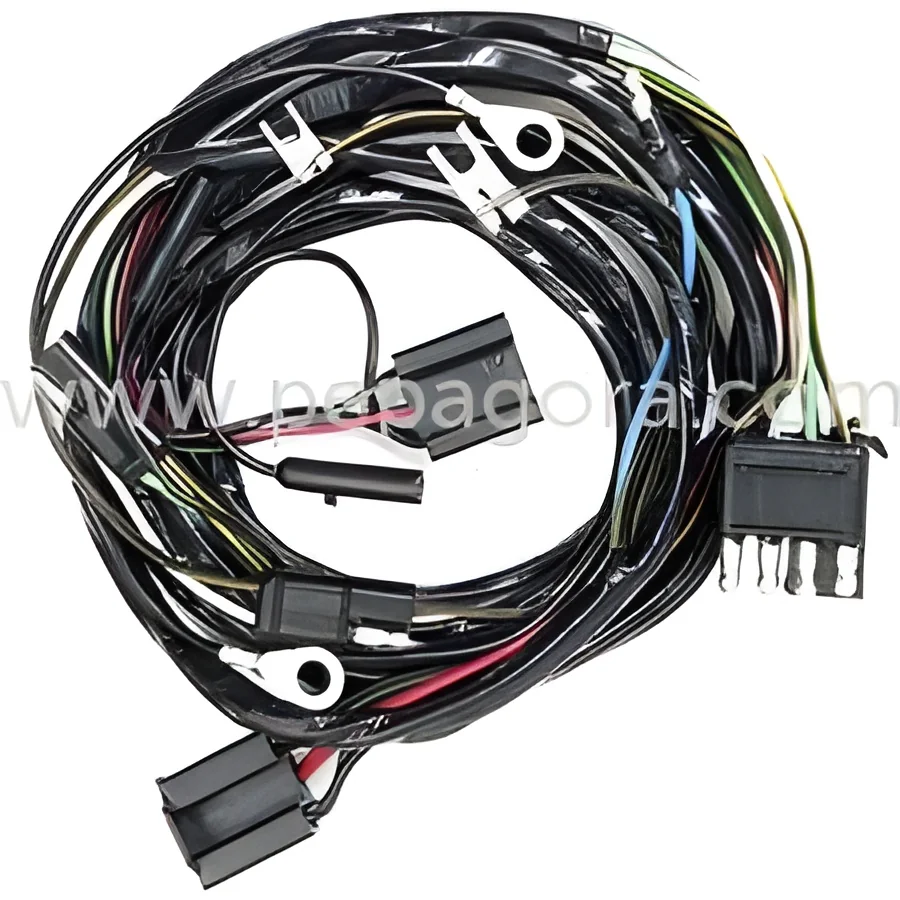
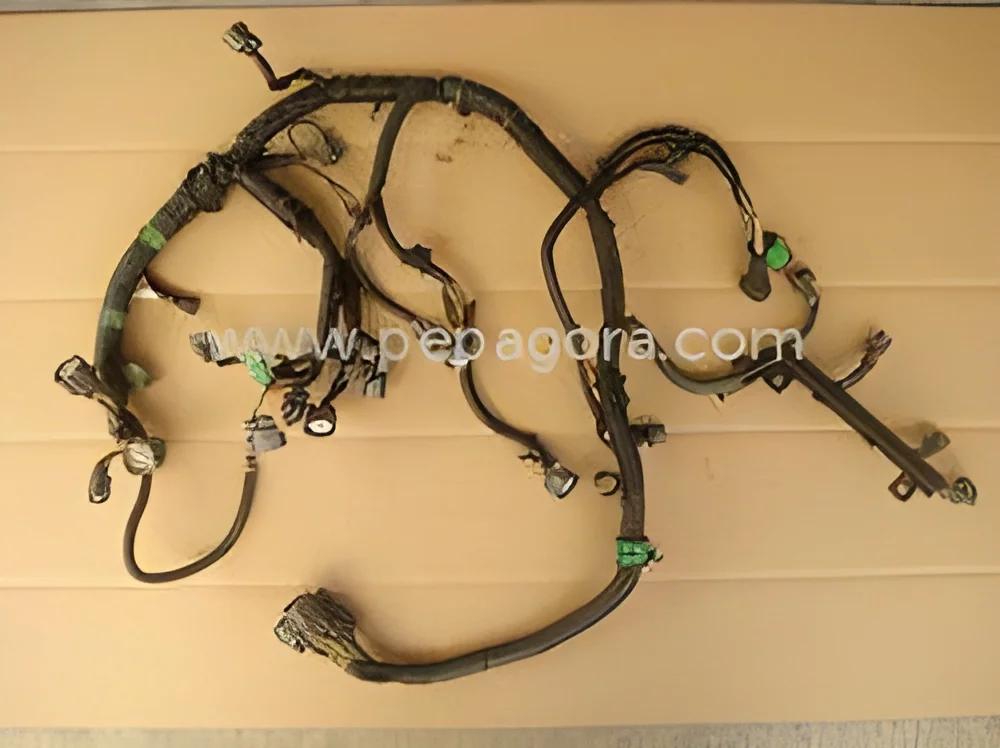
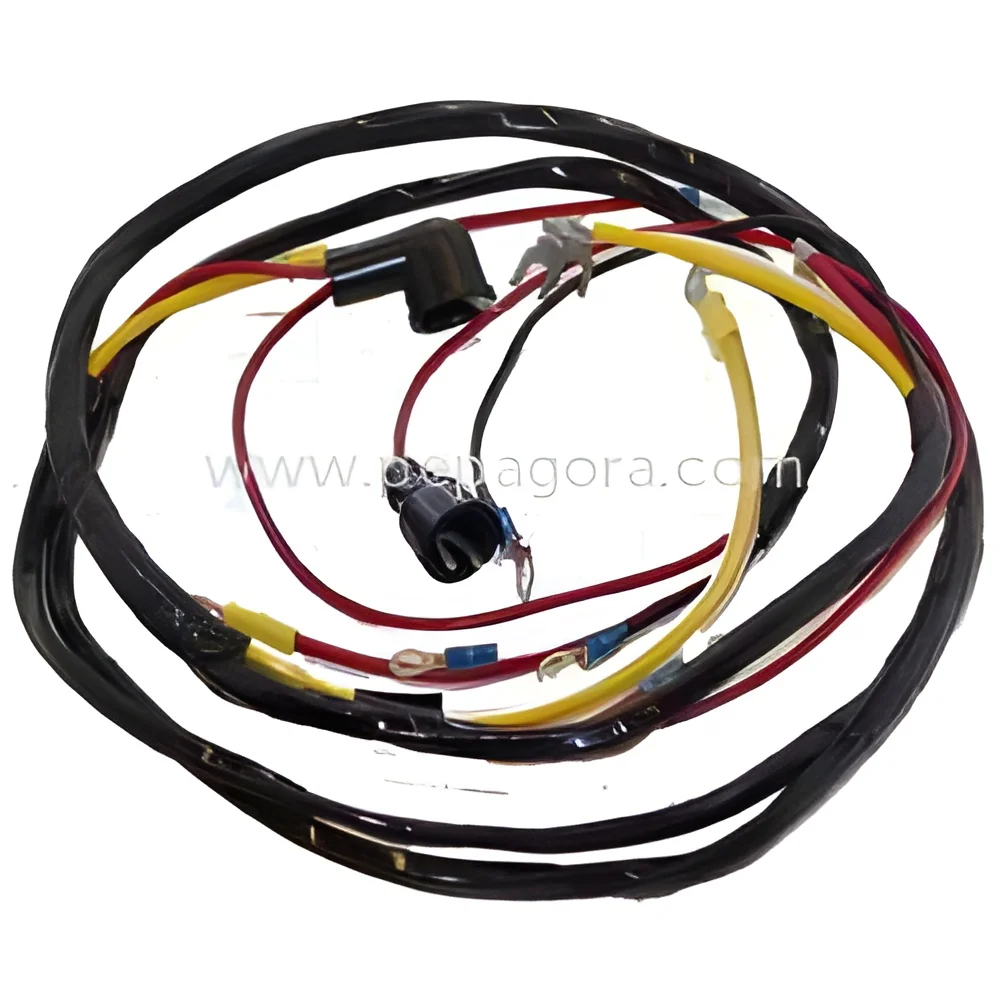
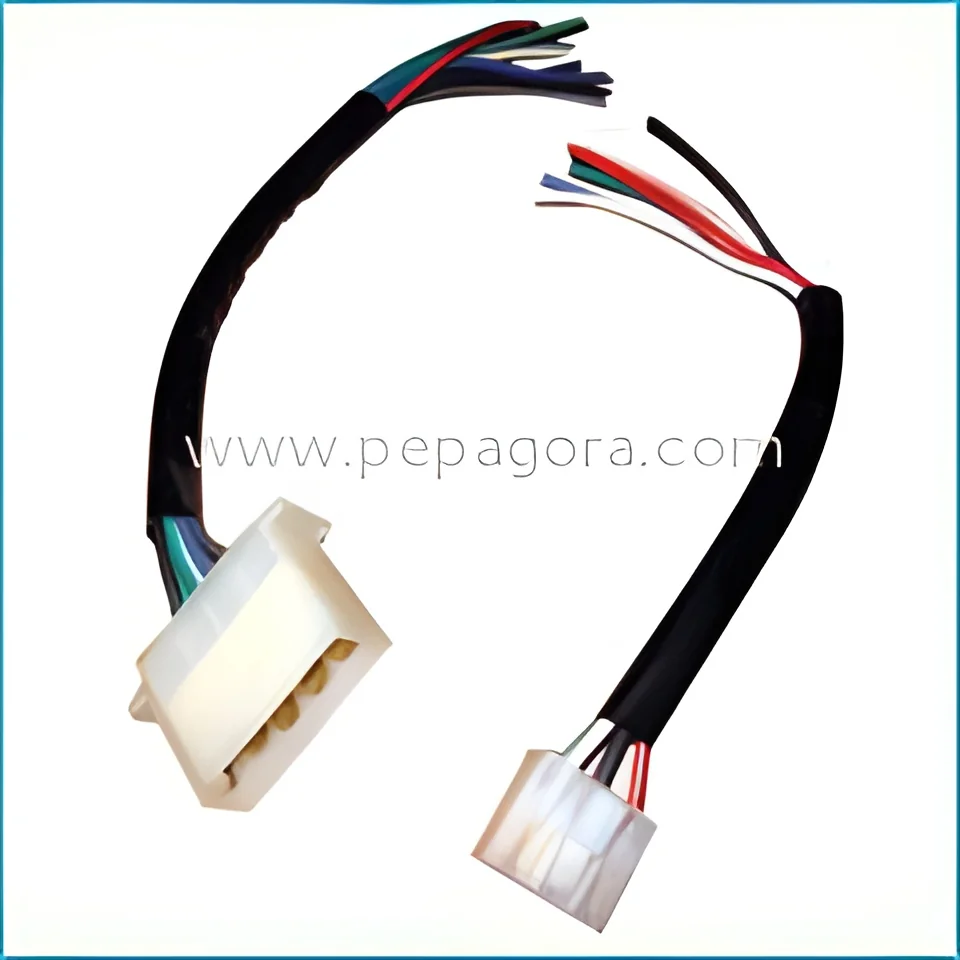
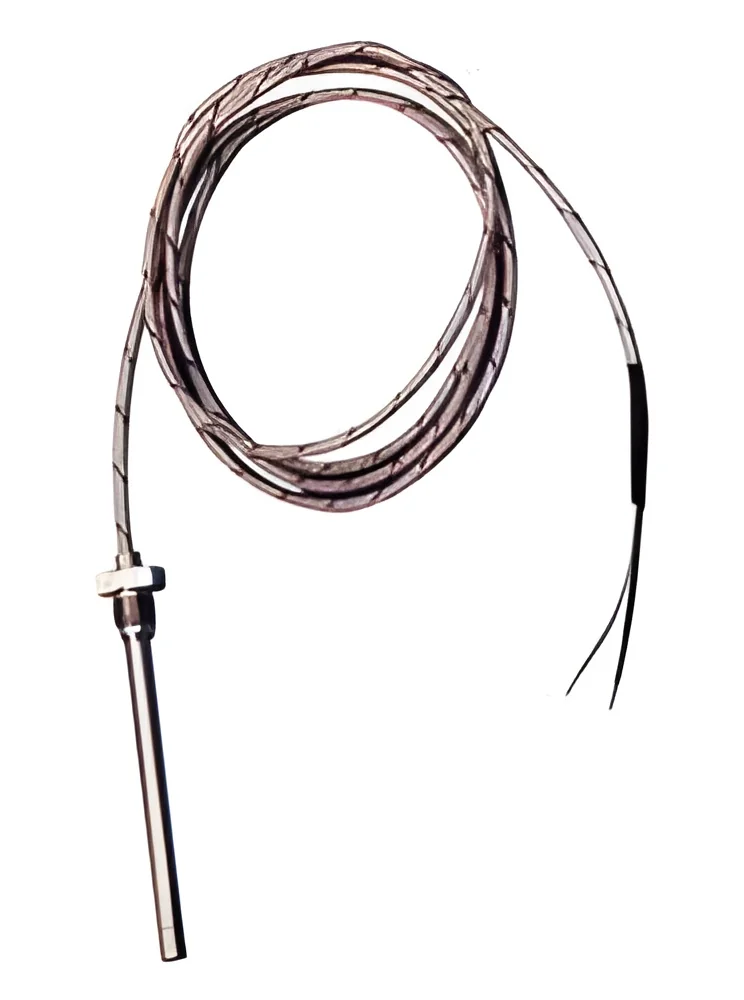
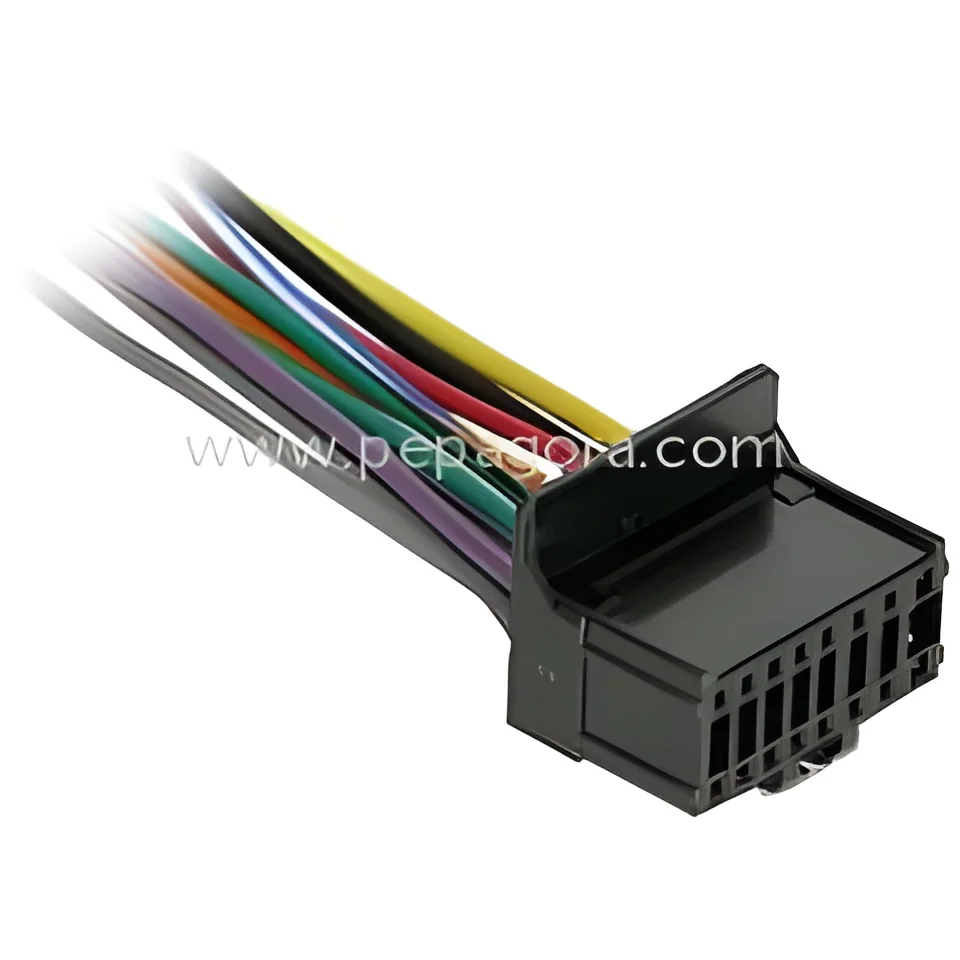
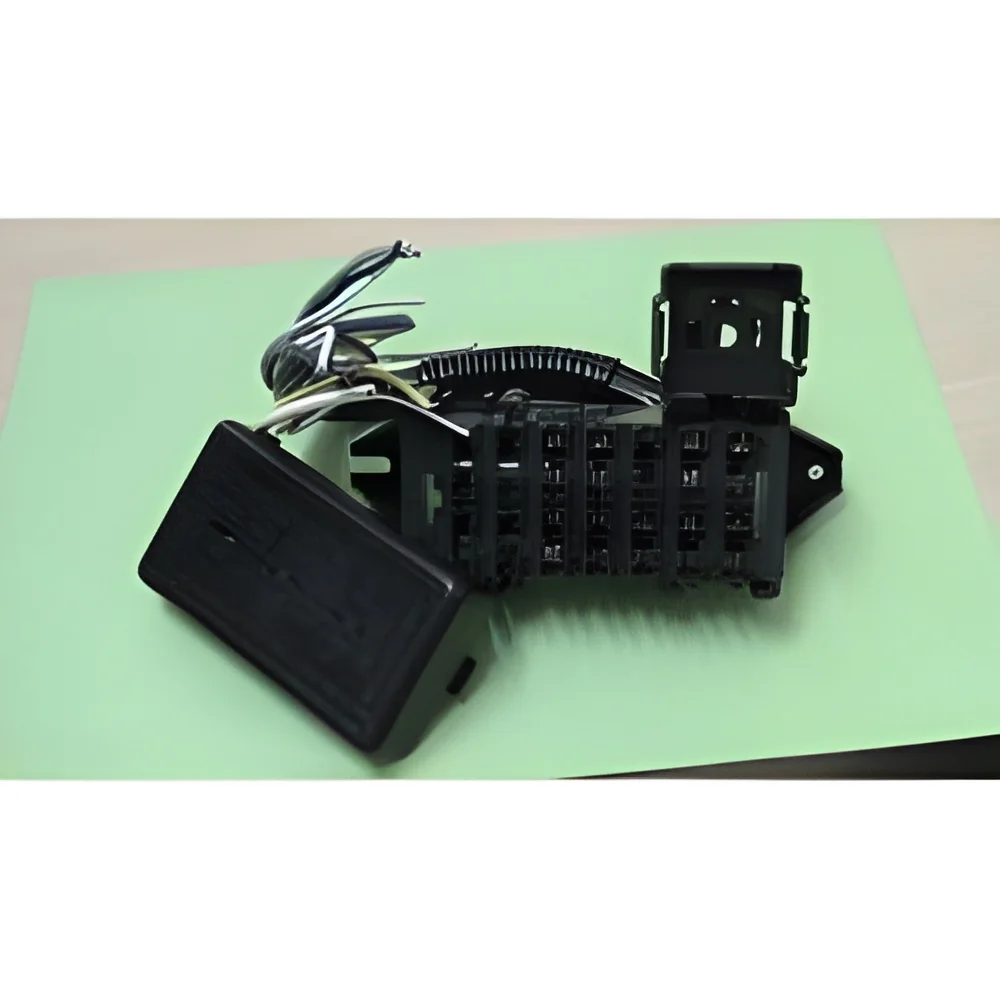
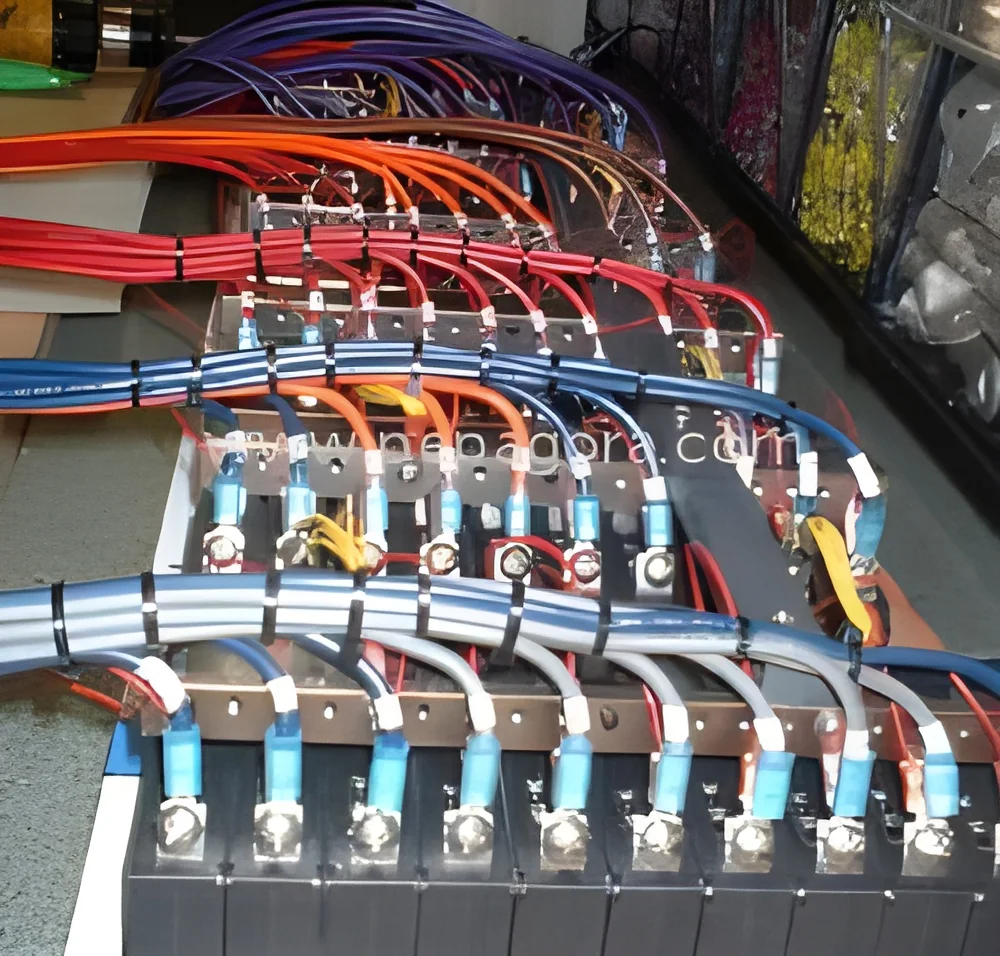
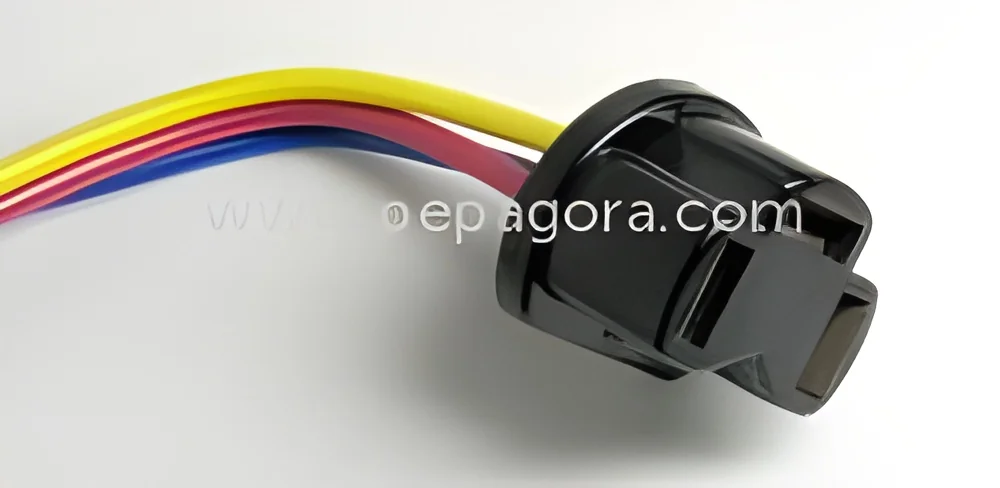
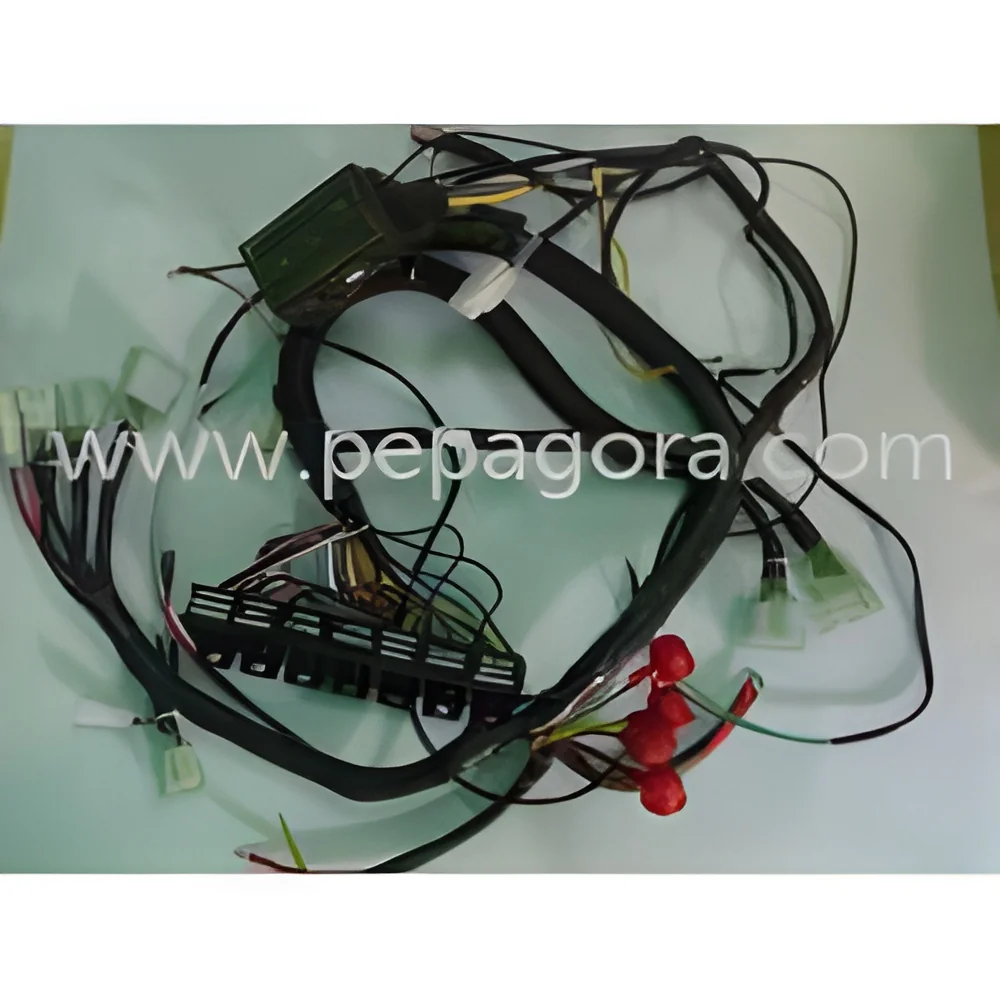
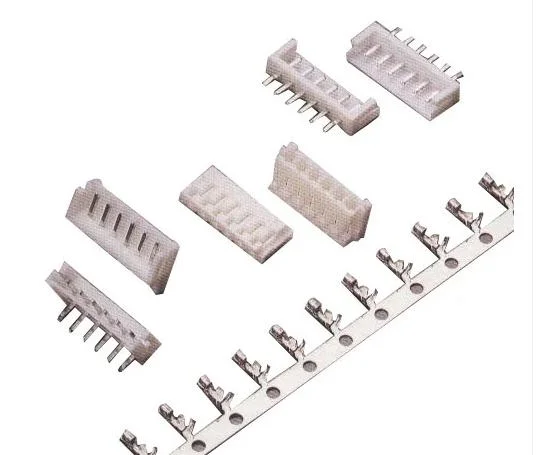
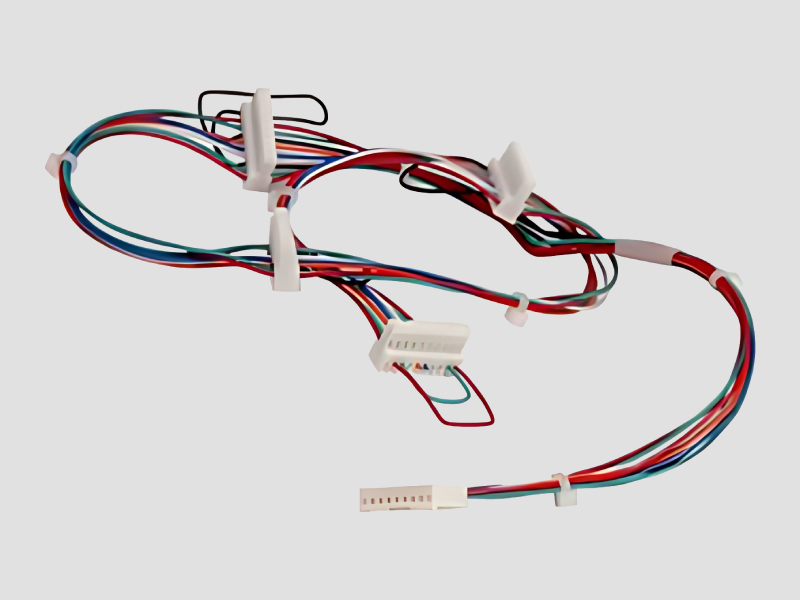
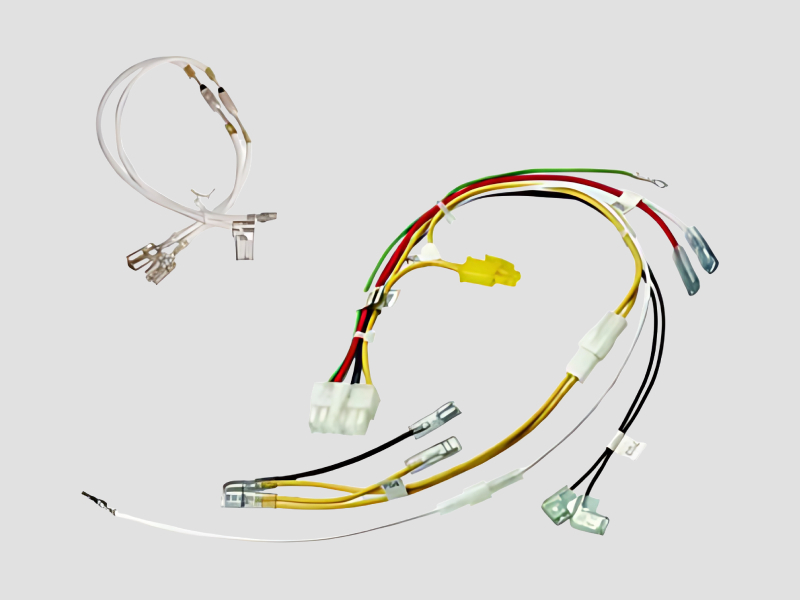
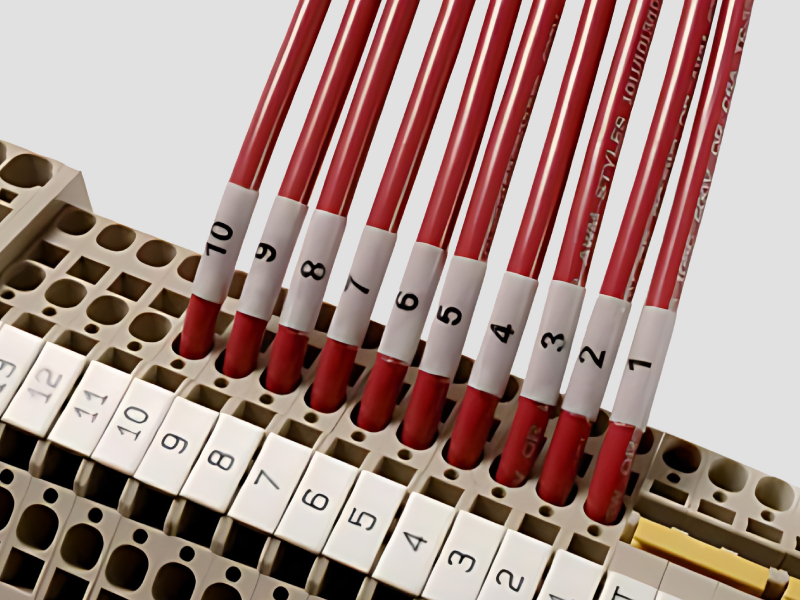
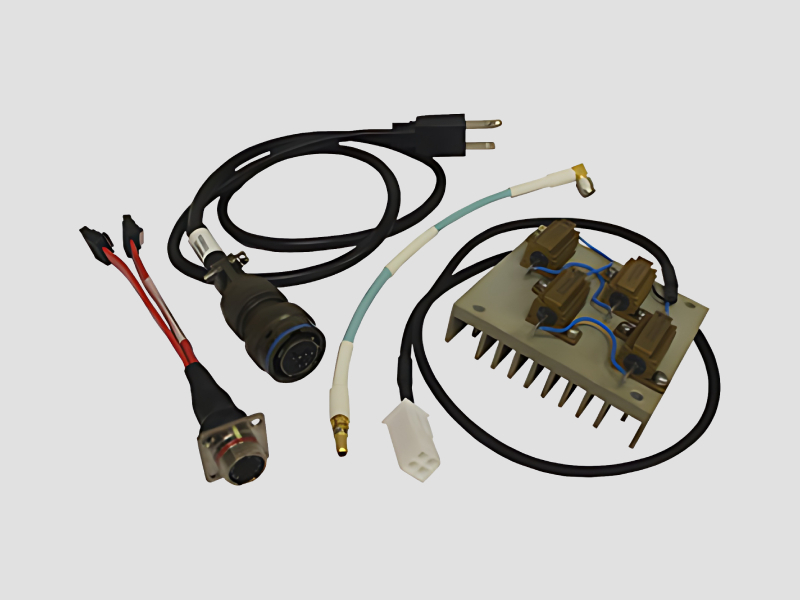
Wiring harnesses are assemblies of wires, terminals, and connectors that facilitate the transmission of electrical power and signals within a variety of equipment and machinery. They serve as the backbone for electrical systems, providing a structured way to route power and data throughout a device or vehicle. Each harness is designed to meet specific electrical requirements and configurations, thus ensuring reliable performance in diverse applications.
These harnesses are primarily used in industries such as automotive, aerospace, telecommunications, and consumer electronics. In the automotive sector, for example, wiring harnesses connect critical components like the engine, lighting systems, and infotainment units. In aerospace, they are essential for integrating complex avionics systems. Given their vital role in electrical connectivity, wiring harnesses are relevant to any industry that relies on electrical systems, making them a critical component in modern technology and manufacturing.
Key Features and Specifications
Wiring harnesses come equipped with various features that enhance their functionality and performance in diverse applications. Understanding these specifications helps buyers select the appropriate harness for their needs.
Key specifications include:
1. Wire Gauge
- Refers to the thickness of the wire used in the harness.
- Common gauges range from 18 AWG to 10 AWG, depending on the application.
2. Connector Type
- Specifies the type of connectors utilized in the harness.
- Options may include Molex, JST, and AMP connectors, among others.
3. Insulation Material
- Indicates the material used to insulate the wires.
- Common materials include PVC, Teflon, and silicone.
4. Number of Wires
- Refers to the total number of wires within the harness.
- Can range from a few wires for simple applications to several hundred for complex systems.
5. Temperature Rating
- Defines the operational temperature range for the harness.
- Typical ratings may vary from -40°C to 125°C.
6. Compliance Standards
- Identifies adherence to industry standards.
- Certifications may include CE for European compliance.
7. Length
- Specifies the total length of the wiring harness.
- Lengths can vary based on application requirements.
8. Customization Options
- Indicates the ability to customize the harness for specific needs.
- Customization may include wire colors, lengths, and connector types.
In summary, understanding these features and specifications is essential for B2B buyers to ensure they select the right wiring harness for their specific applications.
Common Applications and Use Cases
Wiring harnesses are versatile components used across various industries, each with unique applications.
1. Automotive: In vehicles, wiring harnesses connect critical systems like engines, lighting, and infotainment, ensuring reliable operation and safety.
2. Aerospace: Wiring harnesses in aircraft integrate avionics systems, electrical controls, and navigation equipment, vital for flight safety and efficiency.
3. Telecommunications: These harnesses connect network equipment, facilitating communication between devices, servers, and infrastructure.
4. Consumer Electronics: Wiring harnesses are essential in devices such as televisions and computers, ensuring proper electrical connections for functionality.
5. Industrial Machinery: In manufacturing environments, wiring harnesses connect motors, sensors, and controls, optimizing machine performance.
6. Medical Equipment: Wiring harnesses in medical devices ensure reliable connectivity for critical systems, enhancing patient safety and device reliability.
7. Renewable Energy: In solar panels and wind turbines, wiring harnesses connect various components, enabling efficient energy conversion and management.
Product Variants and Subcategories
Wiring harnesses come in various forms, catering to different needs and applications.
Automotive Wiring Harnesses
These harnesses are specifically designed for automotive applications, connecting key components such as engines, lighting systems, and safety features. They are built to withstand harsh environmental conditions and ensure reliable performance.
Aerospace Wiring Harnesses
Designed for use in aircraft, these harnesses integrate complex avionics and electrical systems. They are constructed to meet stringent safety and performance standards, ensuring operational reliability in critical applications.
Telecommunications Wiring Harnesses
These harnesses support the communication infrastructure by connecting various network components. They are designed for durability and efficiency, facilitating seamless data transmission.
Consumer Electronics Wiring Harnesses
Tailored for devices like computers and televisions, these harnesses ensure efficient electrical connectivity. They often feature customizable lengths and connector types to meet specific device requirements.
Benefits and Advantages
Wiring harnesses provide several advantages that enhance their value in industrial applications.
1. Enhanced Reliability: Wiring harnesses reduce the risk of electrical failures, ensuring consistent performance in critical systems.
2. Improved Safety: By organizing wires and connections, harnesses minimize the potential for short circuits and electrical hazards.
3. Simplified Installation: Pre-assembled wiring harnesses save time and reduce installation complexity, leading to faster project completion.
4. Customization Flexibility: Harnesses can be tailored to meet specific application needs, enhancing compatibility with various systems.
5. Cost-Effectiveness: Utilizing wiring harnesses can lower overall manufacturing costs through streamlined production processes.
6. Space Efficiency: Harnesses help optimize space within devices, allowing for more compact designs without compromising functionality.
Buying Guide for B2B Buyers
When sourcing wiring harnesses, it is vital to consider several factors to ensure the right fit for your application.
1. Quality Assessment: Look for harnesses that meet industry standards and certifications. Evaluate the materials used and the manufacturing processes to ensure reliability.
2. Supplier Verification: Vet potential suppliers by checking their reputation, customer reviews, and compliance with industry regulations. A reliable supplier should have a proven track record.
3. Pricing and MOQ: Understand the cost structure and minimum order quantities. Compare pricing among suppliers while considering the value of quality and service.
4. Delivery and Lead Times: Assess the supplier's ability to meet your delivery requirements. Timely delivery is crucial for maintaining production schedules.
5. Compliance Requirements: Ensure that the wiring harnesses meet relevant regulatory standards. Compliance with certifications like CE is essential for market acceptance.
Compliance and Certifications
Wiring harnesses must adhere to various compliance and certification standards to ensure quality and safety.
Relevant quality standards include ISO 9001, which establishes criteria for quality management systems, ensuring consistent quality across manufacturing processes. Additionally, HACCP (Hazard Analysis Critical Control Point) guidelines may apply in industries where safety is paramount.
Industry certifications such as CE indicate that the product meets European health, safety, and environmental protection standards. These certifications help ensure that wiring harnesses are safe for use in specific applications.
Safety and testing requirements are crucial, especially for harnesses used in critical systems like aerospace and medical devices. Rigorous testing ensures that these harnesses can withstand demanding conditions.
Regional compliance considerations may vary, so it is essential for buyers to be aware of local regulations when sourcing wiring harnesses.
Why Source Wiring Harnesses from Pepagora?
Pepagora offers a trusted platform for sourcing wiring harnesses, providing several key advantages to B2B buyers.
Verified Supplier Network: The platform features a network of verified suppliers, ensuring that buyers have access to quality products and reliable service. This verification process helps minimize risks associated with sourcing.
Streamlined RFQ Process: Pepagora simplifies the request for quotation process, allowing buyers to receive competitive quotes from multiple suppliers quickly. This efficiency aids in making informed purchasing decisions.
Trade Assurance and Support: The platform offers trade assurance, providing buyers with protection and support throughout the sourcing process. This assurance fosters trust between buyers and suppliers.
Regional Coverage: Pepagora's geographic reach extends across India, the GCC, and Southeast Asia, providing buyers with a diverse selection of suppliers and products tailored to their regional needs. This broad coverage helps meet varying market demands effectively.

 IN
IN