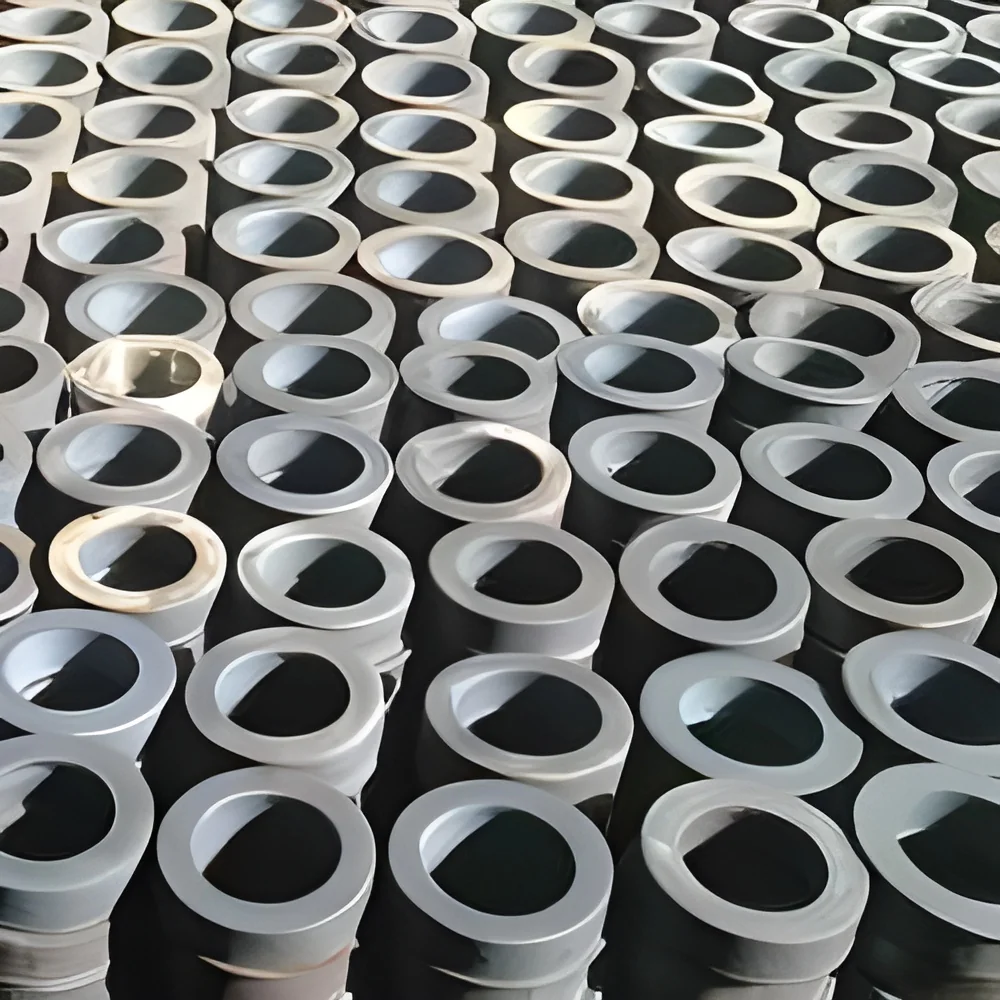
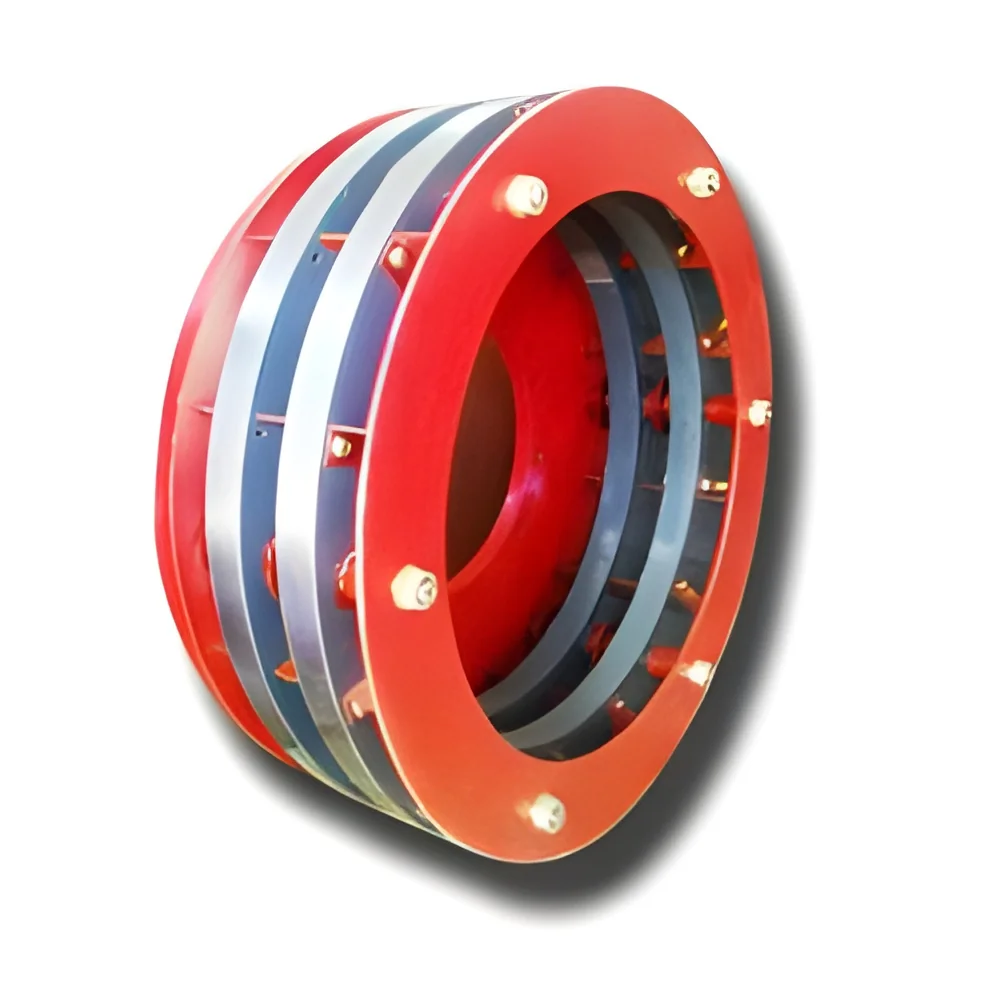
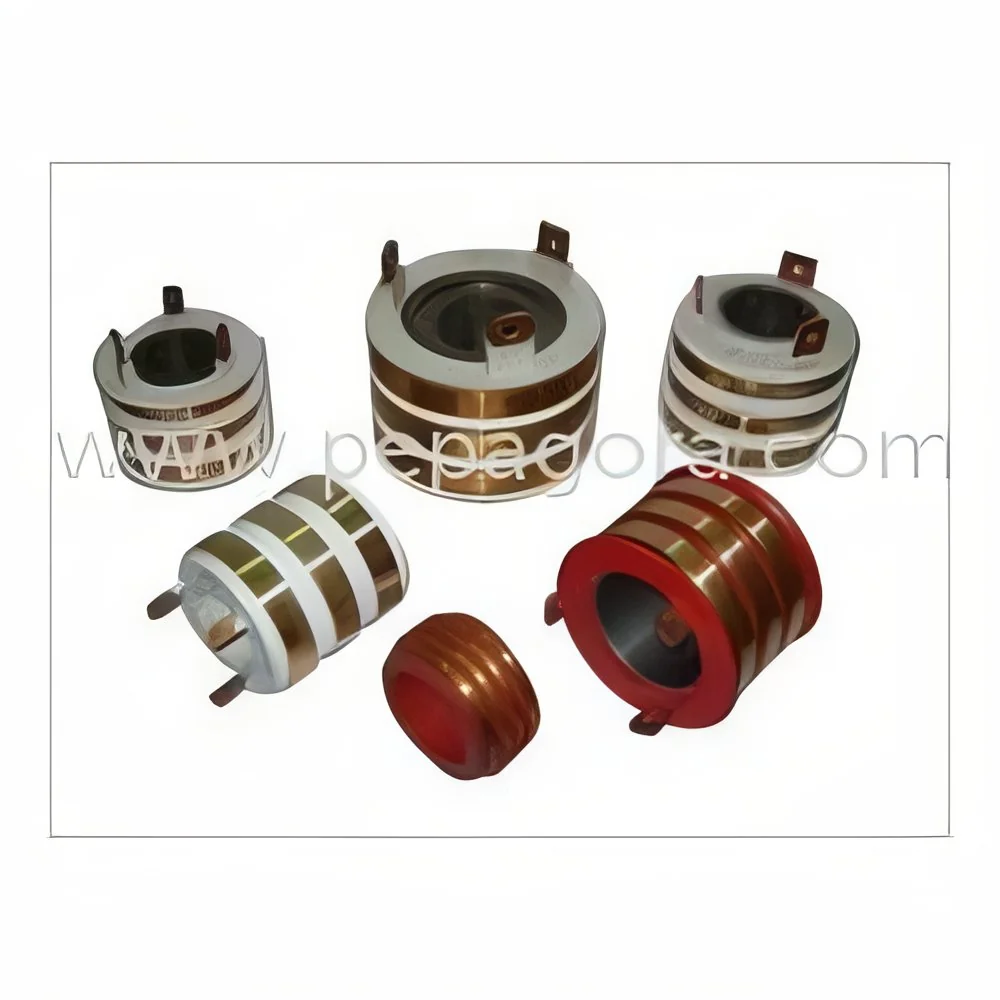
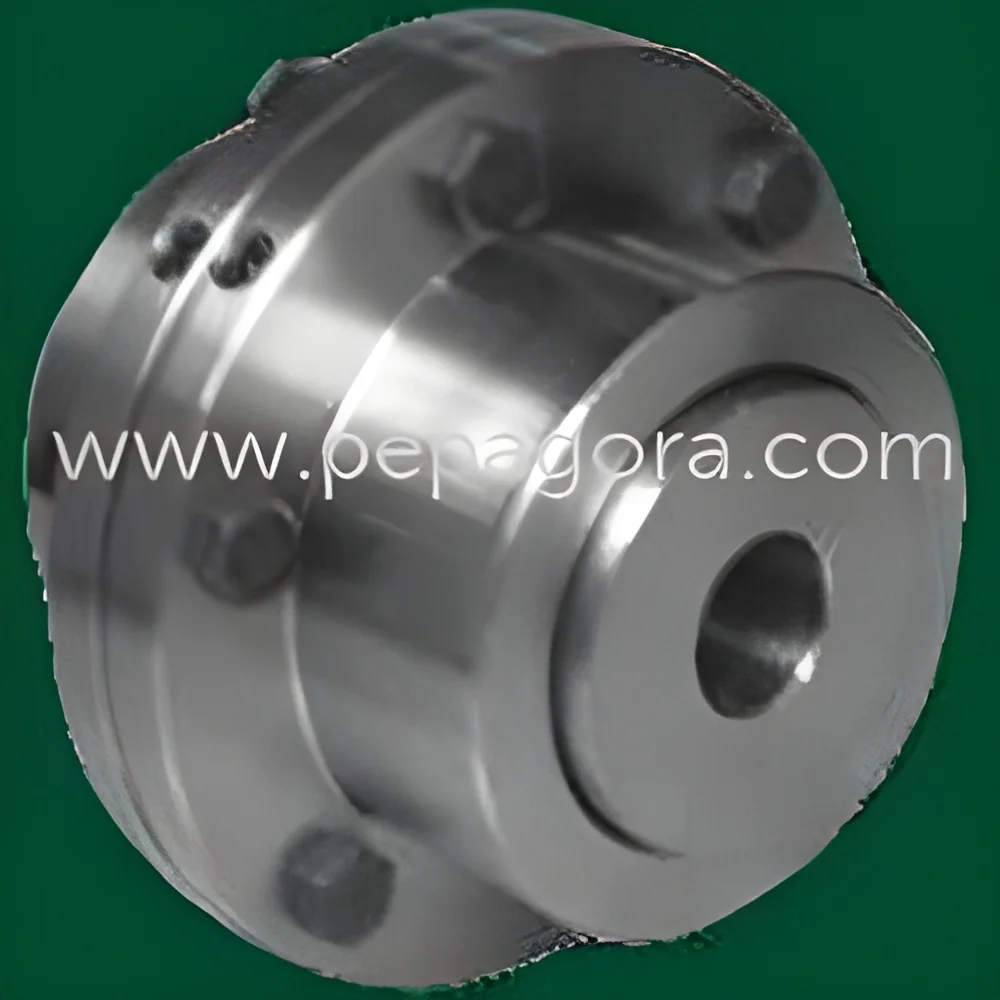
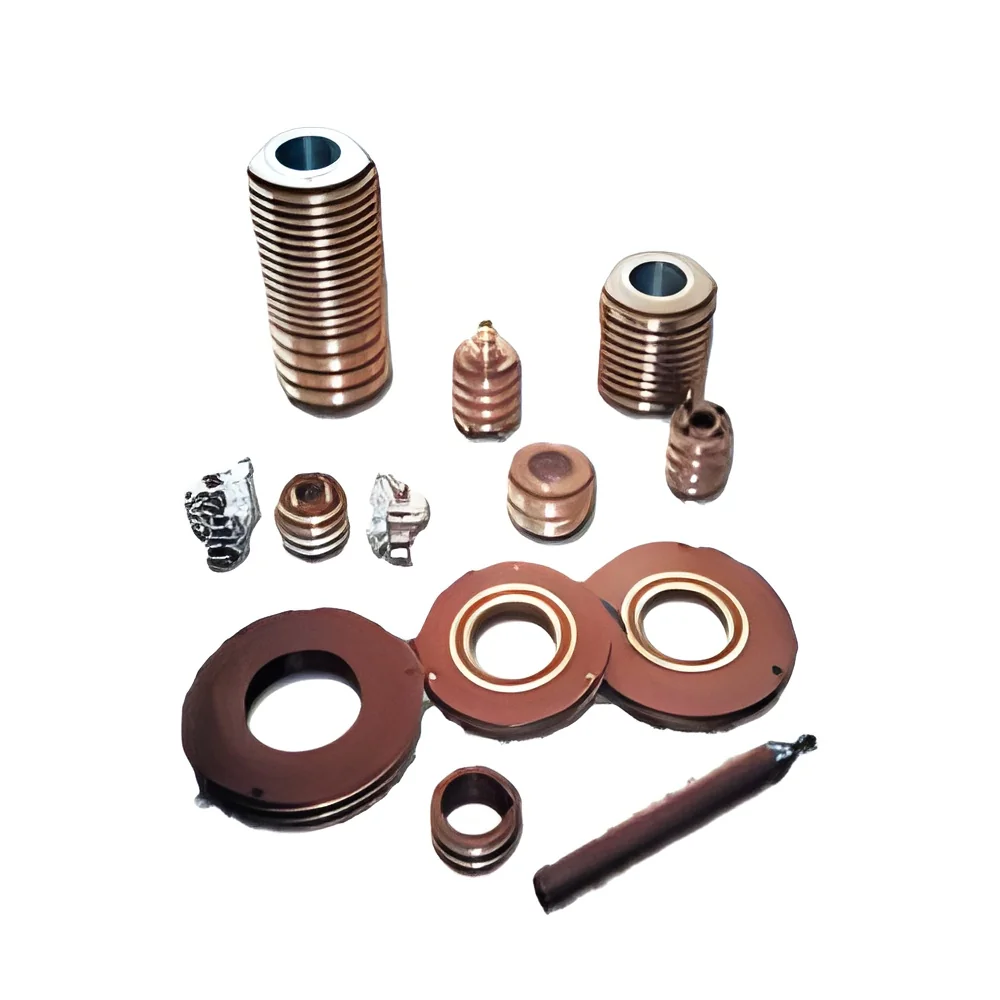
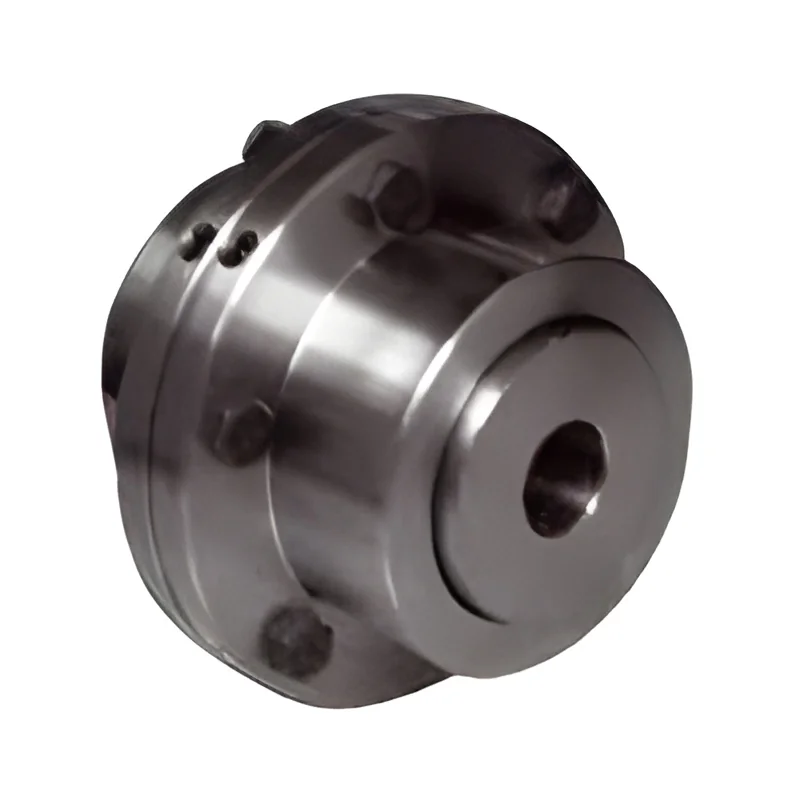
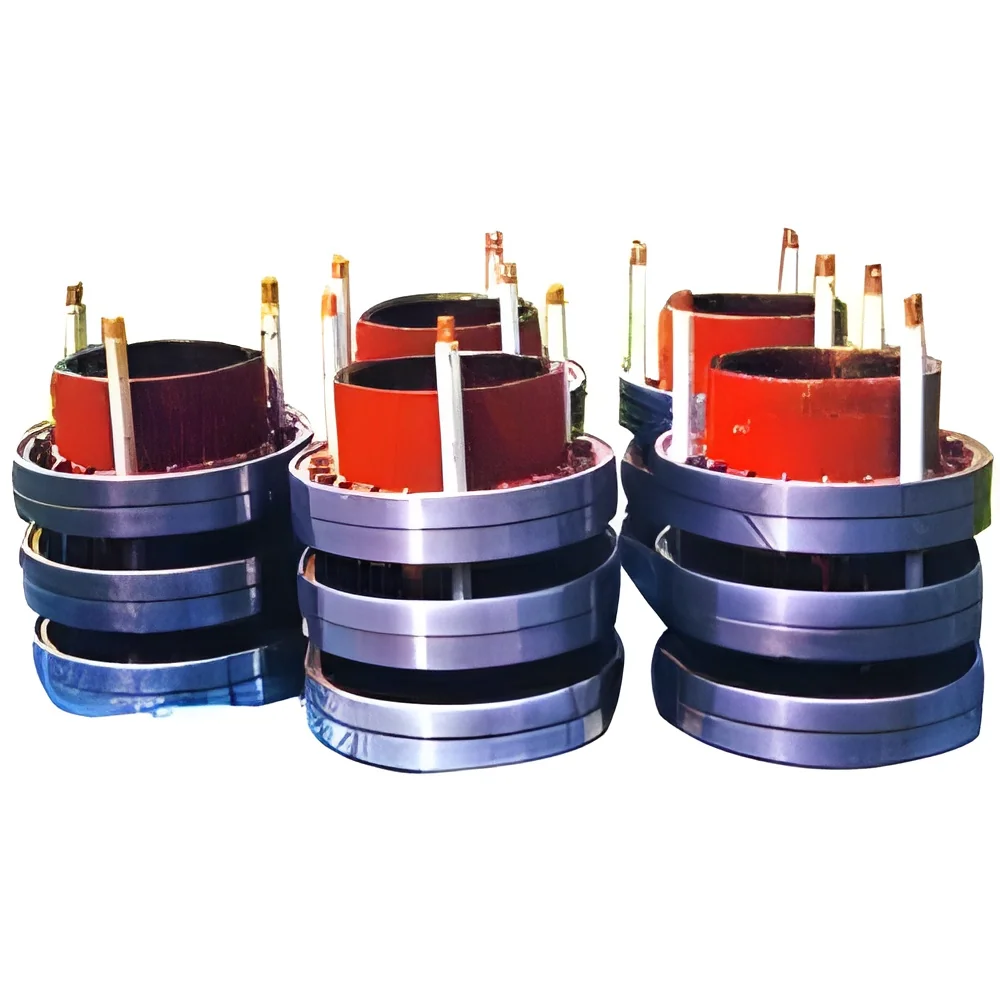
What are Synchronizer Rings?
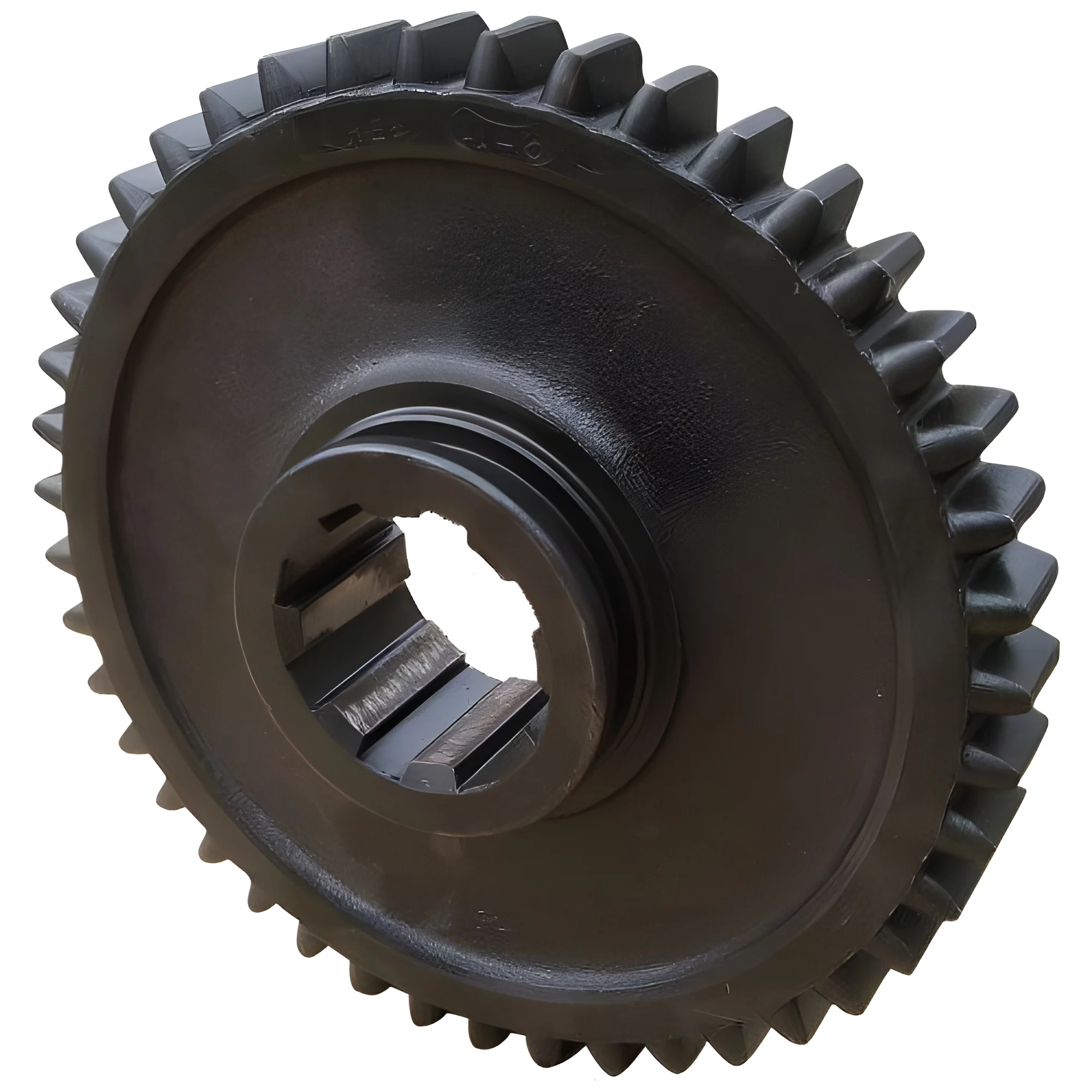
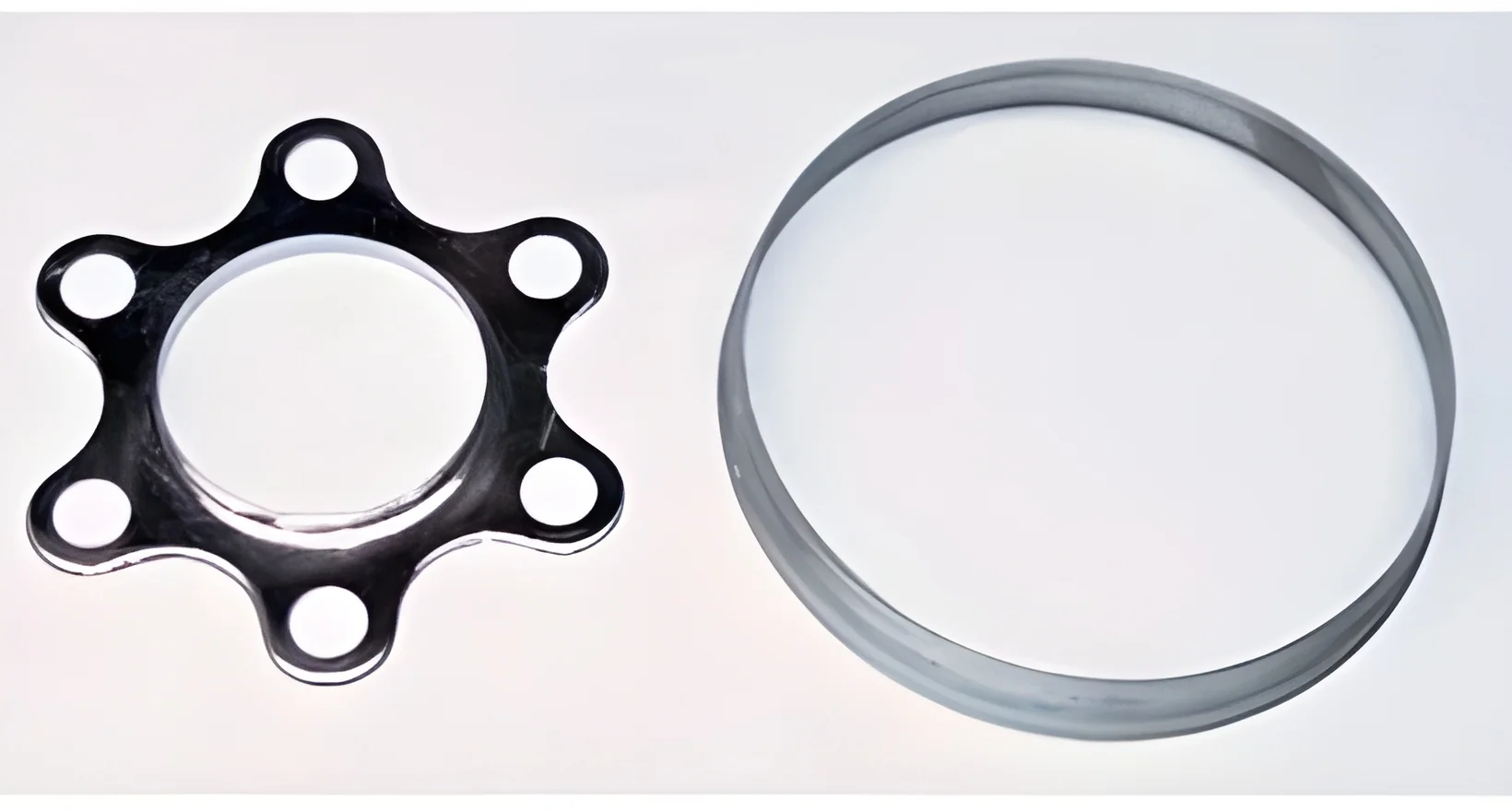
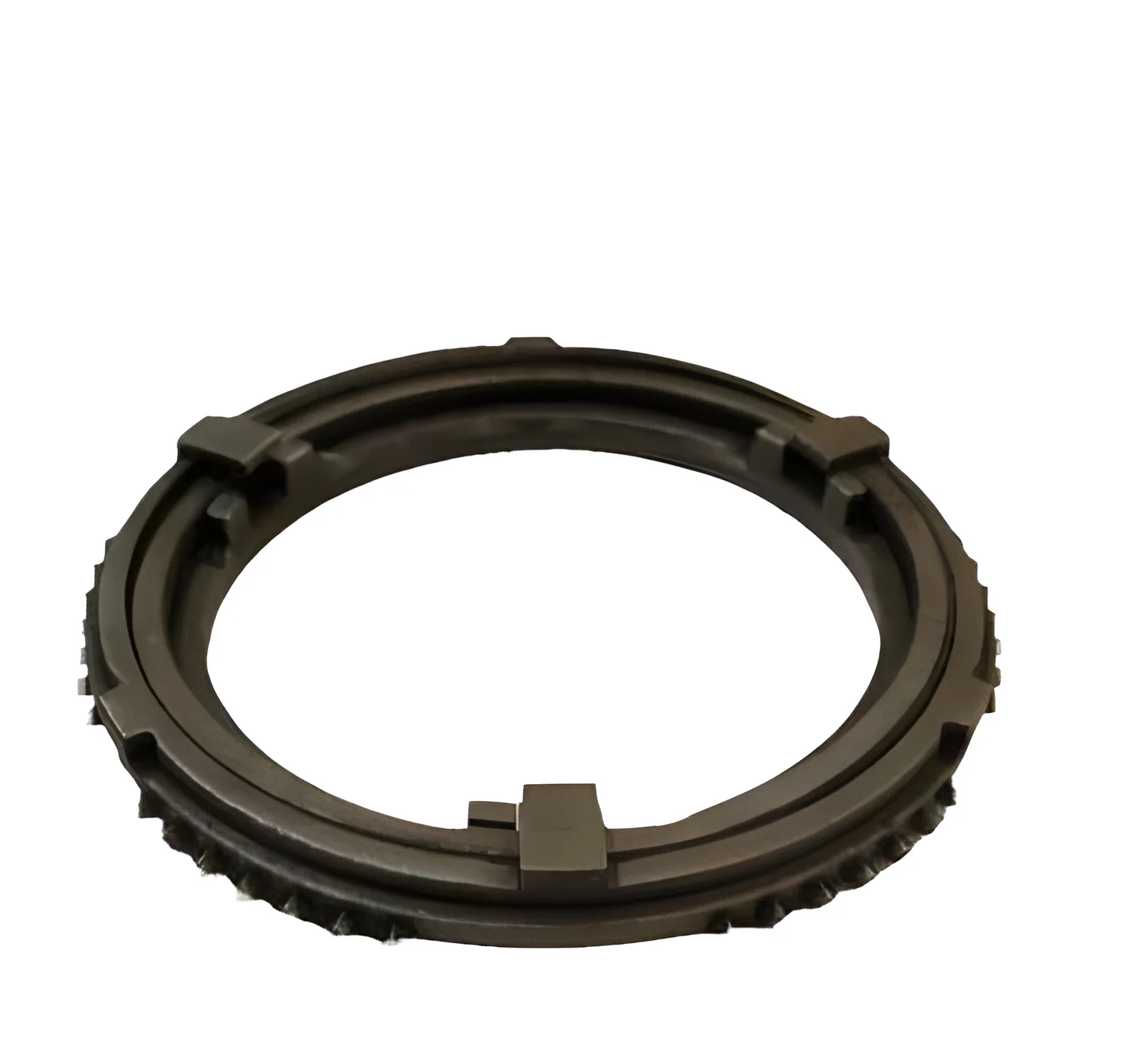
Synchronizer rings are essential components used in manual transmissions of vehicles and machinery. They serve to synchronize the speeds of different gears during shifting, ensuring smooth engagement and disengagement. By facilitating this synchronization, these rings help prevent grinding and wear of the gears, ultimately enhancing the longevity and performance of the transmission system.
In industrial applications, synchronizer rings are frequently utilized in automotive, aviation, and heavy machinery sectors. They play a critical role in the efficient operation of gearboxes and other transmission systems. The demand for high-quality synchronizer rings has grown as industries strive for improved efficiency and reliability in their operations. Understanding their functionality and significance is crucial for businesses that rely on machinery and vehicles.
In the current market context, the relevance of synchronizer rings is underscored by advancements in automotive technology and increasing demands for durability and performance. Industries are increasingly focusing on precision engineering and materials that can withstand high stress and temperature variations. This trend highlights the importance of sourcing quality synchronizer rings that meet industry standards.
Key Features and Specifications
Synchronizer rings come with several key features that enhance their performance and reliability. Understanding these specifications is essential for businesses looking to purchase high-quality components.
Key specifications include:
1. Material Composition
- Typically made from high-strength alloys or composites
- Ensures durability and resistance to wear
2. Operating Temperature Range
- Designed to function effectively in a variety of temperatures
- Specific ranges not detailed but typically accommodate automotive and industrial requirements
3. Inner Diameter Specifications
- Varies based on the application and gear design
- Custom sizes may be available to meet specific needs
4. Thickness Options
- Available in various thicknesses for different applications
- Critical for achieving the right fit and function within the gearbox
5. Surface Treatment
- May include coatings to enhance performance
- Aims to reduce friction and improve longevity
6. Compliance Standards
- Manufactured to meet industry standards such as CE certification
- Ensures safety and quality in applications
7. Design Variability
- Can be designed for specific transmission types
- Flexibility in design allows for better fitment in diverse applications
In summary, understanding these key specifications helps businesses select the right synchronizer rings for their specific needs, ensuring optimal performance in their machinery and vehicles.
Common Applications and Use Cases
Synchronizer rings find applications across various industries, each with unique requirements.
1. Automotive Industry: In passenger vehicles, synchronizer rings are crucial for enabling smooth gear shifts in manual transmissions. They help maintain the vehicle's performance and efficiency.
2. Aviation Sector: Synchronizer rings are used in aircraft transmissions to ensure reliable gear engagement under high-stress conditions. Their durability is vital for safety and performance.
3. Heavy Machinery: In construction and agricultural equipment, these rings are essential for the efficient operation of gearboxes, contributing to the overall functionality and productivity of the machines.
4. Marine Applications: Synchronizer rings are utilized in marine engines to facilitate smooth gear transitions, essential for maintaining vessel performance in varying conditions.
5. Industrial Equipment: In various industrial machinery, synchronizer rings help ensure efficient operation of gear-driven systems, enhancing productivity and reducing wear.
6. Motor Sports: High-performance racing vehicles rely on precision-engineered synchronizer rings to achieve rapid and smooth gear shifts, crucial for competitive performance.
7. Robotics: In automated systems, synchronizer rings play a role in ensuring precise control of movements, contributing to the accuracy of robotic operations.
Product Variants and Subcategories
Synchronizer rings are available in various configurations to meet specific industry needs. The diversity of these products allows businesses to find the right fit for their applications.
Standard Synchronizer Rings: These are designed for general use in manual transmissions across various vehicles. They provide reliable performance and are available in multiple sizes to fit standard gear systems.
High-Performance Synchronizer Rings: Engineered for racing and high-stress applications, these rings are made from advanced materials to withstand extreme conditions. They are often used in motorsports and high-performance vehicles.
Custom Synchronizer Rings: These rings can be tailored to specific requirements based on unique gear configurations. Customization allows for optimal fit and function in specialized applications.
Benefits and Advantages
Sourcing synchronizer rings can provide several advantages for businesses.
1. Enhanced Gear Performance: Synchronizer rings improve the smoothness of gear shifts, reducing wear and extending the life of the transmission system.
2. Increased Reliability: High-quality synchronizer rings enhance the reliability of machinery and vehicles, minimizing downtime and maintenance costs.
3. Improved Efficiency: By facilitating smoother gear engagement, synchronizer rings contribute to overall operational efficiency, allowing for better fuel economy and productivity.
4. Customization Options: The ability to customize synchronizer rings ensures that businesses can obtain components that meet their specific application needs.
5. Compliance Assurance: Sourcing from reputable suppliers ensures that synchronizer rings meet industry standards and regulations, providing peace of mind regarding safety and quality.
6. Cost-Effectiveness: Investing in durable synchronizer rings can lead to lower long-term costs by reducing the frequency of replacements and repairs.
Buying Guide for B2B Buyers
When sourcing synchronizer rings, there are several important factors to consider to ensure the best selection.
1. Quality Assessment: Evaluate the quality of materials and manufacturing processes. Look for certifications and standards compliance to ensure the rings will perform reliably in your applications.
2. Supplier Verification: Vet suppliers thoroughly. Check their reputation in the industry, customer reviews, and experience in providing synchronizer rings to ensure you are partnering with a reliable source.
3. Pricing and MOQ: Understand the pricing structure and the minimum order quantities (MOQ) required. Compare prices across different suppliers to ensure you are getting a competitive deal.
4. Delivery and Lead Times: Consider the logistics involved in sourcing synchronizer rings. Ensure that suppliers can meet your timelines and can provide reliable delivery schedules.
5. Compliance Requirements: Be aware of any regulatory needs specific to your industry. Ensure that the synchronizer rings sourced comply with relevant safety and quality standards.
Compliance and Certifications
Compliance and certifications play a vital role in the quality and reliability of synchronizer rings. Adhering to relevant quality standards such as ISO 9001 ensures that manufacturing processes meet established benchmarks for quality management. This helps in delivering consistent and reliable products.
In addition, compliance with industry certifications, such as CE, indicates that the products meet European safety and performance standards. This is especially important for businesses operating in regulated industries where safety is paramount.
Furthermore, manufacturers must consider safety and testing requirements to ensure that synchronizer rings can withstand operational stresses. Regional compliance considerations may also vary, and it is crucial for suppliers to adhere to local regulations to ensure market acceptance.
Why Source Synchronizer Rings from Pepagora?
Pepagora offers a trusted platform for sourcing synchronizer rings, providing several key advantages for businesses.
Verified Supplier Network: Pepagora carefully vets its suppliers to ensure that only reputable manufacturers are featured on the platform. This gives buyers confidence in the quality and reliability of the products.
Streamlined RFQ Process: The Request for Quotation (RFQ) system simplifies the sourcing process, allowing buyers to receive multiple quotes from suppliers efficiently. This helps in making informed purchasing decisions.
Trade Assurance and Support: Pepagora provides trade assurance, protecting buyers from potential risks associated with sourcing. This support fosters a secure buying environment.
Regional Coverage: With a strong presence in India, the GCC, and Southeast Asia, Pepagora offers extensive geographic reach. This allows businesses to connect with suppliers that can meet their specific needs, regardless of their location.

 IN
IN