
 IN
Silencers & Mufflers
43 products available
What are Silencers & Mufflers?
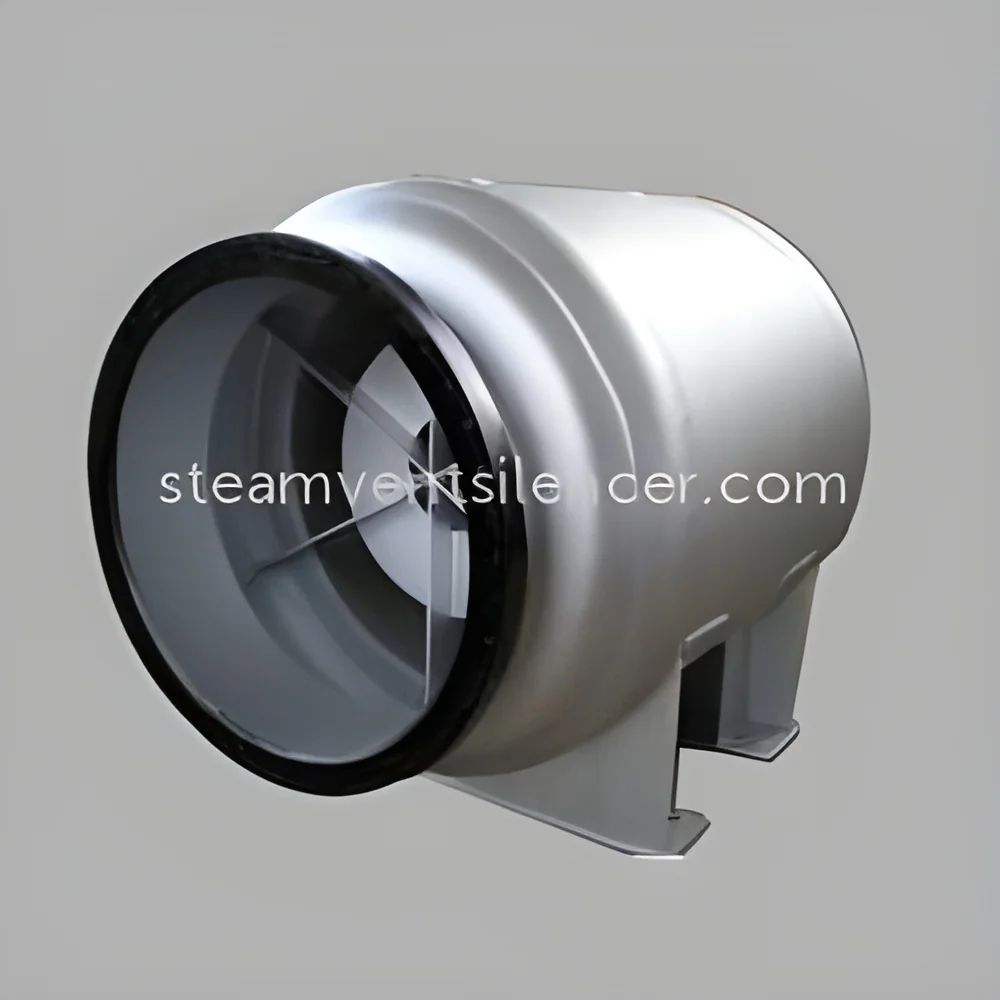
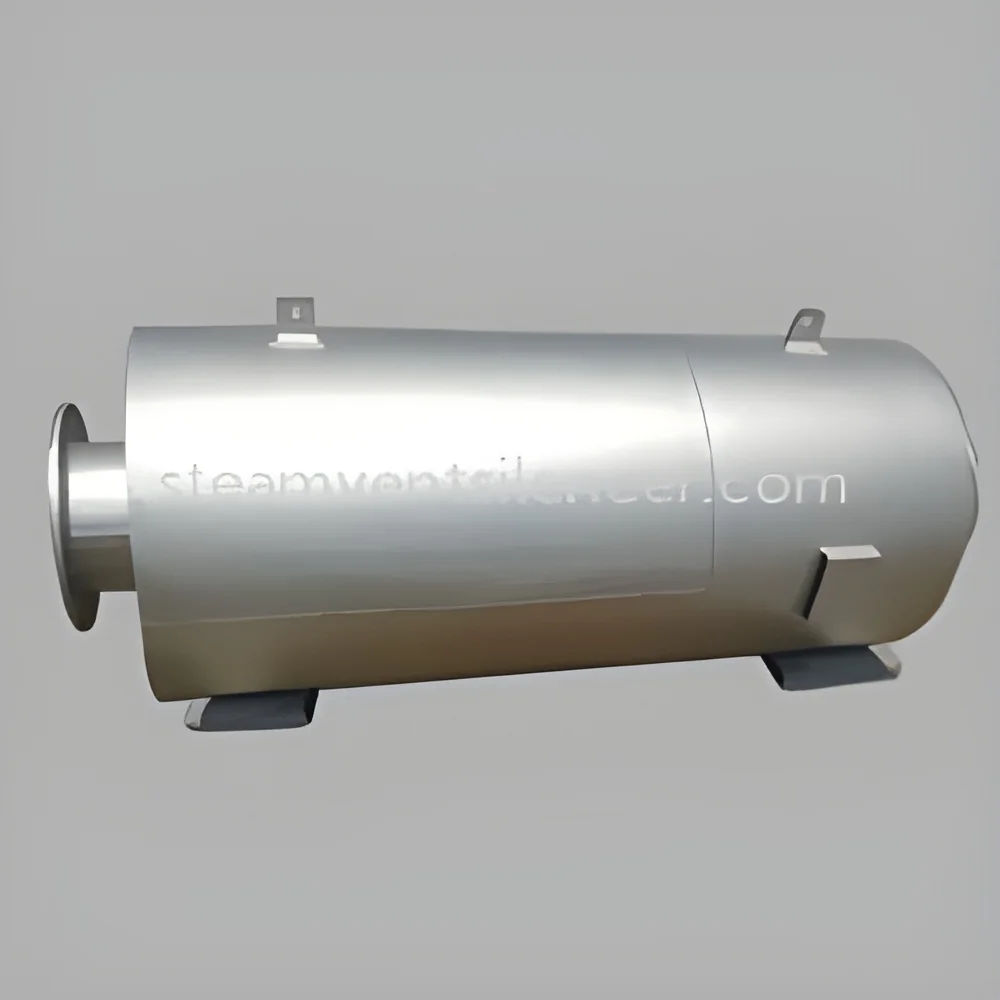
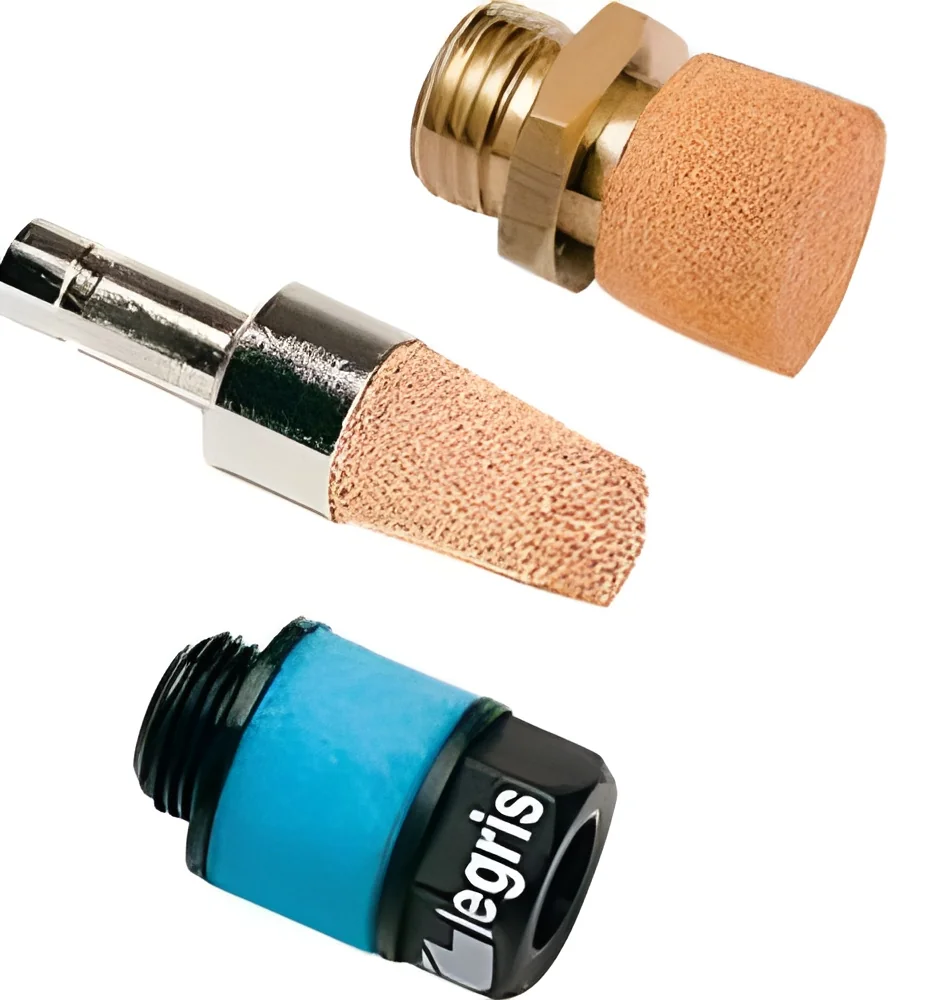
Silencers and mufflers are devices designed to reduce the noise generated by engines and other machinery. They operate by dissipating sound energy through various mechanisms, including absorption, reflection, and expansion. These components are essential in controlling noise pollution, ensuring compliance with regulatory standards, and improving overall operational efficiency in various industries.
Primarily, silencers and mufflers are used in automotive applications, industrial machinery, and HVAC systems. In automotive settings, they help to meet noise regulations while enhancing the performance of the vehicle. In industrial scenarios, they are critical in minimizing noise generated by heavy equipment, thereby improving workplace safety and comfort. The market for silencers and mufflers is expanding due to increasing regulatory requirements and a growing awareness of noise pollution's impact on health and the environment.
As industries evolve, the relevance of silencers and mufflers has grown. With stricter noise control regulations being implemented worldwide, businesses are compelled to invest in effective noise reduction solutions. This increasing demand reflects a broader trend in sustainable practices and corporate responsibility across various sectors.
Key Features and Specifications
When evaluating silencers and mufflers, several key features and specifications are essential to consider. These elements can significantly impact performance, efficiency, and compliance with industry standards.
Key specifications include:
1. Noise Reduction Rating
- Indicates the effectiveness of the device in reducing sound levels
- Typically measured in decibels (dB)
2. Material Composition
- Common materials include stainless steel, aluminum, and carbon steel
- Durability and resistance to corrosion are critical factors
3. Size and Dimensions
- Must match the specific application requirements
- Length, diameter, and weight can vary significantly
4. Flow Capacity
- Determines the volume of gas or air that can pass through the device
- Important for maintaining engine performance
5. Operating Temperature Range
- Indicates the temperatures the device can withstand without failure
- Essential for high-performance and industrial applications
6. Installation Type
- Options include inline, slip-on, and weld-on configurations
- Compatibility with existing systems is crucial
7. Maintenance Requirements
- Factors in how often the device needs to be serviced or replaced
- Influence on long-term operational costs
8. Compliance Standards
- Must meet relevant noise control regulations and industry certifications
- Ensures the device is suitable for its intended use
In summary, understanding these specifications helps businesses select the right silencers and mufflers for their needs, ensuring compliance and optimal performance.
Common Applications and Use Cases
Silencers and mufflers find applications across a range of industries. Their versatility is a key reason for their widespread use.
1. Automotive Industry: Silencers are crucial in vehicles to reduce exhaust noise and meet regulatory standards, enhancing the driving experience and compliance.
2. Construction Industry: Heavy machinery and equipment often generate significant noise, making mufflers essential for compliance with safety regulations and ensuring a comfortable work environment.
3. Manufacturing Sector: Industrial machinery can produce loud operational noise; silencers help mitigate this, improving workplace safety and productivity.
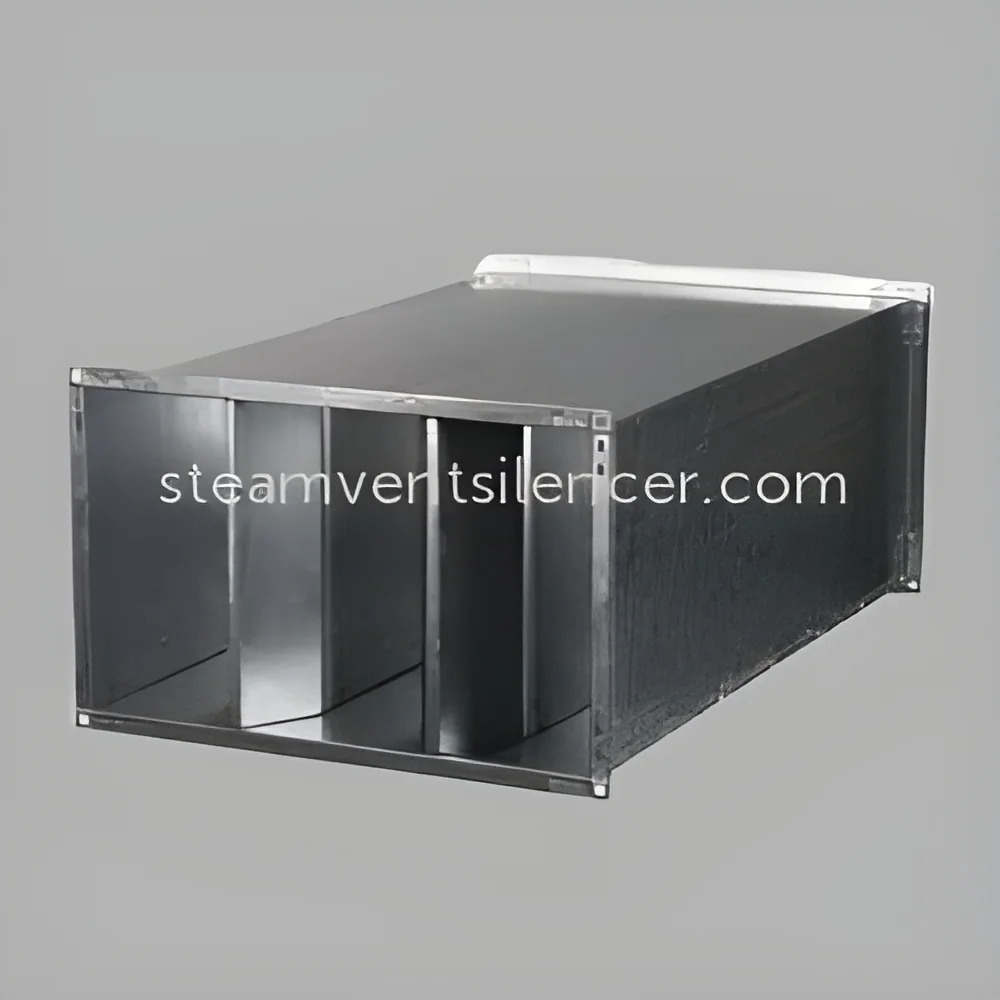
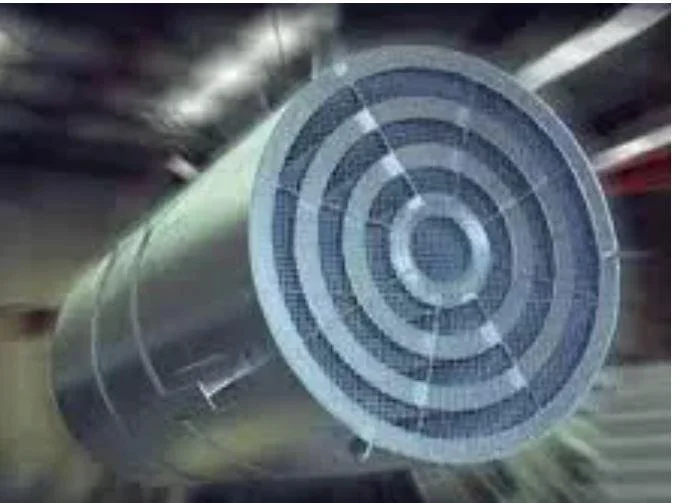
4. HVAC Systems: These systems utilize mufflers to minimize noise from air handling units and ductwork, contributing to quieter indoor environments.
5. Marine Applications: Boats and ships use silencers to reduce engine noise, ensuring compliance with maritime regulations and enhancing passenger comfort.
6. Agricultural Equipment: Tractors and harvesters benefit from mufflers to lower noise levels during operation, promoting a better working environment.
7. Power Generation: Generators and turbines utilize silencers to reduce operational noise, enhancing their acceptability in residential and commercial areas.
Product Variants and Subcategories
Silencers and mufflers come in various designs and specifications to meet diverse application needs. This product diversity allows businesses to find tailored solutions.
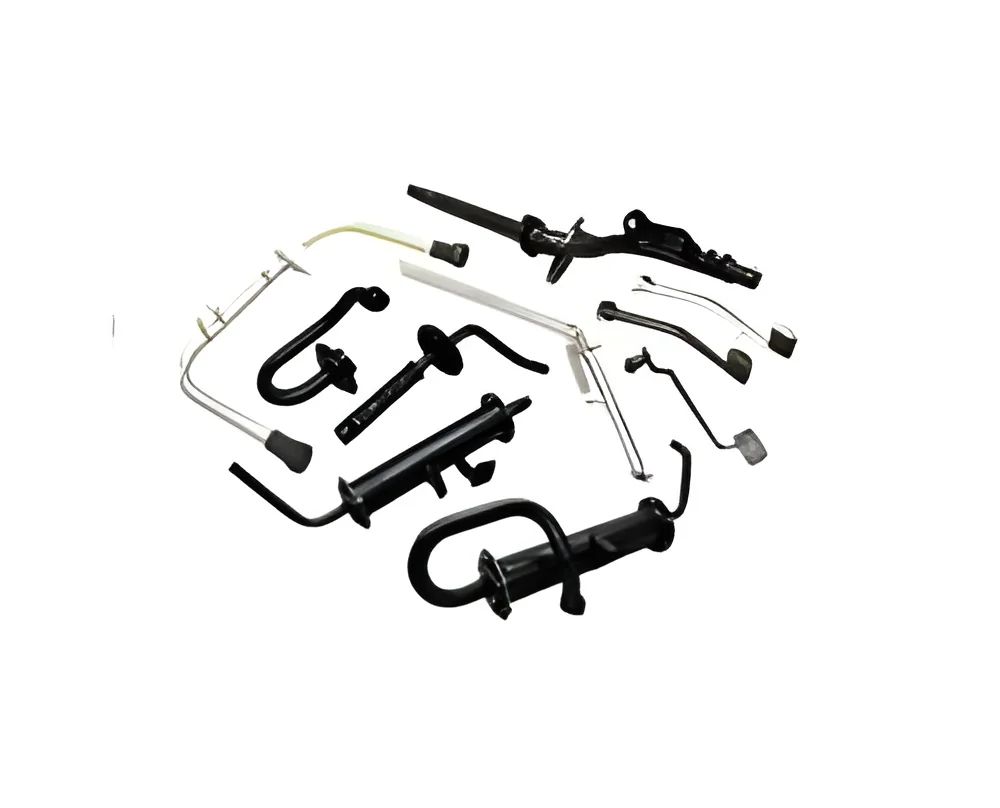
Automotive Mufflers
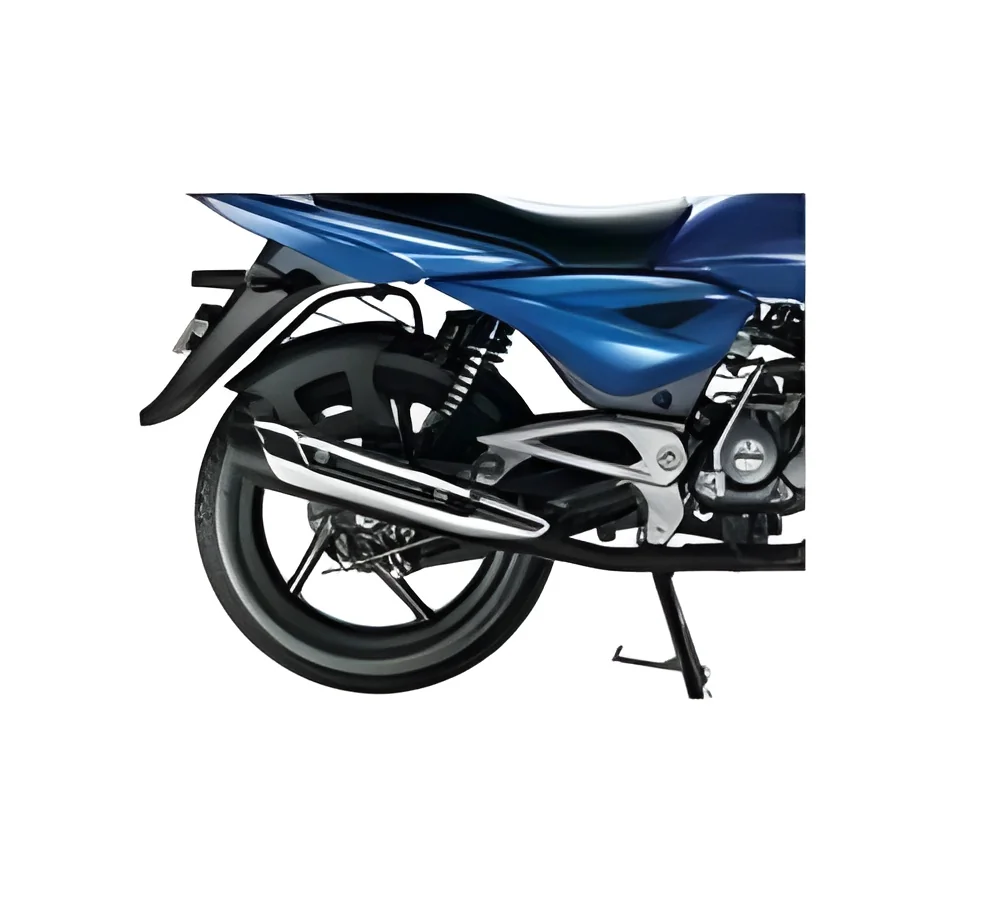
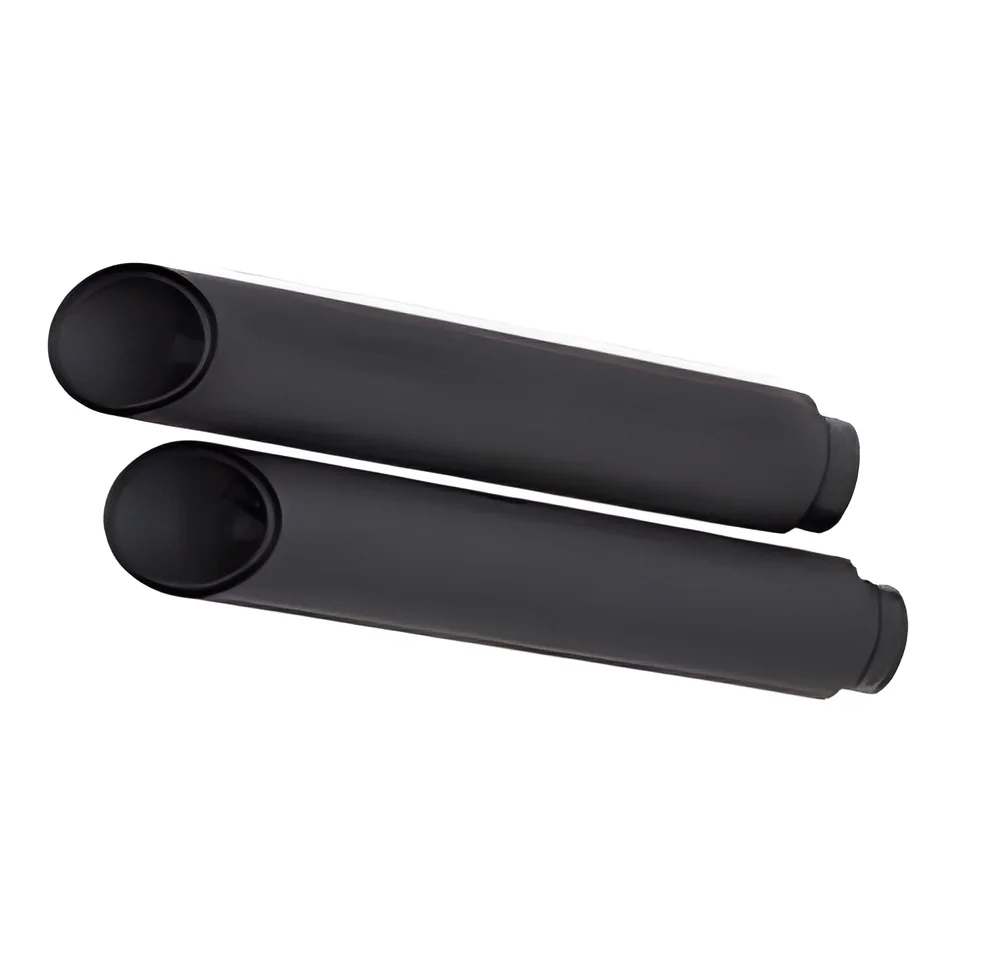
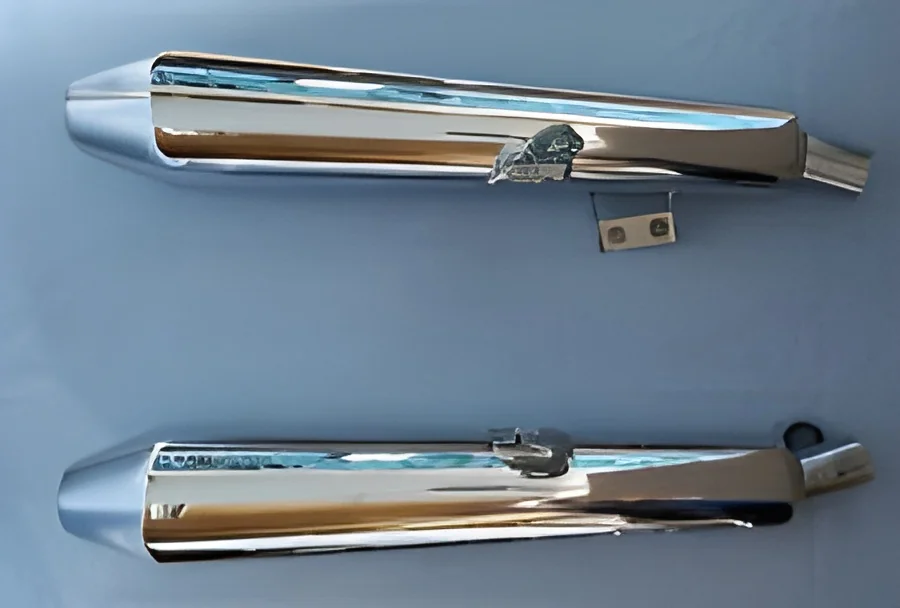
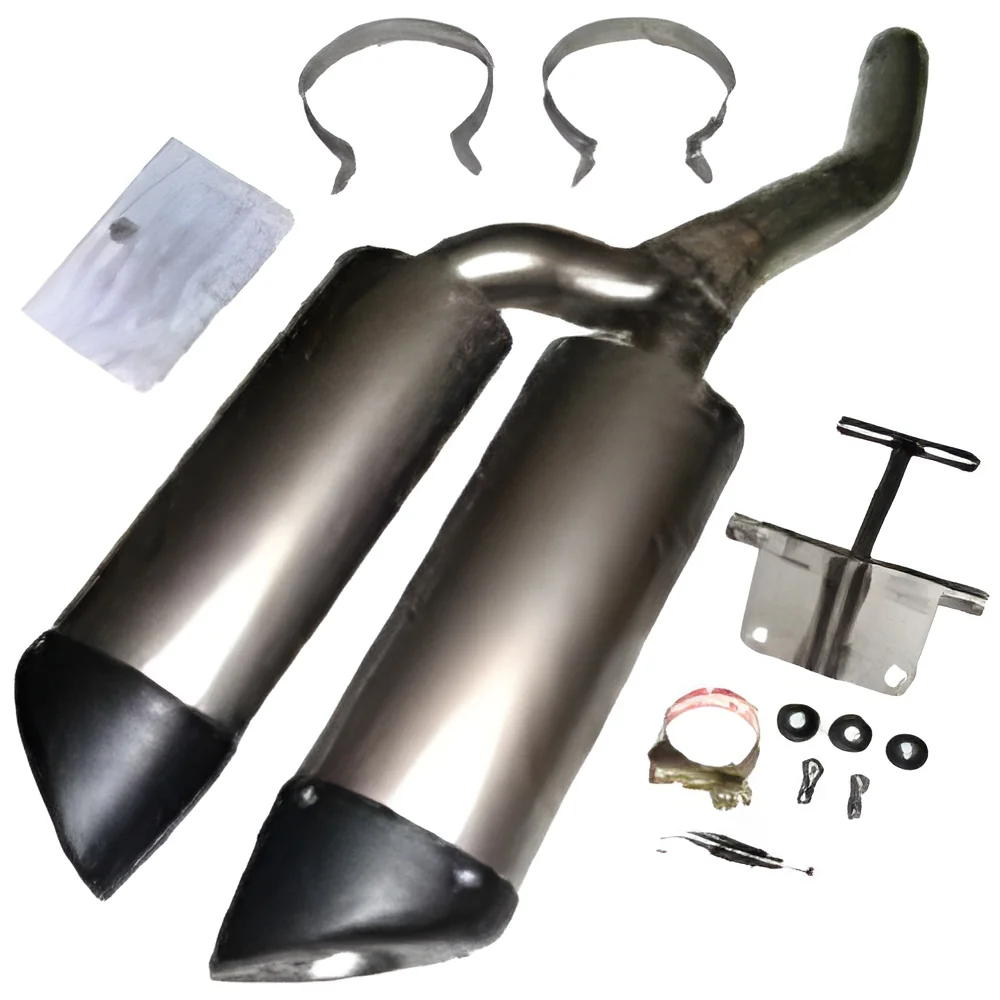
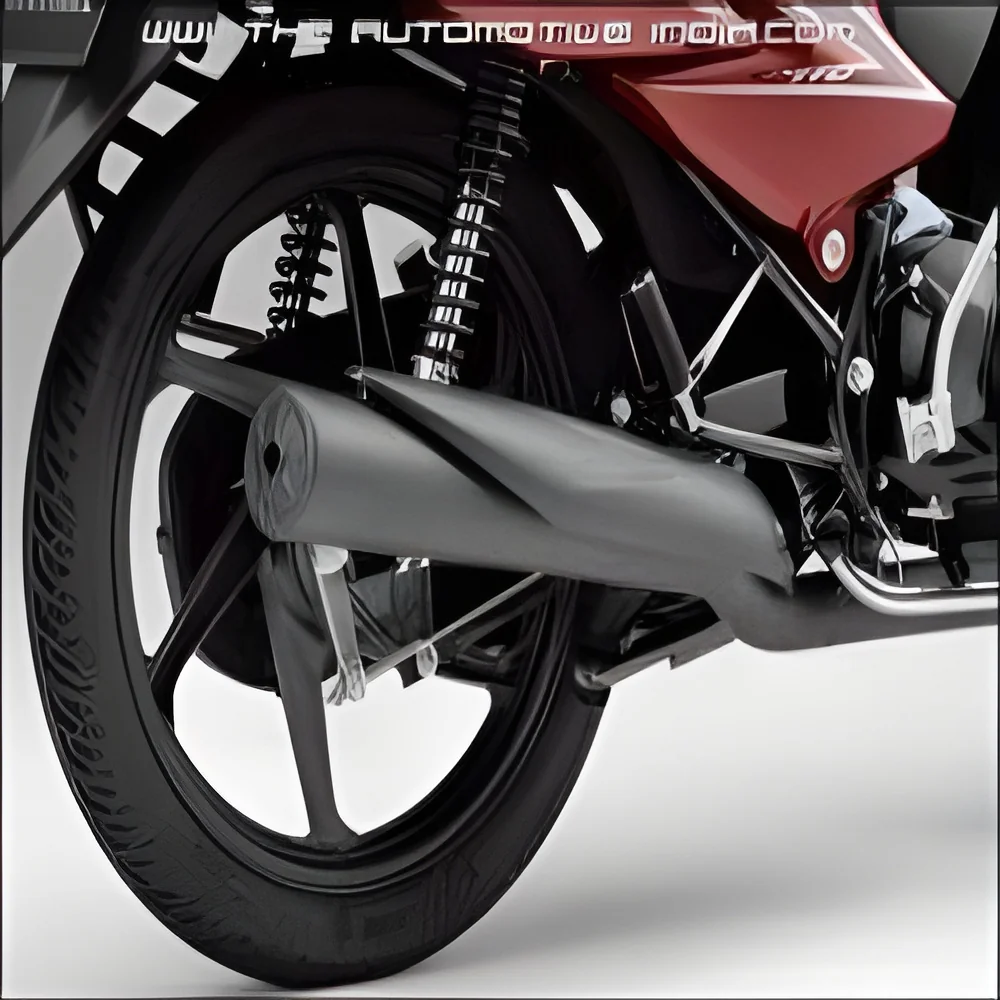
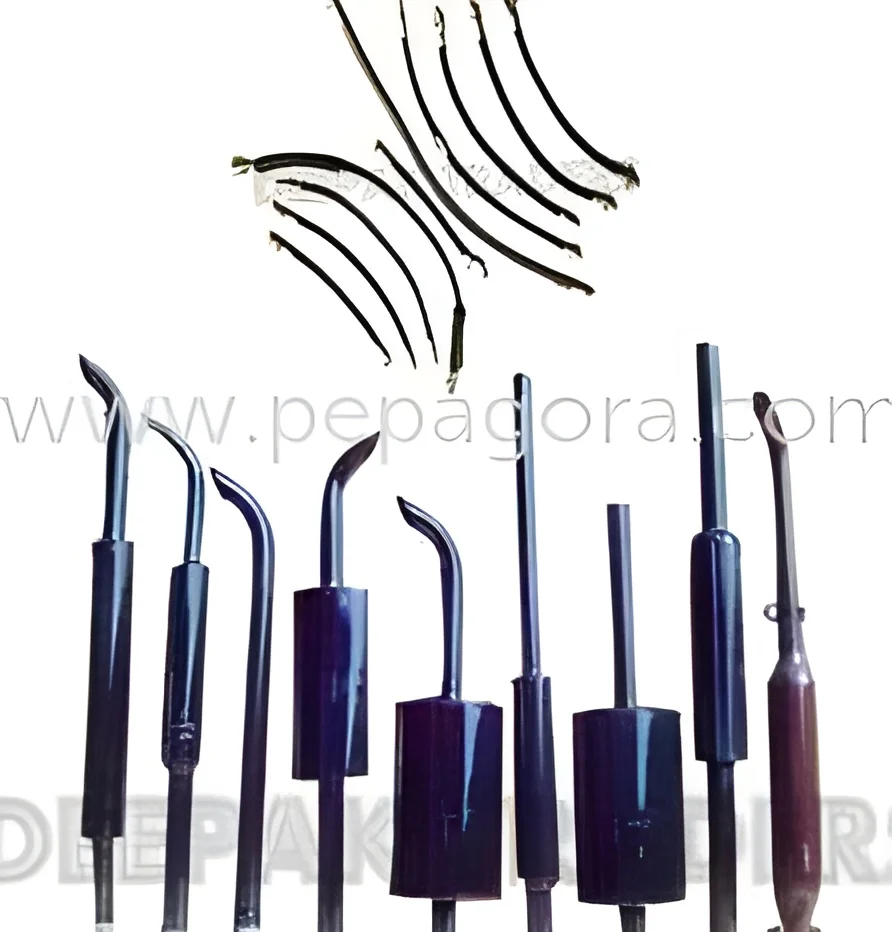
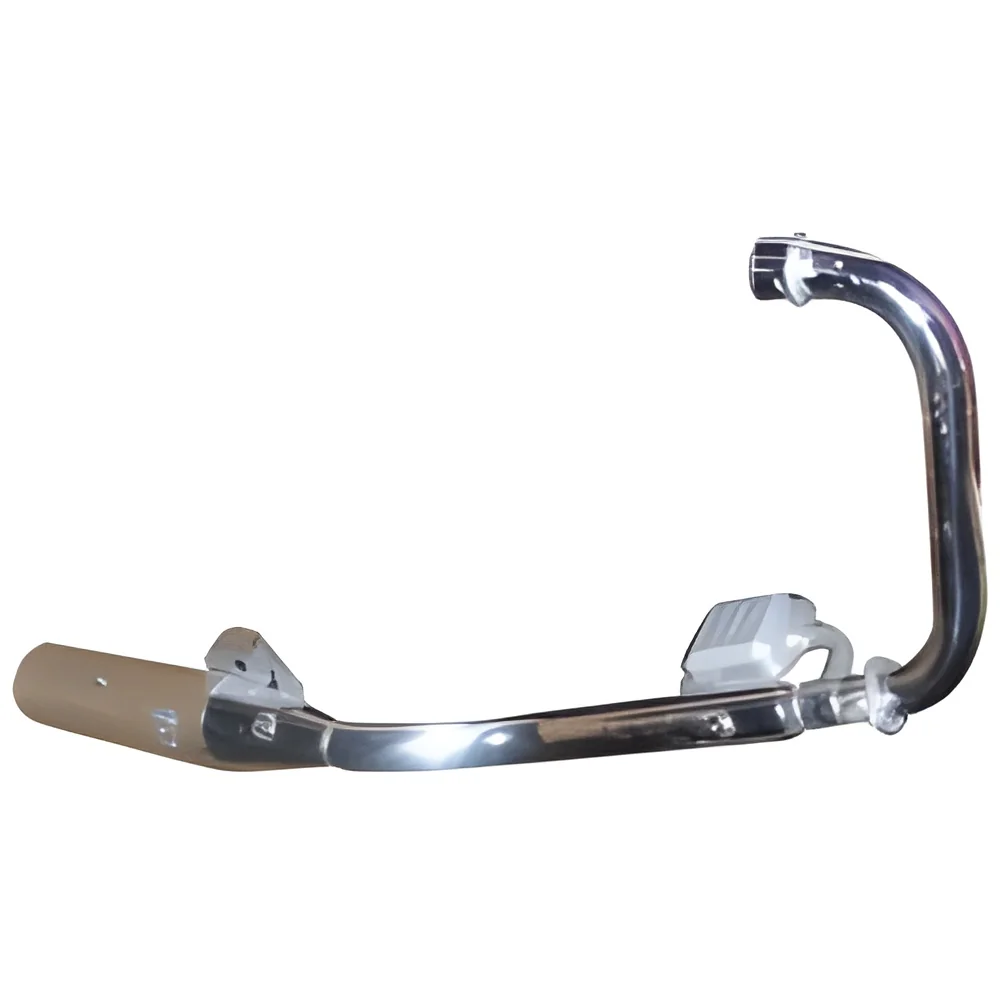
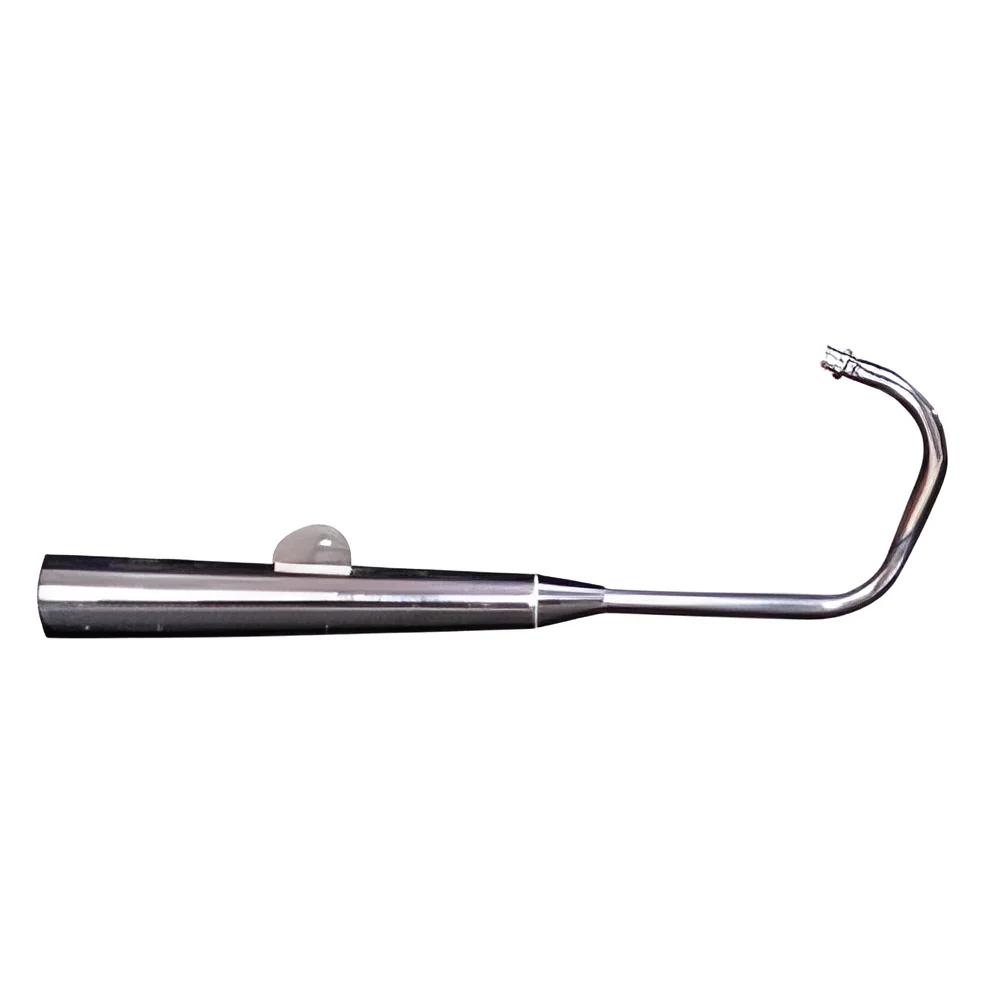
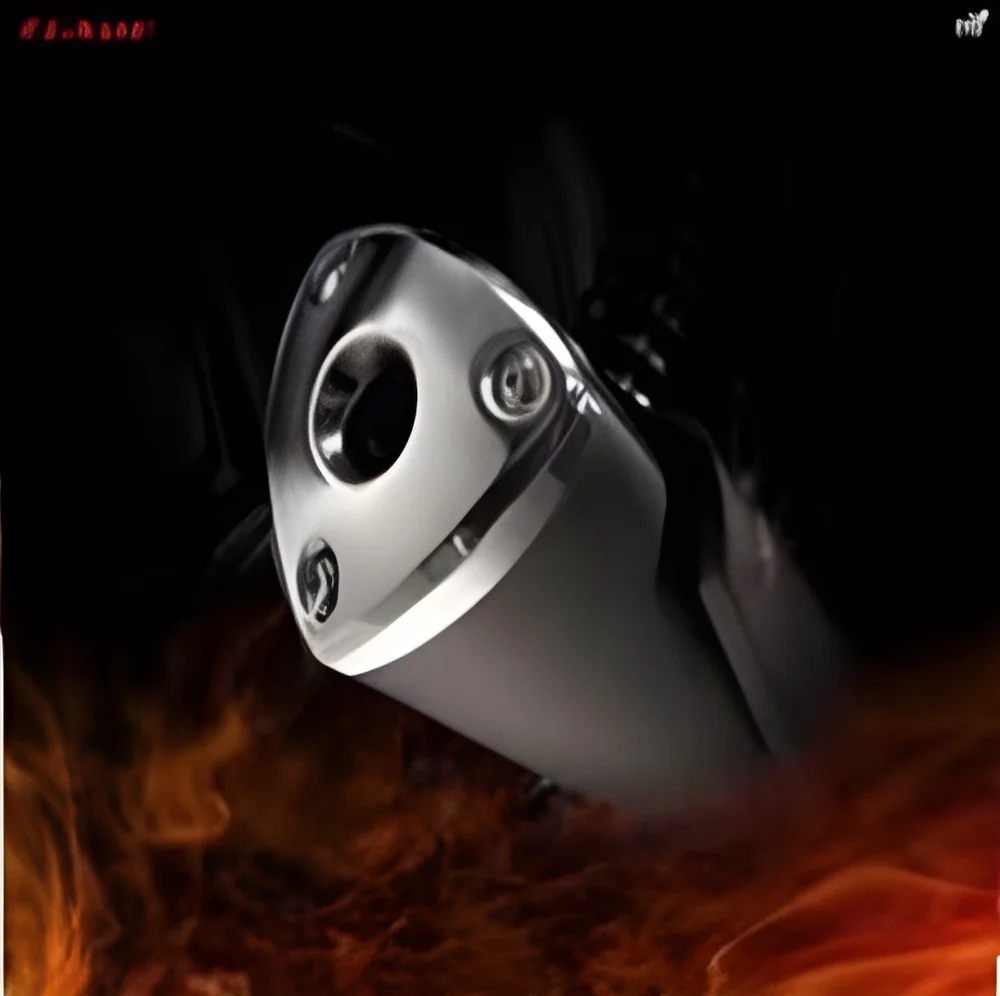
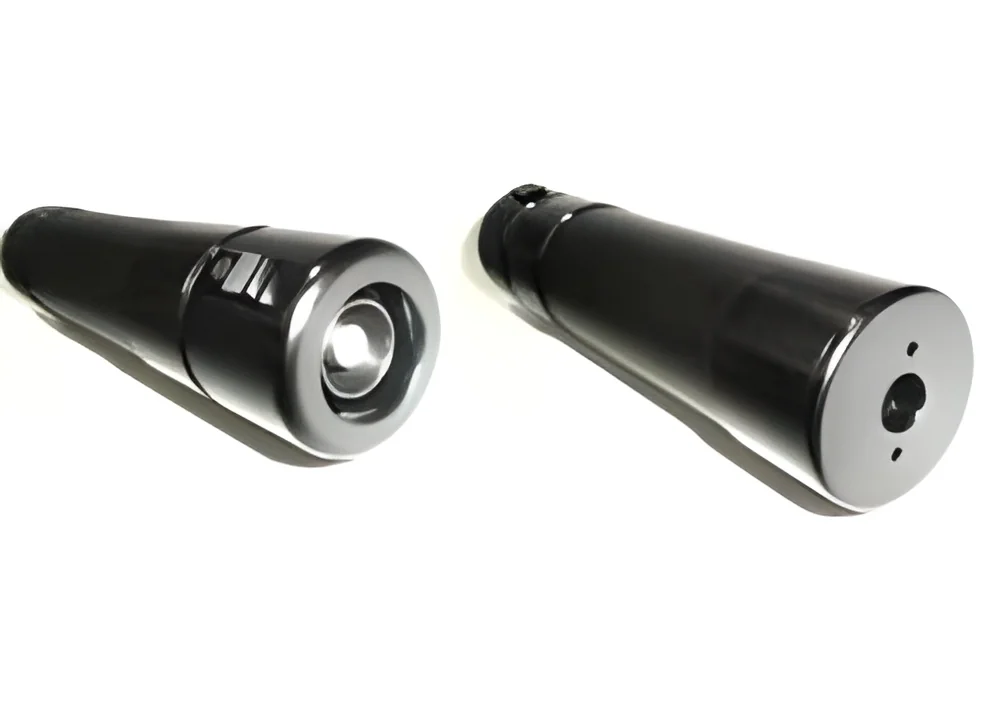
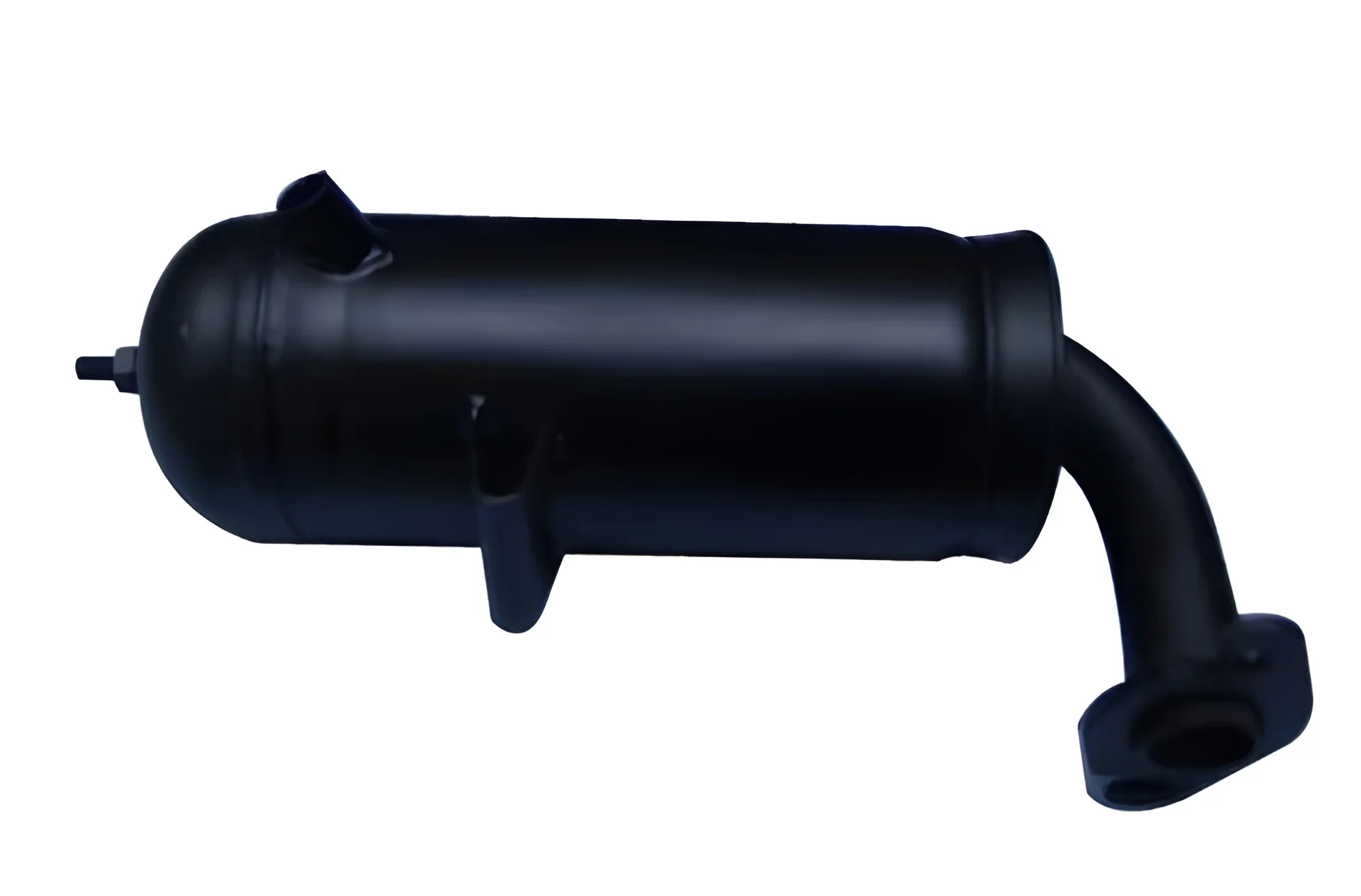
These are specifically designed to reduce exhaust noise in vehicles. They often feature sophisticated internal structures to achieve high levels of sound attenuation while maintaining engine performance.
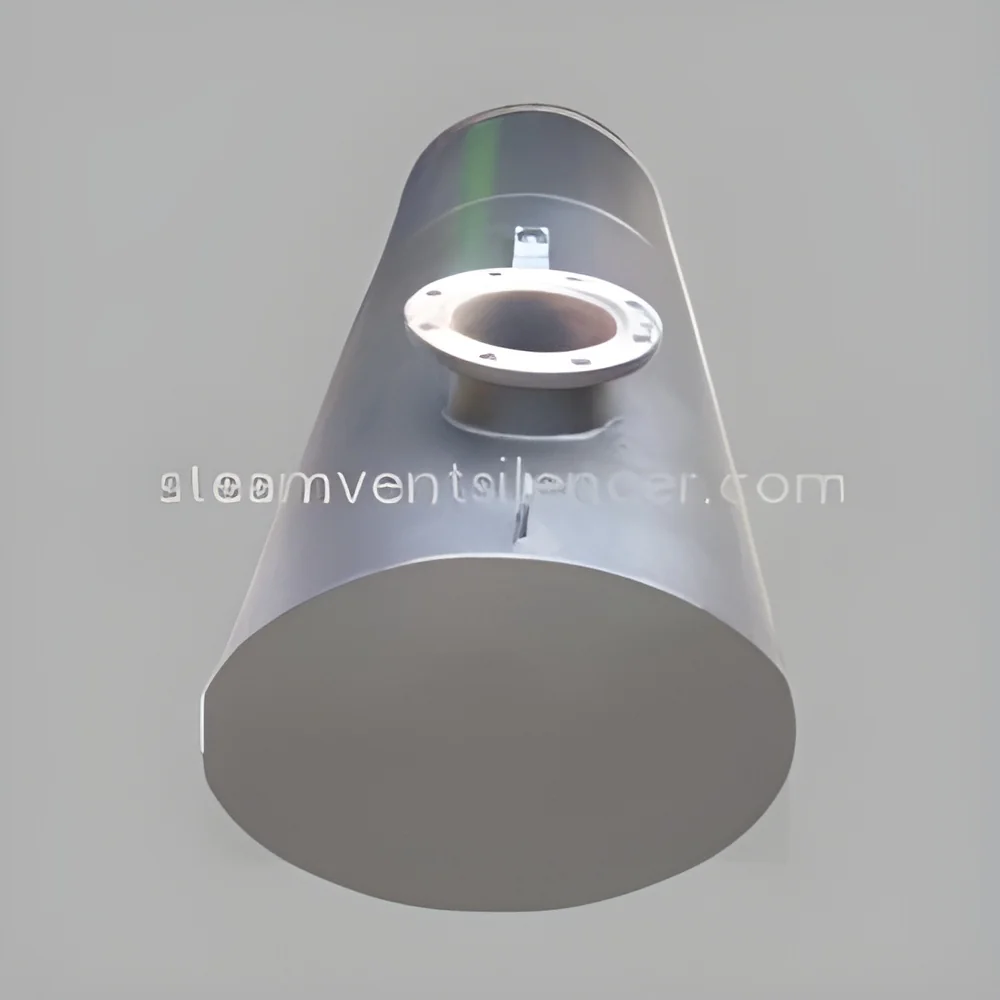
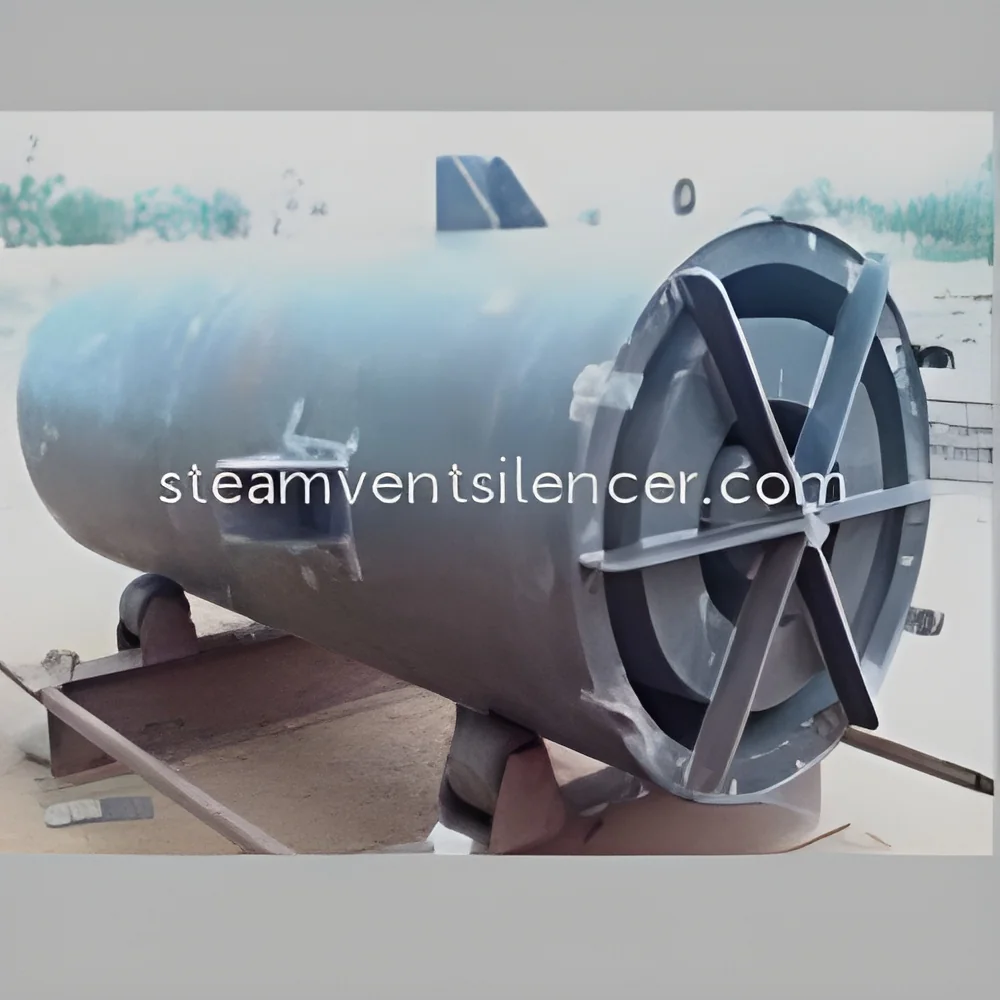
Industrial Silencers
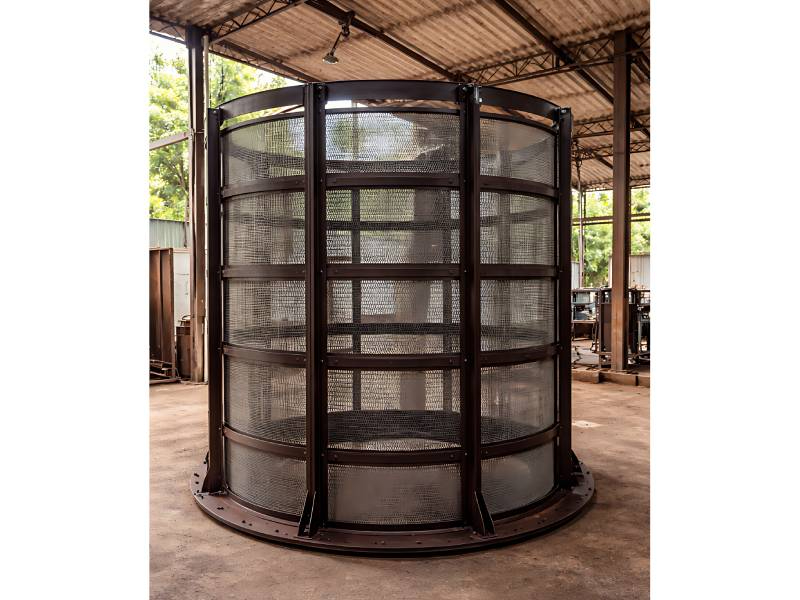
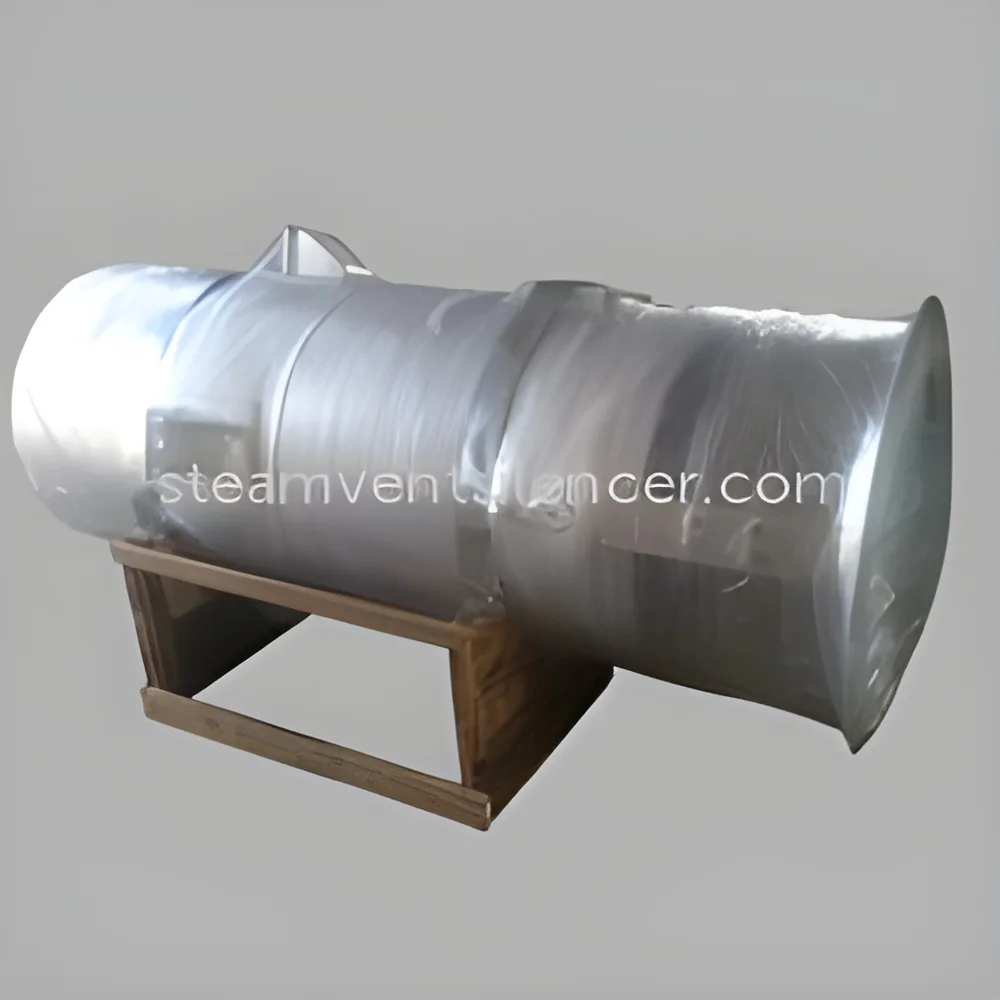
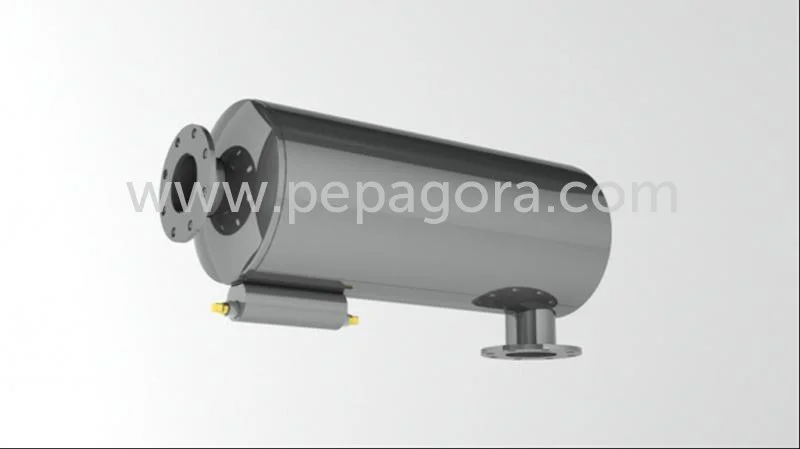
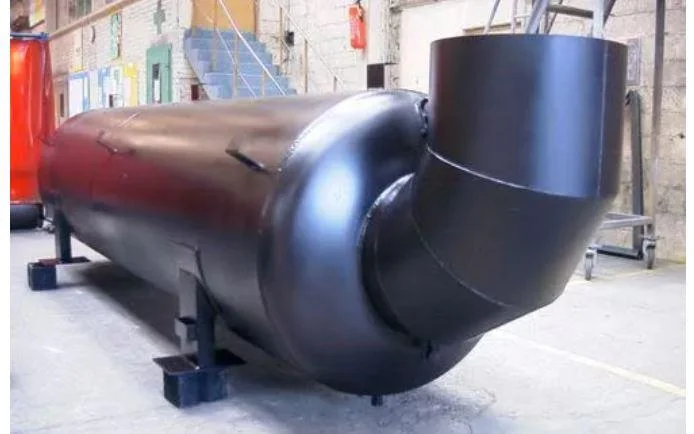
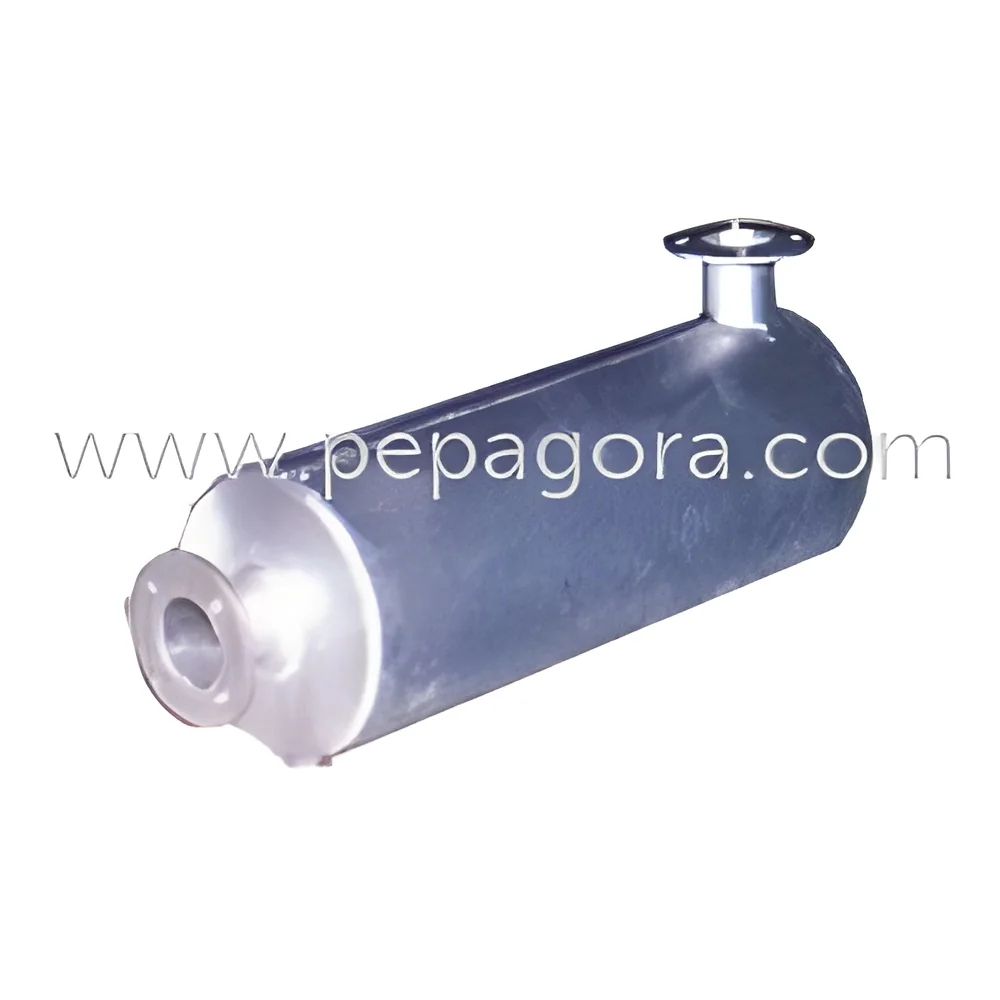
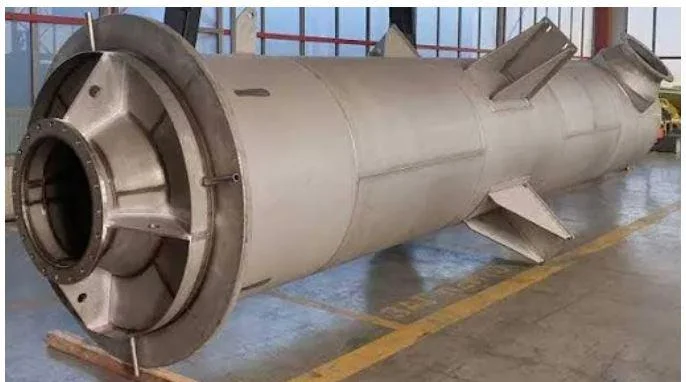
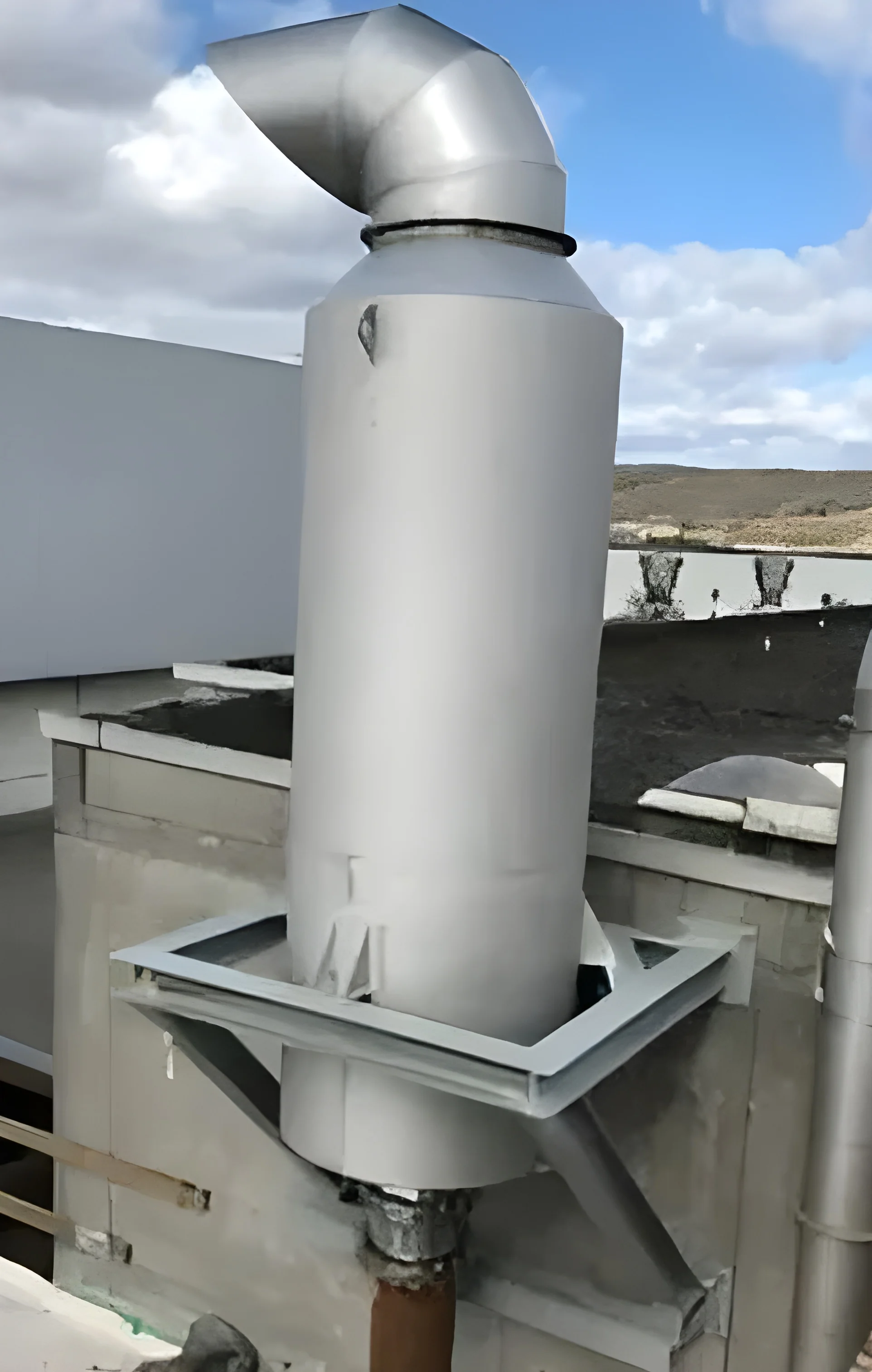
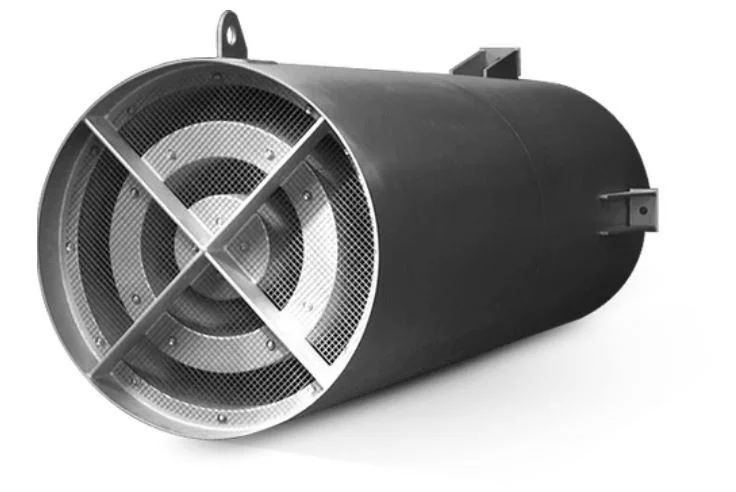
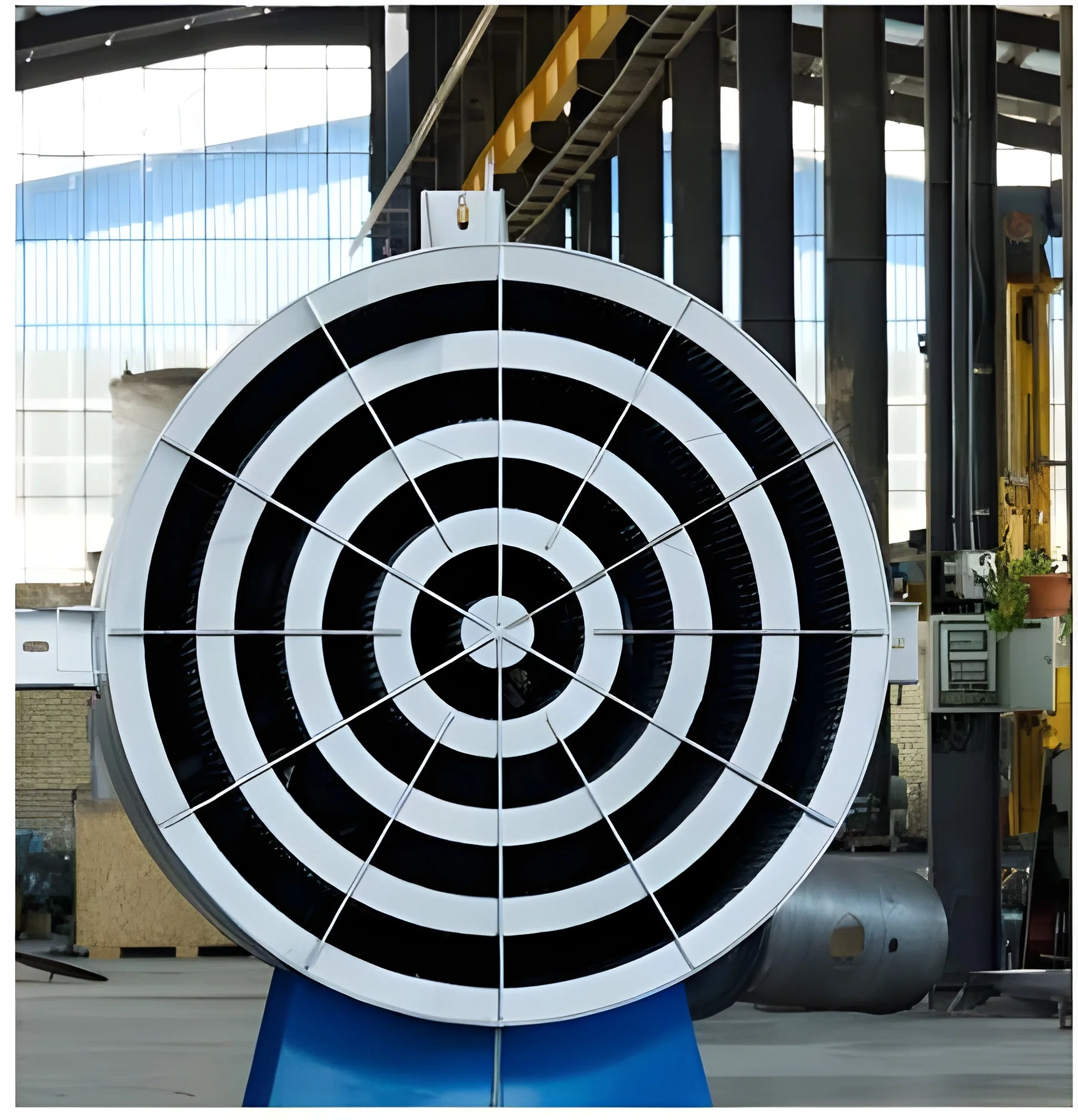
Engineered for heavy equipment and machinery, these silencers are built to withstand harsh operating conditions. They typically have robust construction to ensure durability and effective noise reduction.
Residential Mufflers
Designed for home applications, these products focus on reducing noise from appliances like generators and HVAC systems. They provide quieter environments for residential areas.
High-Performance Mufflers
Targeted at racing and high-performance vehicles, these mufflers are designed to reduce noise while enhancing exhaust flow, allowing for improved engine efficiency and power.
Benefits and Advantages
Investing in silencers and mufflers yields numerous benefits for businesses across various sectors.
1. Noise Reduction: These devices significantly lower operational noise levels, contributing to a more pleasant environment in workplaces and public areas.
2. Compliance with Regulations: Properly designed silencers and mufflers help companies meet local noise ordinances and industry standards, avoiding potential fines and penalties.
3. Enhanced Equipment Longevity: By reducing stress on engine components, these devices can prolong the lifespan of machinery and vehicles, leading to lower maintenance costs.
4. Improved Worker Comfort: Lower noise levels can enhance worker productivity and comfort, reducing stress and fatigue.
5. Market Differentiation: Companies that prioritize noise control can appeal to environmentally conscious consumers and clients, enhancing their market position.
6. Safety Enhancement: Reducing noise levels contributes to a safer working environment by allowing better communication and awareness of surroundings.
Buying Guide for B2B Buyers
When sourcing silencers and mufflers, B2B buyers should consider several critical factors to ensure quality and performance.
1. Quality Assessment: Evaluate the materials and construction of the product. Look for certifications and testing data to verify quality standards.
2. Supplier Verification: Conduct thorough research to confirm the reliability of suppliers. Check reviews, ratings, and references to ensure they have a track record of delivering quality products.
3. Pricing and MOQ: Understand the pricing structure and minimum order quantities. Compare costs across different suppliers to find the best value without compromising quality.
4. Delivery and Lead Times: Discuss logistics and ensure that suppliers can meet your delivery requirements. Timely delivery is crucial for maintaining project schedules.
5. Compliance Requirements: Verify that the products meet all relevant regulations and industry standards. This can prevent costly delays and compliance issues down the line.
Compliance and Certifications
Compliance and certifications are essential for ensuring that silencers and mufflers meet industry standards and regulatory requirements. Many products adhere to international quality standards such as ISO 9001, which outlines requirements for a quality management system. This certification demonstrates a commitment to consistent quality and customer satisfaction.
Additionally, industry certifications such as CE mark indicate that the products comply with European health, safety, and environmental protection standards. Buyers should also consider safety and testing requirements, which ensure that products perform effectively under specified conditions.
Regional compliance considerations are important, as different areas may have unique regulations regarding noise levels and emissions. Businesses must stay informed about these regulations to ensure their products are compliant.
Why Source Silencers & Mufflers from Pepagora?
Pepagora offers a trusted platform for sourcing silencers and mufflers, providing several key advantages to B2B buyers.
Verified Supplier Network: Pepagora has established a comprehensive network of verified suppliers. Each supplier undergoes a rigorous vetting process to ensure reliability and quality, giving buyers confidence in their purchases.
Streamlined RFQ Process: The platform features an efficient Request for Quotation (RFQ) system, allowing buyers to quickly compare prices and specifications from multiple suppliers. This simplifies the sourcing process and saves time.
Trade Assurance and Support: Pepagora provides trade assurance, protecting buyers from potential risks associated with their purchases. Dedicated customer support is available to assist with any inquiries or issues.
Regional Coverage: With a strong presence in India, the Gulf Cooperation Council (GCC), and Southeast Asia, Pepagora caters to a broad geographic area. This ensures that buyers can access a wide range of products and suppliers tailored to their specific needs.



Frequently Asked Questions
What are Silencers & Mufflers?
Silencers and mufflers are devices used in various types of engines to reduce noise generated during the combustion process. They work by dissipating sound waves and can also help in controlling exhaust emissions. These components are essential for compliance with environmental regulations and improving vehicle comfort.
What are the different types of Silencers & Mufflers?
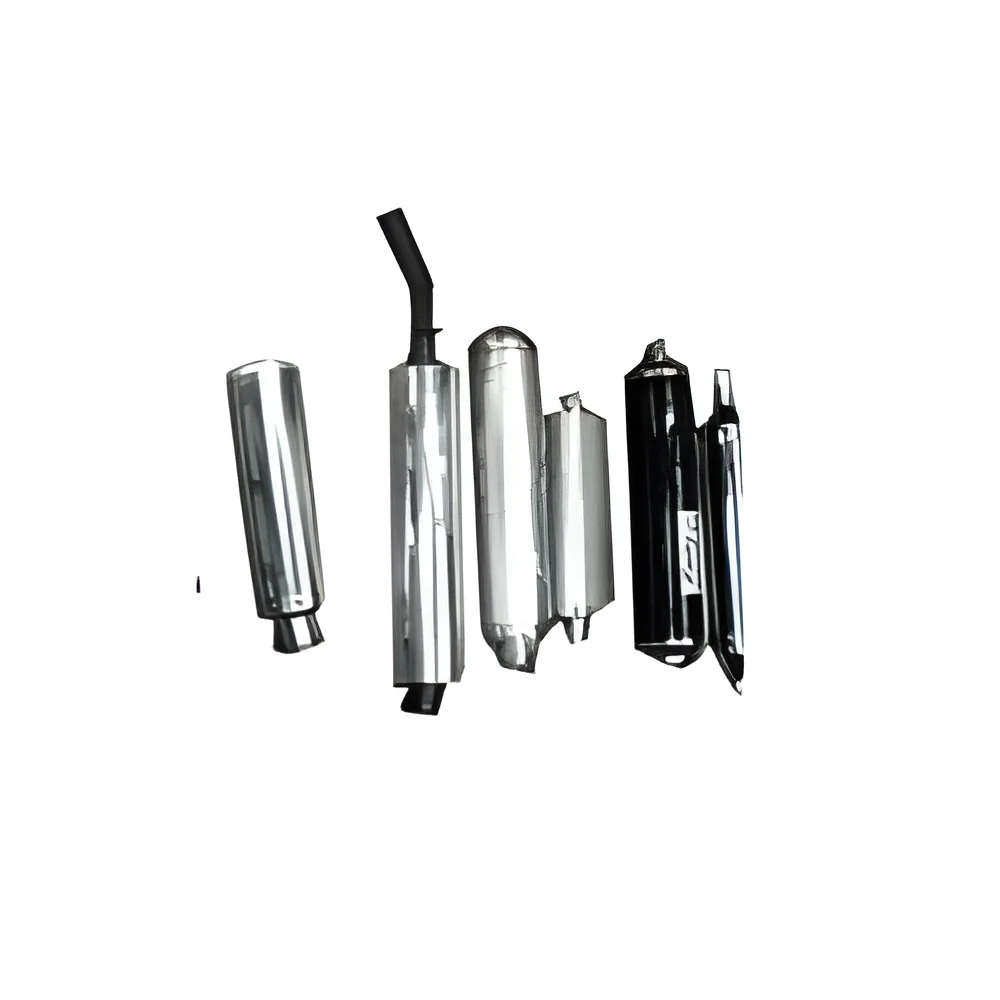
There are several types of silencers and mufflers, including chambered, straight-through, and turbo-style mufflers. Chambered mufflers use internal baffles to reduce sound, while straight-through mufflers allow exhaust gases to flow freely for less restriction. Turbo-style mufflers combine features of both, providing a balance between sound reduction and performance.
How do I choose the right Silencers & Mufflers?
Choosing the right silencers and mufflers involves considering factors such as the type of vehicle, engine specifications, and desired noise levels. It's important to select a product that fits the exhaust system and meets any local regulations regarding noise emissions. Consulting with manufacturers or suppliers can also provide guidance based on your specific needs.
What are the standard specifications for Silencers & Mufflers?
Standard specifications for silencers and mufflers typically include dimensions, material type, flow rate, and sound reduction levels. Common materials used are stainless steel and aluminized steel, which offer durability and resistance to corrosion. It's essential to review specifications to ensure compatibility with your vehicle or machinery.
What is the price range for Silencers & Mufflers?
The price range for silencers and mufflers can vary significantly based on type, material, and brand. Generally, you can expect prices to range from a few hundred to several thousand Indian Rupees. Custom or high-performance models may cost more due to specialized manufacturing processes.
What quality standards apply to Silencers & Mufflers?
Quality standards for silencers and mufflers often include compliance with ISO certifications and automotive industry regulations. These standards ensure that products meet performance expectations and durability requirements. It is advisable to source products from reputable manufacturers that adhere to these quality benchmarks.
Where can I find Silencers & Mufflers suppliers in India?
You can find silencers and mufflers suppliers in India through online B2B marketplaces like Pepagora, manufacturer directories, and industry trade shows. Additionally, networking with automotive parts distributors and checking local listings can yield reliable supplier options. It's beneficial to request quotes and compare products before making a purchase.
Can Silencers & Mufflers be customized?
Yes, silencers and mufflers can often be customized to meet specific performance or aesthetic requirements. Many manufacturers offer options for size, shape, and sound characteristics to better fit a particular vehicle or application. Customization may involve additional costs and lead times, so it's recommended to discuss your needs with the supplier.
What is the typical minimum order quantity for Silencers & Mufflers?
The typical minimum order quantity (MOQ) for silencers and mufflers can vary depending on the manufacturer and specific product. Generally, MOQs may range from 10 to 50 units for standard products, while custom designs may have higher minimums. Always check with suppliers for their specific MOQ policies.
What is the typical lead time for Silencers & Mufflers?
The typical lead time for silencers and mufflers can vary based on factors such as stock availability, manufacturing processes, and customization requests. Generally, lead times can range from 1 to 4 weeks. It's advisable to confirm expected delivery times with the supplier when placing an order.
Why Businesses Trust Pepagora
Thousands of companies trust Pepagora to source smarter and sell faster
Expand Your Sales Globally

Source Smarter,Grow Faster
