What are Brake Pads & Shoes?
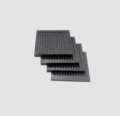
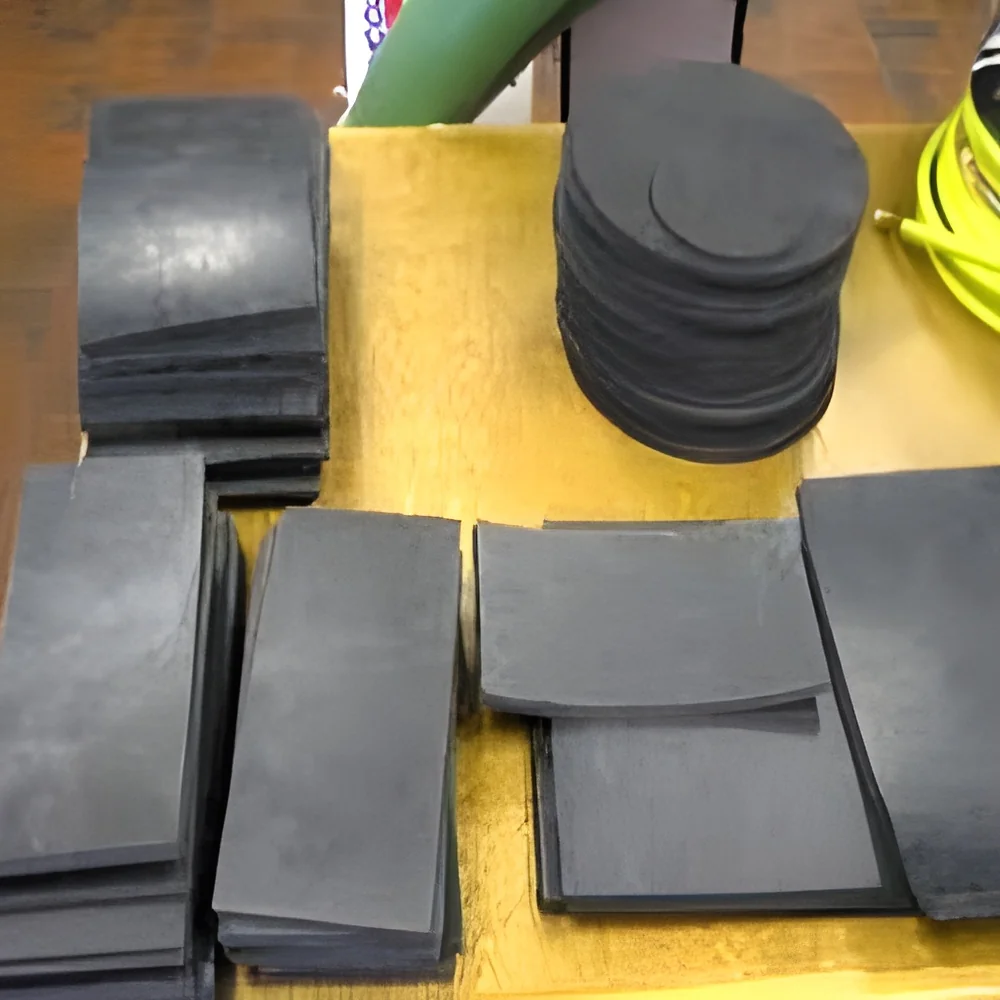
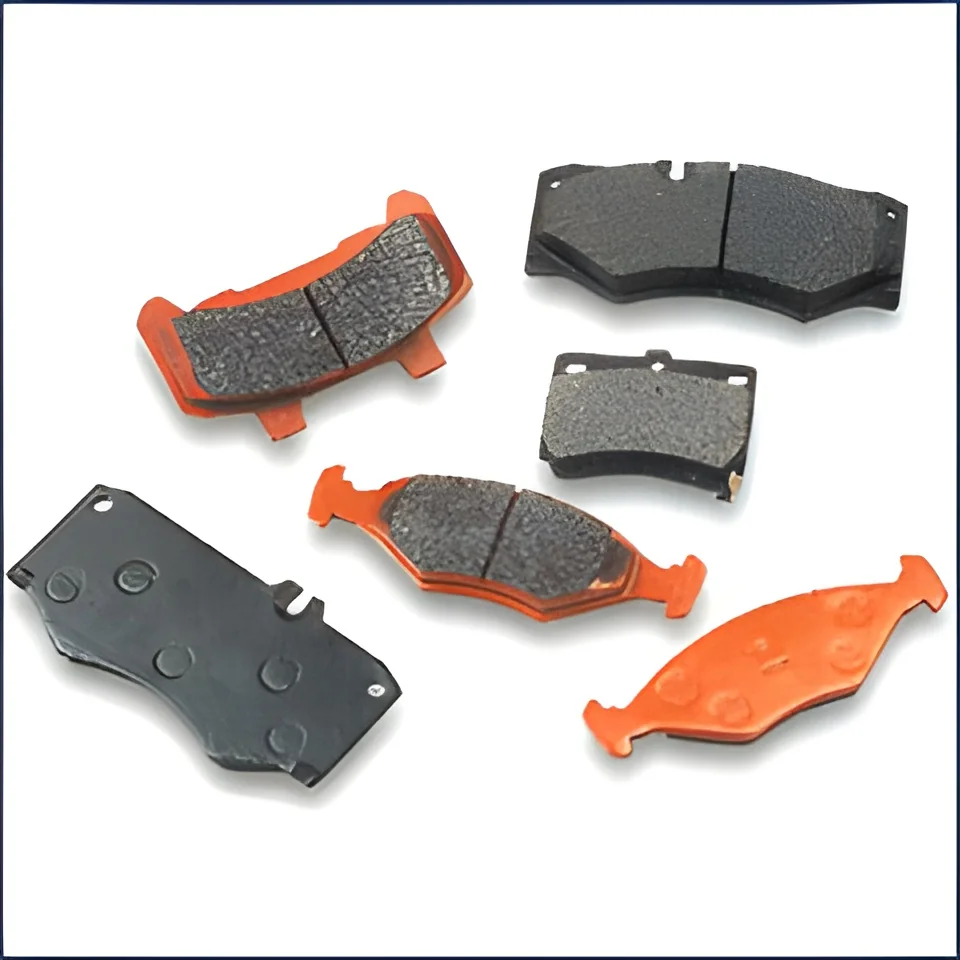
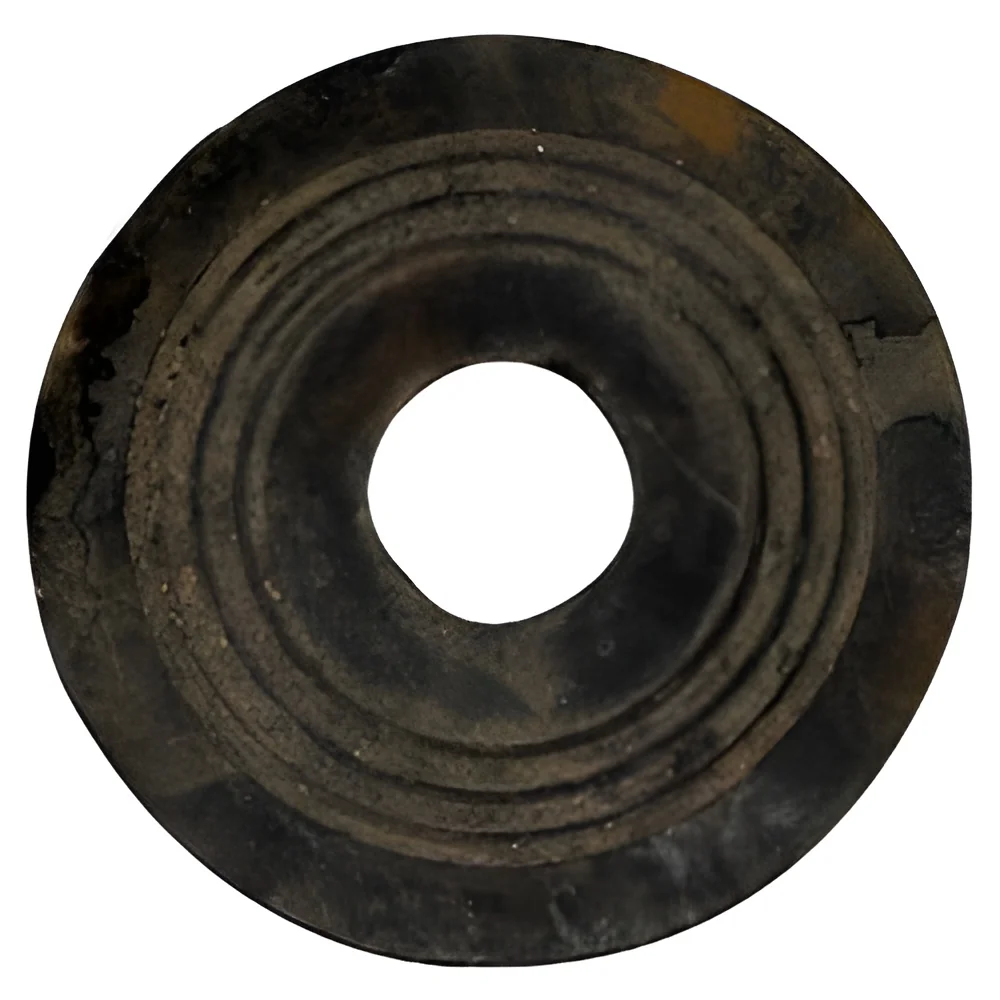
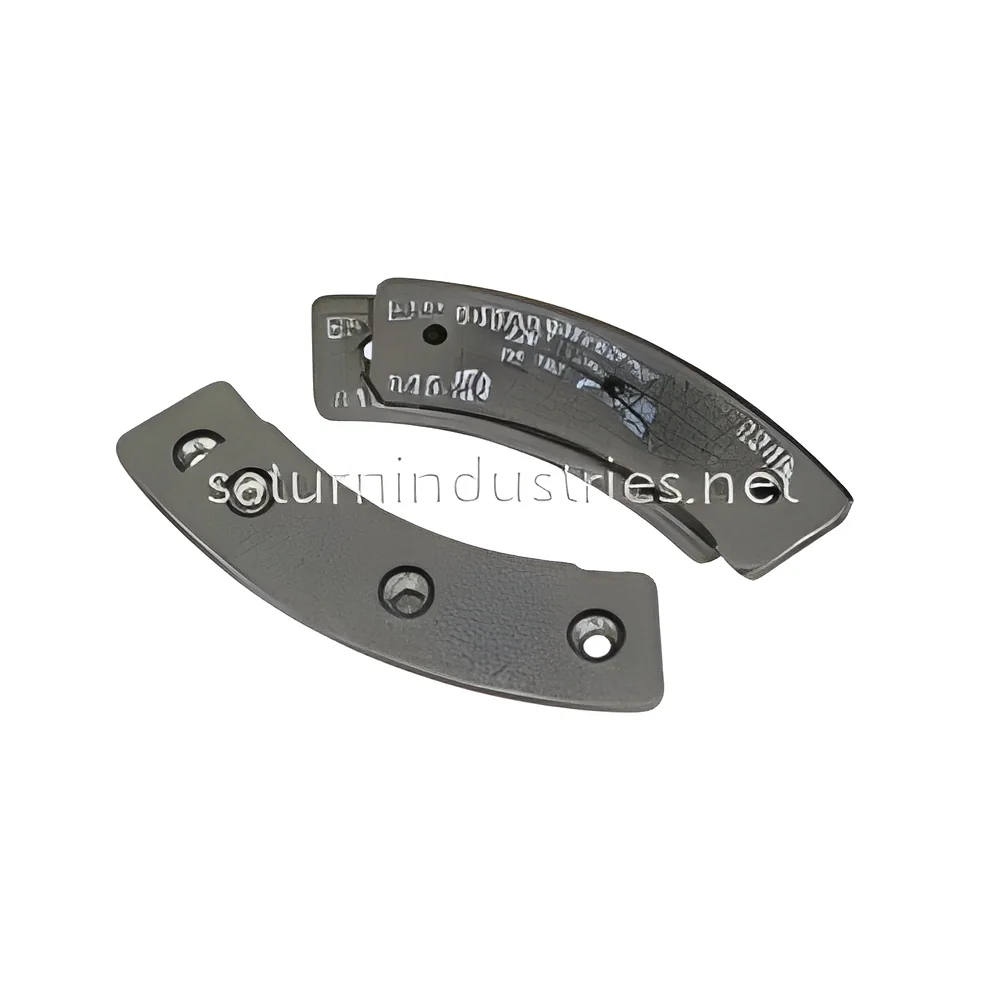
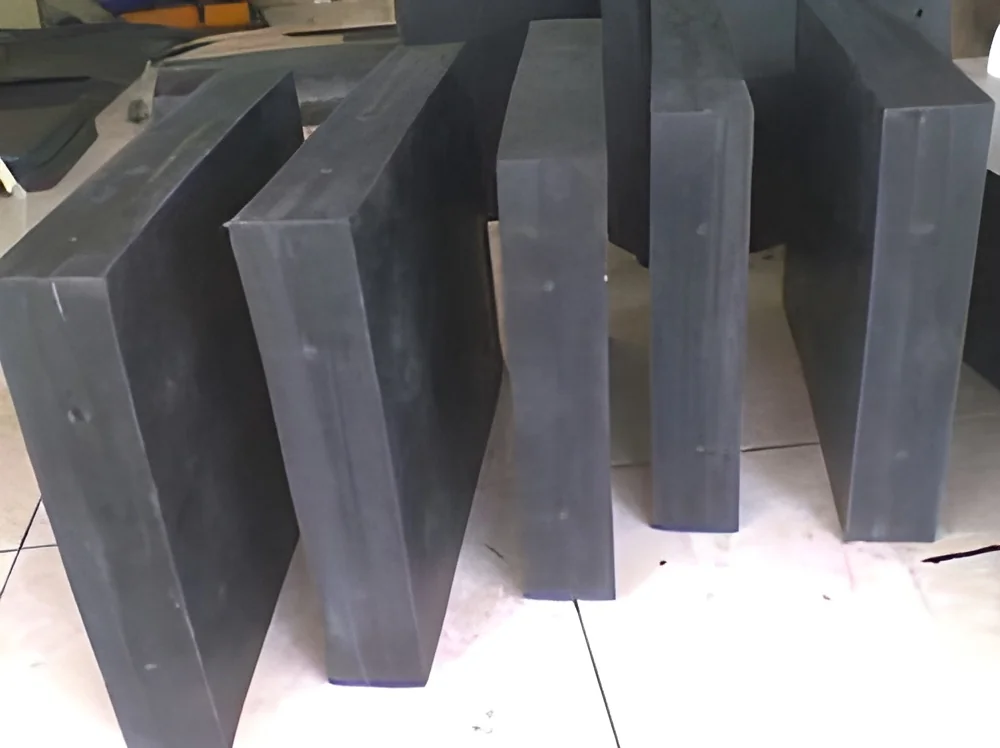
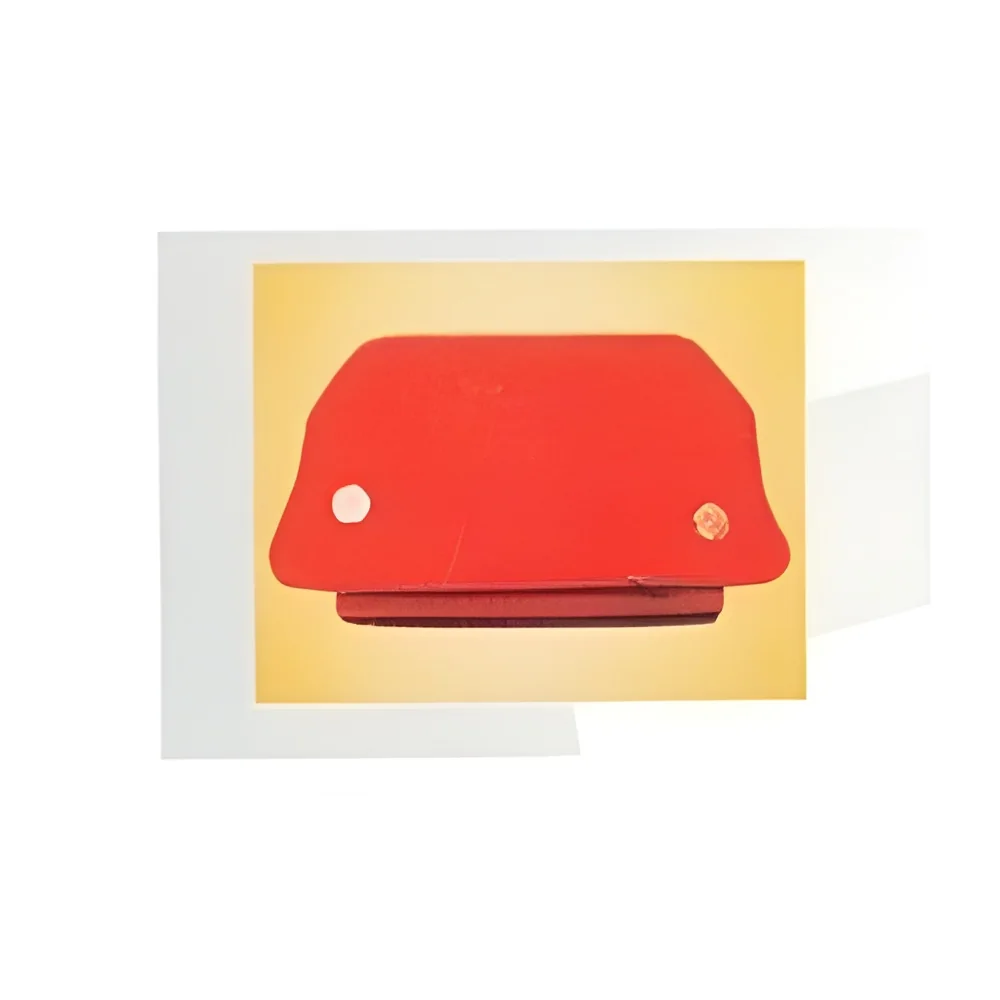
Brake pads and shoes are essential components in the braking systems of vehicles, responsible for creating friction that slows down or stops the vehicle. Brake pads are typically found in disc brakes, while brake shoes are used in drum brakes. Both components are designed to work with the vehicle's braking system to ensure safety and reliability during operation.
These products are used in various applications, including automobiles, trucks, buses, and industrial machinery. Companies in the transportation and manufacturing sectors rely on high-quality brake pads and shoes to maintain safety standards and ensure efficient operations. The demand for durable and reliable braking components continues to grow in the automotive and industrial markets, making them a critical focus for manufacturers and suppliers.
The relevance of brake pads and shoes in the industry cannot be overstated. With increasing regulations around vehicle safety and performance, the need for high-quality braking components is paramount. Businesses are investing in advanced materials and technologies to enhance the performance and longevity of brake pads and shoes, further driving market growth and innovation.
Key Features and Specifications
Brake pads and shoes come with a variety of features and specifications that determine their performance and suitability for different applications. Understanding these specifications is crucial for selecting the right product for your needs.
Key specifications include:
1. Material Composition
- Typically made from organic, semi-metallic, or ceramic materials
- Each material type offers different levels of performance and longevity
2. Friction Coefficient
- Measures the effectiveness of the brake pad or shoe in generating friction
- Generally ranges from 0.3 to 0.5, depending on the material
3. Temperature Resistance
- Ability to withstand high temperatures during braking
- Essential for maintaining performance under heavy use
4. Wear Rate
- Indicates how quickly the brake pads or shoes wear down
- Typically expressed in millimeters or percentage per 1000 kilometers
5. Noise Level
- Measured in decibels (dB), indicating how much sound is produced during braking
- Important for user comfort and regulatory compliance
6. Compatibility
- Designed to fit specific vehicle makes and models
- Ensures optimal performance and safety
7. Certification
- Compliance with industry standards such as CE certification
- Indicates reliability and quality assurance
8. Minimum Order Quantity (MOQ)
- Varies by supplier and product type, often starting from 500 pieces
- Important for B2B purchasing considerations
In summary, understanding the key features and specifications of brake pads and shoes is essential for making informed purchasing decisions. These components must meet specific performance criteria to ensure safety and reliability in their applications.
Common Applications and Use Cases
Brake pads and shoes are utilized across a diverse range of industries, each with unique applications.
1. Automotive Industry: Brake pads and shoes are critical for passenger vehicles, ensuring safety during everyday use and emergency braking scenarios.
2. Transportation Sector: Trucks and buses rely on high-performance brake components to handle heavy loads and provide consistent stopping power.
3. Industrial Machinery: Equipment such as forklifts and construction machinery requires durable brake systems to ensure operational safety in demanding environments.
4. Rail Systems: Trains utilize specialized brake shoes to manage the significant forces involved in stopping large vehicles.
5. Aviation: Aircraft brakes depend on high-quality materials to ensure safety during landing and taxiing.
6. Agricultural Equipment: Tractors and other farming machinery need reliable braking systems to operate safely on uneven terrain.
7. Motorcycles: High-performance brake pads are essential for ensuring safety and control at high speeds.
Product Variants and Subcategories
Brake pads and shoes come in various types to meet specific needs and applications. Understanding these variants can help businesses select the right product for their requirements.
Organic Brake Pads
These pads are made from natural materials and provide a quieter performance with less dust. They are suitable for light-duty vehicles and everyday driving conditions.
Semi-Metallic Brake Pads
These pads offer a balance of performance and cost, containing metal fibers for enhanced durability and heat resistance. They are ideal for both light and heavy vehicles.
Ceramic Brake Pads
Known for their durability and low dust production, ceramic pads are designed for high-performance applications, offering excellent stopping power and noise reduction.
Drum Brake Shoes
Used primarily in drum brake systems, these shoes are designed to provide strong braking force and are available in various materials to suit different vehicle types.
Benefits and Advantages
Choosing the right brake pads and shoes offers numerous advantages that contribute to overall safety and performance.
1. Enhanced Safety: High-quality brake components ensure dependable stopping power, reducing the risk of accidents.
2. Improved Performance: Quality brake pads and shoes provide better friction, leading to more effective braking and control.
3. Longer Lifespan: Durable materials can extend the lifespan of brake components, reducing the frequency of replacements.
4. Noise Reduction: Advanced designs minimize noise during braking, improving driver and passenger comfort.
5. Lower Maintenance Costs: Reliable braking systems reduce wear and tear on other vehicle components, leading to lower overall maintenance expenses.
6. Compliance Assurance: Selecting certified products ensures adherence to safety and quality regulations, protecting businesses from liability.
Buying Guide for B2B Buyers
When sourcing brake pads and shoes for commercial use, several factors must be considered to ensure optimal performance and reliability.
1. Quality Assessment: Evaluate the materials and construction of the brake pads and shoes. Look for certifications and testing results that demonstrate adherence to industry standards.
2. Supplier Verification: Vet potential suppliers by reviewing their reputation, customer reviews, and certifications. A reliable supplier ensures consistent quality and timely delivery.
3. Pricing and MOQ: Understand the pricing structure and minimum order quantities. Compare prices across multiple suppliers to find the best value while considering bulk purchasing.
4. Delivery and Lead Times: Inquire about delivery schedules and lead times to ensure that products arrive when needed. Timely delivery is crucial for maintaining operations.
5. Compliance Requirements: Ensure that the products meet relevant regulatory standards in your region. This helps avoid legal issues and guarantees safety and performance.
Compliance and Certifications
Brake pads and shoes must adhere to various quality standards and certifications to ensure safety and reliability. One common standard is ISO 9001, which outlines the requirements for a quality management system. Compliance with this standard indicates that manufacturers follow consistent processes to deliver high-quality products.
Additionally, many brake components carry CE certification, showing that they meet the necessary safety and performance requirements as defined by European regulations. This certification is vital for businesses operating within or exporting to European markets.
Safety and testing requirements are also critical. Brake pads and shoes should undergo rigorous performance testing to ensure they can withstand the demands of daily use. Manufacturers must also consider regional compliance, as different countries may have specific regulations regarding braking systems.
Why Source Brake Pads & Shoes from Pepagora?
Pepagora offers a trusted platform for sourcing brake pads and shoes, providing several key advantages for business buyers.
Verified Supplier Network: Pepagora connects buyers with a network of verified suppliers, ensuring that you work with reputable companies that meet industry standards. This reduces the risk of sourcing low-quality products.
Streamlined RFQ Process: The platform offers an efficient Request for Quotation (RFQ) system, simplifying the process of obtaining quotes from multiple suppliers. This allows buyers to compare options quickly and make informed decisions.
Trade Assurance and Support: Pepagora provides buyer protection through trade assurance, ensuring that transactions are secure. The platform also offers support to address any issues that may arise during the purchasing process.
Regional Coverage: With extensive geographic reach across India, the GCC, and Southeast Asia, Pepagora ensures that you can source brake pads and shoes from reliable suppliers in your region, facilitating easier logistics and communication.
In conclusion, Pepagora is an ideal choice for businesses looking to source high-quality brake pads and shoes, offering a comprehensive platform that prioritizes safety, quality, and convenience.

 IN
IN