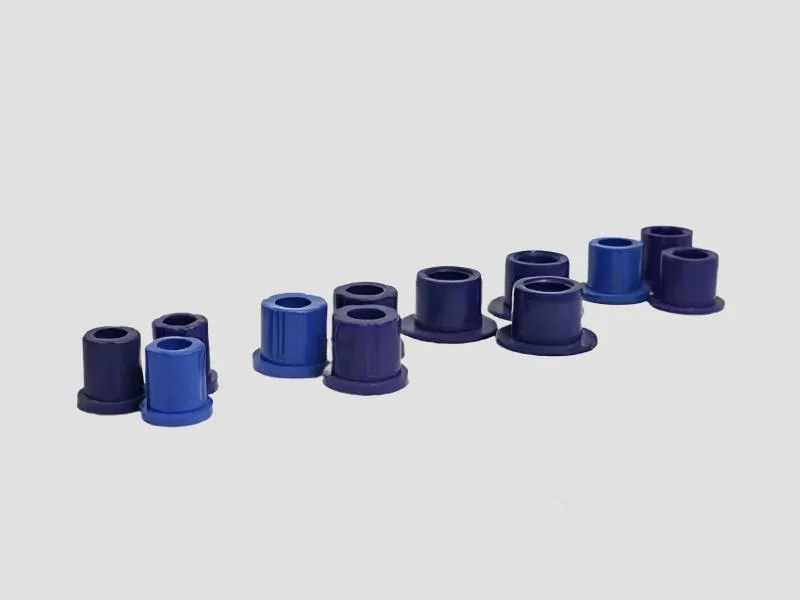
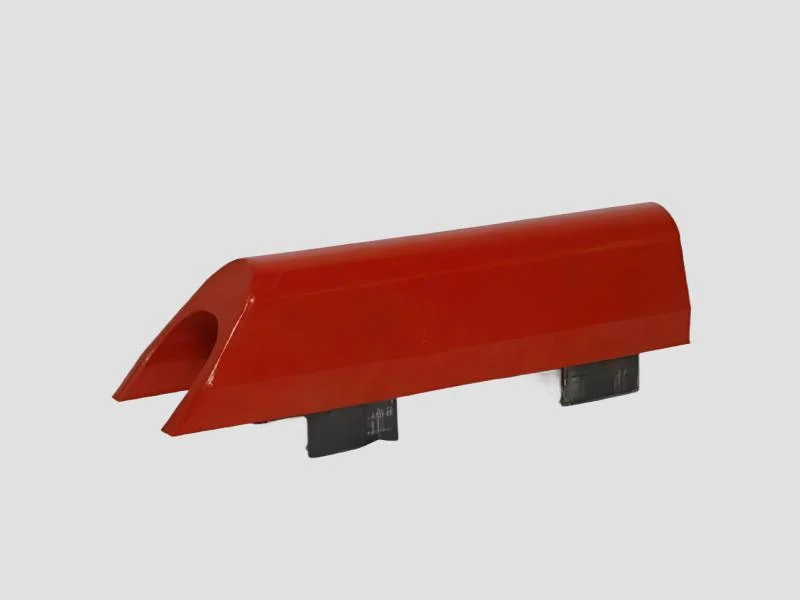
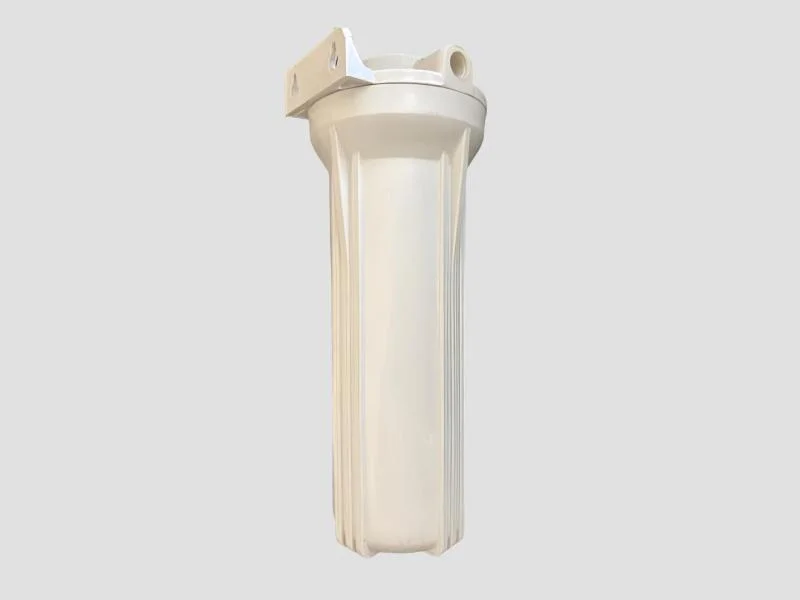
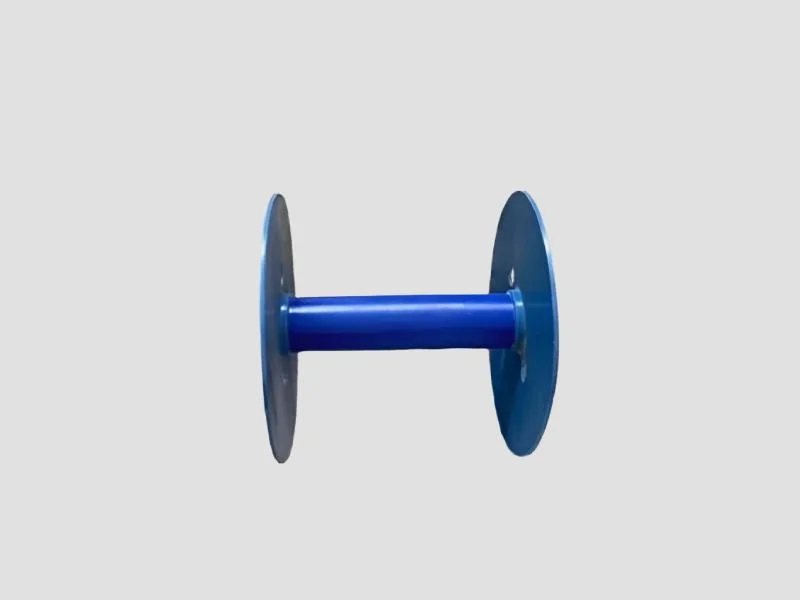
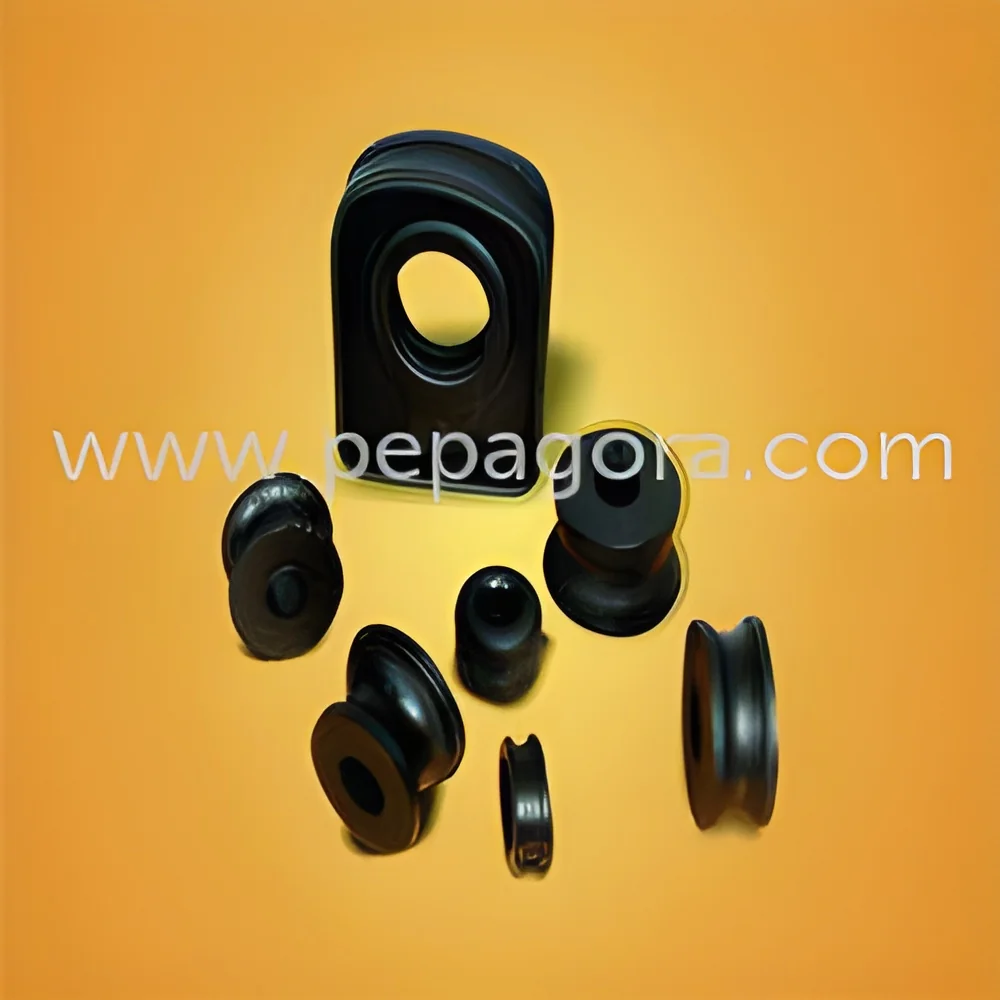
What are Injection Molded OEM Parts?
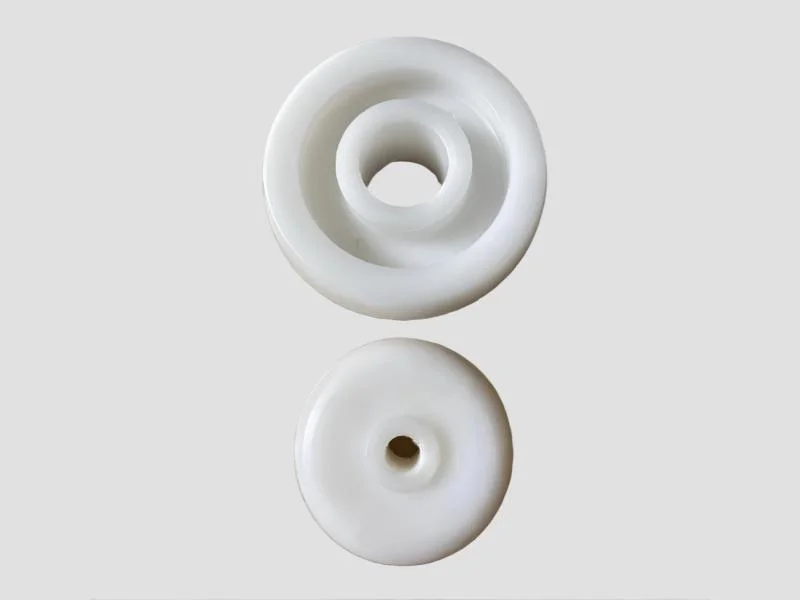
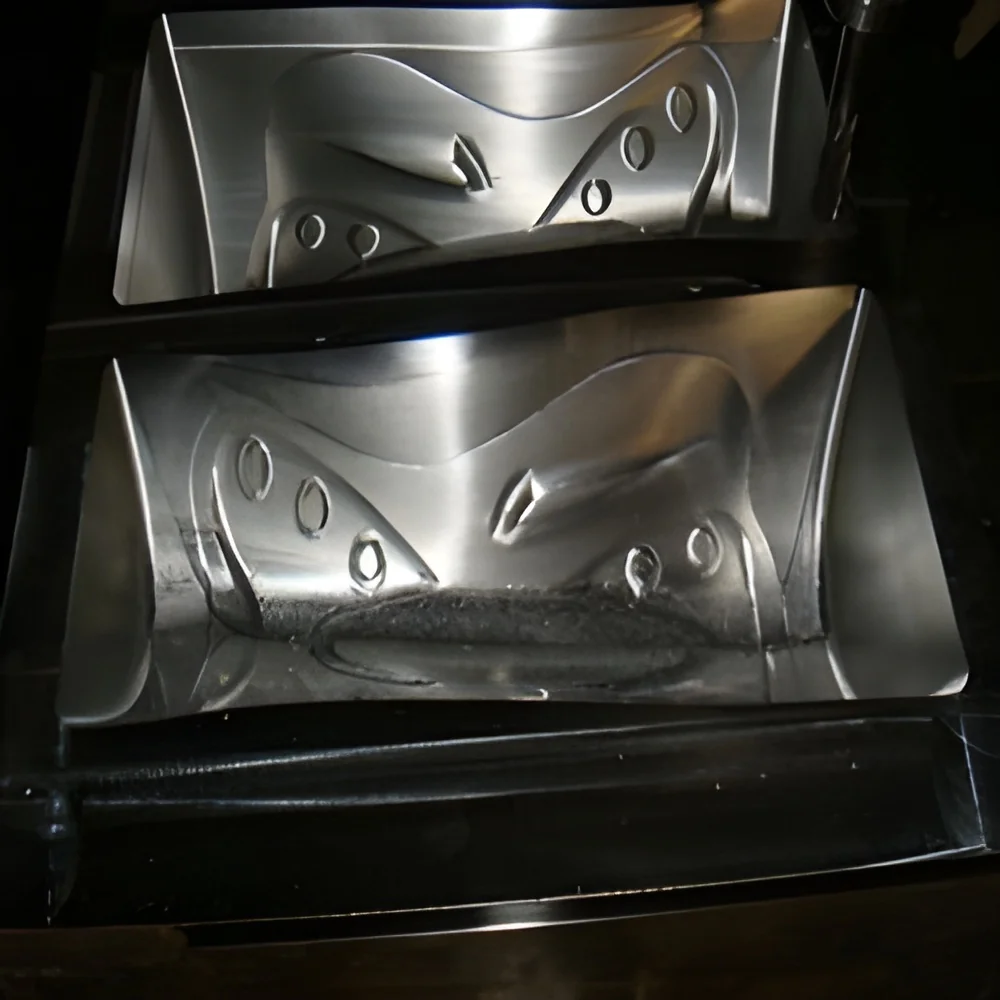
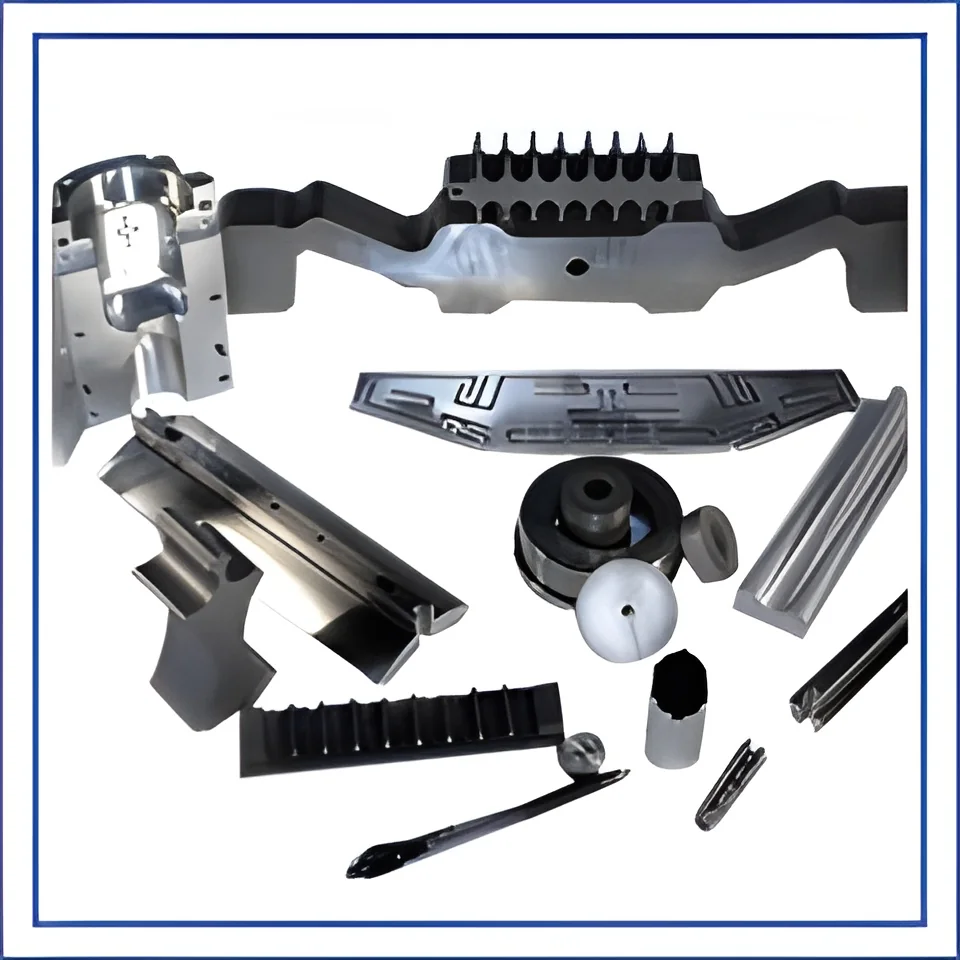
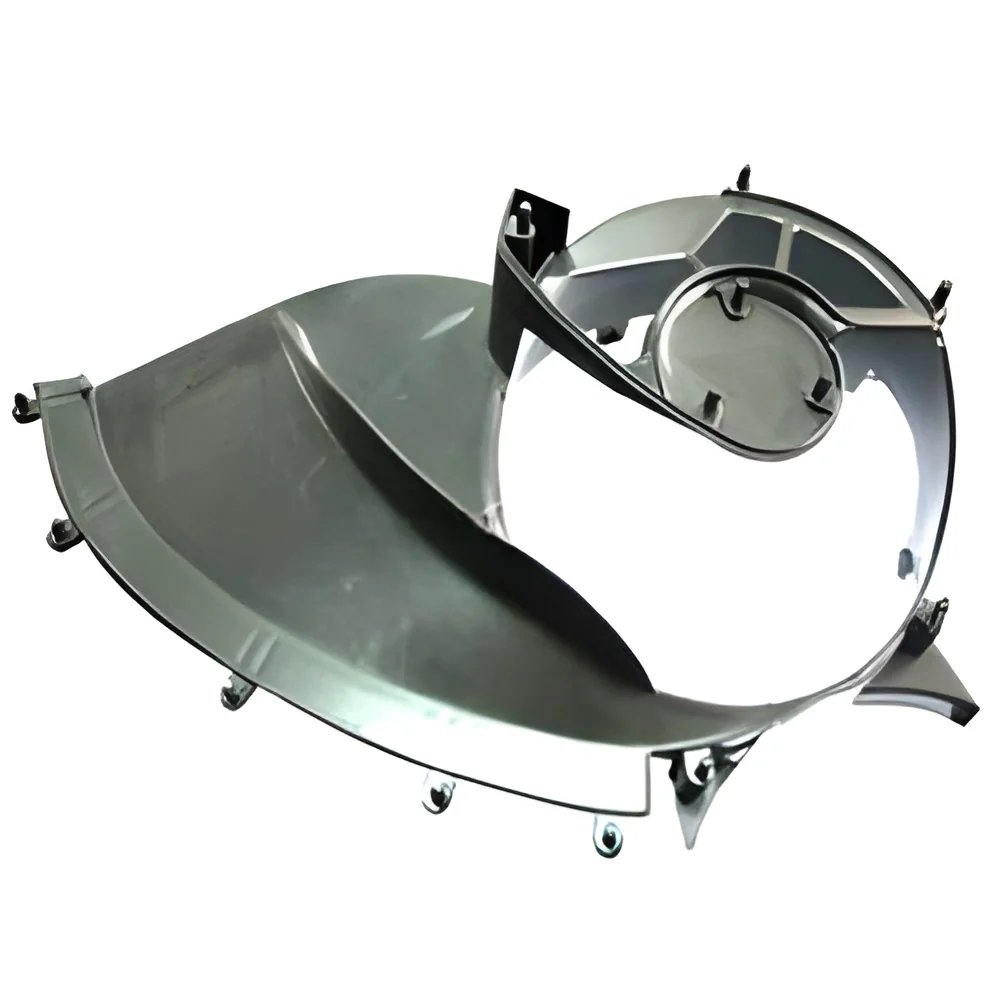
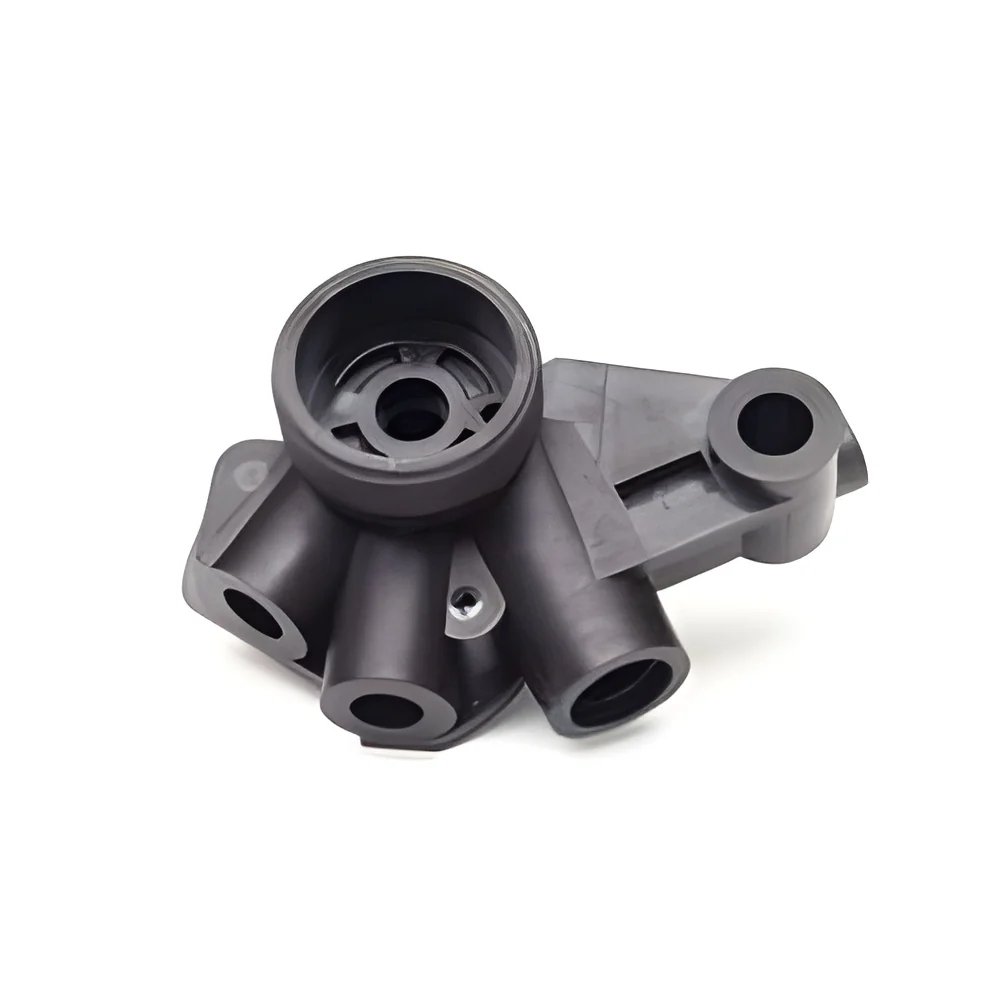
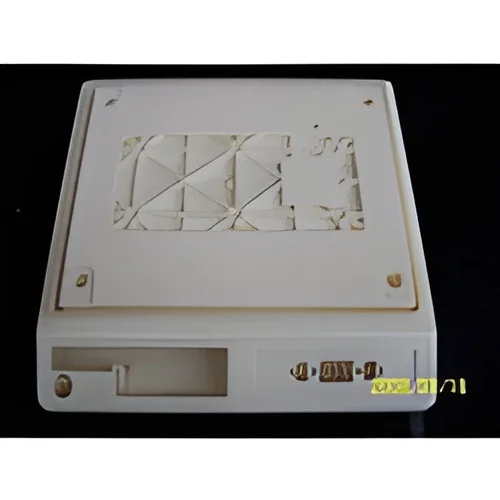
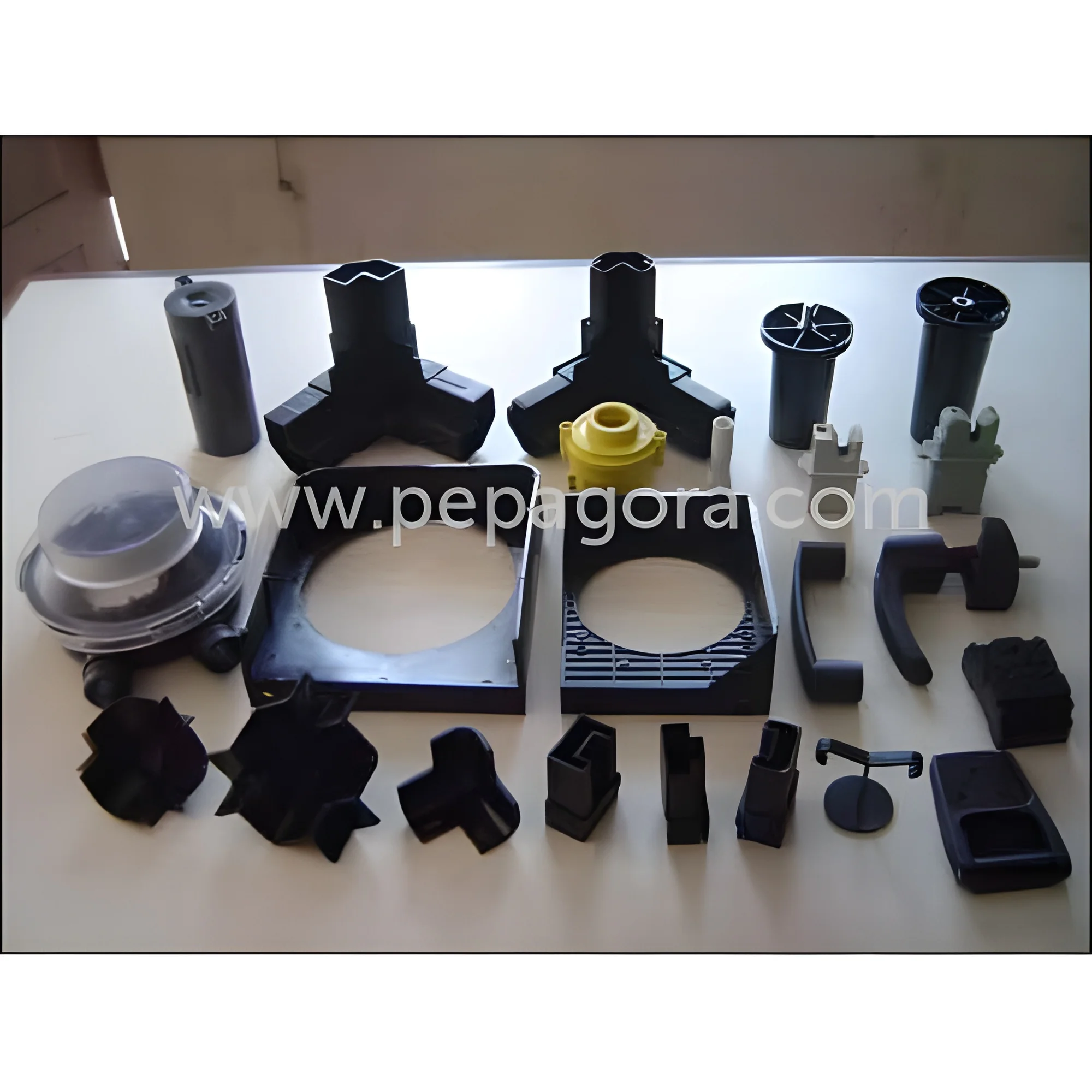
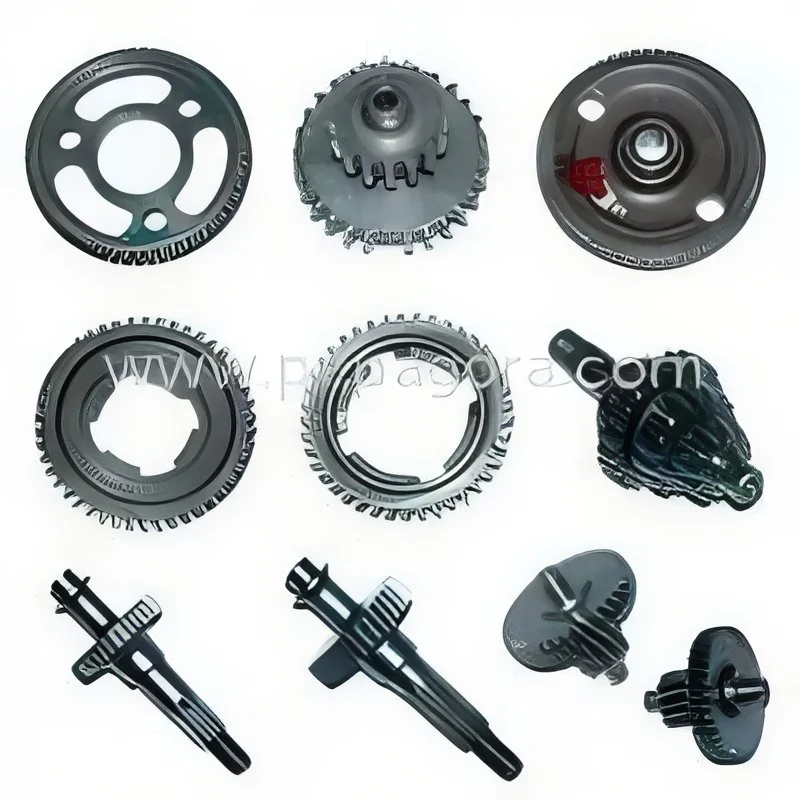
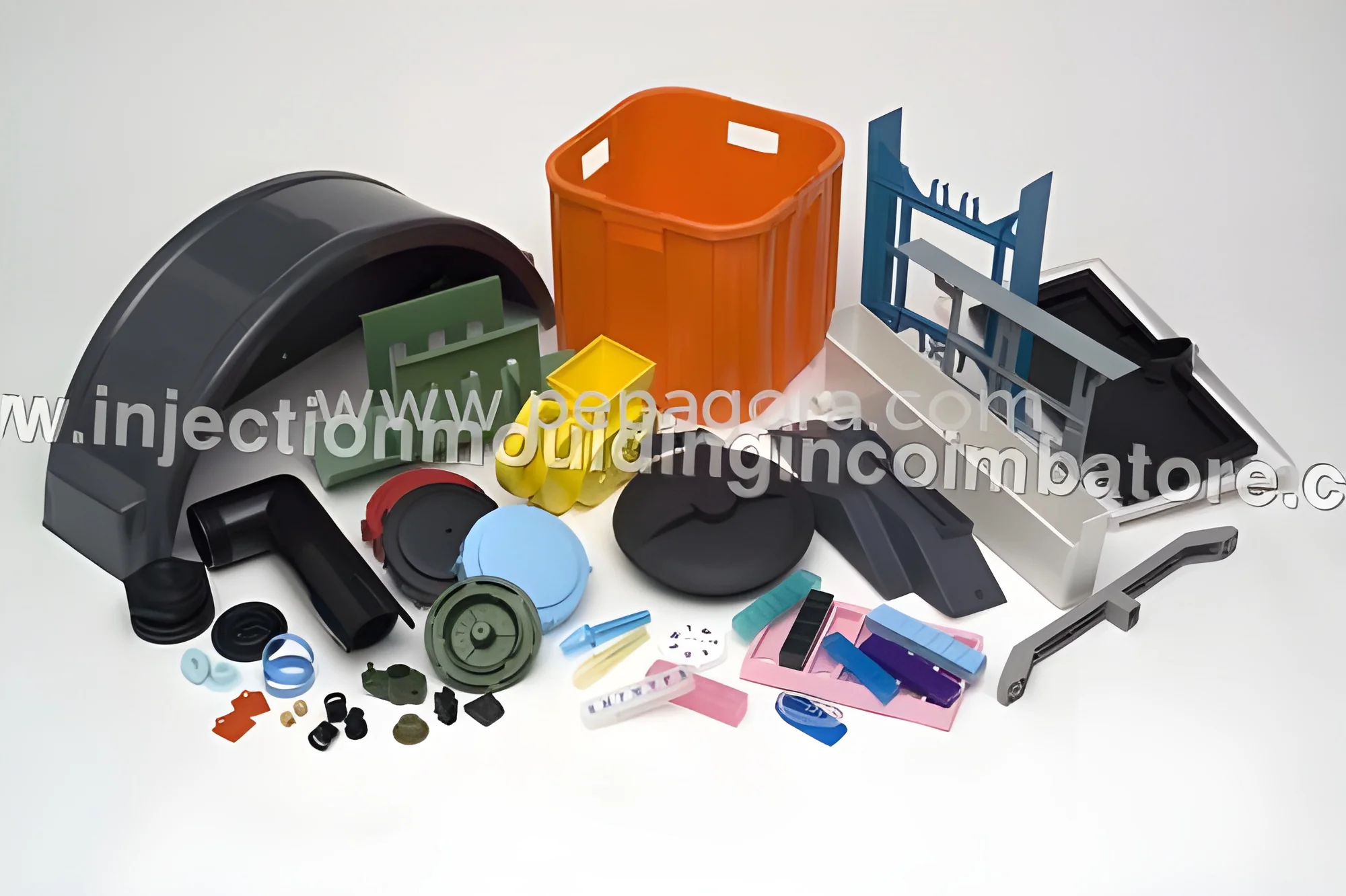
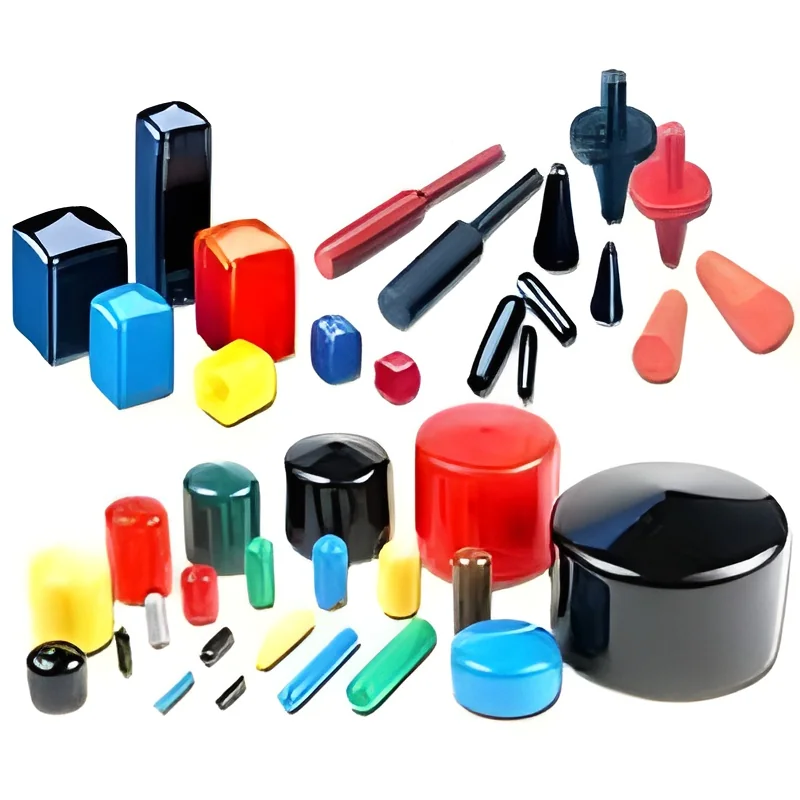
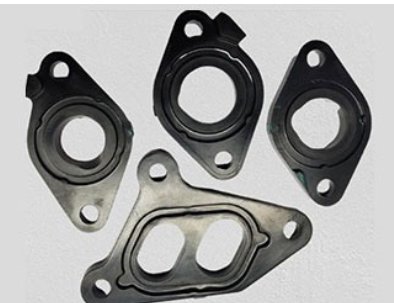
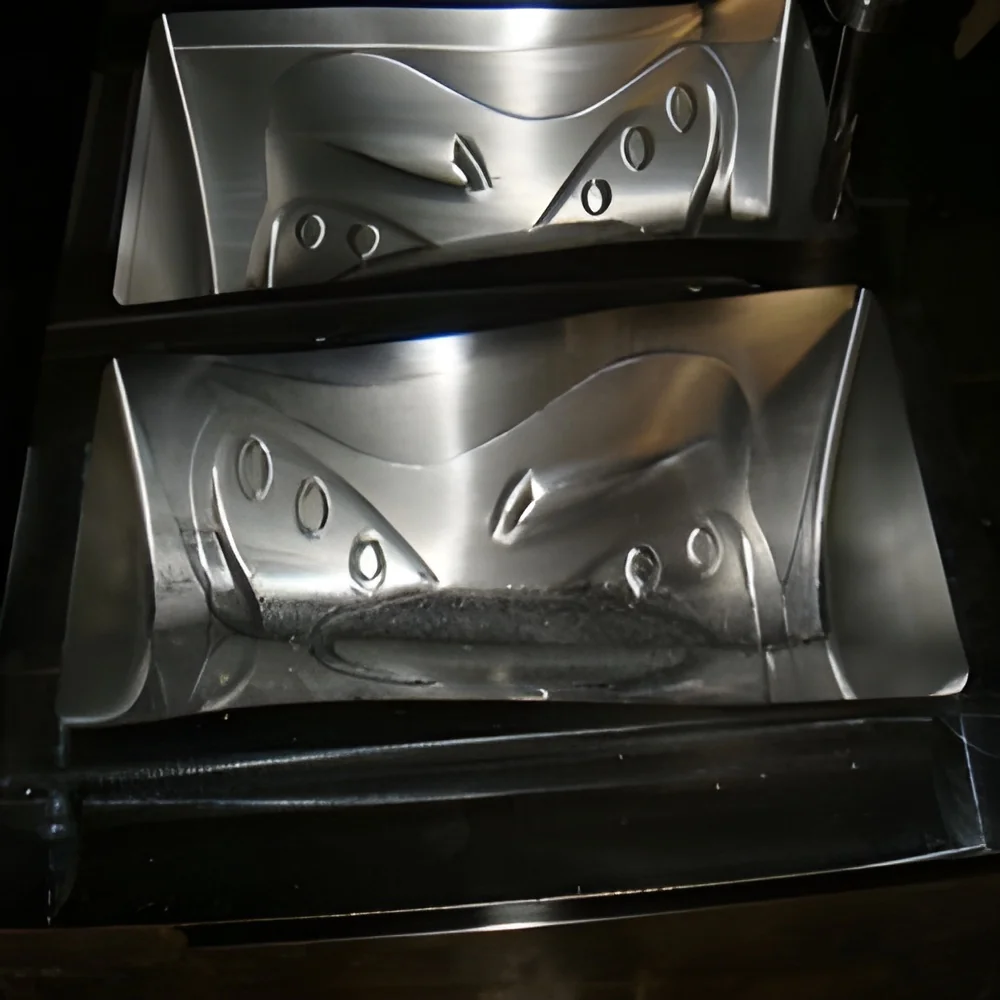
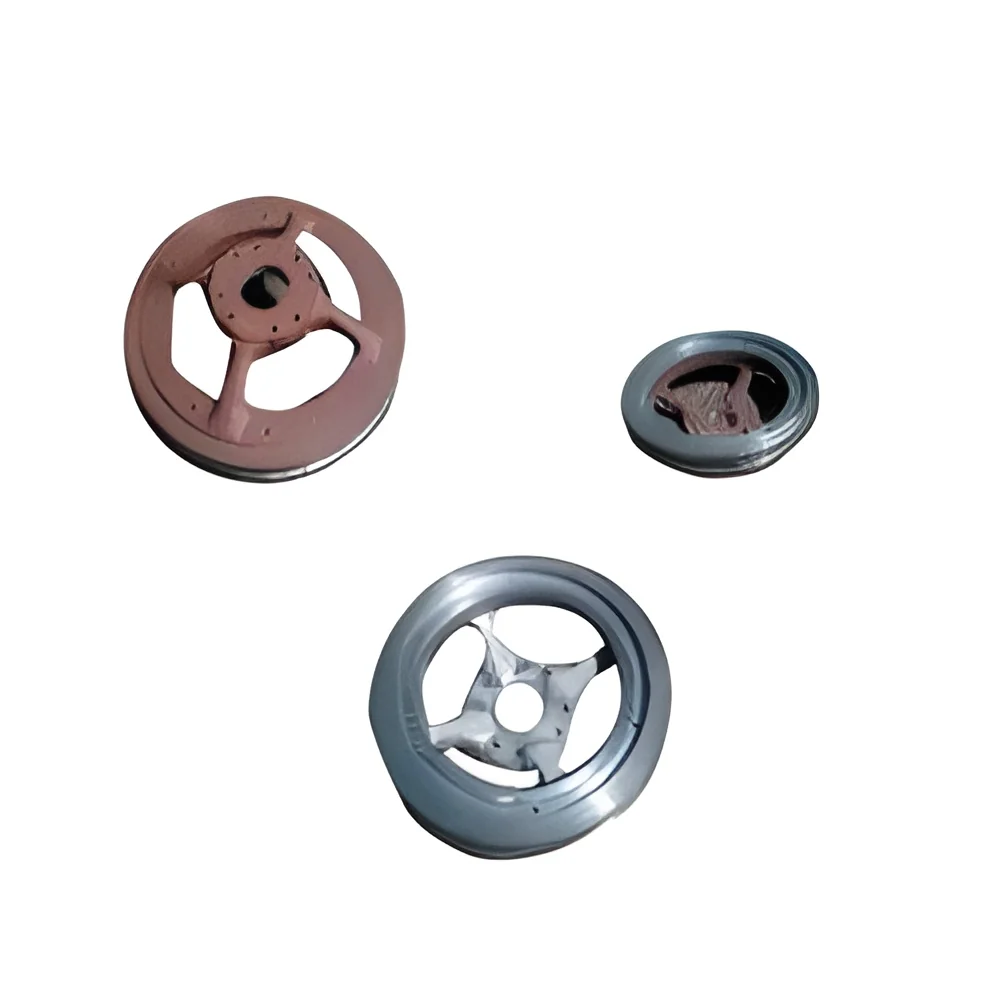
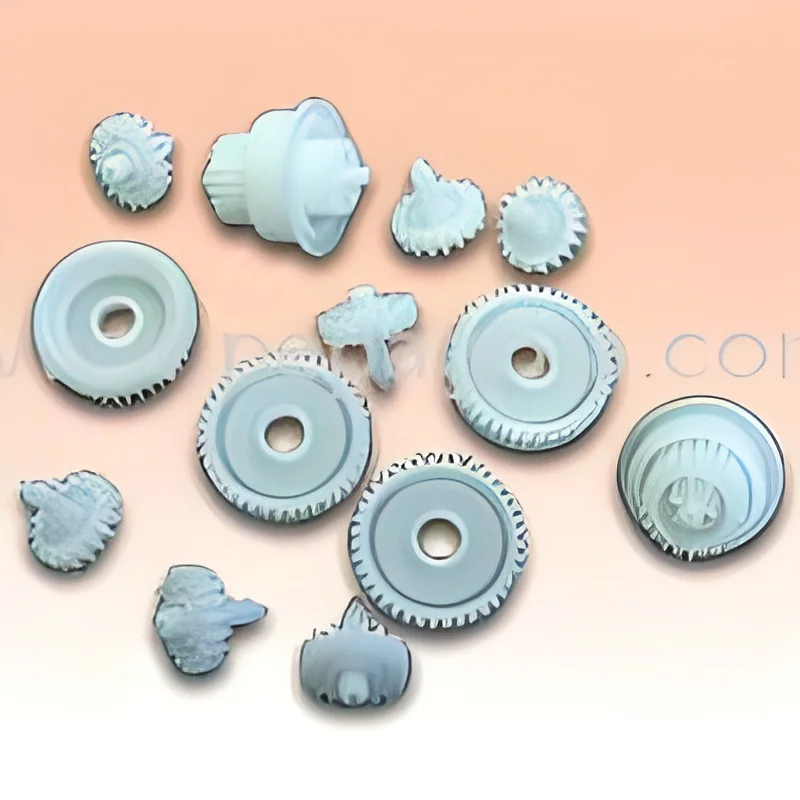
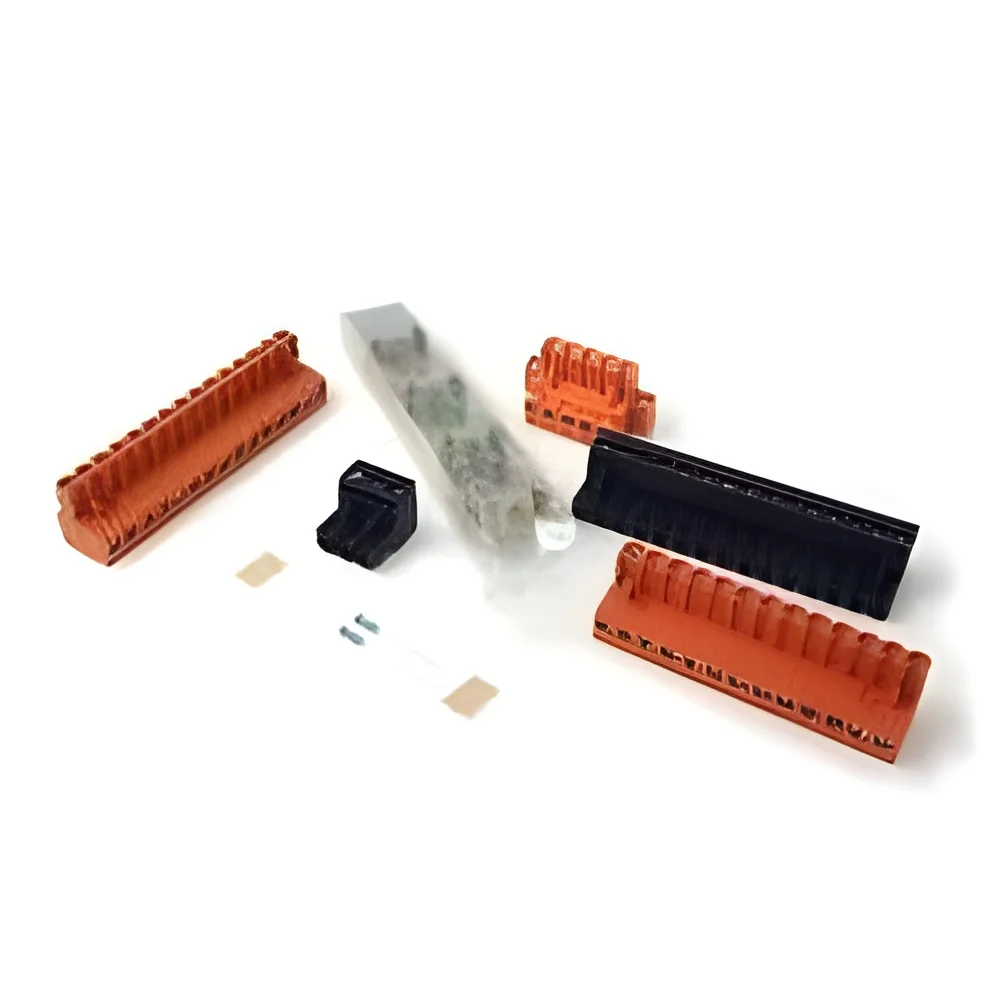
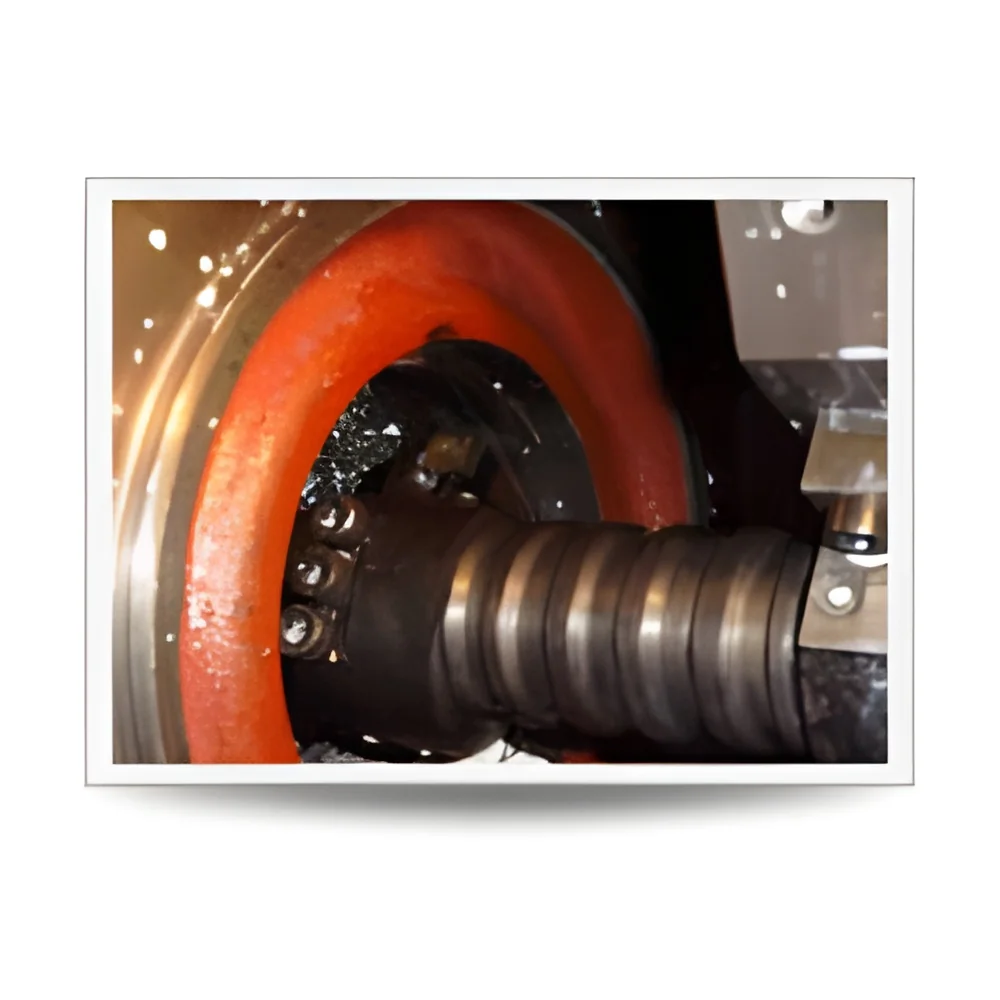
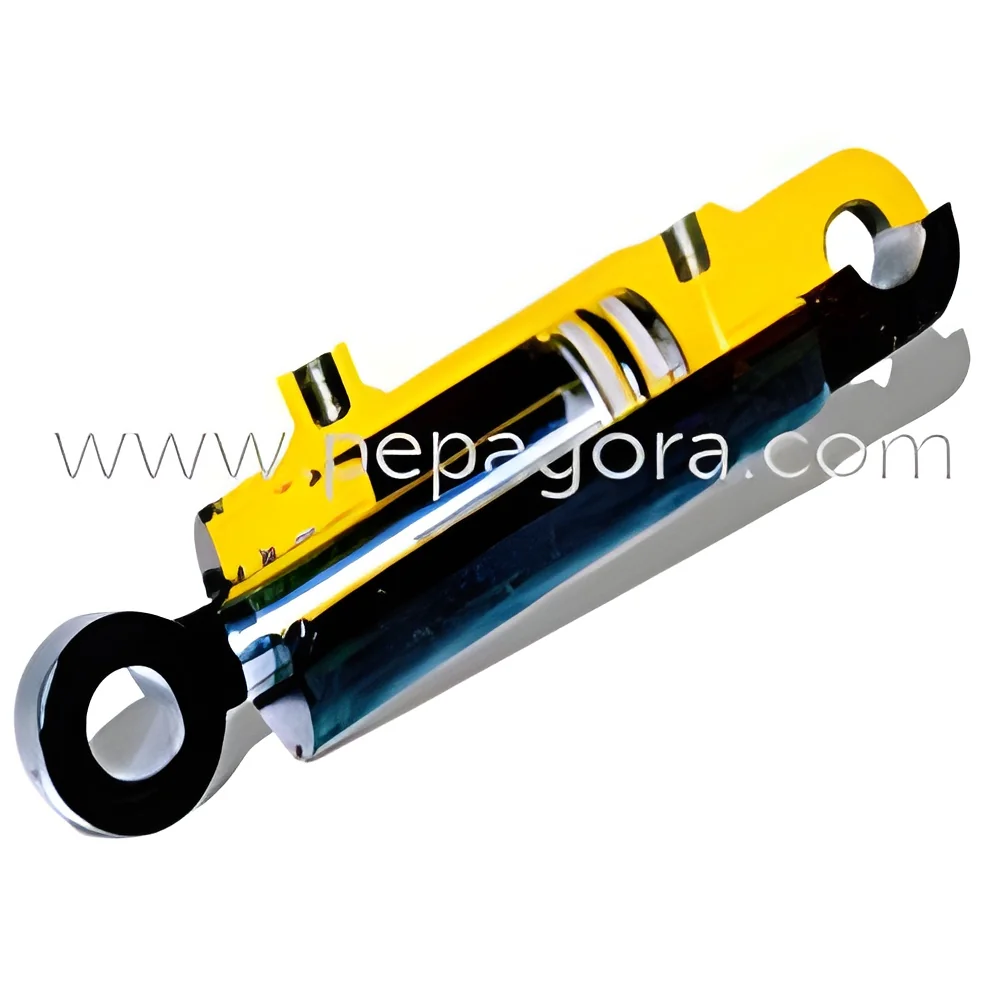
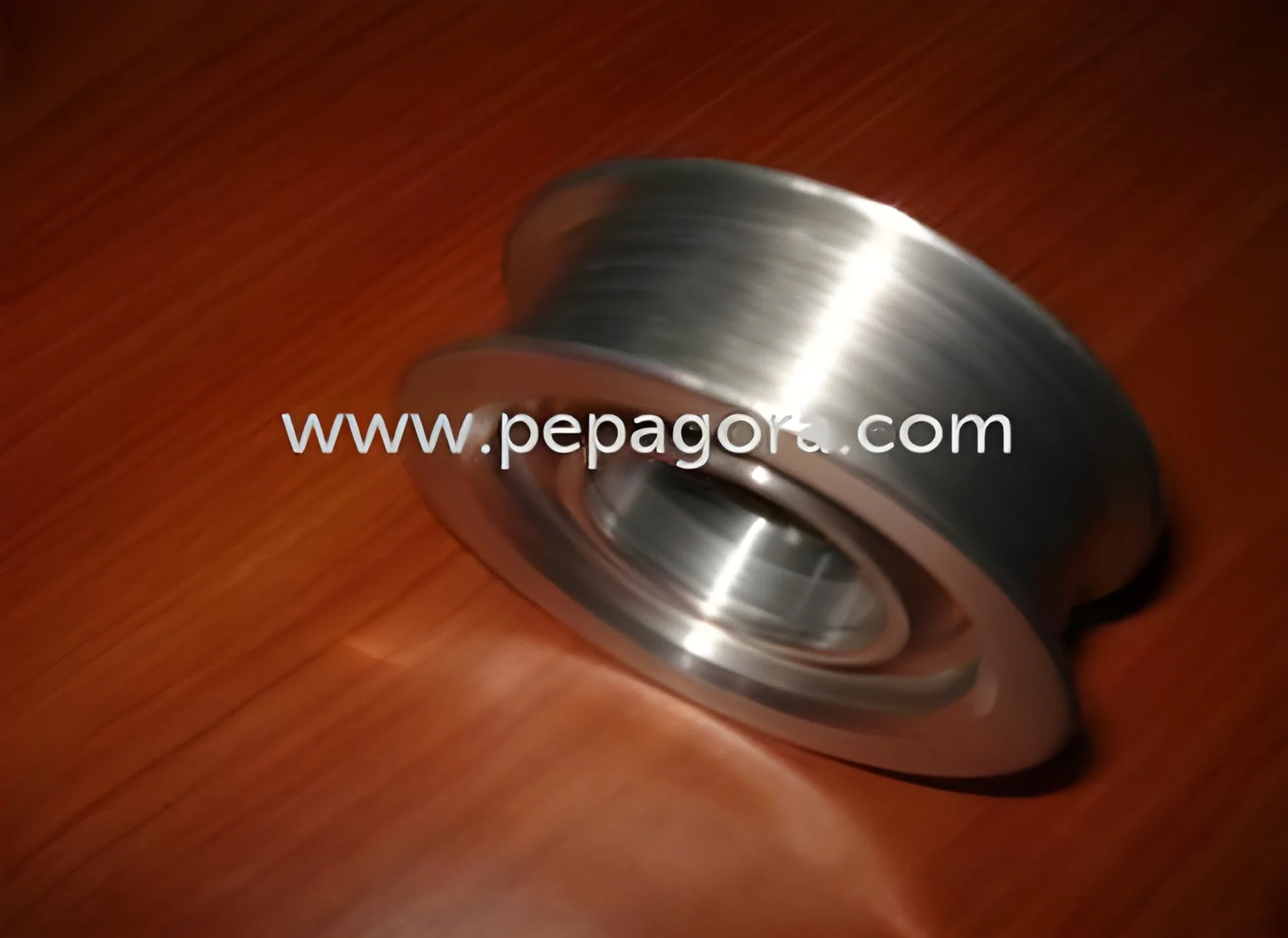
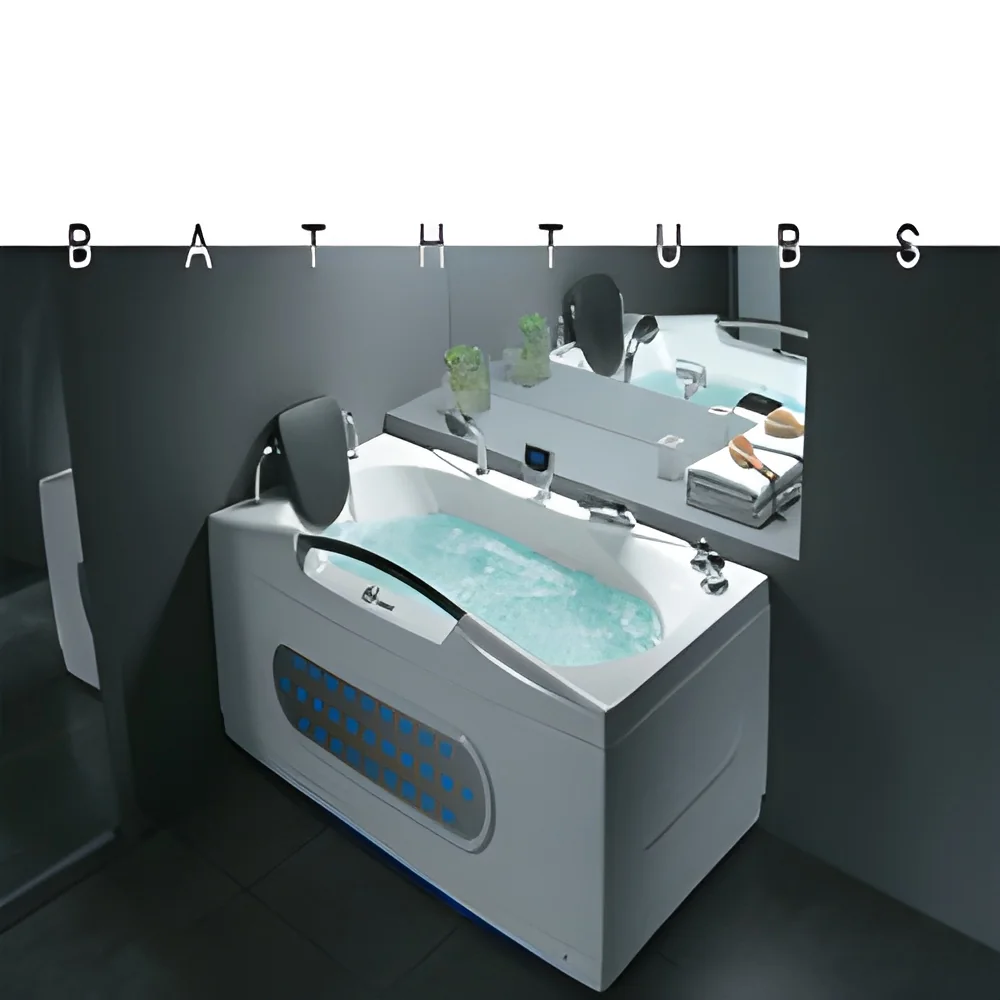
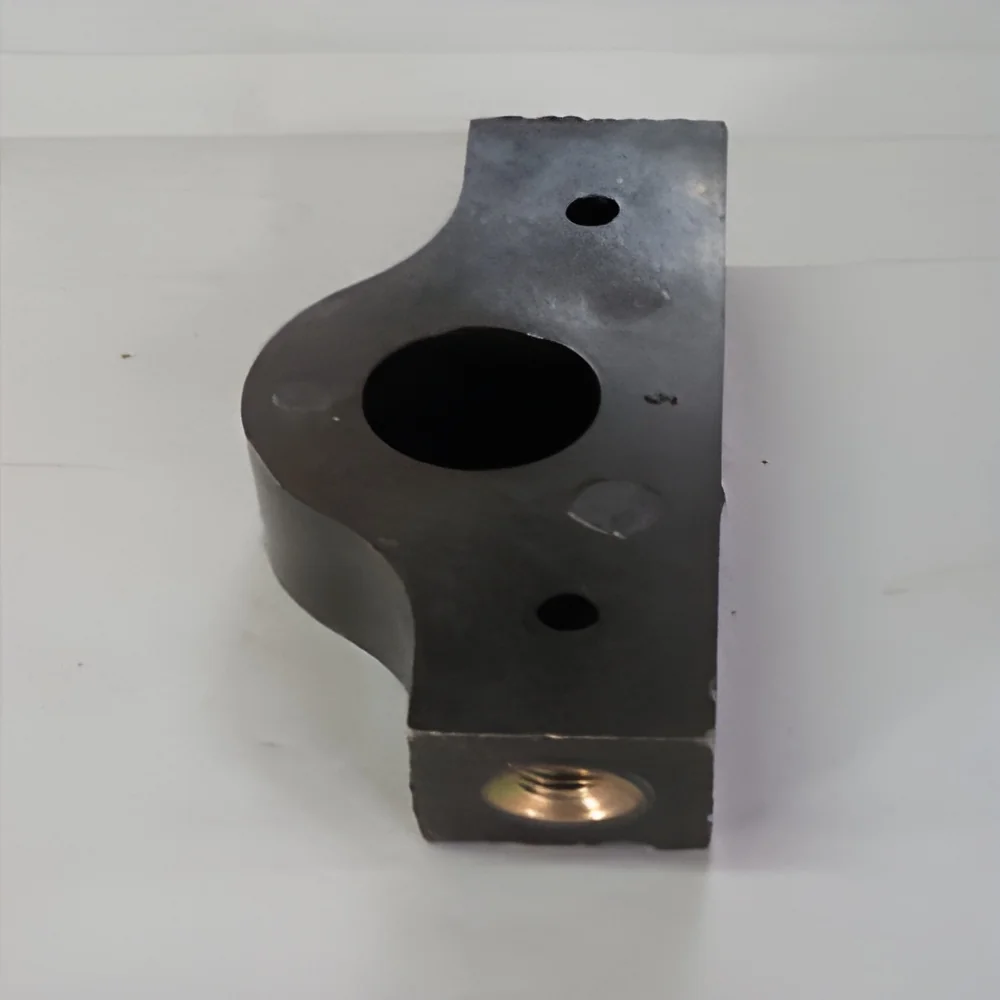
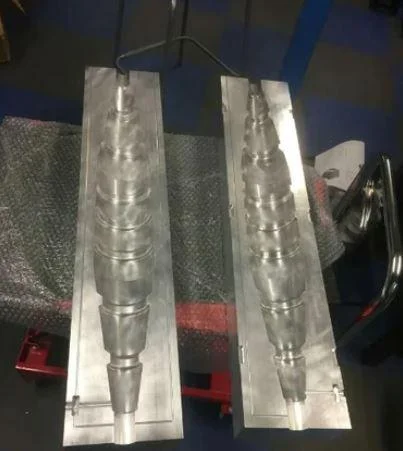
Injection Molded OEM Parts are components produced through the injection molding process, specifically designed for original equipment manufacturers (OEM). This manufacturing technique involves injecting molten material into a mold, which cools and solidifies to form the desired part. The materials commonly used include various types of plastics, which can be tailored to meet specific performance requirements. This method is known for its efficiency in producing high volumes of identical parts with precision.
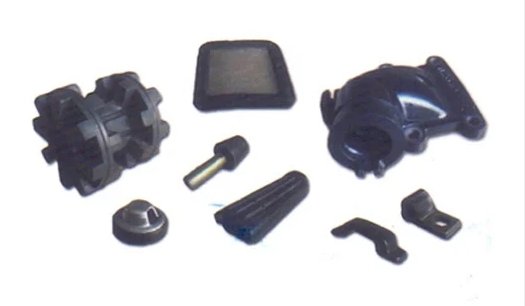
These parts are widely utilized across numerous industries, including automotive, electronics, consumer products, and medical devices. OEMs rely on injection molded parts for their durability, design flexibility, and cost-effectiveness. They can be custom-designed to fit specific applications, ensuring manufacturers can maintain high standards in product quality and performance. As industries increasingly seek to optimize production processes, injection molded OEM parts have become integral to meeting market demands efficiently.
The market for injection molded OEM parts continues to grow, driven by advancements in technology and increasing automation in manufacturing. With a rising emphasis on sustainability, many manufacturers are also exploring eco-friendly materials and practices in the production of these parts, enhancing their relevance in today's industrial landscape.
Key Features and Specifications
Injection molded OEM parts come with a variety of features and specifications that define their performance and suitability for different applications. These specifications are crucial for manufacturers when selecting the right parts for their products.
Key specifications include:
1. Material Composition
- Commonly used materials include ABS, polycarbonate, and polypropylene.
- Each material offers different properties such as impact resistance, heat tolerance, and chemical resistance.
2. Tolerances
- Precise tolerances can be achieved, often within ±0.1 mm depending on the part design.
- This high level of accuracy supports the assembly of complex systems.
3. Surface Finish
- Various surface finishes are available, including matte, gloss, and textured.
- The finish can affect both aesthetics and functionality, such as grip or light reflection.
4. Production Volume
- Capable of high-volume production runs, making it ideal for OEM applications.
- Suitable for both small and large batch sizes.
5. Customization Options
- Parts can be designed to meet specific customer requirements.
- Options for color, size, and design modifications are often available.
6. Lead Times
- Typically, lead times can range from a few weeks to several months based on complexity and volume.
- Quick turnaround can be crucial for time-sensitive projects.
7. Quality Assurance
- Many manufacturers implement rigorous quality control processes to ensure consistency.
- Compliance with industry standards and certifications is often maintained.
In summary, the key features and specifications of injection molded OEM parts provide manufacturers with the flexibility and reliability needed to produce high-quality products across various industries.
Common Applications and Use Cases
Injection molded OEM parts are used in a wide range of applications across different industries, showcasing their versatility and importance.
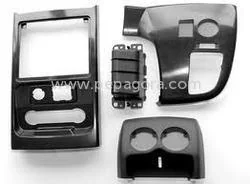
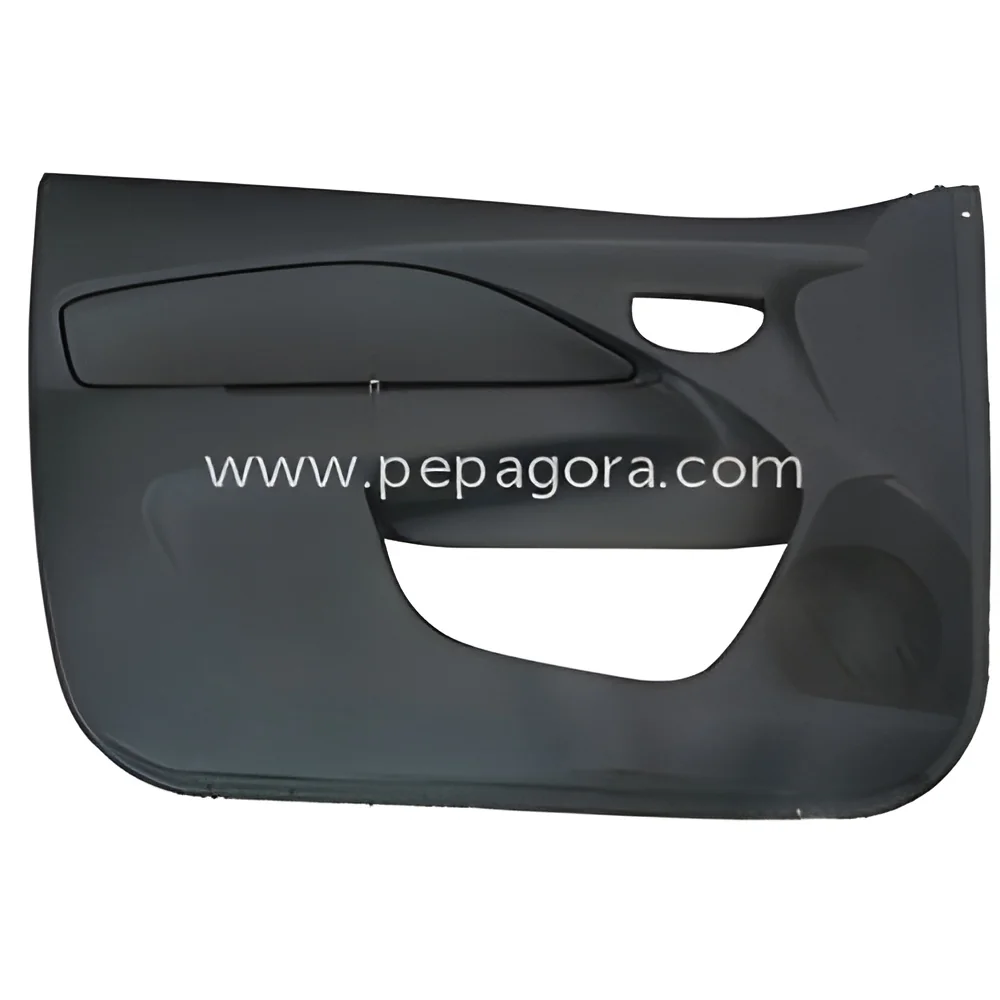
1. Automotive: These parts are commonly found in vehicle interiors and exteriors, including dashboards, trim components, and housings for electronic devices.
2. Electronics: Used for enclosures and components in consumer electronics, such as smartphones, laptops, and home appliances, where precision and durability are essential.
3. Medical Devices: Injection molded parts are critical in the production of medical instruments, housings, and drug delivery systems, ensuring compliance with stringent safety standards.
4. Consumer Products: From toys to kitchen gadgets, these parts allow manufacturers to create innovative designs while maintaining cost-effectiveness.
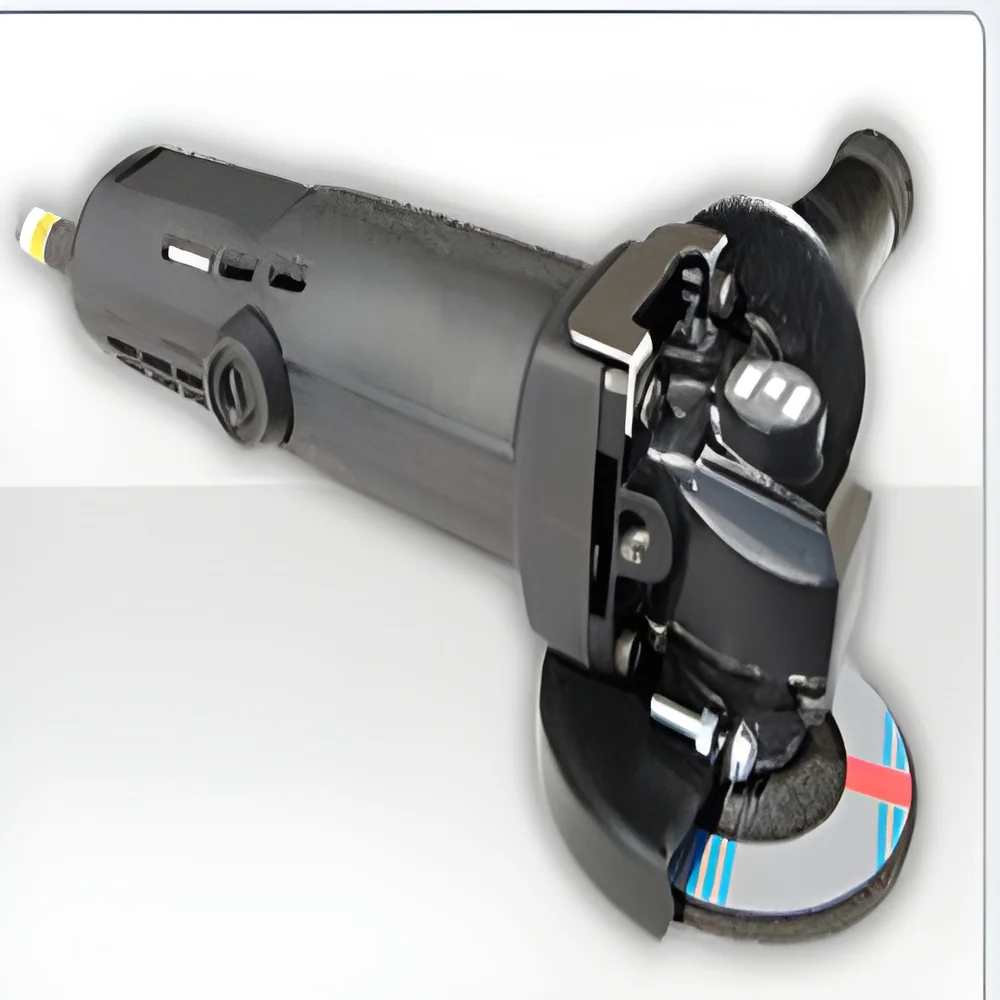
5. Industrial Equipment: OEM parts are used in machinery and equipment, where reliability and performance are paramount for operational efficiency.
6. Packaging: Injection molded components are also utilized in packaging solutions, providing protective features for various products.
7. Aerospace: These parts can be found in aircraft interiors and various components, contributing to weight reduction and enhanced performance.
Product Variants and Subcategories
Injection molded OEM parts offer a variety of product variants that cater to different industry needs and applications. This diversity allows manufacturers to select parts that best fit their specific requirements.
Standard Injection Molded Parts
These are the most common types used in various applications, characterized by their straightforward designs and efficient production methods.
Complex Injection Molded Parts
These parts feature intricate designs that require advanced molding techniques, making them suitable for specialized applications in industries such as aerospace and medical devices.
Overmolded Parts
These are components that combine multiple materials in a single piece, enhancing functionality by incorporating features such as soft grips or seals.
Multi-material Parts
These parts are created using different materials to achieve desired properties, such as flexibility or strength, making them ideal for products requiring multiple functionalities.
Benefits and Advantages
Sourcing injection molded OEM parts offers numerous benefits that enhance manufacturing processes and product quality.
Key benefits include:
1. Cost Efficiency: High-volume production lowers the cost per unit, making it more economical for manufacturers.
2. Design Flexibility: The injection molding process allows for complex shapes and intricate designs, enabling innovation in product development.
3. High Precision: With tight tolerances achievable, manufacturers can ensure that parts fit together seamlessly in assemblies.
4. Material Versatility: A wide range of materials can be used, allowing manufacturers to select the best options for their specific applications.
5. Quick Turnaround: Efficient production processes enable faster time to market for new products.
6. Sustainable Options: Many manufacturers are adopting eco-friendly materials and practices, aligning with sustainability goals.
Buying Guide for B2B Buyers
When purchasing injection molded OEM parts, B2B buyers should consider several key factors to ensure they make informed decisions.
1. Quality Assessment: Evaluate the quality of the parts by reviewing samples and checking for certifications that guarantee production standards.
2. Supplier Verification: Research potential suppliers to confirm their reputation and reliability in delivering quality products on time.
3. Pricing and MOQ: Understand the pricing structure and minimum order quantities required by suppliers to align with budget constraints.
4. Delivery and Lead Times: Discuss logistics and expected lead times to ensure that the parts will be available when needed.
5. Compliance Requirements: Verify that the parts meet necessary regulatory requirements and industry standards relevant to your applications.
Compliance and Certifications
In the manufacturing of injection molded OEM parts, adherence to relevant quality standards and certifications is critical for ensuring product reliability and safety. ISO 9001 is a widely recognized standard that establishes criteria for quality management systems, helping manufacturers maintain consistent quality in their processes. Compliance with HACCP (Hazard Analysis Critical Control Point) is essential for parts used in food-related applications, ensuring safety and minimizing risks.
Additionally, CE certification indicates that products meet European safety, health, and environmental protection standards. Manufacturers must also adhere to various safety and testing requirements to confirm that their products are safe for use in their intended applications. In some regions, specific compliance considerations may apply, depending on local regulations and industry practices, making it essential for buyers to work with suppliers who understand these requirements.
Why Source Injection Molded OEM Parts from Pepagora?
Pepagora offers a reliable platform for sourcing injection molded OEM parts, bringing together verified suppliers and manufacturers to streamline the procurement process. One of the key advantages of using Pepagora is its verified supplier network, which ensures that buyers can find trusted manufacturers who meet high-quality standards.
The platform features a streamlined RFQ (Request for Quotation) process, allowing buyers to receive quotes from multiple suppliers quickly. This efficiency not only saves time but also provides buyers with the best pricing options available in the market.
Pepagora also prioritizes trade assurance and support, offering buyers protection throughout the purchasing process. This assurance gives peace of mind, knowing that the investment is secure and that the supplier will deliver as promised.
With regional coverage in India, the GCC, and Southeast Asia, Pepagora connects buyers with suppliers across a wide geographic area, enhancing accessibility and convenience for manufacturers looking for injection molded OEM parts. This comprehensive approach makes Pepagora a valuable resource in the search for high-quality industrial components.

 IN
IN