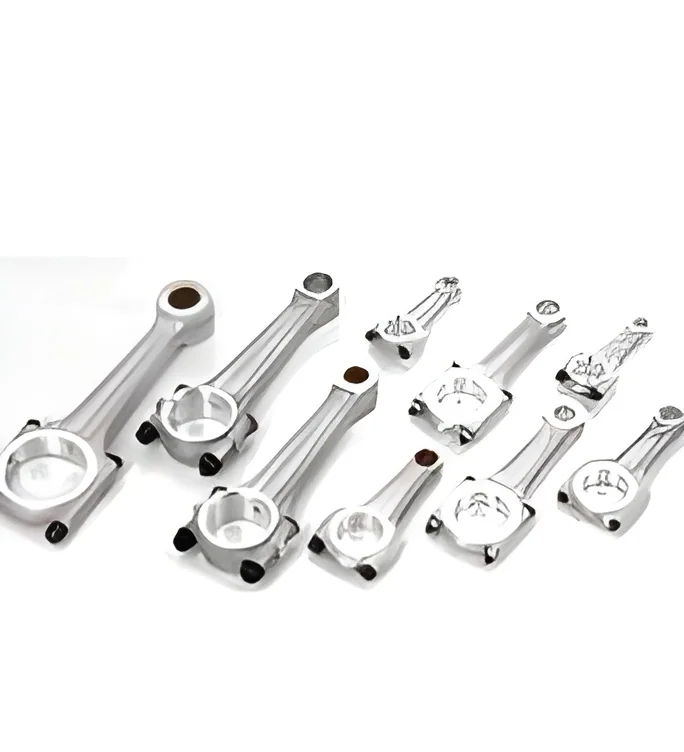
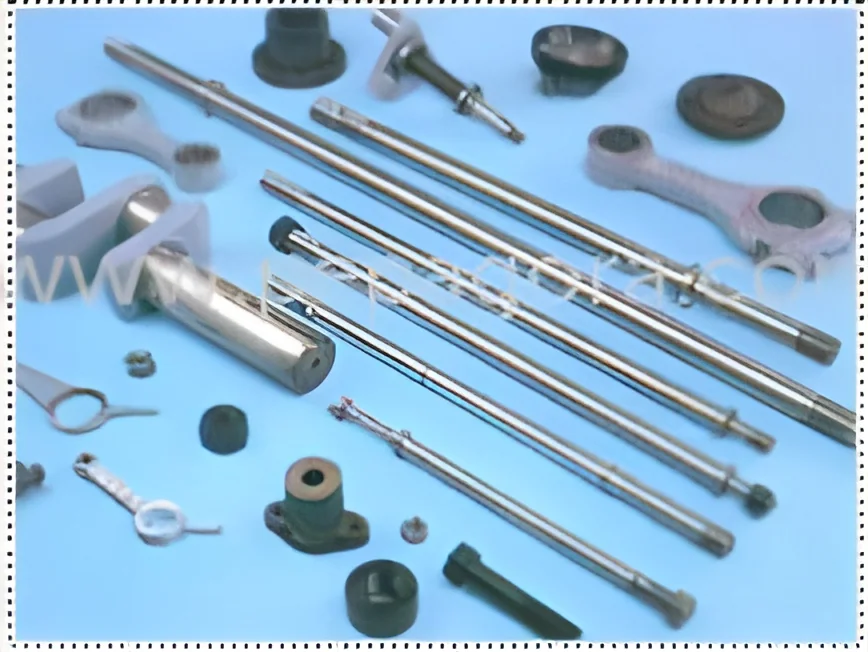
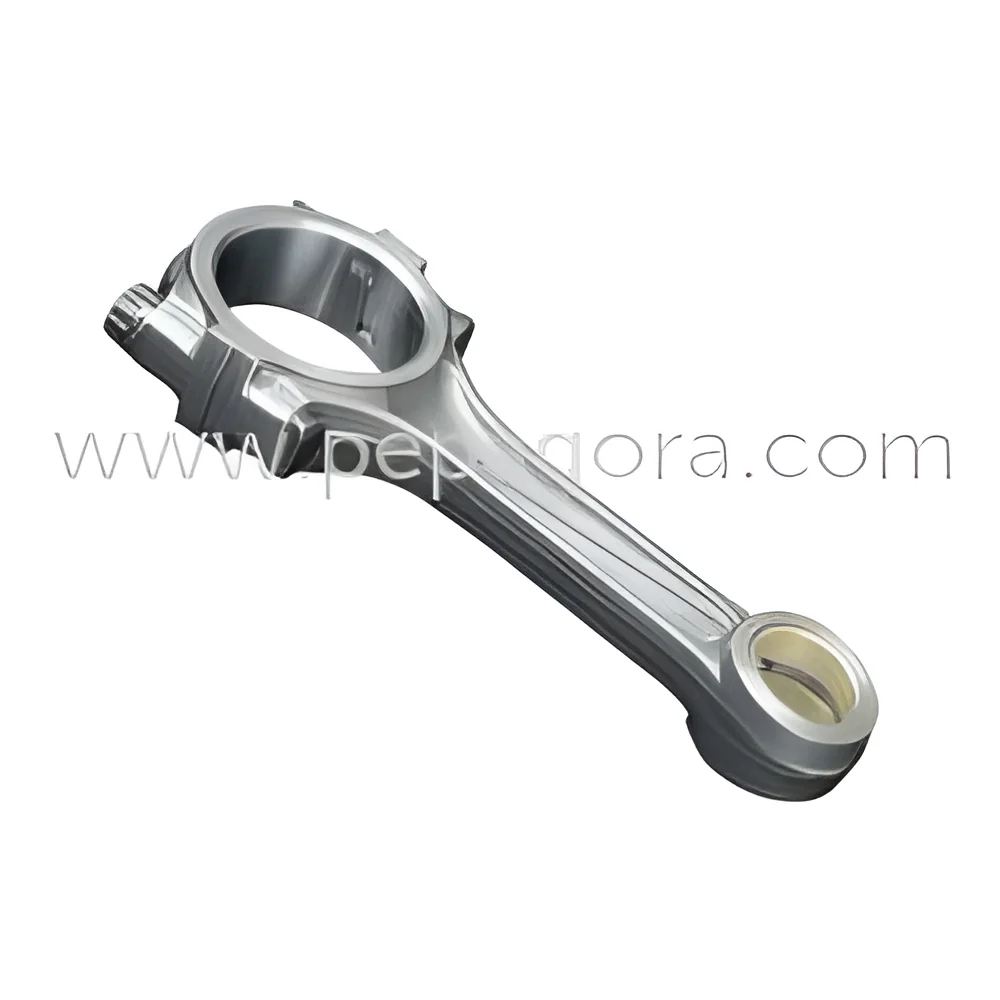
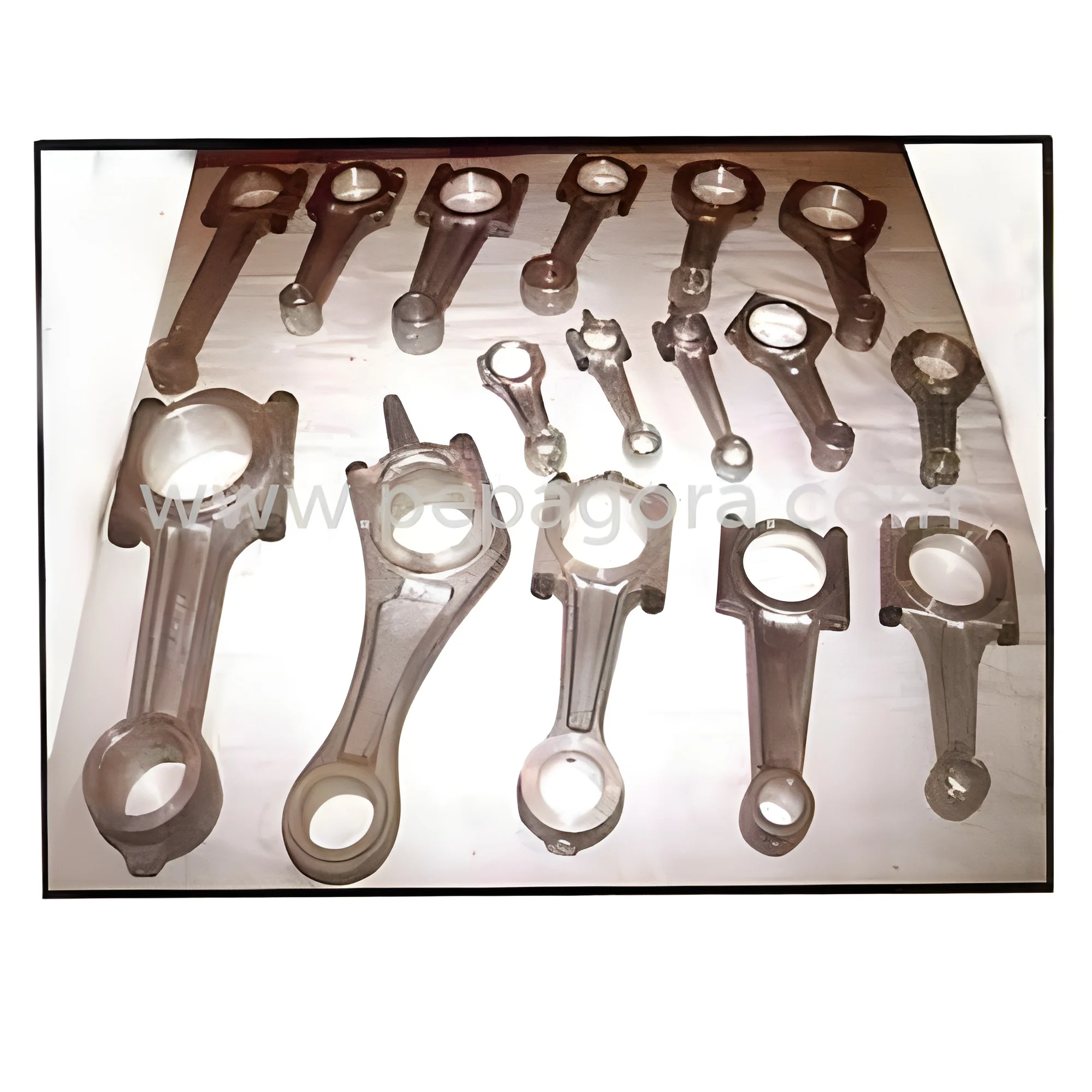
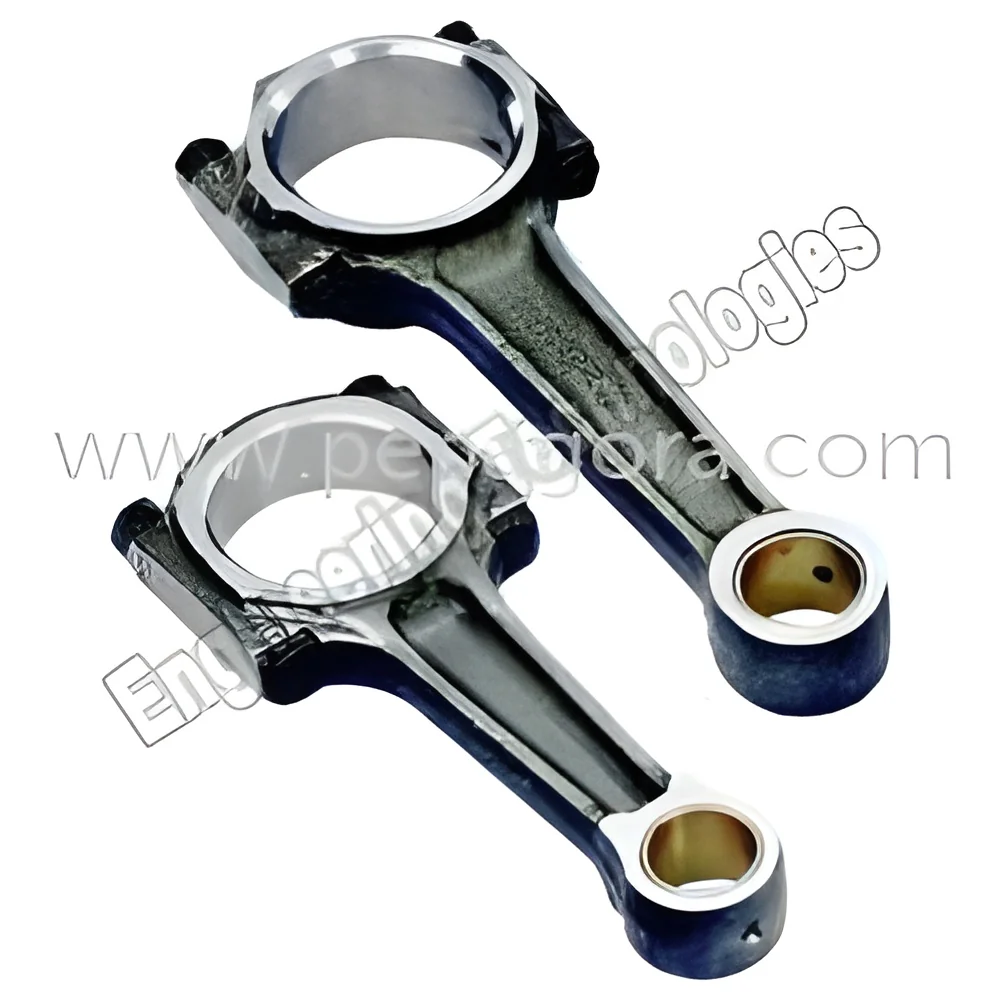
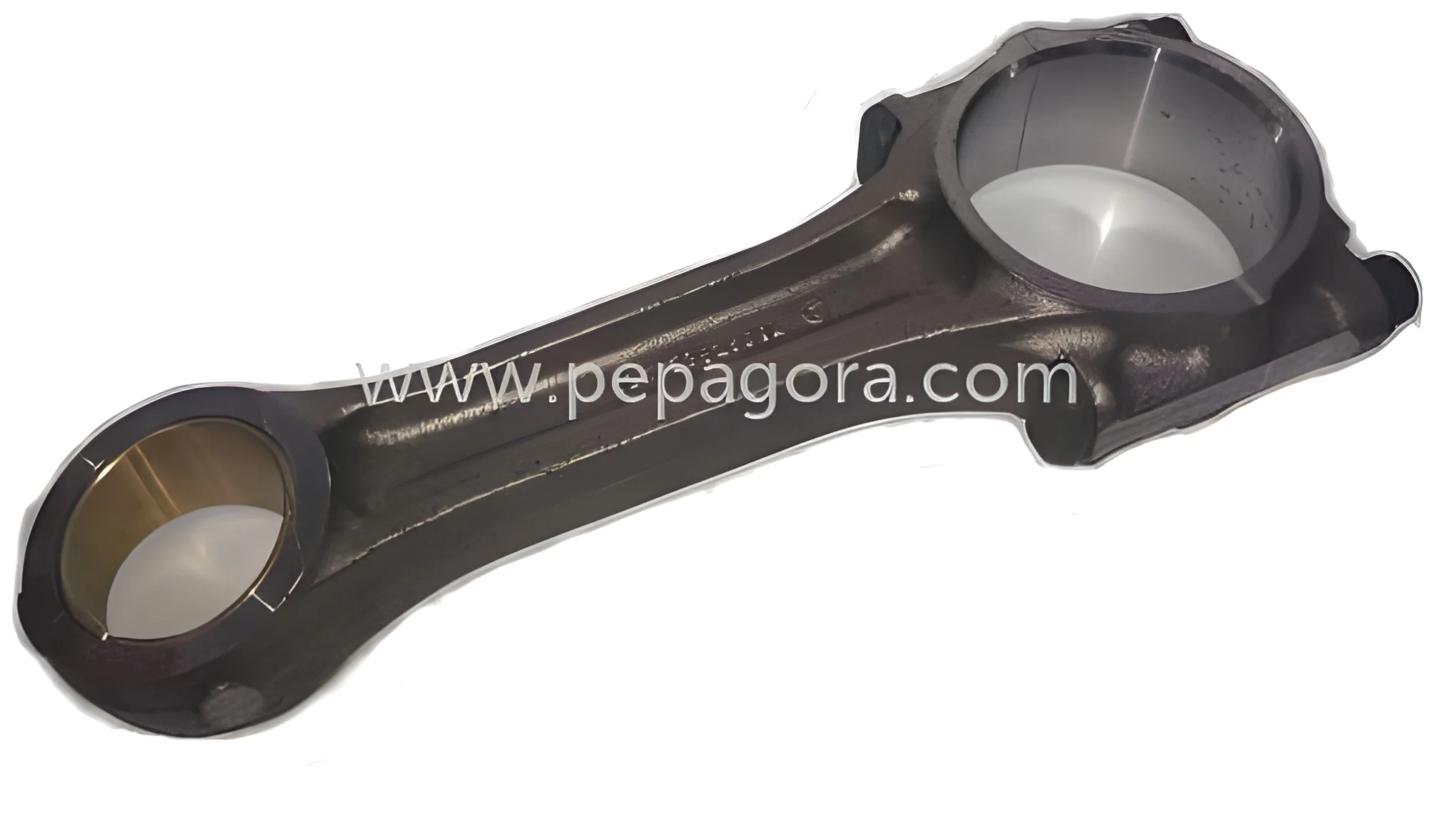
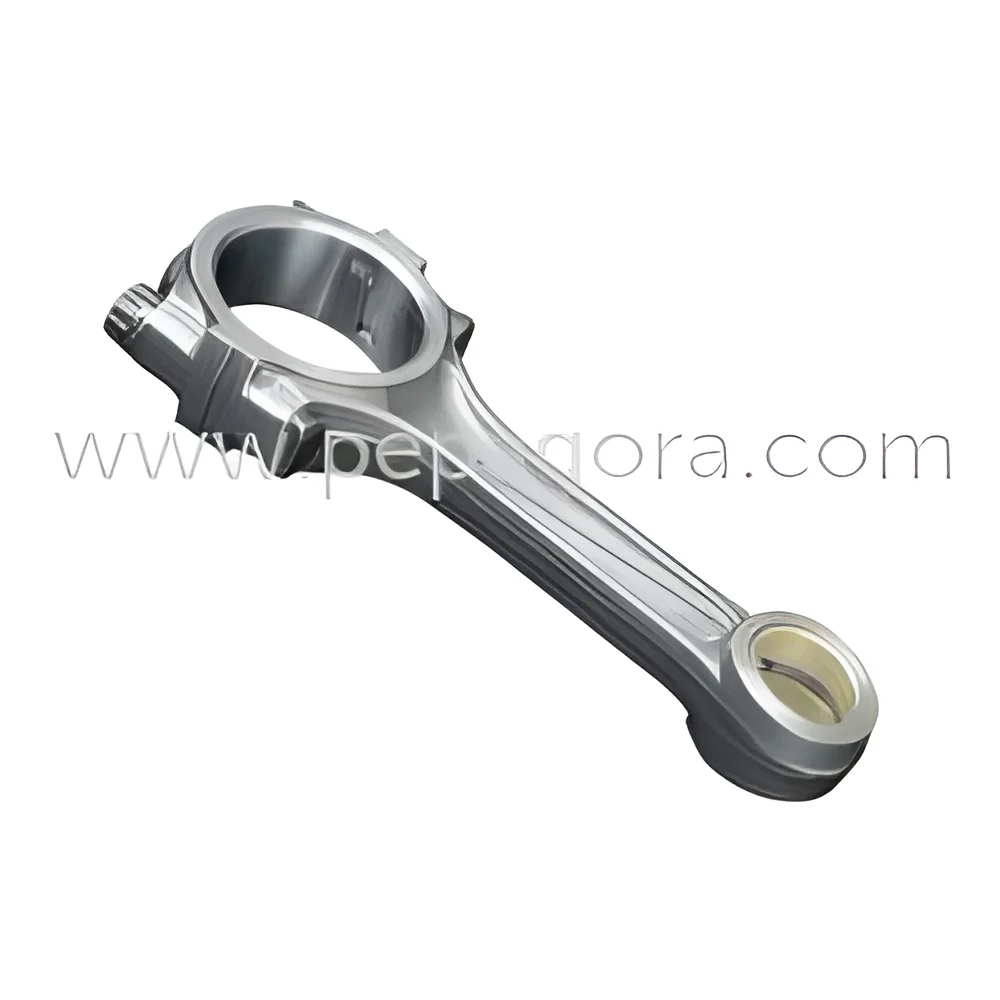
What are Connecting Rods?
Connecting rods are essential components in internal combustion engines, serving as a link between the piston and the crankshaft. They convert the linear motion of the piston into rotational motion of the crankshaft, facilitating the engine's power generation process. Typically made from materials such as steel, aluminum, or titanium, connecting rods must withstand significant forces and stresses during engine operation.
Connecting rods are used primarily in automotive and industrial applications, particularly in engines for cars, trucks, and machinery. Their reliability and performance directly affect engine efficiency and durability. In the context of manufacturing and engineering, connecting rods play a critical role in ensuring optimal engine performance, making them crucial for industries reliant on heavy machinery and vehicle production. The demand for high-quality connecting rods is tightly linked to the growth of the automotive and industrial machinery sectors.
Key Features and Specifications
Connecting rods come with a range of features and specifications that are vital for their performance in engine applications. Understanding these specifications helps businesses choose the right component for their needs.
Key specifications include:
1. Material Composition
- Common materials include steel, aluminum, and titanium
- Each material has specific strength, weight, and cost properties
2. Length
- Available in various lengths to suit different engine designs
- Typical lengths can range from 140 mm to 200 mm
3. Diameter
- Diameter varies based on engine requirements
- Standard diameters may range from 20 mm to 30 mm
4. Weight
- Weight optimization is crucial for performance
- Typical weights range from 300 grams to 600 grams
5. Strength Rating
- Measured in terms of yield strength and tensile strength
- Important for ensuring durability under high stress
6. Compatibility
- Designed to fit specific engine models
- Ensures proper alignment and function within the engine assembly
7. Finish
- Surface treatment options include shot peening and coating
- Affects durability and resistance to wear
8. Certification
- Compliance with industry standards such as CE
- Ensures safety and performance reliability
Understanding these features helps buyers select connecting rods that meet their operational demands and industry standards.
Common Applications and Use Cases
Connecting rods are utilized in various industries, serving multiple applications that highlight their importance in machinery and engine performance.
1. Automotive Industry: Connecting rods are crucial in car engines, helping to convert piston movement into crankshaft rotation for efficient power generation.
2. Heavy Machinery: In construction and agricultural equipment, connecting rods ensure reliable engine performance under strenuous operating conditions.
3. Marine Applications: Boats and ships rely on connecting rods to power their engines, contributing to smooth operation and durability in harsh marine environments.
4. Aerospace: Aircraft engines utilize connecting rods designed for high reliability and performance in extreme conditions.
5. Industrial Equipment: Many machines in manufacturing and processing industries depend on connecting rods for efficient operation and energy conversion.
6. Motorsports: High-performance engines in racing vehicles employ specialized connecting rods to enhance speed and power without compromising safety.
7. Generator Sets: Connecting rods are vital for engines in generators, ensuring consistent power supply in various applications.
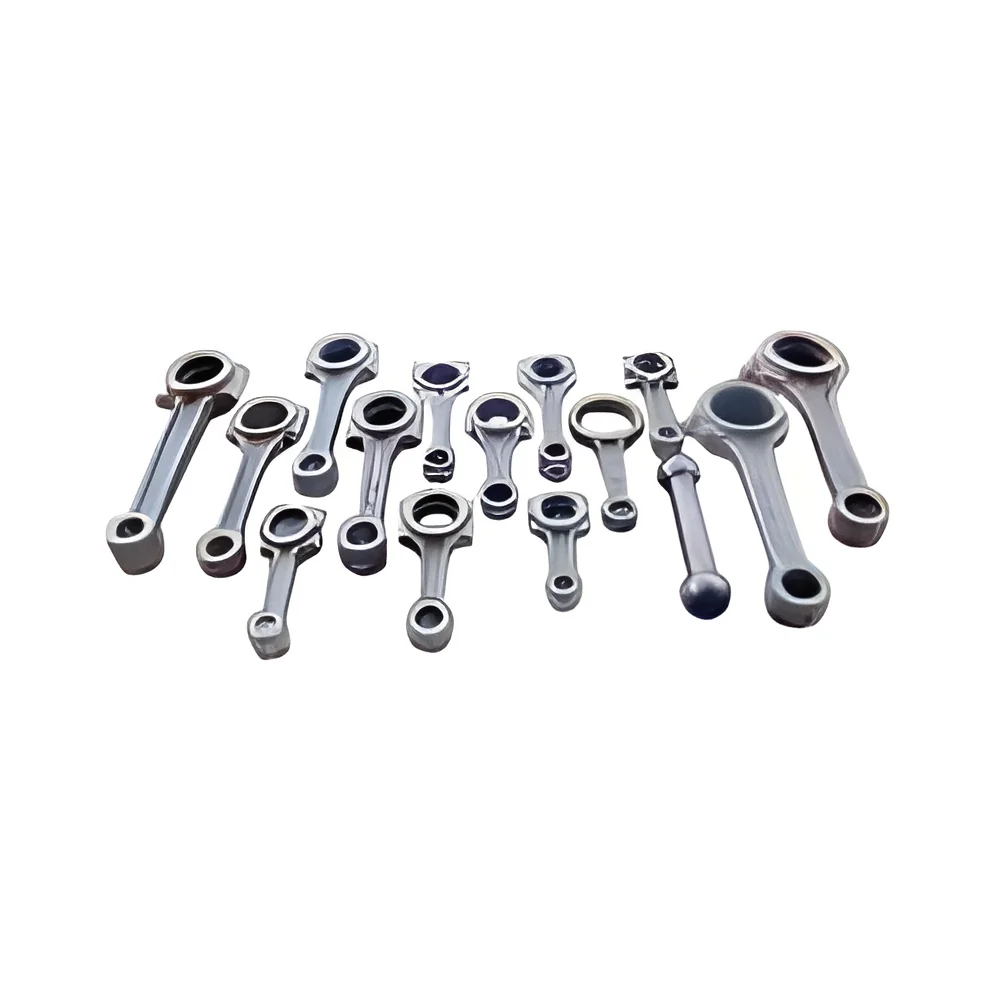
Product Variants and Subcategories
Connecting rods come in various designs and types to cater to specific engine requirements. Each variant is tailored to meet performance standards and operational needs.
Standard Connecting Rods
These are general-purpose connecting rods designed for standard engine applications. They are cost-effective and widely used across many industries.
Performance Connecting Rods
Engineered for high-performance applications, these rods are often lighter and stronger, making them ideal for racing or heavy-duty machinery.
Forged Connecting Rods
Manufactured through a forging process, these rods offer enhanced strength and durability, suitable for high-stress environments in both automotive and industrial applications.
H-beam Connecting Rods
Featuring an H-shaped cross-section, these rods provide optimal strength-to-weight ratios, making them popular in performance and racing engines.
Benefits and Advantages
Connecting rods offer several key benefits that make them indispensable in engine design and operation.
1. Strength and Durability: High-quality materials and construction techniques ensure connecting rods can withstand significant stress and prolonged use.
2. Performance Optimization: Properly designed connecting rods improve engine efficiency and power output, contributing to overall vehicle performance.
3. Weight Reduction: Advanced materials and designs allow for lighter connecting rods, enhancing engine responsiveness and fuel efficiency.
4. Customization Options: Many manufacturers offer customizable solutions to meet specific engine requirements, ensuring compatibility and performance.
5. Compliance with Standards: Connecting rods that meet industry certifications provide peace of mind regarding safety and quality.
6. Easy Installation: Well-designed connecting rods can simplify the assembly process, reducing labor time and costs in manufacturing.
Buying Guide for B2B Buyers
When sourcing connecting rods, buyers should consider several factors to ensure they select the best products for their needs.
1. Quality Assessment: Evaluate materials and manufacturing processes to ensure the connecting rods meet strength and durability criteria.
2. Supplier Verification: Conduct thorough research to verify supplier credentials and reputation, ensuring reliability in product delivery and support.
3. Pricing and MOQ: Compare pricing across suppliers while considering minimum order quantities to optimize purchasing costs.
4. Delivery and Lead Times: Understand logistics and expected delivery times to plan inventory and production schedules effectively.
5. Compliance Requirements: Ensure that connecting rods meet local and international regulatory standards, such as CE certification, to avoid compliance issues.
Compliance and Certifications
Connecting rods must adhere to various quality standards and certifications to ensure safety and performance.
ISO 9001 is a common quality management standard that many manufacturers follow, ensuring consistent quality across production processes.
CE certification indicates that the product meets European Union safety, health, and environmental protection standards, which can be important for international buyers.
Safety and testing requirements are critical in the manufacturing of connecting rods, as these components must perform under high-stress conditions.
Regional compliance considerations may vary, so it is essential for buyers to understand local regulations that apply to their specific industries.
Why Source Connecting Rods from Pepagora?
Pepagora provides a trusted platform for sourcing connecting rods, offering several key advantages to B2B buyers.
Verified Supplier Network: Pepagora features a network of pre-vetted suppliers, ensuring that buyers can access high-quality products from reputable manufacturers.
Streamlined RFQ Process: The platform simplifies the request for quotation process, allowing buyers to efficiently compare offers and select the best options for their needs.
Trade Assurance and Support: Buyers benefit from trade assurance and support services, providing protection throughout the purchasing process, which enhances buyer confidence.
Regional Coverage: Pepagora serves a wide geographic area, including India, the GCC, and Southeast Asia, making it easier for businesses to source connecting rods in their respective regions.

 IN
IN