
 IN
INForged & Cast OEM Components
104 products available
What are Forged & Cast OEM Components?
Key Features and Specifications
Common Applications and Use Cases
Product Variants and Subcategories
Benefits and Advantages
Buying Guide for B2B Buyers
Compliance and Certifications
Why Source Forged & Cast OEM Components from Pepagora?



Frequently Asked Questions
What are Forged & Cast OEM Components?
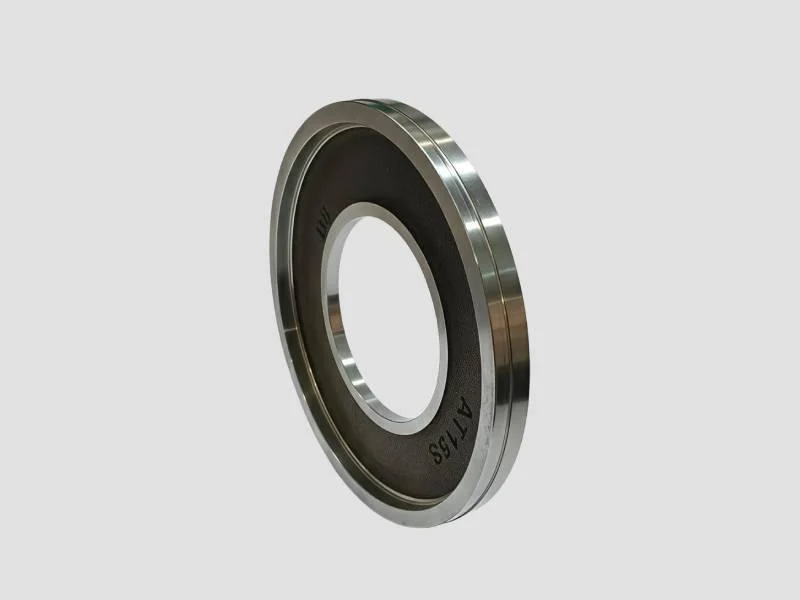
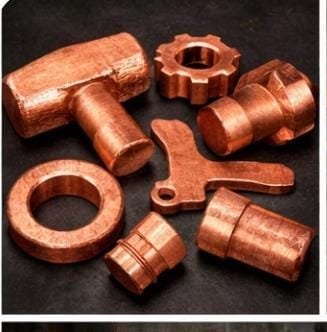
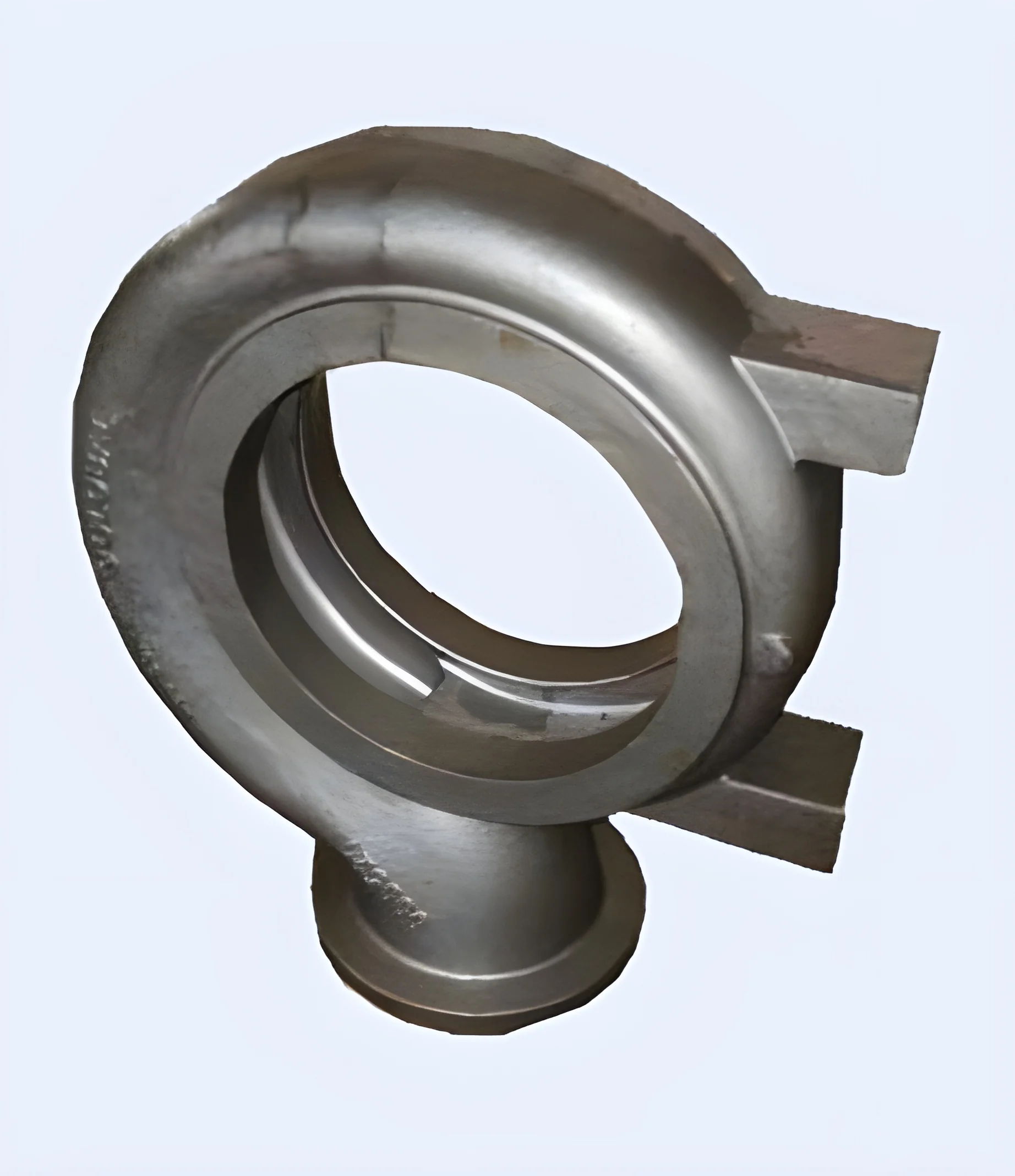
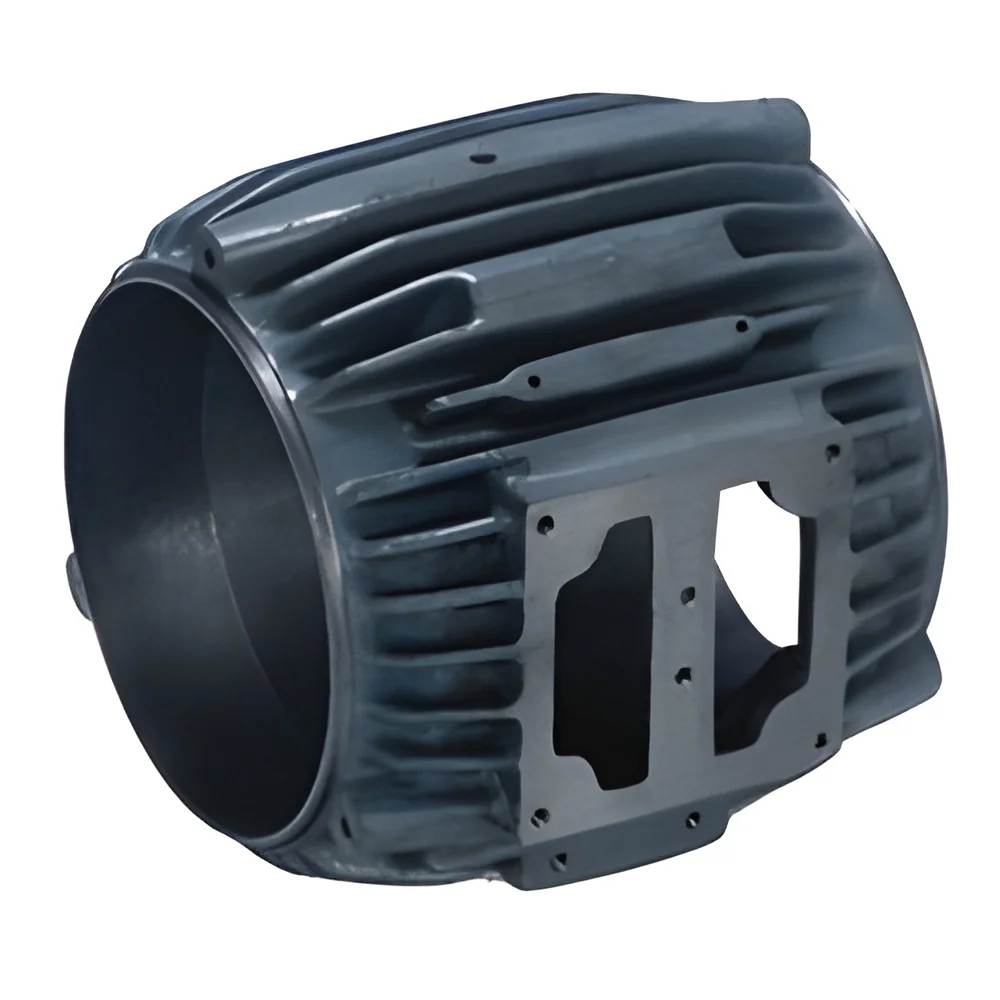
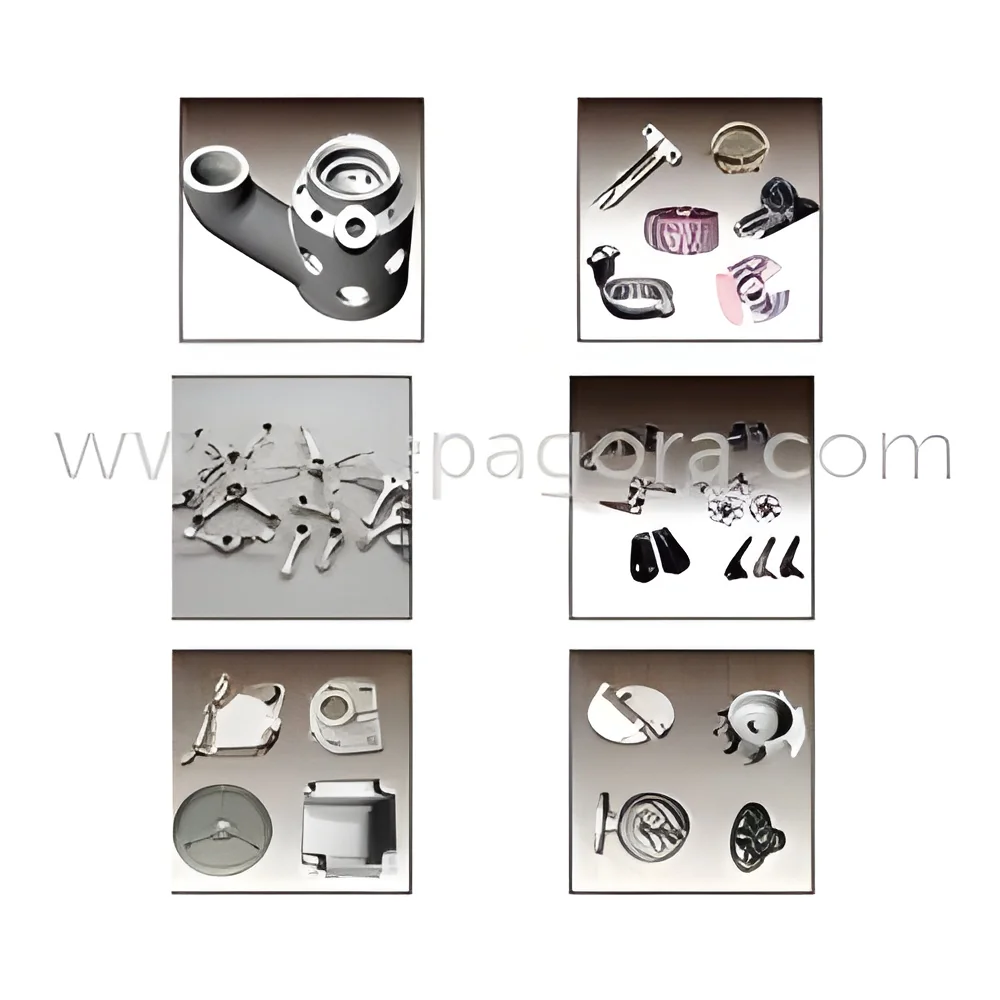
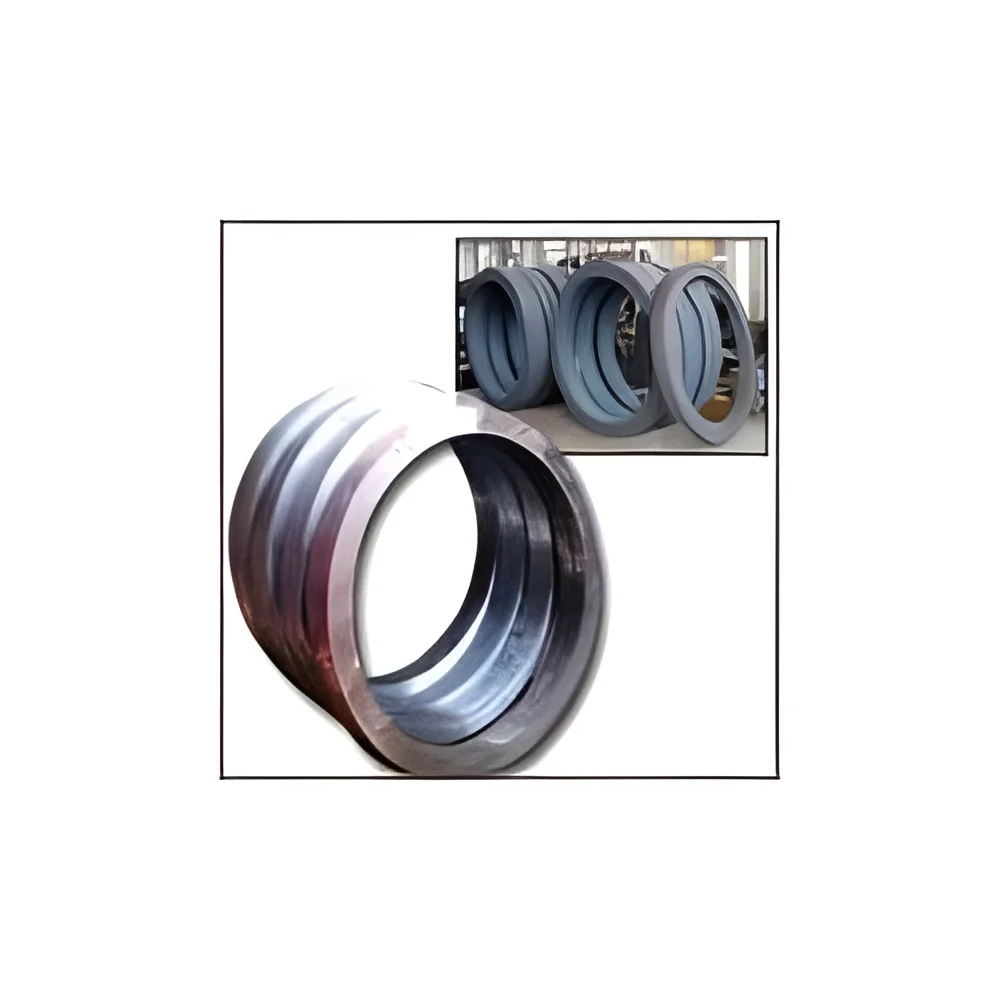
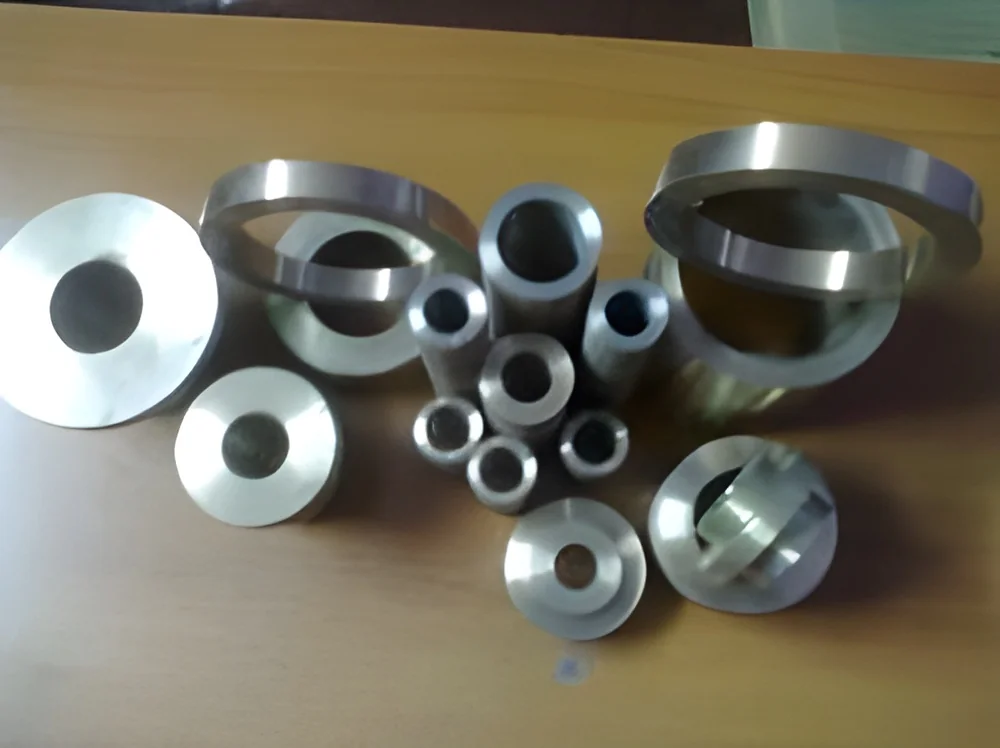
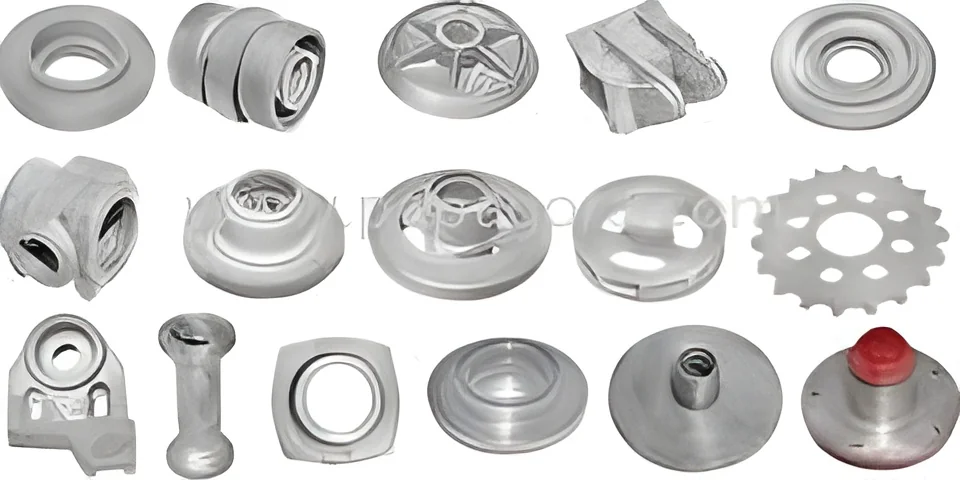
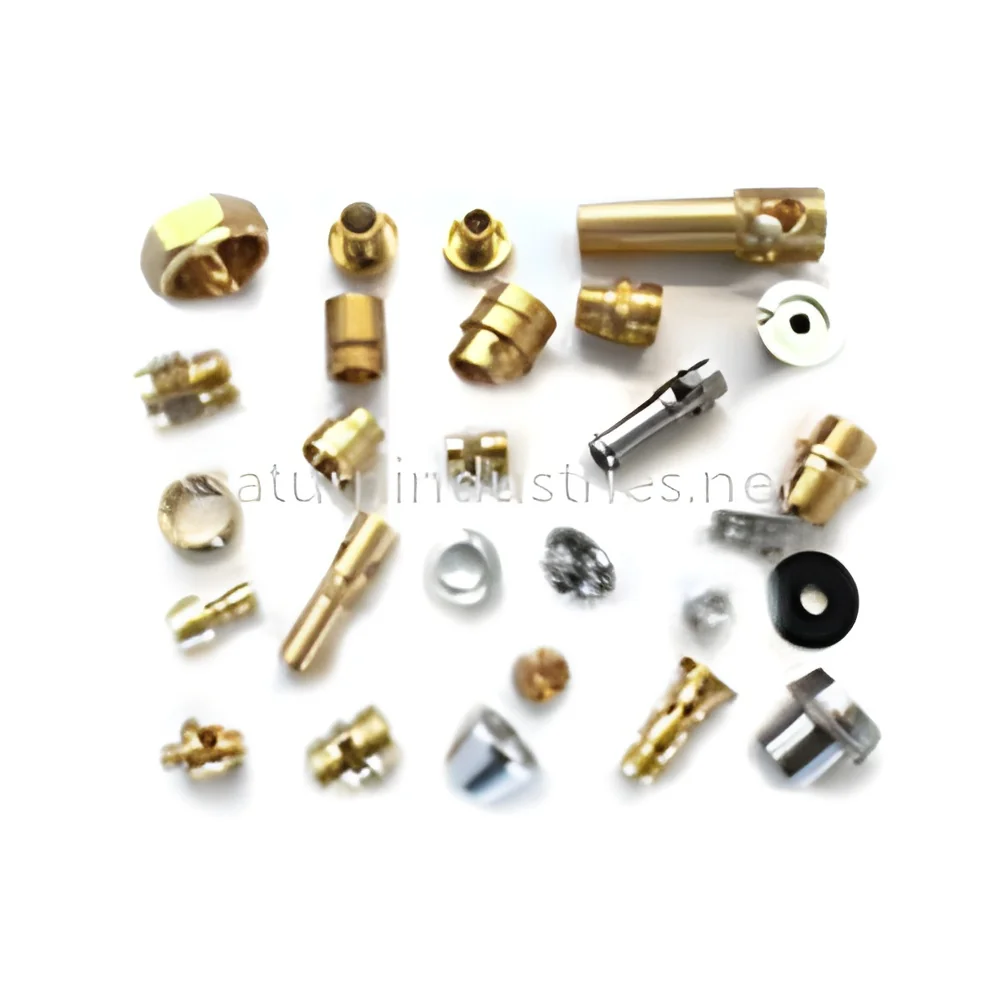
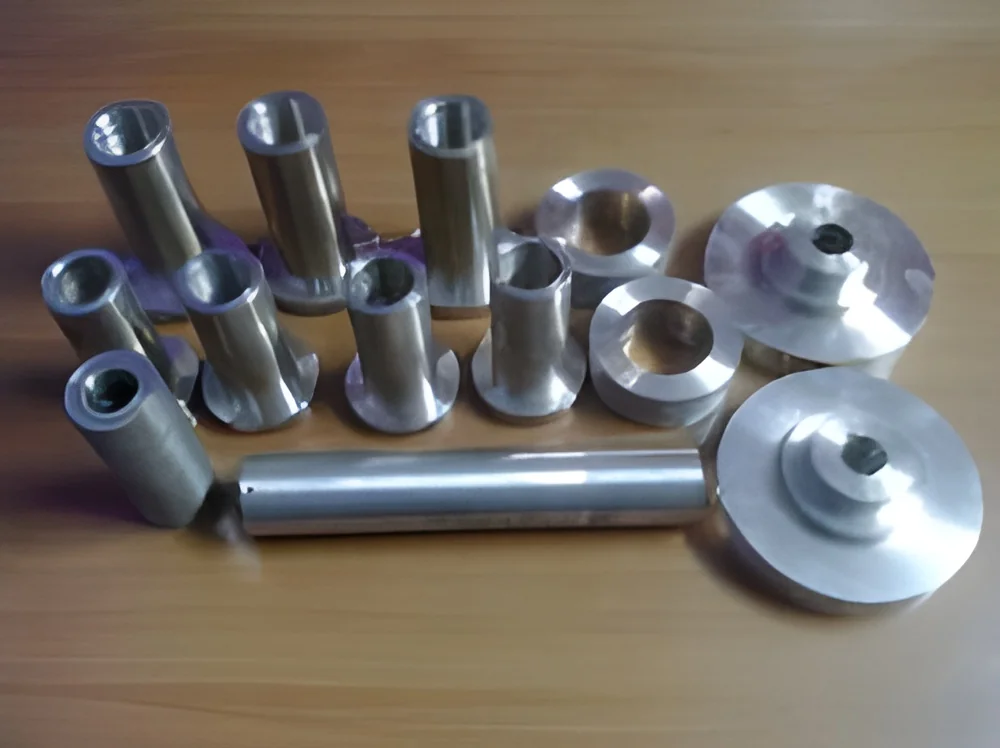
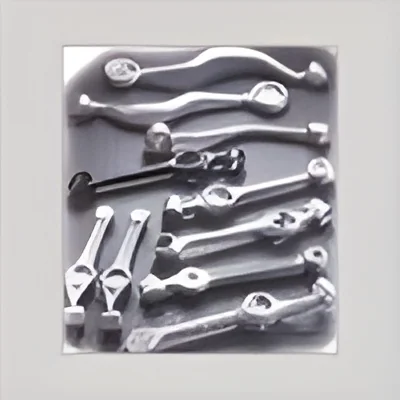
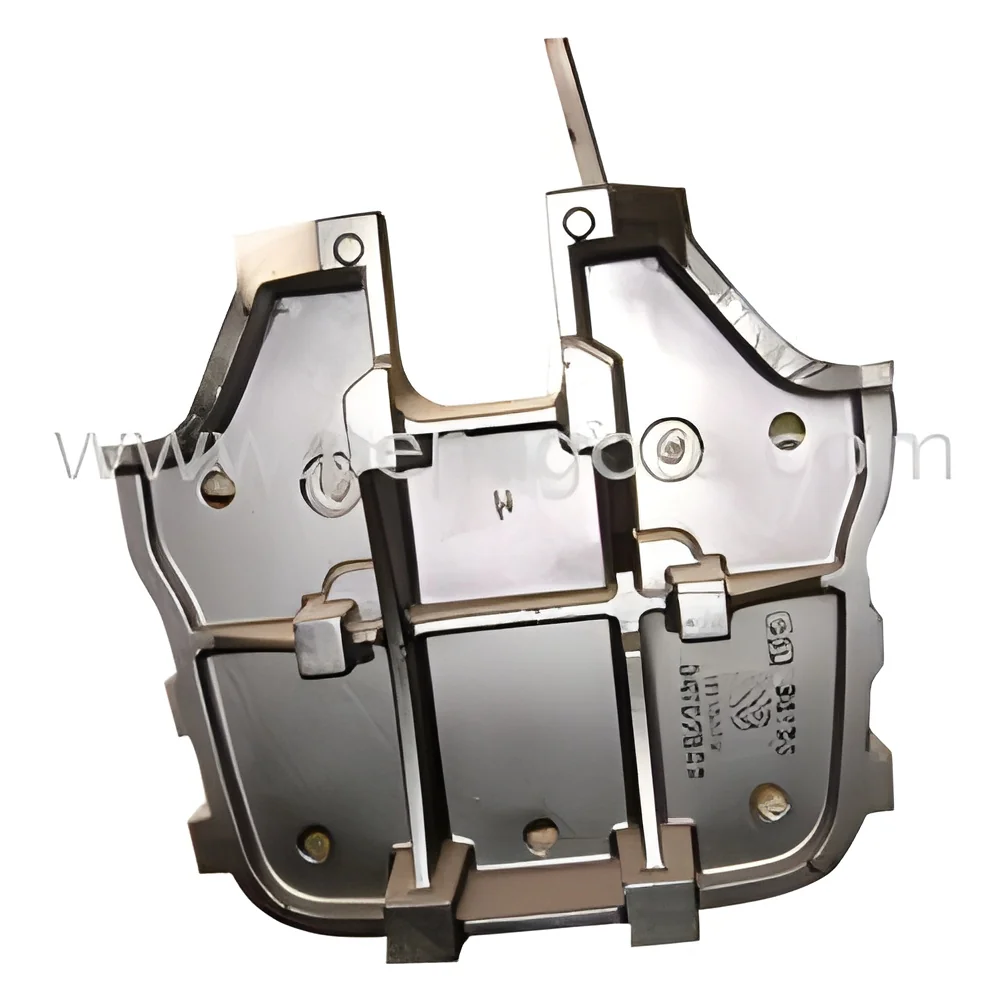
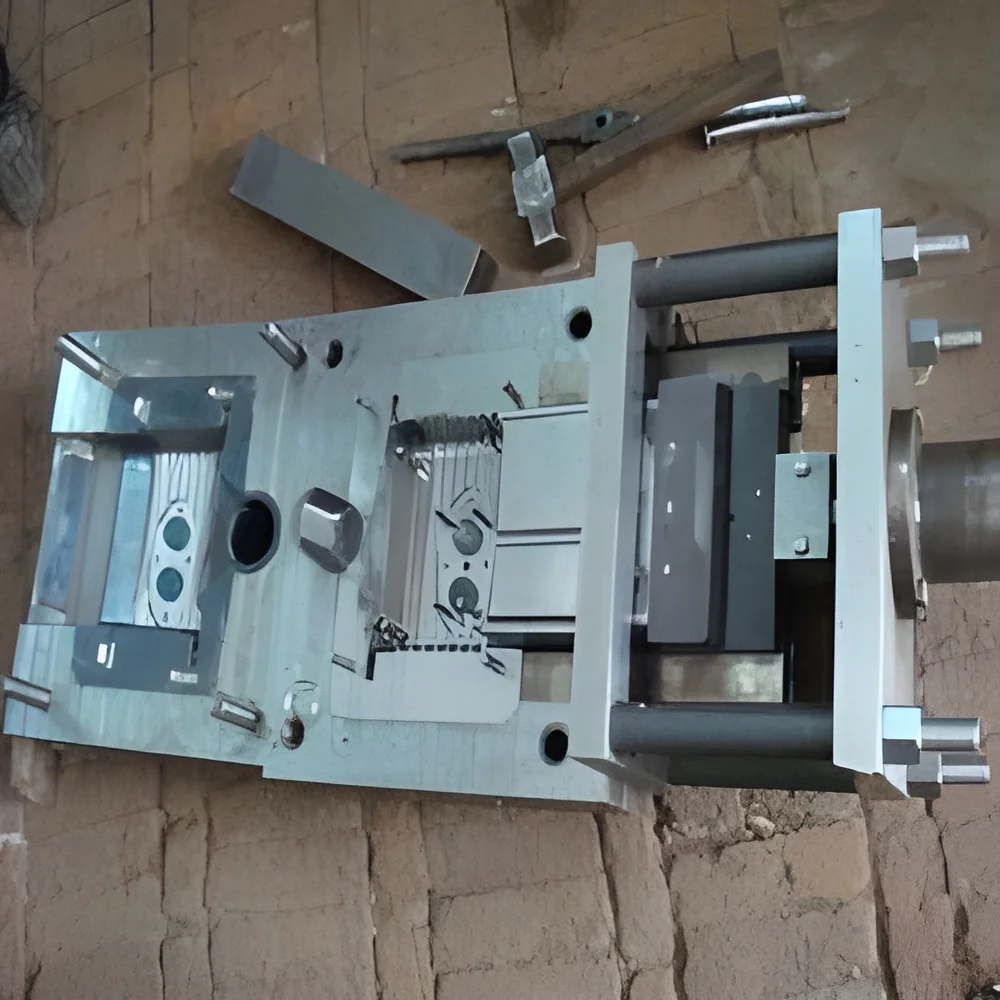
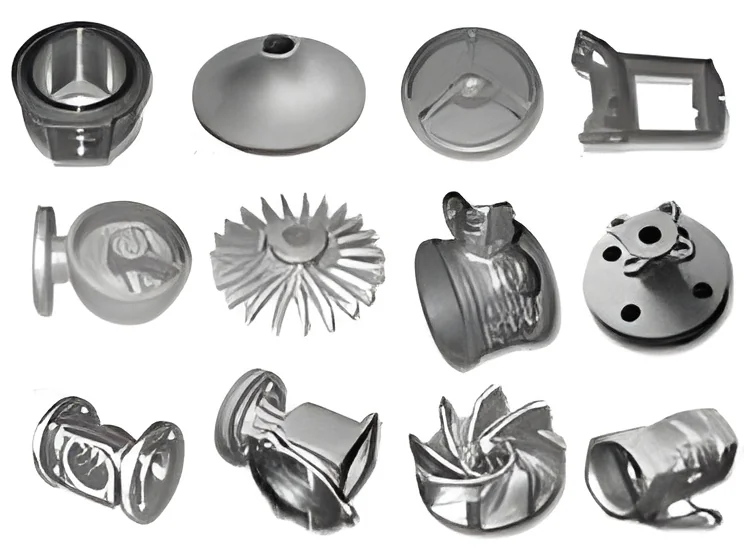
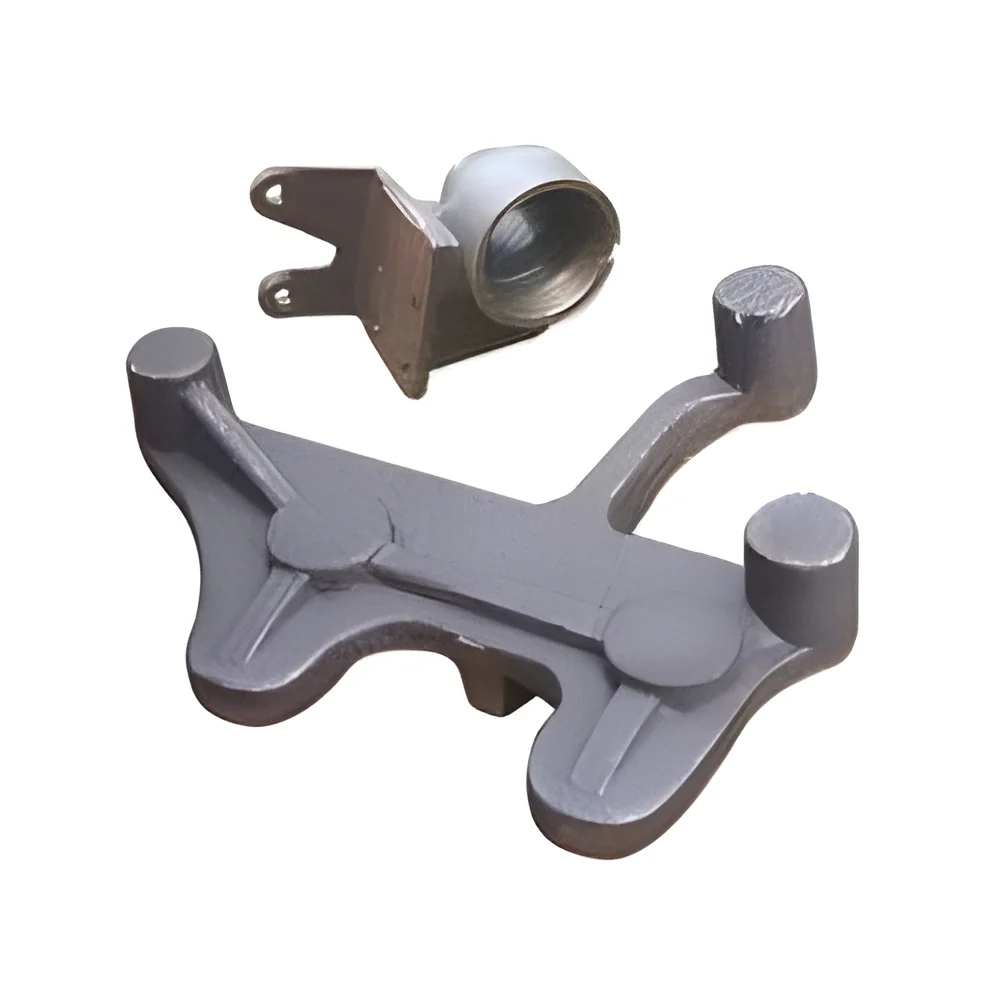
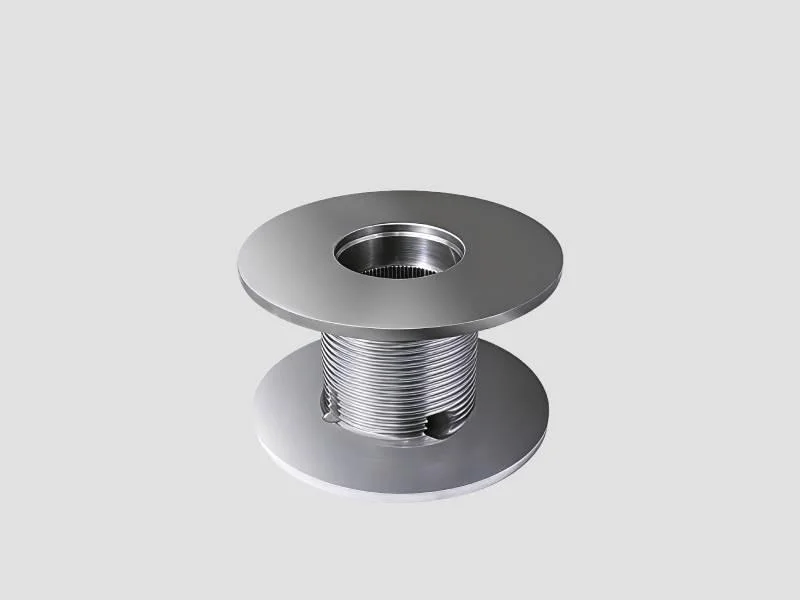
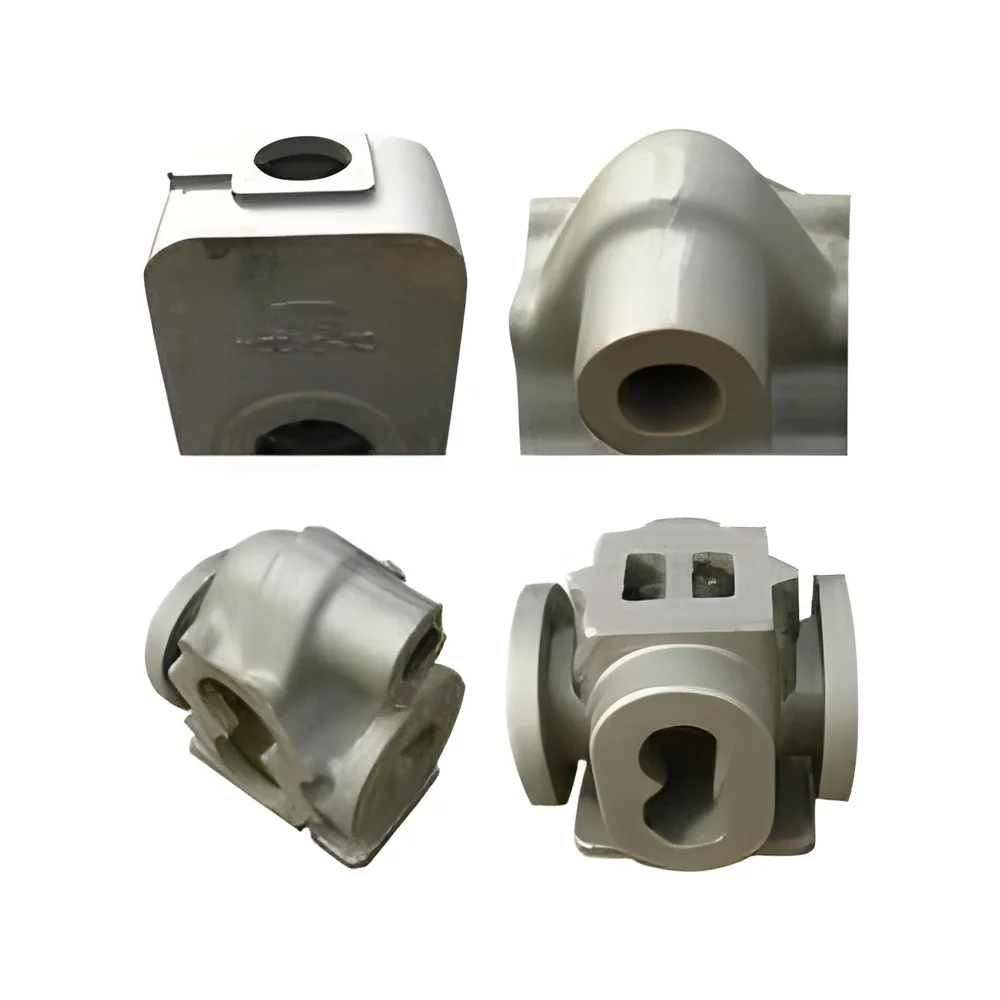
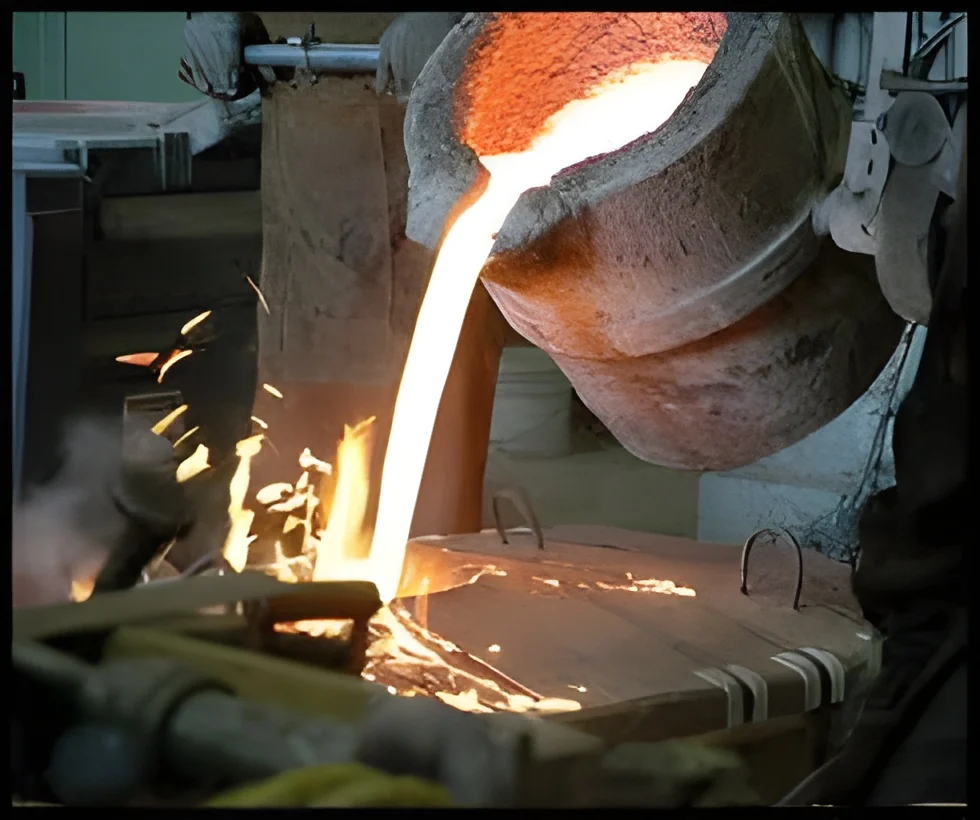
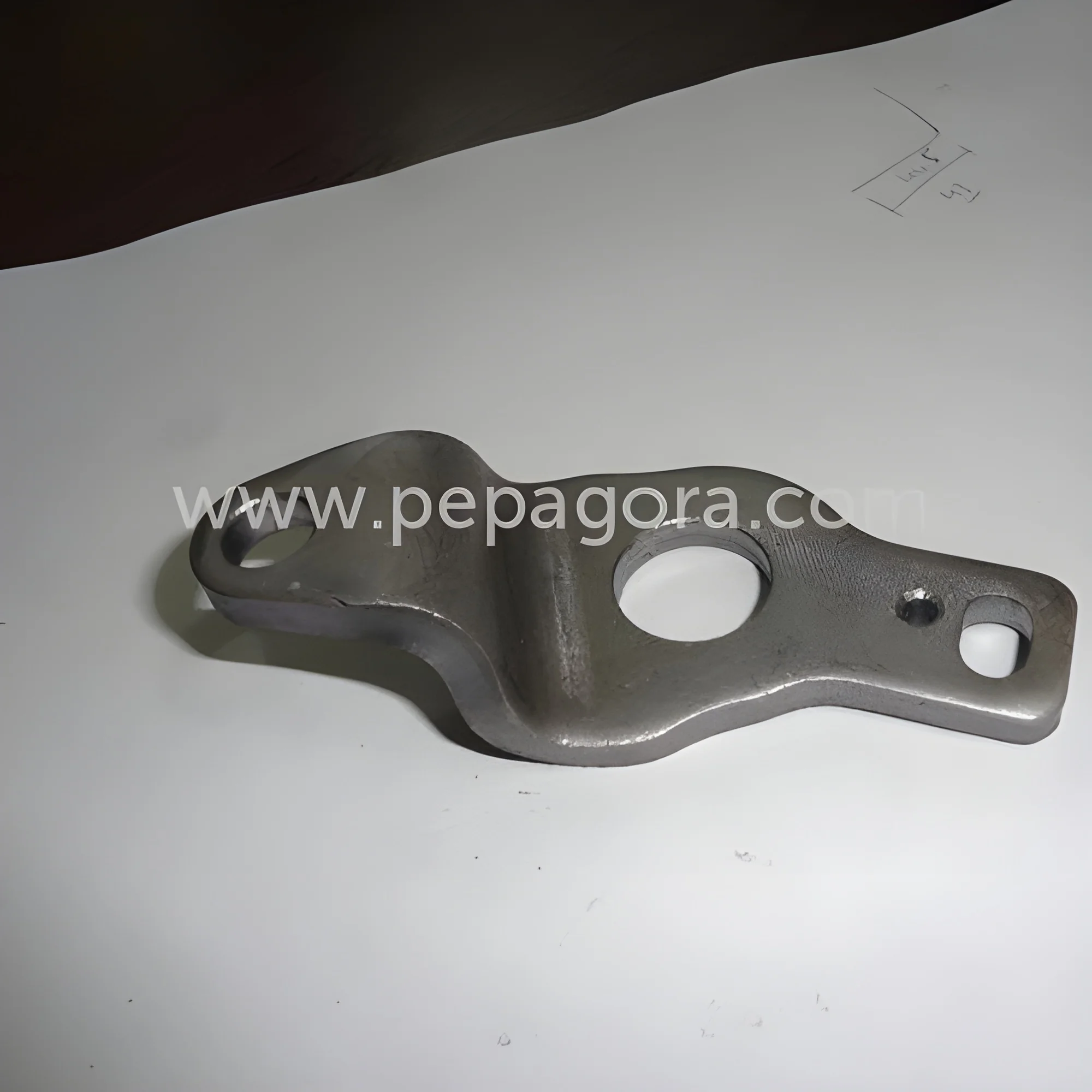
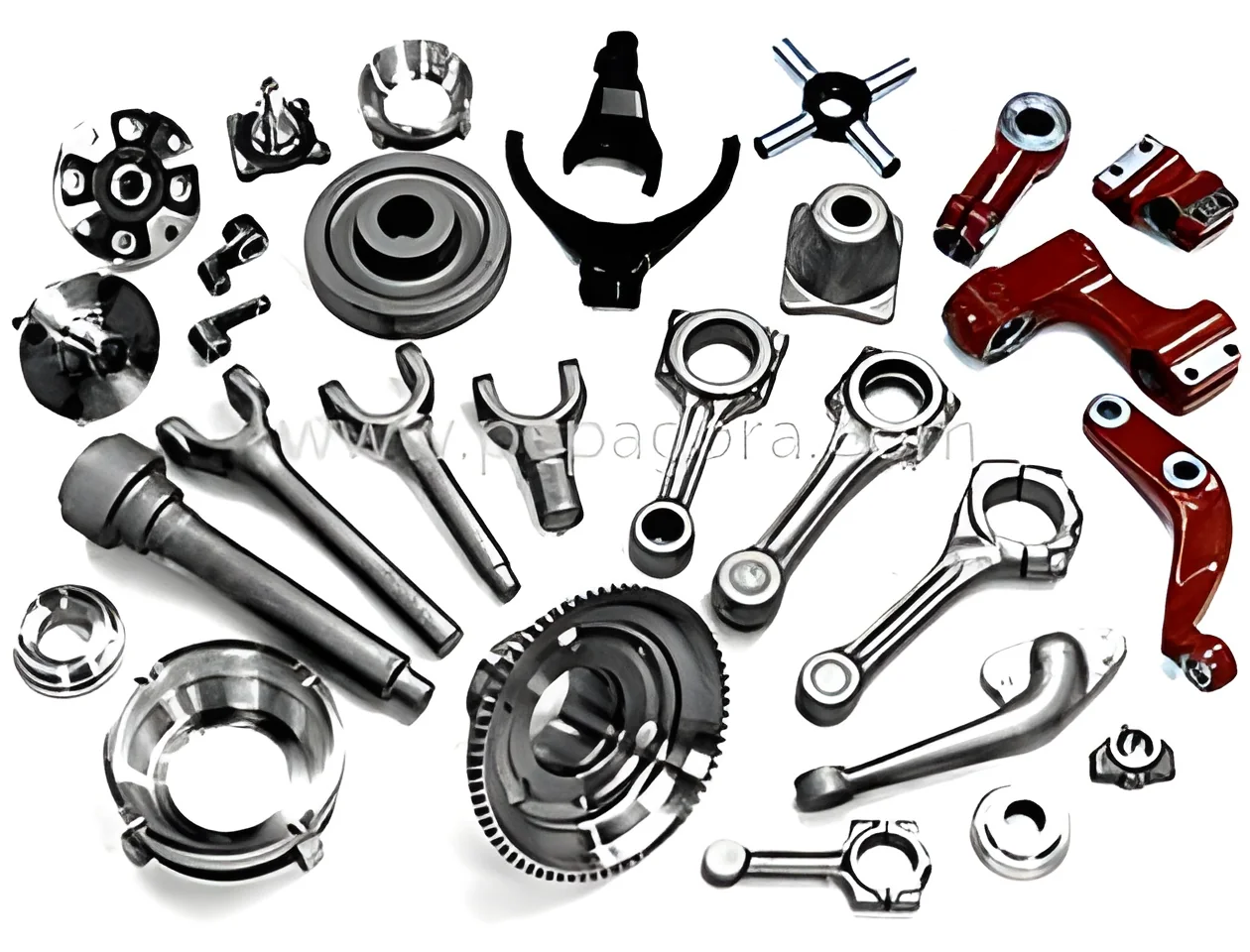
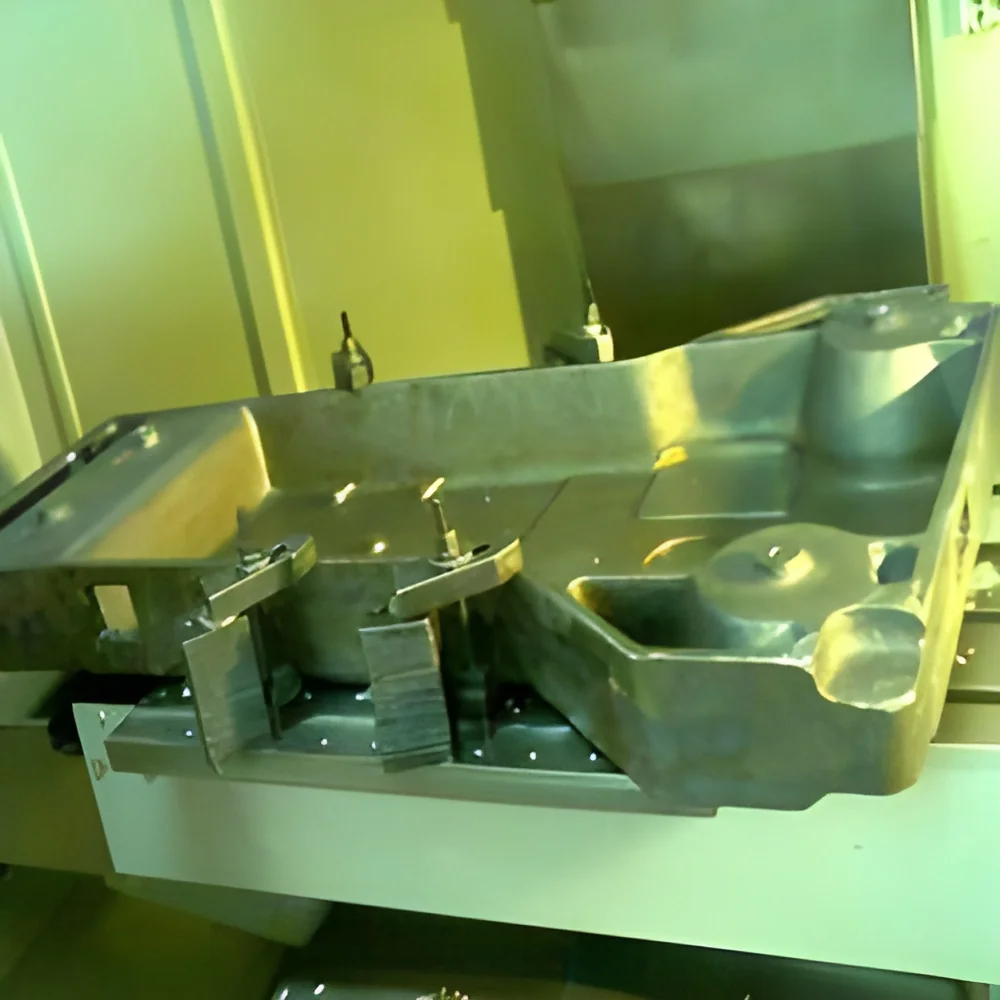
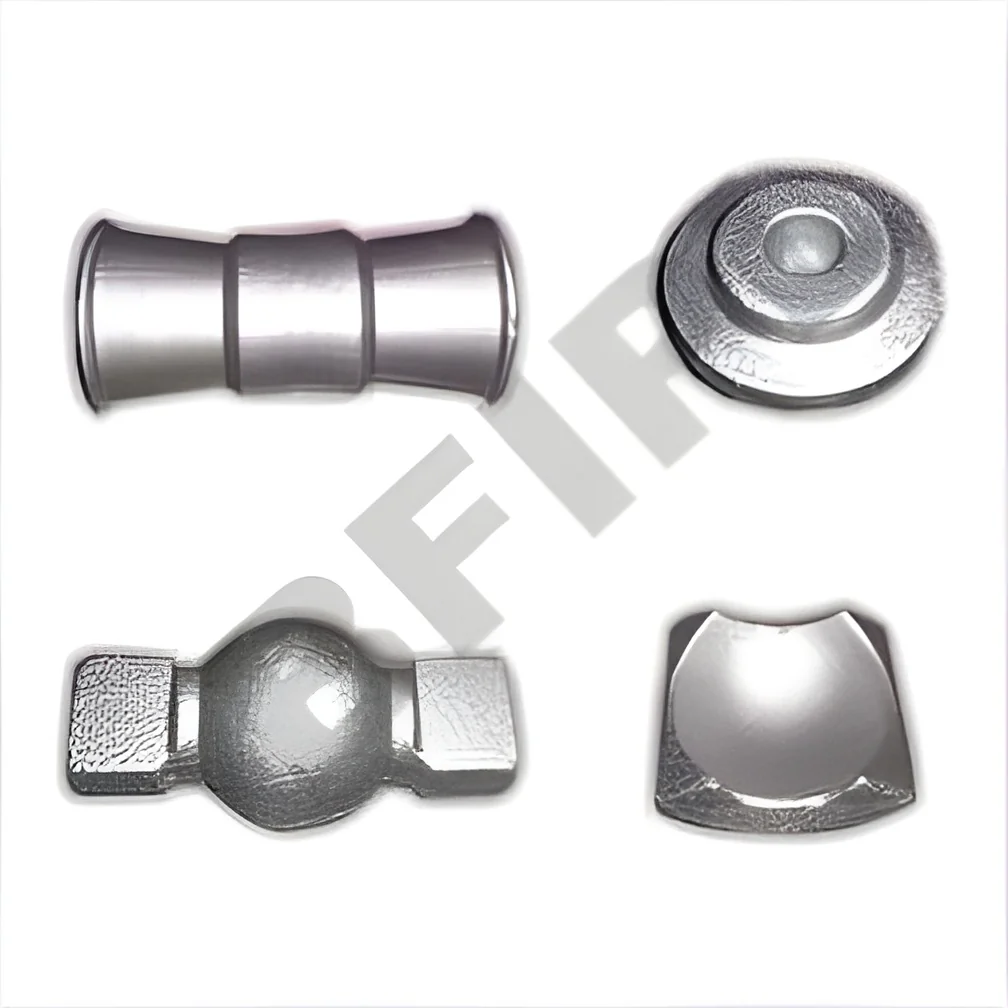
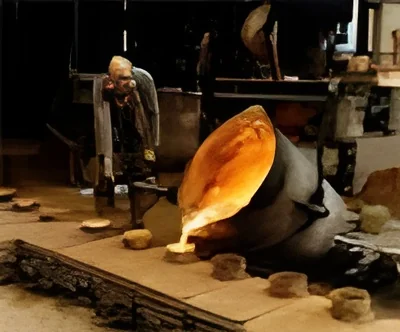
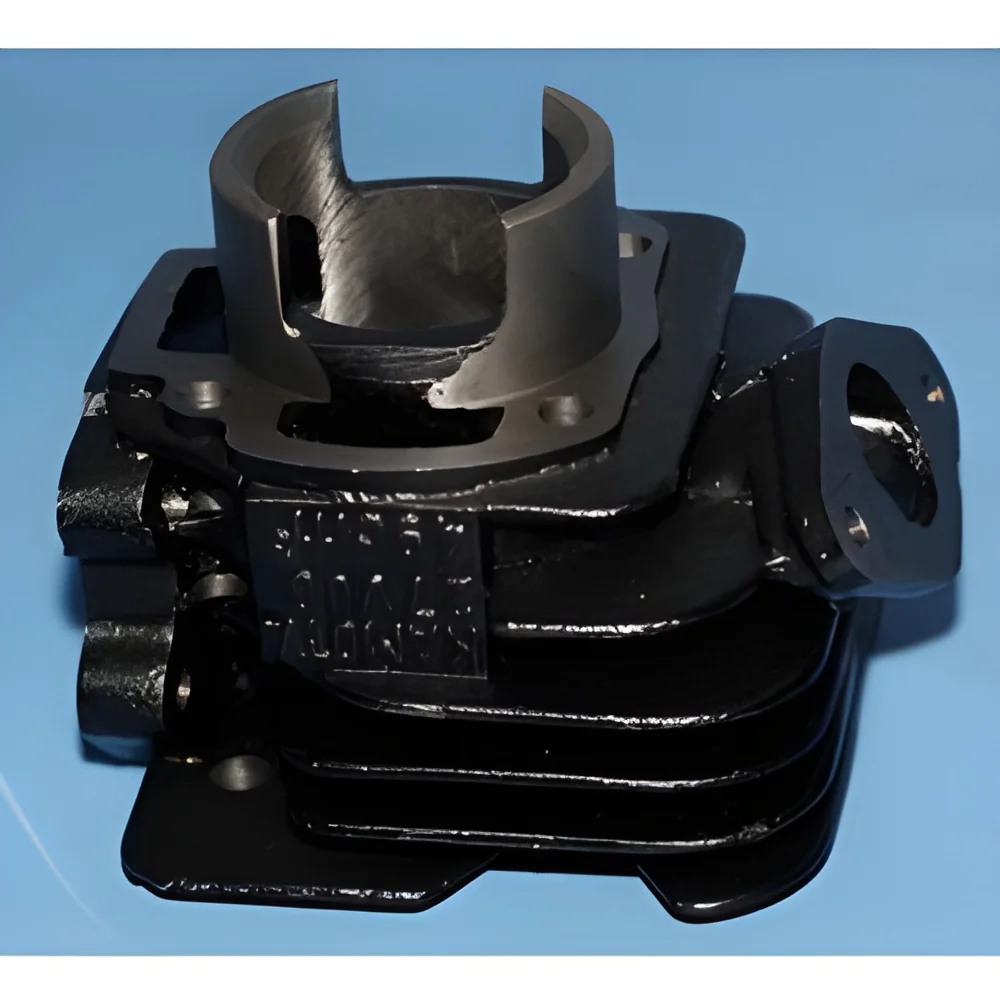
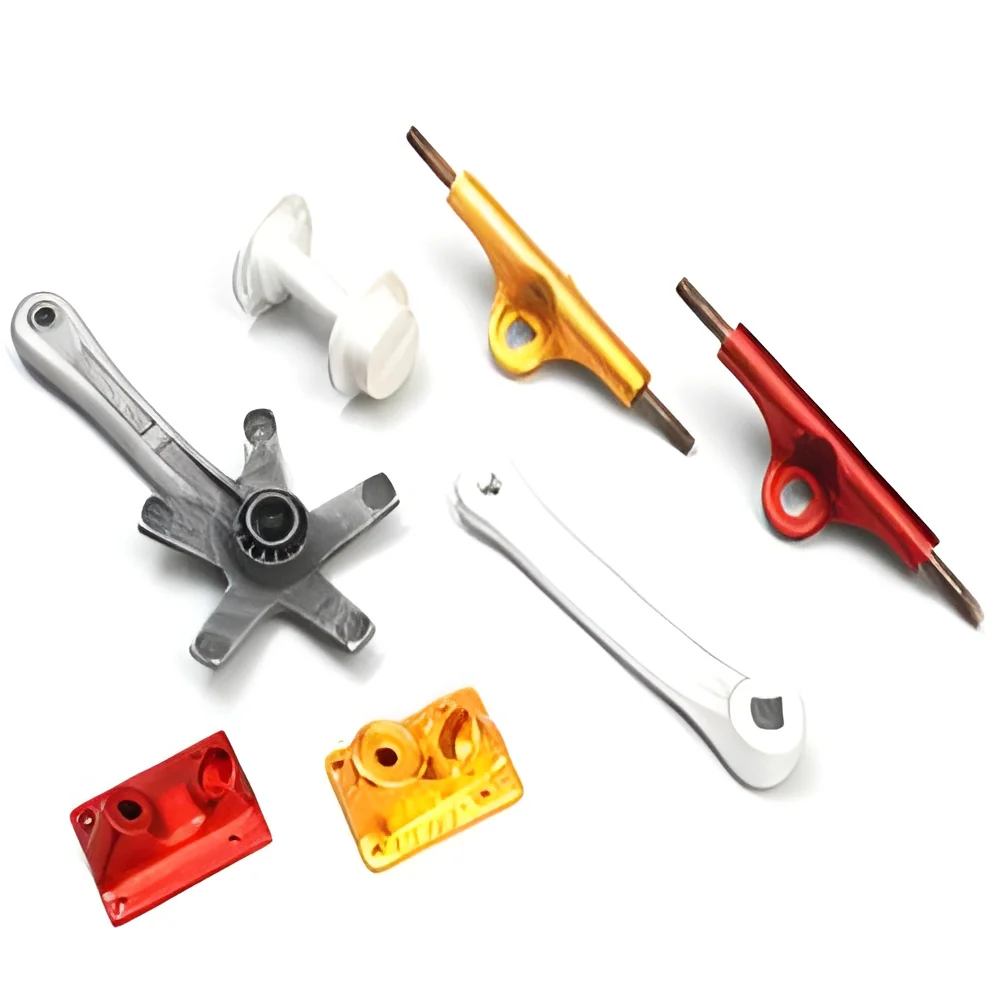
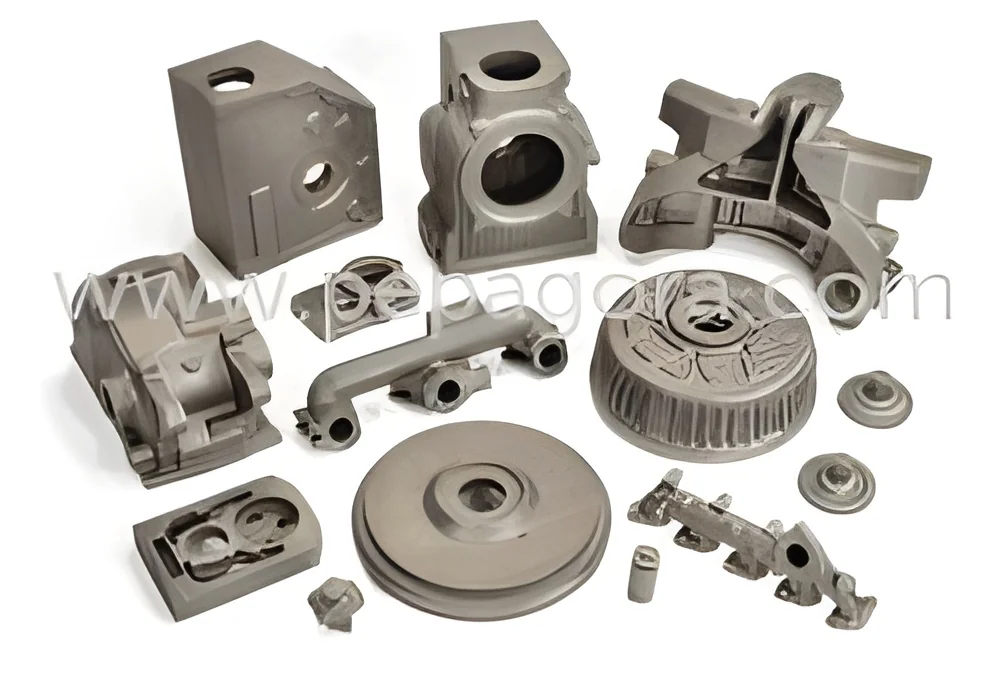
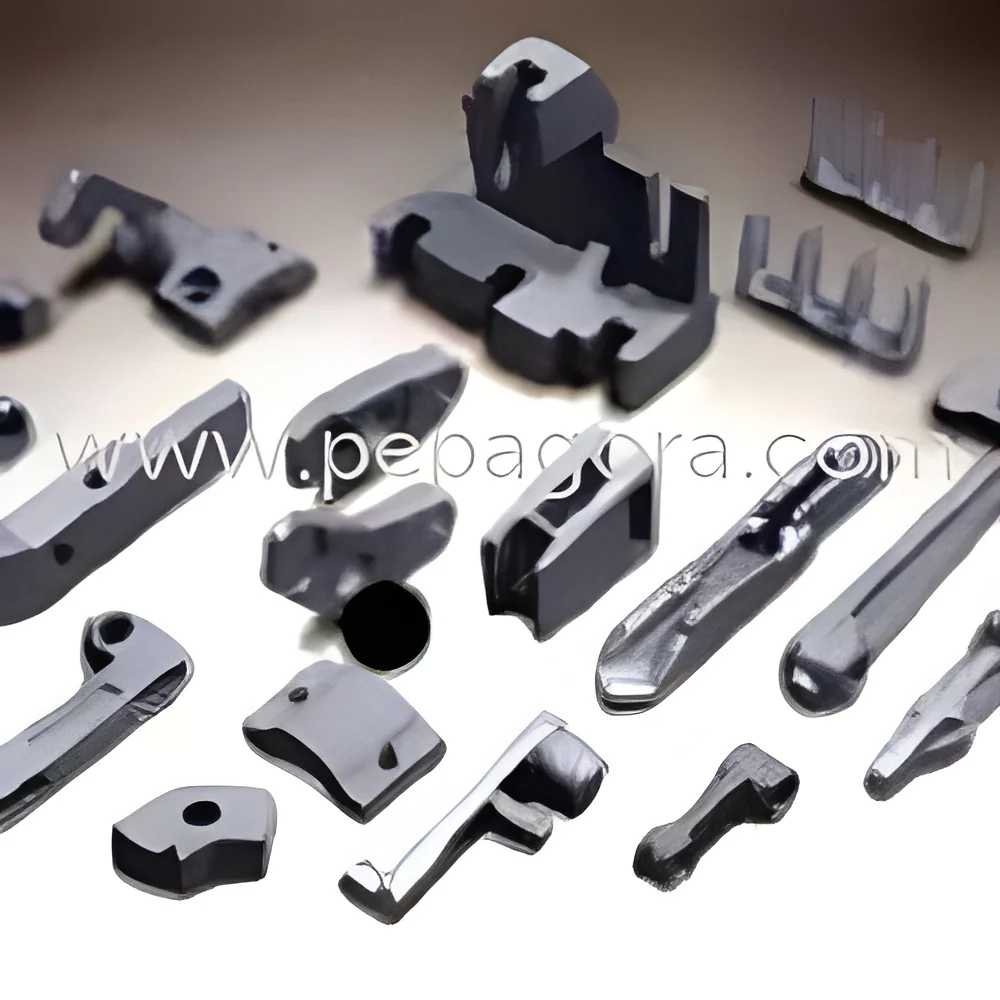
Forged & Cast OEM Components are parts made through forging and casting processes, tailored for original equipment manufacturers (OEMs). Forging involves shaping metal using compressive forces, while casting involves pouring molten metal into molds to create specific shapes. These components are vital in various industries, providing strength and durability.
What are the different types of Forged & Cast OEM Components?
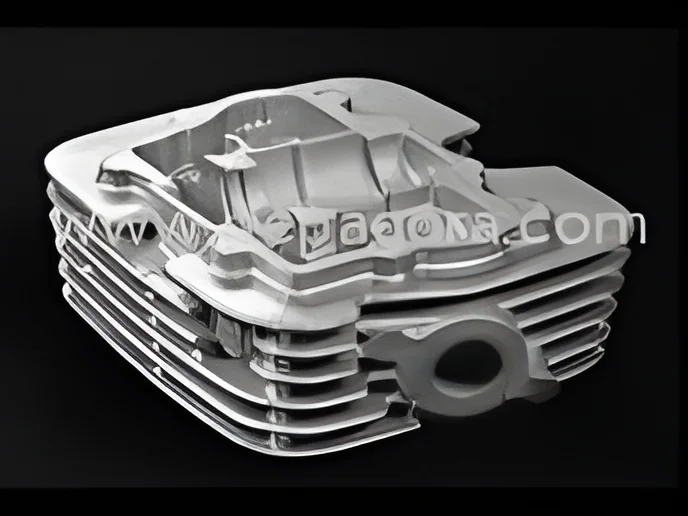
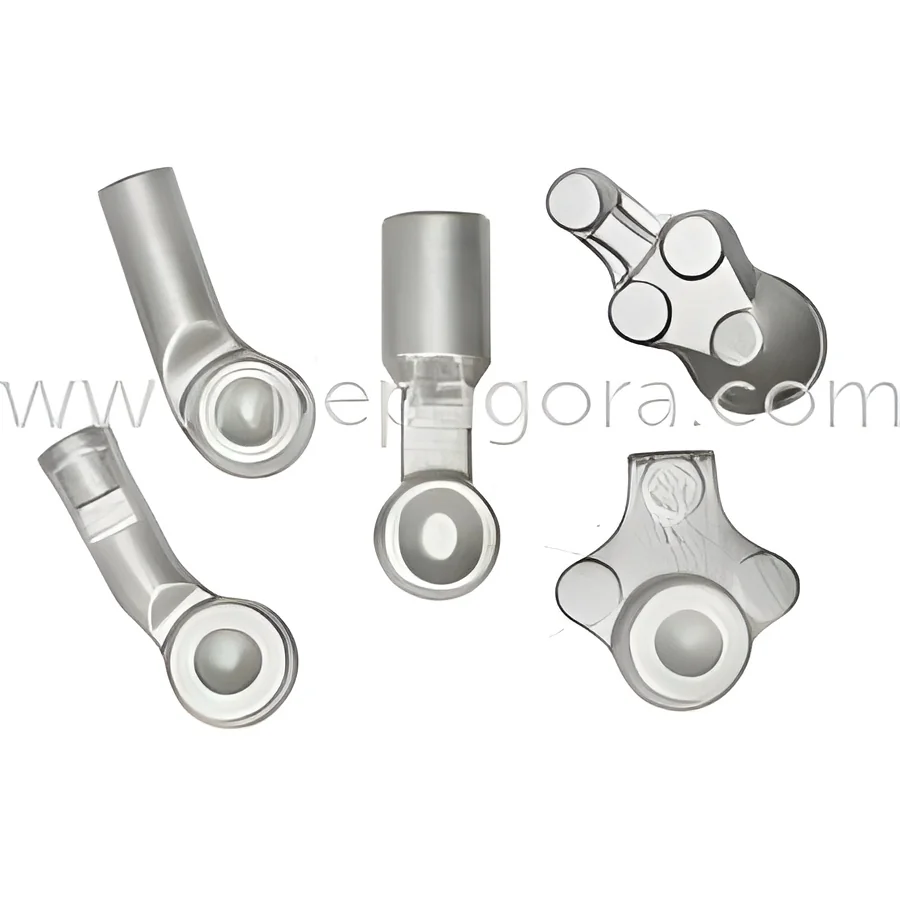
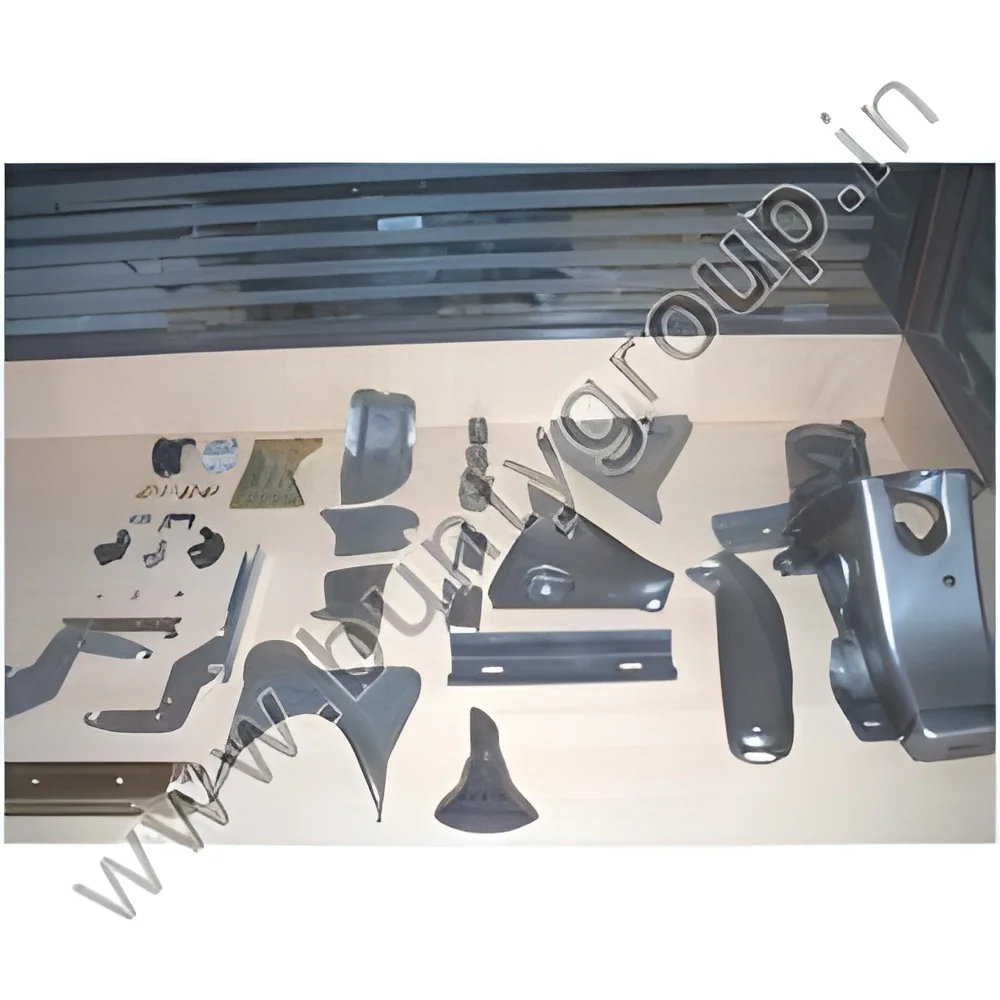
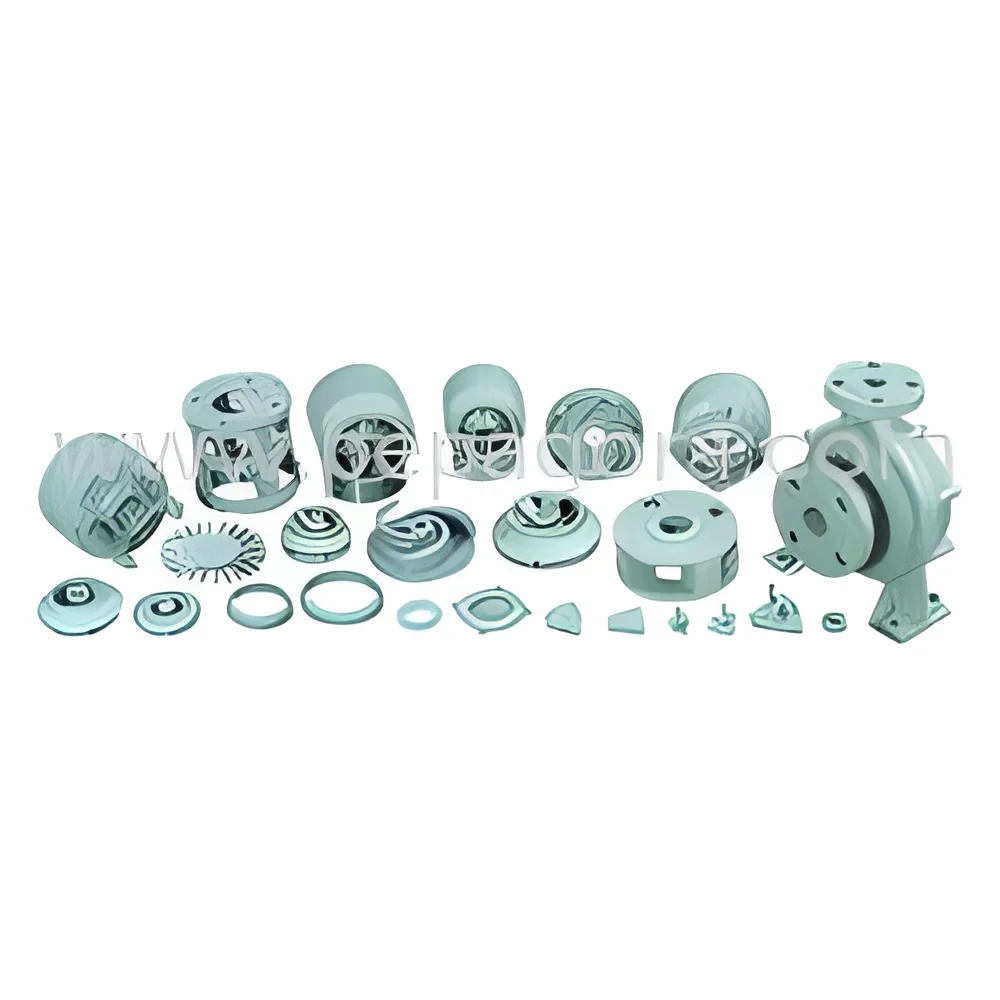
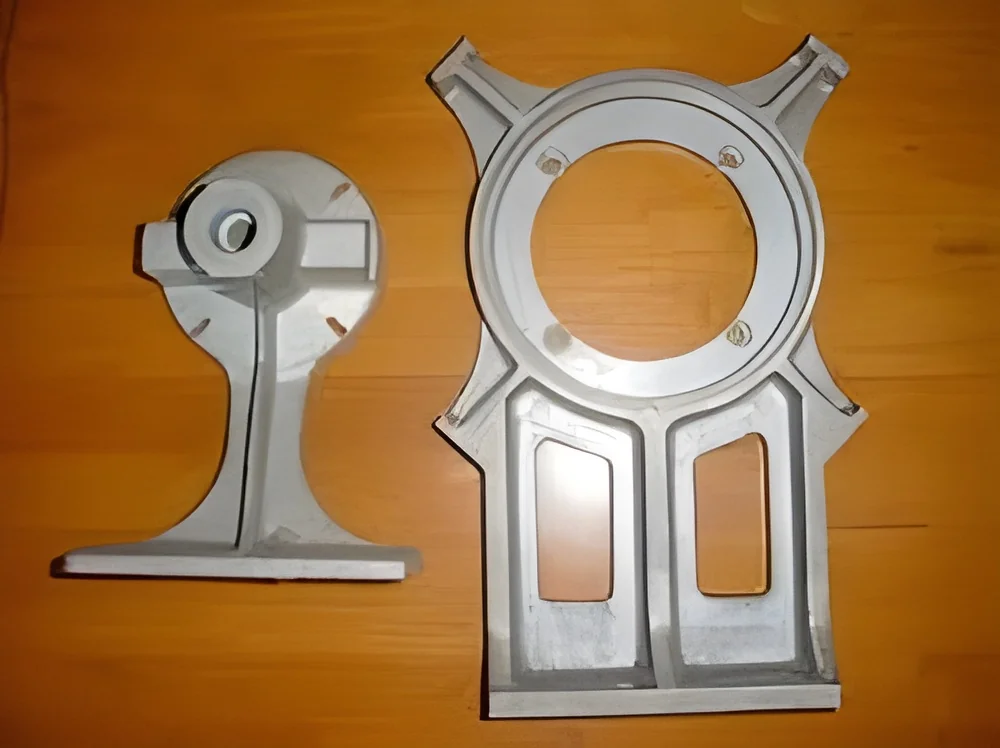
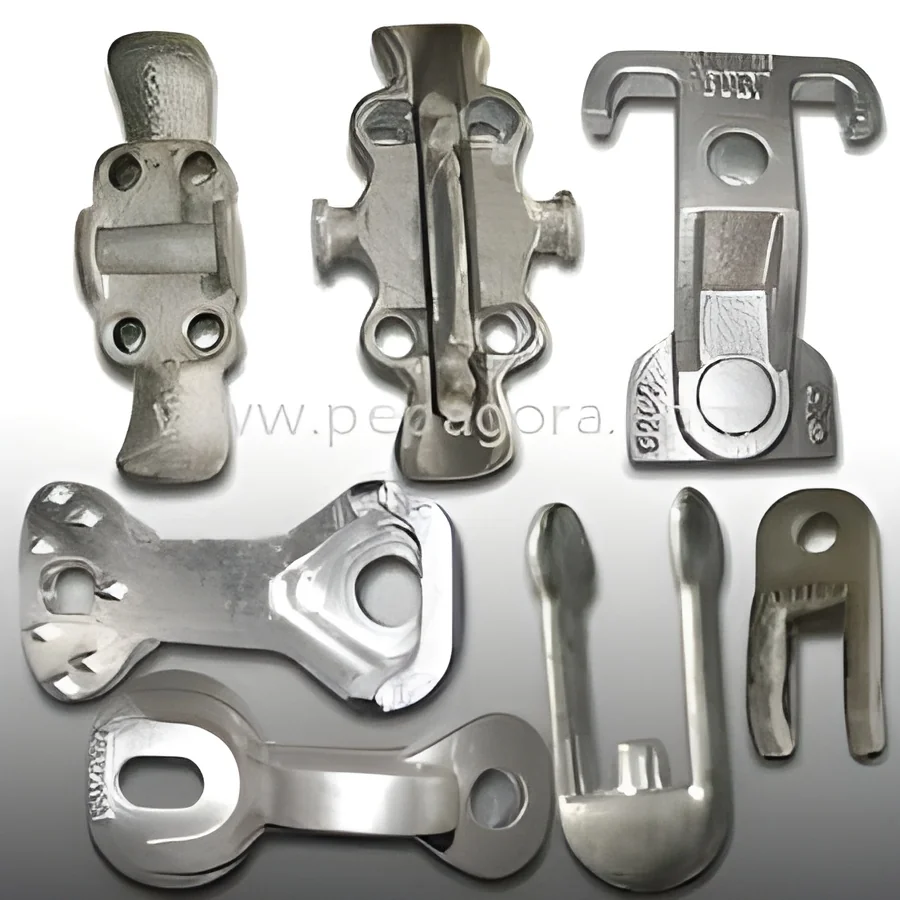
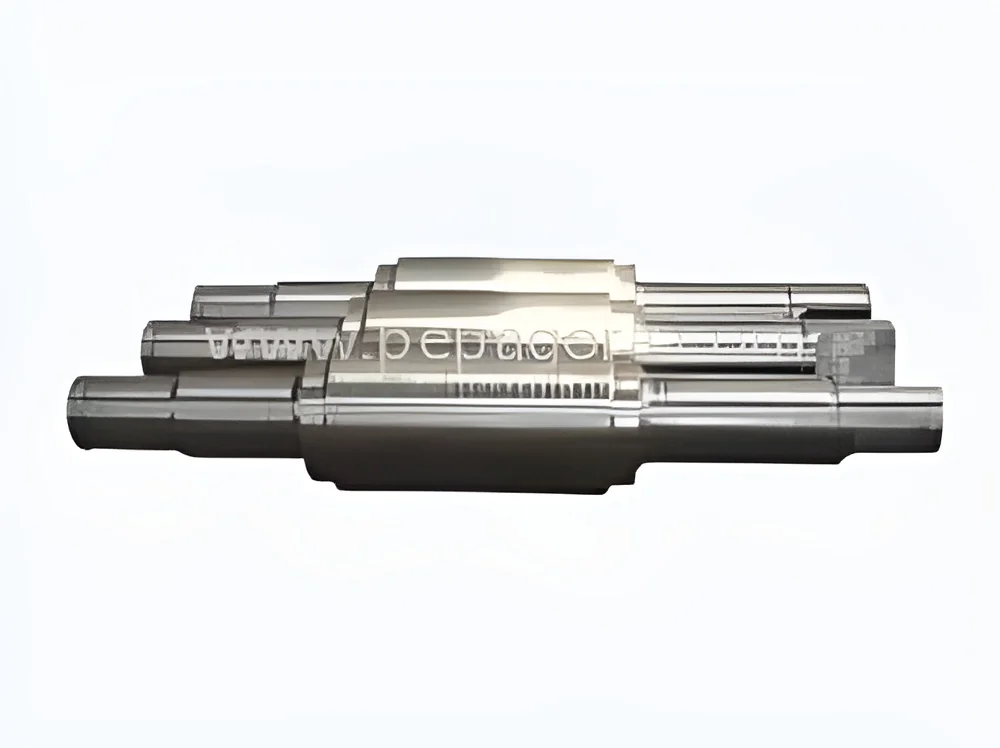
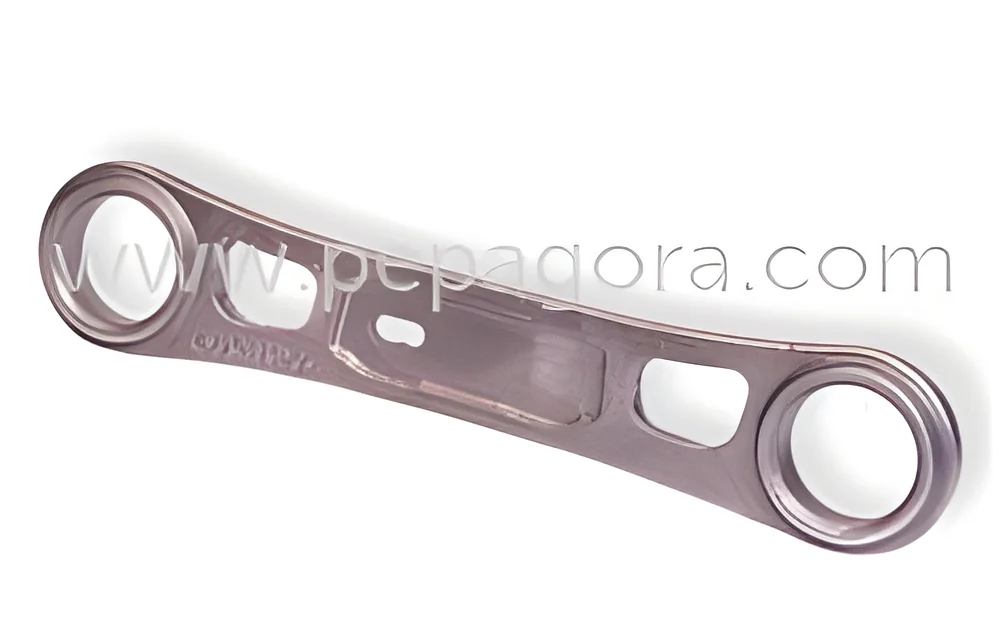
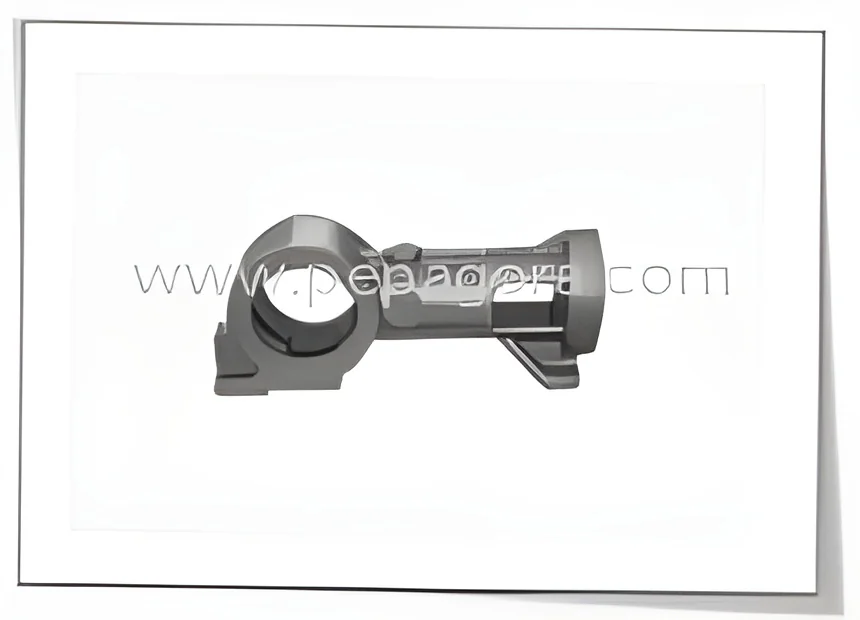
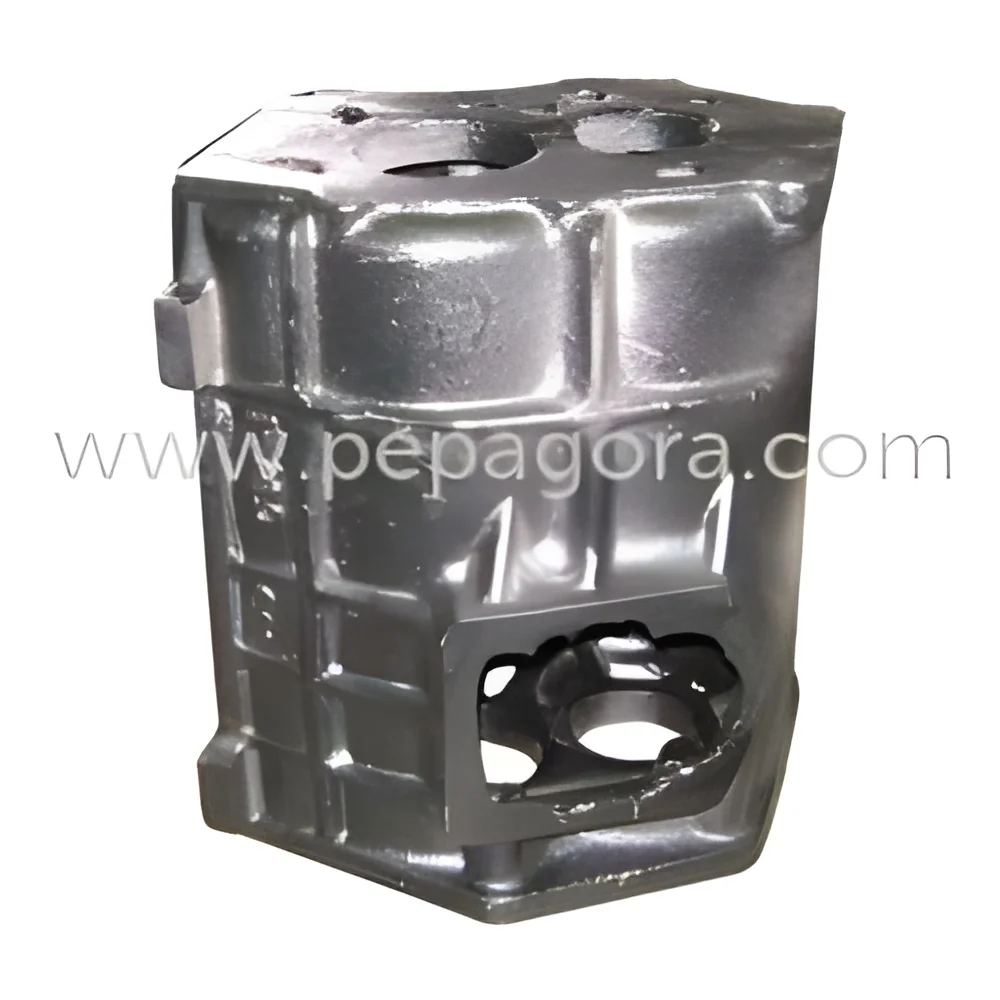
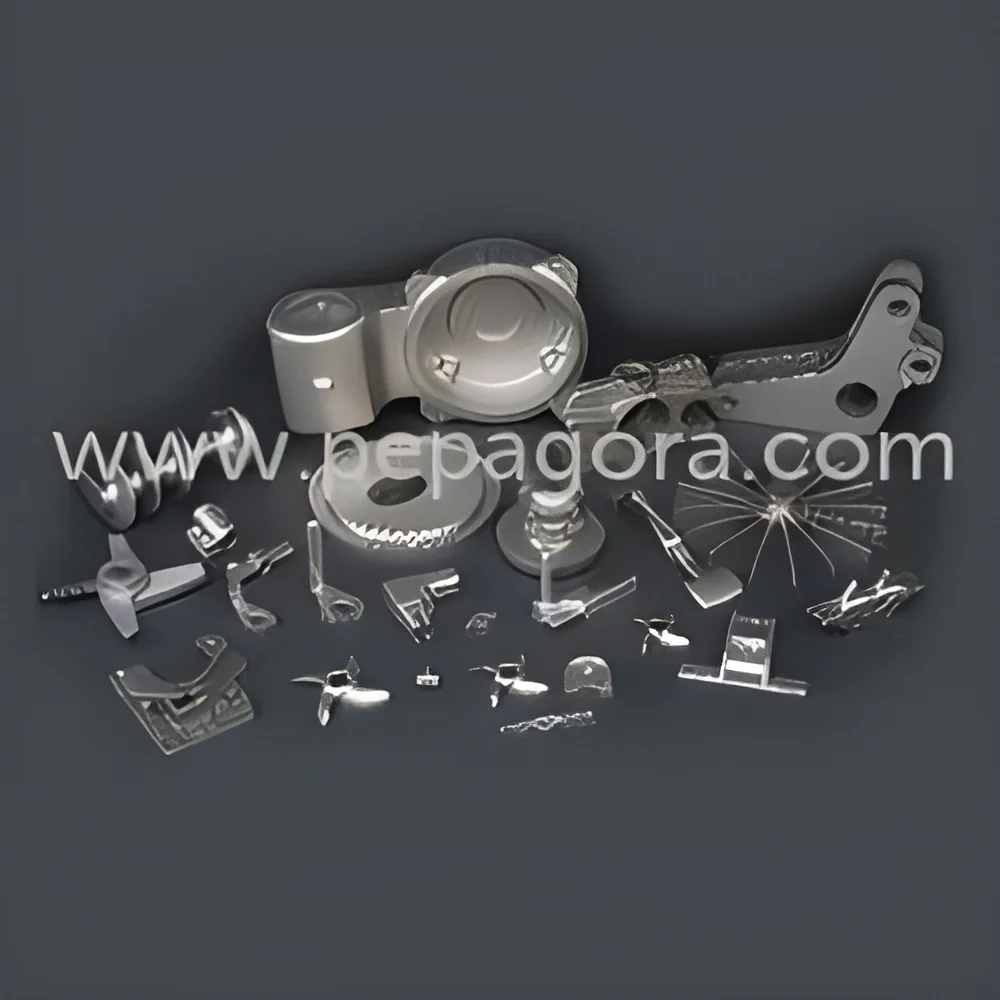
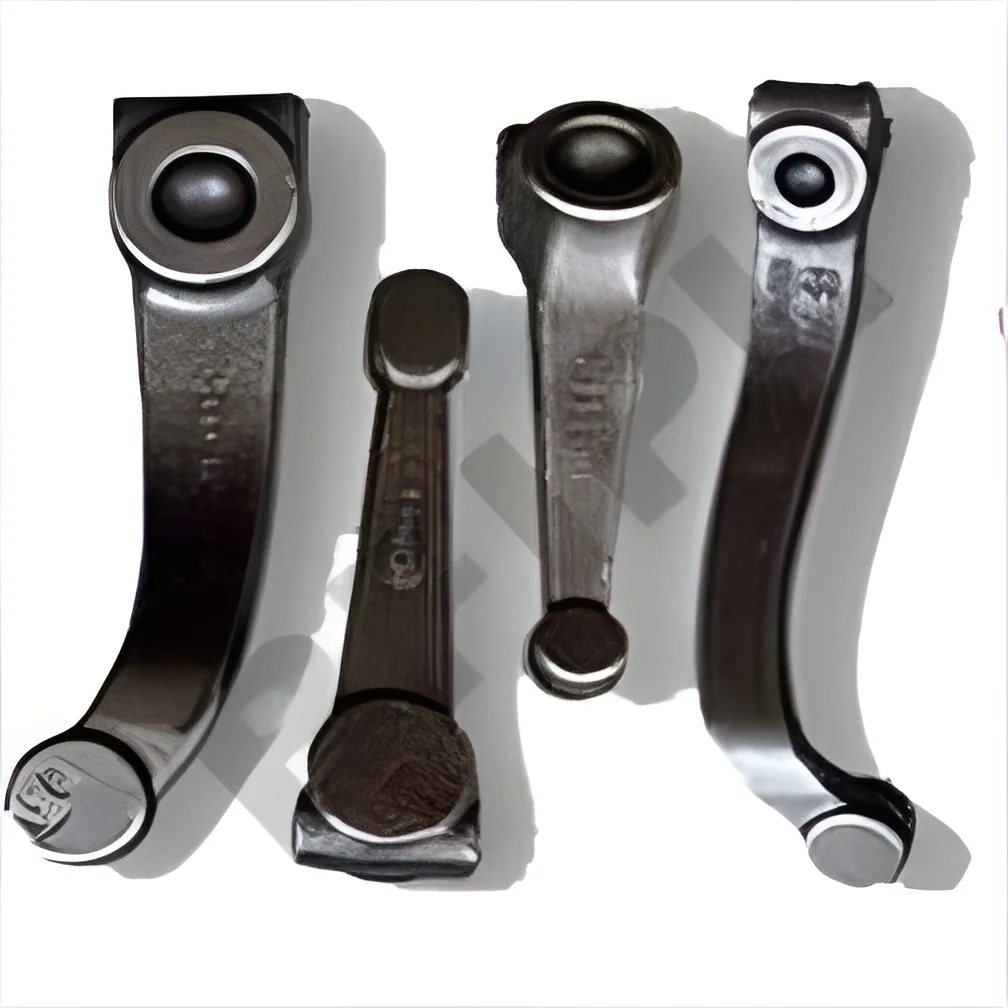
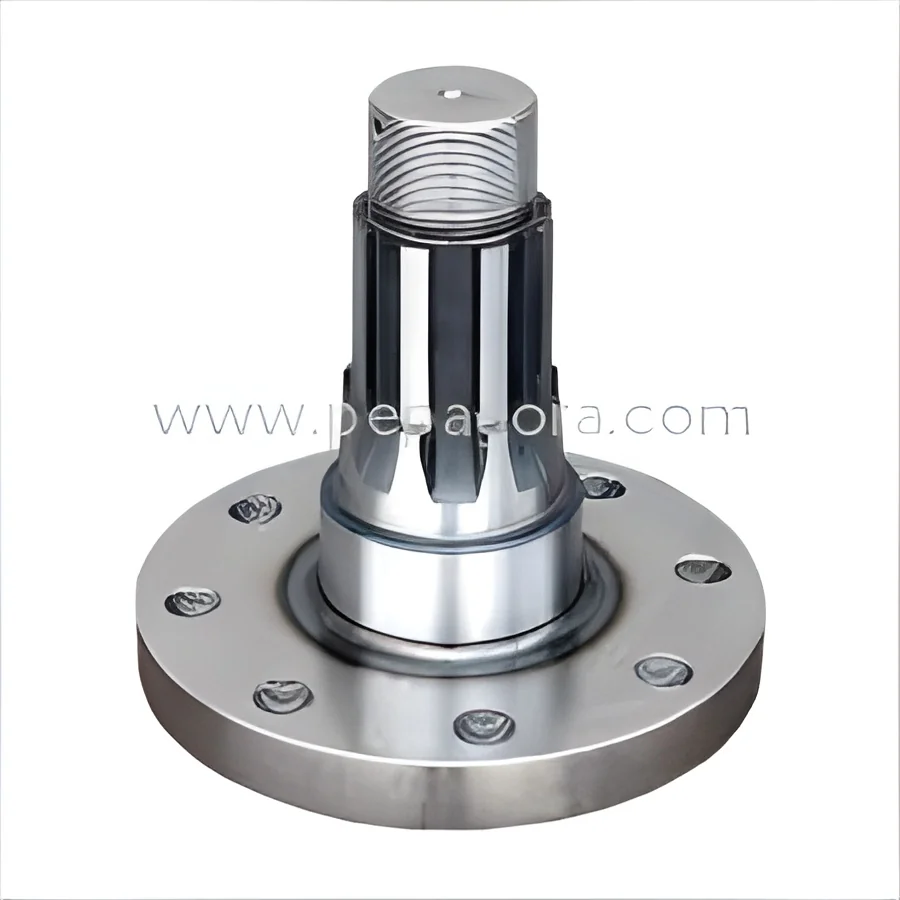
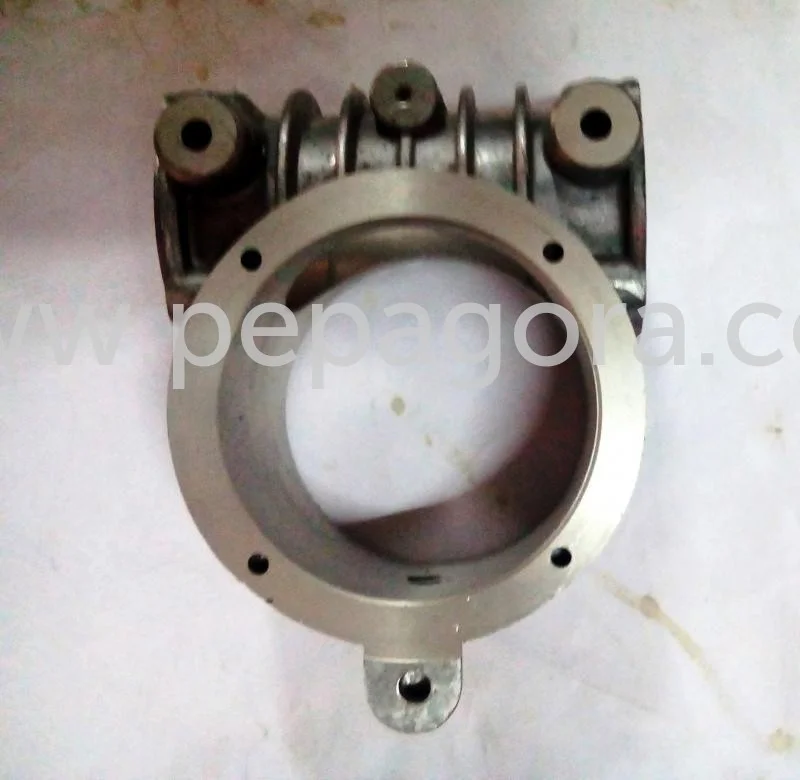
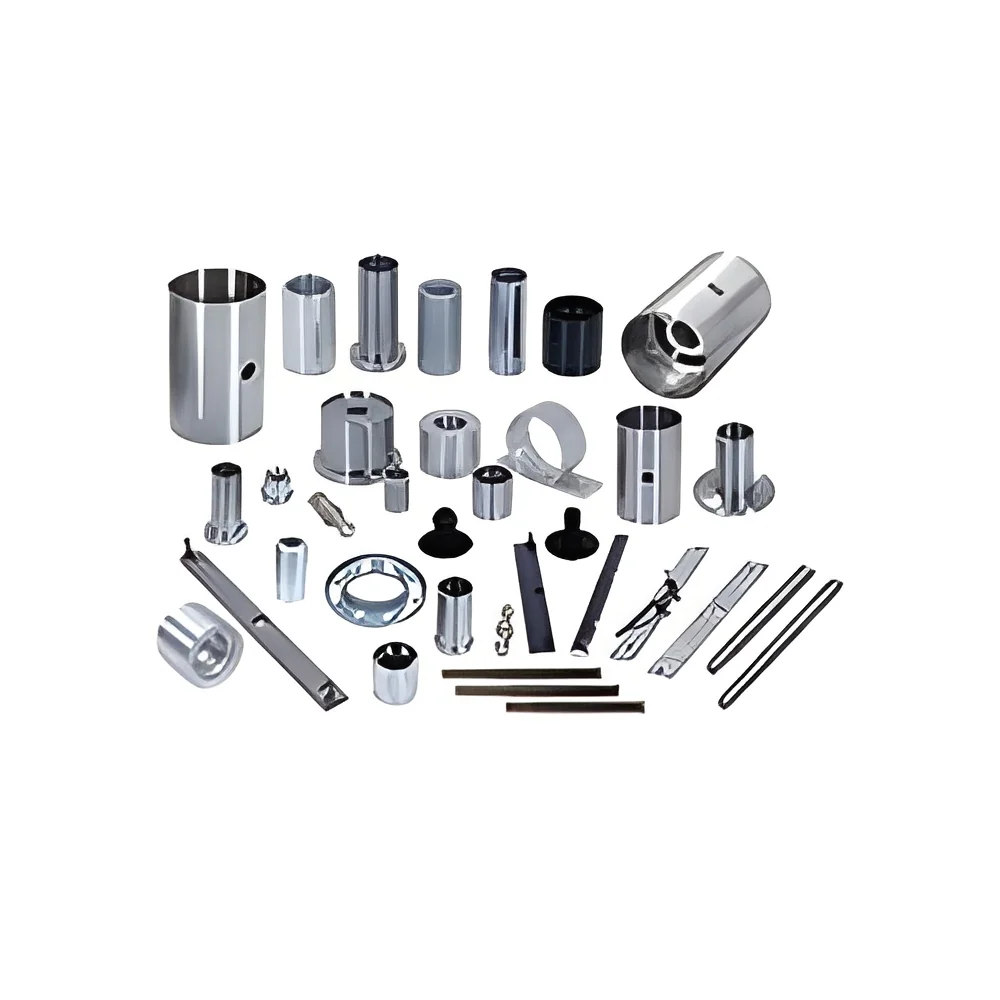
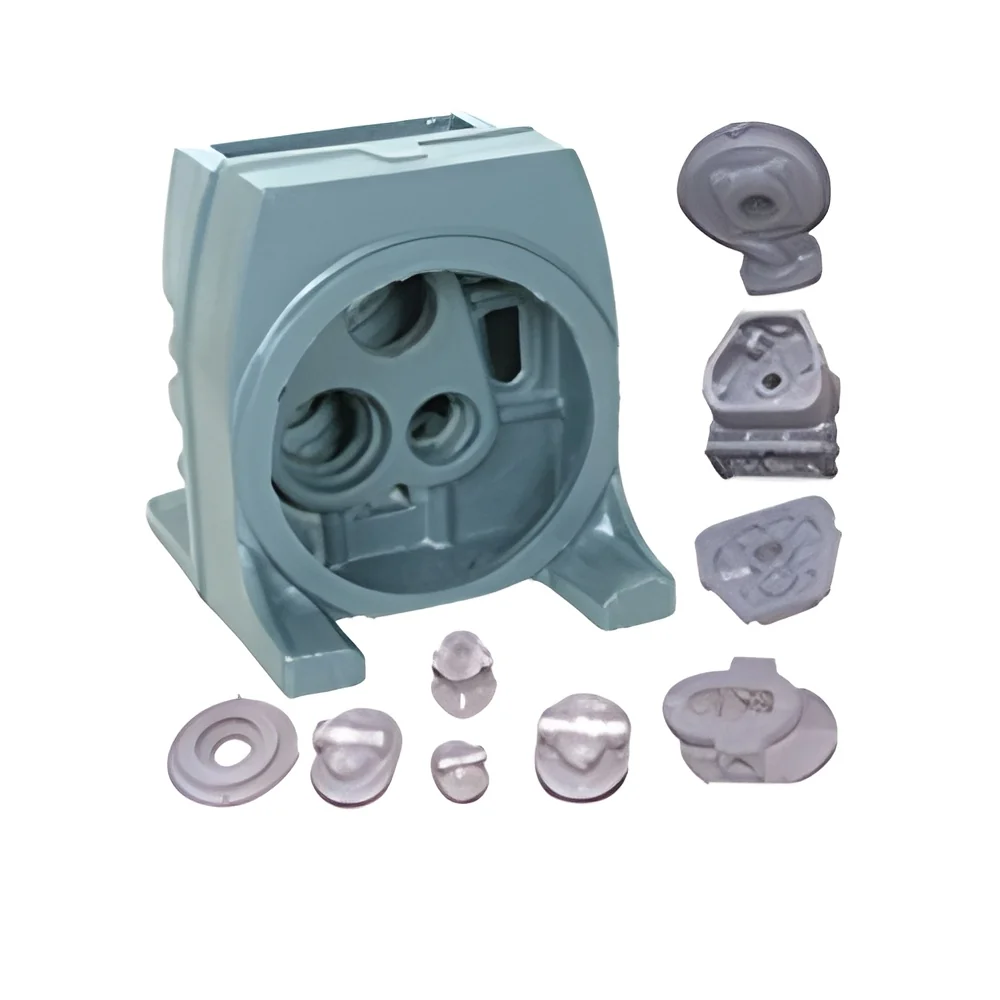
There are several types of Forged & Cast OEM Components, including forged shafts, gears, and fittings, as well as castings like engine blocks and housings. Each type serves different applications, depending on the required strength, weight, and design specifications. The choice of type often depends on the intended use and industry standards.
How do I choose the right Forged & Cast OEM Components?
Choosing the right Forged & Cast OEM Components involves assessing the specific requirements of your application, including load, stress factors, and environmental conditions. It's also essential to consider the material and manufacturing process that best suits your needs. Consulting with suppliers can provide valuable insights into the most appropriate options.
What are the standard specifications for Forged & Cast OEM Components?
Standard specifications for Forged & Cast OEM Components typically include material grade, dimensions, weight, and tolerance levels. Additionally, industry-specific standards, such as ASTM or ISO certifications, may apply. It's important to verify these specifications to ensure compatibility with your equipment.
What is the price range for Forged & Cast OEM Components?
The price range for Forged & Cast OEM Components can vary widely based on factors such as material, complexity, and order quantity. Generally, prices can start from a few hundred rupees for simpler components to several thousand rupees for more complex or specialized parts. It's advisable to request quotes from multiple suppliers for accurate pricing.
What quality standards apply to Forged & Cast OEM Components?
Quality standards for Forged & Cast OEM Components often include ISO 9001 certification and adherence to specific industry guidelines. These standards ensure consistent quality and performance of the components. Regular inspections and testing may also be conducted to ensure compliance with these quality benchmarks.
Where can I find Forged & Cast OEM Components suppliers in India?
You can find Forged & Cast OEM Components suppliers in India through various B2B marketplaces, trade directories, and industry-specific exhibitions. Platforms like Pepagora offer a wide range of manufacturers and suppliers. Additionally, networking within industry forums can help locate reputable suppliers.
Can Forged & Cast OEM Components be customized?
Yes, Forged & Cast OEM Components can often be customized to meet specific requirements. Customization may include modifications in size, shape, and material to suit particular applications. It's important to discuss your customization needs with the manufacturer to ensure feasibility and compliance with specifications.
What is the typical minimum order quantity for Forged & Cast OEM Components?
The typical minimum order quantity (MOQ) for Forged & Cast OEM Components can vary by supplier and component type, often ranging from 50 to 100 pieces. Some manufacturers may accommodate smaller orders, but bulk orders generally result in lower prices per unit. It's advisable to check with individual suppliers for their specific MOQ policies.
What is the typical lead time for Forged & Cast OEM Components?
The typical lead time for Forged & Cast OEM Components can range from a few weeks to several months, depending on the complexity of the component and the manufacturer's workload. Factors such as customization, material availability, and order volume can also affect lead times. It’s best to confirm timelines directly with the supplier.
Why Businesses Trust Pepagora
Thousands of companies trust Pepagora to source smarter and sell faster
Expand Your Sales Globally

Source Smarter,Grow Faster
