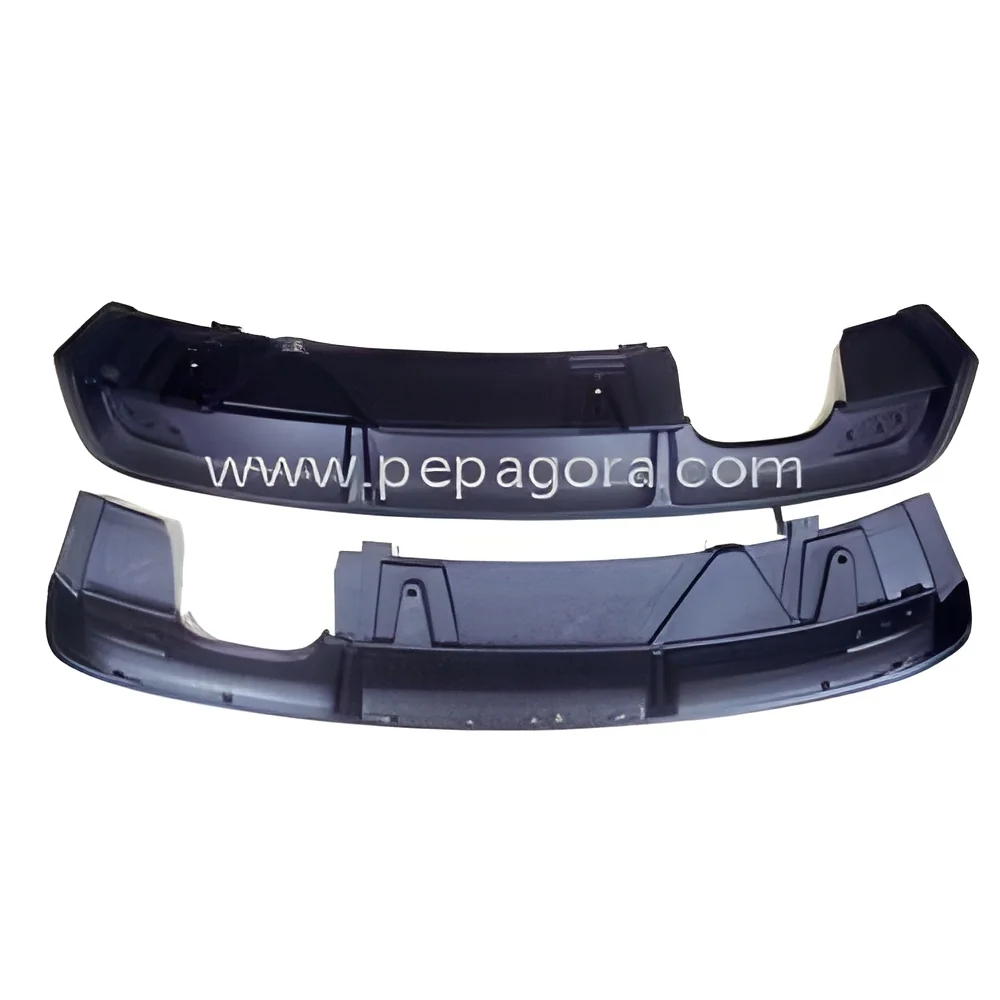
What are Plastic Moulded Parts?
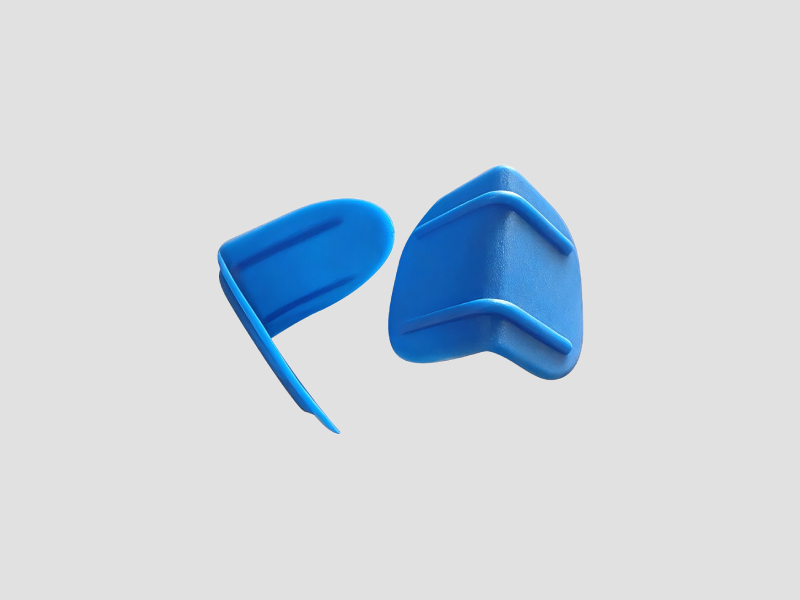
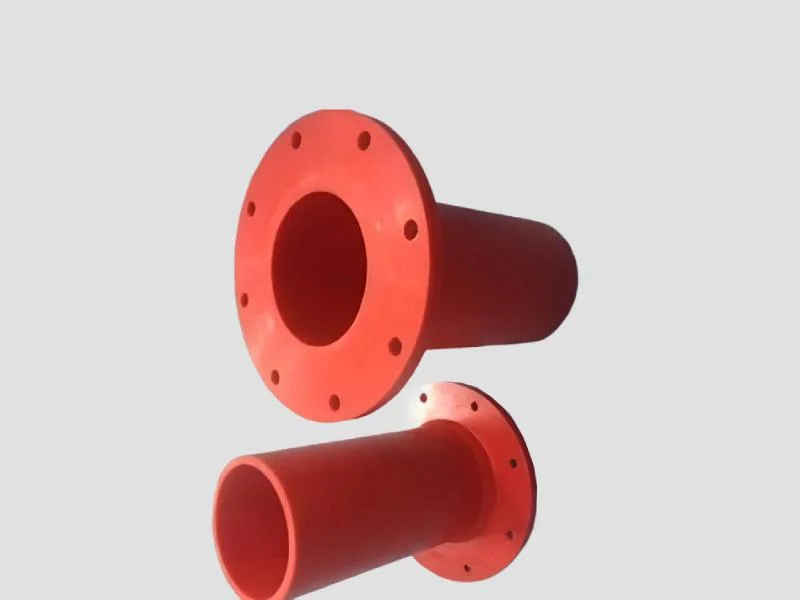
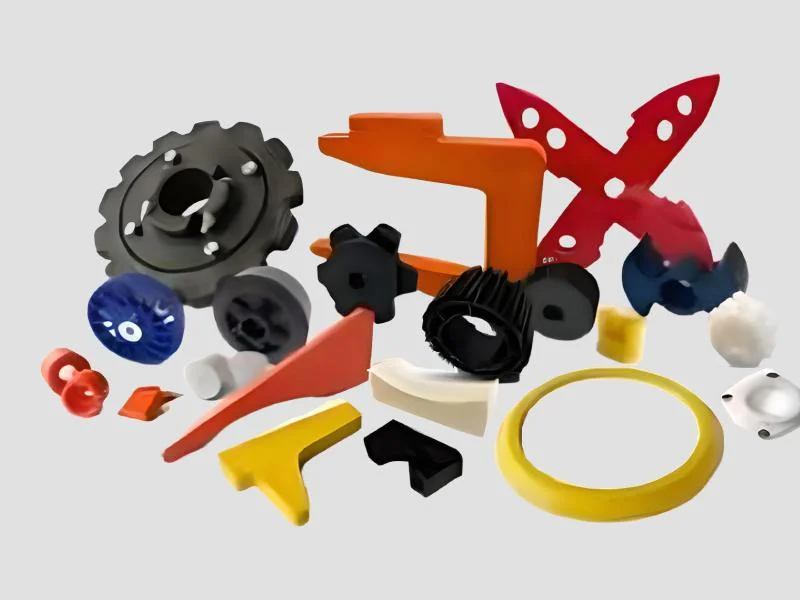
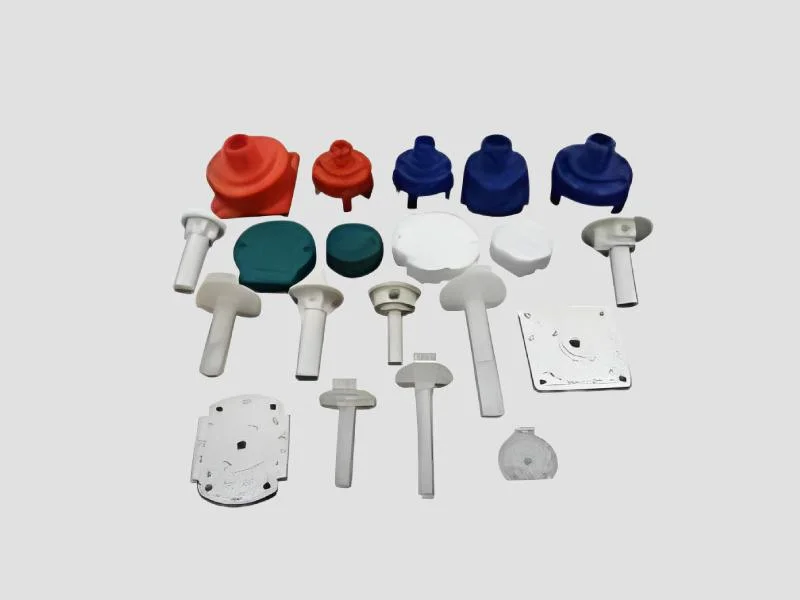
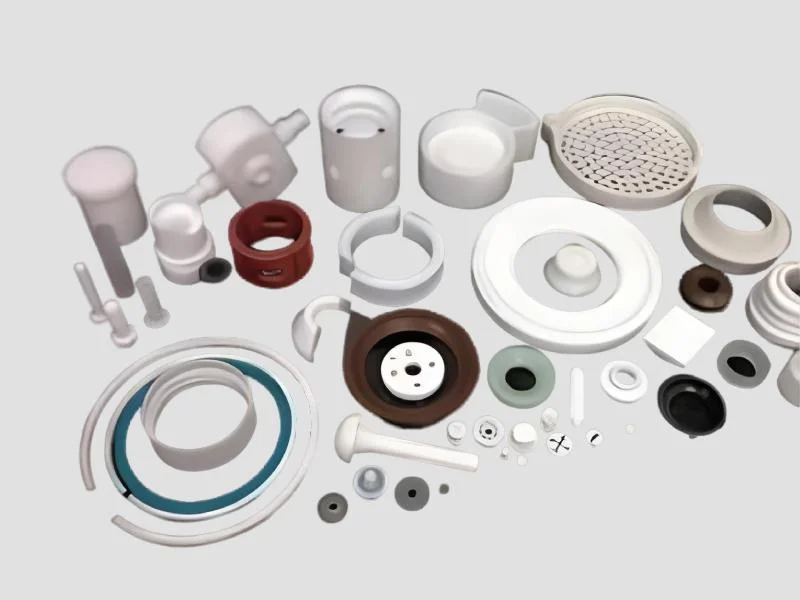
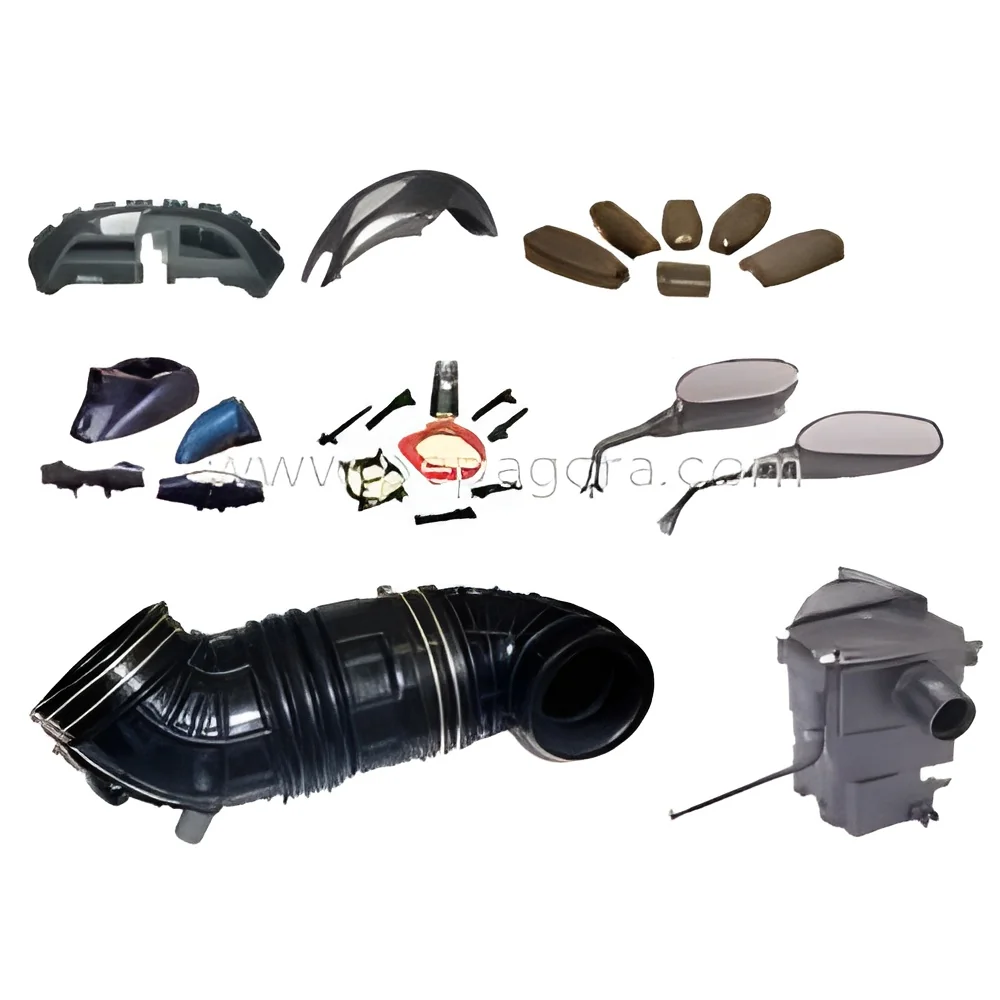
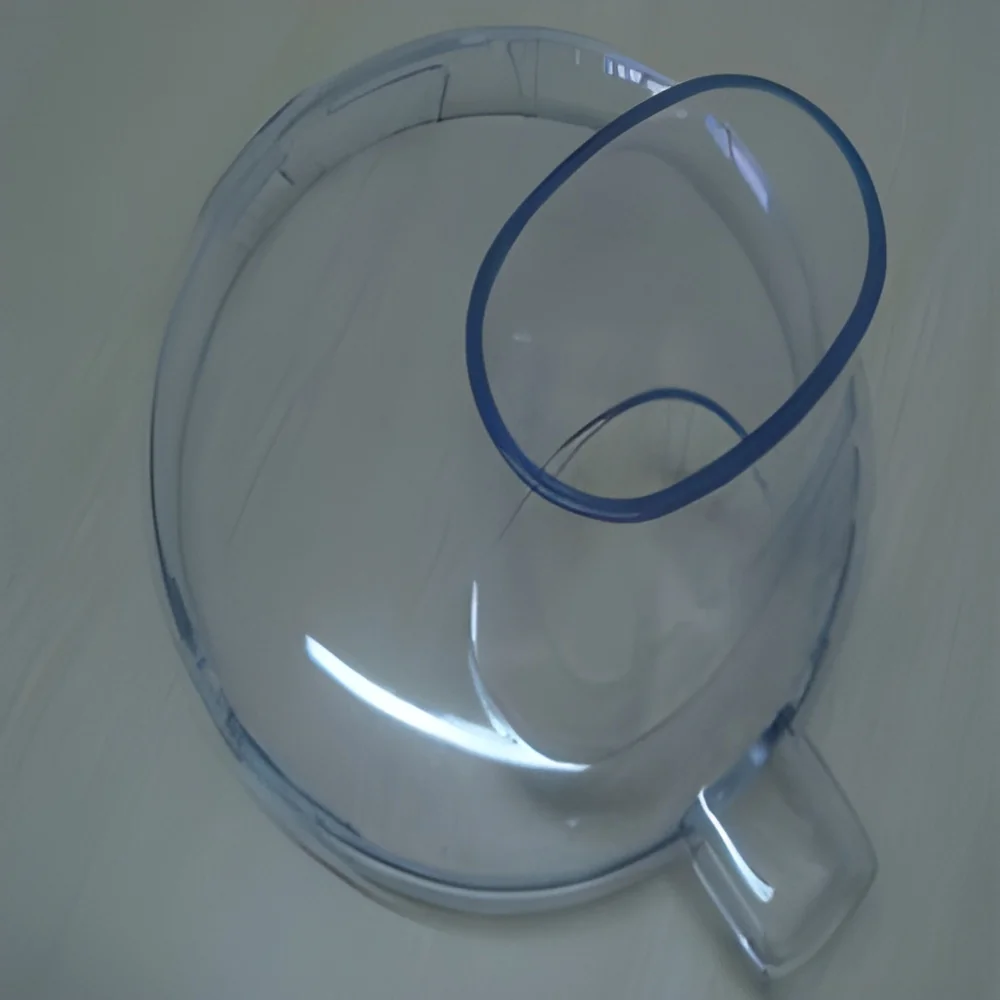
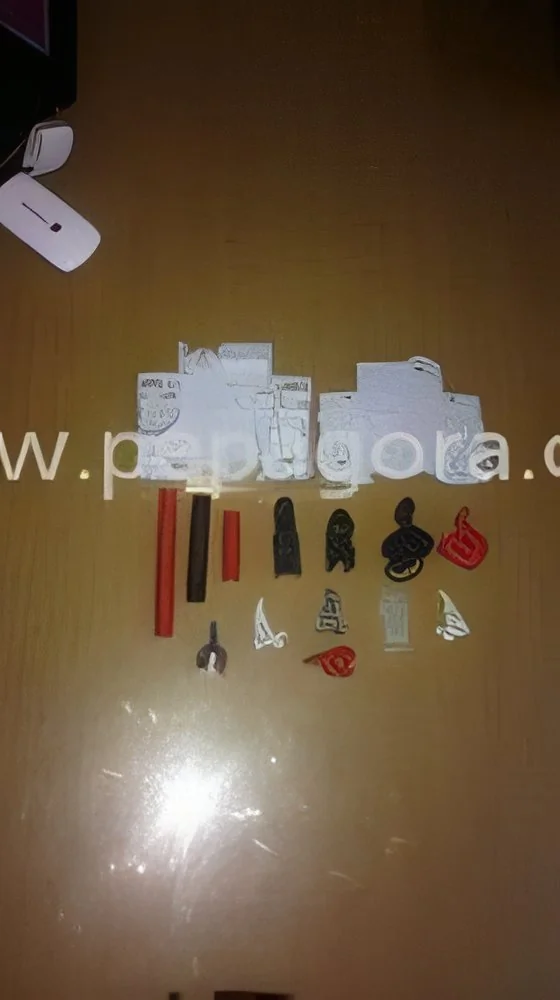
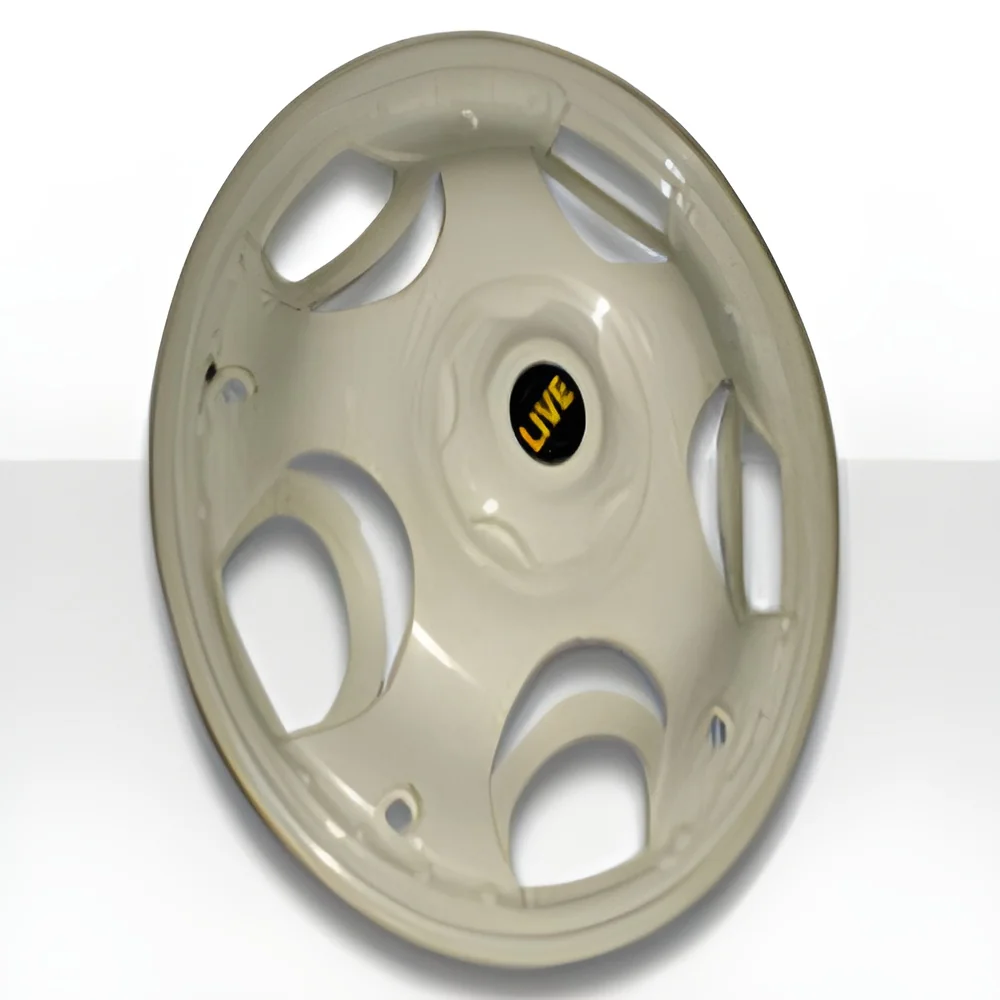
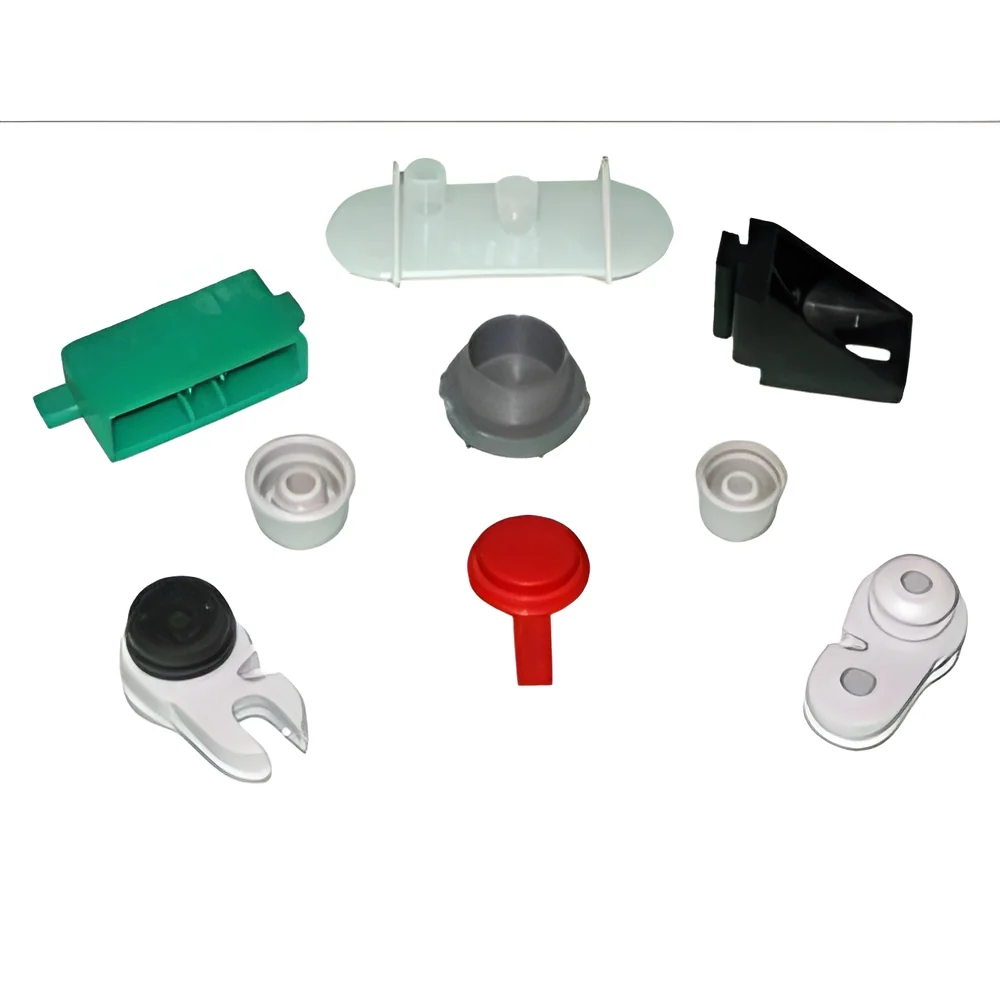
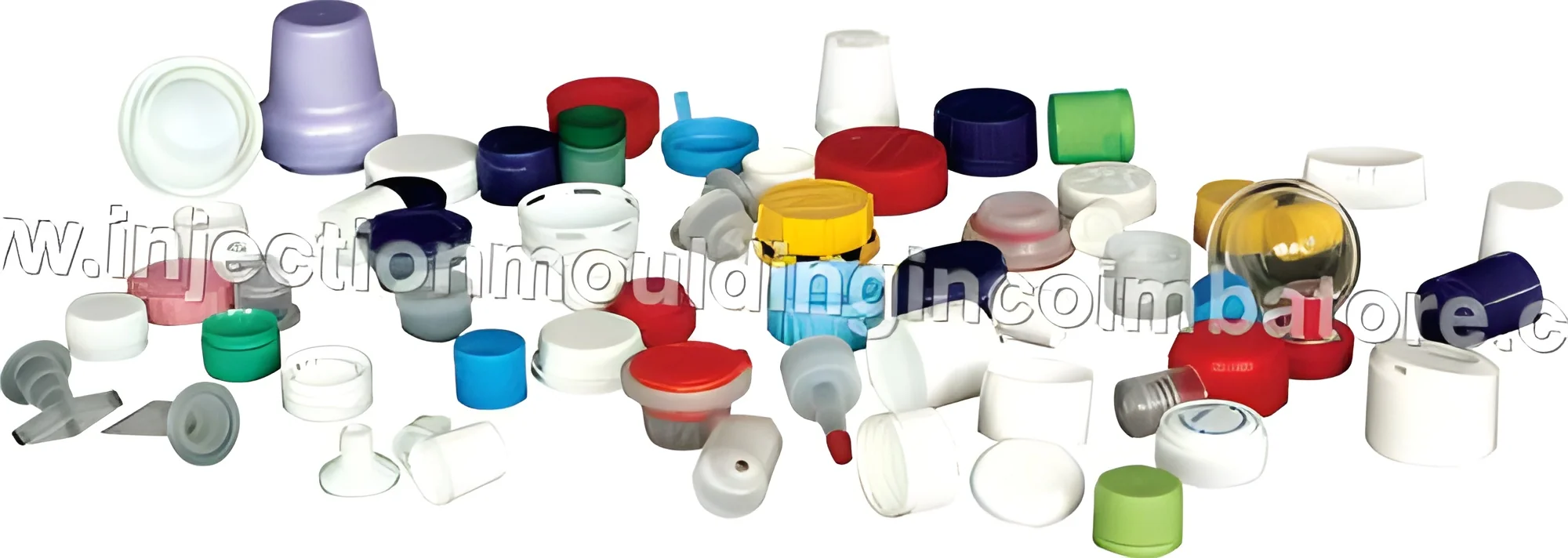
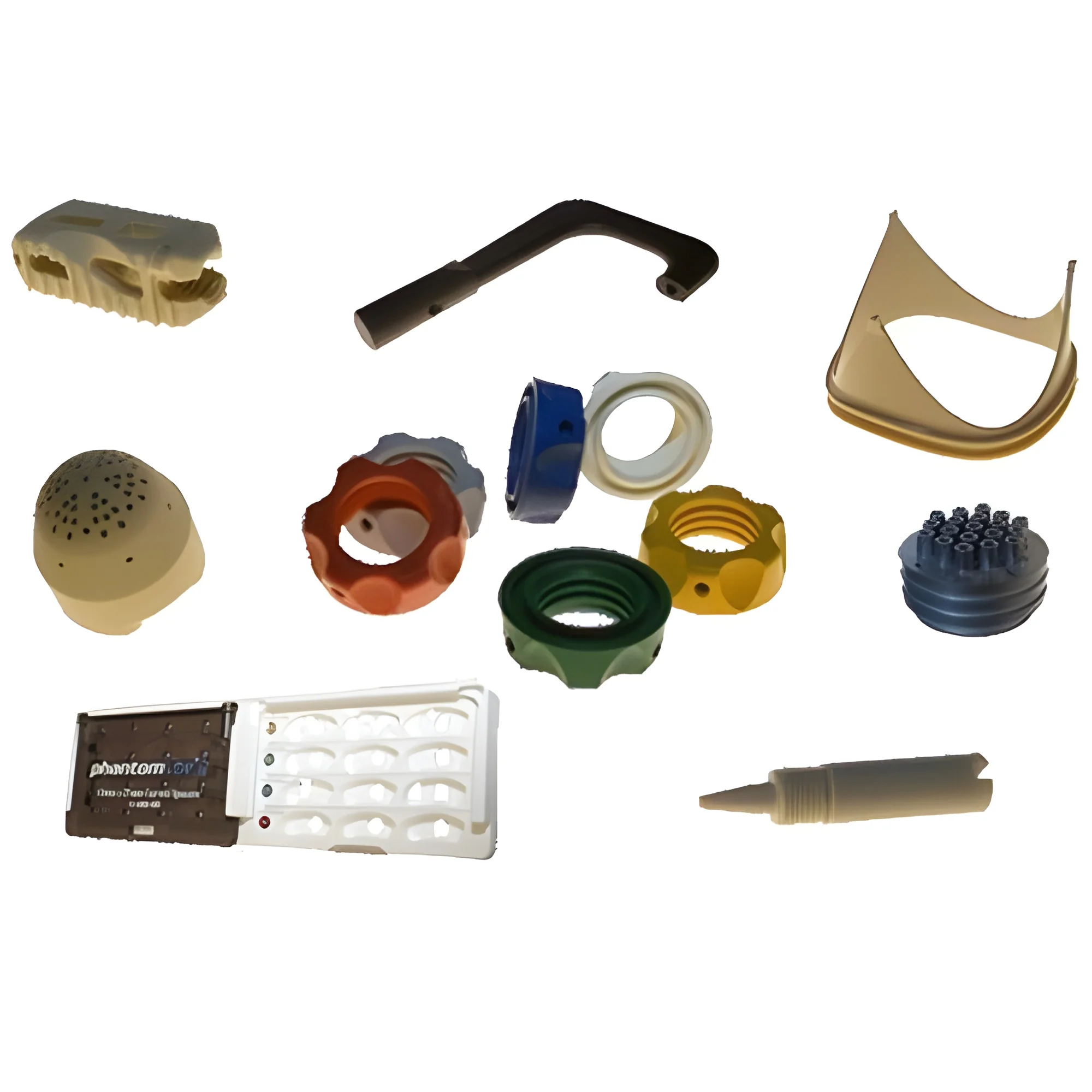
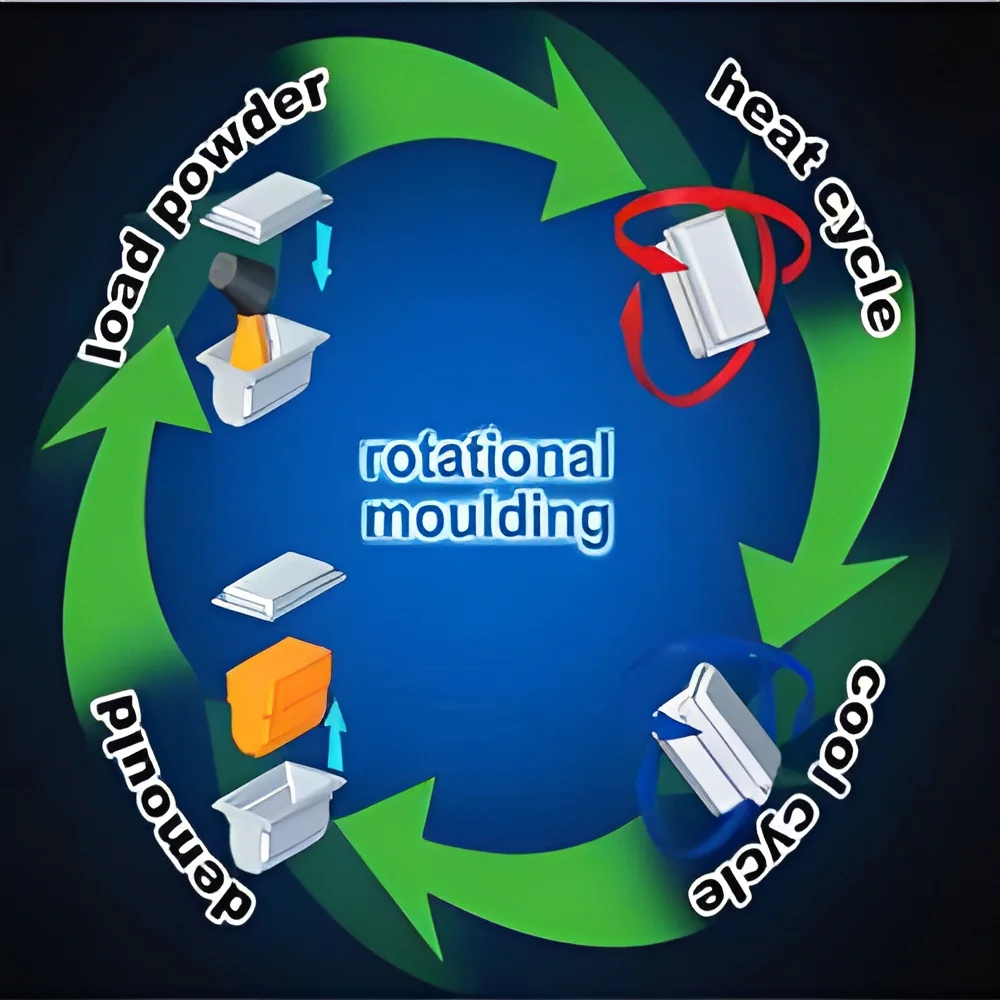
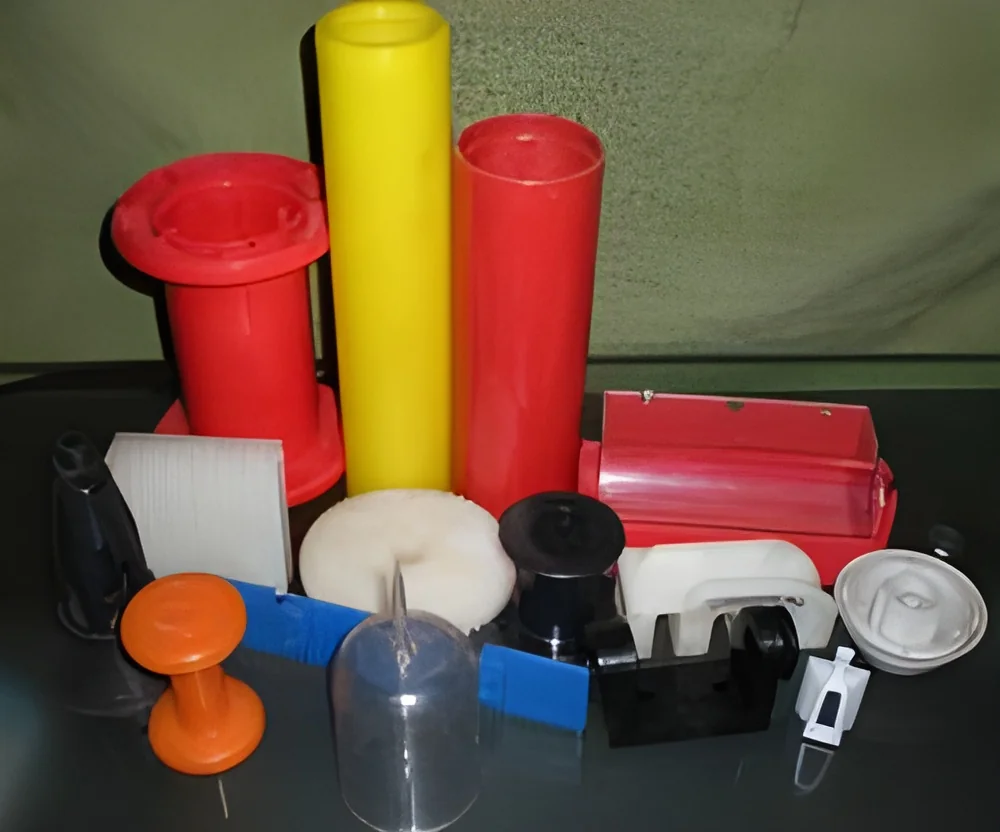
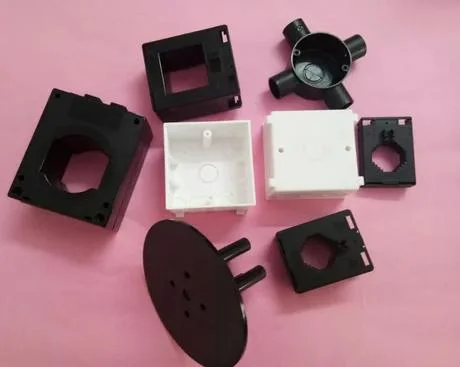
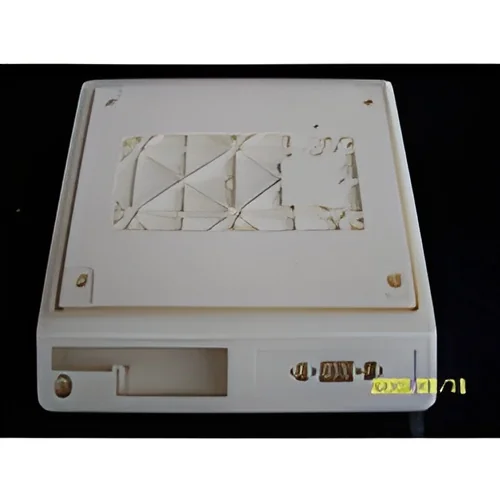
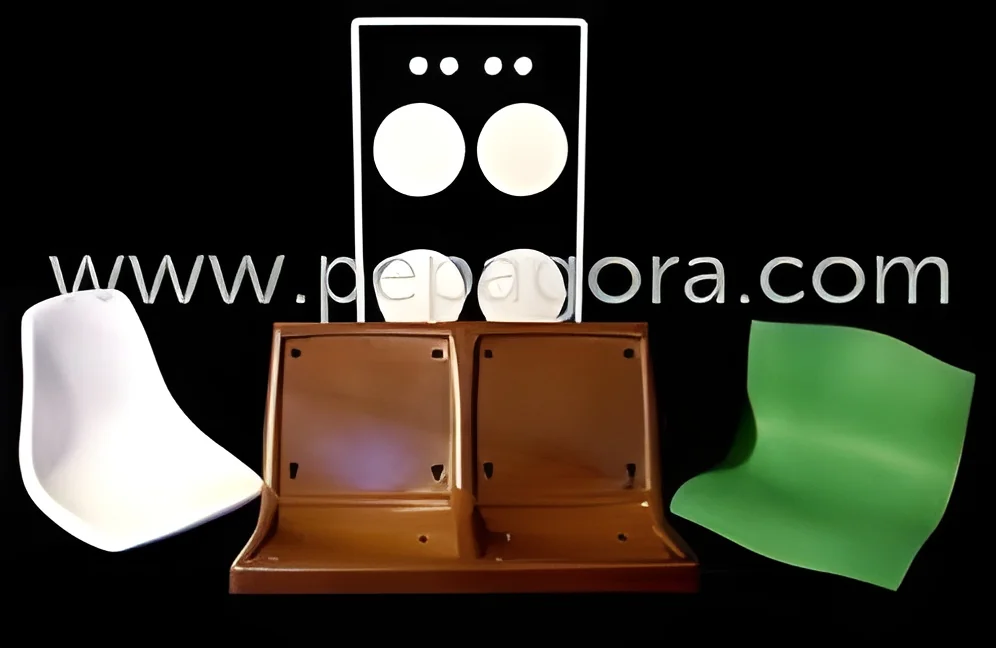
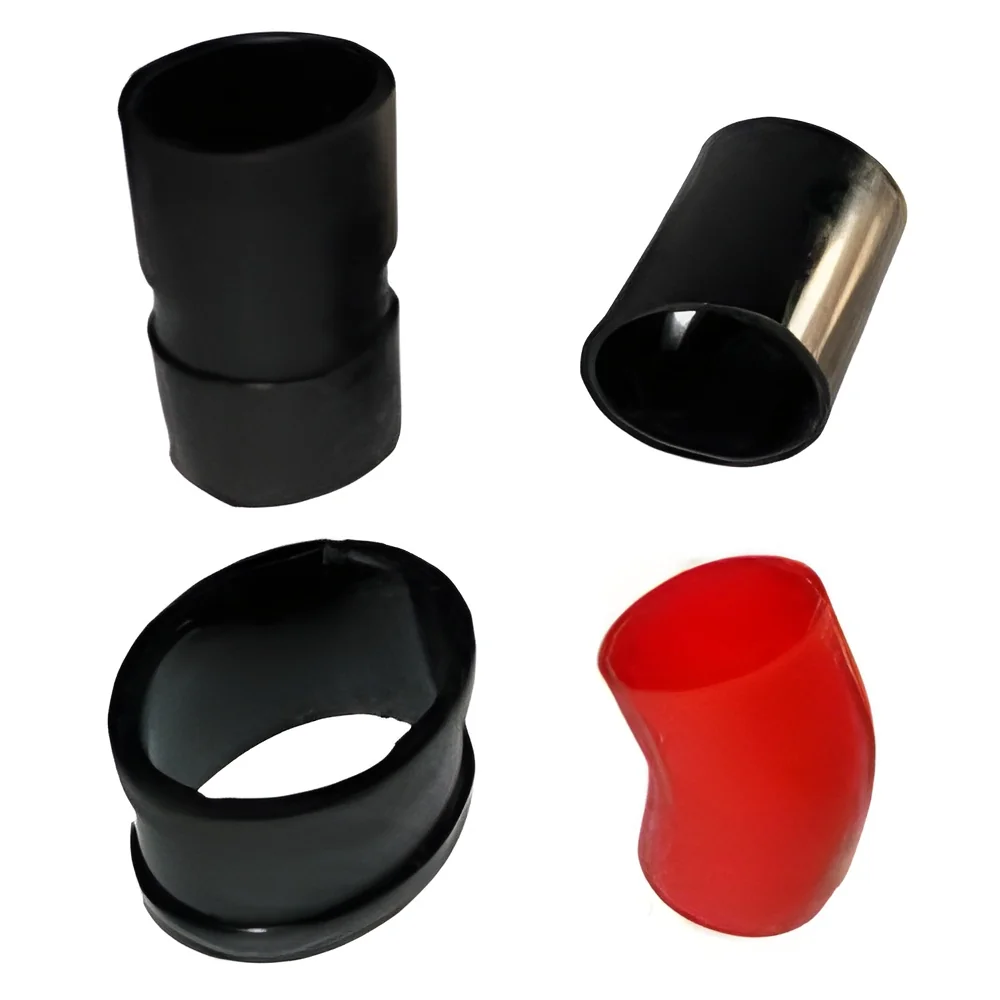
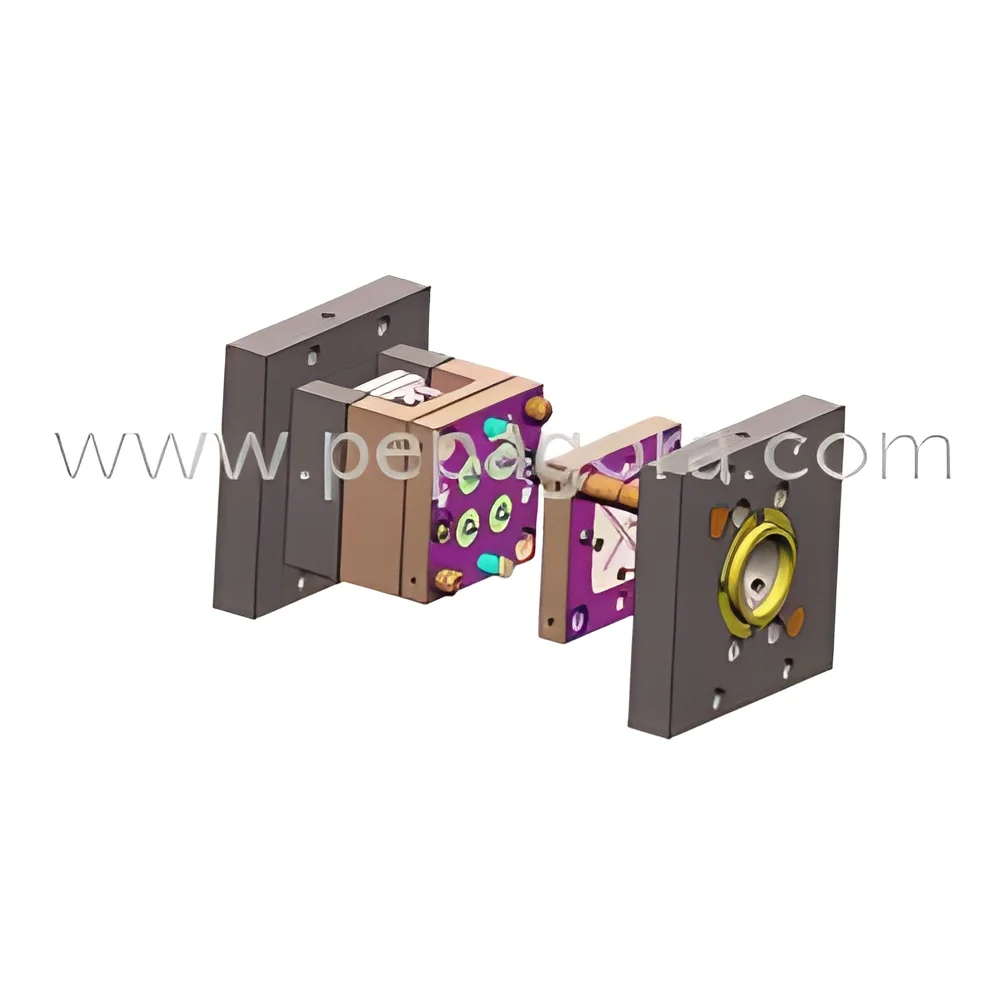
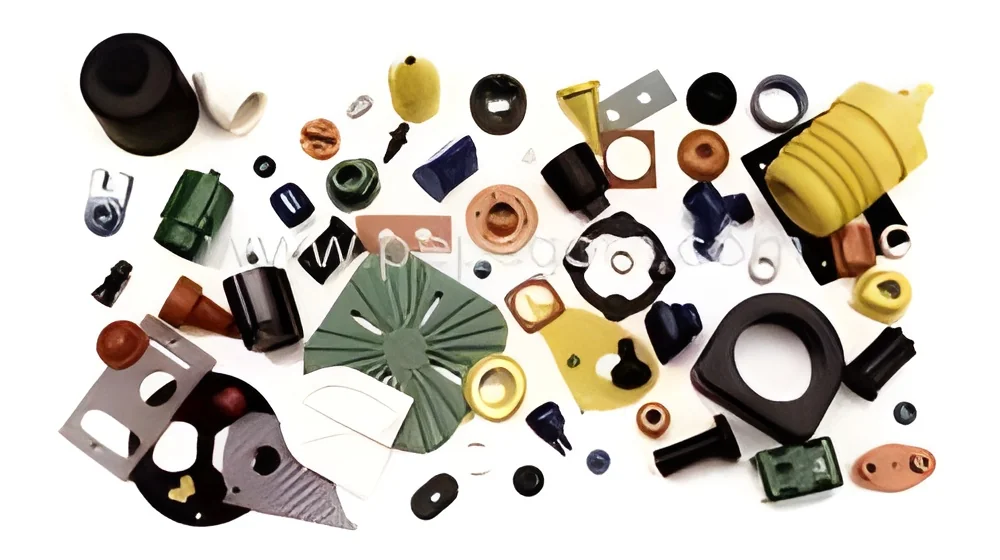
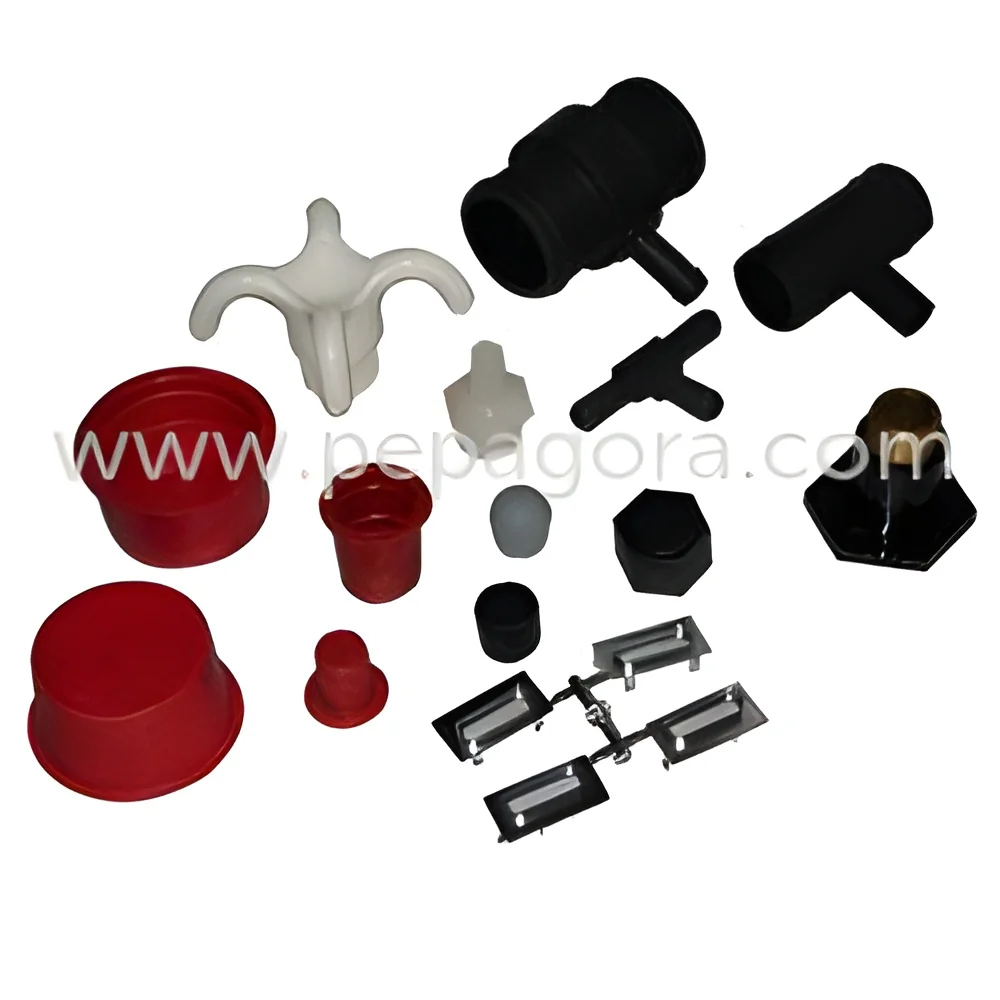
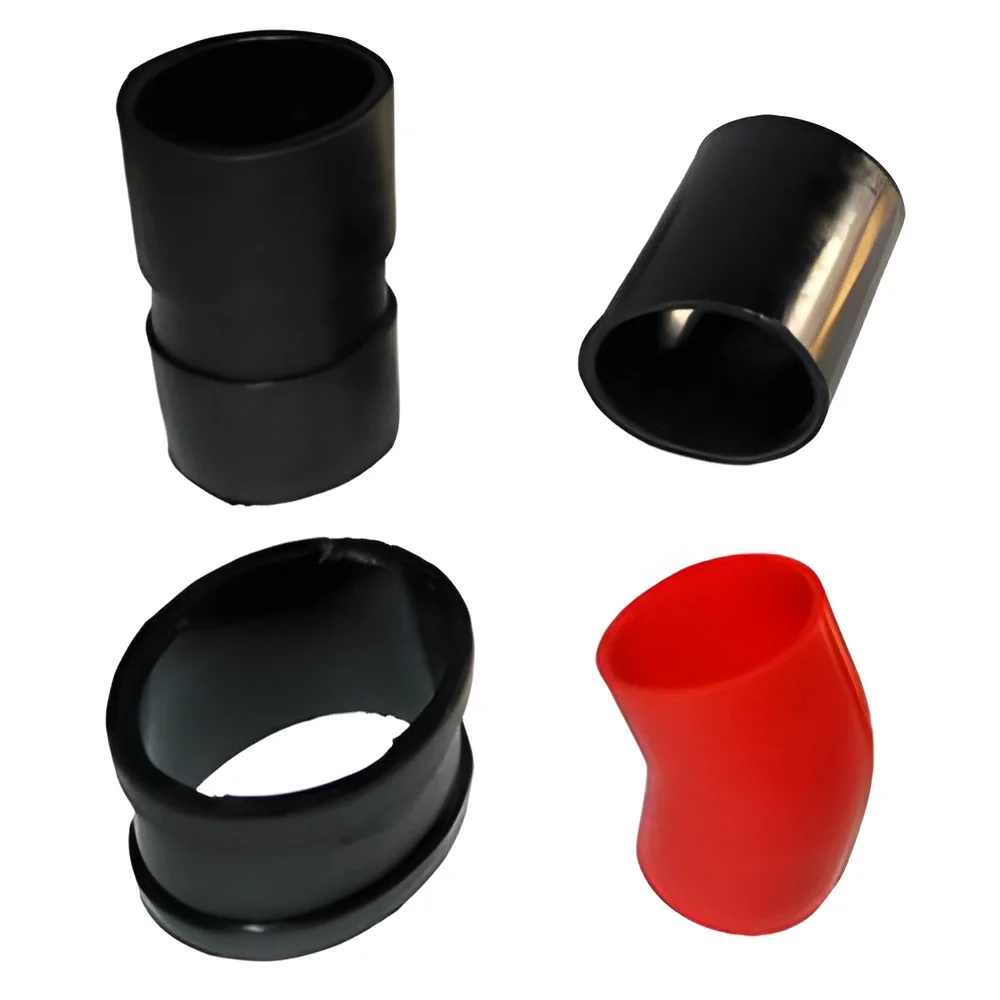
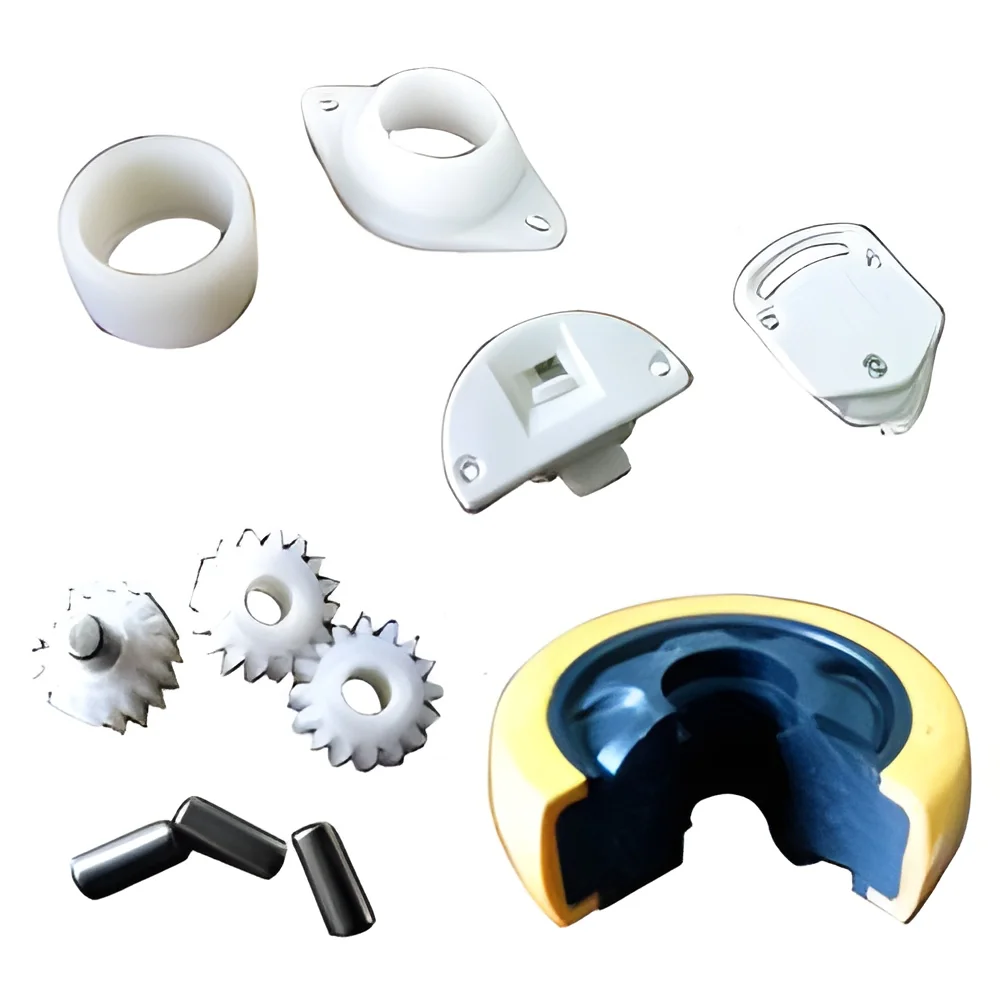
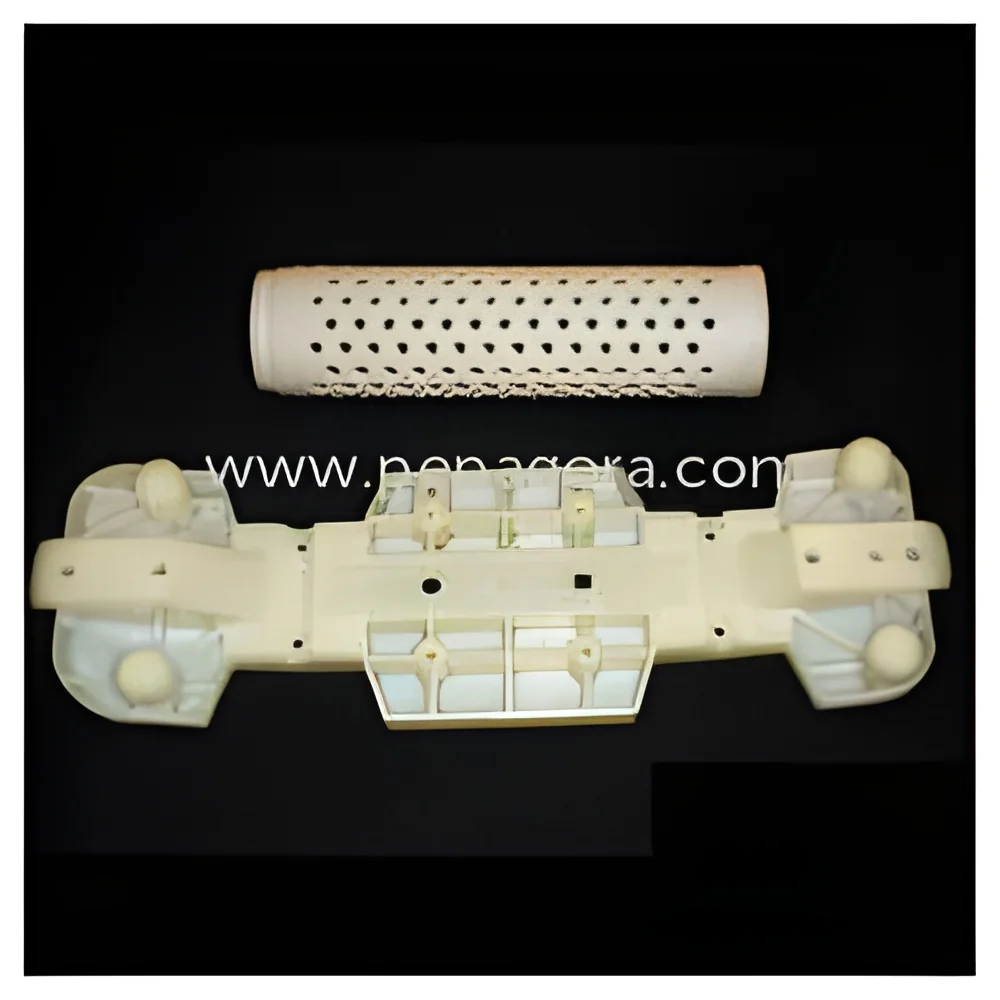
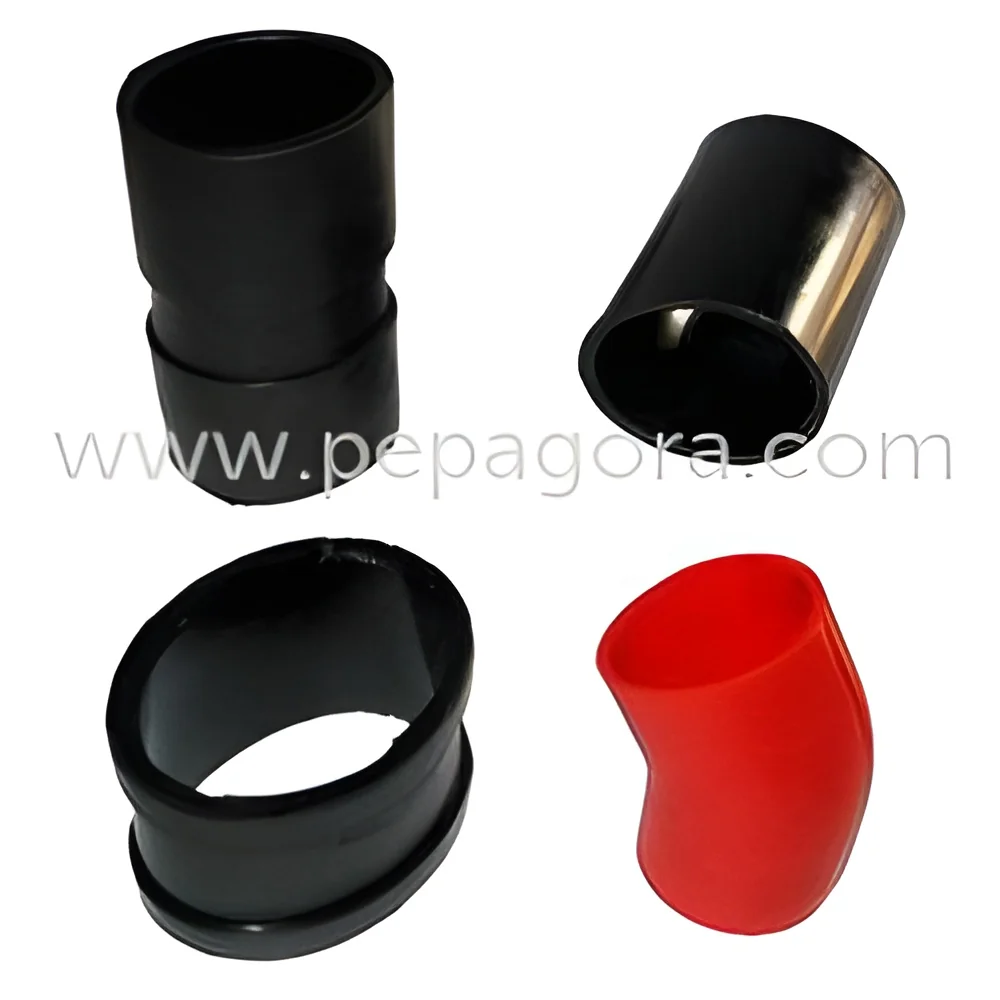
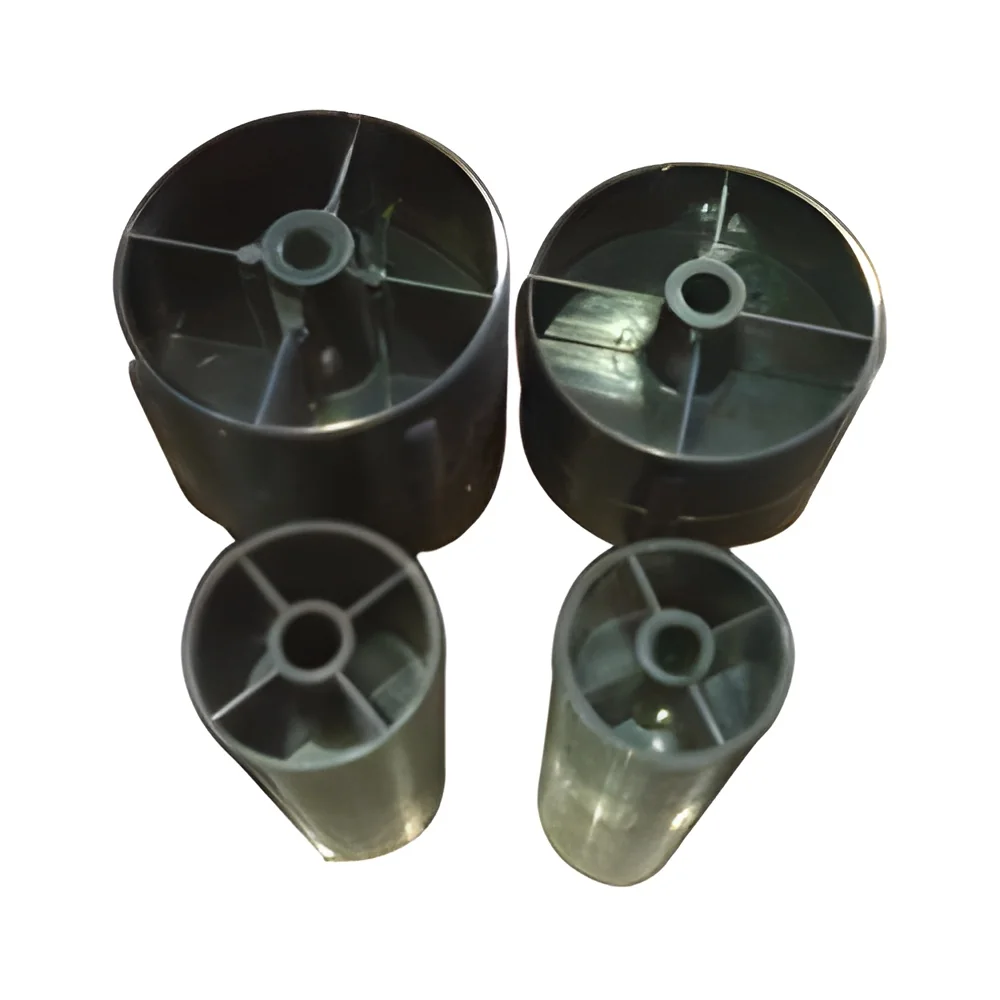
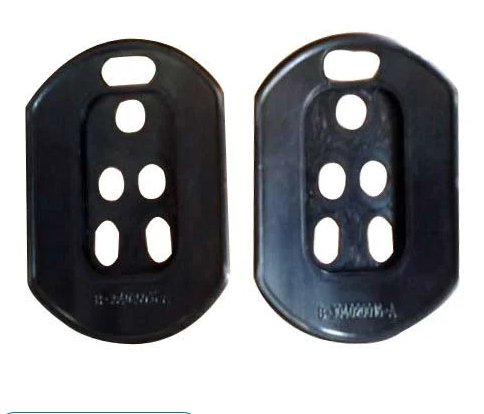
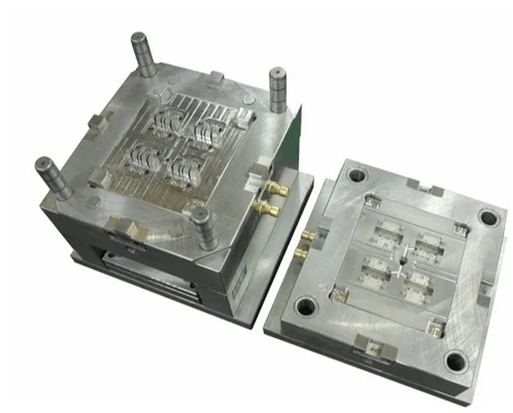
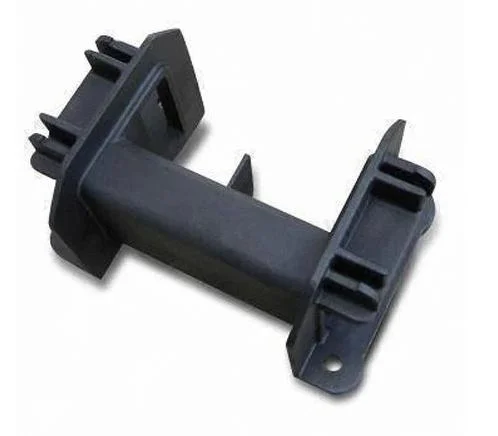
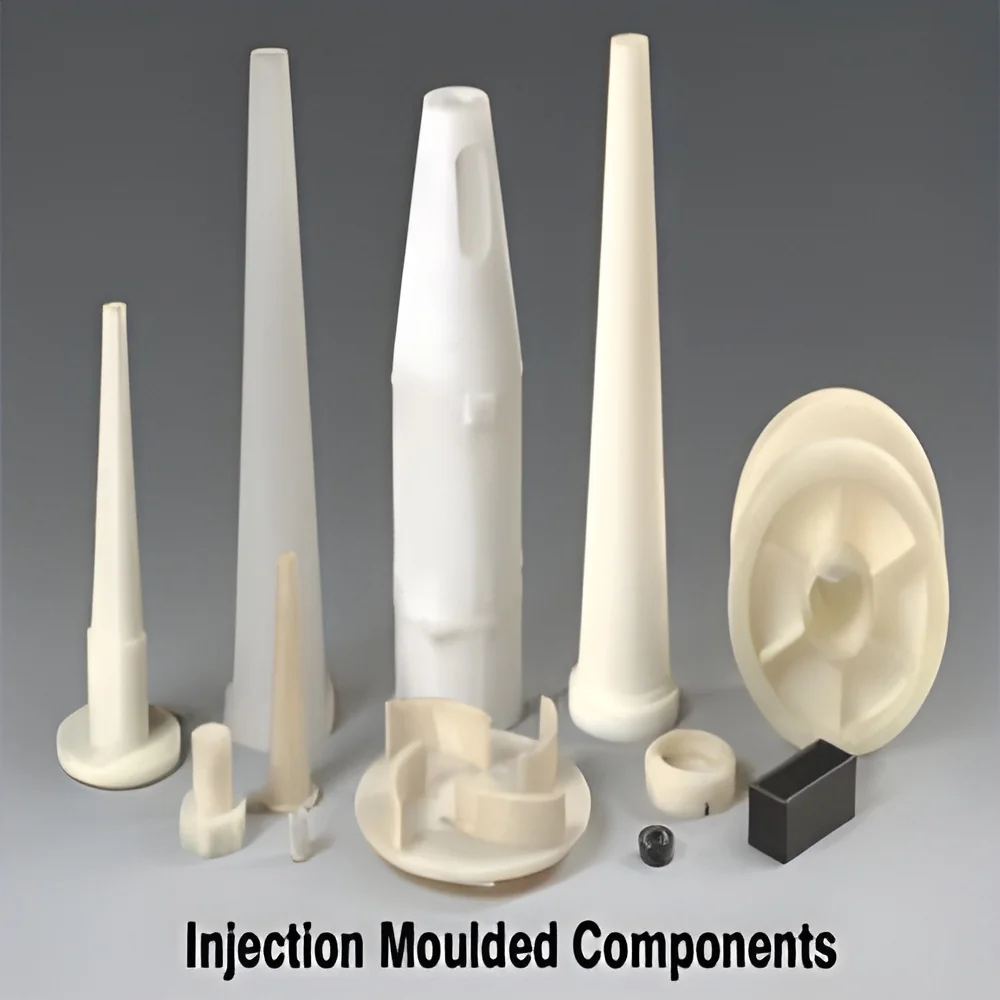
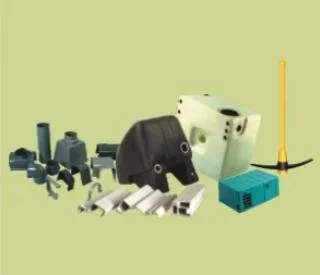
Plastic moulded parts are components created through the process of molding plastic materials into specific shapes and forms. This manufacturing technique utilizes various types of plastics, which are heated until they become pliable and can be shaped using molds. Once cooled, these parts retain their new shapes, making them ideal for a wide range of applications.
These parts are commonly used in industries such as automotive, consumer goods, electronics, and medical devices. Businesses rely on plastic moulded parts for their durability, versatility, and cost-effectiveness. The ability to produce complex shapes with precision makes these components essential in manufacturing processes across different sectors. In the current market, the demand for high-quality plastic moulded parts continues to grow, driven by advancements in technology and increasing automation.
Key Features and Specifications
Plastic moulded parts offer a range of features that make them suitable for diverse applications. Understanding these specifications helps businesses select the right components for their needs. Key specifications include:
1. Material Type
- Common materials include polypropylene, polycarbonate, and ABS.
- These materials vary in strength, flexibility, and temperature resistance.
2. Dimensional Tolerances
- Precision in measurements can range from ±0.1mm to ±0.5mm.
- Tight tolerances are critical for parts that fit into assemblies.
3. Surface Finish
- Options include matte, glossy, or textured finishes.
- The choice of finish affects appearance and functionality.
4. Weight
- Lightweight components can reduce overall product weight.
- Weight specifications can vary based on the application.
5. Color Options
- Custom colors are available through various coloring techniques.
- Color consistency is crucial for branding and aesthetics.
6. Temperature Resistance
- Materials can withstand temperatures from -40°C to 120°C.
- High-temperature resistant materials are available for specific applications.
7. Chemical Resistance
- Certain plastics offer resistance to oils, solvents, and acids.
- It is essential to match material with the intended environment.
8. Production Volume
- Capable of high-volume production runs to meet industrial demand.
- Flexibility in production allows for both small and large orders.
In summary, the features and specifications of plastic moulded parts make them adaptable to various industrial applications, ensuring that businesses can find the right solutions for their specific needs.
Common Applications and Use Cases
Plastic moulded parts are utilized across multiple industries due to their versatility and efficiency.
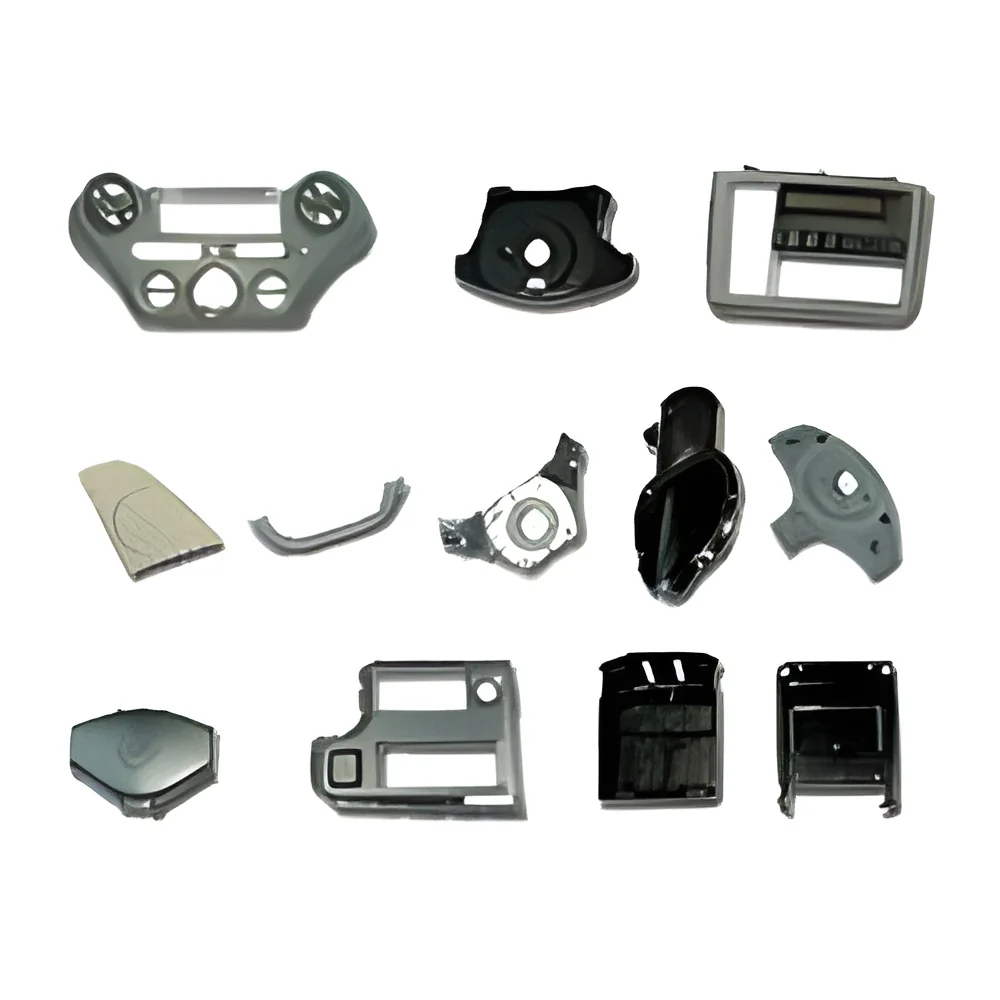
1. Automotive: Parts such as dashboards, bumpers, and interior trims are created using plastic moulding, offering lightweight solutions that enhance fuel efficiency.
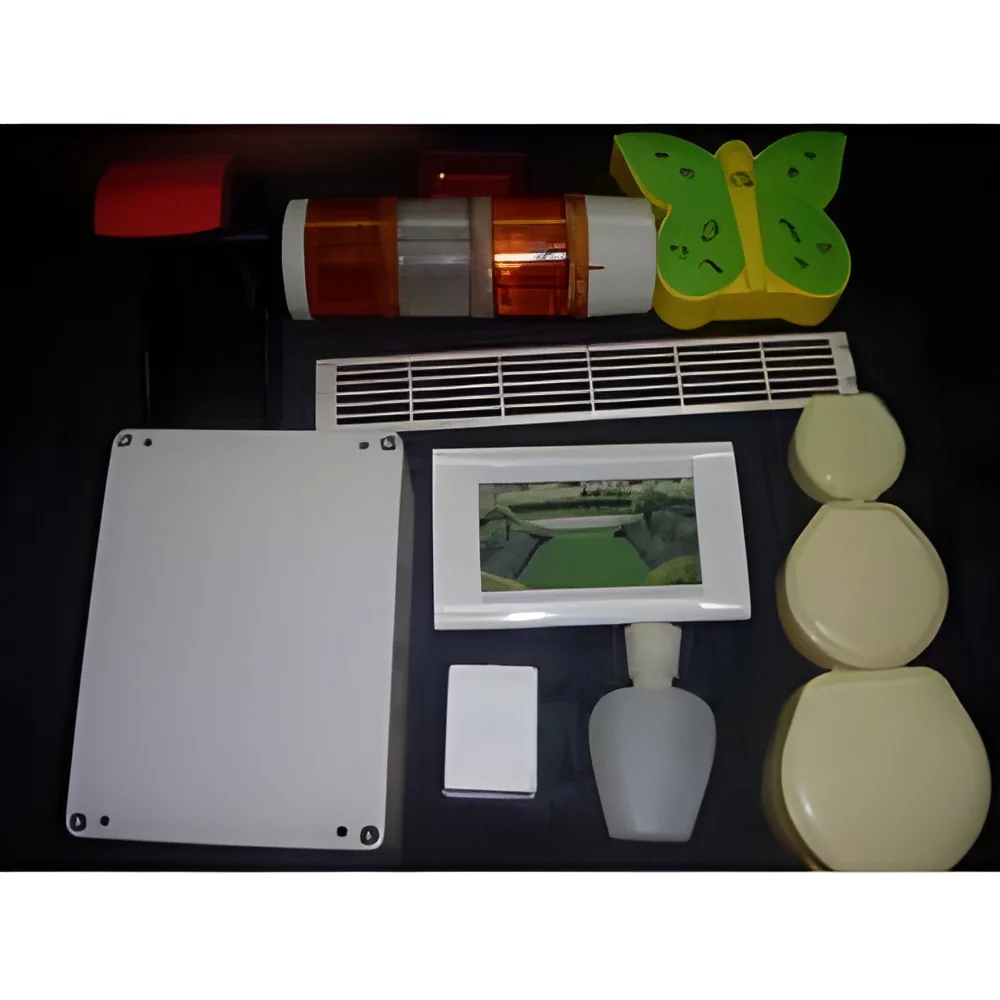
2. Consumer Goods: Many everyday items, including containers, kitchenware, and toys, are made from moulded plastics, providing durability and design flexibility.
3. Electronics: Components like casings, connectors, and insulators are manufactured with precision moulding to protect sensitive electronic parts.
4. Medical Devices: Plastic moulded parts are essential in producing items such as syringes, trays, and housings for medical instruments, ensuring compliance with health regulations.
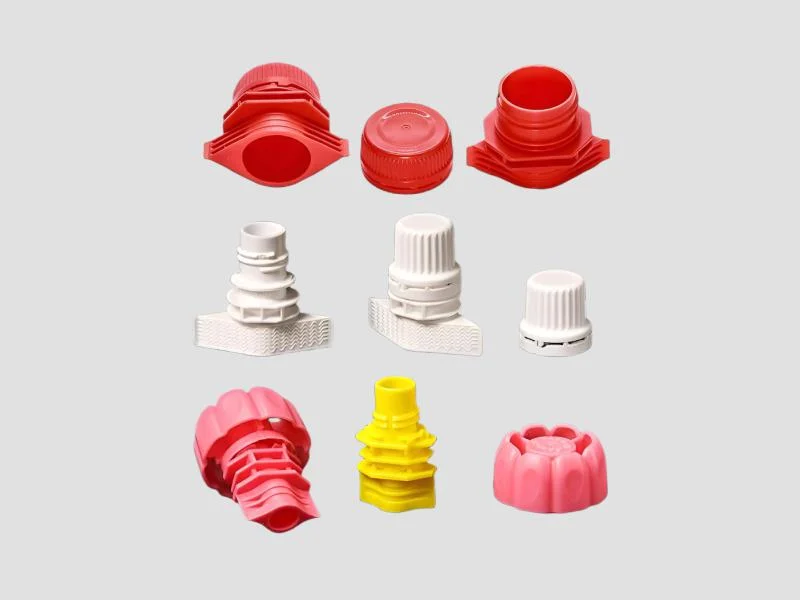
5. Packaging: Efficient packaging solutions, including bottles and containers, are produced using plastic moulding, offering protection and convenience.
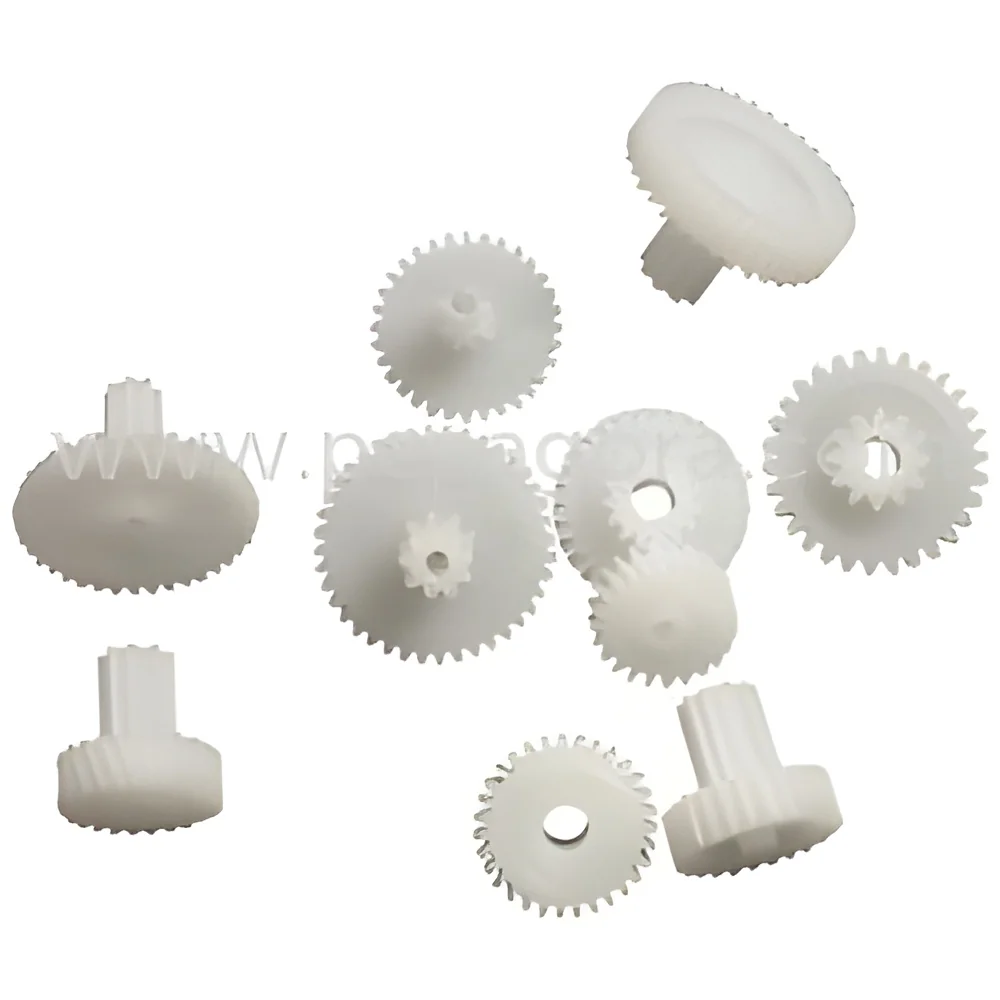
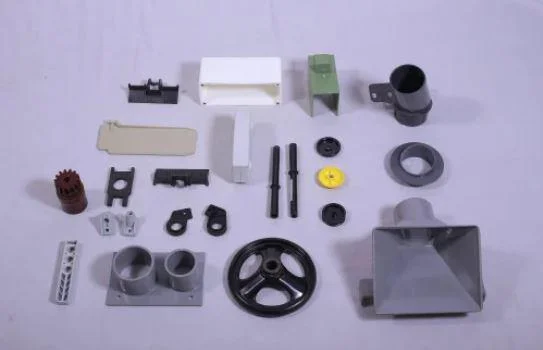
6. Industrial Equipment: Moulded parts are vital in machinery, providing functional components such as gears and housings.
7. Construction: Items like fittings, connectors, and insulation materials are made using plastic moulding, contributing to building efficiency and energy savings.
Product Variants and Subcategories
Plastic moulded parts encompass a variety of variants to meet different industrial needs.
Standard Plastic Moulded Parts
These are general-purpose components used in a wide range of applications. They may include simple shapes such as brackets or casings that require standard specifications for functionality.
Custom Plastic Moulded Parts
These parts are tailored specifically to the client's requirements, allowing for unique designs and specifications. Custom moulding enables businesses to create products that fit their precise needs.
Benefits and Advantages
Plastic moulded parts provide numerous benefits that enhance their appeal to businesses.
1. Cost-Effectiveness: The efficient production process reduces manufacturing costs, allowing for competitive pricing.
2. Design Flexibility: Moulding allows for complex shapes and designs that would be difficult to achieve with other manufacturing processes.
3. Lightweight: Plastic parts are generally lighter than metal alternatives, contributing to lower shipping costs and improved product performance.
4. Durability: Many plastics offer excellent resistance to impact, chemicals, and moisture, ensuring longevity in various environments.
5. Low Maintenance: Plastic moulded parts typically require less maintenance compared to other materials, reducing overall operational costs.
6. Quick Turnaround: The moulding process can be rapidly scaled up, enabling faster production times to meet market demand.
Buying Guide for B2B Buyers
When sourcing plastic moulded parts, B2B buyers should consider several critical factors to ensure they make informed decisions.
1. Quality Assessment: It is essential to evaluate the quality of materials and manufacturing processes. Look for suppliers who adhere to industry standards and use reliable testing methods.
2. Supplier Verification: Vetting suppliers is crucial to ensure they are reputable and can deliver high-quality products consistently. Check for certifications and customer reviews.
3. Pricing and MOQ: Understand the cost structures and minimum order quantities (MOQ) to align with your budget and operational needs.
4. Delivery and Lead Times: Assess logistics capabilities and expected delivery timelines to ensure timely availability of parts.
5. Compliance Requirements: Be aware of any regulatory needs specific to your industry, such as safety standards or environmental regulations regarding materials.
Compliance and Certifications
In the production of plastic moulded parts, adherence to quality standards and certifications is vital for ensuring reliability and safety.
ISO 9001 is one of the most recognized quality management standards, ensuring that manufacturing processes meet consistent quality requirements. Compliance with this standard signifies that the supplier follows established protocols to maintain quality.
Certifications such as CE and UL indicate that plastic moulded parts meet safety and performance criteria for various applications. CE marking shows compliance with European health, safety, and environmental protection standards, while UL certification is crucial for products used in electrical and electronic applications.
Safety and testing requirements are essential in industries like medical and automotive, where component failure can have significant consequences. Manufacturers must conduct rigorous testing to ensure compliance with industry regulations.
Regional compliance considerations may vary, so it is important for businesses to understand the specific requirements in their target markets, especially when sourcing from different countries.
Why Source Plastic Moulded Parts from Pepagora?
Pepagora offers a reliable platform for sourcing plastic moulded parts, providing several advantages for B2B buyers.
Verified Supplier Network: Pepagora carefully vets suppliers to ensure they meet high standards of quality and reliability. This verification process helps buyers find trustworthy partners for their procurement needs.
Streamlined RFQ Process: The platform simplifies the request for quotation (RFQ) process, allowing businesses to easily obtain quotes from multiple suppliers. This efficiency saves time and helps buyers make informed decisions.
Trade Assurance and Support: Pepagora provides trade assurance, protecting buyers against potential risks in transactions. This support adds an extra layer of security for businesses looking to source components.
Regional Coverage: With a reach across India, the GCC, and Southeast Asia, Pepagora connects buyers with suppliers in key markets, facilitating access to a wide range of plastic moulded parts. This geographic diversity enables businesses to find solutions that best fit their operational needs.

 IN
IN