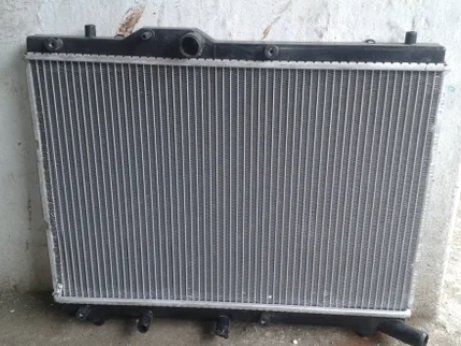
What are Radiators?
Radiators are essential components used primarily for heating and cooling in various industrial and commercial applications. They function by transferring heat from a fluid to the surrounding air or other fluids, ensuring optimal temperature control. The basic operation involves the circulation of hot water or steam through the radiator, which then releases heat into the environment through metal fins or panels.
These devices find extensive use across multiple sectors, including manufacturing, automotive, HVAC systems, and residential heating. In industrial settings, radiators play a critical role in maintaining operational efficiency and safety by regulating temperature in machinery and processes. With the growing emphasis on energy efficiency and environmental sustainability, the demand for high-performance radiators continues to rise in the market.
As industries evolve, the relevance of radiators remains significant. They are integral to climate control systems and contribute to energy conservation efforts. The market is influenced by advancements in technology and materials, which enhance the performance and efficiency of radiators, making them a vital product in today's industrial landscape.
Key Features and Specifications
Radiators come with a variety of features and specifications that cater to different operational needs. Understanding these specifications is crucial for businesses when selecting the right radiator for their applications.
Key specifications include:
1. Material Type
- Common materials include steel, aluminum, and cast iron.
- Each material offers varying levels of thermal conductivity and durability.
2. Heat Output Capacity
- Measured in BTUs or watts, indicating how much heat a radiator can produce.
- Essential for matching the radiator to specific heating requirements.
3. Size and Dimensions
- Available in various sizes to fit diverse spaces.
- Important for installation considerations and efficiency.
4. Connection Type
- Includes options such as threaded, flanged, or welded connections.
- Affects compatibility with existing systems.
5. Pressure Rating
- Indicates the maximum pressure a radiator can withstand.
- Important for ensuring safe operation in high-pressure systems.
6. Finish and Coating
- Options include paint, powder coating, or galvanized finishes.
- Influences corrosion resistance and aesthetic appeal.
7. Certification
- Radiators may hold certifications such as CE.
- Ensures compliance with safety and quality standards.
8. Warranty Period
- Varies by manufacturer and model.
- Reflects the reliability and expected lifespan of the product.
In summary, understanding the features and specifications of radiators helps businesses make informed decisions and select the right products for their operational needs.
Common Applications and Use Cases
Radiators are versatile products that serve a wide range of industries, each with specific applications.
1. Manufacturing: Radiators are used to manage heat in production processes, ensuring equipment operates within optimal temperature ranges.
2. Automotive: In vehicles, radiators are critical for cooling engines, preventing overheating and ensuring efficient performance.
3. HVAC Systems: Radiators play a vital role in heating and cooling systems for buildings, maintaining comfortable indoor climates.
4. Food Processing: In this industry, radiators help regulate temperatures during cooking and storage, preserving food quality and safety.
5. Chemical Plants: Radiators are used to manage heat in chemical reactions, ensuring safe and efficient processing.
6. Pharmaceutical: Temperature control is crucial in drug manufacturing, where radiators maintain environments for sensitive processes.
7. Marine: Radiators are employed in ships to cool engines and other machinery, enhancing operational efficiency at sea.
Product Variants and Subcategories
Radiators come in various types to meet diverse heating and cooling needs.
Panel Radiators: These are flat, wall-mounted units that provide efficient heating in residential and commercial settings. They are known for their sleek design and ease of installation.
Column Radiators: Offering a classic look, column radiators are ideal for spaces where aesthetics are important. They provide excellent heat output and are suitable for larger rooms.
Baseboard Radiators: These are low-profile units installed along the base of walls. They are effective for heating rooms without taking up much space.
Towel Radiators: Commonly found in bathrooms, these radiators serve a dual purpose of heating the room and drying towels, enhancing comfort and convenience.
Electric Radiators: These units operate independently of a central heating system, providing flexibility and control over heating in specific areas.
Benefits and Advantages
Radiators offer several key advantages that make them a preferred choice for businesses.
1. Energy Efficiency: Modern radiators are designed to optimize heat transfer, reducing energy consumption and lowering operating costs.
2. Versatility: Radiators can be used in various settings, including industrial, commercial, and residential applications, making them highly adaptable.
3. Easy Installation: Many radiator models are designed for quick and straightforward installation, minimizing downtime during setup.
4. Low Maintenance: Radiators generally require minimal maintenance, allowing businesses to focus on core operations without frequent interruptions.
5. Aesthetic Options: Various designs and finishes are available, enabling businesses to select radiators that complement their environments.
6. Enhanced Comfort: Radiators provide consistent and reliable heating, ensuring comfort in workspaces and living areas.
Buying Guide for B2B Buyers
When sourcing radiators, businesses should consider several critical factors to make informed purchasing decisions.
1. Quality Assessment: Evaluate the quality of materials and construction. Look for certifications that indicate adherence to industry standards.
2. Supplier Verification: Research and verify suppliers to ensure they have a reliable reputation and a history of providing quality products.
3. Pricing and MOQ: Understand pricing structures and minimum order quantities to align purchases with budget constraints and operational needs.
4. Delivery and Lead Times: Consider logistics and delivery times to ensure that the radiators arrive when needed without causing delays in operations.
5. Compliance Requirements: Ensure that the selected radiators meet all regulatory and safety standards relevant to your industry, including any regional compliance needs.
Compliance and Certifications
Radiators are subject to various quality standards and certifications, which are crucial for ensuring safety and performance.
Relevant standards include ISO 9001, which focuses on quality management systems, ensuring that manufacturers meet customer and regulatory requirements.
Industry certifications, such as CE, indicate compliance with European safety and environmental standards, providing assurance of product quality and reliability.
Safety and testing requirements are essential to verify that radiators can operate safely under specified conditions. This includes pressure testing and thermal performance evaluations.
Regional compliance considerations may vary, so businesses should be aware of local regulations that could affect the use and installation of radiators in their operations.
Why Source Radiators from Pepagora?
Pepagora provides a trusted platform for sourcing radiators, offering several key advantages that benefit B2B buyers.
Verified Supplier Network: Pepagora connects buyers with a network of verified suppliers, ensuring that products meet quality and compliance standards. This network provides peace of mind for businesses looking to source reliable equipment.
Streamlined RFQ Process: The platform simplifies the request for quotation process. Buyers can easily compare offers from multiple suppliers, facilitating better decision-making and cost savings.
Trade Assurance and Support: Pepagora offers trade assurance, providing protection for buyers throughout the purchasing process. This support fosters trust and reliability in transactions.
Regional Coverage: With a focus on markets such as India, the Gulf Cooperation Council (GCC), and Southeast Asia, Pepagora ensures that businesses can access a wide range of radiator options tailored to regional needs, enhancing accessibility and convenience.

 IN
IN