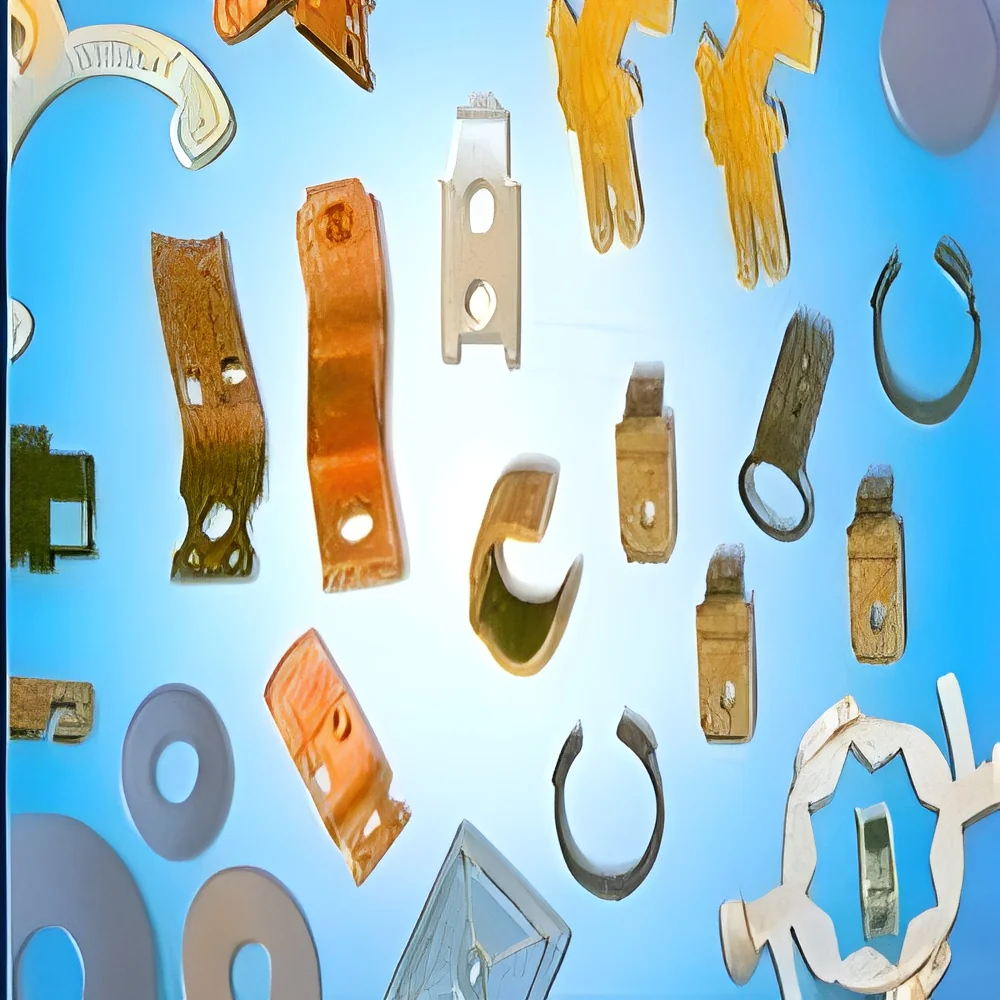
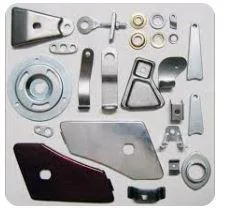
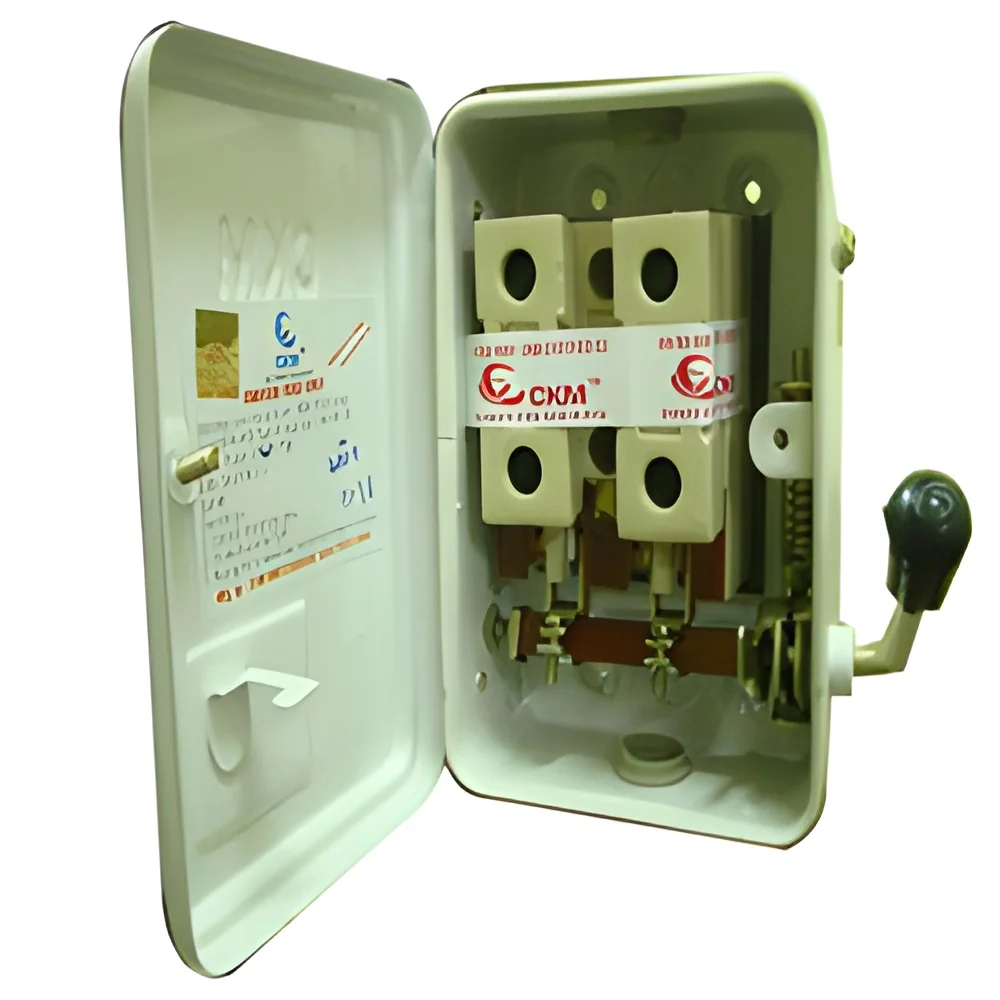
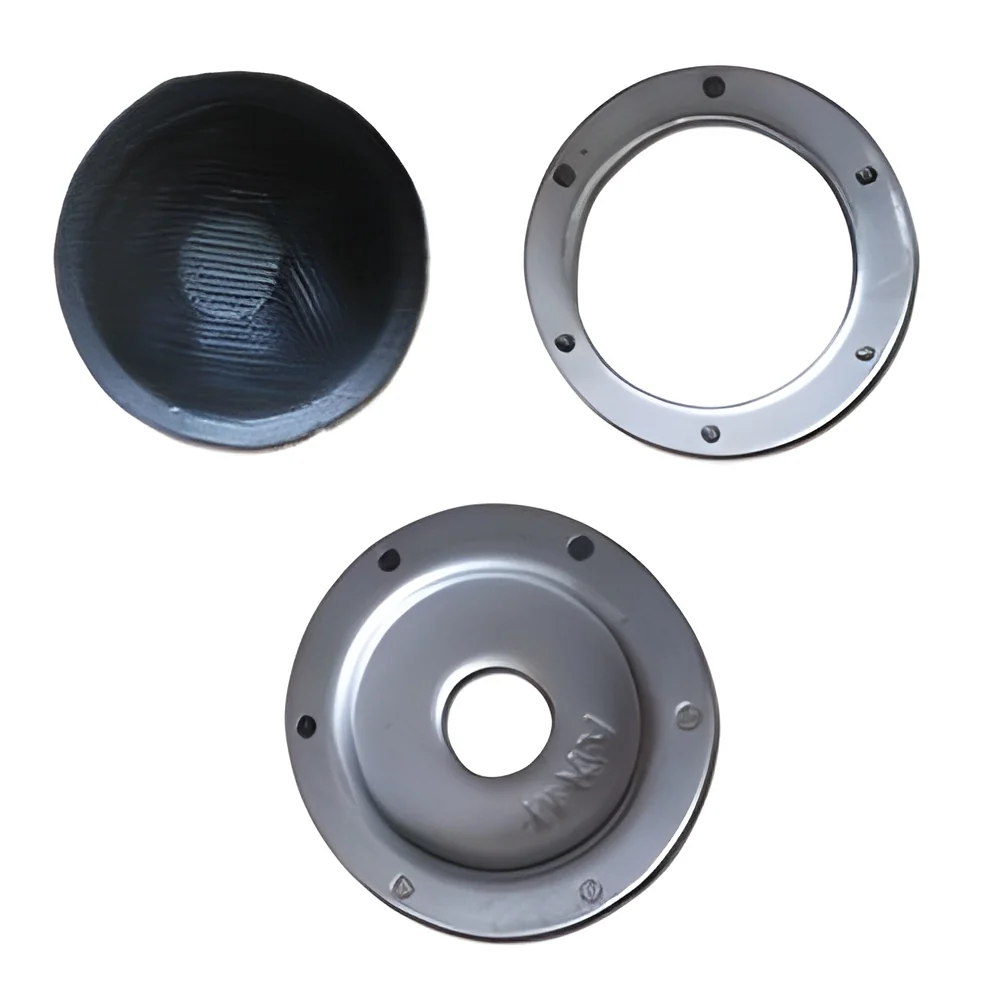
What are Sheet Metal OEM Parts?
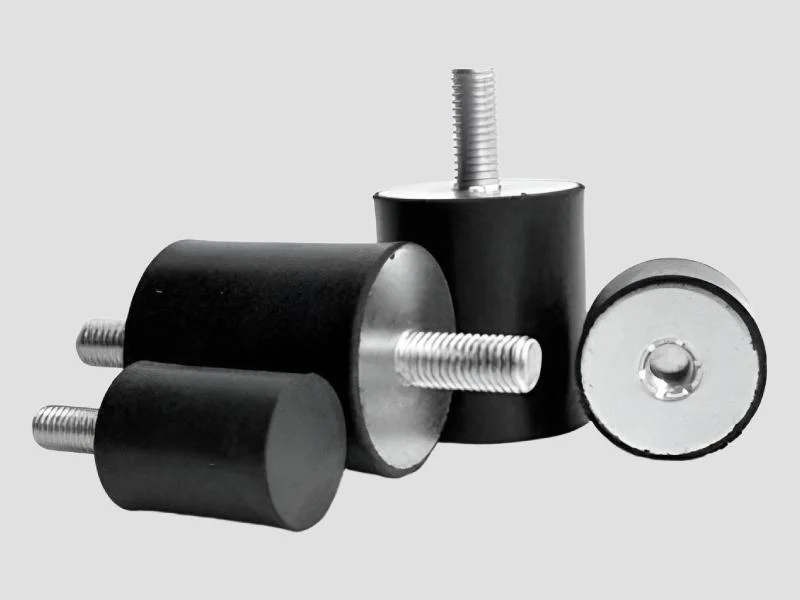
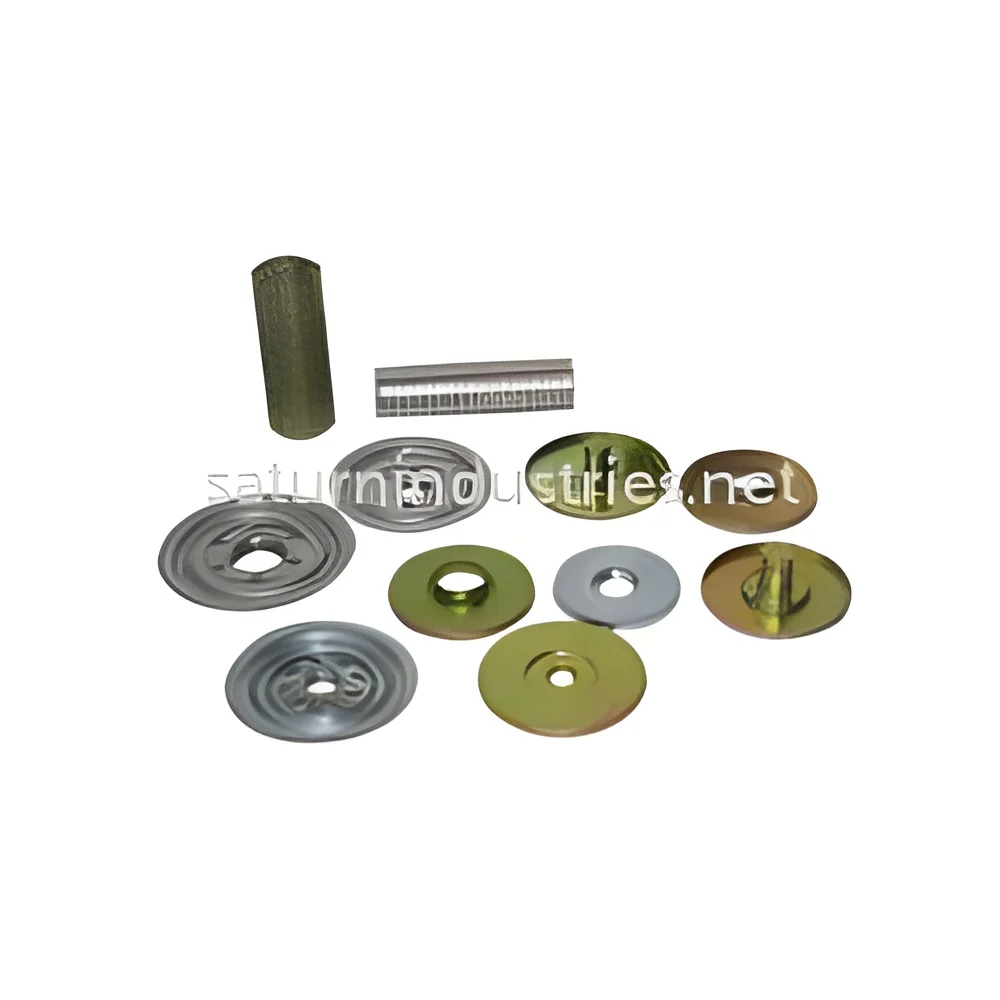
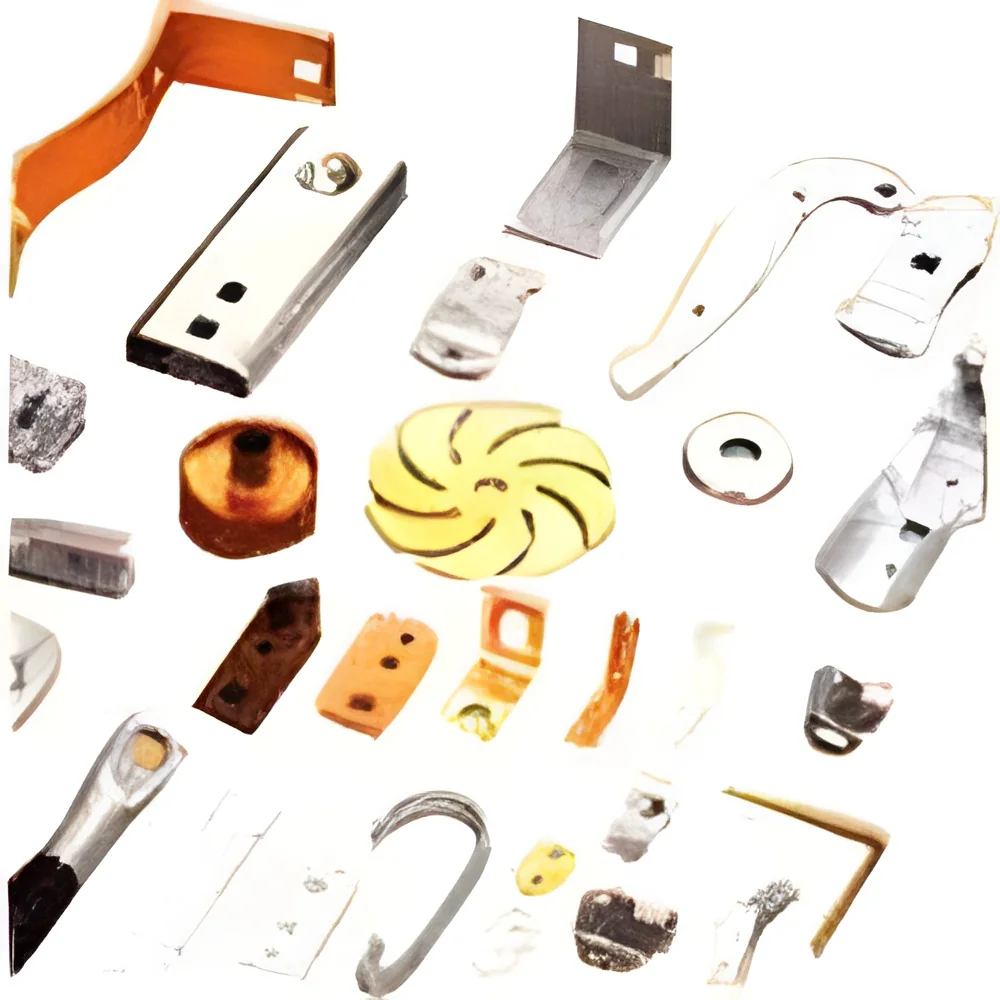
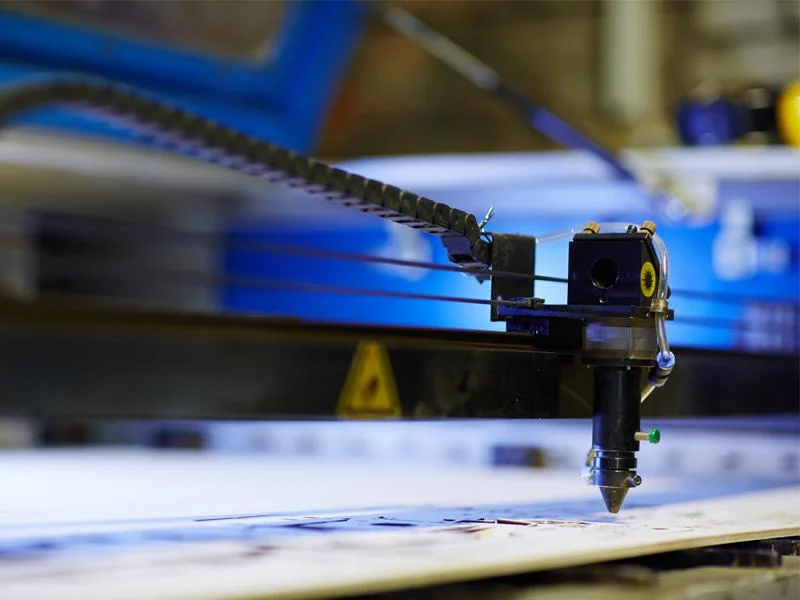
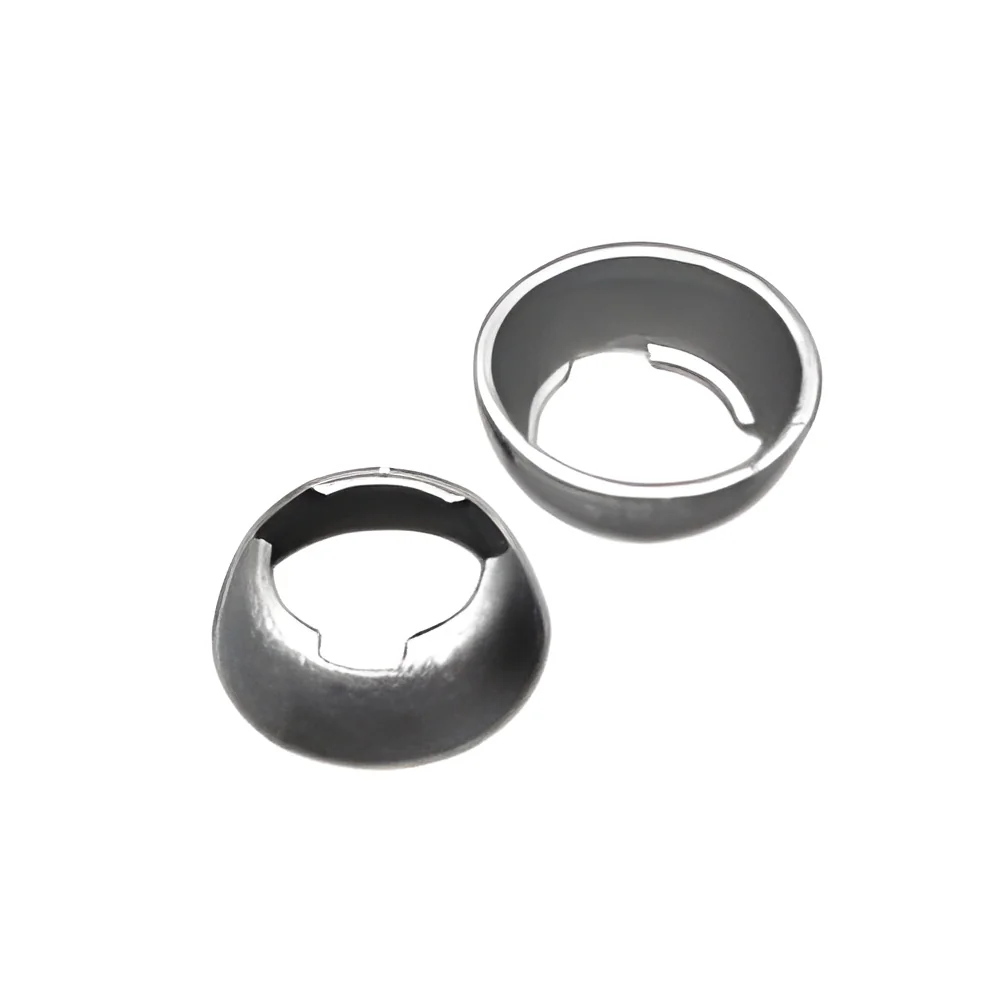
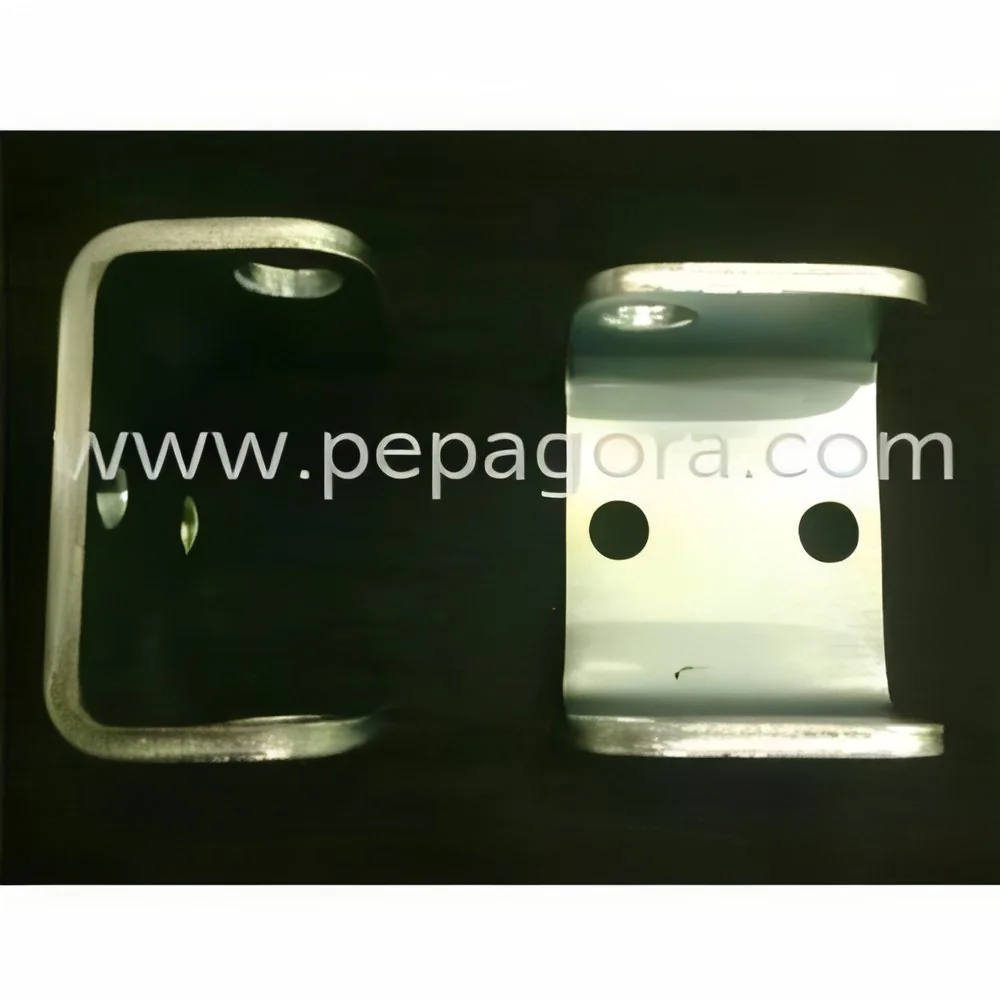
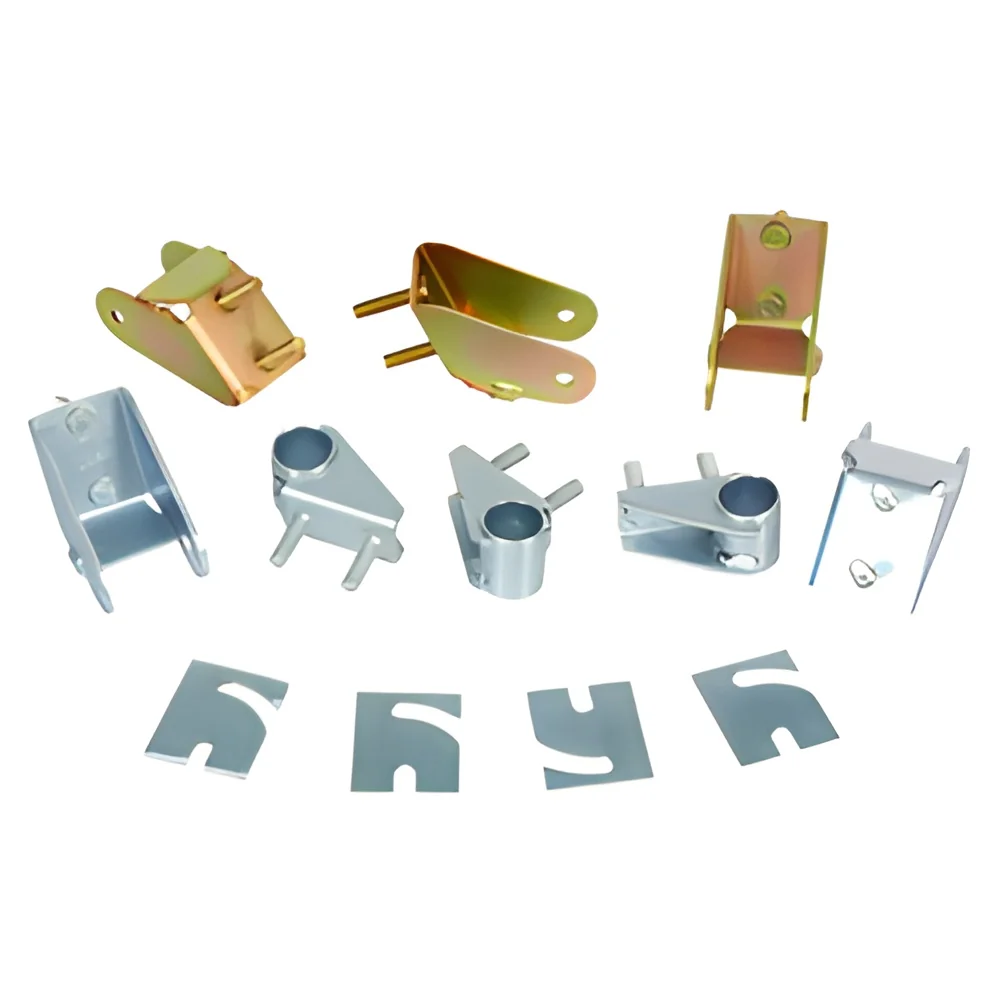
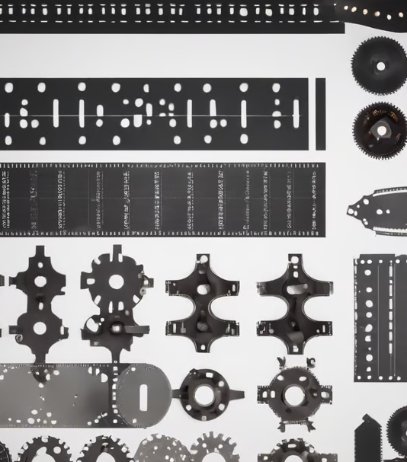
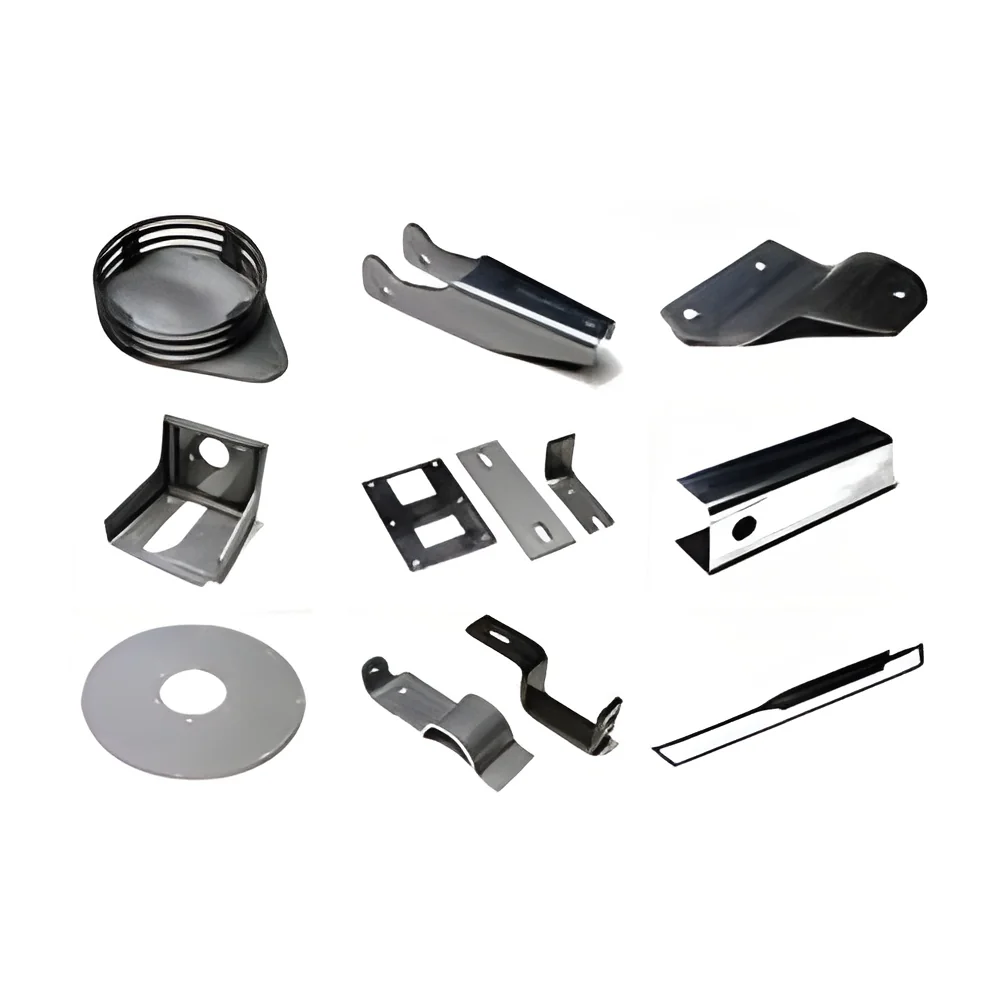
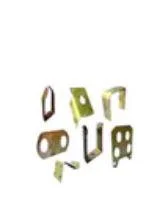
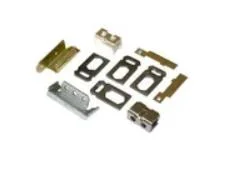
Sheet metal OEM parts are components manufactured from thin sheets of metal, typically less than 6 mm thick. These parts are produced using processes such as stamping, bending, and laser cutting. They are essential in the creation of various products across multiple industries. The term "OEM" stands for Original Equipment Manufacturer, indicating that these parts are designed to meet specific standards and specifications set by the original equipment manufacturer.
Sheet metal OEM parts have a wide range of applications, including automotive, aerospace, electronics, and industrial machinery. They can be found in everything from car bodies and aircraft components to enclosures for electronic devices and structural supports in machinery. The versatility of sheet metal allows for intricate designs and durable products that can withstand various operating conditions. As industries continue to evolve, the demand for high-quality, precision-engineered sheet metal OEM parts remains strong, highlighting their importance in manufacturing and production processes.
Key Features and Specifications
Sheet metal OEM parts come with specific features and specifications that ensure they meet industry standards and customer requirements. These components are designed for precision, durability, and functionality, catering to various applications across multiple sectors.
Key specifications include:
1. Material Type
- Common materials include stainless steel, aluminum, and carbon steel.
- Each material offers unique properties such as corrosion resistance and weight.
2. Thickness Range
- Sheet metal thickness typically ranges from 0.5 mm to 6 mm.
- Thickness affects strength and manufacturing processes.
3. Tolerance Levels
- Tolerances can range from ±0.1 mm to ±0.5 mm.
- Precision is crucial for proper fit and function in assemblies.
4. Surface Finish
- Finishes can include anodized, powder-coated, and galvanized.
- Affects aesthetics and corrosion resistance.
5. Production Methods
- Common methods include laser cutting, stamping, and CNC machining.
- Each method has its advantages in terms of accuracy and volume.
6. Customization Options
- Parts can be tailored to specific dimensions and designs.
- Customization allows for unique applications and needs.
7. Weight Limitations
- Weight specifications vary based on material and design.
- Important for applications where weight is a critical factor.
8. Compliance Standards
- Parts must meet relevant industry standards, such as CE certification.
- Compliance ensures quality and safety in applications.
Understanding these specifications helps businesses choose the right sheet metal OEM parts for their needs, ensuring quality and reliability in their operations.
Common Applications and Use Cases
Sheet metal OEM parts are utilized across a multitude of industries, each with specific applications that leverage their unique properties.
1. Automotive: In the automotive industry, sheet metal OEM parts are crucial for manufacturing body panels, brackets, and structural components. They contribute to the vehicle's overall strength and safety features.
2. Aerospace: Aerospace applications often require lightweight yet durable parts like fuselage skins and internal supports. The precision of these components is vital for performance and safety.
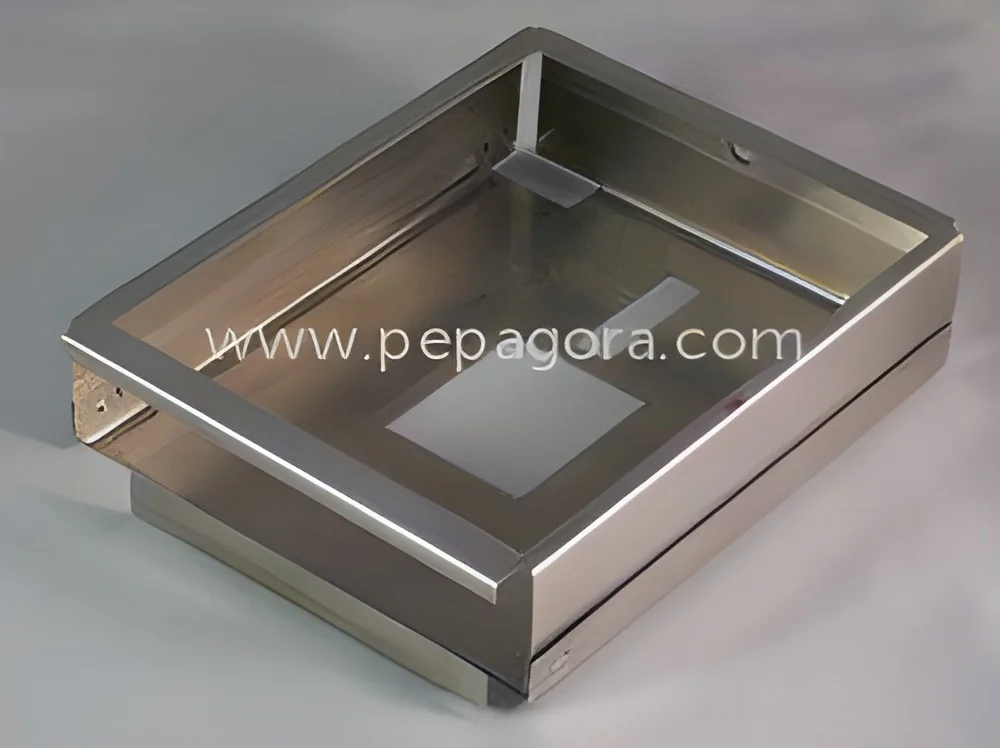
3. Electronics: In the electronics sector, sheet metal parts are used for enclosures and heat sinks, providing protection and thermal management for sensitive electronic devices.
4. Industrial Machinery: Sheet metal OEM parts play a significant role in manufacturing machinery components, such as housings and frames, that require robust designs to withstand heavy use.
5. Construction: In construction, these parts are used for structural supports, HVAC systems, and roofing materials, ensuring durability and reliability in various environments.
6. Medical Devices: The medical industry employs sheet metal OEM parts in equipment housings and surgical tools, where precision and hygiene are paramount.
7. Consumer Products: Many consumer goods, such as appliances and furniture, incorporate sheet metal components for aesthetic appeal and structural integrity.
Product Variants and Subcategories
The diversity of sheet metal OEM parts allows for a range of variants to meet different industry needs.
Stainless Steel Parts
These parts are known for their corrosion resistance and strength, making them suitable for applications in harsh environments, such as marine or chemical processing. Their aesthetic appeal also makes them popular in consumer products.
Aluminum Parts
Aluminum sheet metal parts are lightweight and have excellent thermal conductivity. They are widely used in the automotive and aerospace industries where weight reduction is crucial without compromising strength.
Custom Fabricated Parts
Custom fabrication allows businesses to get parts tailored to their specific designs and requirements. This flexibility is essential for unique applications across various sectors.
Benefits and Advantages
Utilizing sheet metal OEM parts offers numerous benefits to manufacturers and businesses.
1. Cost-Effectiveness: Sheet metal parts are often more economical to produce, especially in large volumes, reducing overall manufacturing costs.
2. Versatility: The ability to be formed into various shapes and sizes makes sheet metal suitable for a wide range of applications across industries.
3. Durability: Sheet metal is generally resistant to wear and tear, making it ideal for components that must endure harsh conditions.
4. Precision Engineering: Advanced manufacturing techniques allow for high precision, ensuring parts fit and function as intended.
5. Lightweight: Many sheet metal options are lightweight, contributing to overall product efficiency and performance, particularly in automotive and aerospace applications.
6. Aesthetic Options: Various finishes can enhance the visual appeal of sheet metal parts, making them suitable for consumer-facing products.
Buying Guide for B2B Buyers
When sourcing sheet metal OEM parts, businesses should consider several critical factors to ensure they make informed decisions.
1. Quality Assessment: Evaluate the quality of materials and manufacturing processes. Look for certifications that indicate adherence to industry standards, such as ISO or CE.
2. Supplier Verification: Vet suppliers through reviews and references. Ensure they have a proven track record in producing high-quality sheet metal parts.
3. Pricing and MOQ: Understand the pricing structure and minimum order quantities. This helps in budgeting and ensuring that the supplier aligns with your production needs.
4. Delivery and Lead Times: Discuss logistics and delivery timelines upfront. Timely delivery is crucial for maintaining production schedules.
5. Compliance Requirements: Ensure that the parts meet any regulatory requirements relevant to your industry. This may include safety and environmental standards.
Compliance and Certifications
Compliance is essential for sheet metal OEM parts, ensuring they meet industry standards and regulations. Common quality standards include ISO 9001, which focuses on quality management systems, and CE marking, which indicates compliance with European safety standards.
Certifications such as HACCP may apply in industries involving food production and handling, ensuring that materials are safe for use. Additionally, testing requirements may include assessments for structural integrity and safety under specified conditions.
Regional compliance is also crucial, as different regions may have specific regulations that govern manufacturing practices and material usage. Understanding these requirements helps businesses avoid legal issues and ensures that their products are safe and market-ready.
Why Source Sheet Metal OEM Parts from Pepagora?
Pepagora offers a reliable platform for sourcing sheet metal OEM parts, providing significant advantages for businesses.
Verified Supplier Network: Pepagora features a network of verified suppliers who have undergone rigorous assessments to ensure quality and reliability. This gives buyers confidence in their sourcing decisions.
Streamlined RFQ Process: The Request for Quotation (RFQ) process on Pepagora is designed to be straightforward, allowing buyers to quickly receive quotes from multiple suppliers. This saves time and ensures competitive pricing.
Trade Assurance and Support: Buyers can benefit from trade assurance, which provides protection throughout the purchasing process. Pepagora offers support to resolve any issues that may arise.
Regional Coverage: With a strong presence in India, the GCC, and Southeast Asia, Pepagora enables businesses to connect with local suppliers, facilitating easier communication and logistics. This regional coverage enhances the sourcing experience for companies looking for sheet metal OEM parts.

 IN
IN