What are Other OEM Parts Suppliers?
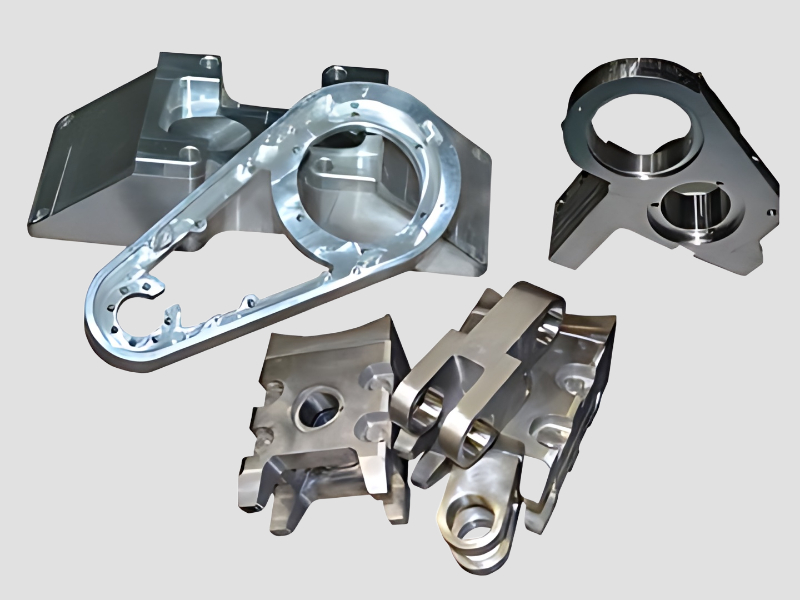
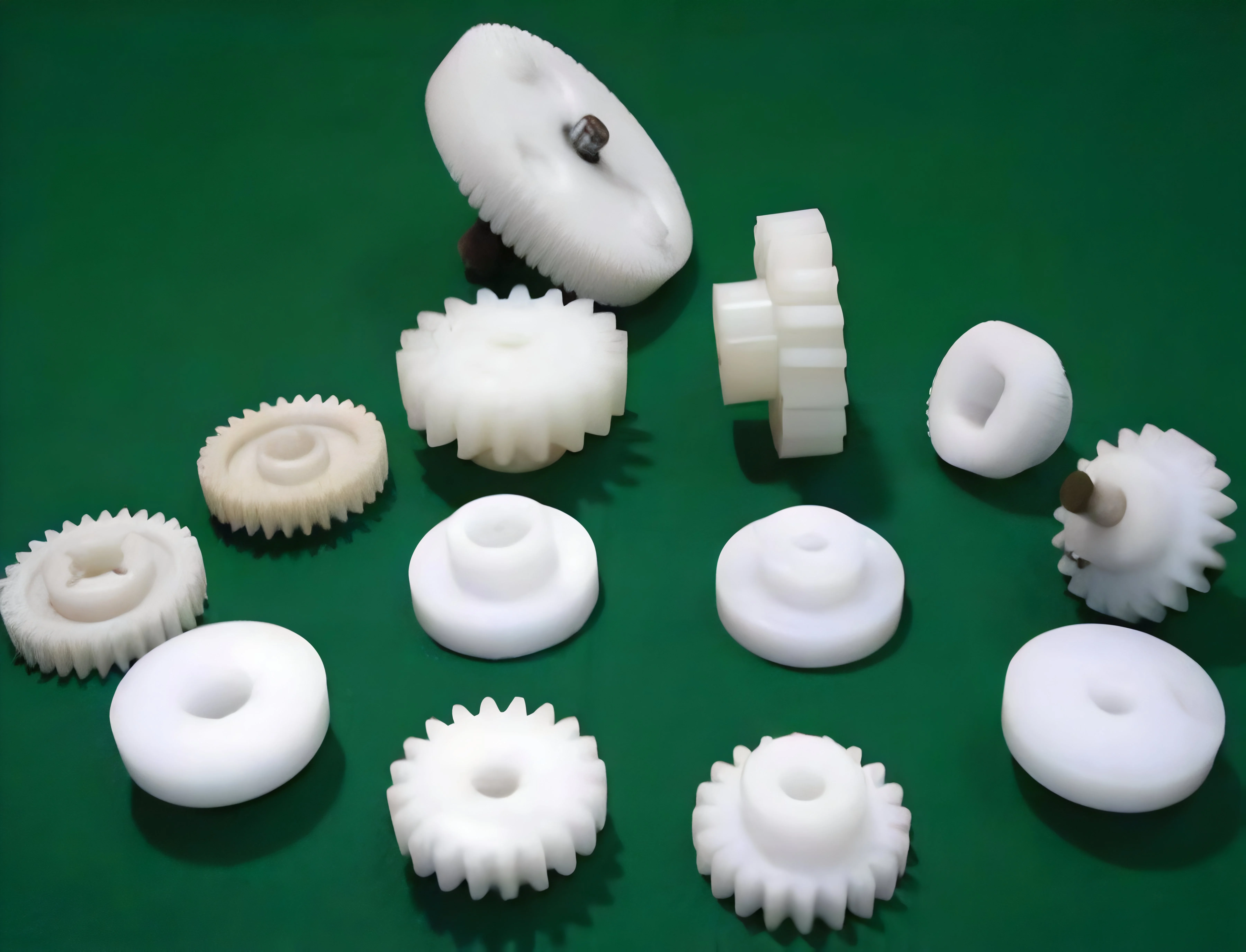
Other OEM Parts Suppliers provide essential components and parts that are used in the manufacturing of various industrial products. These suppliers cater to a broad range of industries, ensuring that manufacturers have access to the necessary parts that meet original equipment manufacturer (OEM) specifications. The role of these suppliers is critical, as they help maintain the quality and performance standards expected by end-users.
These parts are utilized in a variety of applications, from automotive and aerospace to electronics and machinery. Businesses rely on Other OEM Parts Suppliers to provide components that not only fit their specifications but also enhance the performance and reliability of their products. As industries continue to evolve, the demand for high-quality OEM parts has grown, signaling the importance of having a robust supplier network.
The market for OEM parts suppliers is competitive and diverse, with many players offering unique advantages. Understanding the dynamics of this market can help businesses make informed decisions when sourcing components, ultimately impacting their overall operational efficiency.
Key Features and Specifications
Other OEM Parts Suppliers offer a wide range of features and specifications that cater to different industrial needs. These specifications ensure that the parts are compatible, reliable, and of high quality.
Key specifications include:
1. Quality Standards
- Adherence to industry-specific quality benchmarks
- Compliance with ISO certifications
2. Material Composition
- Use of durable materials such as steel, aluminum, or plastics
- Resistance to wear and corrosion
3. Compatibility
- Designed to fit specific OEM products
- Ensured compatibility across various applications
4. Customization Options
- Ability to customize components based on client requirements
- Flexible manufacturing processes to accommodate different orders
5. Performance Metrics
- Defined operational ranges for temperature and pressure
- Consistent performance under specified conditions
6. Testing and Compliance
- Rigorous testing protocols to ensure quality
- Compliance with safety and regulatory standards
7. Delivery and Logistics
- Efficient supply chain management for timely deliveries
- Options for expedited shipping
8. Warranty and Support
- Warranty offerings for parts supplied
- Customer support services for troubleshooting
In summary, these specifications play a vital role in helping businesses choose the right OEM parts, ensuring quality and compatibility.
Common Applications and Use Cases
Other OEM Parts Suppliers have applications across multiple industries, providing essential components that enhance product functionality.
1. Automotive: OEM parts are critical in vehicle manufacturing and maintenance, providing the necessary components for engines, transmissions, and braking systems.
2. Aerospace: Precision-engineered parts are used in aircraft manufacturing, ensuring safety and performance in flight operations.
3. Electronics: OEM components are vital in the production of consumer electronics, ensuring compatibility and reliability in devices such as smartphones and laptops.
4. Machinery: Industrial machinery relies on OEM parts for optimal performance, including components for construction and agricultural equipment.
5. Healthcare: OEM parts are used in medical devices, ensuring compliance with strict regulatory standards for safety and efficacy.
6. Renewable Energy: Components supplied to the renewable energy sector, such as wind turbines and solar panels, contribute to sustainable energy solutions.
7. HVAC: OEM parts are essential in heating, ventilation, and air conditioning systems, ensuring efficient climate control.
Product Variants and Subcategories
The diversity of Other OEM Parts Suppliers is evident in the various product variants available, catering to specific industrial needs.
Standard OEM Parts
These are commonly used components that meet general specifications for a variety of applications. They are manufactured to high standards and are widely available.
Custom OEM Parts
Tailored to specific requirements, these parts are designed based on client specifications, allowing for unique applications and enhanced performance.
Specialized OEM Parts
These components are engineered for niche markets or specialized applications, offering unique features that address specific industry challenges.
Benefits and Advantages
Sourcing Other OEM Parts Suppliers provides numerous advantages for businesses looking to enhance their operations.
Key benefits include:
1. Quality Assurance: Sourcing from reputable suppliers ensures that parts meet high-quality standards, reducing the likelihood of failures.
2. Cost Efficiency: By using OEM parts, businesses can lower operational costs associated with repairs and replacements.
3. Enhanced Performance: OEM components are designed to work seamlessly with existing systems, improving overall performance.
4. Reliable Supply Chain: Established suppliers offer a dependable source of parts, minimizing downtime in production.
5. Customization Flexibility: Businesses can work with suppliers for tailored solutions that fit their specific requirements.
6. Regulatory Compliance: Sourcing from certified suppliers ensures adherence to industry regulations, reducing compliance risks.
Buying Guide for B2B Buyers
When sourcing Other OEM Parts Suppliers, businesses should consider several critical factors to ensure they make informed decisions.
1. Quality Assessment: Evaluate the supplier's adherence to quality standards and certifications. Review their manufacturing processes and quality control measures.
2. Supplier Verification: Conduct thorough background checks on suppliers. Assess their reputation, reliability, and feedback from other clients.
3. Pricing and MOQ: Analyze pricing structures and minimum order quantities. Ensure that the costs align with your budget while maintaining quality.
4. Delivery and Lead Times: Consider the supplier's logistics capabilities. Assess their ability to meet your required delivery schedules.
5. Compliance Requirements: Confirm that the supplier adheres to relevant regulatory standards. This includes safety, testing, and certification requirements that apply to your industry.
Compliance and Certifications
Compliance is a critical aspect when procuring OEM parts. Various standards ensure that products meet quality and safety expectations.
ISO 9001 is a widely recognized standard for quality management systems, ensuring that suppliers maintain consistent quality in their manufacturing processes.
CE certification is essential for products sold in the European Economic Area, indicating that they meet EU safety, health, and environmental protection standards.
Safety and testing requirements vary by industry but are crucial for ensuring that parts function safely and effectively in their intended applications.
Regional compliance considerations may also come into play, especially for businesses operating in different geographical areas. Understanding local regulations is vital for ensuring that sourced parts are compliant.
Why Source Other OEM Parts Suppliers from Pepagora?
Pepagora offers a trusted platform for sourcing Other OEM Parts Suppliers, providing several key advantages that enhance the buying experience.
Verified Supplier Network: Pepagora ensures that all listed suppliers undergo a thorough verification process. This helps businesses find reliable partners who meet their quality standards.
Streamlined RFQ Process: The platform features an efficient request for quotation (RFQ) system that simplifies the procurement process. Buyers can easily request quotes from multiple suppliers, facilitating comparison and decision-making.
Trade Assurance and Support: Pepagora provides trade assurance, ensuring that buyers are protected throughout the purchasing process. This includes support for any disputes or issues that may arise.
Regional Coverage: With a strong presence in India, the GCC, and Southeast Asia, Pepagora connects businesses with local suppliers. This enhances accessibility and can reduce lead times for parts delivery.
In conclusion, businesses looking to source Other OEM Parts Suppliers can benefit from the diverse network and support offered by Pepagora, making it a valuable resource for enhancing operational efficiency.

 IN
IN